The Statue of Liberty is right there, close enough to feel almost borrowed, while kids chase each other through the grass on the Jersey side of the harbor.
That is the beauty of a New Jersey summer day done right: one minute you are staring at a skyline people fly across the world to see, and the next you are standing beside a Revolutionary War battlefield, a cranberry bog, a canal towpath, or a working farm where time moves at horse-and-wagon speed.
Even better, some of the state’s best outdoor escapes do not ask you to buy a ticket just to show up. You can pack a sandwich, wear shoes that can handle dirt, and turn an ordinary afternoon into a history lesson with shade, water views, and maybe a little mud.
These 15 spots make the case that New Jersey’s best summer plans are often hiding in plain sight.
1. Liberty State Park
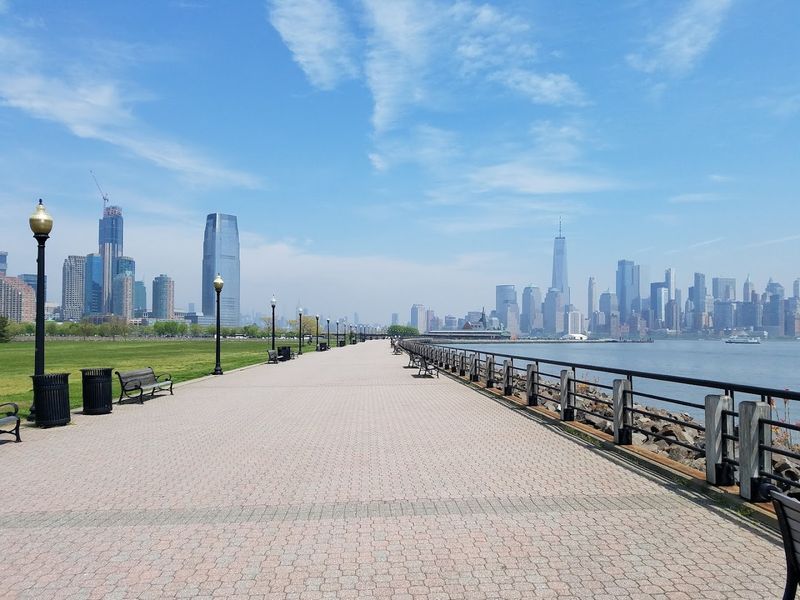
Bring someone here who claims New Jersey does not have “big view” energy, then point them toward the harbor. From Liberty State Park, the Manhattan skyline, Ellis Island, and the Statue of Liberty all line up like the state is showing off on purpose.
The waterfront promenade is the move on a summer day, especially if you want an easy walk with maximum payoff and very little planning. You can stroll, bike, picnic, or just sit on a bench and watch ferries slide across the water while gulls handle the soundtrack.
The historic Central Railroad of New Jersey Terminal gives the park its deeper pull. This was once a major gateway for immigrants moving onward after arriving through Ellis Island, and the building still carries that grand, echoing sense of departure and arrival.
It is not just a pretty backdrop; it is one of the most emotional public spaces in North Jersey if you give it a minute. Families will appreciate the open lawns and playground areas, while photographers should aim for late afternoon when the skyline starts catching softer light.
The park itself is free to enjoy, though nearby ferry rides, museum-style attractions, and some parking areas can cost extra. For a low-cost summer day with real “only in Jersey” drama, this one is hard to beat.
2. New Jersey State Botanical Garden at Skylands
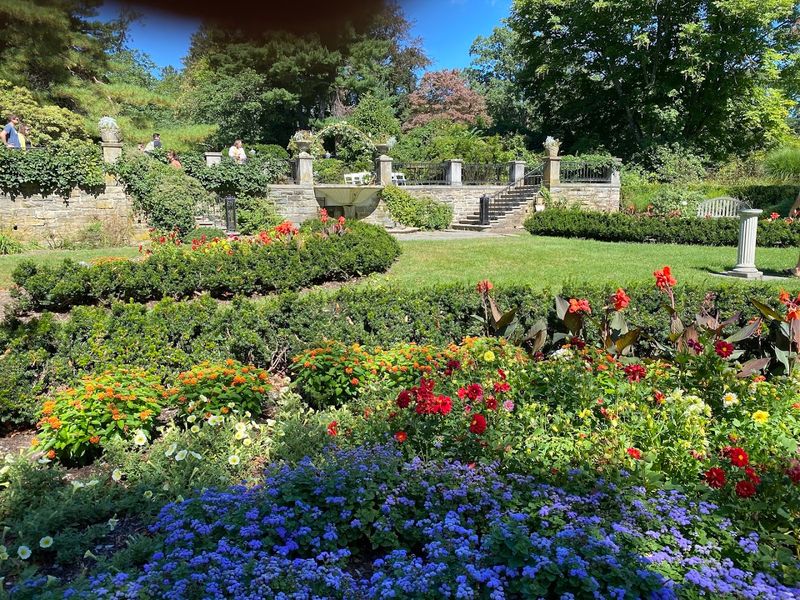
The trick at Skylands is not to rush. The New Jersey State Botanical Garden rewards the slow wanderer, the person who notices a stone wall, a burst of color, a quiet path curving into the trees, and the Tudor-style manor sitting there like it wandered in from an English countryside daydream.
Set within Ringwood State Park, the gardens feel polished without being stiff, which is exactly what you want on a warm day when you are dressed for sunscreen, not a garden party.
Formal garden rooms, lawns, wooded paths, and mountain views give the place enough variety that you can spend an hour or stretch the visit into a full afternoon.
The garden is especially good for mixed groups: grandparents can enjoy the easier paths, kids can roam without being trapped inside, and plant people can happily disappear into their own little world. The real charm is the contrast between the cultivated and the wild.
One moment you are beside carefully arranged blooms, and the next you are looking toward the Ramapo Mountains. Admission to the garden is free, though summer weekend and holiday parking fees may apply, so a weekday visit is the sneaky smart play.
Bring water, comfortable shoes, and a camera you will actually use.
3. Princeton Battlefield State Park
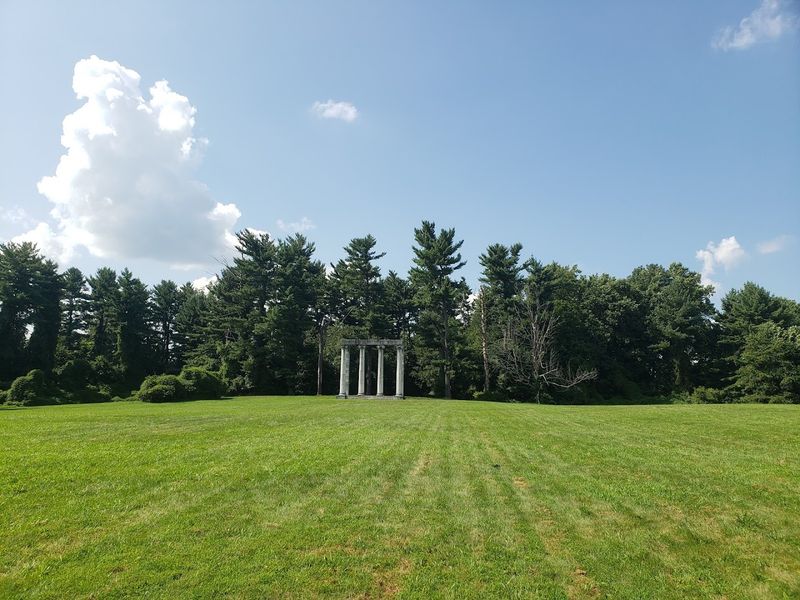
A summer breeze moving across the grass at Princeton Battlefield can make the place feel almost too peaceful for what happened here. That contrast is exactly why it belongs on this list.
This is where Washington’s army fought a crucial battle in January 1777, during the stretch of victories that helped shift the Revolutionary War’s momentum.
Today, the park is open and uncluttered, with fields, paths, monuments, and the historic Thomas Clarke House helping visitors connect the calm landscape to the chaos that unfolded there.
It is a good stop for people who like history without needing a full museum day. You can walk the grounds, read the markers, and let the scale of the battlefield do some of the storytelling.
The Mercer Oak, the Colonnade, and the Clarke House area give the visit clear anchors, while the open fields keep it from feeling overly programmed. It is also close enough to downtown Princeton that you can pair it with coffee, lunch, or a campus walk afterward.
In summer, go earlier in the day if you want shade and easier parking. This is not a flashy spot, and that is the point. It is quiet, direct, and powerful in a way that sneaks up on you.
4. Washington Crossing State Park
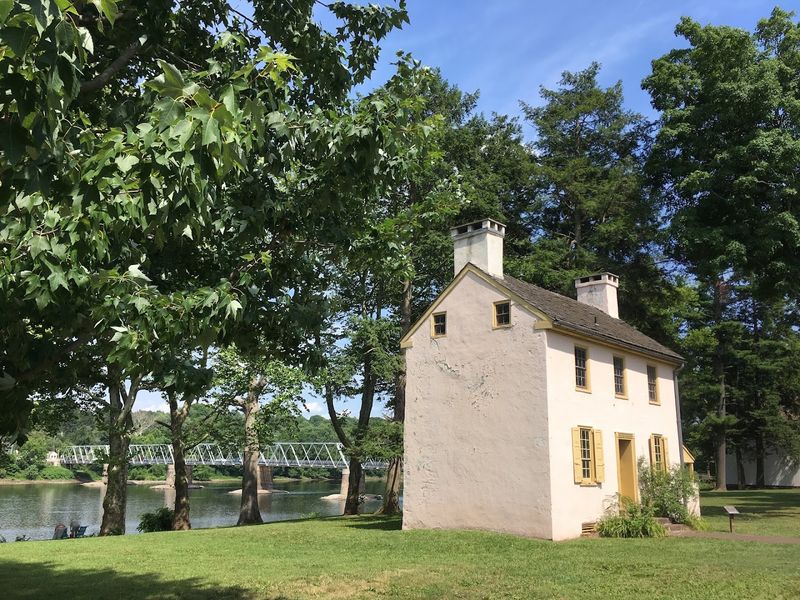
The Delaware River looks calm now, which makes the story at Washington Crossing State Park even wilder. Stand near the water and try to picture boats, horses, cannon, darkness, ice, and a storm rolling in while Washington’s army pushed toward Trenton in December 1776.
It is the kind of history that can sound polished in a textbook but feels much more human when you are looking at the riverbank. The park has enough nature to make it a worthy summer stop even if no one in your group is begging for a Revolutionary War lesson.
Trails wind through woods and fields, picnic areas give you space to settle in, and the visitor center and historic features add context when you want it. The best visit is part walk, part imagination exercise.
Start near the historic core, then give yourself time to explore the quieter edges of the park where the trees and river do most of the talking. Because the park sits in Titusville, it also pairs nicely with a drive along the Delaware River towns.
Check ahead for facility updates before you go, since projects and seasonal schedules can affect what is open. The grounds are still the star, and they do not need much help.
5. Monmouth Battlefield State Park
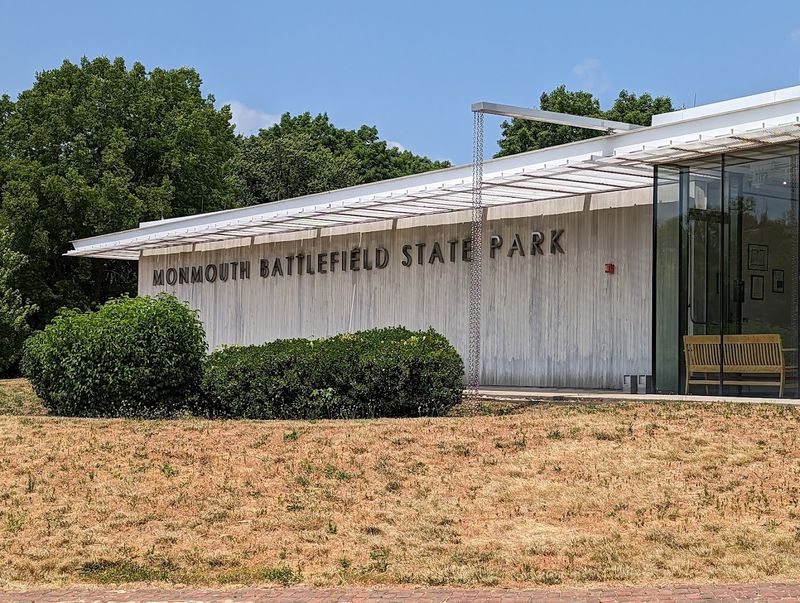
Heat, smoke, wool uniforms, and a June sun that did nobody any favors: Monmouth Battlefield comes with one of the more physically vivid Revolutionary War stories in New Jersey.
The 1778 battle here was fought in brutal summer conditions, which makes a modern warm-weather walk across the rolling fields feel strangely connected to the past.
The park preserves a broad landscape of farmland, woods, orchards, and trails, so it never feels like you are simply looking at a monument and leaving. Start at the visitor center if it is open, where exhibits and orientation materials help explain the battle before you head outside.
Then take one of the self-guided routes across the battlefield, where wayside signs point out key locations without overwhelming the walk. The setting is wide open, so sunscreen and a hat are not optional if you are visiting in July or August.
What makes Monmouth especially satisfying is that it gives you room to move. You can make it a short history stop or turn it into a longer trail day, depending on your mood and the weather.
Families can keep it casual with a picnic, while history fans can linger over the battle’s twists, including the stories of Molly Pitcher, Washington, and the soldiers who fought across these fields.
6. Allaire State Park / Historic Allaire Village
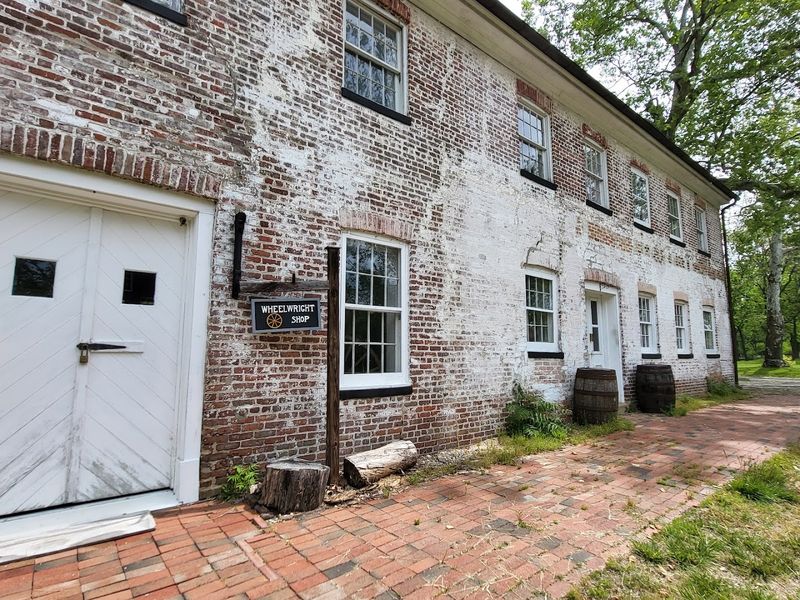
The sound of gravel underfoot does a lot of work at Allaire. Before you even get into the history, the place makes you slow down and look around: old buildings, shady lanes, the Manasquan River nearby, and woods that make the modern world feel a few turns away.
Allaire State Park is best known for Historic Allaire Village, a preserved 19th-century iron-making community where the buildings tell the story of industry, labor, family life, and the little daily routines that kept a company town running.
Even when you are just walking the exterior lanes, the village has that “people really lived here” feeling that polished historic sites sometimes lose.
Around it, the state park adds trails, fishing spots, and river scenery, so the visit does not have to be only about history. Families often like the mix: one person wants a walk, another wants old buildings, someone else wants shade, and Allaire can handle the whole crew.
The Pine Creek Railroad is a popular add-on, but it is a paid attraction, and some village programming or building access may require admission depending on the day. For the no-ticket version, focus on the park grounds, trails, river, picnic areas, and the historic setting itself.
It still makes for a full and memorable summer outing.
7. Delaware & Raritan Canal State Park
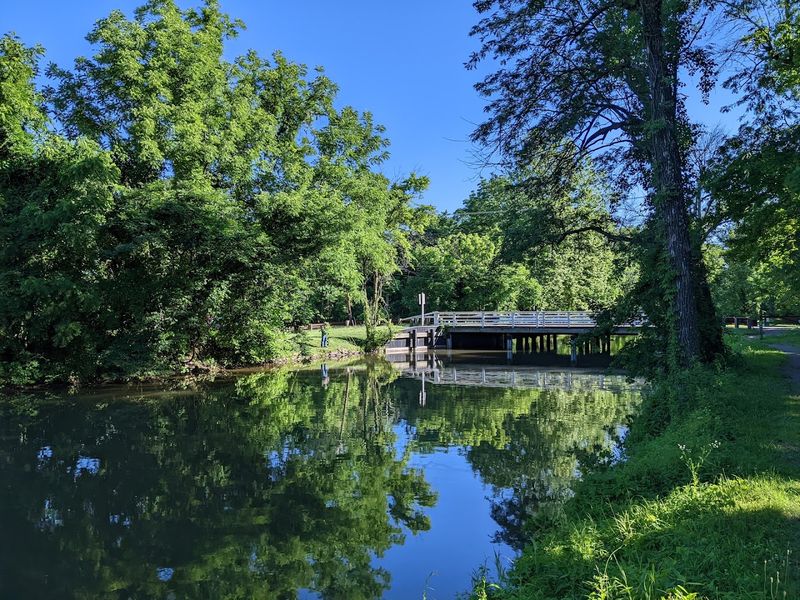
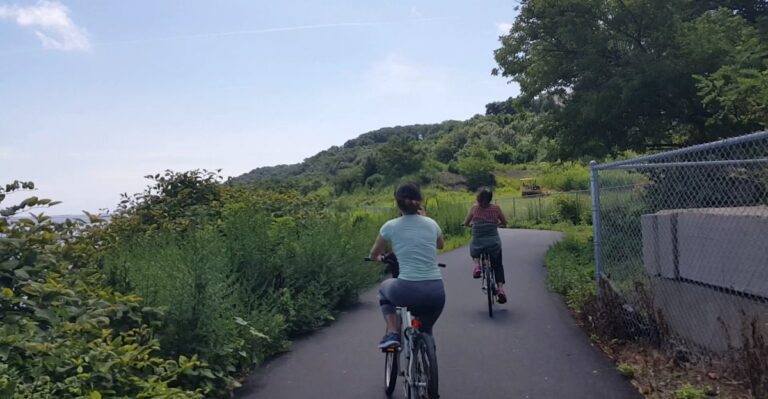
There is something quietly addictive about a canal towpath. No dramatic climb, no complicated route, no big production — just a flat path, tree shade, water beside you, and enough history under your feet to keep the walk from feeling ordinary.
Delaware & Raritan Canal State Park stretches across central New Jersey, following the old canal system that once helped move freight between Philadelphia and New York. Today, it is one of the state’s great choose-your-own-adventure parks.
You can walk a short section after lunch, bike for miles, fish, paddle where conditions allow, or use it as a peaceful connector between towns. The scenery changes depending on where you hop on: Princeton gives you a polished, collegiate edge near Carnegie Lake, while other stretches feel more wooded, rural, and tucked away.
Summer visitors should pick a segment rather than trying to “do” the whole canal, because the park is long and linear. Bring a bike if you want range, or keep it simple with sneakers and a water bottle.
The appeal is not one single viewpoint. It is the rhythm of the place: old stonework, lock structures, turtles on logs, passing cyclists, and the feeling that you have slipped onto a quieter version of New Jersey hiding just behind the busy roads.
8. Waterloo Village at Allamuchy Mountain State Park
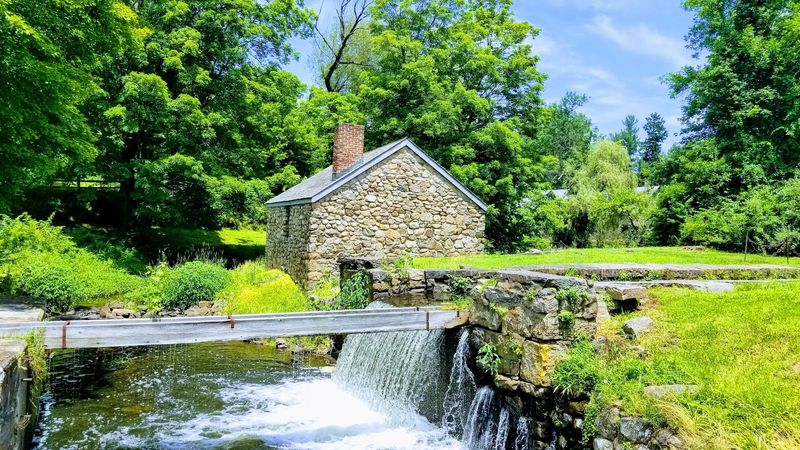
Old canal towns have a way of making silence feel interesting. Waterloo Village, inside Allamuchy Mountain State Park, sits along the Morris Canal and the Musconetcong River, with historic buildings, water views, and wooded edges combining into one of North Jersey’s most atmospheric free outdoor stops.
This is not a shiny, theme-park version of the past. The appeal is in the texture: weathered structures, paths between buildings, the sense of a 19th-century village shaped by canal traffic, trade, and hard work.
You can walk through the historic area, peek at the setting of the blacksmith shop, gristmill, church, store, and other village landmarks, then let the surrounding park take over. The location between mountains gives the place a cooler, greener feel in summer, especially if you pair the village with a short walk near the river.
Waterloo is a great pick for people who like history with a little mystery to it. It does not hand everything to you at once; it invites you to piece the story together as you move.
Programming and interior access can vary, so think of the free visit as an outdoor exploration first. Bring bug spray, wear shoes that can handle uneven ground, and leave time for a quiet pause by the water.
9. Long Pond Ironworks State Park
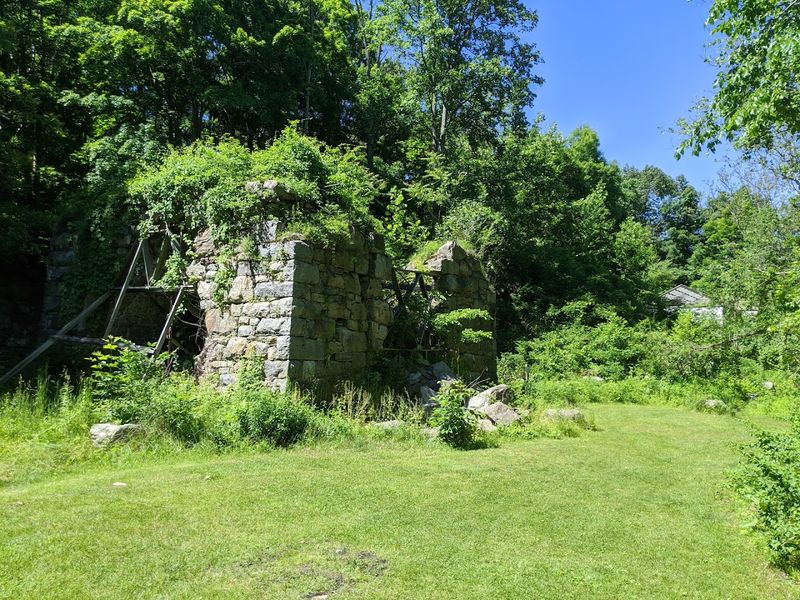
Stone ruins in the woods always feel like New Jersey is keeping secrets. At Long Pond Ironworks State Park in West Milford, those ruins are not random leftovers; they are the remains of an ironworking community that operated for more than a century and supplied iron through major chapters of American history.
The historic district sits near the Wanaque River, with old furnaces, stone walls, waterpower remnants, and village traces tucked into a rugged North Jersey setting. It is a terrific summer stop for anyone who wants history without standing indoors.
You can wander the grounds, look at the industrial remains, and then branch into nearby trails if you want more of a hike. The landscape feels different from the battlefield parks on this list.
It is rockier, moodier, and more forested, with the ruins giving the place a slightly adventurous edge. That said, it is still accessible enough for a casual visit if you stick to the main historic area.
The visitor center and museum, when open, can add helpful context, but the outdoor district carries the experience on its own. Pair it with water views at nearby Monksville Reservoir or a longer hike if your group has energy.
Long Pond is the kind of place that makes you say, “Wait, this was here the whole time?”
10. Whitesbog Historic Village
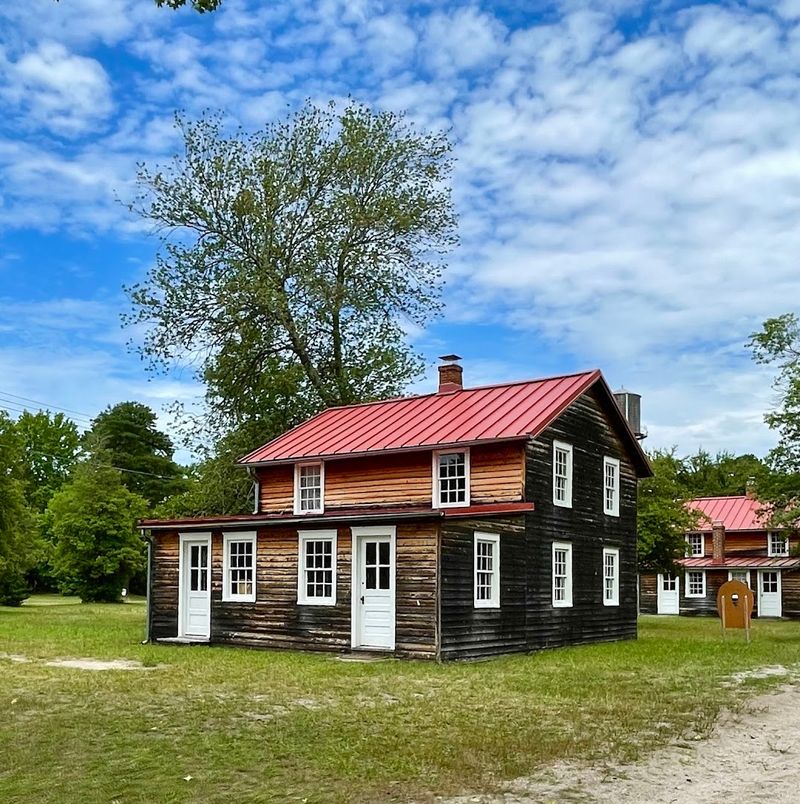
Blueberries feel like a summer snack, but at Whitesbog they are also a plot twist. This Pine Barrens village is tied to the first successful cultivation of the highbush blueberry, thanks to Elizabeth White’s work in the early 20th century, and it also has deep roots in New Jersey’s cranberry industry.
That gives the whole place a very Jersey kind of magic: agricultural history, sandy roads, bogs, reservoirs, old cottages, and pines whispering in the heat. Whitesbog Historic Village sits within Brendan T.
Byrne State Forest, and it is one of the best spots in the state for a low-key wander that feels both educational and a little offbeat. The village buildings tell one part of the story, but the surrounding landscape is just as important.
Walk the trails, look out over the bogs, and imagine the seasonal work that once shaped daily life here. It is especially good for visitors who want something different from the usual park-and-picnic routine.
The General Store is a fun stop when open, and special events can add extra energy, but you do not need an event to enjoy the grounds. Summer brings heat and bugs, so come prepared.
The reward is a place that feels distinctly South Jersey: sandy, historic, practical, and quietly beautiful.
11. Historic Walnford
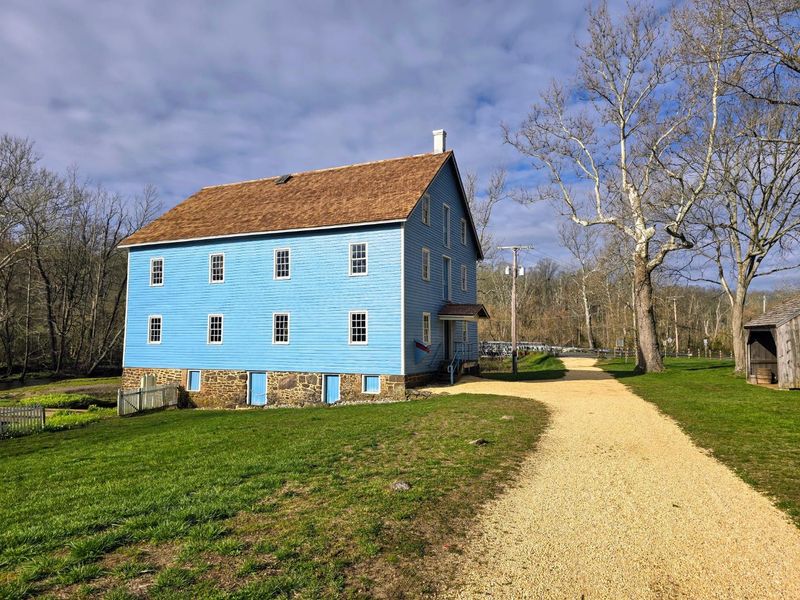
The gristmill is the hook, but the creek is what makes you linger. Historic Walnford, set within Crosswicks Creek Park in Upper Freehold, has the calm of a country estate and the substance of a working historic site.
The property traces more than 200 years of life connected to the Waln family, from farm and mill village to a more elegant rural estate. You will find the historic house, mill, carriage house, farm buildings, and open grounds arranged in a way that feels easy to explore without a strict plan.
It is especially good for visitors who like their history on a human scale. Instead of huge battle movements or national monuments, Walnford gives you the rhythms of land, water, family, technology, and local economy.
The setting along Crosswicks Creek adds a peaceful layer, with enough space for a slow walk before or after you look at the buildings. This is a strong choice for a summer day when you want charm without crowds.
It also works well for families because the site has room to move but still feels contained and manageable. Admission is free, and the pace is gentle.
Come for the mill, stay for the shade, and do not be surprised if this becomes one of those “why don’t we come here more often?” spots.
12. Howell Living History Farm
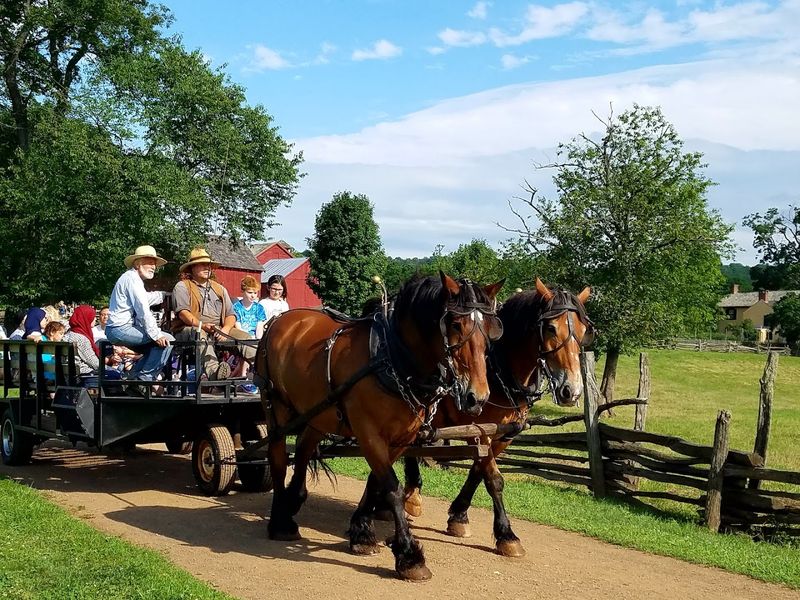
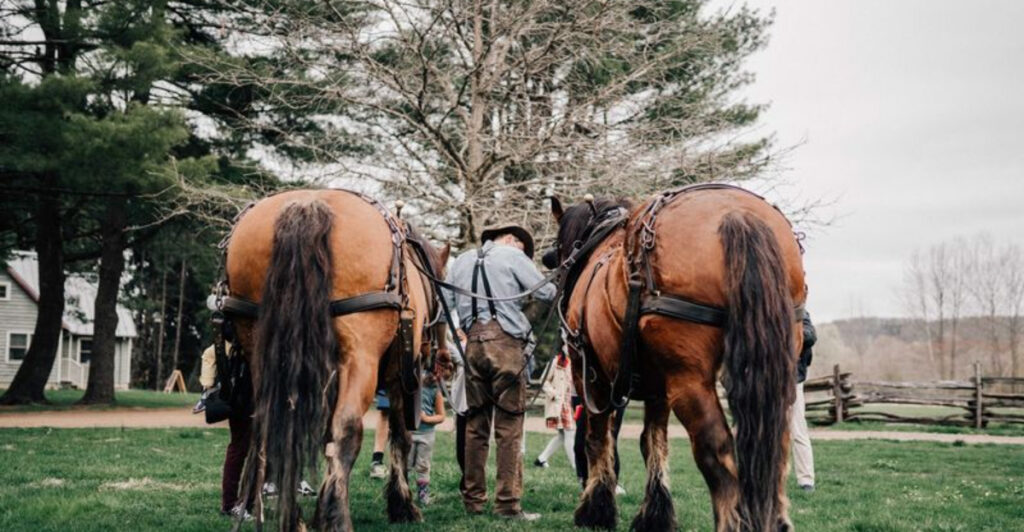
You can read about old farm life, or you can watch a team of horses work and instantly understand that “simple” did not mean “easy.”
Howell Living History Farm in Hopewell Township brings early 20th-century agriculture to life in the most direct way: through chores, animals, fields, barns, tools, and hands-on seasonal programs. This is not a look-but-do-not-breathe museum experience.
The whole point is that the farm still feels active, with staff and volunteers demonstrating the kind of work that once shaped rural Mercer County. Summer visits might include seeing crops in the field, animals in the barnyard, or demonstrations that make kids suddenly realize food did not always begin in a supermarket aisle.
Adults tend to enjoy it just as much, especially if they like practical history rather than glass-case history. The farm is free to visit, though certain special programs or events may have their own details, and hours can be more limited than a regular park, so checking before you go is smart.
Wear closed-toe shoes, expect dirt, and do not promise children they can feed animals unless staff says it is allowed. The charm here is wonderfully unpolished.
It smells like hay, sounds like work, and makes a summer afternoon feel useful in the best possible way.
13. Morristown National Historical Park
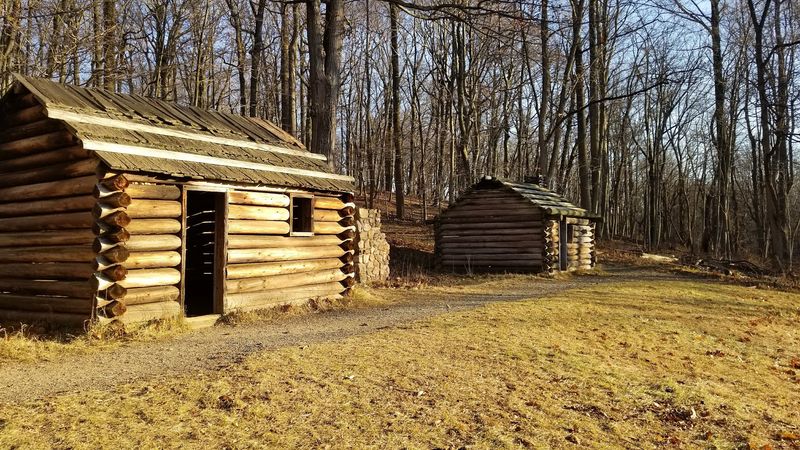
The woods at Jockey Hollow do not shout their history, which somehow makes them more powerful. Morristown National Historical Park preserves several sites tied to Washington and the Continental Army, including the brutal winter encampment of 1779–1780, when soldiers endured extreme cold, scarcity, and uncertainty.
This is one of New Jersey’s heavyweight history destinations, but it still works beautifully as an outdoor summer day. You can walk the trails at Jockey Hollow, visit reconstructed soldier huts, see the Wick House area, and connect the landscape to the endurance story that unfolded there.
In Morristown, Washington’s Headquarters and the museum side of the park add another layer, especially for visitors who want more context. The best approach is to choose a focus: trails and huts for a nature-forward visit, or headquarters and exhibits for a history-heavy one.
Either way, the park is free, which makes it one of the best values in the state for anyone who likes national park experiences without the big travel production. Summer shade is decent in the wooded areas, but bring water and expect some walking.
Morristown does not feel frozen in time. It feels like a living landscape where the Revolution was survived one hard day at a time.
14. Paterson Great Falls National Historical Park
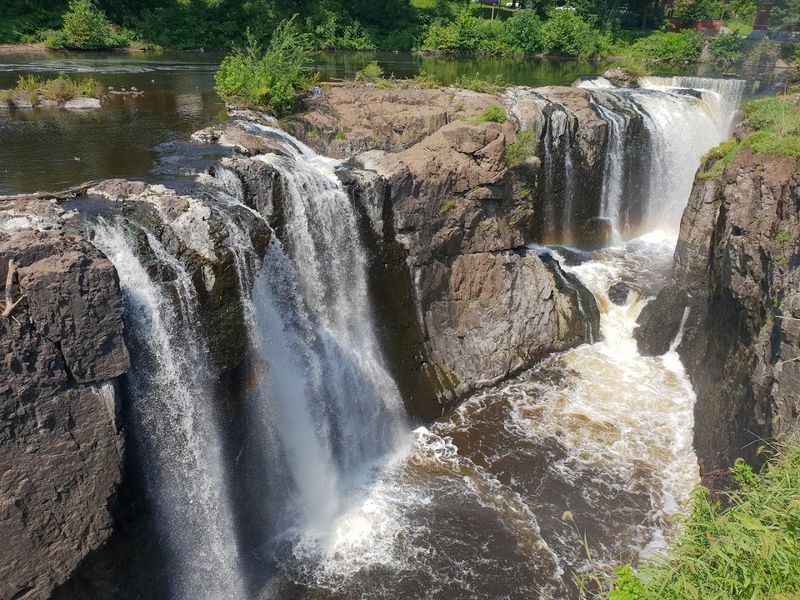
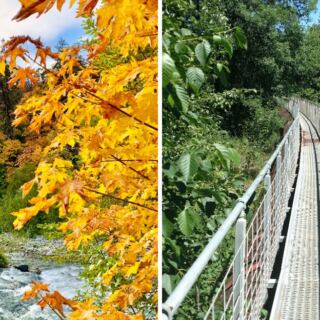
The falls do not ease into the moment. They roar, throw mist, and make it very clear why Alexander Hamilton looked at this stretch of the Passaic River and saw industrial power.
Paterson Great Falls National Historical Park is one of the most dramatic free outdoor stops in New Jersey, combining natural force with the story of America’s first planned industrial city. The main attraction is the waterfall itself, which drops with a force that can feel almost shocking if you have only seen it in photos.
But the surrounding mill buildings and interpretive signs are what turn the visit from “nice view” into a real New Jersey history lesson. Paterson became a manufacturing powerhouse, producing everything from silk to locomotives and aircraft engines, and the falls were central to that ambition.
For a summer visit, start at Overlook Park or the viewing areas, then take time to walk the immediate district and read the markers. This is an urban national park, so it has a different feel from the leafy battlefield and farm sites on this list.
That is part of the appeal. You get water, industry, immigrant labor history, architecture, and city energy in one compact visit. Go after recent rain if you want the falls at their loudest.
15. Red Bank Battlefield Park
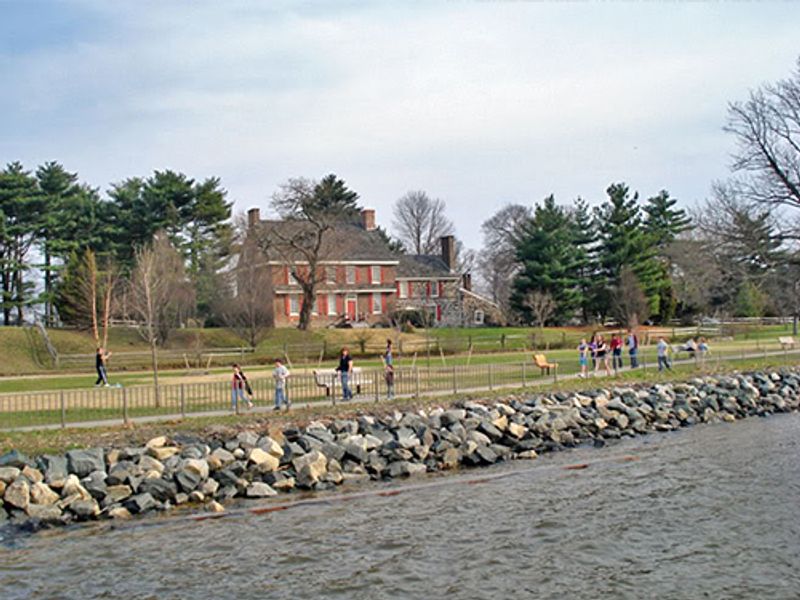
Cannon, river views, playgrounds, picnic tables, and a house with a wartime story: Red Bank Battlefield Park manages to be both serious and easygoing.
Set along the Delaware River in Gloucester County, the park preserves the site of Fort Mercer, where Continental forces fought Hessian troops during the Revolutionary War in October 1777.
The history is substantial, especially around the Whitall House, which stood during the battle and later served as a field hospital. But the park itself is also simply a lovely place to spend a summer afternoon.
You can walk the paths, look across the river, read the monuments, let kids burn energy at the play areas, and settle into a picnic without feeling like you need a strict itinerary. That combination is what makes Red Bank such a useful local recommendation.
It gives you a real historic site without asking everyone in the car to be in full museum mode. The park is open year-round from sunrise to sunset, with seasonal features and tours varying by date, so the grounds are the reliable draw.
Bring lunch, take the river walk slowly, and give the battlefield markers more than a passing glance. The story here is bigger than the quiet setting suggests.
Share this story