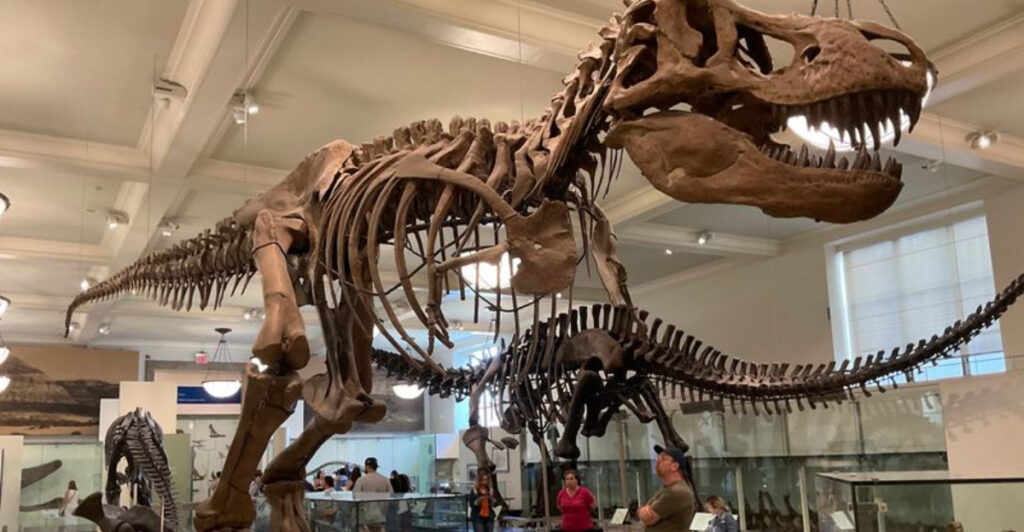
New York has many famous sights, but one of its most exciting treasures is filled with giant bones, ancient creatures, and amazing science. The American Museum of Natural History in Manhattan gives visitors a close look at dinosaurs that once ruled the Earth.
Kids, teens, and adults can all find something unforgettable in these halls. If you love big discoveries and even bigger skeletons, this museum deserves a spot on your list.
1. The dinosaur halls feel huge the moment you walk in
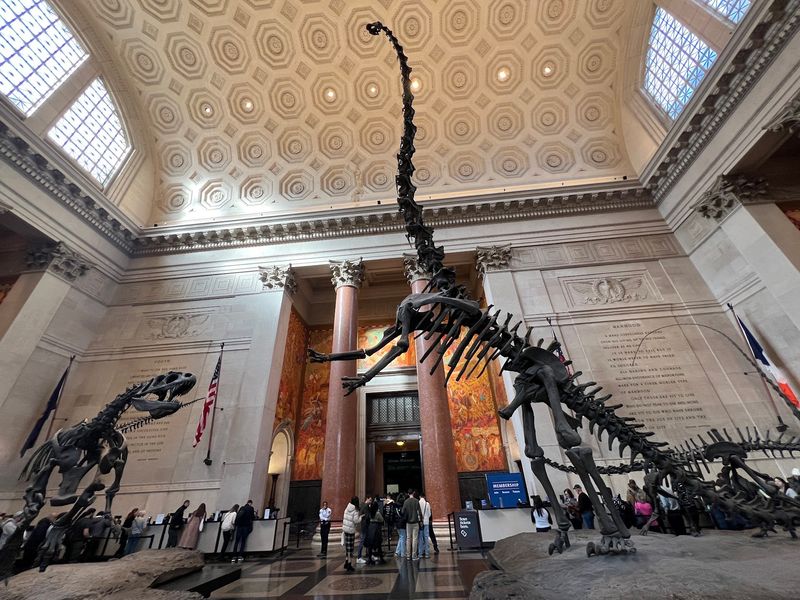
Some museum rooms are easy to forget, but the dinosaur halls at the American Museum of Natural History stay in your mind right away.
The space feels tall, open, and full of motion, even though the animals on display have been gone for millions of years.
Seeing so many fossils together helps visitors understand just how large and varied dinosaurs really were.
One helpful idea is to slow down at the start instead of rushing for the first giant skeleton.
Look at the signs, notice the maps, and pick one side of the hall to follow before crossing the room.
That simple plan makes the visit feel less overwhelming, especially because the museum is so large and popular.
Families often find that kids pay closer attention when they compare body shapes, skull sizes, and leg bones from one dinosaur to the next.
It turns the hall into a kind of giant puzzle where each fossil tells part of the story.
Even adults who have seen dinosaur books for years are often surprised by the real scale.
Comfortable shoes matter here because you will do plenty of walking.
Arriving early can also help you enjoy the halls before crowds grow thicker near midday.
With a little planning, the first steps into this collection can feel exciting instead of rushed, and that makes the whole museum visit better.
2. Titanosaur steals attention with pure size
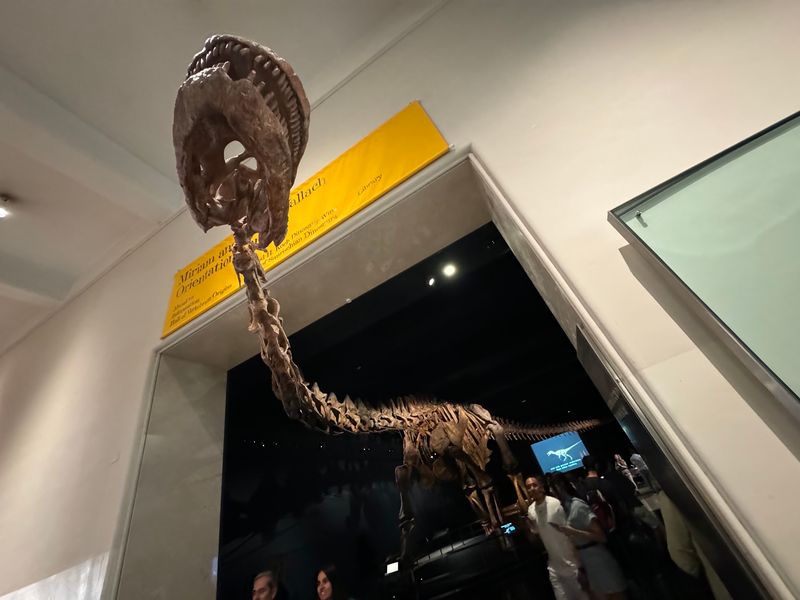
If one fossil can make people stop talking for a second, it is the Titanosaur.
This enormous dinosaur is one of the stars of the American Museum of Natural History, and its length is the first thing most visitors notice.
Standing near it makes you think less about numbers on a sign and more about what it would have felt like to see such an animal alive.
Photos are popular here, but taking a minute to walk around the display is even better.
From one angle, the neck seems to stretch forever, while another view shows the strong legs needed to hold up that giant body.
Looking from different spots helps you understand that dinosaurs were not just big; they were built in very specific ways.
Children usually love the wow factor, but this fossil can also open a smart conversation about plant eaters.
A creature this large had to spend a huge amount of time eating, moving, and surviving.
That makes the display useful for learning about habitats, food chains, and how ancient ecosystems supported giant animals.
Try visiting the Titanosaur before you get too tired, because it deserves your full attention.
Crowds gather fast around famous specimens, so earlier hours give you a calmer look.
For many people, this giant alone proves that one of the world’s greatest dinosaur collections is truly sitting right here in New York.
3. Tyrannosaurus rex brings movie-size drama to real science
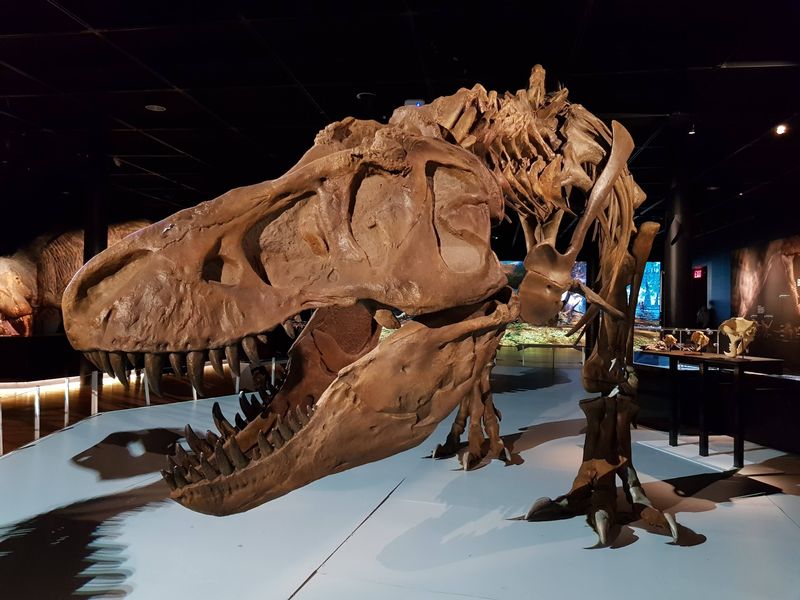
Almost everyone knows the name Tyrannosaurus rex, but seeing a real fossil display changes the experience completely.
At the American Museum of Natural History, the T. rex feels less like a movie monster and more like an incredible animal that scientists have worked hard to understand.
The teeth, skull, and powerful legs all help tell that story in a way books cannot match.
A fun way to explore this display is to start at the head and work your way down.
Notice how the jaws are shaped for biting, then compare the tiny arms with the much stronger back legs.
That contrast usually sticks with younger visitors because it looks so strange and memorable.
Parents and teachers can turn this stop into a quick lesson about evidence.
Scientists learn from bone shape, wear marks, and how skeletons compare with other animals.
Instead of guessing wildly, they build careful ideas from what the fossils show, and that makes the display exciting for curious minds.
It also helps to step back and take in the whole body before reading every label.
Looking first gives you a feeling for the dinosaur as a living creature, then the signs fill in details about hunting, movement, and history.
By the end, the T. rex feels bigger than a famous name.
It becomes one of the clearest reasons this New York museum is such a special place.
4. Triceratops shows that plant eaters were anything but boring
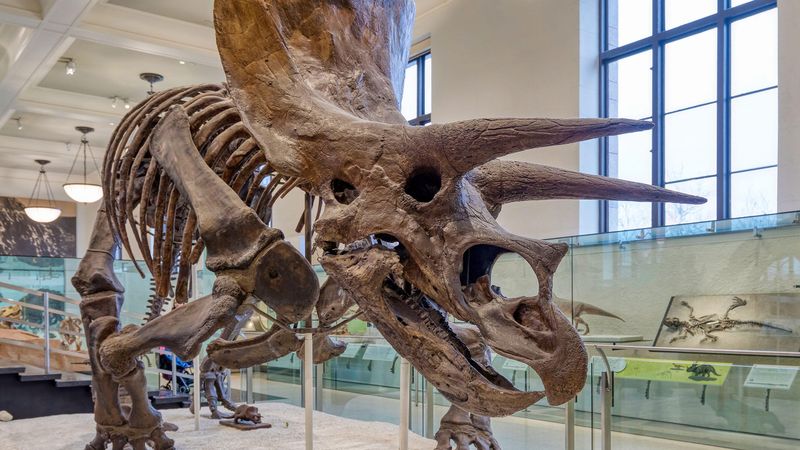
Not every crowd favorite needed sharp teeth to be impressive.
Triceratops stands out because of its three horns, large frill, and sturdy body, making it one of the easiest dinosaurs to recognize in the museum.
At the American Museum of Natural History, this famous plant eater gives visitors a chance to see strength and defense in a whole different style.
The best part of this display is how many details are easy to spot without being an expert.
Kids quickly notice the horns, while older visitors often focus on the wide skull and heavy frame.
Together, those features help explain how a plant eater could still look powerful and well protected.
One smart tip is to compare Triceratops with the meat-eating dinosaurs nearby.
Their heads, teeth, and body shapes are very different, and those differences reveal how each animal lived.
That side-by-side look makes the hall more interesting because the fossils start to feel like clues instead of decorations.
Visitors who enjoy drawing should bring a small notebook if museum rules allow it in the area.
Sketching the head shape or horn placement can help you remember what made this dinosaur unique.
Even a quick drawing turns looking into active learning.
Triceratops also reminds people that dinosaur life was full of variety.
Some creatures chased prey, while others depended on size, group behavior, and body armor to survive.
That mix is one reason the collection feels so rich, and it keeps the museum exciting long after the first big wow moment.
5. Fossils of ancient birds and small hunters tell a bigger story
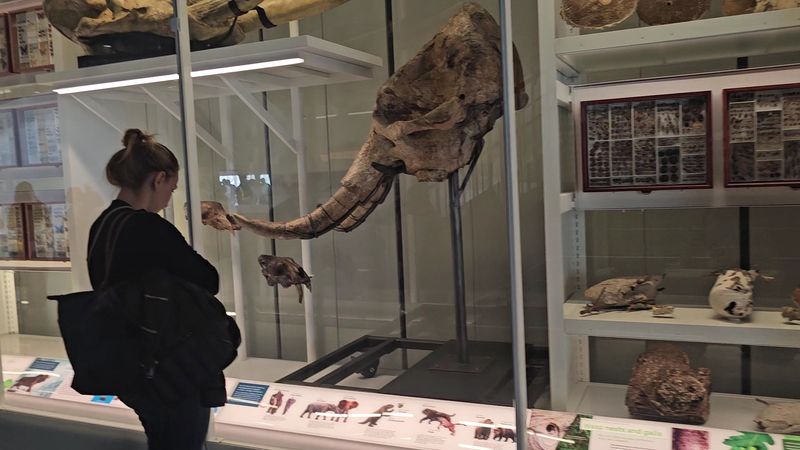
Big skeletons grab attention first, but some of the most interesting lessons come from smaller dinosaurs and bird-like relatives.
In the American Museum of Natural History, these fossils help connect the distant dinosaur age to animals we still know today.
That link makes the collection feel alive in a fresh way.
Many visitors are surprised to learn that birds are closely tied to dinosaurs.
Looking at lighter bones, clawed limbs, and other features helps explain why scientists make that connection.
Suddenly, a pigeon in the park seems a little more exciting after a walk through these halls.
Smaller displays can also be easier for children to study because the details are closer to eye level.
Instead of only feeling amazed by size, they can notice feather clues, foot structure, and body balance.
Those close observations often lead to better questions, and questions are where museum learning really starts.
If your group gets tired, use these exhibits as a quiet reset between the giant crowd magnets.
They usually invite slower reading and calmer conversation, which can be a nice break during a busy day.
You still get an important part of the dinosaur story without feeling rushed.
What makes these fossils special is the way they stretch the idea of what a dinosaur looked like.
Not every species was giant and thunderous.
Some were fast, light, clever, and surprisingly birdlike, and that wider picture is one more reason the museum’s dinosaur collection stands among the best anywhere in the world.
6. The collection explains how scientists put prehistoric puzzles together
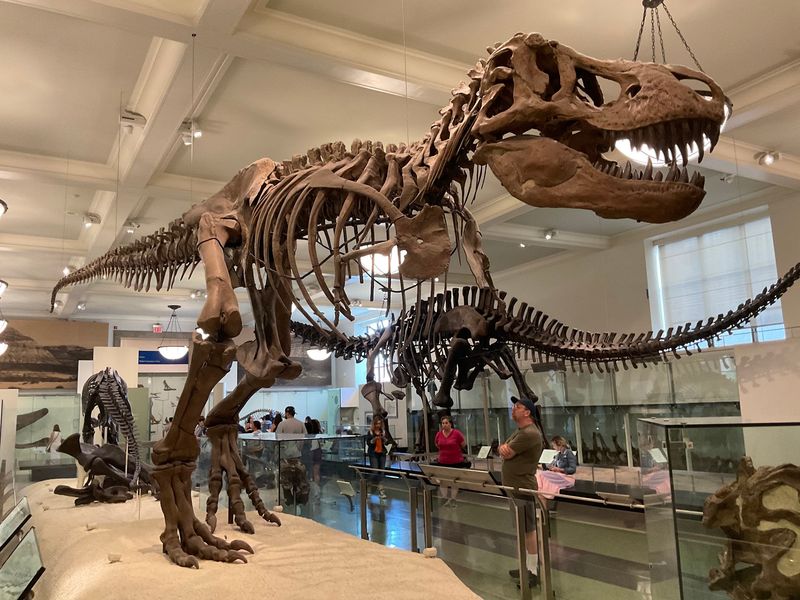
One of the coolest parts of visiting this museum is realizing that dinosaur displays are not just about showing old bones.
The American Museum of Natural History also helps visitors see how scientists study fossils and turn scattered pieces into a clearer picture of the past.
That process makes the collection feel like real detective work.
A skull, a leg bone, or even a footprint can answer important questions.
Scientists compare shapes, examine tiny marks, and look at where fossils were found.
Bit by bit, they learn how an animal may have moved, eaten, grown, or defended itself.
For kids, this can be more exciting than memorizing names.
It shows that science is active, creative, and built on evidence.
Adults often enjoy it too because it turns a museum visit into a look behind the scenes of discovery rather than a simple walk past displays.
Try asking simple questions as you explore.
Which bones seem strongest, what part of the body looks built for speed, and how might teeth reveal diet?
Questions like those make labels easier to understand and help everyone stay engaged.
This part of the collection also teaches patience.
Not every fossil comes out of the ground complete, and not every answer is final right away.
By showing how knowledge is built carefully over time, the museum adds depth to its dinosaur halls.
You leave with more than photos.
You leave with a better understanding of how science actually works.
7. Old bones become motion-filled stories through smart displays
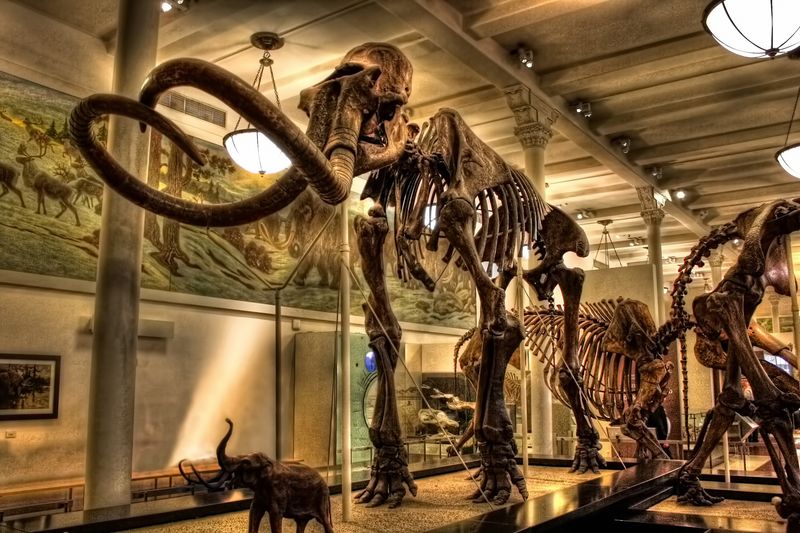
A skeleton may look still, but a good museum display can make it feel full of action.
At the American Museum of Natural History, many dinosaur mounts are arranged in ways that suggest walking, turning, reaching, or preparing to strike.
That sense of motion helps visitors imagine living animals instead of seeing fossils as frozen objects.
Good display design matters more than people sometimes realize.
When a neck curves or a tail balances the body, you start to notice how form and movement fit together.
It becomes easier to picture how a dinosaur carried its weight, searched for food, or reacted to danger.
Young visitors often respond strongly to this part of the experience because it feels almost theatrical.
They are not just learning names from signs.
They are using their eyes to guess what was happening, then checking labels to see if their ideas match the science.
One useful tip is to pause several steps away from each major skeleton before reading.
From a distance, the whole posture becomes clearer.
After that, moving closer for details like claws, teeth, and joints gives the display even more meaning.
The result is a collection that feels active instead of dusty.
That is a major reason so many visitors remember these halls long after they leave Manhattan.
The museum presents dinosaurs as real animals with movement, behavior, and purpose, which makes the science easier to understand and much more fun to explore for every age group.
8. Labels and layouts make a giant museum easier to enjoy
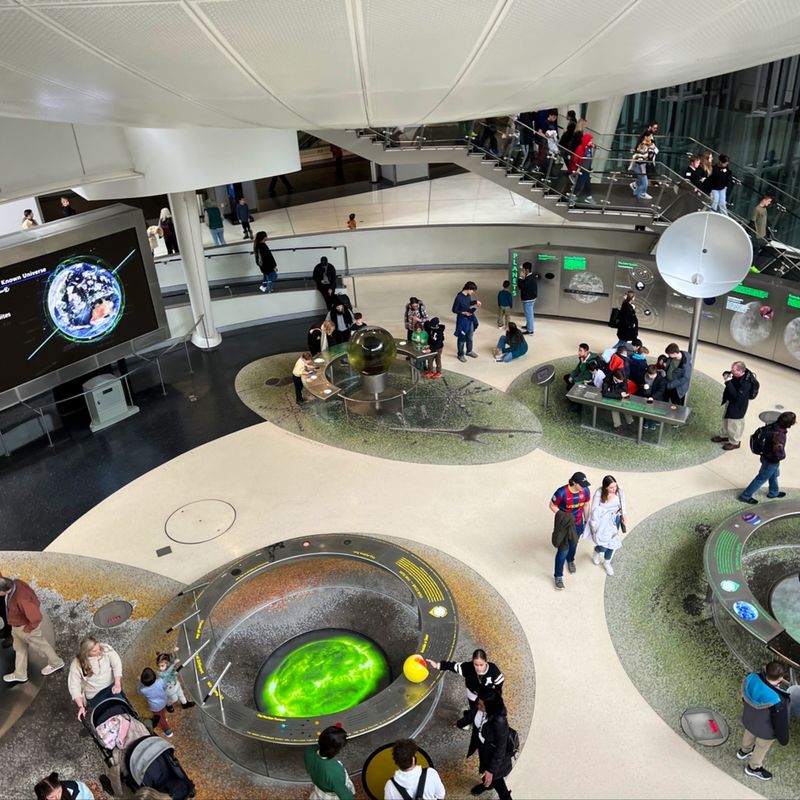
Huge museums can sometimes feel confusing, especially when everyone wants to see something different.
The American Museum of Natural History does a strong job of helping visitors move through its dinosaur areas with maps, signs, and labels that make the experience more manageable.
That matters because a great collection is only truly great when people can understand and enjoy it.
Before charging ahead, take a photo of the museum map or grab one if available.
Knowing where the dinosaur halls sit in relation to restrooms, food areas, and elevators can save time later.
Reviews often mention long waits in busy parts of the building, so a little planning goes a long way.
The labels are useful for both quick visits and deeper learning.
If you only have a short time, read the main points for the biggest fossils and move on.
If you love details, the signs offer enough context to help you compare species and understand what makes each one important.
Families with younger kids may want to set a simple mission, like finding the largest dinosaur, the fiercest skull, or the strangest body shape.
That keeps the visit focused and fun.
It also helps children feel successful in a museum with many distractions.
Because the building is so large, not everything has to happen in one perfect route.
Good layout and smart choices let you enjoy the dinosaur collection without wearing everyone out.
That balance of excitement and organization is part of what makes this Manhattan museum such a favorite.
9. A full day here rewards curious kids and grown-ups alike
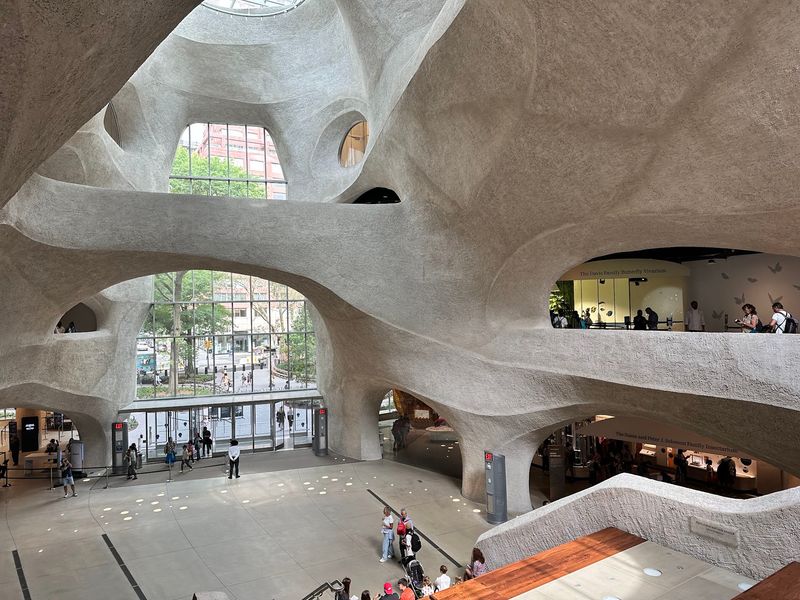
Some places seem aimed mostly at children, while others clearly speak to adults.
The dinosaur collection at the American Museum of Natural History manages to do both at once, which is part of its lasting charm.
A child may fall in love with the giant jaws and towering skeletons, while an adult notices the science, history, and careful design behind every display.
That mix makes the museum a strong choice for families, school trips, and even solo visitors.
No one has to enjoy it in the same way.
One person may read every label, another may sketch fossils, and someone else may simply stand there staring up in amazement.
It helps to build breaks into the day.
The museum is massive, and many visitors say you can easily spend half a day or more there.
Sitting down for a snack, using benches between halls, or switching to a quieter exhibit for a while can keep energy up for the dinosaur highlights.
If you are traveling with kids, invite them to choose one favorite dinosaur before leaving.
That small task gives the visit a fun ending and encourages them to remember details.
Later, they can look up more facts at home and keep the learning going.
What stays with many visitors is the sense of shared discovery.
Even in a busy New York museum, people of different ages keep reacting with the same wide-eyed look.
That kind of excitement is hard to fake, and it shows why this collection continues to inspire generation after generation.
10. Planning ahead helps you enjoy the dinosaurs without the stress
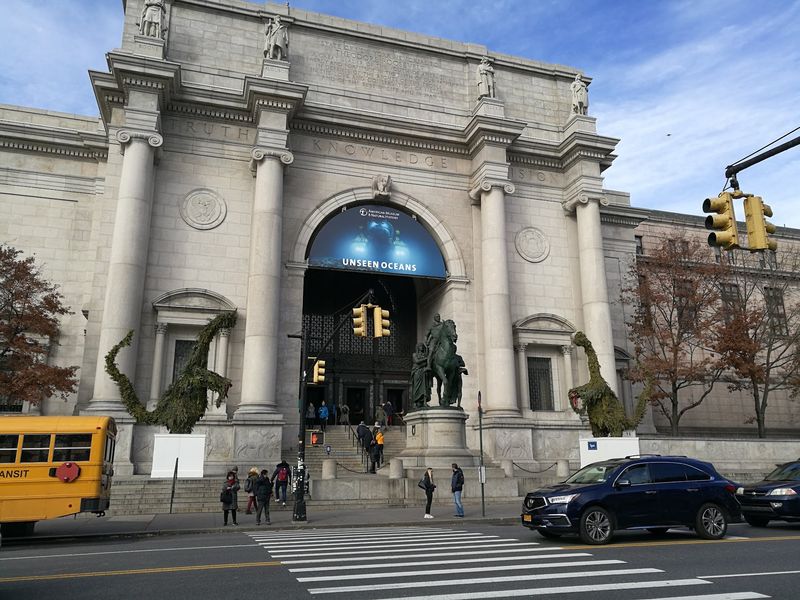
A great museum day often starts before you even walk through the door.
The American Museum of Natural History is popular for good reason, and reviews often mention lines, lots of walking, and the challenge of seeing everything in one visit.
Planning ahead can make the dinosaur collection feel exciting from start to finish instead of tiring too soon.
Buying tickets online is a smart first step if that option fits your trip.
Many visitors also suggest arriving early, since crowds grow later in the morning and around noon.
Some people use side entrances when available to save time and begin the visit more smoothly.
Wear comfortable shoes because this is not a quick stop.
The museum has multiple floors and many halls, so it helps to decide your top priorities before you arrive.
If dinosaurs are your main goal, head there early while your group still has fresh energy.
Snacks, water, and a simple meeting plan can also help families.
New York prices outside the museum may surprise visitors, so thinking ahead about food is practical.
Even small choices like bathroom breaks before entering the halls can save time once you are deep into exploring.
The best part is that good planning leaves more room for wonder.
Instead of worrying about lines or tired feet, you can focus on giant skeletons, ancient worlds, and the thrill of seeing real fossils up close.
That is the kind of visit this remarkable New York collection deserves, and it is well worth the effort.
Share this story