Hallettsville might look like just another small Texas town, but folks drive hours from Houston, Austin, and San Antonio just to taste what locals have known for generations. This Czech and German community in Lavaca County has been perfecting the art of sausage-making since the 1800s, when European immigrants brought their treasured family recipes across the ocean. Today, those same smoky, spicy flavors still pack the meat markets and draw crowds every weekend, making this little town a must-visit destination for anyone who takes their barbecue seriously.
1. Hallettsville’s Deep Czech and German Roots
When Czech and German families settled in Hallettsville during the mid-1800s, they didn’t just bring their belongings. They carried recipes, traditions, and a fierce pride in their culinary heritage that still defines this town today. These immigrants transformed the rolling prairie into a thriving agricultural community, but their real legacy lives in the smokehouses and kitchens scattered throughout Lavaca County.
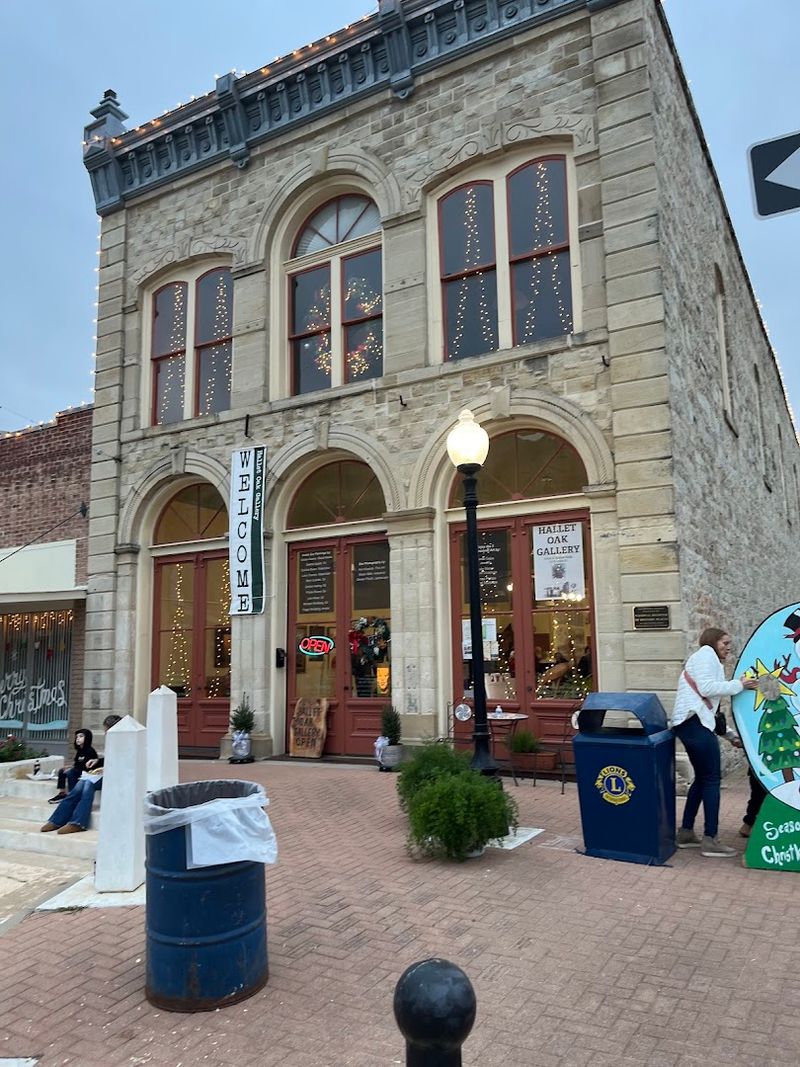
Walking through Hallettsville feels like stepping back in time. The architecture reflects European influences, and you’ll still hear German and Czech surnames on every corner. Many families have lived here for five or six generations, passing down not just property but also closely guarded sausage recipes that date back to the old country.
The community takes its heritage seriously, celebrating with festivals, polka dances, and church gatherings that showcase traditional foods. Local meat markets remain family-owned operations where grandchildren work alongside grandparents, learning the exact spice blends and smoking techniques that made their great-great-grandparents famous back in Moravia or Bavaria.
This isn’t some tourist reconstruction of immigrant culture. Hallettsville’s Czech and German identity is living, breathing, and delicious. The sausages you taste here aren’t adapted for modern palates or watered down for mass appeal.
They’re the real deal, made exactly as they were 150 years ago, because why mess with perfection when people are willing to drive halfway across Texas just to get a taste?
2. Orsak’s Meat Market: The Legendary Stop
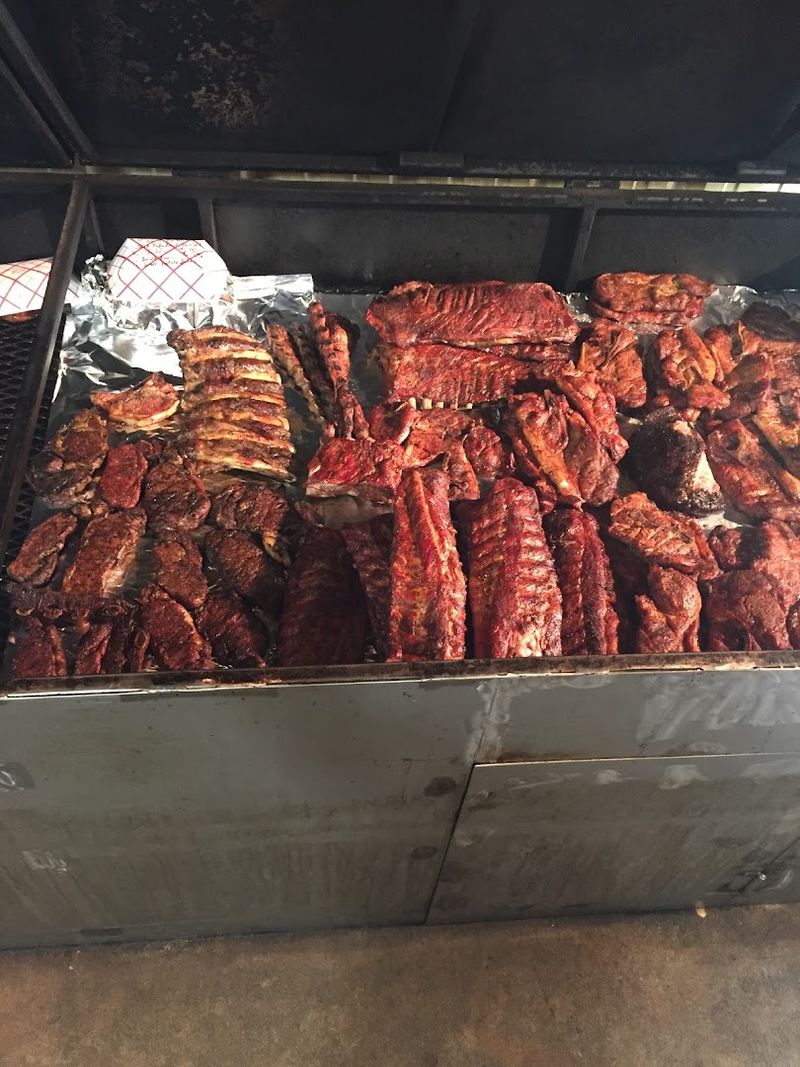
Orsak’s isn’t just a meat market. It’s the reason road-trippers plan their routes through Hallettsville, and why coolers packed with ice are standard equipment for anyone making the pilgrimage. This family-run operation has been turning out exceptional Czech sausage for decades, and their reputation extends far beyond Lavaca County borders.
What makes Orsak’s special isn’t fancy marketing or trendy twists on tradition. They stick to what works: quality meat, traditional spice blends, and smoking techniques that haven’t changed in generations. Their Czech sausage has the perfect snap when you bite through the casing, releasing flavors that are simultaneously peppery, garlicky, and subtly sweet.
The shop itself is no-frills, just like you’d expect from a serious meat market. Cases display fresh cuts alongside their famous sausages, and the smell of smoke permeates everything. Locals swing by to pick up dinner, while visitors stock up like they’re preparing for the apocalypse, knowing it might be months before they make it back.
Orsak’s represents everything authentic about Hallettsville’s food culture. There’s no pretension, no Instagram-worthy branding, just honest-to-goodness sausage made by people who’ve been perfecting their craft for generations. They don’t need to advertise because word-of-mouth keeps customers streaming through the door, many of whom consider a stop at Orsak’s an essential part of any Central Texas road trip.
3. Annual Kolache Festival Celebration
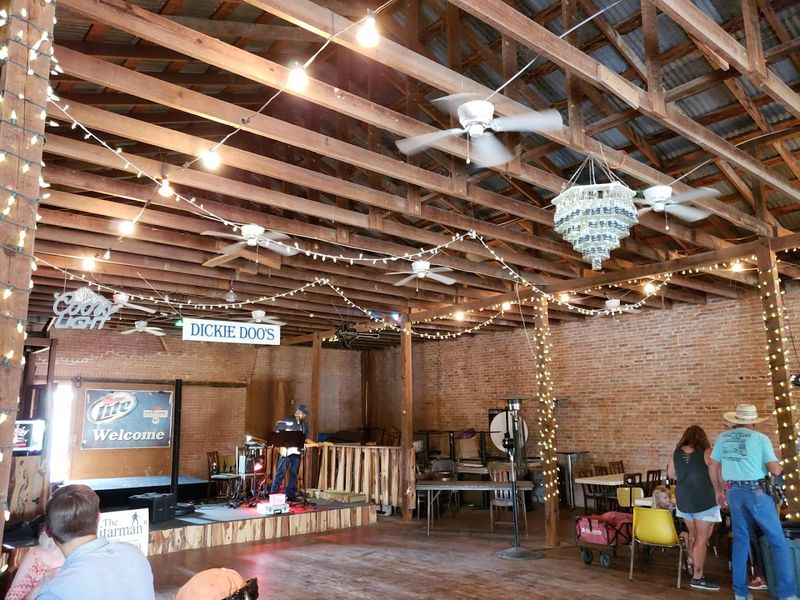
Every September, Hallettsville transforms into kolache central when thousands of visitors descend on this small town for a celebration of Czech pastries, sausages, and culture. The Kolache Festival isn’t some half-hearted community event. It’s a serious production featuring live polka bands, Czech dancers in traditional costumes, and more kolaches than you thought humanly possible to produce.
Kolaches, for the uninitiated, are Czech pastries that come in sweet and savory varieties. The sweet versions feature fruit fillings like apricot or poppy seed, while savory kolaches (technically called klobasniky) wrap sausage in soft, pillowy dough. At the festival, vendors compete to showcase their best versions, and locals argue passionately about whose grandmother’s recipe reigns supreme.
Beyond the food, the festival celebrates everything Czech. You’ll find craft vendors selling handmade goods, historical displays about the area’s immigrant past, and entertainment that keeps the polka music flowing all day long. Kids run around with faces covered in powdered sugar while adults sample different sausage varieties and debate the merits of various meat markets.
The Kolache Festival proves that Hallettsville’s Czech heritage isn’t just about maintaining traditions. It’s about sharing them with anyone curious enough to show up. Visitors leave with full bellies, bags of frozen sausage, and a newfound appreciation for the cultural richness that small Texas towns can offer when they honor their roots instead of abandoning them.
4. The Art of Traditional Czech Sausage Making
Making authentic Czech sausage isn’t something you learn from YouTube tutorials or cooking shows. It’s knowledge passed down through families, refined over generations, and protected like state secrets by the families who’ve mastered it. In Hallettsville, several families still make sausage the old-fashioned way, refusing shortcuts that might save time but sacrifice flavor.
The process starts with selecting the right cuts of pork, typically shoulder and sometimes beef mixed in for texture. The meat gets ground to specific consistencies, coarser than what you’d find in grocery store sausages. Then comes the spice blend, the real secret that distinguishes one family’s recipe from another’s.
Traditional Czech sausage relies heavily on garlic, black pepper, and paprika, but the exact proportions and any additional seasonings remain closely guarded. Some families add marjoram or mustard seed. Others swear by techniques like letting the spiced meat rest overnight before stuffing to allow flavors to develop fully.
After stuffing the mixture into natural casings, the sausages head to the smokehouse. This step separates amateurs from masters because temperature, wood selection, and timing all affect the final product. Hallettsville’s best sausage makers use post oak or hickory, smoking slowly at controlled temperatures until the casings develop that characteristic dark color and the interior reaches perfect juiciness.
The result is sausage that tastes distinctly different from mass-produced versions, with complexity and depth that keeps people coming back for more.
5. Small-Town Meat Markets Beyond Orsak’s
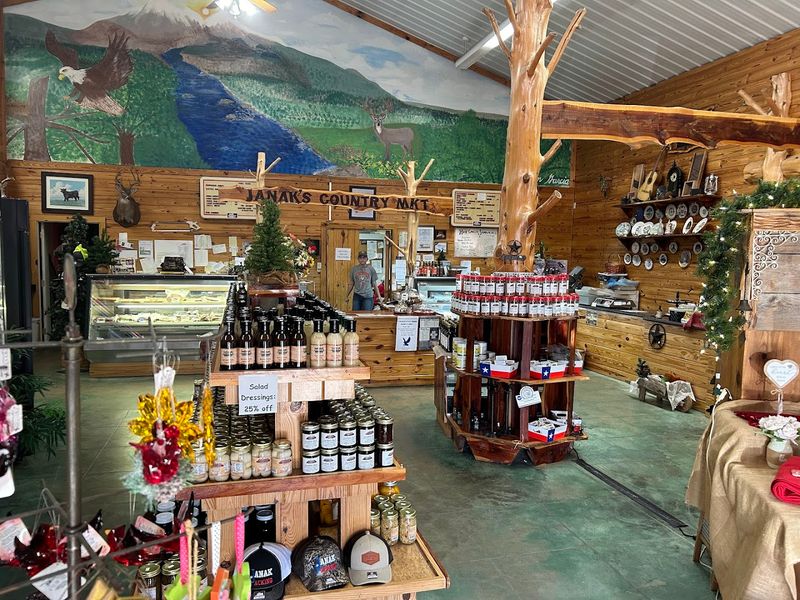
While Orsak’s gets most of the attention, Hallettsville and the surrounding area hide several other excellent meat markets that locals frequent with equal devotion. These family operations might not have the same widespread fame, but they produce sausages that rival anything else in Central Texas, each with subtle variations that reflect different family traditions.
Some markets specialize in spicier versions that pack more heat, while others focus on the traditional milder style that lets the pork and garlic shine through. A few still make their own beef jerky using recipes that predate refrigeration, when preserving meat properly meant the difference between eating well and going hungry during harsh winters.
What unites these markets is their commitment to quality over quantity. They’re not trying to supply supermarket chains or ship products nationwide. They serve their community first, with tourists and road-trippers benefiting from the same high standards that locals demand.
Many don’t even have websites or social media presence, relying entirely on reputation and word-of-mouth.
Exploring these lesser-known markets becomes a treasure hunt for serious sausage enthusiasts. You might discover a family recipe that perfectly matches your taste preferences, or find a butcher willing to share stories about the old days when every farm family made their own sausages. These shops represent Hallettsville’s meat market culture at its most authentic, places where transactions still involve conversation and customers are treated like neighbors rather than anonymous sales numbers.
6. Why the Sausage Tastes Different Here
Plenty of places sell Czech sausage, so what makes Hallettsville’s versions worth the drive? The difference comes down to authenticity, ingredients, and an unwillingness to compromise that you don’t find in commercial operations. These aren’t factories pumping out thousands of pounds daily.
They’re small batches made by people who genuinely care about the final product.
First, the meat quality matters. Hallettsville’s sausage makers source from local farms when possible, using pork that hasn’t been pumped full of water or preservatives. The meat tastes like actual pork, not the bland, mushy stuff that dominates grocery store cases.
This foundation makes everything else better.
Second, natural casings create a snap and texture that artificial casings can’t replicate. When you bite through properly prepared natural casing, it provides just enough resistance before giving way to the juicy interior. That textural contrast is part of what makes traditional sausage so satisfying to eat.
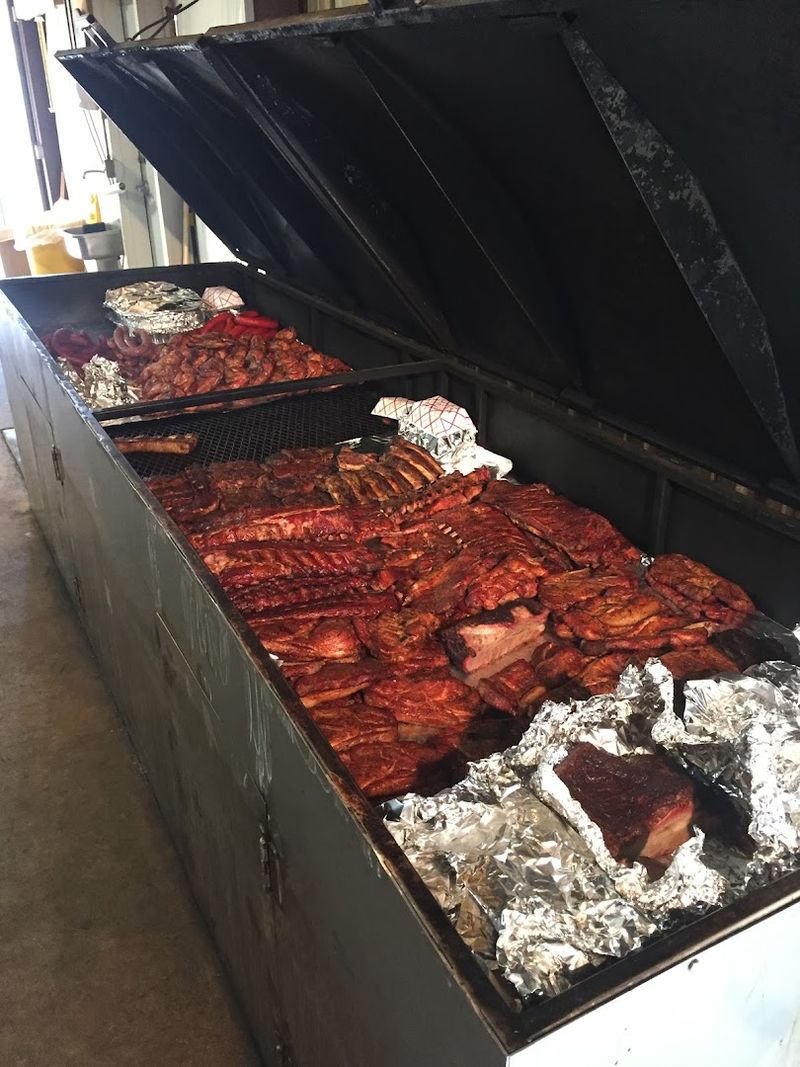
Third, the smoking process imparts flavors that you simply cannot achieve with liquid smoke or other shortcuts. Real wood smoke penetrates the meat, adding complexity and depth that develops over hours in the smokehouse. It’s an investment of time that commercial producers won’t make, but it’s what transforms good sausage into exceptional sausage.
Finally, there’s the intangible element of tradition and pride. When someone’s family reputation rides on every batch, they don’t take shortcuts. They make sausage the way their grandparents taught them, because that’s the standard they’ve always met and they’re not about to lower it now.
7. Planning Your Sausage Road Trip
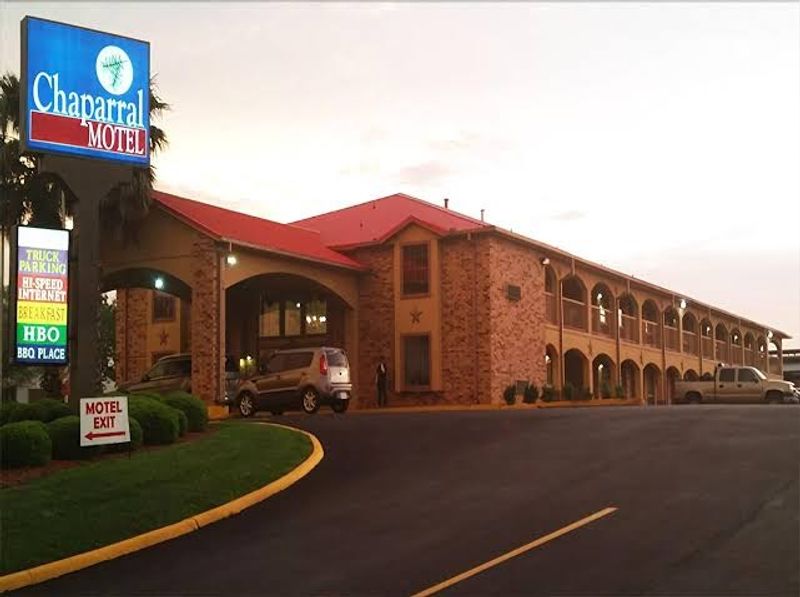
Getting to Hallettsville requires some planning, especially if you want to maximize your sausage haul and experience the town properly. The drive from Houston takes about two hours, from Austin roughly two and a half, and from San Antonio around two hours depending on traffic. Most visitors time their trips for Saturday mornings when meat markets are fully stocked and the town is most active.
Bring a quality cooler with plenty of ice. Seriously, this isn’t optional. Sausage is perishable, and if you’re driving any distance in Texas heat, you need proper cooling to get your purchases home safely.
Many regulars pack their coolers with ice before leaving home, then add more ice in Hallettsville if needed for the return trip.
Plan to arrive before noon if possible. Popular items sell out, and meat markets often close early on Saturdays once inventory runs low. Arriving mid-afternoon might mean slim pickings, which would be tragic after driving all that way.
Some markets close on Sundays or Mondays, so check before making the trip.
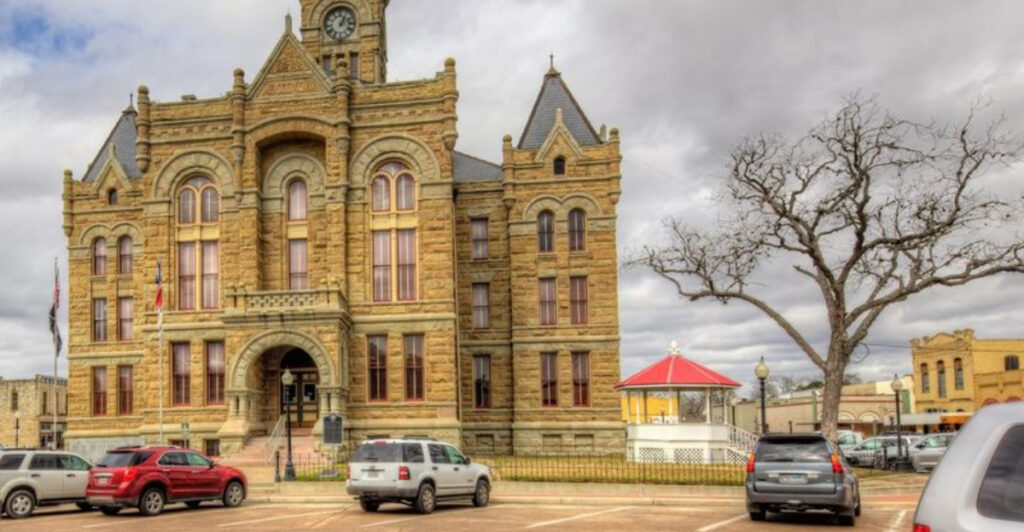
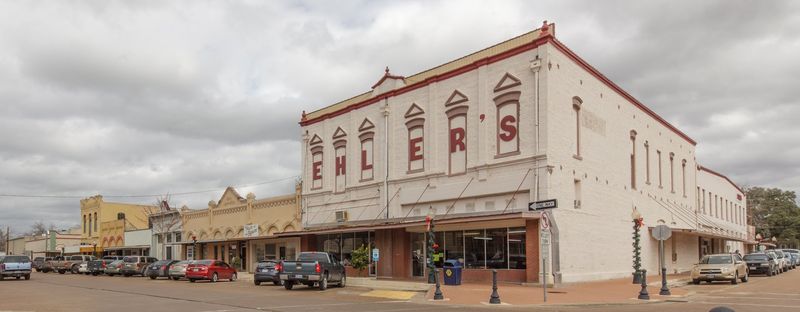
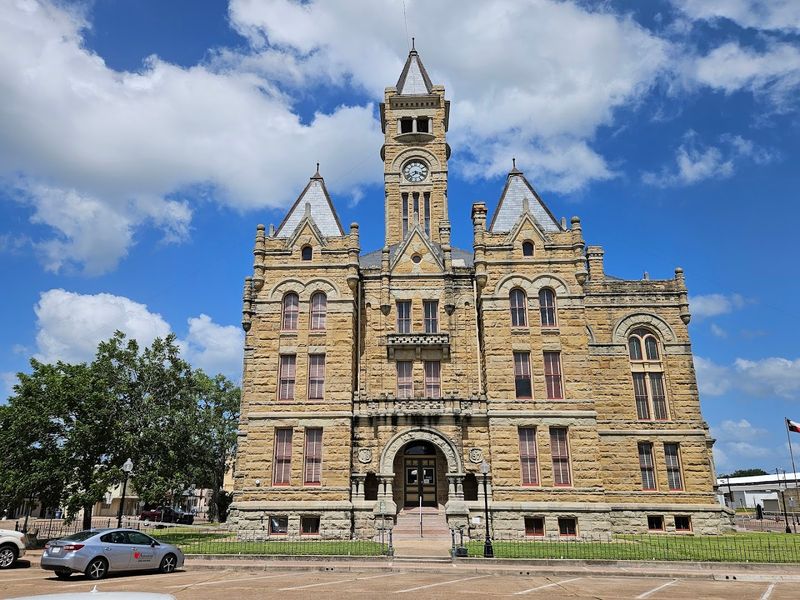
Budget time to actually explore Hallettsville beyond just hitting the meat markets. The courthouse square features charming historic buildings, and several local restaurants serve excellent Czech and German food. Grabbing lunch at a local spot lets you taste how the sausages get used in traditional dishes, providing context for your purchases.
Consider making this trip during the Kolache Festival if you’ve never been. The town shows its absolute best during the festival, and you’ll get a fuller appreciation for the culture behind the sausages you’re buying.
8. How to Store and Enjoy Your Sausage Bounty
After successfully hauling your sausage treasures home, proper storage ensures you can enjoy them for months. Fresh sausage keeps in the refrigerator for about a week, but freezing extends that timeline significantly. Separate your haul into meal-sized portions before freezing, so you can thaw exactly what you need without repeatedly freezing and thawing the entire batch.
Vacuum sealing works best for long-term freezer storage, preventing freezer burn and maintaining quality for up to six months. If you don’t have a vacuum sealer, heavy-duty freezer bags work fine as long as you remove as much air as possible before sealing. Label everything with the date and type of sausage, because once frozen, they can look surprisingly similar.
When you’re ready to cook, thaw sausages in the refrigerator overnight rather than using the microwave, which can create hot spots and partially cook the meat unevenly. Once thawed, the cooking possibilities are endless. Grilling is classic, developing a crispy exterior while keeping the interior juicy.
Low and slow works best to avoid splitting the casings.
Pan-frying in a cast-iron skillet with a little water creates steam that cooks the sausages through while the residual heat crisps the outside. Smoking them again adds even more flavor, though purists might argue they’re already perfect. Some folks slice them for breakfast tacos, others serve them alongside sauerkraut and potatoes for a traditional Czech meal.
However you prepare them, the key is not overthinking it. These sausages are already delicious, made by people who know what they’re doing. Your job is simply not to mess them up.
Share this story