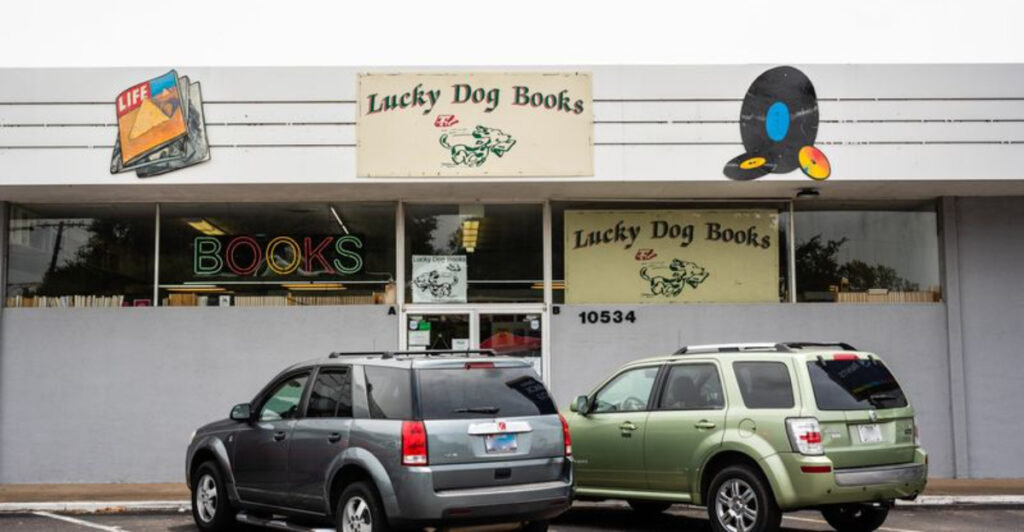
Along Garland Road in East Dallas, book lovers can step into a literary wonderland packed with surprises around every corner. Lucky Dog Books has been winning hearts for decades with its maze-like layout, massive collection, and prices that won’t drain your wallet. What looks like a modest storefront from the street unfolds into room after room packed with thousands of books, creating the kind of treasure hunt that makes book lovers lose track of time.
1. Deceptively Massive Space That Keeps Going
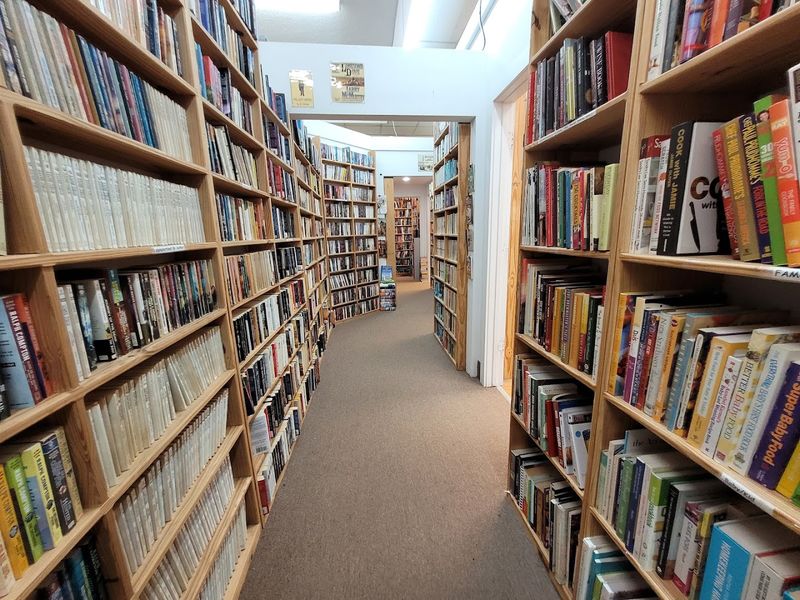
Walk past the front entrance and you’ll think you’ve got the whole place figured out in about five minutes. Then you notice another doorway. And another room beyond that one.
Before you know it, you’ve wandered through what feels like a literary labyrinth that defies all logic based on what you saw from the parking lot.
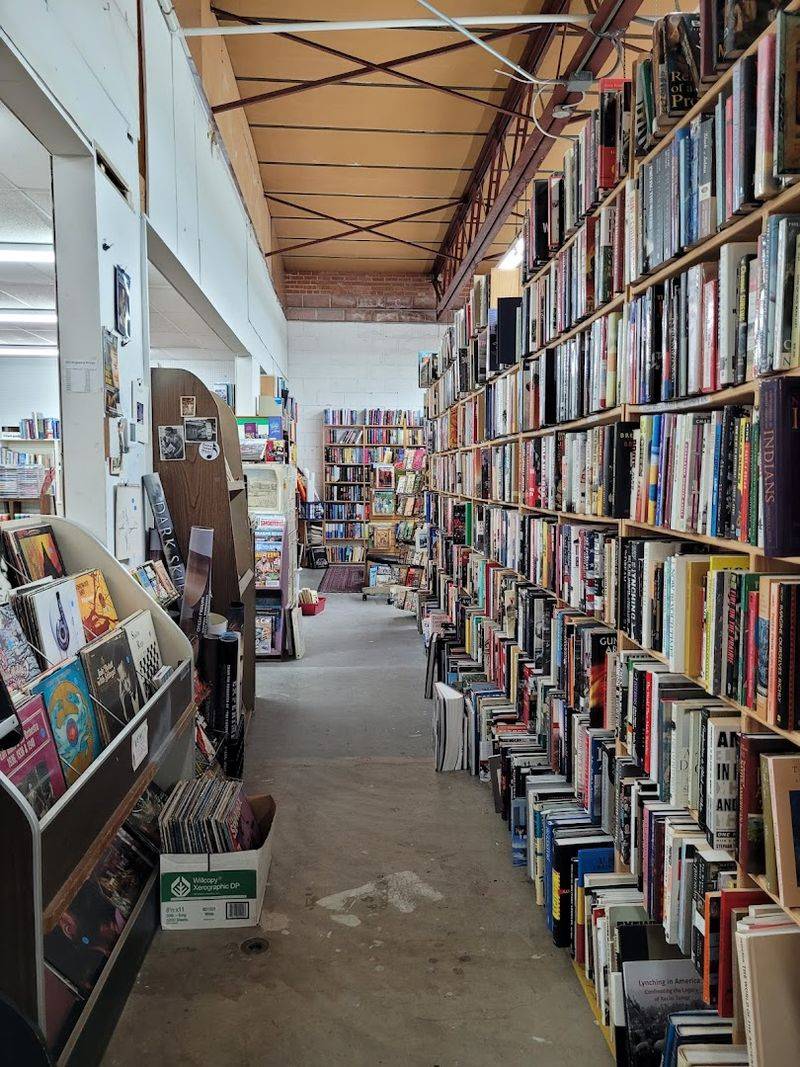
The store sprawls across multiple interconnected spaces, each one packed with shelves that reach toward the ceiling. Some visitors report needing three or four trips before they’ve actually explored every corner. It’s the kind of layout that makes you wonder if the building has some kind of magic expansion charm going on.
Reviewers consistently mention their shock at discovering just how much territory Lucky Dog covers. One customer didn’t find the rooms beyond the first two sections until their third visit, which tells you something about the scale we’re talking about here. The twists and turns create natural browsing zones where you can disappear into your favorite genre without feeling crowded.
This isn’t your typical strip-mall bookstore with predictable aisles and fluorescent lighting. The space feels organic, almost like someone kept adding rooms whenever they acquired more books. That rambling quality gives it character you won’t find in corporate chains.
You might set out looking for one specific title and end up in a completely different section an hour later, arms full of books you never knew you needed.
2. Prices That Actually Respect Your Budget
Here’s the deal that makes Lucky Dog stand out in Dallas: you’re paying roughly half of whatever price is printed on the book’s cover. Unless something’s marked differently, that’s your starting point. Already sounds pretty good, right?
Well, it gets better if you bring trade-ins.
The store buys used books and offers either cash or store credit. Most folks go with credit because it’s more generous and works on just about anything they bring in. When you use that credit toward a purchase, it covers up to half your total bill.
Do the math and you’re looking at books that cost about 25% of their original retail price when you factor in the trade-in system.
One long-time customer mentioned being able to walk out with an armful of books for what a single new release would cost at a regular bookstore. That’s not exaggeration—it’s how the pricing structure actually works when you participate in their recycling program. You’re not just saving money; you’re keeping books in circulation instead of letting them collect dust on your shelves forever.
Even without trade-ins, the baseline prices beat what you’d typically spend at other used book chains in the area. The value becomes even more obvious when you’re browsing older titles or niche subjects that might run expensive elsewhere. This pricing philosophy has kept customers coming back for 36 years, which speaks louder than any marketing campaign ever could.
3. Genre Selection That Covers Everything Imaginable
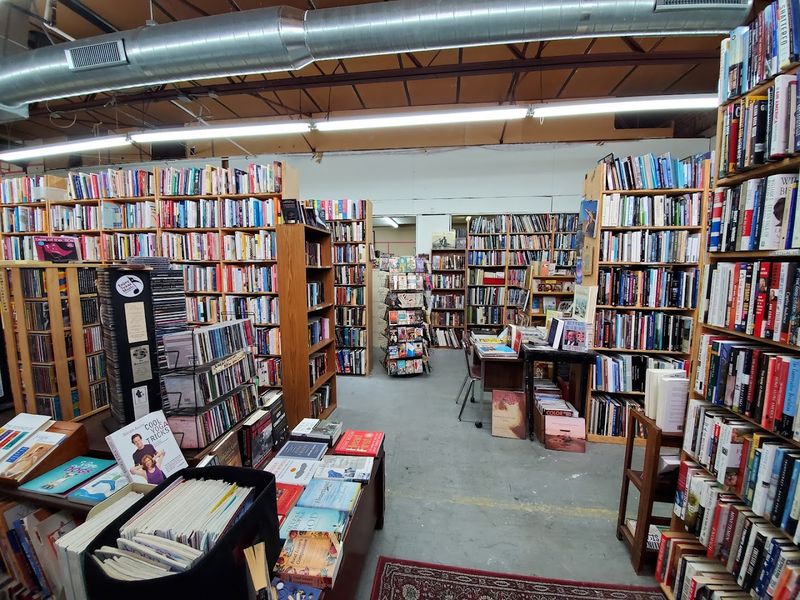
Whatever you’re into reading, Lucky Dog probably has a section dedicated to it. And we’re not talking about a single shelf with a handwritten label—these are full-blown category zones with enough depth to keep specialists happy. The children’s area alone impresses parents who thought finding quality used kids’ books was always hit-or-miss.
Customers rave about stumbling into specialty rooms they didn’t expect. Maybe you’re hunting for vintage science fiction, obscure philosophy texts, or regional Texas history. The odds of finding something that scratches that particular itch run surprisingly high here.
The store doesn’t just stock bestsellers and leave it at that; they’ve built inventory across the entire spectrum of published material.
Music lovers and movie collectors get their own sections too, with offerings in both old and new formats. You might find vinyl records sitting near DVDs, VHS tapes alongside CDs—basically a time capsule of media formats that streaming services have tried to make us forget. Even Pokemon cards and video games show up in the mix, proving that Lucky Dog interprets “bookstore” pretty liberally.
The categorization might feel overwhelming at first, especially since the store acknowledges organization could be tighter. But that slightly chaotic abundance is part of the charm. You’re not walking through a sterile, perfectly alphabetized database.
You’re exploring a collection that grew organically over decades, which means unexpected discoveries happen constantly. Sometimes the best finds are the books you weren’t specifically looking for.
4. Reading Nooks Scattered Throughout The Store
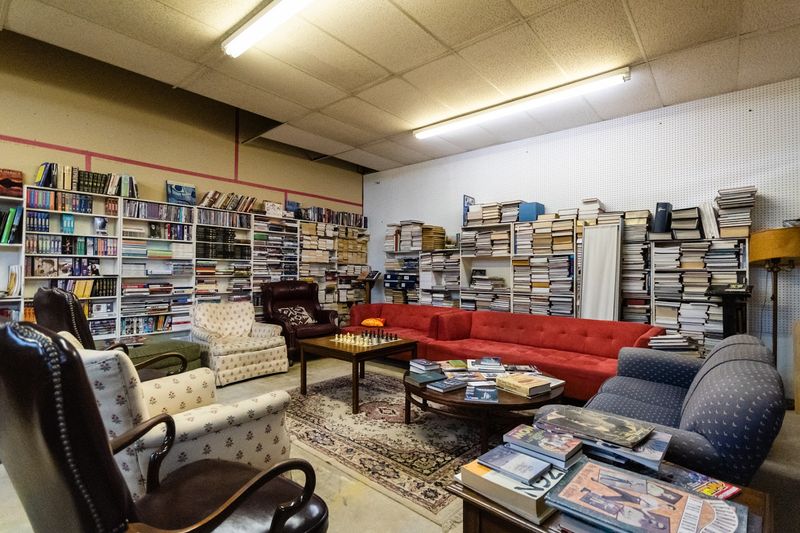
Lucky Dog doesn’t rush you through like you’re on some kind of literary assembly line. Seating areas pop up throughout the store, inviting you to actually crack open a book before committing to take it home. Some spots feature vintage furniture that adds to the nostalgic atmosphere everyone mentions in their reviews.
The children’s section includes a table and chairs that triggered serious childhood memories for one parent—turns out they had the exact same set growing up. Watching their kid sit in that same spot, flipping through picture books, created one of those full-circle moments that make used bookstores feel like community spaces rather than just retail operations. That’s the kind of thoughtful touch that keeps families coming back.
There’s also a dedicated room with couches specifically set up for book clubs and discussion groups. Having that space available means reading groups can meet surrounded by thousands of potential next picks. The coffee-and-conversation vibe turns what could be a quick shopping trip into an afternoon hang-out session where time disappears.
Multiple reviewers mention losing themselves for hours in these various reading spots, which says something about how comfortable Lucky Dog makes the browsing experience. You’re encouraged to settle in, sample books, and take your time deciding. That old-school library feeling—the smell of aged paper, the quiet focus, the sense of being surrounded by stories—permeates every corner.
It’s becoming increasingly rare to find retail spaces that prioritize lingering over rushing customers through checkout.
5. Staff Who Know Books And Actually Help
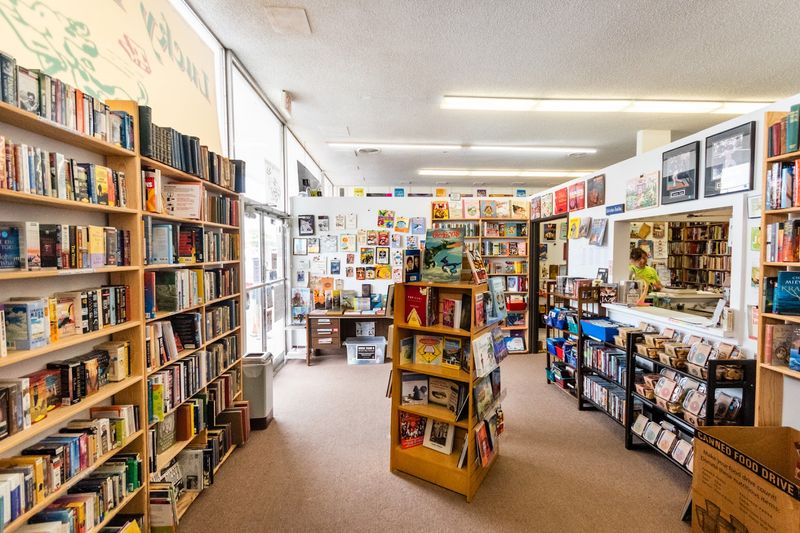
Knowledge matters when you’re navigating a store this size, and Lucky Dog’s team delivers. They’re described as helpful without being pushy—that perfect balance where you can browse undisturbed but get expert guidance the moment you need it. One visitor specifically thanked a staff member for tracking down a book from their wishlist, which in a collection this vast requires genuine familiarity with the inventory.
The friendly vibe extends to small gestures that customers remember. When a kid couldn’t afford a video game case he wanted, an employee simply gave it to him. That kind of generosity doesn’t show up in any employee handbook; it comes from people who genuinely care about their community.
Those moments create loyal customers faster than any discount program.
Even the owner gets involved directly, as evidenced by the detailed responses left on reviews. When one customer had a negative experience, the owner (John) wrote a lengthy, personal apology explaining exactly what happened and taking full responsibility. He clarified store policies, offered to discuss improvements, and invited the customer back.
That level of engagement is practically unheard of in retail today.
The staff’s personability gets mentioned repeatedly across reviews spanning multiple years. Whether you’re a first-timer feeling overwhelmed or a regular who’s been shopping there for decades, you’ll get treated with the same attentive respect. They understand that used bookstores succeed or fail based on creating a welcoming atmosphere, and they’ve clearly made that a priority since day one.
6. Trade-In Program That Actually Makes Sense
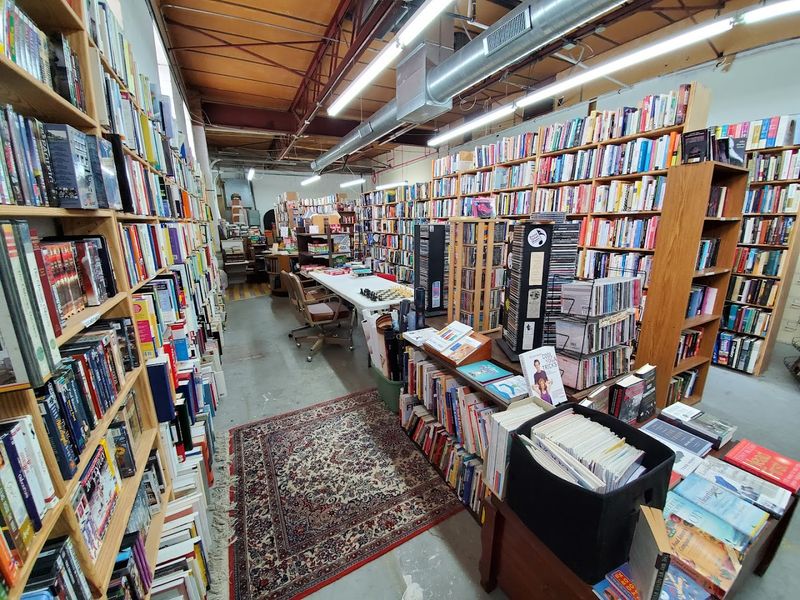
Most used bookstores make trading in your old books feel like you’re getting robbed in slow motion. Lucky Dog approaches it differently. They’re selective about what they’ll accept, sure, but when they make an offer, customers generally walk away satisfied.
You can take cash if that’s your preference, though most people opt for store credit since it stretches further.
The credit system works like this: whatever they give you can cover up to half of your next purchase. So if you bring in enough books to earn twenty dollars in credit, you could buy forty dollars worth of books and only pay twenty out of pocket. Keep bringing stuff in regularly and you’re basically recycling your reading material at a fraction of what buying everything new would cost.
Some customers maintain a running balance, bringing in larger batches periodically so they don’t need to haul books every single visit. It’s like having a book bank account that you replenish when it runs low. One reviewer mentioned shopping there for 36 years using this exact strategy, which proves the sustainability of the model for both the store and its regulars.
The owner clarifies policy details in review responses, making sure people understand exactly how the math works. There’s no bait-and-switch happening here—the trade-in values and credit usage get explained upfront. When you compare this to corporate chains that offer pennies on the dollar, Lucky Dog’s approach feels refreshingly fair and designed to benefit readers rather than just extract maximum profit from every transaction.
7. Nostalgic Atmosphere That Feels Timeless
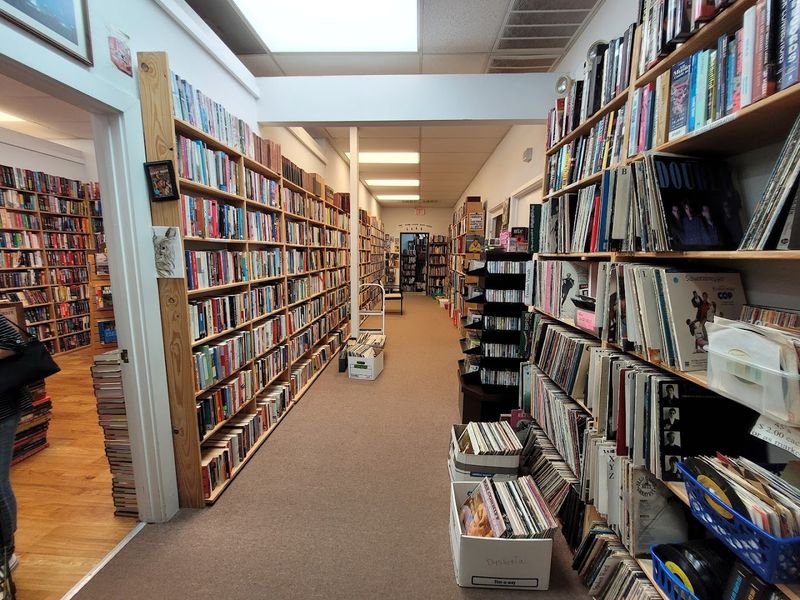
Step inside and you’re transported to an era when physical books were the primary gateway to information and entertainment. The smell alone—that distinctive scent of aged paper and binding glue—triggers memories for anyone who grew up haunting public libraries. Lucky Dog leans into that nostalgic quality rather than fighting it with modern renovations that would strip away the character.
Several reviewers compare the experience to childhood library visits, that sense of endless possibility contained in rows and rows of spines waiting to reveal their contents. There’s something about browsing physical books that digital catalogs can’t replicate, and Lucky Dog preserves that tactile discovery process. You can’t accidentally stumble onto your next favorite author while scrolling through search results the same way you can by pulling random volumes off shelves.
The maximalist aesthetic—books crammed into every available space, stacked on tables, filling corners—creates visual richness that minimalist design trends have tried to eliminate everywhere else. One customer brought a film camera specifically to capture the charm in black and white photos. That Instagram-worthy quality comes from authenticity rather than calculated staging for social media.
Parents bring kids here hoping to instill that same love of reading they developed in pre-internet childhoods. The environment supports that goal better than sterile chain stores where books compete with toys and electronics for attention. When a space feels genuinely dedicated to the written word, young readers pick up on that focus.
Lucky Dog has maintained this atmosphere through multiple location changes over the decades, proving it’s intentional rather than accidental.
8. Perfect Backdrop For Photos And Special Moments
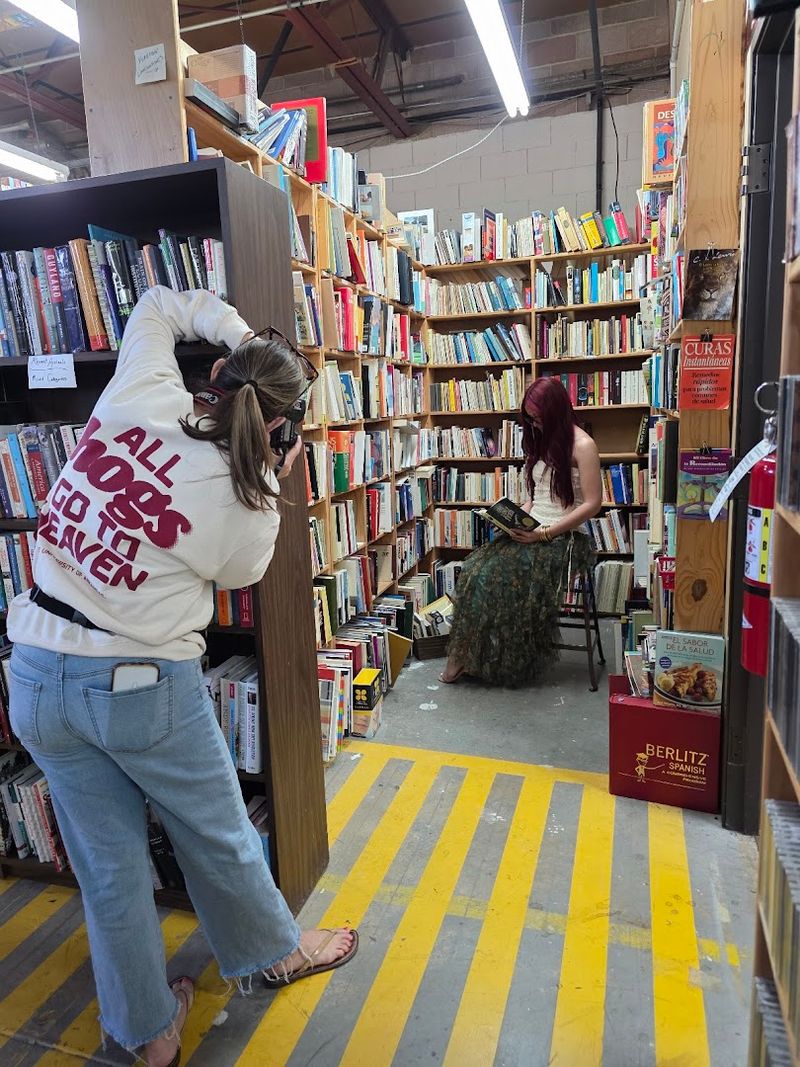
Photographers have caught on to what book lovers already knew: Lucky Dog makes an incredible backdrop for portraits and special occasion photos. One family specifically returned to shoot senior portraits there, choosing the store’s unique vibe over traditional outdoor locations or studio setups. The shelves, vintage furniture, and warm lighting create depth and character that plain backgrounds can’t match.
The visual appeal goes beyond just pretty pictures. These photos capture a moment in time connected to a real place with meaning, especially for families who’ve been shopping there for years. Imagine looking back at your high school senior photos decades later and remembering afternoons spent browsing those same shelves.
That adds layers of personal history to images that might otherwise feel generic.
The store welcomes this creative use of their space, with the owner thanking customers who choose Lucky Dog for photo shoots. That openness reflects confidence in their aesthetic and an understanding that these images essentially become free marketing when shared on social media. Every tagged photo introduces the store to potential new customers who might not have discovered it otherwise.
The “main character in a Hallmark movie” comparison from one review perfectly captures the cozy, romantic quality the space projects. It’s got that storybook charm where you half expect to bump into your future soulmate while reaching for the same vintage novel. Whether you’re shooting engagement photos, documenting a special outing, or just want Instagram content with substance, Lucky Dog provides a setting that feels authentic rather than manufactured.
The books aren’t just props—they’re the whole point, which comes through in every frame.
Share this story