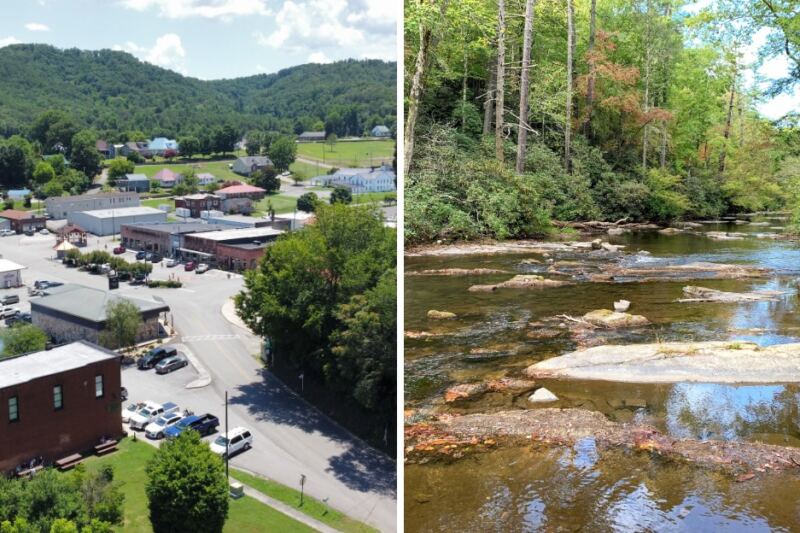
Rogersville stands as one of Tennessee’s oldest and most historically rich towns, founded in 1775 by the grandparents of legendary frontiersman Davy Crockett. Tucked into the rolling hills of Hawkins County, this charming destination offers visitors a chance to step back in time and experience authentic American history in a setting that feels both intimate and grand.
From presidential stays to original printing presses, Rogersville invites you to walk streets where Tennessee’s story first began to unfold.
Start Your Summer Journey In One Of Tennessee’s Oldest Towns
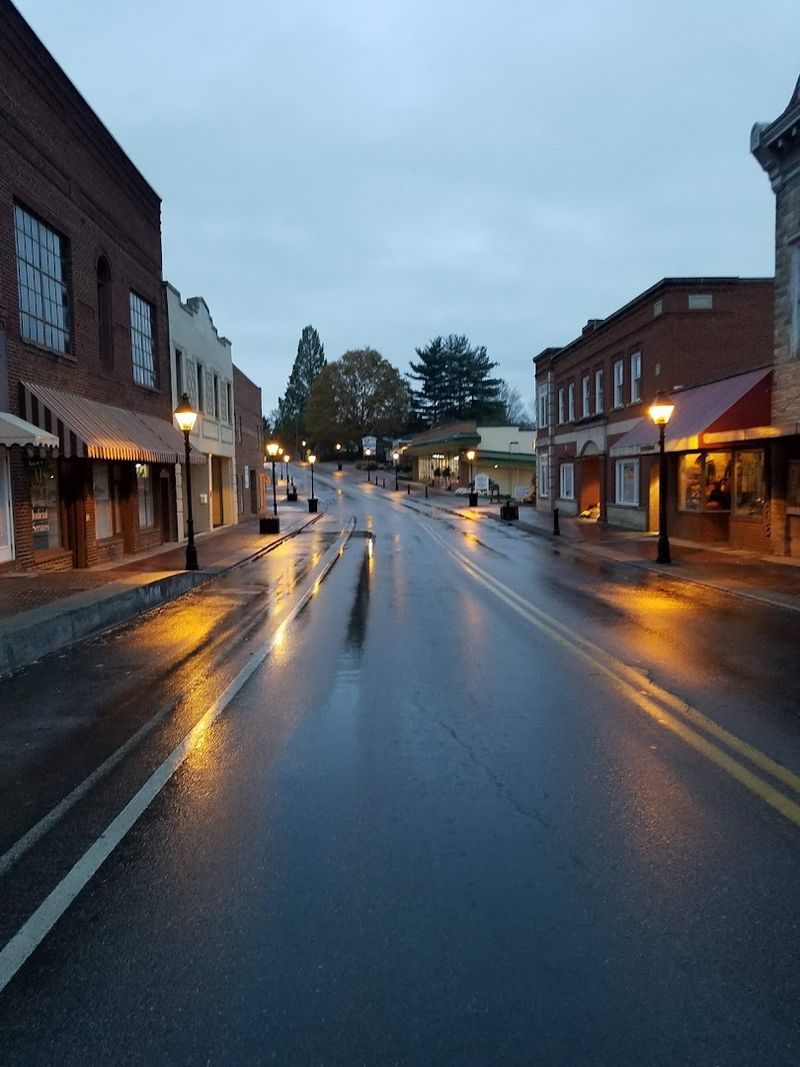
Founded before the United States even existed as a nation, Rogersville holds the distinction of being one of Tennessee’s most historically significant settlements. Joseph Rogers established this town in 1775, making it a living museum where every corner whispers stories from America’s earliest days. Walking into Rogersville feels like opening a history book that you can actually touch and explore.
The town’s age shows itself in the best possible ways. Original buildings still stand along Main Street, their brick facades and traditional storefronts preserved with care that honors their heritage. Summer brings out the town’s most welcoming side, with flower boxes brightening windows and shade trees offering cool respite along the sidewalks.
What makes Rogersville special isn’t just its age but how it wears its history. Unlike reconstructed historical sites, this is the real deal. The streets you walk are the same ones that pioneers, soldiers, and early Tennessee settlers traveled centuries ago.
Visitors often comment on the town’s authentic atmosphere. There’s no manufactured tourist experience here, just genuine small-town Tennessee hospitality mixed with fascinating historical significance. Local residents take pride in their town’s legacy and are usually happy to share stories and point out notable landmarks.
Starting your summer adventure here means beginning where Tennessee itself began. The town serves as the county seat of Hawkins County and maintains its role as a community hub just as it did in the 1700s. Plan to spend time simply strolling and soaking in the atmosphere before diving into specific historical sites.
Walk The Same Streets Where Tennessee History Began
Every step through Rogersville’s downtown takes you across ground that witnessed the birth of Tennessee. These aren’t replicas or recreations. The pathways beneath your feet have been worn smooth by generations of footsteps dating back to when this region was still wild frontier territory.
The town layout itself tells a story. Streets follow patterns established by early settlers who planned their community with both practicality and permanence in mind. Original property lines often remain unchanged, and many buildings occupy the exact spots where their predecessors stood in the late 1700s.
As you wander, notice the architectural details that survived centuries. Hand-laid brick, original stone foundations, and construction techniques from the colonial era are visible throughout downtown. These elements aren’t behind glass or roped off but integrated into the living, breathing town that continues to function today.
The Crockett family connection adds another layer of significance. Knowing that Davy Crockett’s grandparents walked these same streets and helped establish this community creates a personal connection to frontier legend. Their influence shaped not just Rogersville but the wider Tennessee territory that would eventually become a state.
Summer weather makes street exploration particularly pleasant. Early mornings offer cool temperatures perfect for photography, while evenings bring a golden light that makes the historic buildings glow. Take your time with this experience.
Rushing through defeats the purpose of connecting with history at a human pace, the same speed at which it originally unfolded.
Visit The Historic Hale Springs Inn, Where Presidents Once Stayed

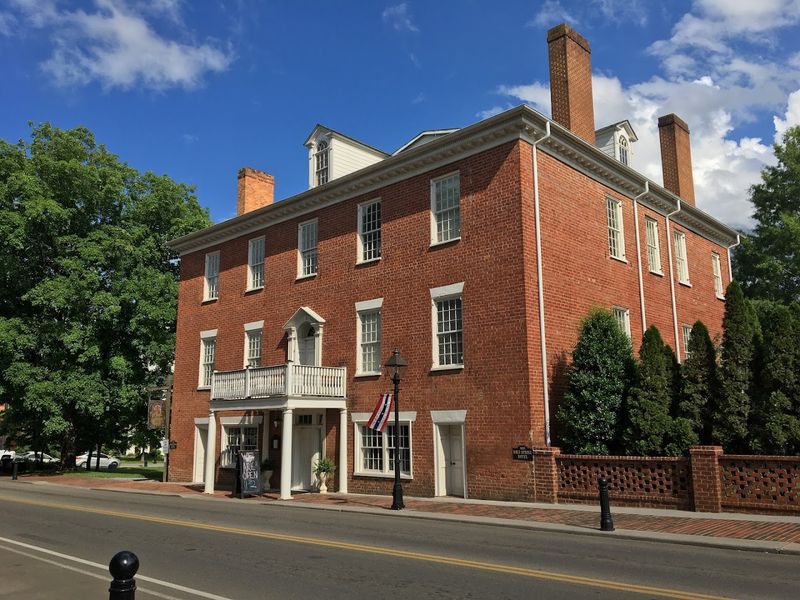
Three United States presidents have slept under the roof of Hale Springs Inn, making it one of Tennessee’s most historically significant lodgings. Built in 1824, this Federal-style brick building has welcomed Andrew Jackson, James K. Polk, and Andrew Johnson through its doors.
Standing before it today, you can almost imagine horse-drawn carriages pulling up to deliver distinguished guests.
The inn represents the height of early 19th-century hospitality and craftsmanship. Its three-story structure features architectural details that showcase the skill of builders working two centuries ago. Original woodwork, mantels, and structural elements remain intact, offering visitors an authentic glimpse into how travelers experienced accommodations during the early American republic.
What makes Hale Springs Inn remarkable is its continuous operation through changing times. While it has been carefully restored and updated for modern comfort, the building maintains its historical integrity. Walking through its rooms and hallways connects you directly to the countless travelers, politicians, merchants, and families who passed through over nearly two hundred years.
The presidential connections aren’t just legend but documented history. These weren’t quick photo opportunities but actual overnight stays during important journeys. Jackson stayed while traveling through East Tennessee, Polk during his political career, and Johnson, who later became president, visited during his time representing Tennessee.
Even if you don’t stay overnight, the inn welcomes visitors interested in its history. The building’s exterior alone deserves attention, with its balanced proportions and classic American architecture. Summer visits allow you to appreciate the surrounding grounds and imagine the bustling activity that once characterized this important stopping point on Tennessee’s early travel routes.
Step Inside The Printing History Of The Tennessee Newspaper And Printing Museum
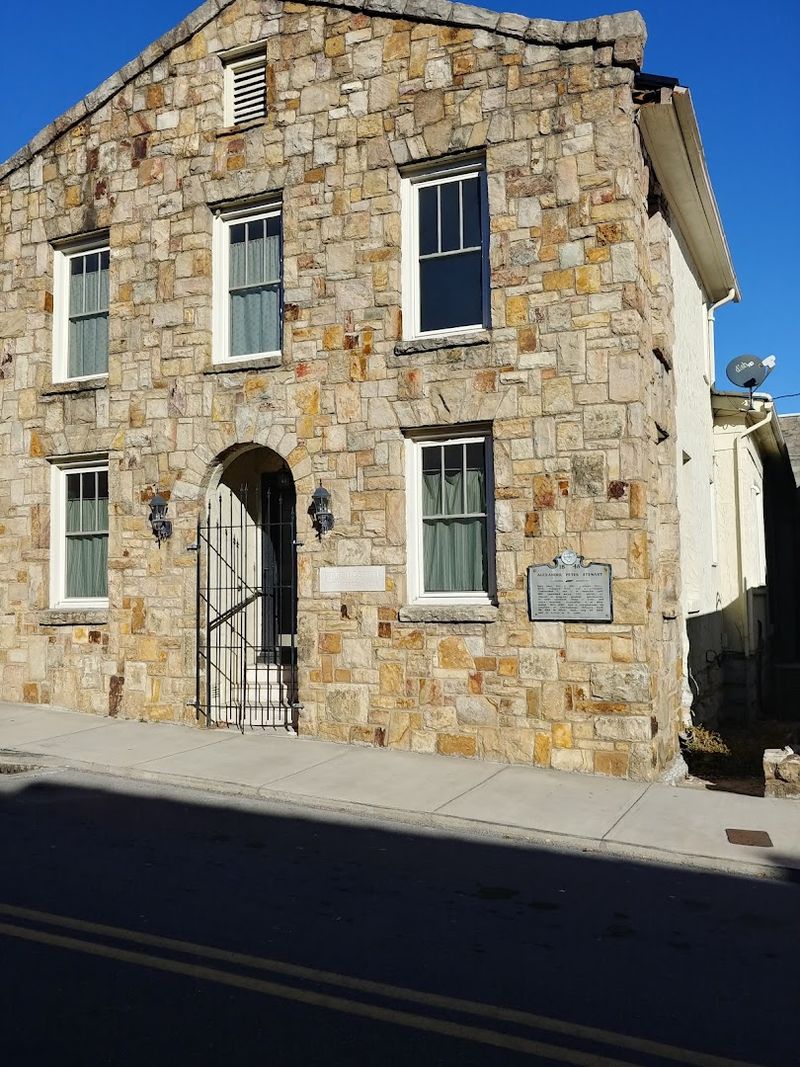
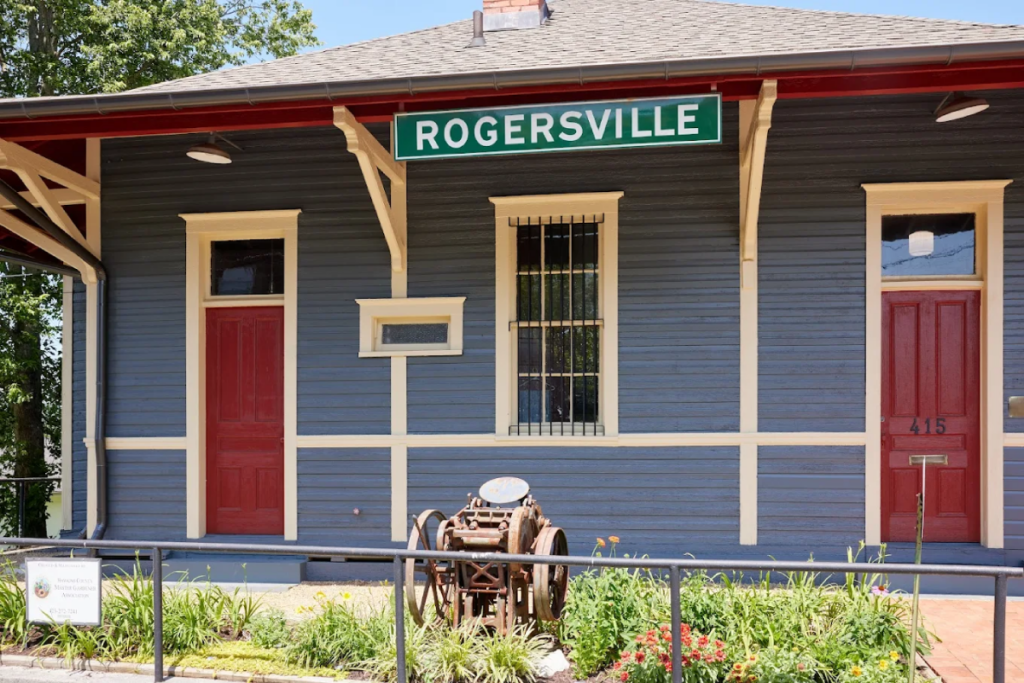
Rogersville published Tennessee’s first newspaper, and the Tennessee Newspaper and Printing Museum preserves this remarkable legacy. The museum houses authentic printing equipment, original newspapers, and artifacts that tell the story of how information spread across the frontier. For anyone who’s ever wondered how news traveled before electricity, this place provides fascinating answers.
The collection includes actual printing presses used in the 1700s and 1800s. These aren’t just displays but working examples of technology that powered early American communication. Seeing the mechanical complexity of these devices helps you appreciate the skill required to produce even a single page of text.
Early newspapers served functions far beyond today’s media. They carried legal notices, government proclamations, commercial advertisements, and personal messages across distances that took days or weeks to traverse. The museum explains how printers became essential community members, trusted with spreading information that could affect people’s lives, property, and political decisions.
Rogersville’s position as home to Tennessee’s first newspaper wasn’t accidental. The town’s location on important travel routes and its role as county seat made it a natural hub for information distribution. Printers here served not just local residents but travelers passing through who carried news to distant settlements.
Interactive elements let visitors try their hand at old printing techniques. Feeling the physical effort required to set type and operate a press gives new respect for the printers who produced newspapers week after week under challenging conditions. The museum staff often demonstrates equipment and explains the historical context that made printing such a vital frontier industry.
Summer hours typically offer extended access, making it easy to include in your Rogersville itinerary.
Explore Rogersville’s Charming Downtown Shops, Cafés, And Old-Time Architecture
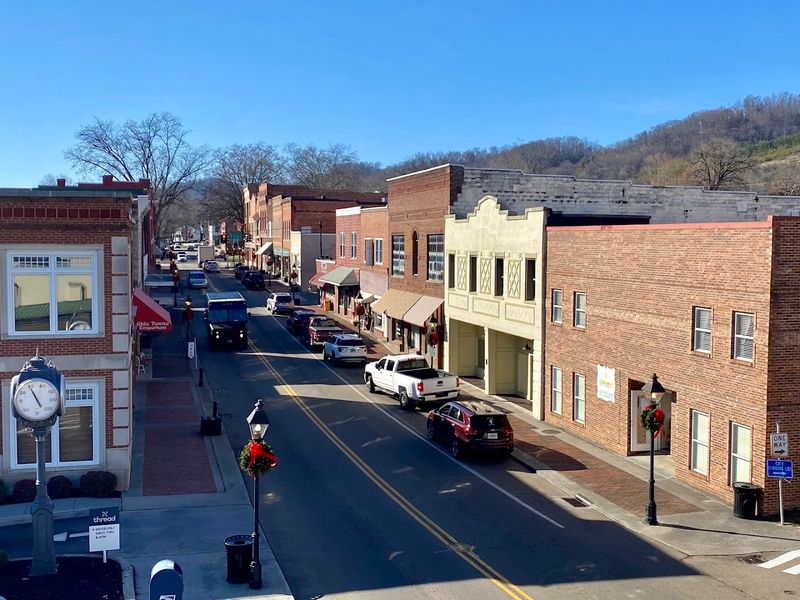
Downtown Rogersville blends historical preservation with active commercial life in a way that feels natural rather than forced. Local shops occupy buildings that have housed businesses for generations, creating shopping experiences you won’t find in modern strip malls. The architecture itself becomes part of the attraction, with each storefront telling its own story through design details and construction methods.
Small cafés offer perfect spots to rest and refuel while observing daily life in this historic town. Many occupy renovated spaces that maintain original features like exposed brick walls, high ceilings with vintage tin tiles, and large windows that flood interiors with natural light. The food ranges from traditional Southern cooking to contemporary café fare, often featuring locally sourced ingredients.
Antique shops naturally thrive in a town this old. Browsing through their collections, you’ll find items that actually have connections to Rogersville’s history rather than generic vintage goods. Local dealers often know the provenance of special pieces and can share stories about where items originated and who might have used them.
The architectural variety downtown spans multiple eras. Federal-style buildings from the early 1800s stand alongside Victorian-era structures and early 20th-century commercial buildings. This mix creates visual interest while illustrating how the town evolved through different periods of American history.
Walking from block to block becomes an informal architecture tour.
Summer brings outdoor seating to cafés and extended shopping hours that make downtown exploration particularly enjoyable. The pace here encourages lingering rather than rushing. Shop owners often have time to chat, and you might learn local history or get recommendations for other places to visit.
This personal interaction represents small-town Tennessee at its most welcoming and authentic.
Discover Nearby Natural Beauty Along The Holston River And Cherokee Lake
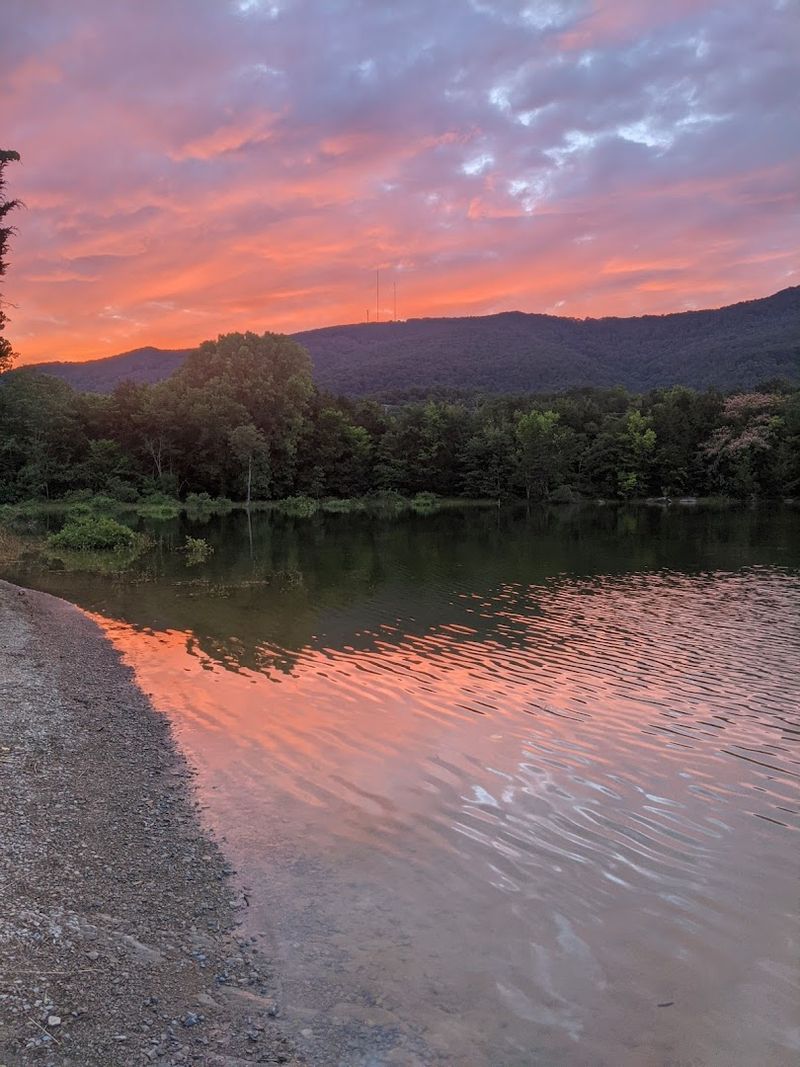
Just beyond Rogersville’s historic streets, the Holston River and Cherokee Lake offer stunning natural landscapes perfect for summer recreation. The contrast between town and nature happens quickly here, with just a short drive separating colonial-era architecture from pristine waterways. This combination makes Rogersville ideal for travelers who want both cultural experiences and outdoor adventure.
Cherokee Lake stretches across thousands of acres, providing opportunities for boating, fishing, and waterside relaxation. Created by a Tennessee Valley Authority dam, the lake has matured into a thriving ecosystem that attracts anglers pursuing bass, crappie, and catfish. Summer days see the water dotted with boats, kayaks, and paddleboards as visitors take advantage of the warm weather.
The Holston River predates all human settlement in the area, flowing through valleys that ancient peoples navigated long before European arrival. Its banks offer scenic spots for picnicking, wildlife observation, and photography. The river’s importance to Rogersville’s founding can’t be overstated since early settlers relied on it for transportation, power, and sustenance.
Public access points around both the river and lake make it easy to get out on the water or enjoy shoreline activities. Facilities range from developed parks with amenities to more primitive areas where nature remains relatively undisturbed. Bird watchers particularly appreciate the diverse species attracted to these waterways, especially during migration seasons.
Combining historical exploration with natural recreation creates a well-rounded summer trip. Spend mornings touring Rogersville’s historic sites, then head to the water for afternoon cooling off and relaxation. The proximity means you don’t waste time traveling between completely different destinations.
Everything you need for a memorable Tennessee experience exists within this compact area.
Why Rogersville Is The Perfect Small-Town History Trip This Summer
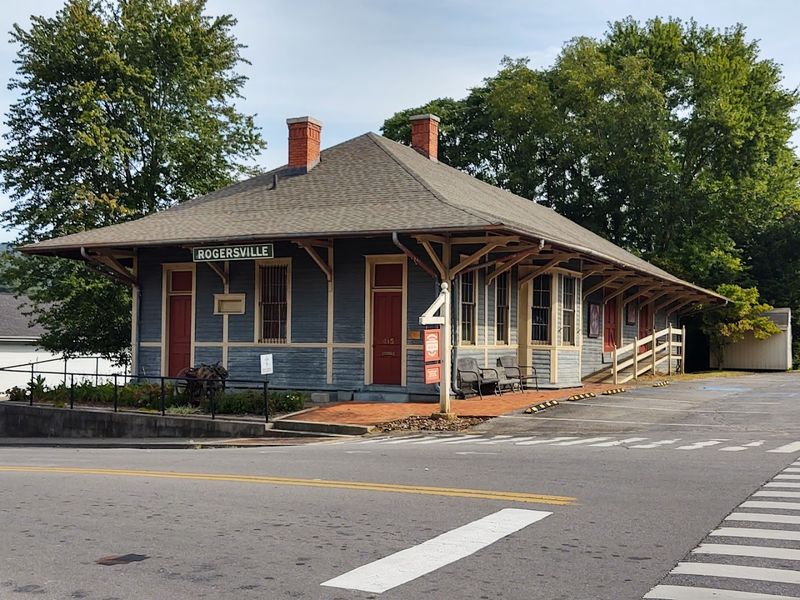
Rogersville succeeds where many historical destinations fall short by remaining a living community rather than becoming a museum piece. People actually live and work here, maintaining the town’s character through daily use rather than preservation for preservation’s sake. This authenticity makes every visit feel genuine and unscripted.
The scale works perfectly for summer travel. You can thoroughly explore the main historical attractions in a long weekend without feeling rushed or overwhelmed. Yet there’s enough depth to reward longer stays if you want to really immerse yourself in the area’s history and natural surroundings.
Accessibility is another advantage. Rogersville sits along major routes through East Tennessee, making it easy to include in broader travel plans. Whether you’re road-tripping through the region or looking for a specific destination, getting here doesn’t require extensive planning or difficult navigation.
The combination of attractions addresses different interests within a single trip. History enthusiasts find plenty to explore, outdoor lovers have the lake and river, and those who simply enjoy charming small towns will appreciate the downtown atmosphere. Groups with varied interests can all find something appealing without compromise.
Summer timing enhances the experience through pleasant weather, green landscapes, and water recreation opportunities. The town doesn’t get overwhelmed with crowds like some better-known Tennessee destinations, meaning you can actually enjoy sites without fighting through masses of tourists. You’ll have space to appreciate the history at your own pace.
Perhaps most importantly, Rogersville offers something increasingly rare: a chance to experience American history in its original context. You’re not looking at recreations or interpretive centers but actual places where actual events occurred. That connection to authentic history makes this small Tennessee town worth the journey this summer and beyond.
Share this story