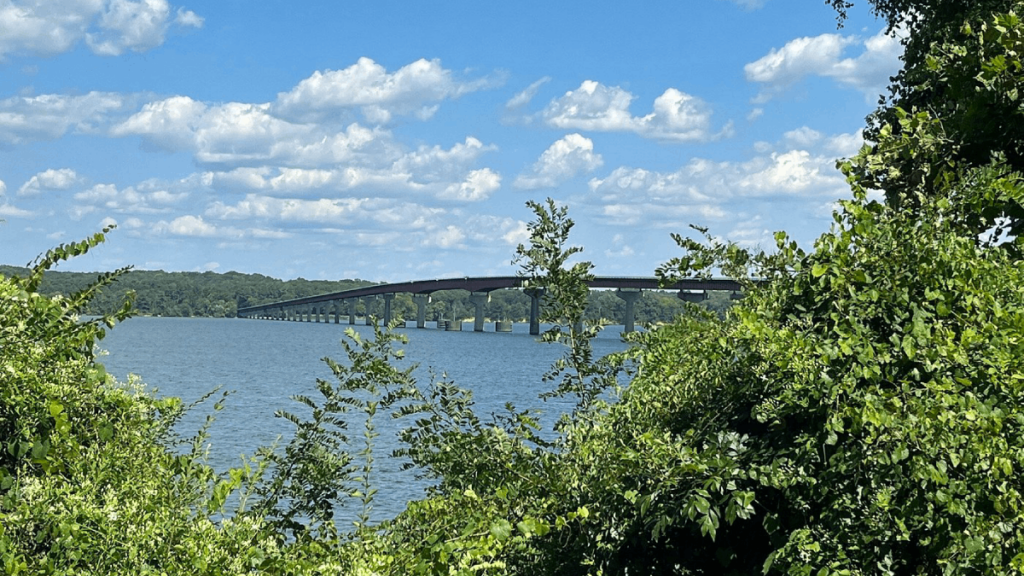
The Natchez Trace Parkway cuts through Tennessee like a ribbon through time, offering drivers a chance to escape the noise of modern highways and experience something quieter and more beautiful. This 444-mile scenic byway stretches from Nashville down through Alabama and Mississippi, but the Tennessee section holds some of its most stunning natural features and historic treasures.
With waterfalls tucked into the woods, overlooks that frame the rolling hills, and trails that lead to forgotten corners of history, this drive rewards anyone willing to take it slow and explore what lies just off the pavement.
A Peaceful Drive Through Tennessee’s Most Timeless Scenery
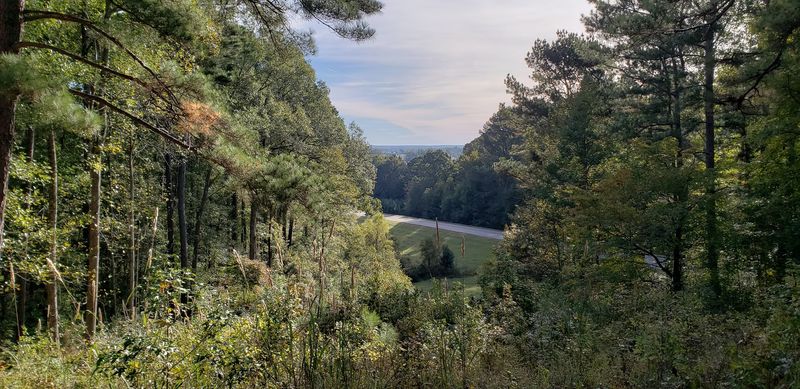
Rolling through the Tennessee stretch of the Natchez Trace Parkway feels less like driving and more like drifting through a landscape that refuses to change with the times. The road itself is smooth and unhurried, free from billboards, stoplights, and the usual clutter of commercial traffic. Instead, you get canopies of oak and maple overhead, open meadows dotted with wildflowers, and curves that follow the natural contours of the land.
This section of the parkway runs roughly from the Alabama border up to just south of Nashville, covering around 100 miles of pure Tennessee countryside. The speed limit hovers around 50 miles per hour, which might sound slow until you realize how much there is to see. Every few miles, another pull-off appears, inviting you to stop and take in a view or stretch your legs on a short trail.
What makes this drive special is how untouched it all feels. The National Park Service maintains the parkway with a light hand, preserving the natural beauty without overdeveloping the experience. There are no gas stations or restaurants along the route, so planning ahead is key.
Pack snacks, fill up your tank before you start, and give yourself plenty of time to wander.
The scenery shifts as you drive, from dense hardwood forests to open ridgelines where you can see for miles. In spring, dogwoods and redbuds splash color across the hillsides. Fall brings a blaze of reds and golds that rivals anything in the Smokies. Even winter has its charm, with bare branches revealing views that stay hidden the rest of the year.
This isn’t a drive you rush through on your way to somewhere else. It’s the destination itself, a chance to move at a slower pace and remember what Tennessee looked like before interstates carved up the countryside.
Why The Natchez Trace Parkway Feels Like A Road Trip Back In Time
Driving the Natchez Trace Parkway in Tennessee isn’t just about pretty views. It’s about following a route that people have traveled for thousands of years, long before pavement or cars existed. Native Americans first wore down this path as they moved between hunting grounds and settlements.
Later, traders and settlers called it the Natchez Trace, using it to return north after floating goods down the Mississippi River to markets in Natchez and New Orleans.
The modern parkway follows much of that original route, and the Park Service has preserved sections of the old sunken trace where you can still see the worn-down path created by countless footsteps and hooves. These spots are marked and easy to access, offering a tangible connection to the past that you can walk on yourself.
Along the Tennessee section, you’ll find interpretive signs that tell stories of the people who used this route. There were wealthy merchants, poor farmers, Native American tribes, enslaved people seeking freedom, and even outlaws waiting to rob travelers carrying cash from their river sales. The trace was dangerous and difficult, but it was also vital, serving as the main north-south corridor through this part of the country before roads and railways changed everything.
The parkway itself was completed in the 1930s as a way to commemorate this history while providing a scenic drive for modern travelers. The design intentionally keeps the experience simple and reflective, without the distractions of commercial development. That choice makes the journey feel more like stepping into the past than simply driving through it.
Every mile marker tells part of a larger story about how people moved through this landscape and shaped it over time.
Waterfalls, Forest Trails, And Quiet Pull-Offs Along The Way
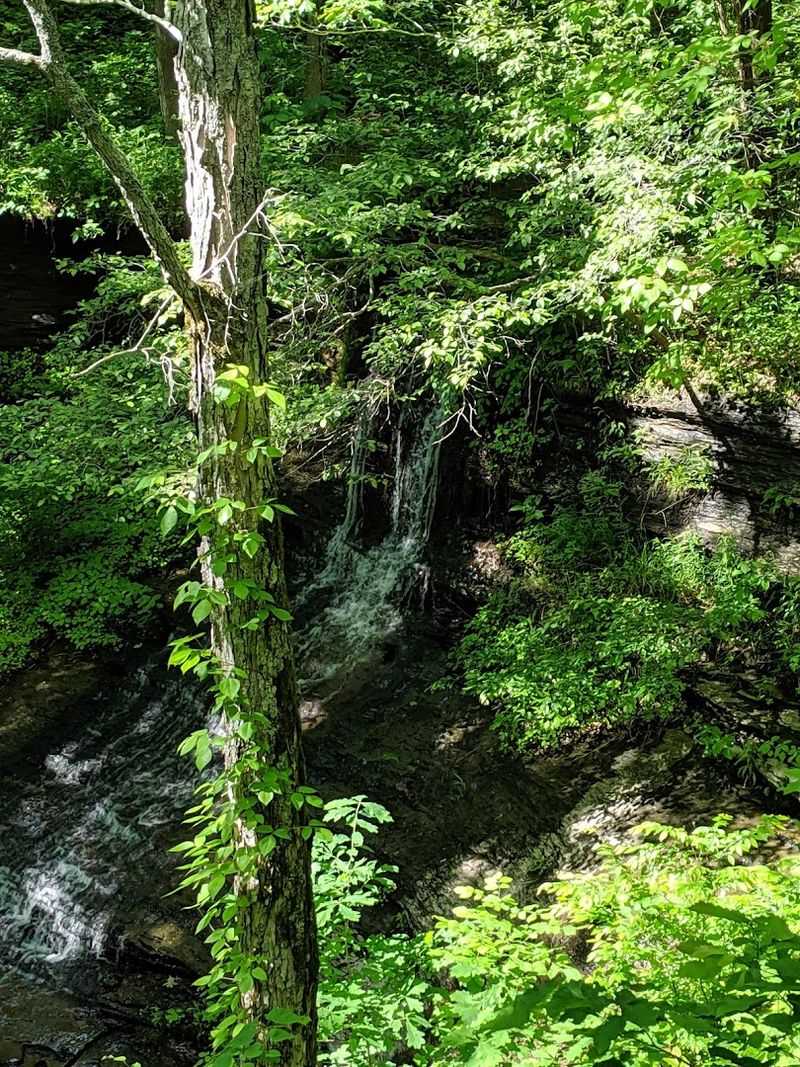
One of the best surprises along the Tennessee section of the Natchez Trace Parkway is how many waterfalls and trails wait just a short walk from the road. These aren’t the massive, crowded tourist falls you find in national parks. They’re smaller, quieter spots that feel like personal discoveries, even though they’re marked on the parkway map.
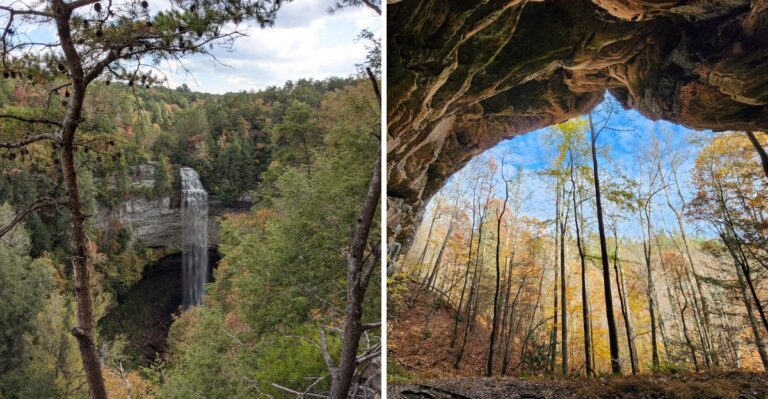
Jackson Falls is a favorite, located near milepost 404.7. A short, easy trail leads down to a small but lovely cascade that tumbles over limestone ledges into a clear pool below. The walk takes less than ten minutes, making it perfect for families or anyone who wants a quick nature break without committing to a long hike.
The sound of the water and the cool air around the falls make it a refreshing stop, especially on warm days.
Further up the parkway, you’ll find other trails that wind through hardwood forests, past rocky outcrops, and along ridgelines with sweeping views. Some are paved and wheelchair accessible, while others are more rugged and suited for hikers looking for a bit more adventure. The Park Service keeps these trails well-maintained but not overly manicured, preserving the natural feel.
What sets these stops apart is how quiet they are compared to more famous Tennessee destinations. Even on weekends, you might have a waterfall or trail entirely to yourself. The parkway doesn’t attract the same crowds as the Smokies or Chattanooga, so it offers a rare chance to experience Tennessee’s natural beauty without fighting for parking or jostling for photo spots.
Pack a small backpack with water and a snack, and plan to take your time exploring these pull-offs. Each one offers something a little different, whether it’s a waterfall, a wildflower meadow, or just a quiet bench with a view worth sitting still for.
The Hidden Overlooks That Make This Drive Worth Slowing Down For
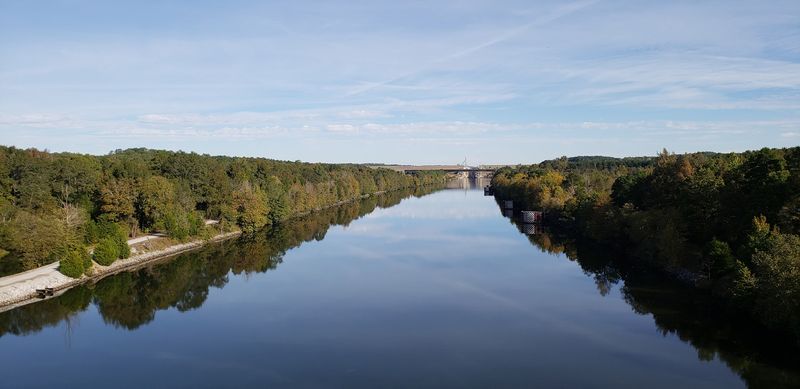
Speed limits on the Natchez Trace Parkway are set low for a reason. At 50 miles per hour, you have time to notice the small brown signs marking overlooks and pull-offs that might otherwise fly past in a blur. These spots are where the real magic of the drive reveals itself, offering views that stretch across valleys and ridges in a way that makes you understand why people have been drawn to this landscape for centuries.
Some overlooks are developed with parking areas and interpretive signs, while others are just wide spots in the road with a glimpse through the trees. The best ones give you a sense of how the land rolls and folds, with layers of hills fading into the distance under an open sky. Early morning and late afternoon light make these views even more dramatic, painting the landscape in soft golds and deep shadows.
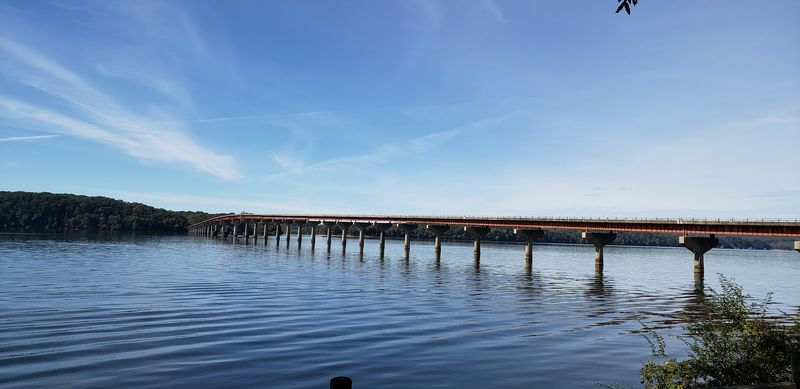
One standout is the Birdsong Hollow area, where the parkway follows a ridgeline with views dropping away on both sides. Another is near the Tennessee River, where the road crosses high above the water and you can see the river winding through the valley below.
They’re quiet, contemplative spots where you can pull over, take a few deep breaths, and just look.
What makes these overlooks special is how they change with the seasons. Spring brings fresh green growth and blooming trees. Summer fills the valleys with dense foliage. Fall turns the hillsides into a patchwork of reds, oranges, and yellows. Winter strips everything down to bare branches and reveals the bones of the landscape in a way the other seasons hide.
Don’t rush past these pull-offs. Stop, get out of the car, and give yourself a few minutes to take in the view. That’s the whole point of this drive.
Historic Stops That Add More Than Just Pretty Views
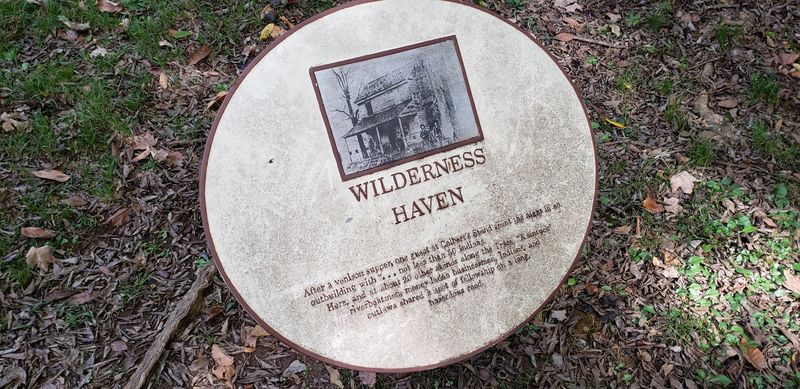
Beauty alone would make the Natchez Trace Parkway worth driving, but the historic sites scattered along the route add depth and context that turn a scenic drive into something more meaningful. The Tennessee section includes several stops that tell stories about the people who lived, worked, and traveled through this region over the past few centuries.
One of the most interesting is Meriwether Lewis Park, located near Hohenwald at milepost 385.9. This is where the famous explorer died under mysterious circumstances in 1809, just three years after returning from the Lewis and Clark Expedition. A monument marks his grave, and a small museum tells his story.
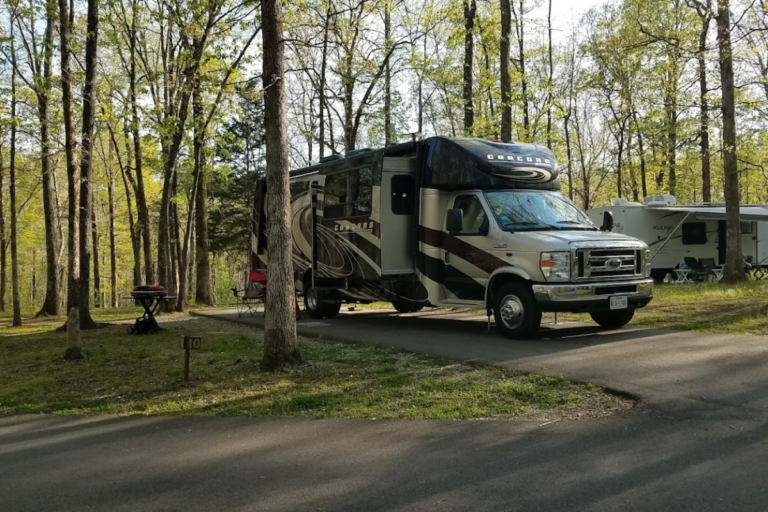
The site also includes a portion of the original sunken trace and a campground if you want to spend the night.
Further along, you’ll find old homesteads, cemeteries, and remnants of the communities that once thrived along the trace. These aren’t elaborate tourist attractions. They’re simple, preserved pieces of history that help you understand what life was like for the people who called this area home.
Some sites have interpretive signs with details about the families who lived there, the crops they grew, and the challenges they faced.
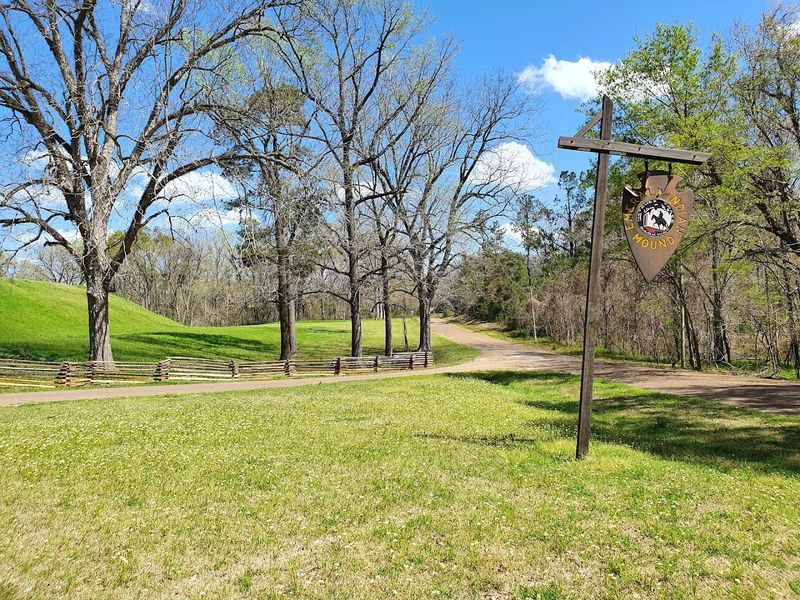
There are also several Native American mounds in the Tennessee section, though the most impressive ones are further south in Mississippi. Still, the presence of these sites reminds you that this landscape has been shaped by human hands for thousands of years, not just the past few centuries of European settlement.
Each historic stop offers a chance to step out of the car, stretch your legs, and learn something new. They break up the drive in a way that keeps it interesting without overwhelming you with too many stops. Pick a few that sound intriguing and give yourself time to explore them properly rather than rushing through.
When To Take This Drive For The Best Experience
Timing matters when you drive the Natchez Trace Parkway in Tennessee. The road is open year-round, but the experience changes dramatically depending on when you go. Each season offers something different, and knowing what to expect helps you plan a trip that matches what you’re hoping to see.
Fall is the most popular time, and for good reason. Late October through early November brings peak leaf color, with maples, oaks, and hickories turning the hillsides into a blaze of reds, oranges, and yellows. The weather is usually mild, making it comfortable for hiking and exploring.
Weekends during this period can get busy by parkway standards, but it’s still nothing compared to the crowds at more famous Tennessee destinations.
Spring runs a close second, especially if you love wildflowers. Dogwoods and redbuds bloom in April, adding splashes of white and pink to the green landscape. Wildflowers carpet the forest floor, and the air feels fresh and alive.
Spring can be rainy, so check the weather and pack accordingly, but the tradeoff is fewer visitors and a landscape waking up after winter.
Summer offers lush, dense foliage and longer days, giving you more time to explore. The downside is heat and humidity, which can make midday hiking uncomfortable. Waterfalls and shaded trails become especially appealing during this season.
Early morning drives are best, before the sun climbs high and the air gets heavy.
Winter is the quietest time on the parkway. The landscape looks stark and bare, but that has its own beauty. You can see deeper into the woods and across valleys without leaves blocking the view.
Cold days keep most people away, so you might have the road almost to yourself. Just be prepared for occasional closures if ice or snow makes driving dangerous.
No matter when you go, avoid rushing. This drive deserves a full day at minimum, longer if you want to explore trails and historic sites thoroughly.
Why This Tennessee Parkway Belongs On Your Weekend Road Trip List
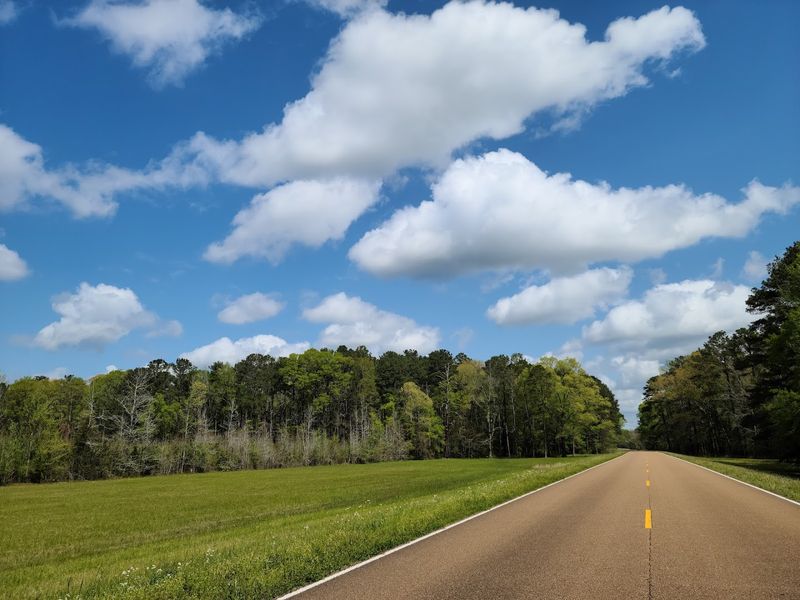
Tennessee has no shortage of scenic drives, from mountain roads in the Smokies to riverside routes along the Cumberland. But the Natchez Trace Parkway offers something different that’s hard to find elsewhere in the state. It’s a drive that asks you to slow down, pay attention, and appreciate the landscape without a lot of fanfare or commercial distraction.
What makes it perfect for a weekend trip is the flexibility. You can drive the entire Tennessee section in a few hours if you’re just passing through, or you can spend a whole day or two exploring every pull-off, trail, and historic site along the way. There are campgrounds if you want to stay overnight, or you can base yourself in Nashville or one of the small towns near the parkway and drive sections at a time.
The parkway also works well for different types of travelers. Families appreciate the easy trails and educational stops. Photographers love the scenery and changing light.
Cyclists use the smooth, low-traffic road for long rides through beautiful country. Even motorcyclists find the curves and views ideal for a relaxed weekend ride.
Because the parkway is federally maintained and protected, it won’t change much over time. You can come back year after year and find the same quiet beauty without worrying that development will ruin the experience. That consistency is rare and valuable in a state that’s growing and changing as fast as Tennessee.
Planning a trip is straightforward. Download the official Natchez Trace Parkway map from the National Park Service website, mark the stops that interest you most, and give yourself more time than you think you’ll need. The best experiences on this road come from wandering, not rushing.
Pack a cooler, fill your tank, and let the parkway set the pace. You’ll leave with a deeper appreciation for Tennessee’s natural beauty and a reminder that sometimes the best destinations are the ones that make you slow down and pay attention to the journey itself.
Share this story