Tucked away in the southeastern corner of Tennessee, Big Frog Wilderness offers something rare in today’s world: true solitude paired with stunning mountain scenery. While most travelers flock to the Smokies, this 8,055-acre wilderness near Copperhill remains blissfully under the radar, preserving its wild character and peaceful trails.
Whether you’re craving a weekend escape from city life or searching for hiking routes that won’t leave you elbow-to-elbow with other adventurers, Big Frog delivers an authentic backcountry experience that feels like stepping back in time.
Tennessee’s Wild Side, Without the Crowds
Most folks think Tennessee wilderness means fighting for parking spots at Cades Cove or navigating tourist-packed trails. Big Frog Wilderness flips that script entirely. This protected area stays remarkably quiet year-round, offering the kind of solitude that’s become nearly impossible to find in popular national parks.
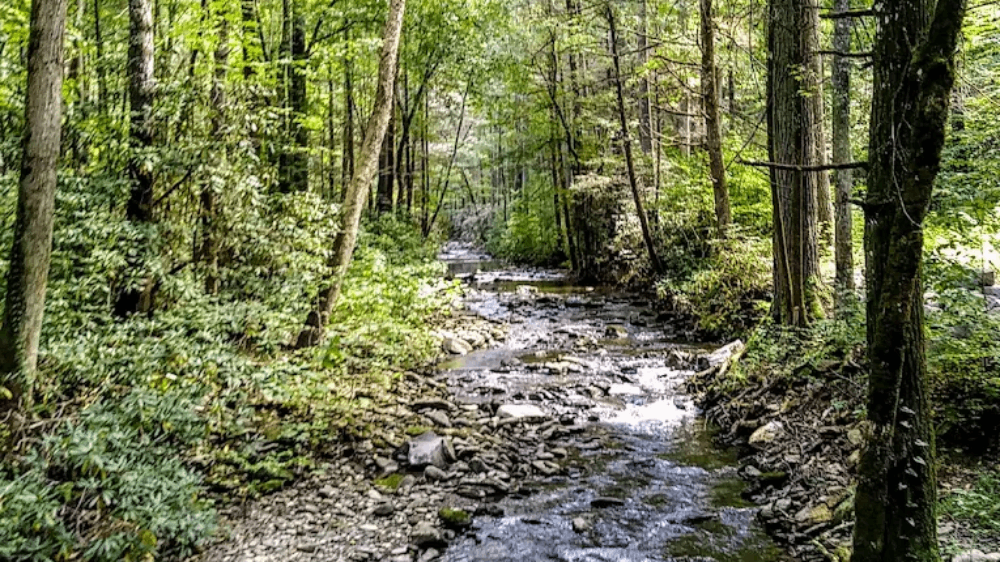
The wilderness designation means no roads cut through the landscape, no developed campgrounds interrupt the forest, and motorized vehicles stay completely out. What you get instead is raw nature doing its thing. Dense hardwood forests blanket the mountainsides, clear streams tumble over moss-covered rocks, and wildlife roams freely without constantly dodging hikers.
The lack of crowds doesn’t mean lack of beauty. Big Frog sits adjacent to the massive Cohutta Wilderness, creating an enormous backcountry playground that absorbs the few visitors who do make the trip. Even on weekends, you might hike for hours without seeing another soul.
For anyone tired of selfie sticks and trail congestion, this feels like finding a secret the rest of the world forgot.
Where Big Frog Wilderness Hides in the Mountains
Finding Big Frog requires a bit of intentional navigation, which partly explains why it stays so uncrowded. The wilderness sits in the Cherokee National Forest, straddling the Tennessee-Georgia border in Polk County. Copperhill serves as the nearest town, a small community that feels more Appalachian outpost than tourist destination.
Getting there involves winding through forest roads that climb steadily into higher elevations. The main access point, Hemp Top trailhead, sits at the end of a forest service road that used to be notoriously rough. Recent improvements have transformed it into what one local calls “the best road in the forest,” making access significantly easier for regular vehicles, though a truck or SUV with decent clearance still makes the journey more comfortable.
The wilderness itself sprawls across ridges and valleys at elevations ranging from about 1,800 to 4,224 feet at Big Frog Mountain’s summit. It’s positioned perfectly for exploring both Tennessee and Georgia backcountry, with the Cohutta Wilderness providing additional territory just across the state line. This creates a combined protected area that ranks among the largest wilderness complexes in the Southeast.
Despite the improved road conditions, the area maintains its remote character. Cell service vanishes once you enter the forest, and the nearest gas stations or supplies require a drive back toward civilization. That isolation is precisely what makes Big Frog special for those seeking genuine wilderness experiences.
Why This Copperhill Escape Feels So Untouched
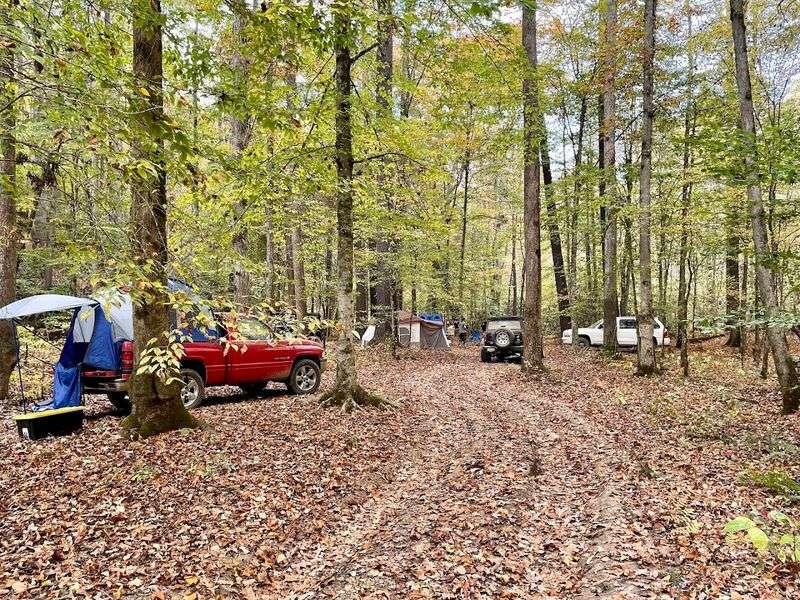
Walking into Big Frog Wilderness feels like entering a landscape that humans visit but don’t control. There’s a primal quality here that’s hard to describe but impossible to miss. The forest operates on its own schedule, following rhythms established long before hiking boots started treading these trails.
Part of that untouched feeling comes from the wilderness designation itself, established to preserve natural conditions. No logging operations clear the hillsides. No development projects carve up the terrain.
Even trail maintenance stays minimal, preserving the area’s primitive character rather than creating manicured pathways.
Wildlife thrives in this protected environment. Multiple visitors report bear sightings, and wild hogs roam the area in surprising numbers.
The abundance of wildlife indicates healthy ecosystems functioning without excessive human interference.
Weather events leave their mark naturally too. Fallen trees sometimes block trails, creating obstacles that might trap campers without a chainsaw or ax, as one experienced hiker warns. Rather than immediately clearing every downed tree, the forest service allows natural processes to unfold, maintaining that primitive atmosphere visitors seek.
This isn’t a sanitized outdoor experience—it’s the real deal, complete with the unpredictability and raw beauty that defines true wilderness.
The Trails That Lead to Big Views
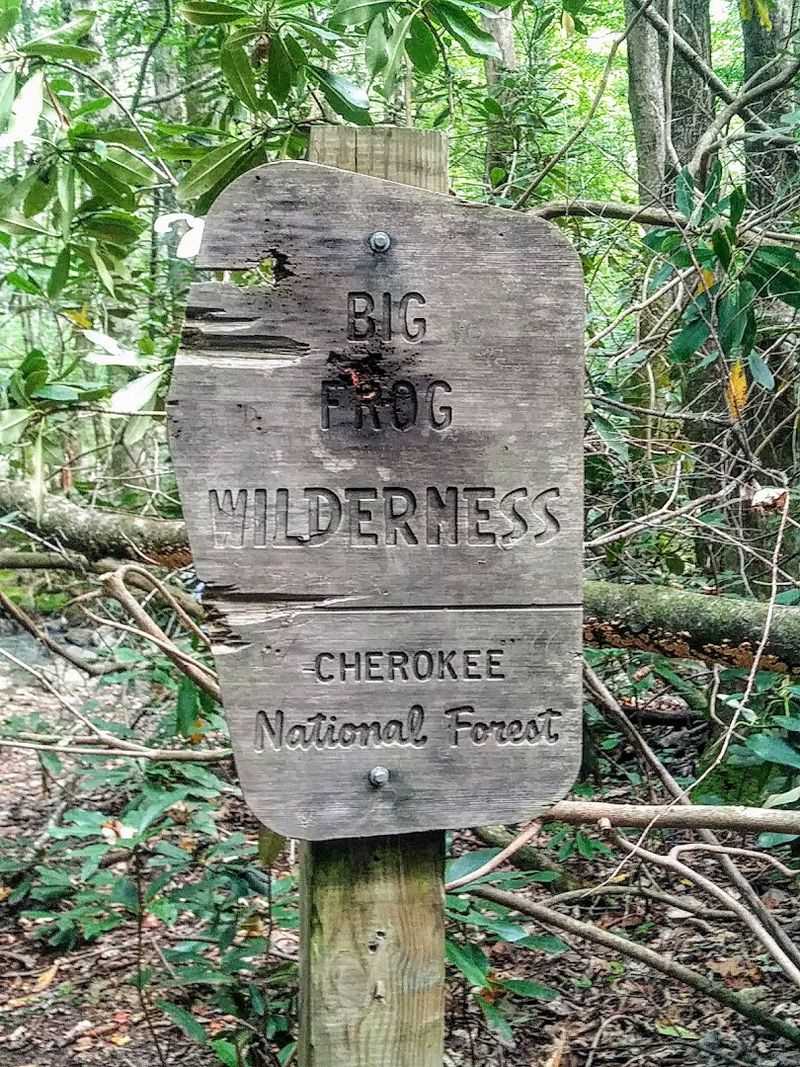
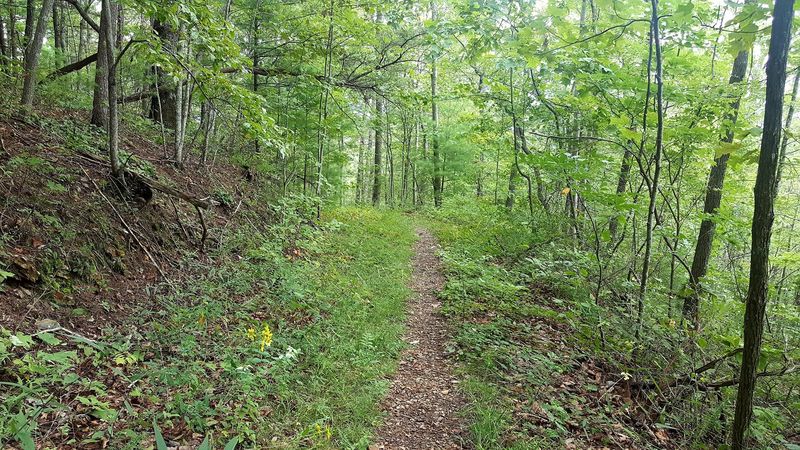
Big Frog’s trail system doesn’t coddle hikers with easy miles and gentle grades. These paths climb seriously, rewarding effort with panoramic payoffs that justify every uphill step. The main routes lead toward Big Frog Mountain itself, where elevation gains deliver sweeping vistas across ridge after forested ridge.
Hemp Top trailhead serves as a popular starting point, providing access to several interconnected paths. From here, hikers can choose their own adventure based on fitness level and available time. Some trails follow creek valleys before ascending to higher elevations, while others tackle ridgelines more directly.
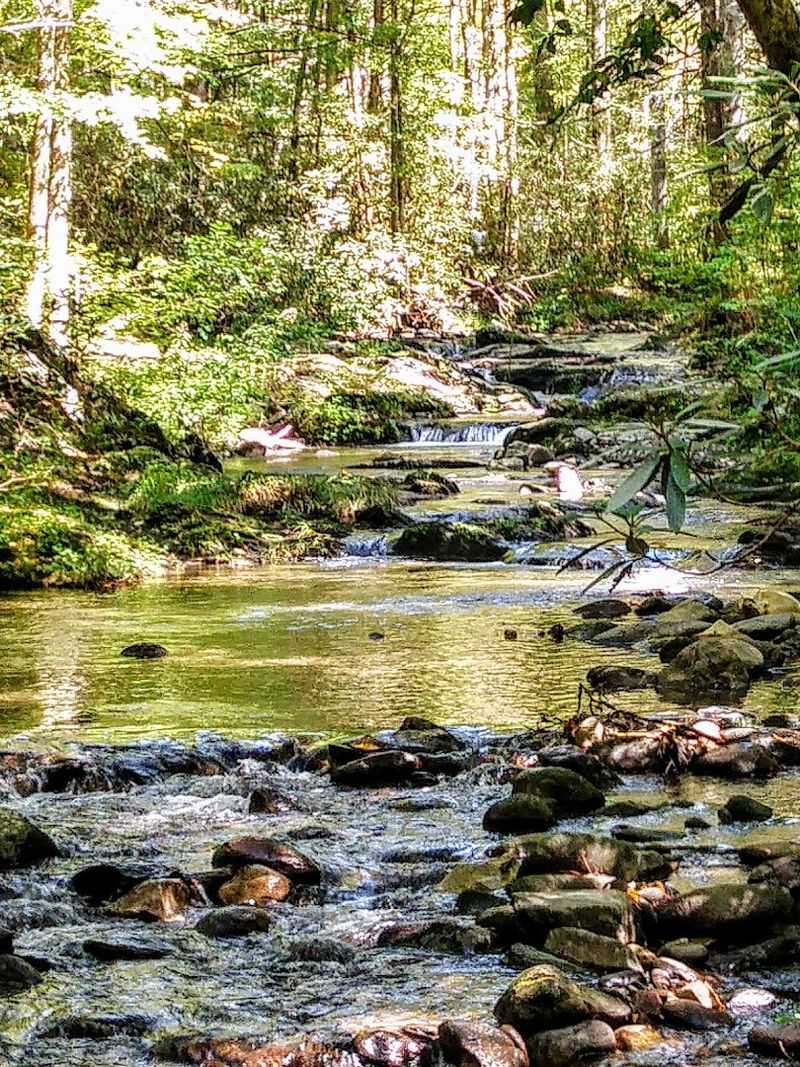
The terrain varies beautifully throughout the wilderness. River access comes surprisingly quickly once you learn the forest road system, as one reviewer notes. Lower elevation trails pass through rhododendron thickets and alongside clear mountain streams.
Higher routes traverse hardwood forests that explode with color during fall, then reveal bare-branch views throughout the winter months.
Roots, rocks, and occasional deadfall keep hikers engaged and attentive. During inclement weather, conditions can change rapidly, adding an element of adventure that appeals to experienced backcountry travelers while demanding respect from everyone.
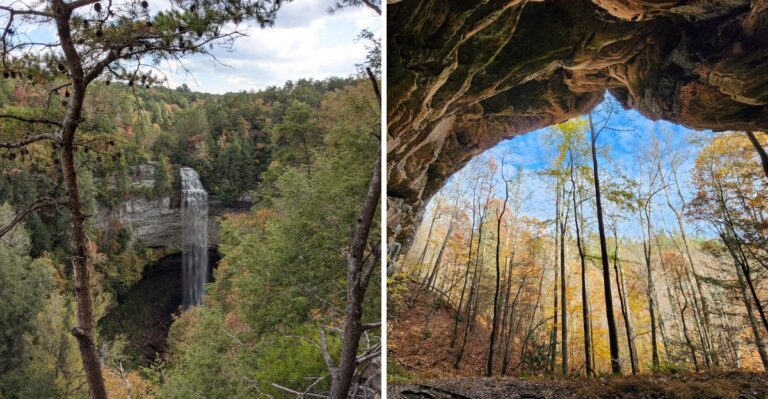
The payoff for navigating these challenging trails comes in moments of stunning natural beauty: unexpected waterfall discoveries, wildlife encounters, and those ridge-top views that stretch seemingly forever across the southern Appalachians. This is hiking that earns its rewards honestly.
What Makes the Scenery Worth the Effort
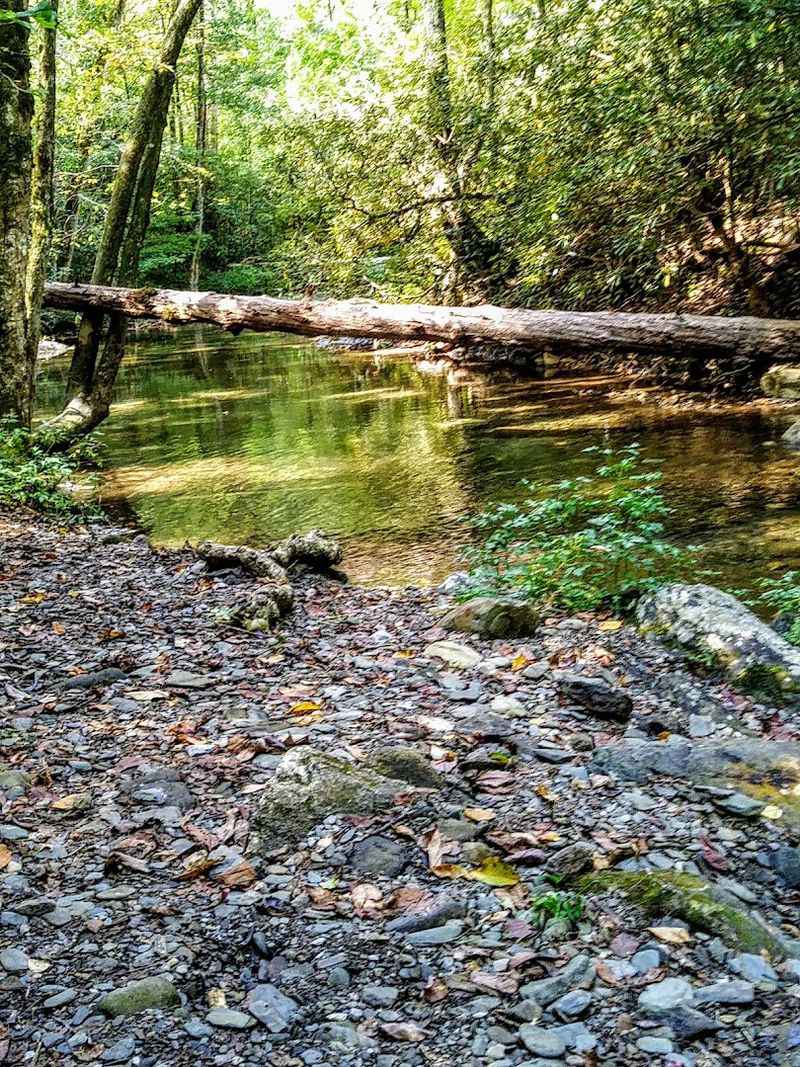
Big Frog Wilderness doesn’t do Instagram-ready waterfalls or iconic rock formations that appear on every Tennessee postcard. Instead, it offers something increasingly rare: unspoiled mountain landscapes that reveal their beauty gradually, rewarding those willing to work for it.
The scenery operates on a grand scale here. Ridgeline after ridgeline rolls away toward distant horizons, creating those classic Appalachian views where mountains layer like waves frozen mid-motion. From higher elevations, particularly near Big Frog Mountain’s summit, the perspective shifts entirely—you’re looking down on forested slopes that seem to continue endlessly in every direction.
Seasonal changes transform the wilderness dramatically. Spring brings explosive wildflower displays and rushing streams swollen with snowmelt. Summer wraps everything in a deep green canopy that provides welcome shade during climbs.
Fall turns the hardwood forests into a painter’s palette of reds, oranges, and golds that rival any leaf-peeping destination. Winter strips away the foliage, revealing landscape bones and opening up views that stay hidden during warmer months.
Water features add constant variety to the scenery. Streams and rivers cut through valleys, creating ribbons of sound and movement. After rain, temporary cascades appear on hillsides, while established waterfalls gain impressive volume.
The interplay between water and forest creates micro-environments where ferns thrive and moss covers everything in sight.
What makes it all worthwhile is knowing you’re experiencing these views without sharing them with busloads of tourists. The scenery belongs to those who make the effort.
How to Experience the Wilderness Like a Local
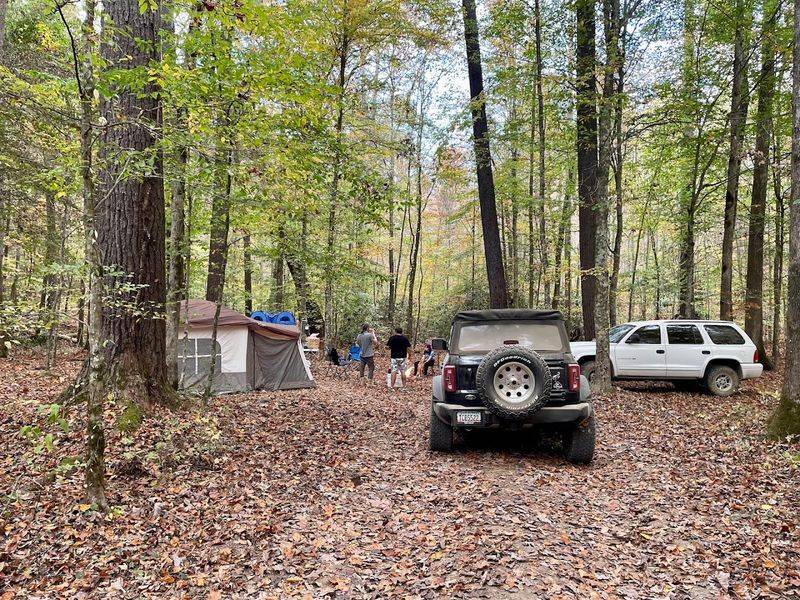
Locals who frequent Big Frog approach it differently from casual visitors, and their habits reveal how to get the most from this wilderness. First rule: come prepared for genuine backcountry conditions. That means packing more than you think you’ll need, especially tools for unexpected situations.
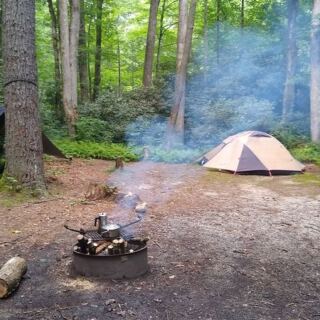
Experienced regulars recommend bringing serious equipment if you’re camping. Veteran hikers suggest packing a chainsaw or a sharp ax, noting that falling trees can trap campers with no cell service and limited exit options. That’s not paranoia—it’s practical wisdom from someone who understands how quickly situations can change in remote areas.
Learning the forest road system unlocks the wilderness in ways casual visitors miss. Multiple access points exist beyond the main trailhead, and knowing these routes lets you reach different parts of the wilderness more efficiently. River access becomes surprisingly quick once you understand the road network, as does reaching less-traveled trail sections.
Vehicle choice matters more than many realize. While recent road improvements help, a pickup or SUV with decent suspension and ground clearance still makes the journey considerably more comfortable. Four-wheel drive isn’t absolutely necessary, but sturdy construction and clearance definitely are.
Locals also emphasize timing visits around weather and seasons. Winter offers unique beauty with those bear sightings and winter landscapes, but also presents additional challenges. Knowing your skill level honestly and matching it to conditions separates enjoyable adventures from potential emergencies.
Finally, embrace the primitive nature rather than fighting it. Big Frog isn’t meant to be convenient or comfortable—that’s precisely why it remains special.
Why This Mountain Getaway Belongs on Your Radar
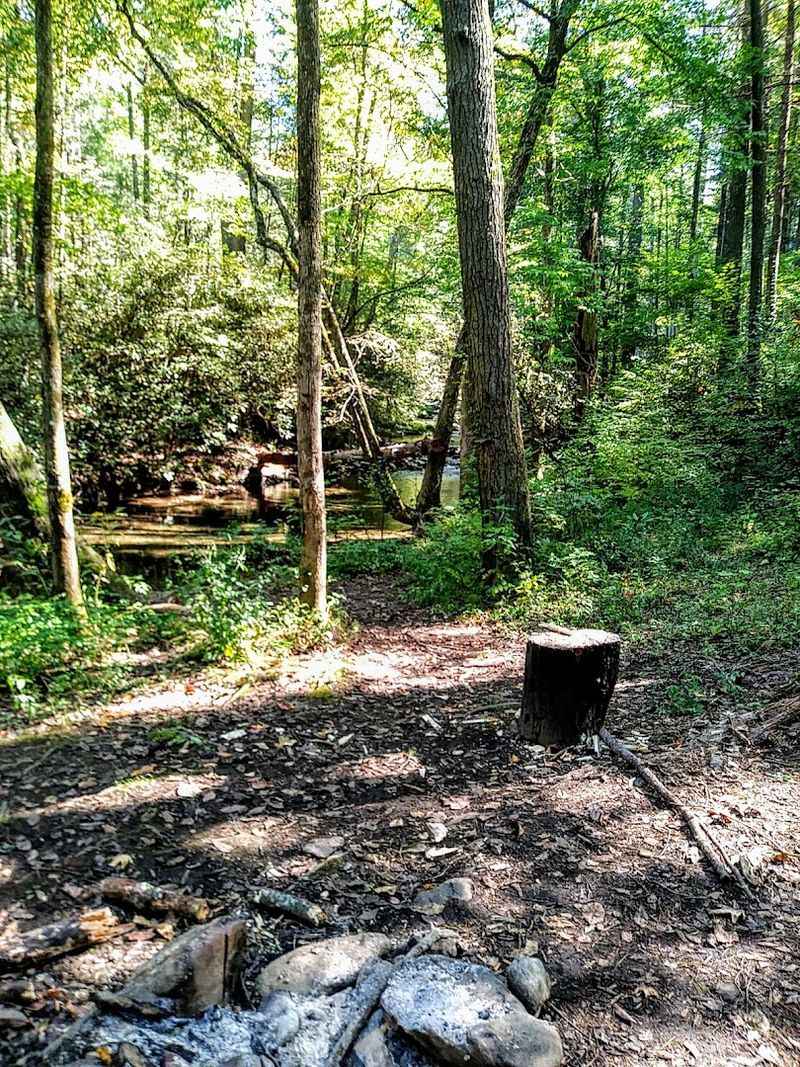
In a world where true wilderness grows increasingly scarce, Big Frog Wilderness represents something precious: a place that prioritizes preservation over accessibility, solitude over popularity.
The wilderness offers exactly what its name promises—wild country where nature sets the rules and humans adapt accordingly. No crowds compete for trail space or photo opportunities. No development mars the viewsheds.
Just forest, mountains, streams, and wildlife living according to patterns established millennia ago.
For Tennessee residents, Big Frog provides an accessible escape that doesn’t require fighting Smoky Mountain traffic or booking campsites months in advance. It’s open 24 hours daily, welcoming visitors whenever they can break away from daily routines. That flexibility, combined with relative proximity to Chattanooga and other regional cities, makes spontaneous wilderness trips actually feasible.
The connection to Cohutta Wilderness amplifies Big Frog’s appeal significantly. Together, these protected areas create a backcountry complex massive enough to support multi-day expeditions, extended backpacking trips, and serious wilderness experiences that challenge and reward in equal measure.
Perhaps most importantly, Big Frog remains genuinely overlooked despite its exceptional qualities. That won’t last forever as more people discover what southeastern Tennessee offers beyond the well-known destinations. Visiting now means experiencing this wilderness while it still feels like a secret—beautiful, peaceful, and primitive, exactly as wilderness should be.
Share this story