Deep in Southeast Texas, a wild and mysterious forest hides a secret most people never expect to find in the Lone Star State. Big Thicket National Preserve stretches across more than 100,000 acres near Kountze, where carnivorous plants thrive in boggy wetlands and nearly 300 bird species fill the air with song. This incredible nature preserve brings together nine different ecosystems in one place, creating a biological crossroads unlike anywhere else in Texas.
1. Pitcher Plants That Actually Eat Insects
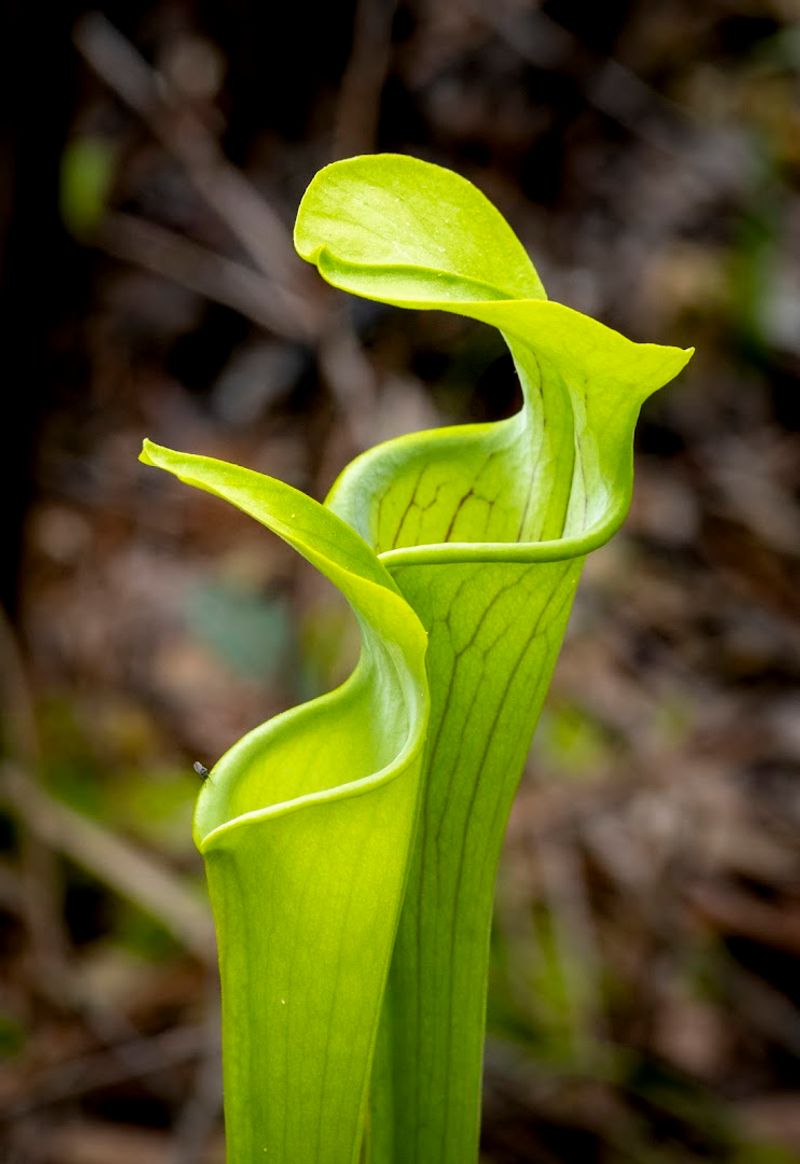
Walking along the Pitcher Plant Trail feels like stepping onto another planet. These bizarre carnivorous plants rise from the soggy ground with tube-shaped leaves that work like natural traps. Insects crawl inside looking for nectar and can’t escape because of slippery walls and downward-pointing hairs.
The plants then digest their victims to get nutrients the poor soil can’t provide. You’ll find several species here, including the white-topped pitcher plant with its elegant hood and the yellow pitcher plant that can grow over two feet tall. Spring brings the best viewing when these strange beauties are in full bloom.
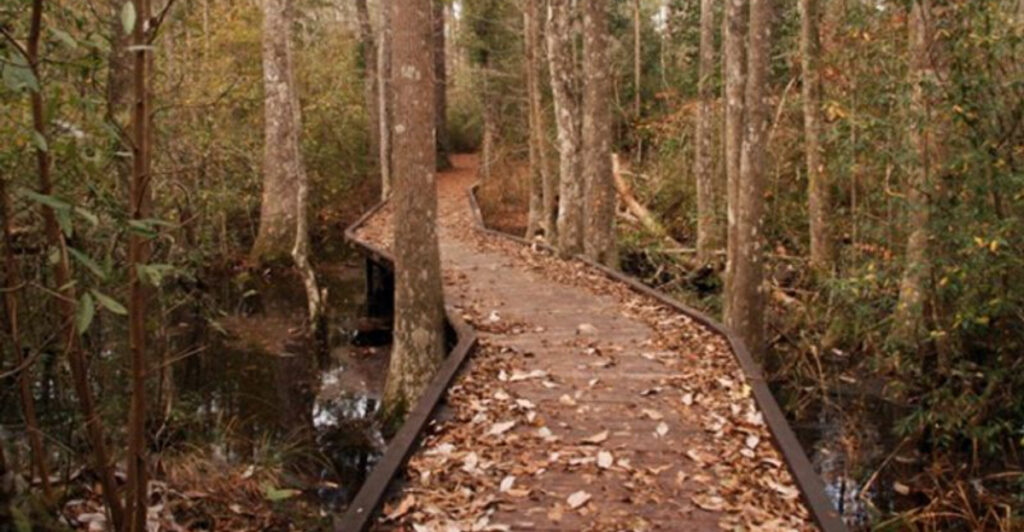
The preserve protects one of the few places in Texas where these plants still grow wild. Volunteers at the visitor center can tell you exactly when to visit for peak pitcher plant season, usually between March and May. The trail itself is about a mile long and features a boardwalk that keeps your feet dry while giving you front-row seats to nature’s insect-eating show.
Bring your camera because these plants photograph beautifully against the green backdrop of the bog. Just remember that collecting pitcher plants is strictly prohibited. They’re protected species, and removing them damages this fragile ecosystem.
The best part? Admission is completely free, though donations help maintain the trails and boardwalks.
2. Sundew Plants With Sticky Tentacles
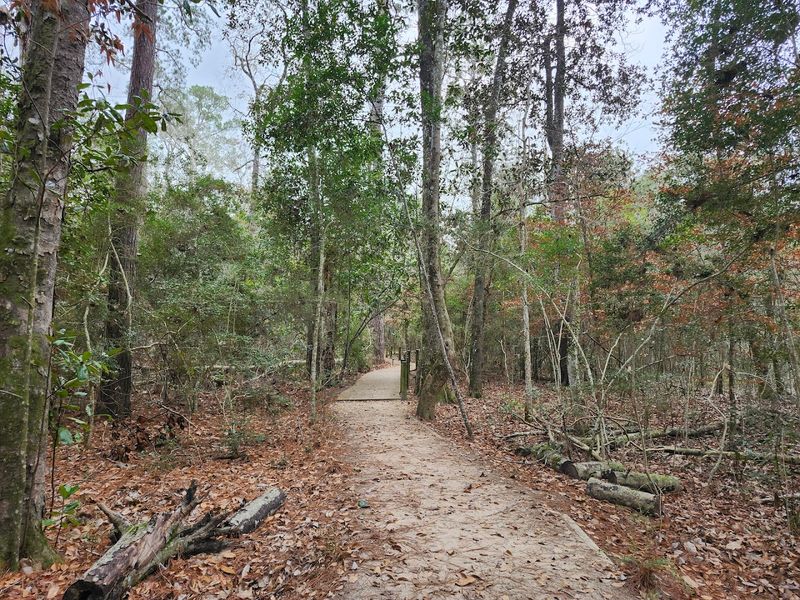
If pitcher plants seem wild, wait until you spot a sundew. These tiny carnivorous plants cover their leaves with what looks like sparkling dewdrops, but those glistening beads are actually sticky glue traps. Small insects land on the leaves thinking they’ve found water, only to get stuck fast.
The plant then slowly curls its tentacle-like hairs around the trapped bug and digests it over several days. Sundews are smaller than pitcher plants, often no bigger than a quarter, so you’ll need to look carefully along the Sundew Trail to find them. They prefer the same acidic, nutrient-poor soil as their pitcher plant cousins.
The best time to see sundews is during the growing season from April through October when they’re actively hunting. Morning visits work especially well because the dew on surrounding plants makes the sundews’ sticky droplets even more visible. Kneel down and look closely at the ground near seepage bogs and wet sandy areas.
Some visitors miss the sundews entirely because they’re focused on bigger attractions, but these miniature meat-eaters are just as fascinating. Bring a magnifying glass if you really want to appreciate their intricate design. The preserve protects multiple sundew species, each with slightly different leaf shapes and hunting strategies.
Patient observers might even catch one in the act of trapping prey.
3. Bird Watching Paradise With 300 Species
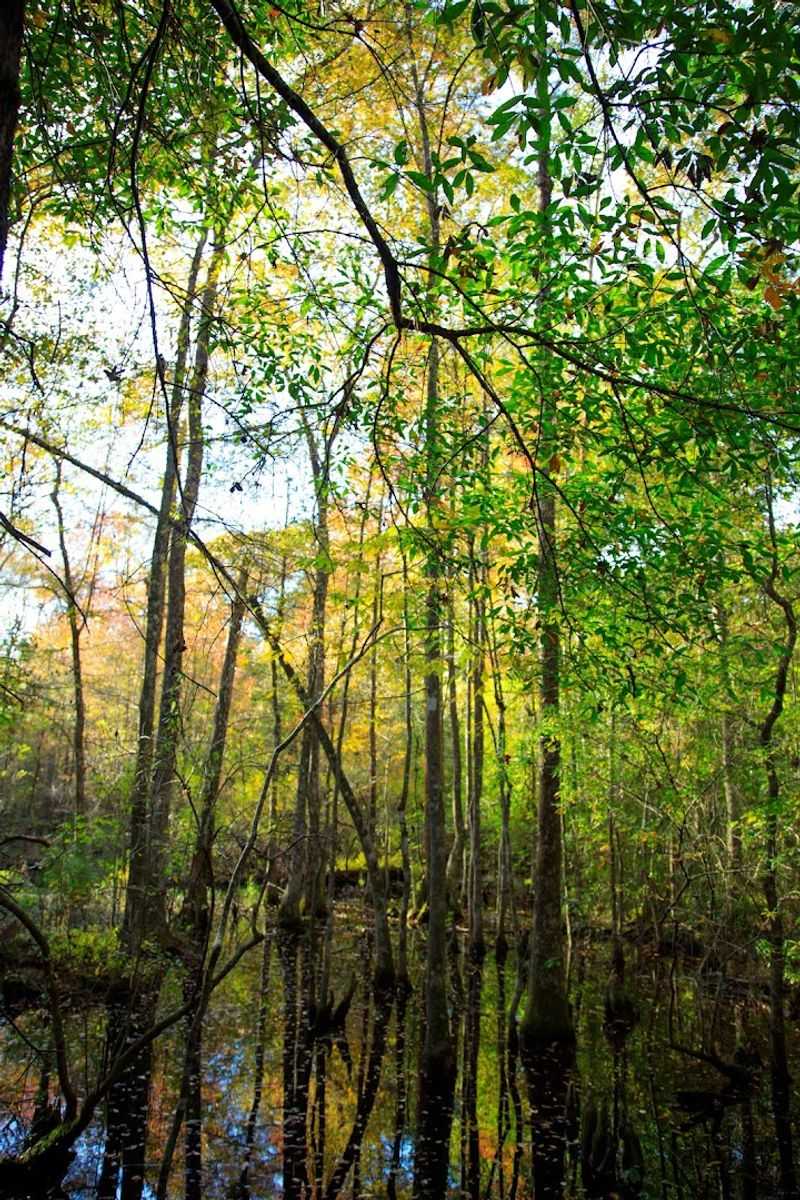
Bird nerds consider Big Thicket one of the best spots in Texas, and for good reason. Nearly 300 bird species have been recorded here, from tiny hummingbirds to massive pileated woodpeckers. The preserve sits along the Central Flyway, a major migration route, so spring and fall bring waves of traveling birds stopping to rest and refuel.
You might spot a painted bunting showing off its rainbow plumage or hear the distinctive call of a barred owl asking “Who cooks for you?” Warblers fill the trees during migration season, creating a colorful moving feast for your binoculars. Even casual visitors often see red-headed woodpeckers, Carolina chickadees, and tufted titmice without trying too hard.
The Turkey Creek Trail offers excellent bird watching opportunities, especially early morning when birds are most active. The variety of ecosystems means you can see swamp birds, forest birds, and prairie birds all in one day. Bring a field guide or download a bird identification app to help you name what you’re seeing.
Local Audubon chapters regularly lead bird walks here, and the visitor center keeps a log of recent sightings. Winter brings its own special visitors, including ducks and geese that escape colder northern climates. Pack patience, binoculars, and maybe a camping chair for comfortable observation.
The soundtrack alone makes the trip worthwhile.
4. Nine Ecosystems Crammed Into One Preserve
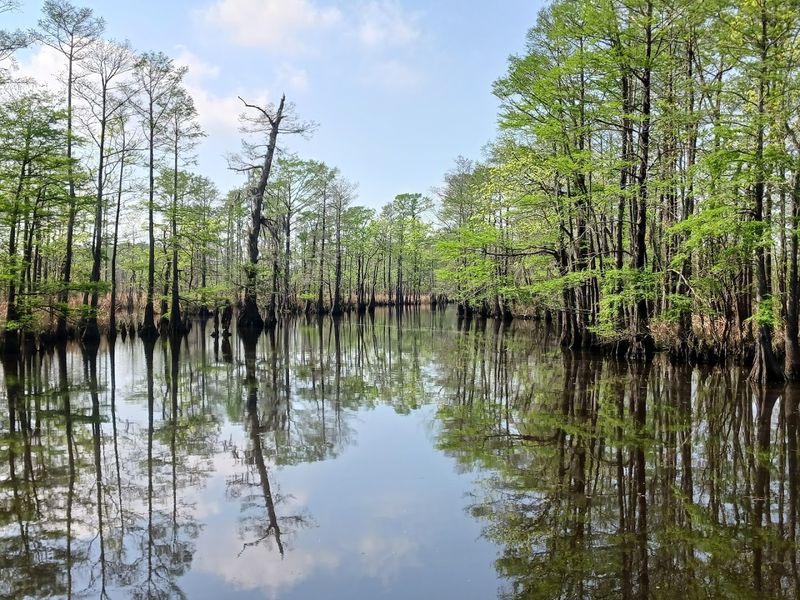
Scientists call Big Thicket the “biological crossroads of North America,” and once you understand why, your mind kind of explodes. This preserve contains nine distinct ecosystems squeezed into a relatively small area. You can hike from a cypress-lined swamp to a longleaf pine forest to a palmetto hardwood flat all in the same afternoon.
Eastern species reach their western limit here while western species hit their eastern boundary, creating an incredible mixing zone. Plants and animals that normally live hundreds of miles apart become neighbors. Desert cacti grow within walking distance of swamp-loving orchids, which shouldn’t even be possible.
The preserve’s different units showcase different ecosystems, so visiting multiple trailheads gives you the full experience. Big Sandy Creek Unit features upland forests and sandbars perfect for canoeing. Turkey Creek Unit shows off the classic Big Thicket mix of beech-magnolia-loblolly pine forest.
Each unit feels like a completely different park.
This ecological diversity explains why the preserve supports so many plant and animal species. Over 1,000 flowering plant species call Big Thicket home, along with 60 reptile species and 50 mammal species. The variety makes every hike an adventure because you never know what you’ll encounter next.
Geologists love it here too because the landscape tells stories about ancient seas and river systems that shaped modern Texas.
5. Hiking Trails That Range From Easy To Challenging
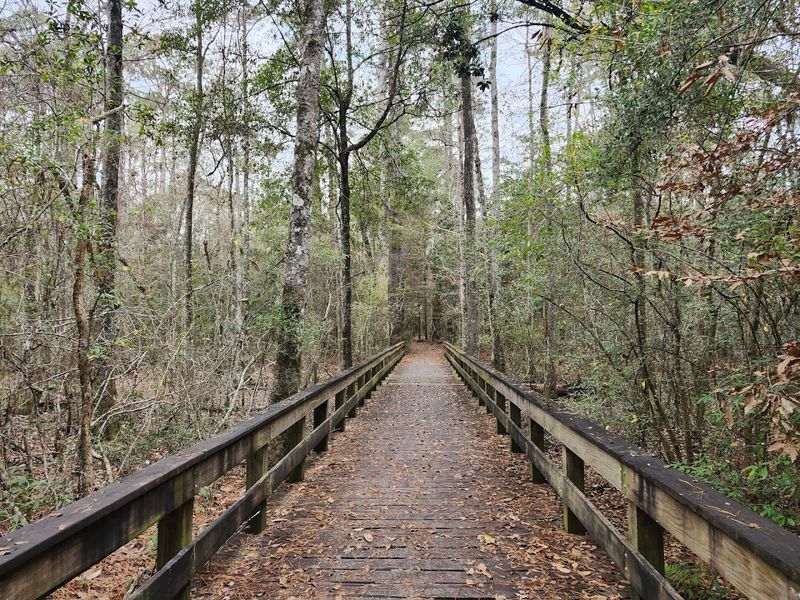
Big Thicket offers trails for everyone, from families with small kids to serious backpackers looking for multi-day adventures. The Kirby Nature Trail provides an easy one-mile loop on a boardwalk that keeps your shoes clean and dry. It’s wheelchair accessible and perfect for a quick introduction to the forest without breaking a sweat.
Turkey Creek Trail stretches 15 miles roundtrip for those wanting a longer challenge, though you can turn around whenever you’re ready. The trail crosses multiple ecosystems and includes several beautiful creek crossings. Bridges are well-maintained, but the trail itself can get muddy after rain, so proper hiking boots make a difference.
Big Sandy Creek Unit allows both hiking and cycling, making it the only trail system in the preserve where bikes are permitted. The relatively flat terrain works well for families, though the 18-mile length means you’ll want to plan your distance carefully. Backcountry camping is allowed with a free permit from the visitor center.
Trail markers are generally good, but some visitors report that Big Sandy Creek can be tricky to follow in spots. Download a trail map or grab a paper copy at the visitor center before heading out. Most trails offer plenty of shade, which helps during Texas summers.
Water sources are limited on trails, so pack more than you think you’ll need.
6. Free Camping With A Backcountry Permit
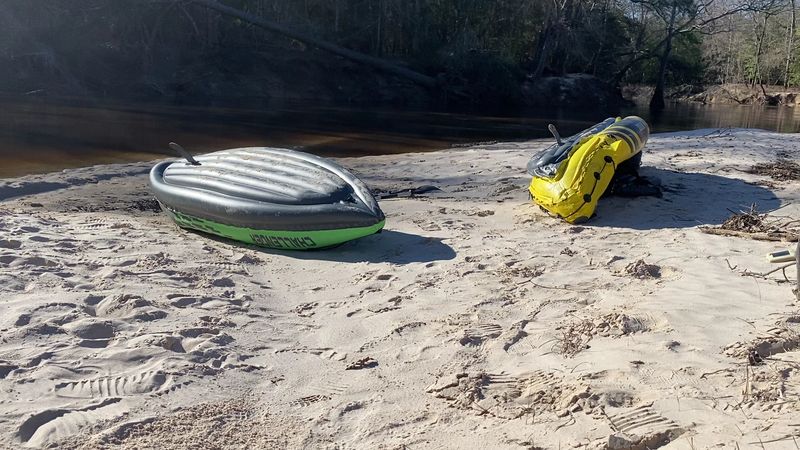
Here’s something budget-conscious adventurers love: camping at Big Thicket costs absolutely nothing. You just need to stop by the visitor center during business hours to pick up a free backcountry camping permit. Rangers will help you understand the rules and suggest good camping spots based on your experience level and interests.
Primitive camping means no designated campsites, no water hookups, and no bathroom facilities. You pack in everything you need and pack out all your trash. Campers must stay at least 100 feet from trails and water sources to minimize environmental impact.
Some areas are off-limits to camping, so check your map carefully.
Spring and fall offer the most comfortable camping weather, while summer brings intense heat and humidity that can make sleeping outdoors miserable. Mosquitoes and other biting insects are abundant, so bring serious bug spray and consider a tent with good netting. Winter camping is possible and actually quite pleasant on clear nights when temperatures drop but rarely freeze.
Many campers combine their overnight stay with canoeing or kayaking on the preserve’s waterways. Village Creek and the Neches River offer beautiful paddling experiences with sandbars perfect for setting up camp. Remember that Texas weather can change quickly, so pack rain gear even when forecasts look clear.
The quiet of a Big Thicket night, with only wildlife sounds breaking the silence, creates memories that last forever.
7. Canoeing And Kayaking Through Cypress Swamps
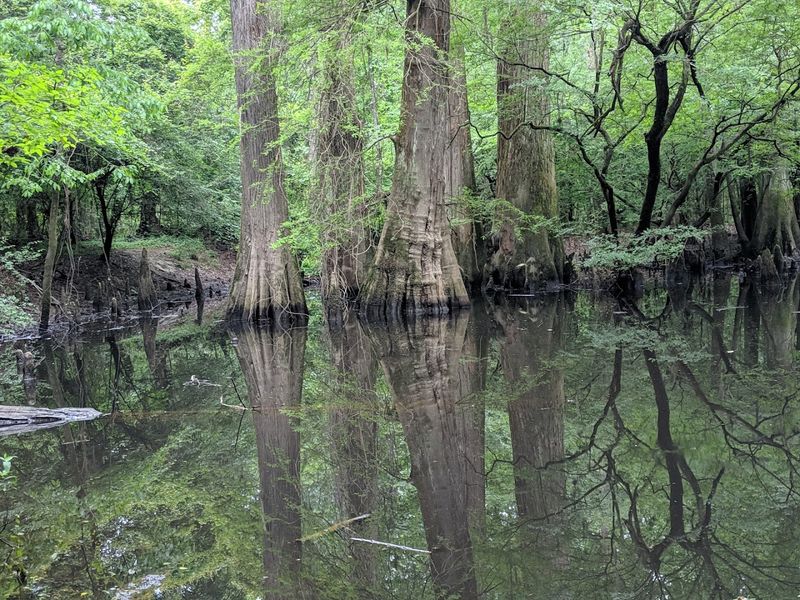
Paddling through Big Thicket reveals a side of the preserve that land-based visitors never see. Cypress trees rise from dark tannin-stained water, their knobby knees poking up like wooden gnomes. Spanish moss drapes from branches overhead, creating natural curtains that filter sunlight into mysterious green shadows.
Village Creek offers the most popular paddling route, winding through pristine bottomland hardwood forest. The current is generally gentle, making it suitable for beginners, though water levels vary with rainfall. You can bring your own boat or rent from local outfitters who provide shuttle services back to your vehicle.
The Neches River provides a bigger water experience with wider channels and occasionally stronger currents. Sandbars appear during lower water levels, offering perfect spots for lunch breaks or overnight camping. Wildlife sightings are common, including river otters, alligators, and various wading birds hunting for fish.
Spring brings high water that makes paddling easier but also hides some of the most scenic sandbars. Summer offers lower water levels and better sandbar access, though the heat can be brutal. Fall provides ideal conditions with comfortable temperatures and beautiful foliage colors.
Always check current water levels before launching, and let someone know your float plan. The preserve’s waterways see far fewer visitors than the hiking trails, giving paddlers a genuine wilderness experience right here in Texas.
8. Visitor Center With Helpful Volunteers And Park Stamps
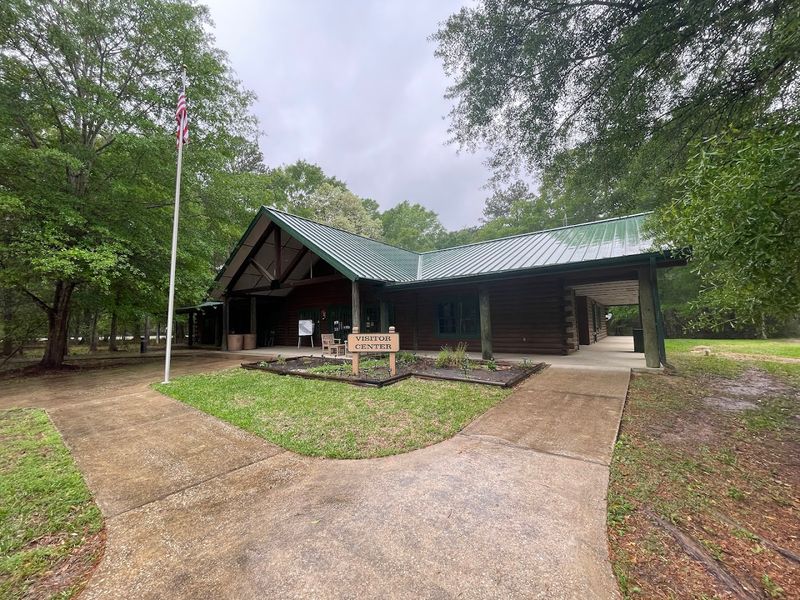
Start your Big Thicket adventure at the visitor center, where knowledgeable volunteers can transform your visit from good to amazing. These folks know the preserve inside and out, including which trails currently offer the best wildlife viewing and where recent rain might have created muddy conditions. They’re genuinely excited to share their favorite spots and insider tips.
The center features educational exhibits about the preserve’s ecology, history, and the carnivorous plants that make it famous. A short film introduces visitors to Big Thicket’s unique characteristics and helps you decide which areas to explore. Clean restrooms and water fountains provide last-minute prep before hitting the trails.
Don’t forget to grab your National Park Passport stamp, a free souvenir that collectors treasure. The center also sells field guides, trail maps, and Big Thicket merchandise if you want to take home something more substantial. Backcountry camping permits are issued here, and rangers can answer questions about regulations and safety.
Hours run from 9 AM to 5 PM Tuesday through Monday, though the preserve itself remains open for hiking outside these times. Arriving when the center opens gives you the whole day to explore while still getting personalized advice. The picnic area near the center makes a nice lunch spot before or after your adventures.
Many visitors wish they’d spent more time talking with volunteers who helped them discover hidden gems they would have otherwise missed.
Share this story