Texas might be famous for its cowboy culture and wide-open spaces, but it also hides some of the most peaceful paddling spots you’ll ever find. When you want to escape the noise and enjoy a relaxing day on the water without fighting rapids or rough waves, the Lone Star State delivers. These calm-water kayaking destinations offer gorgeous scenery, wildlife watching, and the kind of tranquility that makes you forget about your phone for a few hours.
1. Caddo Lake
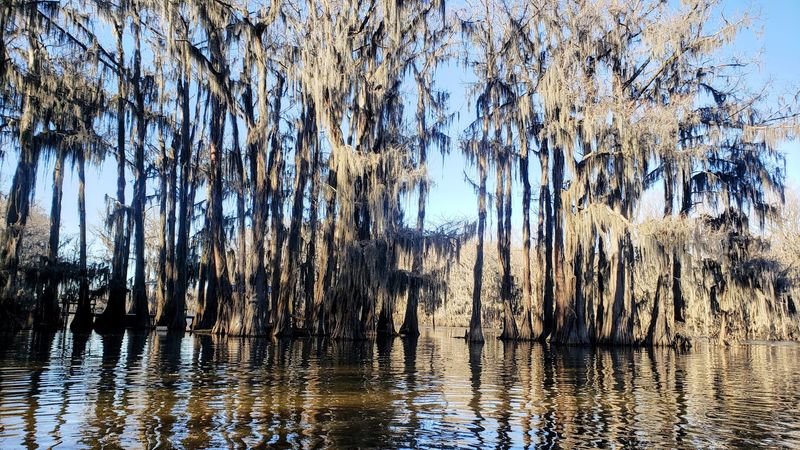
Caddo Lake feels like paddling through a fairytale. The massive cypress trees rise from the water like ancient guardians, their roots creating natural sculptures beneath the surface. Spanish moss hangs overhead, giving the whole place an otherworldly vibe that photographs beautifully but feels even better in person.
This spot sits on the Texas-Louisiana border and covers over 26,000 acres of swampy wonderland. The water stays calm most days because the trees and channels protect you from wind. You can spend hours exploring the maze of waterways without ever feeling rushed or stressed.
Wildlife shows up everywhere here. Alligators sunbathe on logs (don’t worry, they usually ignore kayakers), and birds fill the trees with constant chatter. Herons, egrets, and even bald eagles make appearances if you’re patient and quiet.
Navigation takes some attention since the channels twist and turn constantly. First-timers should stick to marked routes or hire a guide. Getting temporarily lost is part of the adventure, but having a map or GPS helps you find your way back to the launch point.
Spring and fall offer the best paddling conditions. Summer gets hot and buggy, though early morning trips can still be magical. Winter brings fewer crowds and crisp air that makes the whole experience feel even more peaceful.
The lake’s mysterious atmosphere has inspired local legends for generations. Some folks claim they’ve seen ghost lights flickering between the trees at dusk. Whether you believe in spirits or not, Caddo Lake definitely has a special energy that stays with you long after you’ve dried off.
2. Lady Bird Lake, Austin
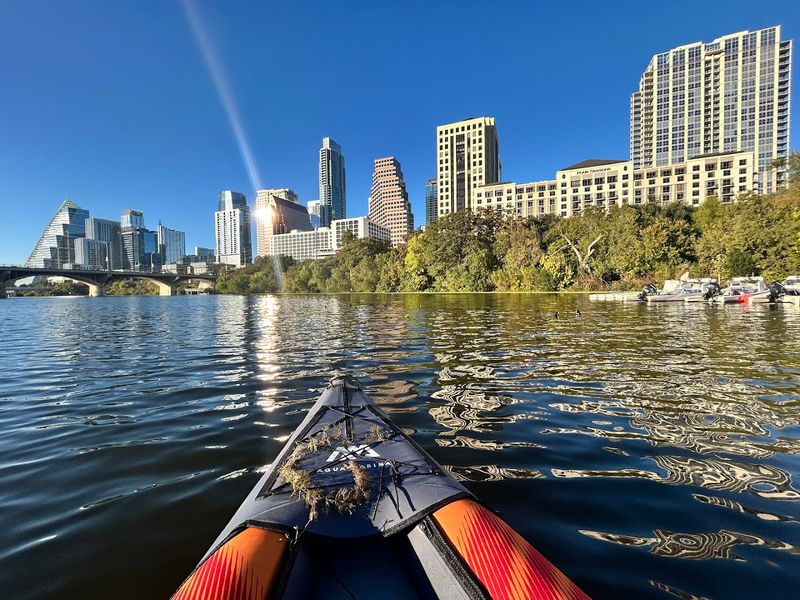
Right in the heart of Austin, Lady Bird Lake gives you a front-row seat to city life while keeping things surprisingly peaceful. Skyscrapers tower above the water, but once you’re paddling, the noise fades and nature takes over. It’s the perfect blend of urban convenience and outdoor escape.
The lake is actually a dammed section of the Colorado River, which means no motorboats zooming past to create wakes. Paddlers and rowers rule this water. You’ll share space with stand-up paddleboarders and rowing crews, but everyone respects each other’s space pretty well.
Several rental spots line the shores, making it super easy to grab a kayak without hauling your own. Most places offer hourly rates and don’t require reservations unless you’re coming on a busy weekend. The convenience factor here beats almost anywhere else in Texas.
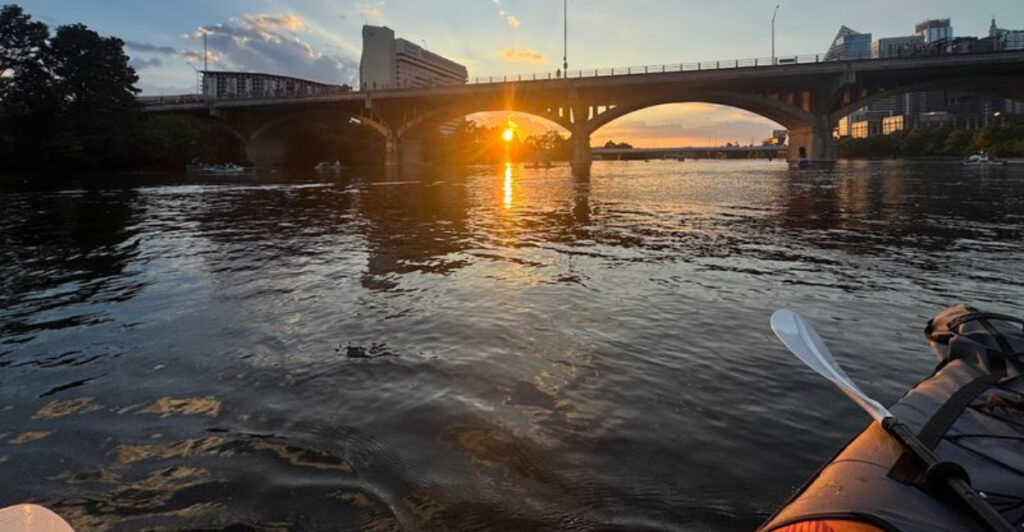
The Ann and Roy Butler Hike-and-Bike Trail follows the shoreline for ten miles, giving you constantly changing views. Paddling under the bridges feels like discovering secret passages through the city. Each bridge has its own character, from the historic to the ultra-modern.
Sunset paddles here are legendary. The water turns gold and pink, reflecting the sky and buildings in ways that make your Instagram followers jealous. Evening temperatures drop to comfortable levels, and the bats emerge from under Congress Avenue Bridge in massive clouds around dusk.
Wildlife surprises many first-time visitors. Turtles sun themselves on logs, great blue herons fish along the banks, and if you’re lucky, you might spot river otters playing near Barton Springs. The lake proves that urban and wild can coexist beautifully when given the chance.
3. Frio River, Concan Area
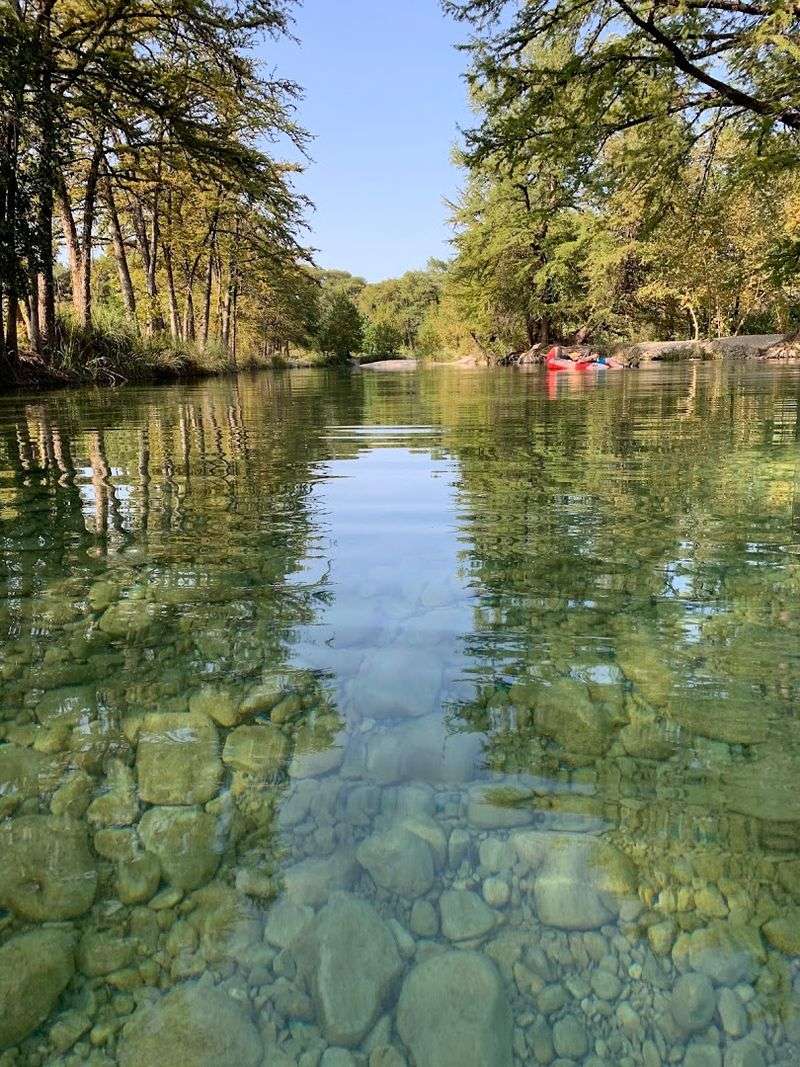
Crystal-clear water defines the Frio River experience. You can see straight to the bottom in most spots, watching fish dart between rocks and underwater plants swaying in the gentle current. The river earned its name (frio means cold in Spanish) from the spring-fed water that stays refreshingly cool even during brutal Texas summers.
The Concan area offers the calmest stretches for beginner paddlers. Unlike the faster sections upstream, these waters move at a lazy pace that lets you relax completely. You control the speed, stopping whenever something catches your eye or you just want to float for a while.
Towering cypress trees create natural shade along many sections. Their roots reach into the water, creating little ecosystems where small fish hide from bigger predators. The limestone banks glow white in the sun, contrasting beautifully with the emerald-green foliage above.
Summer weekends get crowded because locals know this spot is gold for beating the heat. Weekdays or early mornings give you more solitude and better wildlife viewing. The crowds aren’t terrible even on busy days, but if you’re seeking total peace, timing matters.
Several outfitters in Concan rent kayaks and offer shuttle services. They’ll drop you upstream and pick you up downstream, so you don’t have to paddle against current or arrange complicated car swaps. Most trips take two to four hours depending on how often you stop to swim.
Swimming holes dot the entire route. When the Texas heat becomes unbearable, just pull your kayak onto a shallow spot and jump in. The cold water shocks your system at first but feels incredible once you adjust.
Many paddlers spend as much time swimming as kayaking here.
4. Medina River, Medina Lake Area
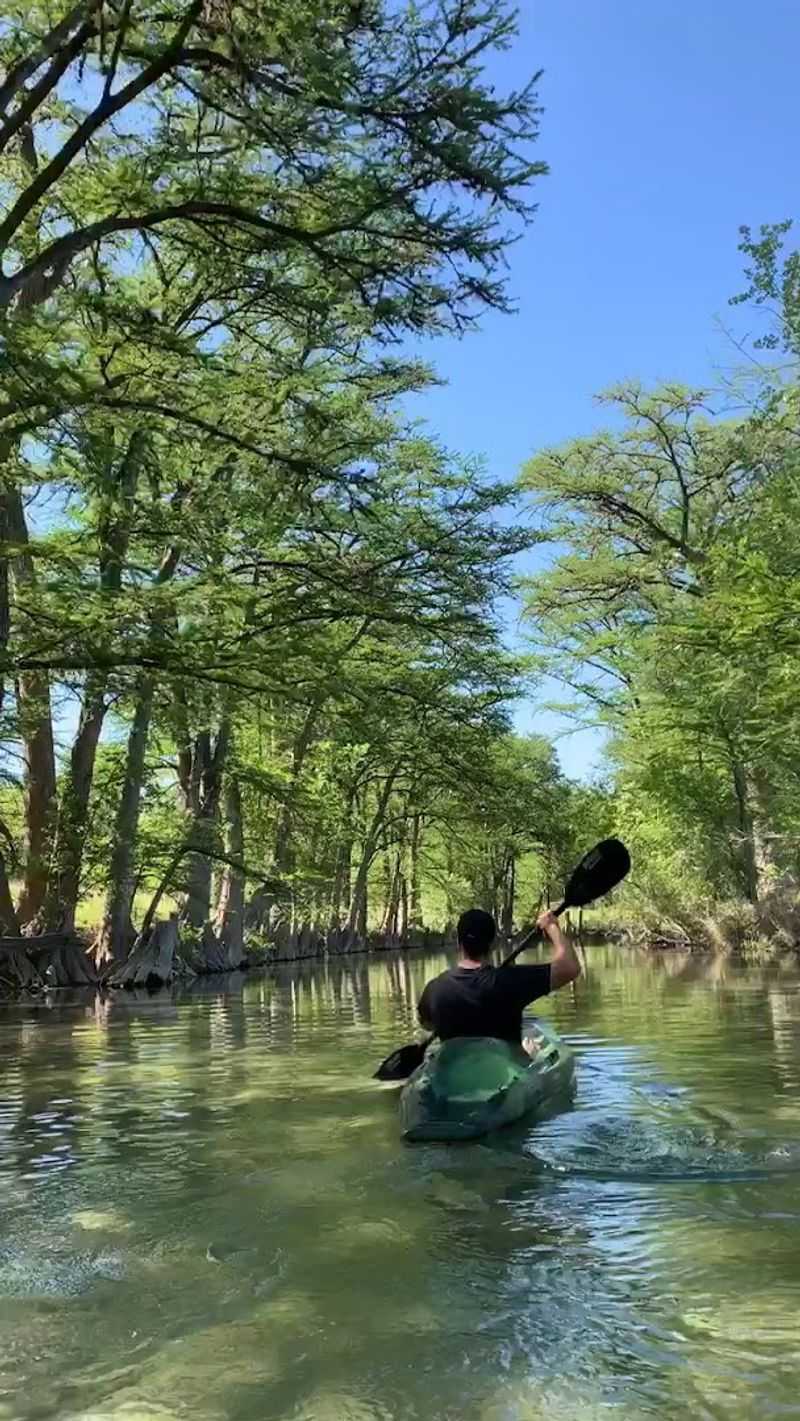
Winding through Hill Country terrain, the Medina River near the lake area offers paddling that feels worlds away from civilization. The water moves slowly here, creating mirror-like surfaces that reflect the sky and surrounding trees. It’s the kind of place where you naturally start whispering, not wanting to disturb the tranquility.
The river’s personality changes with the seasons. Spring brings wildflowers to the banks and slightly higher water levels. Summer means warm, lazy currents perfect for combining paddling with swimming breaks.
Fall colors transform the cypress trees into golden spectacles worth photographing.
Limestone formations create interesting features along the route. Small bluffs rise from the water’s edge, and in some spots, you can paddle right up to shallow caves carved by centuries of water flow. The geology here tells stories millions of years old if you know how to read the rocks.
Bird watching reaches exceptional levels on this river. Green herons stalk the shallows, kingfishers dive for fish with impressive accuracy, and red-shouldered hawks call from the treetops. Bring binoculars if you’re into identifying species, though even casual observers will enjoy the constant avian activity.
Access points require a bit more planning than some other Texas spots. Private land borders much of the river, so using established launch sites and respecting property boundaries matters. Local outfitters can help navigate these details and point you toward the best public access areas.
The connection to Medina Lake means water levels can fluctuate based on dam releases and rainfall. Checking current conditions before you go prevents disappointment. When levels are right, though, this river delivers some of the most serene paddling in the state, with enough natural beauty to fill your memory card twice over.
5. Town Lake, Rockport
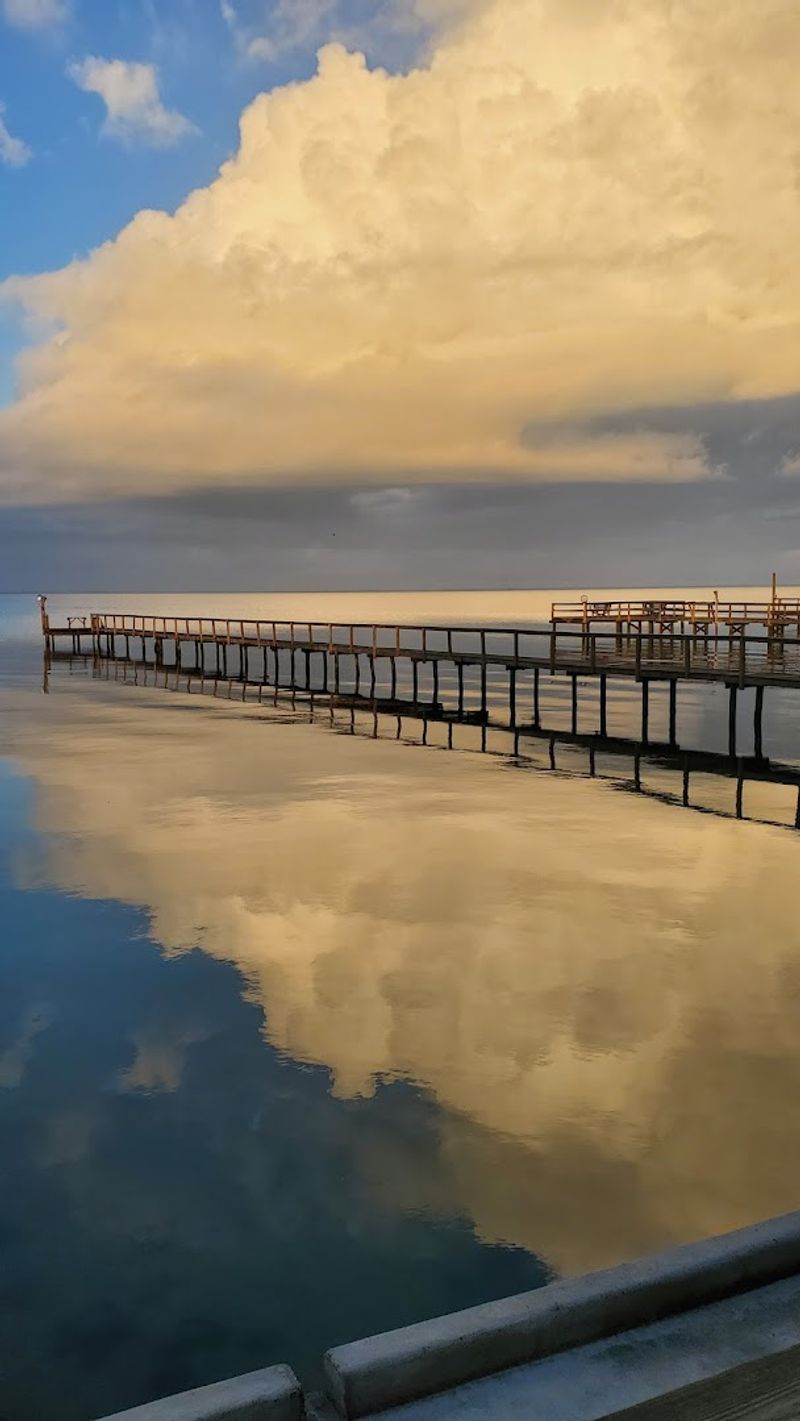
Rockport’s Town Lake sits just off the Gulf Coast, giving paddlers a taste of saltwater environments without the waves and wind of open ocean. The protected location keeps conditions calm most days, making it ideal for kayakers who want coastal scenery without coastal challenges. Pelicans and seabirds outnumber the boats here.
The lake connects to Aransas Bay through a series of channels, bringing in tidal influences and marine life. You might spot redfish cruising the shallows or rays gliding beneath your kayak. The mix of fresh and saltwater creates a unique ecosystem that supports an incredible variety of species.
Live oak trees draped with Spanish moss line portions of the shore, creating that classic Texas coastal look. The trees provide nesting sites for countless birds, including the rare whooping cranes that winter in the nearby Aransas National Wildlife Refuge. Even if you don’t see cranes on the lake itself, other wading birds put on a great show.
Shallow depths throughout most of the lake mean you can easily touch bottom if needed. This makes it particularly good for nervous beginners or families with kids. The water stays relatively clear, letting you watch small fish and crabs going about their business below.
Rockport’s artistic community adds character to the area. After your paddle, the downtown district offers galleries, seafood restaurants, and shops worth exploring. The combination of outdoor adventure and cultural attractions makes this a well-rounded destination rather than just a paddling spot.
Wind can pick up in the afternoons, especially during spring. Morning paddles typically offer the calmest conditions and best light for photography. The sunrise over the water here paints the sky in shades that seem too vivid to be real, yet there they are, reflected perfectly in the still lake surface.
6. Guadalupe River State Park
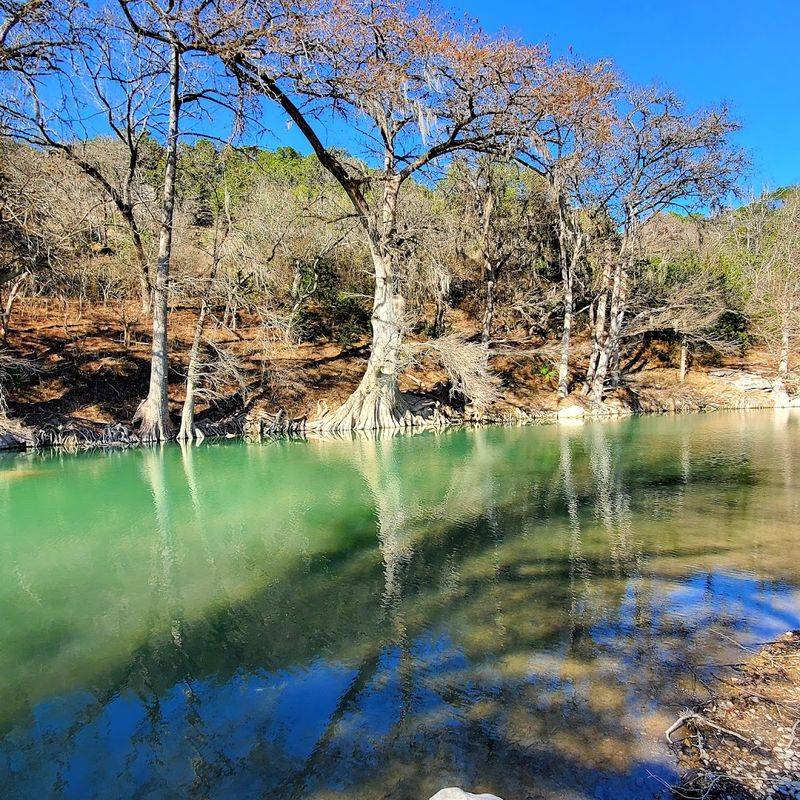
Within the state park boundaries, the Guadalupe River slows down considerably compared to its famous tubing sections downstream. The park protects a stretch where the water flows gently over limestone shelves, creating pools and calm runs perfect for kayaking. Massive bald cypress trees shade much of the route, their knobby knees poking up from the shallows.
Four miles of river frontage give you plenty of room to explore. The park’s location in the Hill Country means you’re surrounded by rugged beauty – limestone cliffs, spring-fed streams entering the main river, and vegetation that shifts from mesquite to cypress depending on elevation. Every bend reveals something new.
The river bottom here is mostly rock and gravel rather than mud, which keeps the water remarkably clear. You can watch your paddle stroke disturb small schools of minnows or spot larger bass holding in deeper pools. The clarity also means you can judge depths accurately, helpful when navigating shallow sections.
Park facilities make this spot especially convenient for out-of-towners. Campgrounds, restrooms, and picnic areas mean you can make a whole day or weekend of it. The park staff knows the river conditions intimately and can advise on current water levels and any hazards to watch for.
Hiking trails connect to the river at multiple points, so you can combine paddling with land-based exploration. The upland trails offer views of the river valley from above, giving perspective on the waterway you just paddled. Deer, armadillos, and wild turkeys frequent the trails, especially early and late in the day.
Admission requires a state park pass, but the fee is minimal compared to what you get. The park limits visitor numbers to prevent overcrowding, so you’ll never feel like you’re fighting for space on the water. This management approach keeps the experience peaceful and protects the natural resources everyone comes to enjoy.
7. San Marcos River

Constant 72-degree water flows from massive springs at the river’s headwaters, creating year-round paddling opportunities. The San Marcos River maintains this perfect temperature whether it’s freezing outside or scorching hot, fed by the Edwards Aquifer deep underground. This consistency makes it a four-season destination unlike most Texas waterways.
Incredible clarity lets you see every detail of the underwater world. Aquatic plants wave in the current like an underwater meadow, and fish seem to hover in the transparent water. The springs pump out so much water that the river stays pristine even during droughts that dry up other Texas streams.
The upper sections near the springs offer the calmest paddling. As you move downstream, the current picks up slightly but remains manageable for beginners. Most paddlers choose trips between two and four hours, though you could easily spend all day exploring if the mood strikes.
Wildlife viewing opportunities rival anywhere in the state. River otters play in the water, turtles stack themselves on logs like plates, and birds fill every available perch. The endangered Texas wild rice grows in sections of the river, visible as bright green patches swaying beneath your kayak.
San Marcos the town wraps around the river, giving you easy access to food and supplies. Texas State University borders portions of the river, and you’ll often see student groups enjoying the water. The mix of town and nature works surprisingly well, with enough wild sections to feel like you’ve left civilization behind.
Summer brings crowds, especially on weekends, because everyone wants to escape the heat in that cool spring water. Weekday paddles or off-season trips offer more solitude. Even crowded days maintain a friendly vibe, though, with everyone united in their appreciation for this special place.
The river’s beauty transcends any inconvenience from sharing it with others.
8. Lake Travis, Austin Area
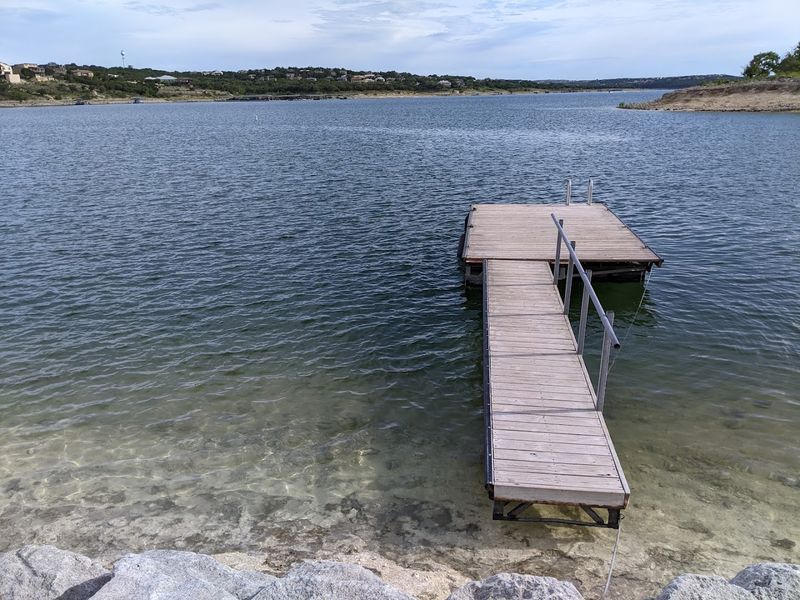
Massive Lake Travis sprawls across the Hill Country northwest of Austin, offering hundreds of coves and inlets to explore. While the main lake can get choppy when wind kicks up, countless protected areas stay calm enough for peaceful paddling. The key is knowing where to go and when to launch.
The lake’s size works in your favor once you understand its geography. Steep limestone cliffs plunge into deep water in many areas, creating dramatic scenery. Smaller coves branch off the main body, and these protected fingers of water rarely see significant waves even when the rest of the lake is rough.
Water levels fluctuate dramatically depending on rainfall and dam releases for downstream needs. During high water, you can paddle right up to cliffs and explore areas that become landlocked when levels drop. Low water reveals beaches and swimming spots that disappear under normal conditions.
Each level creates a different lake to discover.
Multiple parks dot the shoreline, each offering different launch points and scenery. Some areas cater to powerboaters and get noisy on weekends, while others maintain a quieter, more natural atmosphere. Doing a bit of research about which park to visit pays off in finding the experience you’re after.
The Hill Country setting means gorgeous views in every direction. Juniper-covered hills roll away from the shoreline, and during spring, wildflowers paint the landscape in vivid colors. Sunset paddles here rank among the best in Texas, with the water turning into liquid gold as the sun drops behind the hills.
Facilities range from primitive to fully developed depending on location. Some parks offer kayak rentals, while others are just launch points requiring you to bring your own gear. The variety means you can choose between convenience and solitude based on your priorities for any given trip.
9. Brazos River, Possum Kingdom Area
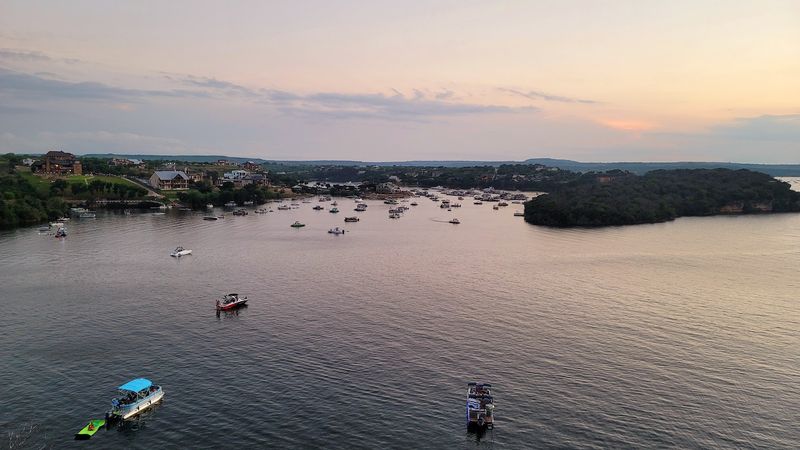
Red rock cliffs rise dramatically from the Brazos River near Possum Kingdom, creating scenery unlike anywhere else in Texas. The river widens and slows in this area, forming lake-like conditions perfect for relaxed paddling. Those rust-colored cliffs glow in the sunlight, especially during golden hour when photographers go crazy trying to capture the colors.
Below Possum Kingdom Dam, the river maintains consistent flows managed for downstream needs. This regulation means you can usually count on good water levels, unlike free-flowing rivers that depend entirely on rainfall. The predictability makes trip planning easier and reduces the chance of showing up to find unpaddle-able conditions.
The water takes on a greenish tint from minerals in the surrounding rock, giving it a distinctive look. Despite the color, it’s clean and clear enough to see several feet down in most spots. Bass fishermen love this stretch, so you’ll likely see boats, but there’s plenty of room for everyone.
Canyon walls create natural wind breaks in many sections. Even when gusts blow across the open water, protected areas stay calm. Learning to read the landscape and position yourself strategically lets you enjoy peaceful paddling regardless of what the weather does.
Wildlife adapts to the rocky terrain here. You might spot bighorn sheep on the cliffs if you’re incredibly lucky, though they’re rare and skittish. More commonly, hawks circle overhead, and water birds fish the shallows.
The arid landscape creates a completely different ecosystem than the lusher eastern Texas rivers.
The Possum Kingdom area offers full resort amenities if you want to make a vacation of it. Lodges, restaurants, and shops cater to lake visitors year-round. Combining kayaking with other activities like hiking the cliffs or exploring the lake by powerboat makes for a diverse outdoor experience.
The river provides the calm water while the surrounding area delivers adventure and relaxation in equal measure.
10. Barton Creek, Austin
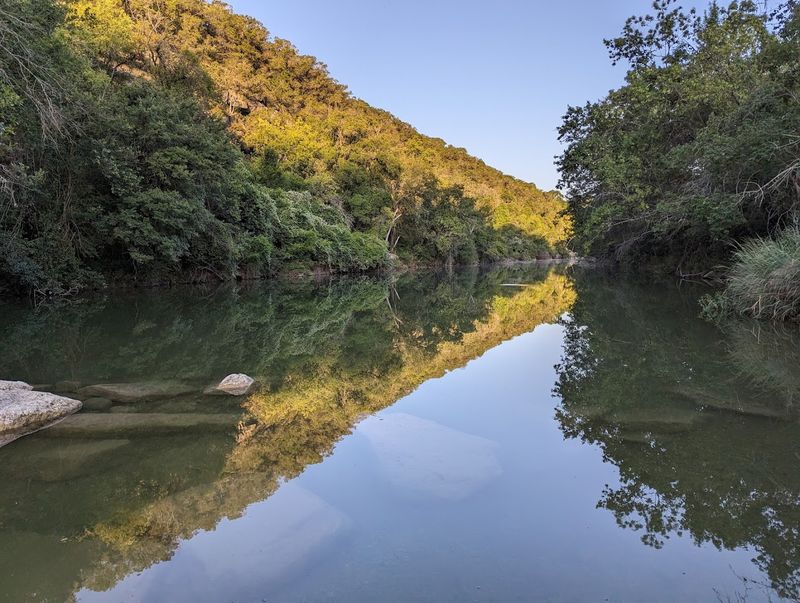
Hidden in plain sight within Austin’s city limits, Barton Creek offers surprising wilderness despite the surrounding development. The creek flows through protected greenbelt, creating a narrow waterway shaded by towering trees. It feels like paddling through a secret passage that somehow escaped urbanization.
Water levels determine whether paddling is possible at all. This creek depends entirely on rainfall and spring flow, so it’s not always accessible. After good rains, though, the creek comes alive with enough depth for kayaking.
Checking recent conditions before heading out saves disappointment.
The narrow channel means you’re constantly weaving between trees and under low-hanging branches. This isn’t wide-open paddling – it’s intimate exploration where you feel surrounded by nature. The close quarters make it exciting rather than stressful, like navigating a natural obstacle course at a relaxed pace.
Limestone formations create pools and small drops throughout the creek. Most are gentle enough to paddle through, though some require portaging around. The geology here is fascinating, with layers of rock telling the story of ancient seas that once covered Texas.
Springs bubble up from cracks in the limestone, adding their cold, clear water to the creek.
Access points are limited and require local knowledge to find. The greenbelt has trails that reach the creek in various spots, but hauling a kayak down some of these paths takes effort. Lightweight boats work best here.
The limited access also means you won’t encounter crowds even when other Austin waterways are packed.
Barton Springs Pool, fed by the same aquifer system, sits just downstream. After your paddle, you can swim in the famous pool and complete your water-based Austin experience. The connection between creek and pool demonstrates the importance of protecting the Edwards Aquifer, which supplies drinking water and recreation for the entire region.
11. Inks Lake State Park
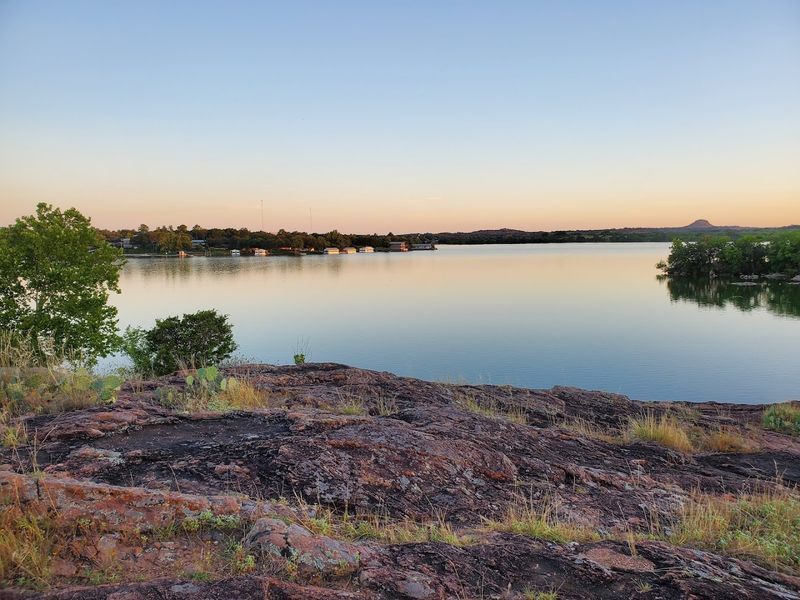
Pink granite boulders distinguish Inks Lake from other Texas paddling destinations. These ancient rocks, some the size of houses, create a landscape that feels almost otherworldly. The contrast between the rosy stone and blue water makes for stunning photographs and even better real-life views from your kayak.
The lake stays consistently full because it’s a “constant level lake” controlled by dam operations. While other Highland Lakes fluctuate dramatically with drought and rain, Inks maintains stable levels year-round. This reliability means you can plan trips months in advance without worrying about water conditions changing.
Multiple coves and protected areas offer calm paddling even when wind ruffles the main lake. The irregular shoreline creates endless nooks to explore, each with its own character. Some coves have sandy beaches perfect for pulling up and taking a break, while others feature those distinctive granite formations rising straight from the water.
The park’s Devil’s Waterhole area provides exceptionally calm conditions. This deep cove stays protected from wind and boat traffic, creating an almost pool-like environment. Beginners particularly appreciate this spot for building confidence before venturing onto more open water.
Camping facilities within the park let you maximize your time on the water. Imagine paddling at sunrise when the lake mirrors the sky perfectly, then again at sunset when the granite glows pink and orange. Multi-day visits reveal the lake’s changing moods and give you time to explore thoroughly without rushing.
Water clarity varies but generally stays good enough to see fish and underwater rocks. The lake supports healthy populations of bass, catfish, and sunfish. Watching fish dart away from your kayak’s shadow never gets old, no matter how many times you paddle here.
The combination of reliable water levels, gorgeous scenery, and excellent facilities makes Inks Lake a destination worth visiting repeatedly throughout the year.
Share this story