A rock that looks ordinary in daylight suddenly glows like a candy-colored alien artifact. A shark glides overhead while kids press their noses to the glass.
Somewhere in Jersey City, a planetarium dome swallows the room and makes New York Harbor feel tiny by comparison. New Jersey is very good at sneaking science into places that feel more like adventures than lessons.
You can dig for fossils from a vanished sea, crawl through a pitch-black tunnel, watch turtles in a salt marsh, or stand under a mastodon without needing a plane ticket or a week off. The best part is how varied these spots are.
Some are big, polished, all-day attractions. Others are campus museums, nature centers, and wonderfully nerdy local institutions that reward curiosity.
For kids, they make science hands-on. For adults, they make it fun to ask questions again.
1. Liberty Science Center – Jersey City
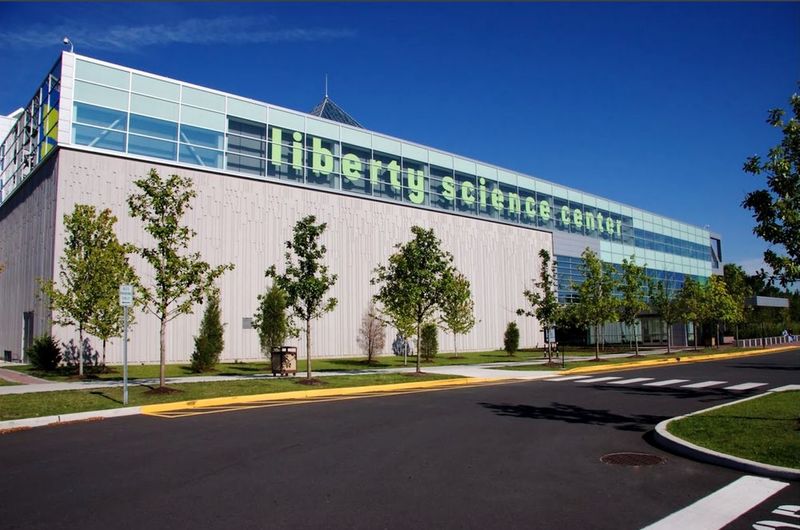
Walk through the doors in Jersey City and you get the sense that this place was built for people who cannot keep their hands to themselves, in the best possible way. Liberty Science Center is all about touching, climbing, testing, crawling, watching, and wondering.
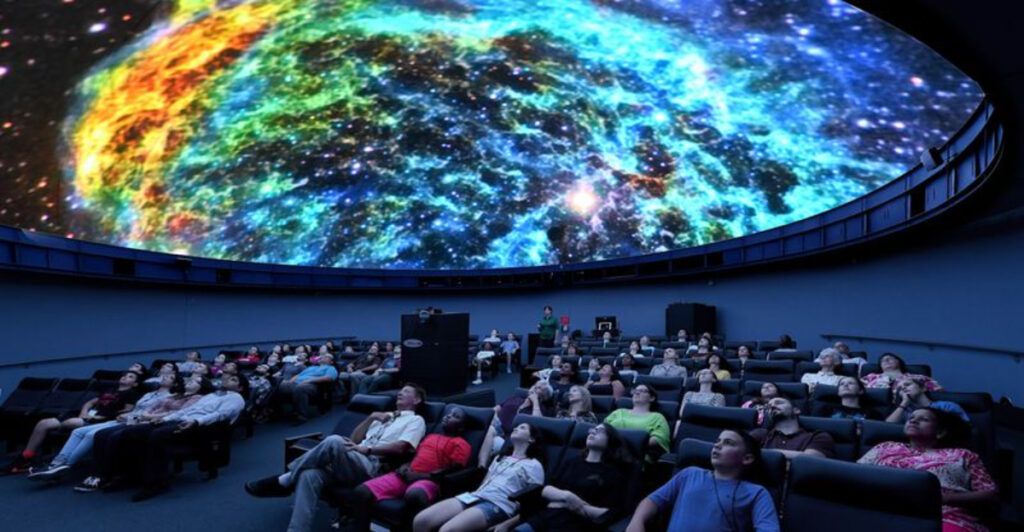
The headliner is the Jennifer Chalsty Planetarium, billed as the biggest planetarium in the Western Hemisphere, where space shows feel enormous enough to make everyone in the room go quiet for a minute.
The exhibits cover a lot of ground, from animals and engineering to motion, design, and early-childhood discovery, so it works just as well for a preschooler who wants to push every button as it does for a teenager who thinks they have outgrown museums.
The Infinity Climber is a classic stop, especially for kids with energy to burn, though there is a height requirement. The vibe is busy, bright, and very “field trip day,” but that is part of the fun.
It is near Liberty State Park, so you can pair it with skyline views if the weather cooperates. Buy tickets ahead during weekends and school breaks, because this is one of those New Jersey places families actually use, not just recommend.
2. New Jersey State Museum Planetarium – Trenton
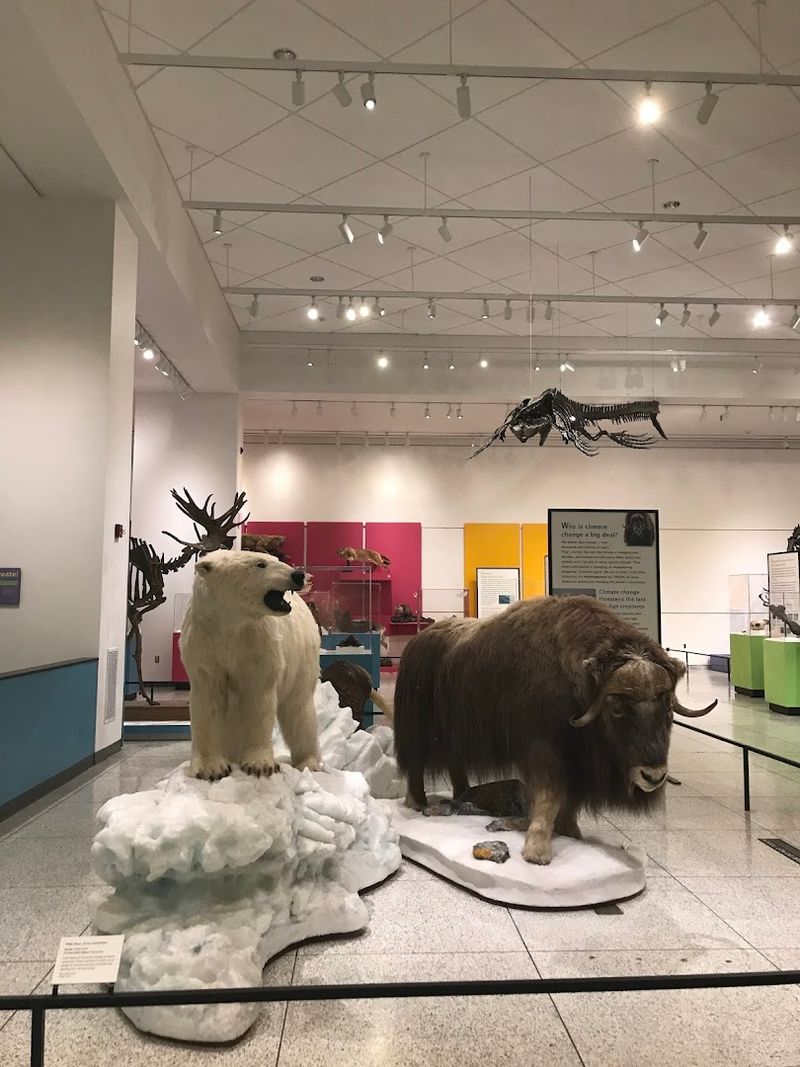
There is something wonderfully old-school and futuristic about going to a planetarium inside a state museum. One minute you are in Trenton, maybe walking past government buildings and school groups; the next, you are leaning back under an 8K dome and flying through the night sky.
The New Jersey State Museum Planetarium has 140 reclining seats and presenters who guide visitors through New Jersey’s skies and beyond, which gives the shows a more personal feel than a simple movie screening. This is a smart choice for families who want a science stop that does not eat the whole day.
You can make the planetarium the centerpiece, then wander through the museum’s natural history, archaeology, fine art, and cultural exhibits before or after. It is also a nice pick for mixed-age groups because little kids can enjoy the visuals while older visitors catch the astronomy.
The setting is calmer than a giant children’s museum, which can be a relief if you are not in the mood for wall-to-wall noise. Check the show schedule before you go, since planetarium programming changes and tickets are tied to specific times.
It is especially good for curious kids who love space but are not quite ready for a late-night telescope outing.
3. Alice and Leonard Dreyfuss Planetarium – Newark
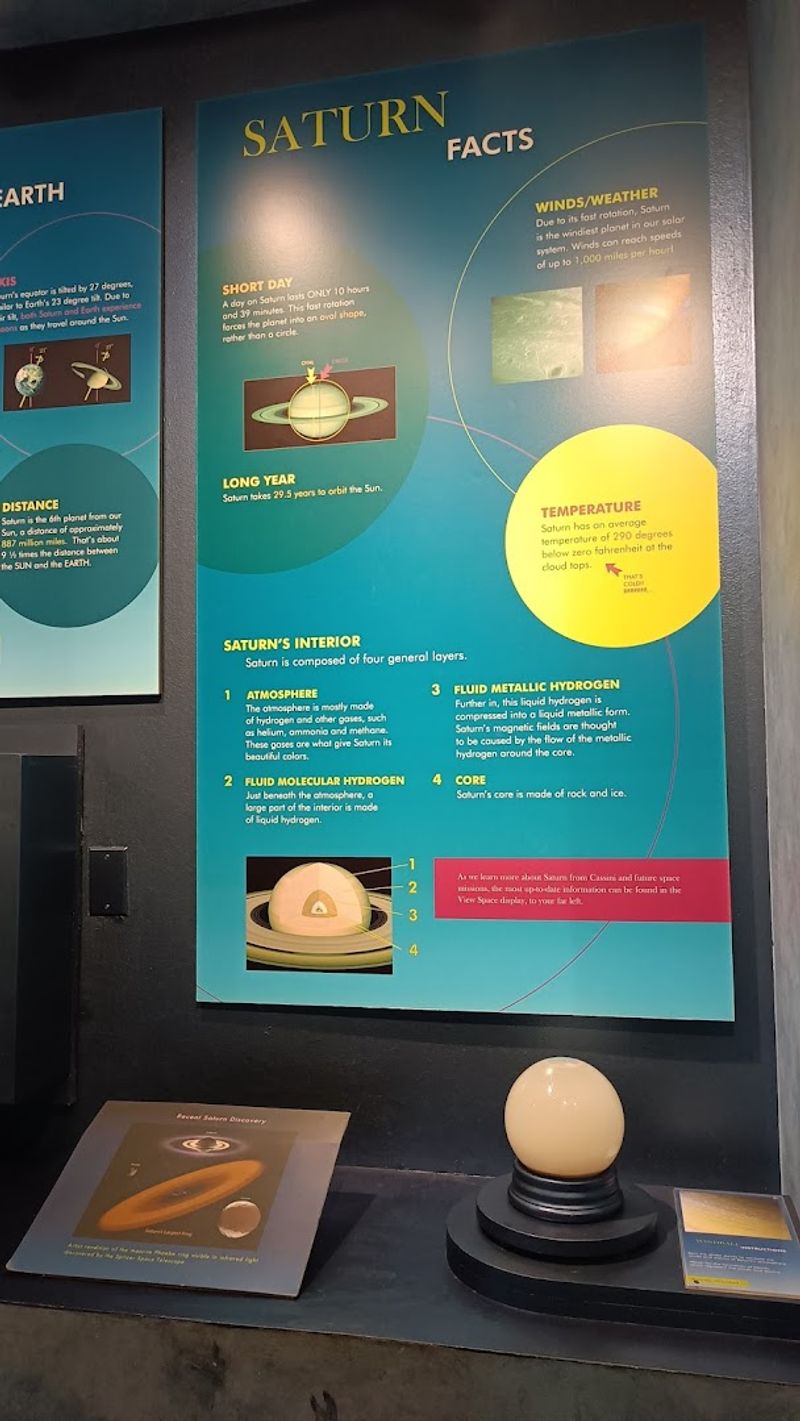
On a Newark museum day, this compact star theater is the surprise that can turn a good visit into a memorable one. The Alice and Leonard Dreyfuss Planetarium sits inside The Newark Museum of Art, which already gives it a slightly different personality from a standalone science center.
You can look at art, global collections, and natural science displays, then duck into a 50-seat dome for a trip through planets, constellations, and distant galaxies. That smaller size is part of the charm.
It feels intimate, not overwhelming, and younger kids are less likely to feel swallowed up by the room. The full-dome digital projection system can show accurate positions of the Sun, Moon, stars, and planets, which makes it useful for kids who are starting to connect the sky outside with the science behind it.
The shows tend to be approachable, with family-friendly programming that can include playful space journeys rather than heavy lectures. It is a good stop if you want a city outing that is not just “walk around and look at things.” Parking and timing matter in Newark, so plan around the museum’s hours and the show schedule.
For a curious kid, it is a gentle gateway into astronomy; for adults, it is a nice reminder that space still works its magic in a dark room.
4. Raritan Valley Community College Planetarium – Branchburg
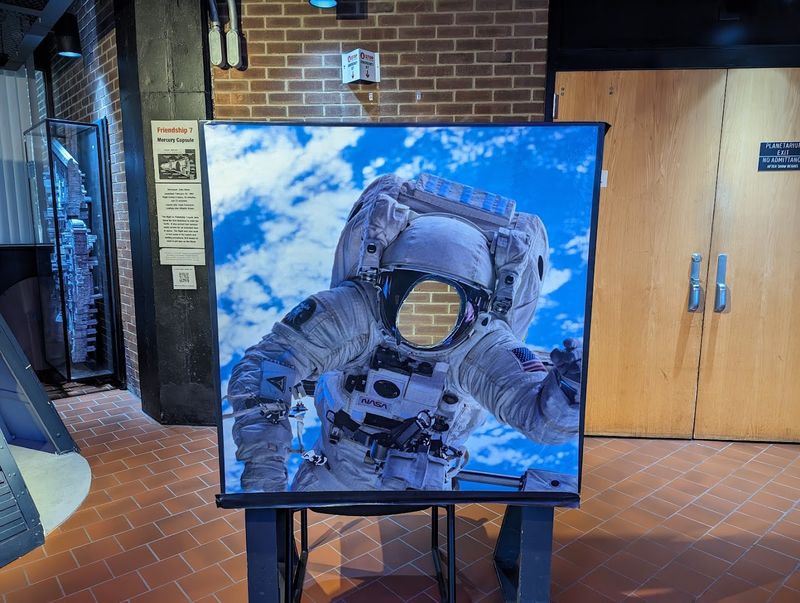
A college campus may not be the first place parents think of for a weekend science outing, which is exactly why the Raritan Valley Community College Planetarium feels like a good local tip.
The Branchburg planetarium offers star shows, laser concerts, observatory programs, school trips, and special events, so it has more personality than a simple sit-and-watch dome.
The 100-seat theater is big enough to feel immersive but not so big that families feel lost in the crowd. What makes it especially useful is the range of programming.
A younger child might be happiest with an accessible astronomy show, while older kids or adults may be drawn to laser concerts or night-sky viewing through the 3M Observatory. The planetarium also offers sensory-friendly shows, which is a thoughtful detail for families who need a calmer, more flexible environment.
The vibe is low-key and educational without feeling stiff. You are not fighting mall crowds or theme-park energy; you are showing up for a specific show, enjoying it, and heading home with everyone a little more interested in the sky.
Since public programs are scheduled, this is not the place to wing it. Choose the show first, then build the visit around that time.
5. Ric and Jean Edelman Planetarium – Glassboro
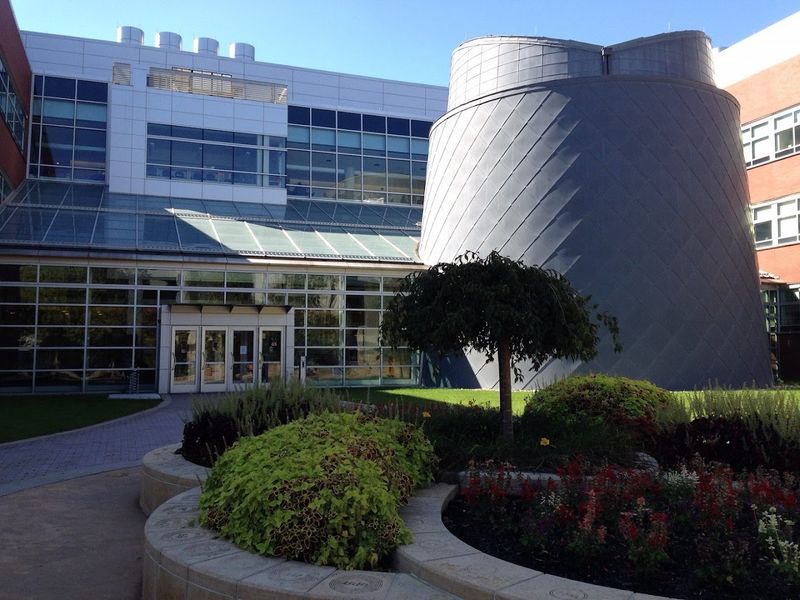
South Jersey gets its own window into the universe at the Ric and Jean Edelman Planetarium on Rowan University’s campus in Glassboro. This is the kind of place that works beautifully for families who want a focused science experience rather than a full museum marathon.
The planetarium offers immersive 360-degree video, live stargazing, public shows, private group programs, and telescope viewing during observatory open houses. That mix matters, because not every kid connects with astronomy the same way.
Some want the big cinematic dome experience; others want someone to point at the actual sky and say, “There. That one.” The campus setting gives it a slightly grown-up feel, which can be exciting for kids who like the idea of being somewhere “real scientists” might be working nearby.
It is also a strong pick for adults who enjoy space science but do not want a children-only environment. Programming can range from family-friendly shows to deeper astronomy topics, so check the calendar before promising a specific kind of visit.
The planetarium has also been recognized as a Certified Autism Center, adding another layer of accessibility for families who think carefully about sensory environments. Keep an eye out for observatory nights, because seeing the actual sky after a dome show is a very satisfying one-two punch.
6. Robert J. Novins Planetarium – Toms River
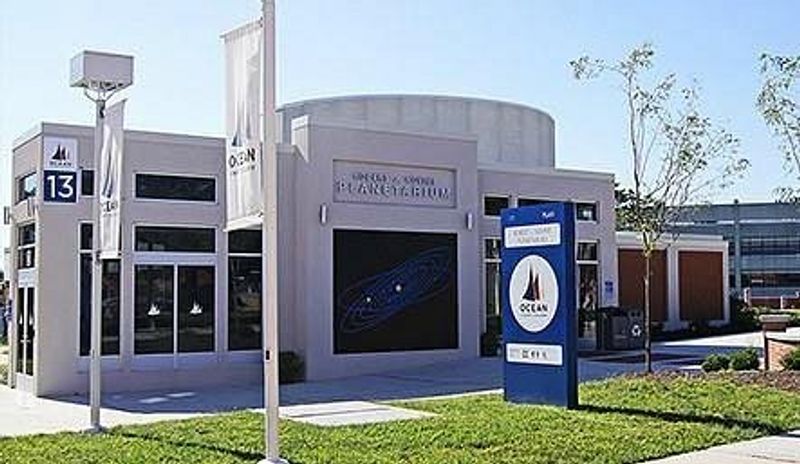
At Ocean County College in Toms River, the Robert J. Novins Planetarium gives shore-area families a science stop that does not depend on beach weather.
The 103-seat dome theater presents educational programs for all ages, with shows that explore Earth, the solar system, and the wider universe. It also hosts school and camp programs, birthday parties, and themed events, which tells you a lot about the tone: educational, yes, but not precious about it.
This is a planetarium that understands kids may arrive wiggly and still leave fascinated. The show variety is the draw.
Depending on the schedule, visitors might find traditional sky shows, full-dome films, laser shows, or seasonal programming, making it worth checking more than once throughout the year. For families staying near the shore, it is a good backup plan when the forecast turns rude or everyone needs a break from sand.
For locals, it is the kind of place to keep in your pocket for a Saturday that needs structure. The campus location is straightforward, and the visit is usually easier to plan than a large attraction because you are choosing a specific showtime.
It is especially good for kids who like big visuals but may not have the patience for a sprawling museum day.
7. William D. McDowell Observatory – Lyndhurst
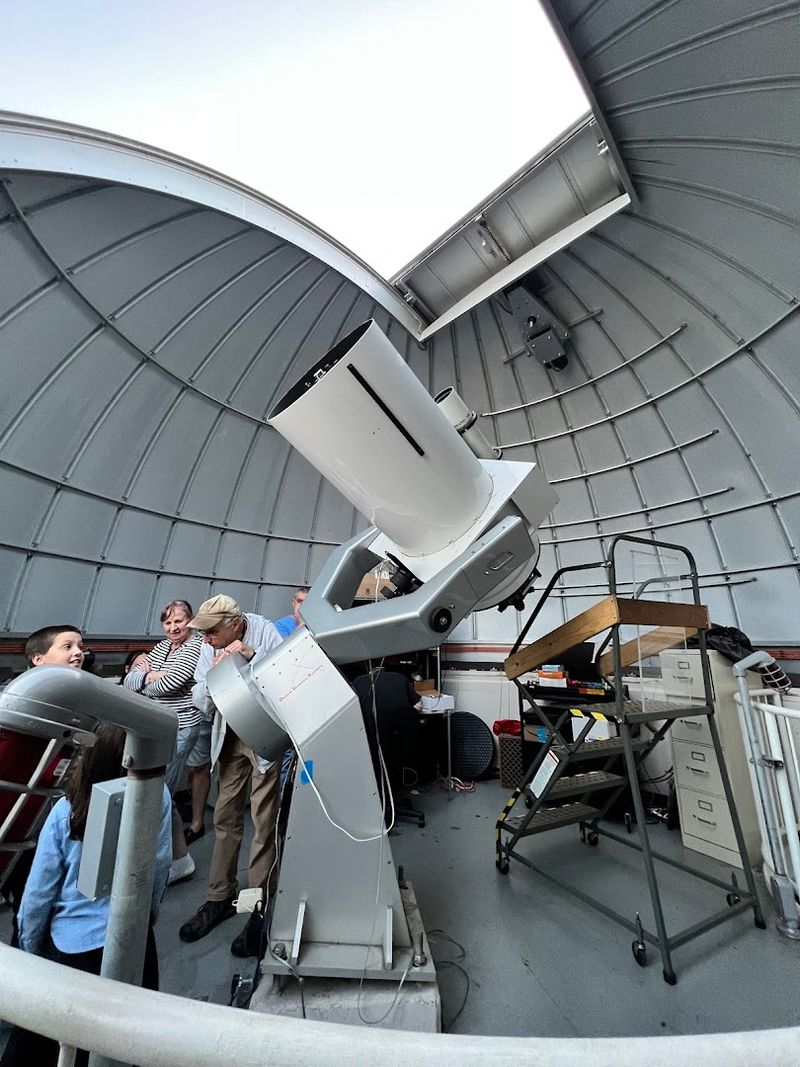
A real telescope has a different kind of drama than a screen. At the William D.
McDowell Observatory in Lyndhurst, the payoff is looking through serious equipment and realizing the Moon is not just a bright circle in the sky.
The observatory is operated through an arrangement between the New Jersey Sports and Exposition Authority and Bergen Community College, and its telescope can view the Moon, planets and their moons, nebulas, star clusters, individual stars, and galaxies.
That is a big promise, but astronomy always comes with a charming catch: clouds do not care about your plans. This is why the observatory is best for families and adults who can handle a little uncertainty.
When conditions cooperate, it feels special in a way indoor attractions cannot quite duplicate. The setting in the Meadowlands also adds to the appeal.
You are close to wetlands, birds, city lights, and open sky, which makes the place feel very New Jersey in its contradictions. It is not a run-around attraction for toddlers; it is better for patient kids, teens, and adults who enjoy the quiet suspense of waiting their turn at the eyepiece.
Check current public viewing details before heading out, dress for the weather, and remember that nighttime science is always a little more exciting with a jacket.
8. Sterling Hill Mining Museum – Ogdensburg
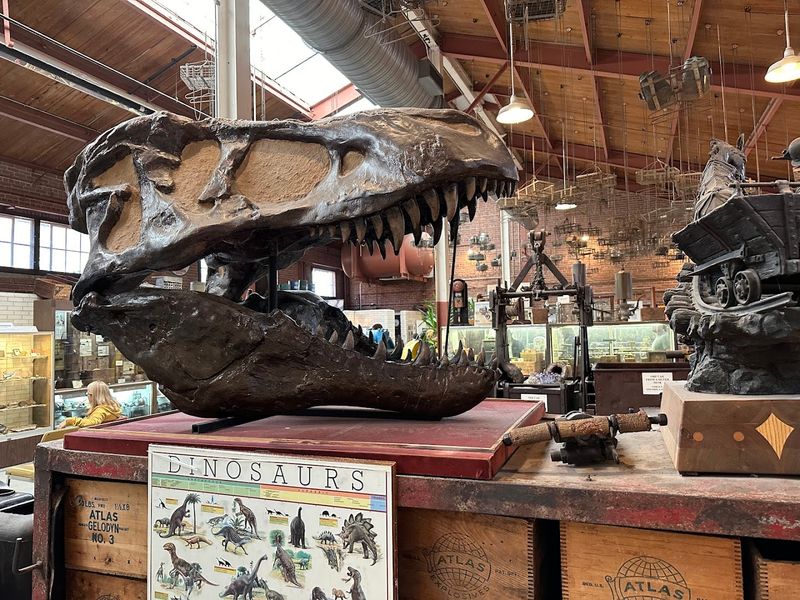
The moment the mine lights shift and the rocks start glowing, Sterling Hill Mining Museum stops feeling like a standard history tour and starts feeling like a magic trick with a geology degree.
This Ogdensburg attraction is best known for its underground mine tour and the famous fluorescent Rainbow Tunnel, where minerals blaze in unexpected colors under ultraviolet light.
It is one of the most memorable science experiences in the state because it connects several ideas at once: geology, mining history, chemistry, labor, and the strange beauty of minerals that seem to have a secret life.
The tour also includes museum spaces, mining equipment, and demonstrations, so visitors get more than a quick walk through a tunnel.
Kids tend to love the glow, but adults may be just as interested in the industrial story behind the place. Wear comfortable shoes and expect an environment that feels like a real mine, not a polished indoor gallery.
That texture is the point. It is cool, a little rugged, and full of details that reward paying attention.
Add-on activities like mineral collecting or sluicing can stretch the visit, especially for kids who want something to take home besides photos. For science-minded families, Sterling Hill is a rare spot where “look at this rock” becomes a completely reasonable thing to say all day.
9. Franklin Mineral Museum – Franklin
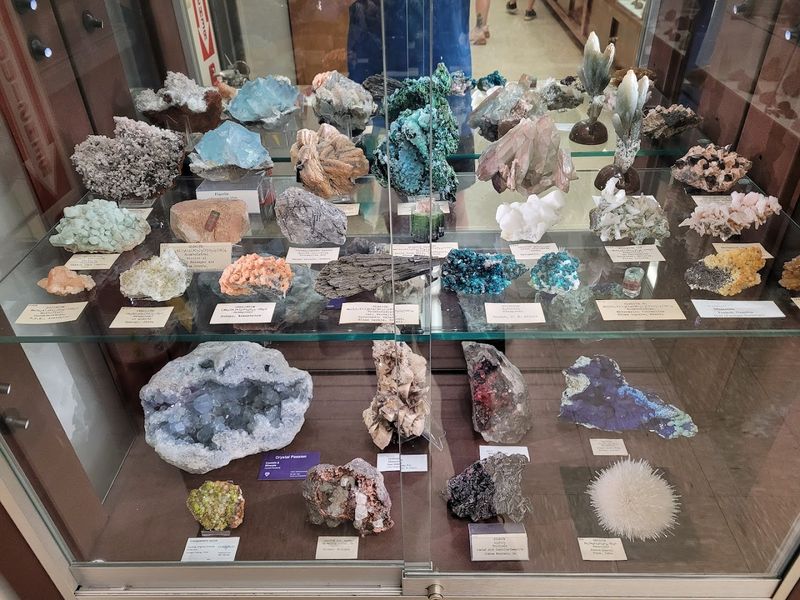
Franklin has a mineral reputation that sounds made up until you see the evidence glowing in front of you. The Franklin Mineral Museum celebrates one of New Jersey’s strangest and most colorful natural claims to fame: rare fluorescent minerals.
Visitors can explore displays, learn about the area’s mining history, and, depending on the season and admission option, collect minerals at the Buckwheat Dump.
The collecting area has long attracted people hoping to find specimens that fluoresce under ultraviolet light, and the museum provides a darkroom facility where visitors can examine finds before deciding what to keep.
That hands-on element makes the place especially fun for kids who like treasure hunts, but it is not just a children’s activity. Adults can get surprisingly competitive about rocks once they realize every piece might be hiding a glow.
The museum is smaller and more specialized than a big science center, which is part of its appeal. You are there for minerals, mining, and the specific geology of this corner of Sussex County.
Check seasonal hours and collecting rules before you go, because outdoor mineral collecting is not always available the same way year-round. Bring shoes that can handle dirt, and be prepared for kids to suddenly develop strong opinions about rocks.
10. InfoAge Science and History Museums – Wall Township
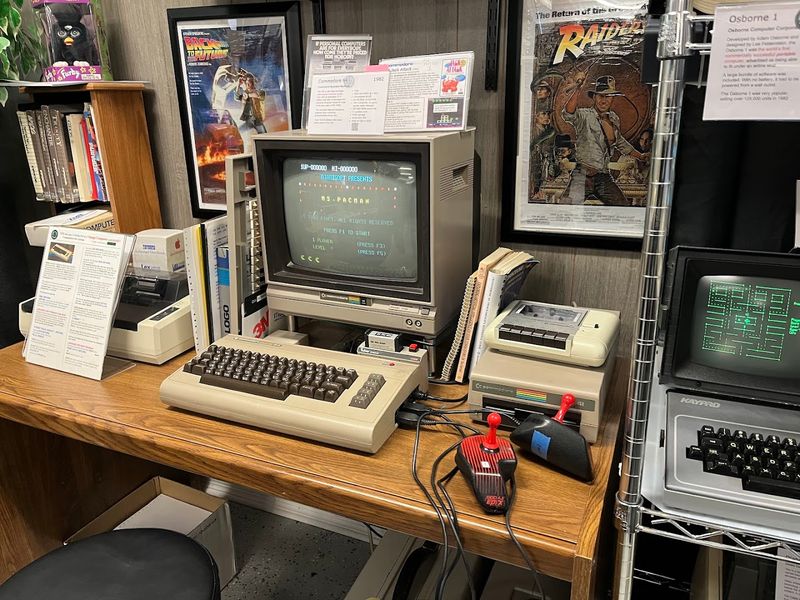
InfoAge feels less like one museum and more like a wonderfully brainy clubhouse spread across historic buildings in Wall Township. The site is packed with exhibits tied to communications, computers, electronics, radio, military technology, and other pieces of science history that shaped modern life.
Its Vintage Computer Federation exhibits include mainframes from the 1940s through 1960s, minicomputing from the 1960s and 1970s, microcomputing from the 1970s through 1990s, and more modern technology.
That range gives the place a terrific “wait, I remember that” quality for adults, while kids get to see that today’s sleek devices came from room-sized machines, chunky keyboards, wires, dials, and a lot of trial and error.
This is not a sterile, silent museum. It has a volunteer-driven, enthusiast energy, the kind of place where the best moments often come from someone explaining why a machine mattered.
Curious teens may especially like it because the exhibits connect science with real-world invention, war, communication, and entertainment. It is also a smart stop for adults who enjoy retro technology and Cold War-era history.
Since InfoAge includes multiple museums and exhibits, check what is open before making the trip. Give yourself time to wander; this is a place where side rooms can be the best rooms.
11. Morris Museum Spark!Lab – Morristown
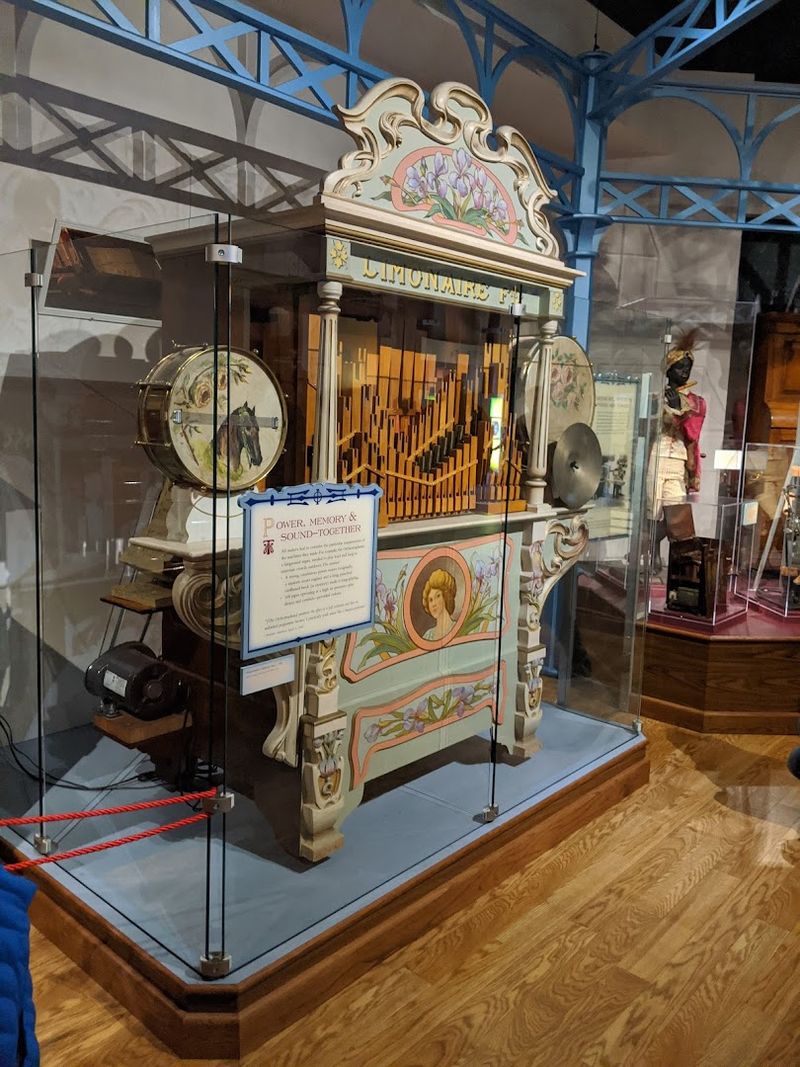
At Spark!Lab inside the Morris Museum, invention is treated less like a lightning bolt and more like a habit kids can practice. The space is the Smithsonian’s flagship educational initiative, designed as a hands-on invention workspace where children and families explore the process of invention through open-ended challenges.
That wording sounds official, but the experience is much more playful than it sounds. Kids might test ideas, build rough prototypes, solve design problems, and discover that the first attempt is usually not the final one.
That is the best lesson in the room. Instead of telling children to admire inventors from a distance, Spark!Lab lets them behave like inventors for a while.
It is especially good for elementary-age kids who like making things but do not always want a set of step-by-step instructions. Parents should resist the urge to “fix” the project too quickly; the trial-and-error is the point.
Because it sits inside the Morris Museum, the visit can easily expand into art, history, music, fossils, and the museum’s other collections. Spark!Lab is generally scheduled for specific hours, so do not assume it is open every minute the museum is open.
For a rainy day in Morristown, it is one of the better ways to turn restlessness into problem-solving.
12. Adventure Aquarium – Camden
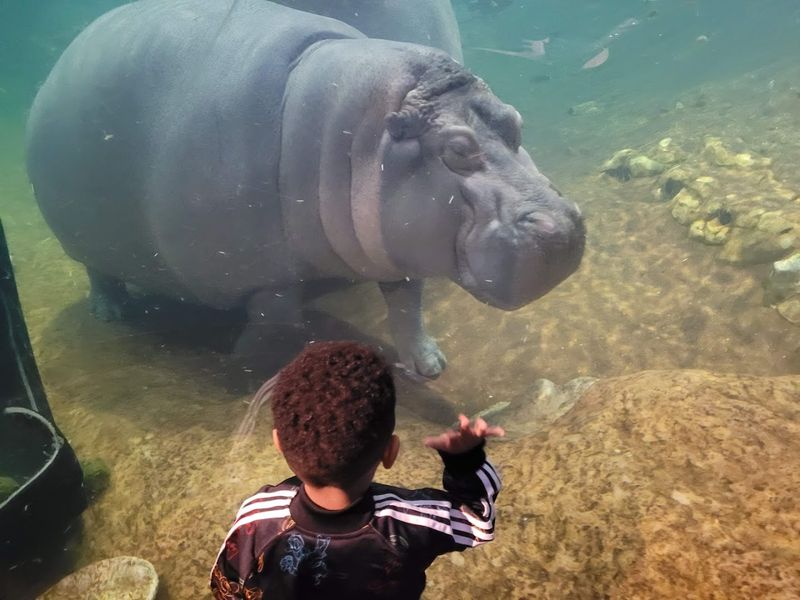
The hippos are the curveball. You expect sharks and stingrays at an aquarium; you may not expect to watch massive hippos moving through the water in Camden.
Adventure Aquarium sits on the Camden Waterfront and is known for sharks, penguins, turtles, stingrays, and thousands of aquatic animals, but the hippo exhibit gives it a personality all its own.
The aquarium has also been described as having the largest collection of sharks on the East Coast, along with notable rarities such as a great hammerhead shark and silky sharks on exhibit.
For kids, this is one of the more exciting science attractions because the learning is almost accidental. They are watching animals move, eat, hide, glide, and interact, while quietly absorbing ideas about habitats, adaptation, conservation, and food webs.
Adults get plenty out of it too, especially in the shark areas and larger viewing spaces where you can slow down and actually observe behavior. The location near Philadelphia makes it easy to fold into a larger waterfront day, but parking and crowds are worth planning around.
Weekends can be busy, so earlier arrival is your friend. It is polished, popular, and very family-friendly, but the animal encounters keep it from feeling like just another indoor attraction.
13. SEA LIFE New Jersey Aquarium – East Rutherford
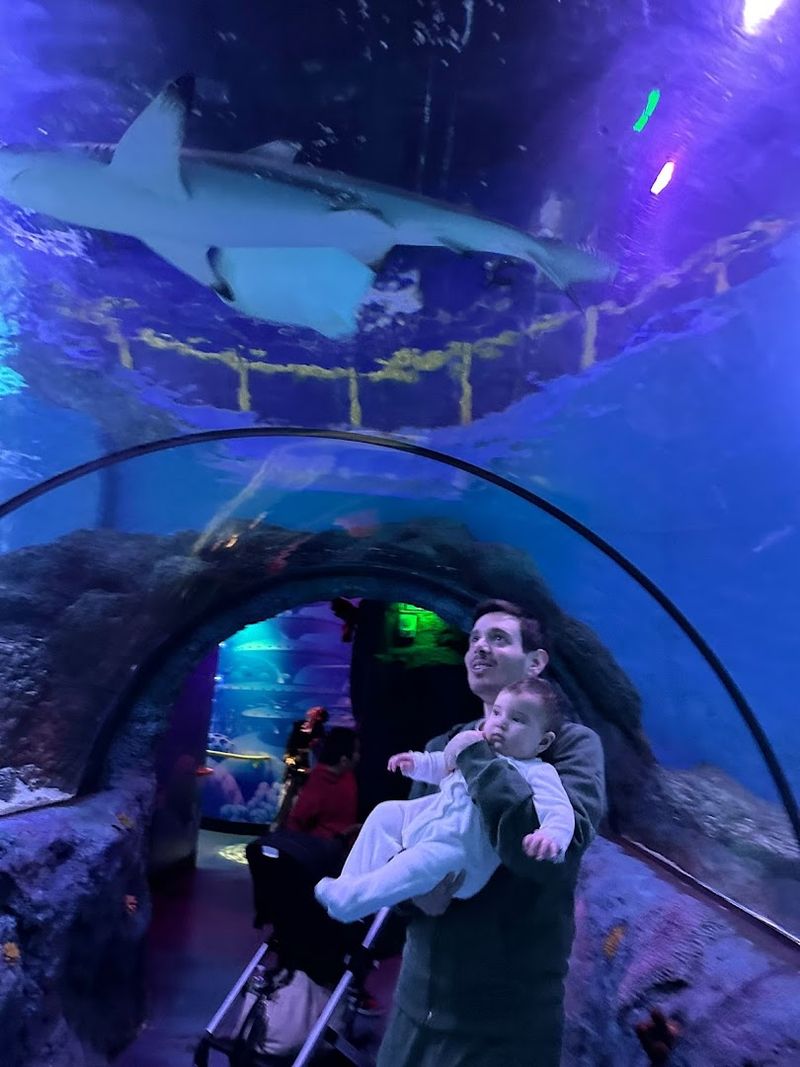
Inside American Dream in East Rutherford, SEA LIFE New Jersey Aquarium takes the aquarium idea and gives it a playful, North Jersey twist. The attraction is built around 10 themed zones, with thousands of creatures and “fishified” New York City-style landmarks worked into the displays.
It is not trying to be the biggest aquarium in the region; it is aiming for a compact, highly visual experience that works well as part of a larger mall day. That makes it especially useful for families with younger kids or visitors who want a science stop without committing to a full-day attraction.
The underwater ocean tunnel is the centerpiece, with sharks, rays, and other sea creatures moving overhead and around you. There is also a strong “look closer” quality here, with smaller creatures and themed habitats that reward slowing down between the big moments.
Because it is located at American Dream, the practical side is different from most attractions on this list. You can pair it with food, shopping, indoor play, or LEGOLAND Discovery Center, which is helpful if you are planning around mixed interests.
Buy timed tickets ahead when possible, especially during school breaks. For curious kids, it is ocean science wrapped in a very easy day out.
14. The Wetlands Institute – Stone Harbor
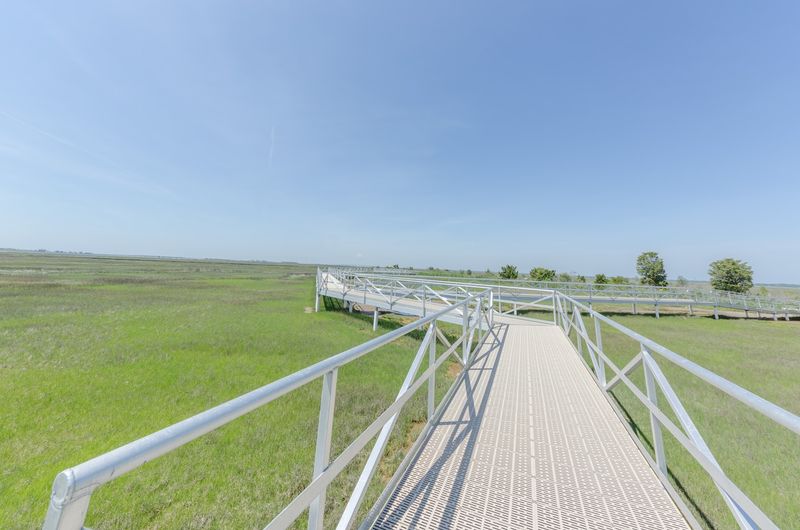
The Wetlands Institute in Stone Harbor is where science slows down to the pace of a turtle crossing, a bird lifting off, or a tide moving through the marsh grass. This is not a flashy attraction, and that is exactly why it works.
The setting puts visitors right next to coastal ecosystems, with features such as an elevated marsh walkway, dock, salt marsh trail, observation tower, aquarium, Terrapin Station, and coastal exhibits.
Kids who love animals can connect with turtles, tide pools, marsh creatures, and shore life, while adults get a better understanding of how fragile and busy these wetlands really are.
The place is especially strong for families visiting the shore who want a break from boardwalk noise without leaving the coast behind. It is educational in a natural, grounded way: you look, listen, ask, and then notice more than you did when you arrived.
Programs change seasonally, and that seasonal rhythm is part of the appeal. A summer visit may feel very different from an off-season stop, so check the calendar before you go.
Parking is generally straightforward, and the site is manageable without feeling too small. For kids who think science only happens indoors, this is a beautiful correction.
15. Trailside Nature & Science Center – Mountainside
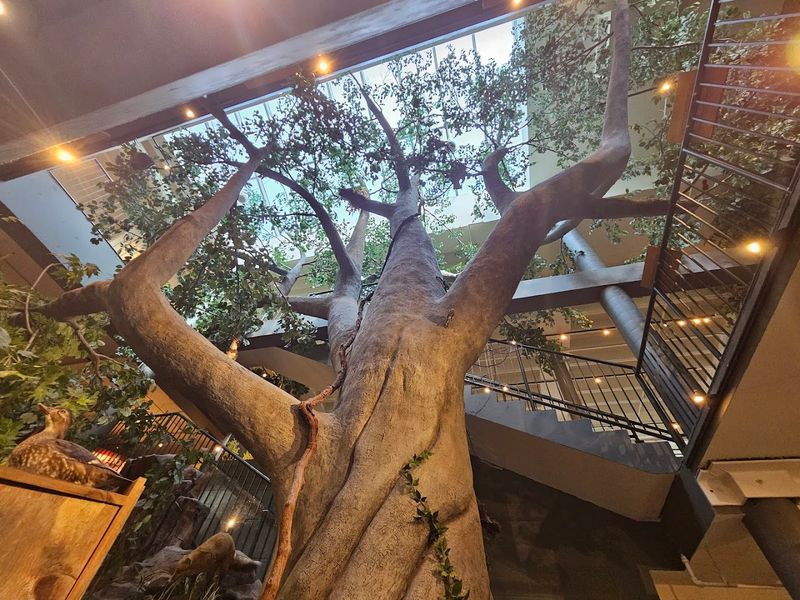
A 34-foot American beech tree rises through the atrium at Trailside Nature & Science Center, which is a pretty good signal that this Mountainside spot takes local nature seriously. Located in the Watchung Reservation, Trailside combines indoor exhibits with easy access to the outdoors, making it ideal for families who want science but also need room to move.
The visitor center includes 4,500 square feet of interactive exhibits, classrooms, an auditorium, a media center, and a gift shop. The exhibits focus on the natural world of the area, so kids can connect what they see inside with what they might spot on nearby trails.
That is the real strength here. Instead of learning about nature as something far away, visitors are encouraged to look more closely at New Jersey’s own woods, animals, geology, and habitats.
It is a great option for younger children because the scale is friendly and the transition from museum to trail is easy. Adults who enjoy a quieter outing will appreciate that it does not feel overly commercial.
Pair a visit with a walk in Watchung Reservation if the weather is decent, and wear shoes suitable for a little exploring. Trailside is the kind of place that can turn a simple afternoon outside into a science lesson no one complains about.
16. Edelman Fossil Park & Museum – Mantua
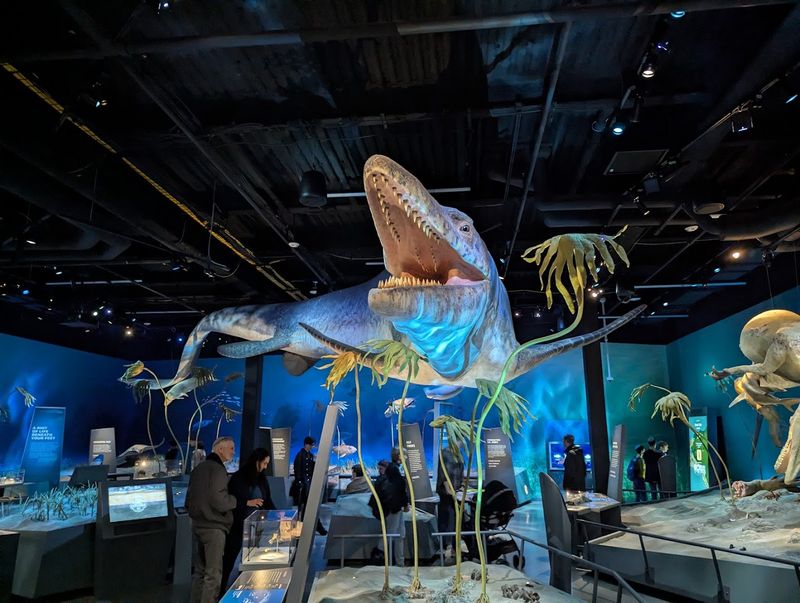
Here is the rare museum where “please dig in the dirt” is part of the plan. Edelman Fossil Park & Museum in Mantua brings visitors face-to-face with New Jersey’s deep prehistoric past, including a quarry where guests can dig for real fossils from about 66 million years ago.
More than 100,000 fossils have been found at the site, including remains from mosasaurs, sea turtles, and shark teeth. That hands-on quarry experience is the hook, but the museum adds context so the digging feels bigger than a souvenir hunt.
Visitors can also find full-scale dinosaur sculptures, an interactive fossil scavenger hunt, virtual reality elements, live animal exhibits, nature trails, and the Pterosaur Pterrace Playground.
It is one of the strongest science attractions in New Jersey for kids who love dinosaurs, fossils, or the idea that their home state was once covered by a very different world.
Adults will appreciate that it is not just cute; the science is genuinely compelling. The quarry portion requires some planning, including tickets, appropriate clothing, and closed-toed shoes.
Expect dirt, excitement, and at least one child deciding they are going to become a paleontologist. For a family outing, that is a pretty solid result.
17. Rutgers Geology Museum – New Brunswick
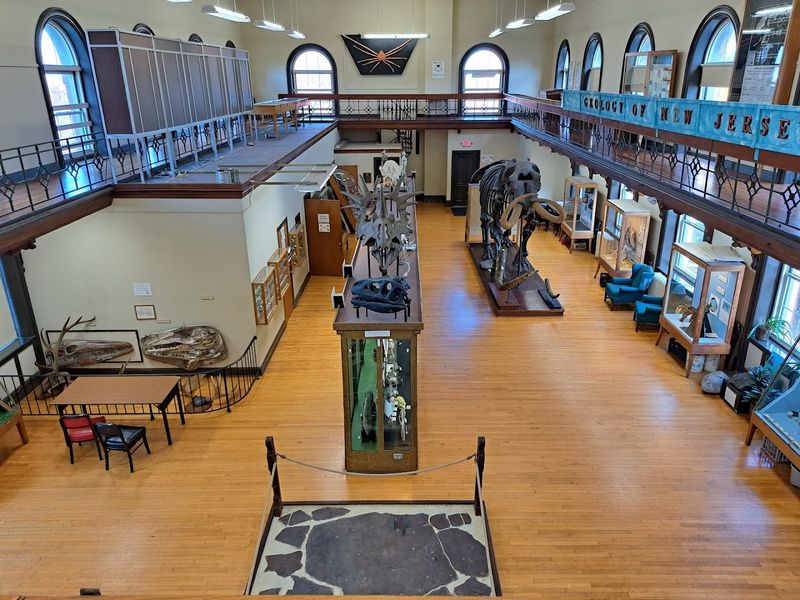
A mastodon on a college campus is a wonderful thing. The Rutgers Geology Museum in New Brunswick is small compared with New Jersey’s big-ticket attractions, but it has the kind of old-museum magic that curious people love.
Founded in 1872, it is dedicated to educating the public through exhibits, collections, lectures, tours, and programs, and admission is free. The collection reaches beyond rocks in the narrow sense, because “geology” once overlapped more broadly with natural history.
Highlights include a real Egyptian mummy, a giant spider crab, and Manny the Mastodon, along with rock, mineral, fossil, and natural history displays. That mix makes it a great stop for kids who want variety without being dragged through a huge museum.
One case might spark questions about ancient life; another might send them toward minerals, fossils, or New Jersey’s own geologic story. Adults will enjoy the historic feel of the building and the sense that this is a teaching collection with real roots.
Since it is on the Rutgers campus, check hours before visiting and plan parking with a little patience. It works well as a shorter stop in New Brunswick, especially paired with lunch or a campus walk.
For science lovers, it is proof that a museum does not have to be enormous to be memorable.
Share this story