Crab can change the entire strategy of a buffet visit, and at Royal Buffet in Hoffman Estates, it often becomes the main event. Diners arrive ready to explore a sprawling selection, but the seafood offerings give the experience an extra sense of occasion.
Plates quickly fill with crab alongside other hot dishes, sushi, and familiar buffet favorites, making it easy to build a meal around whatever looks best in the moment. The combination of variety, generous choices, and all-you-can-eat freedom has helped this Illinois restaurant attract repeat customers. For serious seafood fans, the crab alone makes it worth considering.
Where the Room Starts to Buzz
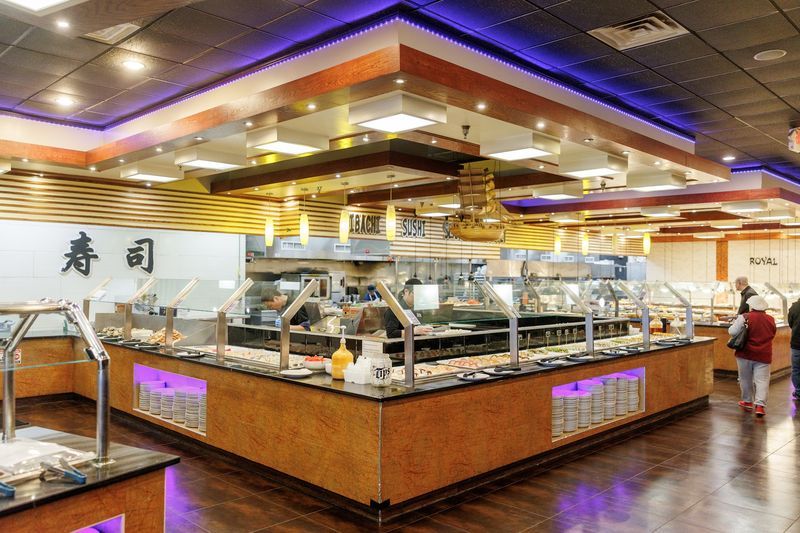
Before anyone cracks a shell, the room already tells the story. Royal Buffet is built around motion, with diners circling the stations, scanning hot trays, checking the sushi area, and keeping one eye on the seafood line.
That movement matters because a buffet can either feel chaotic or well-paced, and here the layout pushes attention toward abundance rather than formality.
The setting is sizable, and that scale changes expectations right away. A smaller dining room might make crab feel like a lucky extra, but a broad spread of Asian dishes, seafood, fruit, and desserts makes the meal feel like an event with a clear centerpiece waiting somewhere inside it.
Even the sound pattern adds to the effect. Plates clink, chairs shift, serving utensils tap against trays, and the steady flow of people creates the kind of background energy that suits a buffet better than hushed quiet ever could.
Royal Buffet also benefits when the dining room is active. During busy periods, pans tend to move faster, staff replenish stations more often, and diners are less likely to face food that has been sitting too long.
In a buffet setting, turnover is not a small detail. It shapes temperature, texture, and confidence at nearly every stop.
That is one reason the crab stands out so strongly here. It is not floating alone in a sleepy line of steam trays. It appears inside a restaurant that works like a loop, where people gather, wait, compare plates, and adjust their plan as fresh items appear.
For first-timers, the smartest move is simple. Take one full walk around before loading up. Seeing the whole room first helps explain why the crab has such pull, because it is not just another pan on a counter. It acts like the meal’s traffic center, drawing attention and setting the pace for everything else.
Crab Legs That Shift the Whole Meal
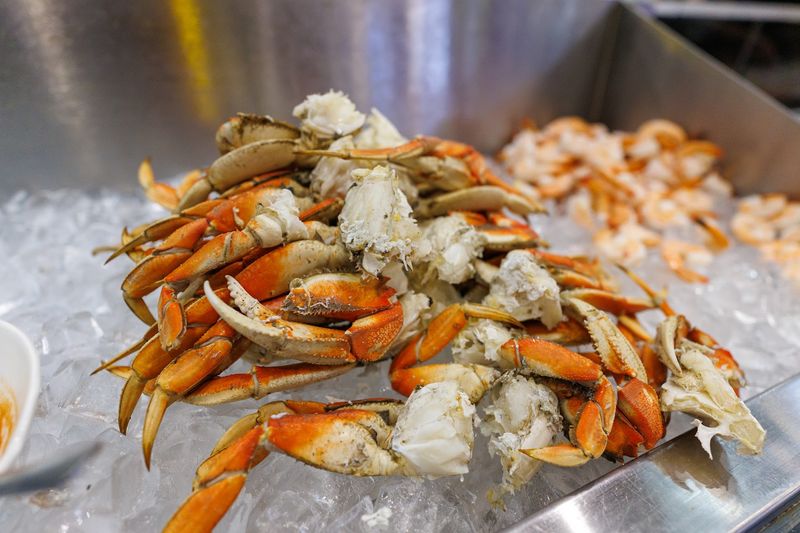
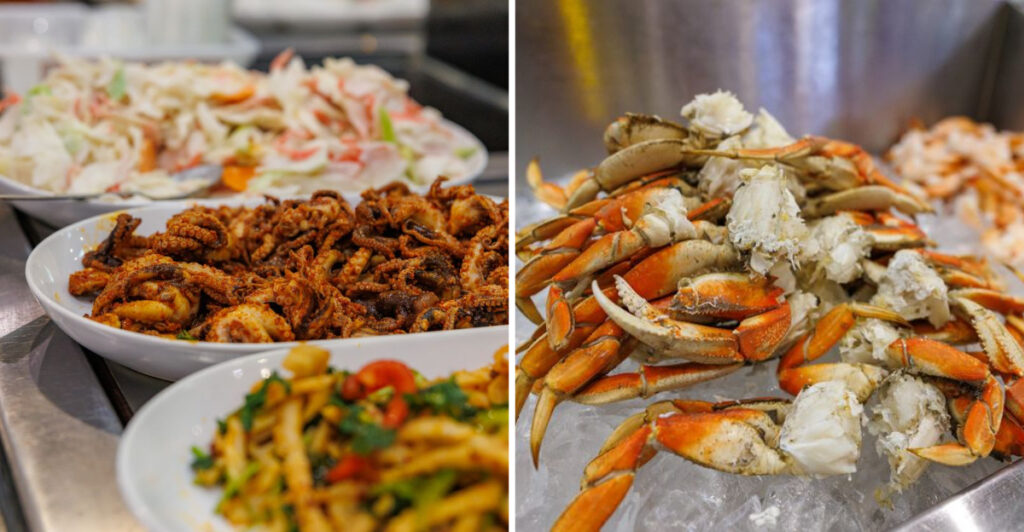
Some buffet items fill space on a plate. Crab changes the whole strategy. At Royal Buffet, the crab legs are the part of dinner that makes people slow down, look twice, and decide whether to start there or save room for a second round built around seafood.
The appeal is easy to understand. Crab adds a small challenge to the meal, and that challenge is part of the fun. You are not simply scooping food and sitting down. You are waiting, watching, cracking shells, and working a little for sweet bites that feel more special than standard buffet fare.
That extra effort gives the station a different mood from fried rice, noodles, or chicken dishes. There is anticipation around it.
A buffet usually rewards speed, but crab rewards patience, and that contrast makes the experience feel more deliberate.
Royal Buffet’s reputation leans heavily on evening seafood expectations, especially when diners arrive hoping the crab will justify the trip and the price. Because of that, the station carries more pressure than almost anything else in the building.
If the crab is hot, replenished, and moving steadily, the whole meal lands better. If the line drags too long, the room notices.
That is why timing matters so much here. Busy service can actually help, since faster turnover often means fresher batches and less waiting between refills.
A full house is not always convenient, but at a buffet centered on popular seafood, it can improve the odds of getting crab at its best.
The smartest approach is practical rather than dramatic. Grab a modest first plate, see how quickly the station refreshes, and build the rest of the meal around that rhythm.
At Royal Buffet, crab is not just one more option among many. It is the item that quietly decides whether dinner feels routine or worth repeating.
More Than One Reason to Circle Back to the Seafood Side
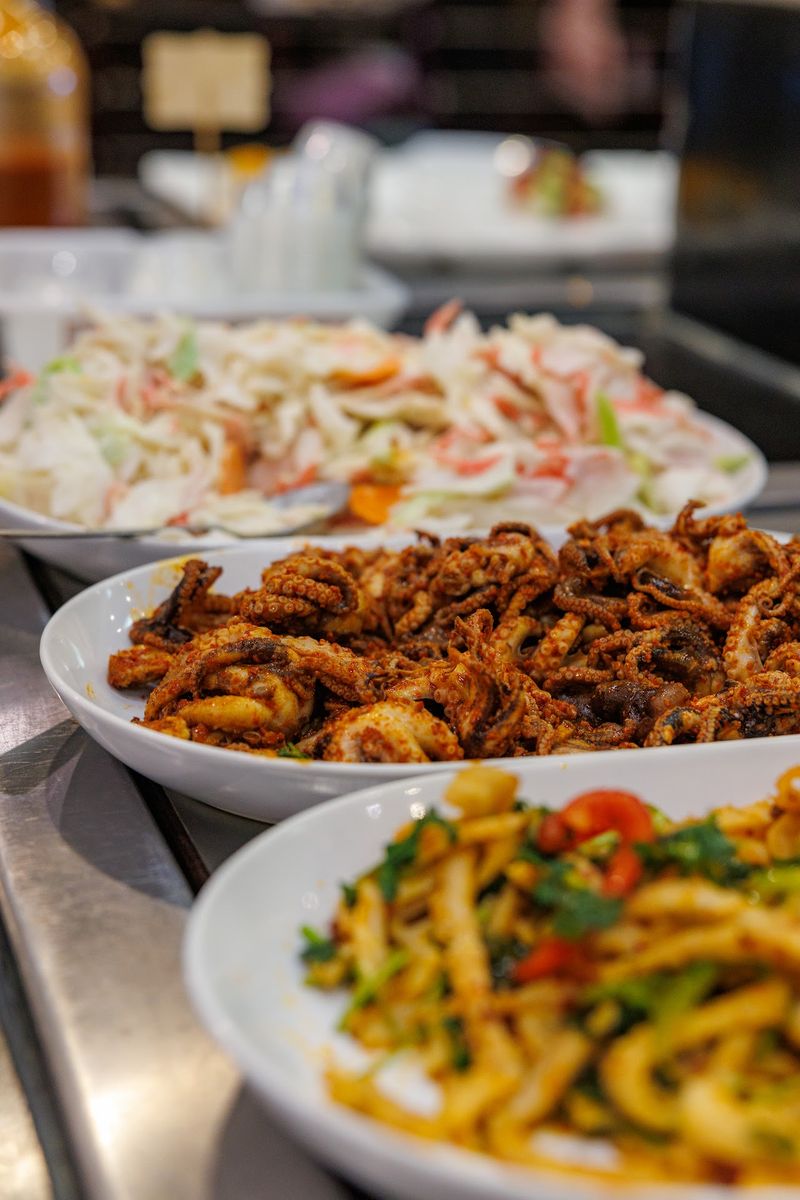
Crab may lead the conversation, but it does not work alone. Royal Buffet gives it support through a broader seafood spread that can turn one prized station into a full dinner plan.
That matters because a single standout item is exciting, yet a fuller range of seafood options keeps the experience from feeling one-note.
Alongside the crab, the restaurant is known for carrying other ocean-focused choices, including dishes such as shrimp, fish, and additional seafood preparations that add variety in texture and flavor. Some items are hot and savory, some are simpler and lighter, and that mix helps diners shape a plate that does not feel overloaded from the start.
The sushi section adds another lane to the meal. It gives seafood fans a way to switch gears between shellfish, cooked dishes, and bite-size cold options.
A buffet with that kind of range creates a useful rhythm. Crack a cluster of crab, sample something from the sushi side, then return to a warm tray or soup before dessert.
Fresh fruit and sweets also play a bigger role than expected. Seafood meals can get rich fast, especially when butter, fried sides, or heavy sauces enter the picture.
A cleaner finish with fruit can make the whole outing feel less dense and more balanced. For diners trying to get the best value, the key is not piling everything together at once. Move through the room in phases.
Start with seafood priorities, branch into sushi or hot dishes, then decide whether there is room left for extras. That pacing shows why Royal Buffet holds attention even among many suburban dining options.
The crab may be the hook, but the return visit usually depends on whether the rest of the seafood lineup can carry the meal after that first burst of excitement. Here, the supporting cast is a real part of the draw.
Hoffman Estates, Illinois, Is Better at Night for the Full Seafood Run
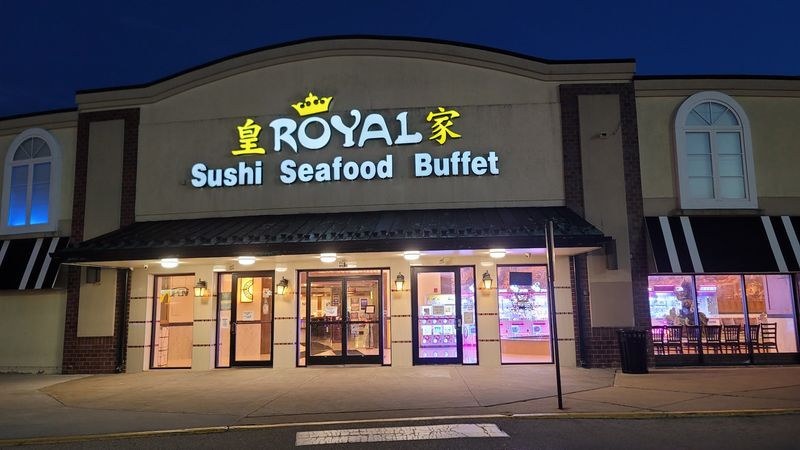
Timing matters at Royal Buffet, especially because weekday service is divided into separate lunch and dinner periods. Monday through Friday, lunch runs from 11 AM to 3 PM, followed by a break before dinner begins at 5 PM and continues until 9 PM.
On weekends, the restaurant stays open continuously from 11 AM to 9 PM. That schedule gives diners two different ways to approach the experience.
Weekday lunch works for anyone interested in the broader buffet without necessarily building the entire visit around a big evening meal. Dinner carries a higher price, so it makes more sense for guests who plan to settle in, explore the seafood selection, and take advantage of the full all-you-can-eat experience.
Weekends offer more flexibility because there is no afternoon closure. Families can arrive earlier, groups can plan around other Hoffman Estates activities, and diners do not have to squeeze the visit into a shorter weekday service window.
Crowds are still worth considering. Popular buffet stations naturally attract more attention during peak periods, and crab can require patience when several tables are chasing the same thing at once.
Arriving hungry but unhurried makes that easier to handle. For seafood-focused diners, it is also smart to check current offerings before making the trip specifically for one item.
Buffet selections can change, and availability matters when crab is the main reason for choosing the restaurant. The larger point is that Royal Buffet rewards a little planning.
Lunch offers one kind of visit, while dinner and weekends allow more time to explore. Choose the service that matches the goal, avoid arriving close to closing, and leave enough time to enjoy the buffet without turning every trip to the seafood station into a race.
How to Play the Buffet Without Wasting Plate Space
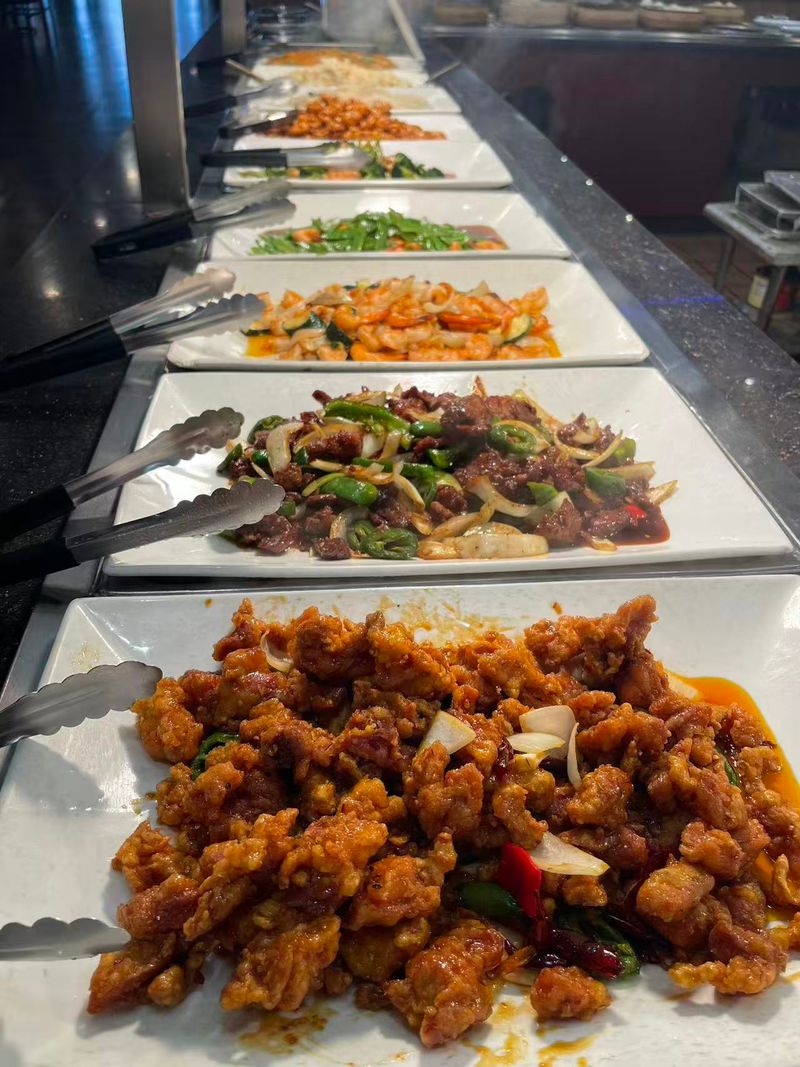
Buffets tempt people into bad decisions fast. One oversized plate, too many fried sides, and by the time the crab appears, the meal has already lost direction.
Royal Buffet works best when approached with a little planning, especially for anyone showing up with seafood on the brain.
The first rule is simple: scout before serving. Walk the entire room, note where the crab is, check the seafood stations, and see how quickly trays seem to be moving.
That lap saves space on the plate and helps avoid loading up on filler food before the main target is even in sight. Portion size matters more here than many diners expect. A buffet rewards curiosity, not overcommitting.
Smaller first rounds leave room to adjust if fresh crab arrives, a sushi tray gets restocked, or another hot seafood item suddenly looks stronger than it did five minutes earlier.
There is also a pacing trick that helps. Do not stack buttery seafood, rich fried items, and sugary desserts back to back without a break.
Slide in fruit, soup, or a lighter bite between heavier rounds. The meal lasts longer that way, and the crab stays the star instead of becoming one more heavy item in a crowded mix.
Families and groups should think tactically too. One person can monitor the seafood side while others check sushi or hot dishes, then compare notes at the table before heading up again.
That keeps everyone from making the same rushed choices. Royal Buffet is not a place for speed-eating bravado. It is better as a paced, observant meal where the room itself gives clues about what to grab next.
If the crab line is long, build a light plate and wait it out. If it is moving quickly, take advantage without overloading. The best visit comes from reading the buffet as it changes, not attacking it all at once.
What the Dinner Price Actually Gets You
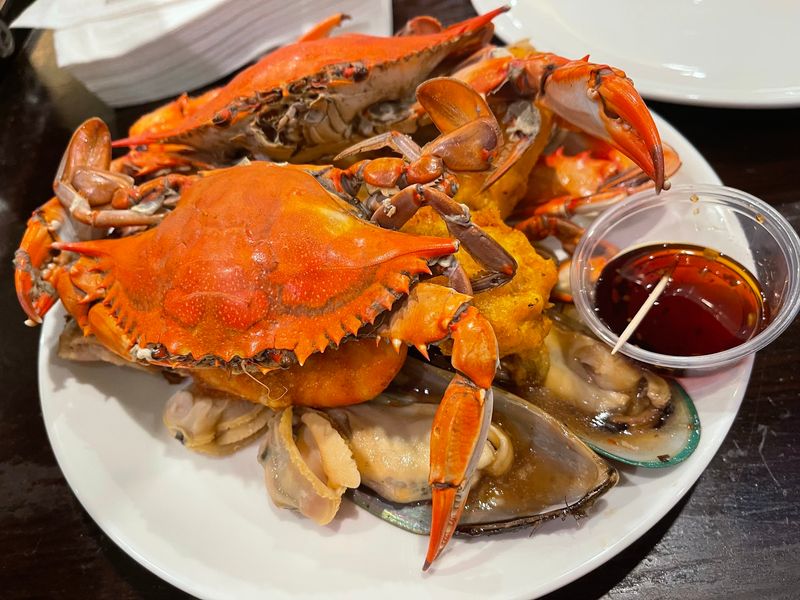
Royal Buffet is not competing with bargain lunch counters, especially once dinner pricing enters the picture. The better question is what diners receive for that higher buffet price.
For seafood fans, the answer begins with choice: crab may provide the headline, but the format allows guests to build a much broader meal around it. That freedom is a major part of the value.
Instead of ordering one seafood entree and committing to it, diners can move between crab, sushi, shrimp, fish, hot dishes, sides, fruit, and desserts. Someone who wants seafood can stay largely in that lane, while the rest of the table can explore completely different parts of the spread.
The all-you-can-eat format also changes how unfamiliar foods fit into dinner. Trying something new carries less risk when a small portion can be sampled before deciding whether it deserves more plate space.
That makes the buffet useful for groups with different tastes and levels of adventurousness. Value, however, depends heavily on appetite and priorities.
Someone who wants a quick plate of familiar food may not get as much from the dinner price as a diner who arrives specifically for crab, sushi, seafood, and multiple rounds through the stations.
That distinction is worth understanding before walking through the door. Royal Buffet makes the strongest case for itself when variety is part of the attraction rather than merely a bonus.
For serious seafood fans, dinner can become less about eating as much as possible and more about having options that would require several separate orders elsewhere. The price buys access to the entire spread, and the crab gives diners a natural place to start.
Why the Crab Keeps the Place in the Local Food Conversation
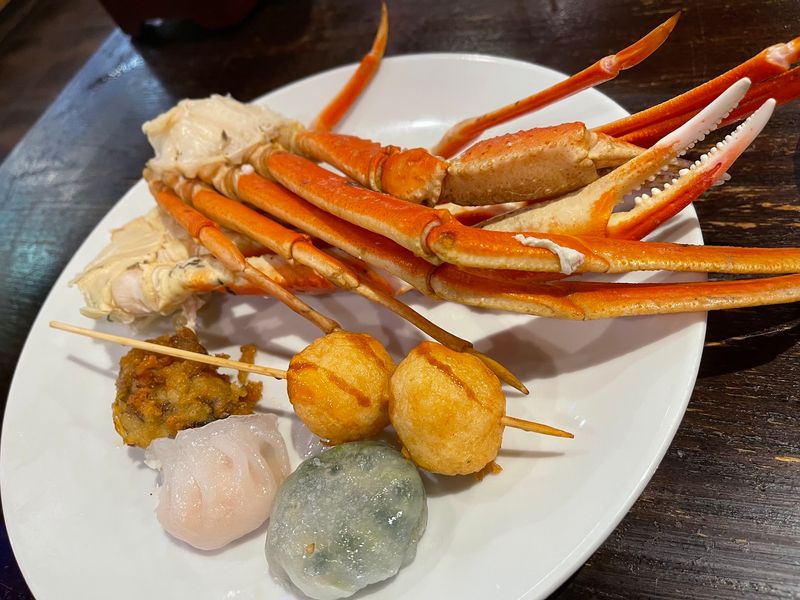
Every buffet benefits from having one item diners associate with the entire experience. At Royal Buffet, crab fills that role.
It gives seafood fans a specific reason to consider the Hoffman Estates restaurant instead of treating it as simply another large all-you-can-eat option. The wider selection certainly matters.
Sushi, seafood, hot dishes, fruit, desserts, and familiar buffet choices give groups enough variety to build completely different meals at the same table. Yet crab brings an extra sense of anticipation because diners tend to notice when it appears, how quickly it moves, and whether another round is worth making.
That attention gives the restaurant a clearer identity. Royal Buffet is not trying to recreate a quiet seafood house with carefully plated courses and lengthy table service.
Its appeal comes from abundance, choice, movement, and the freedom to return for another helping when something hits the mark. For first-time visitors, realistic expectations make the experience stronger.
Popular items may attract a crowd, selections can change, and an active buffet rarely delivers the same rhythm from one visit to the next. That unpredictability is part of the format.
What matters is whether the overall spread provides enough reasons to keep exploring after the first plate. Royal Buffet has an advantage there because crab is supported by sushi, other seafood choices, hot dishes, and plenty of alternatives for diners who want something different.
That combination explains why the crab matters so much to the restaurant’s reputation. It supplies the memorable hook, while the size and variety of the buffet turn that initial attraction into a complete meal.
For seafood lovers around Hoffman Estates, that is a straightforward reason to keep Royal Buffet in the local dining conversation.
Share this story