Hidden in downtown Beaumont is a Texas library unlike any other. The Tyrrell Historical Library occupies a stunning 1903 building that started life as a Baptist church, and its soaring stained glass windows and historic charm make every visit feel special. Whether you’re tracing your family tree, diving into Southeast Texas history, or simply soaking up the peaceful atmosphere, this gem at 695 Pearl Street delivers an experience that goes way beyond checking out books.
1. A Stunning Converted Church Building From 1903
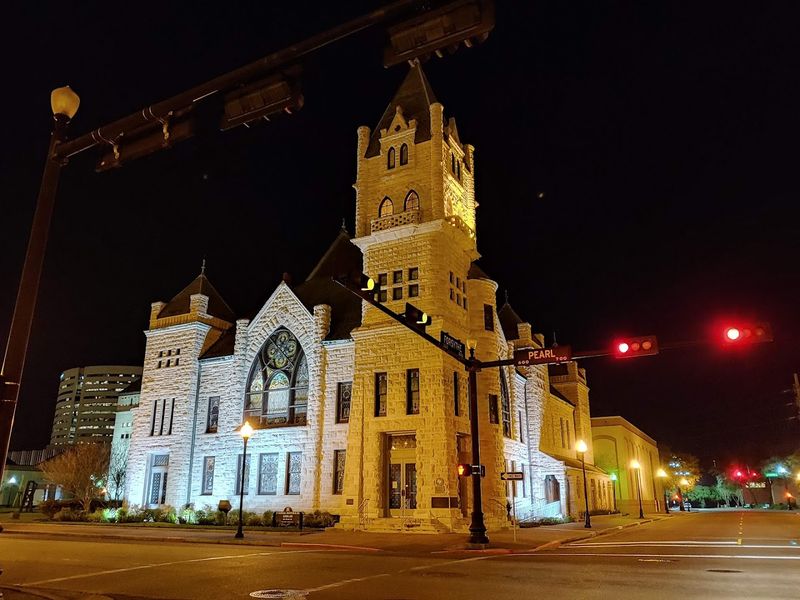
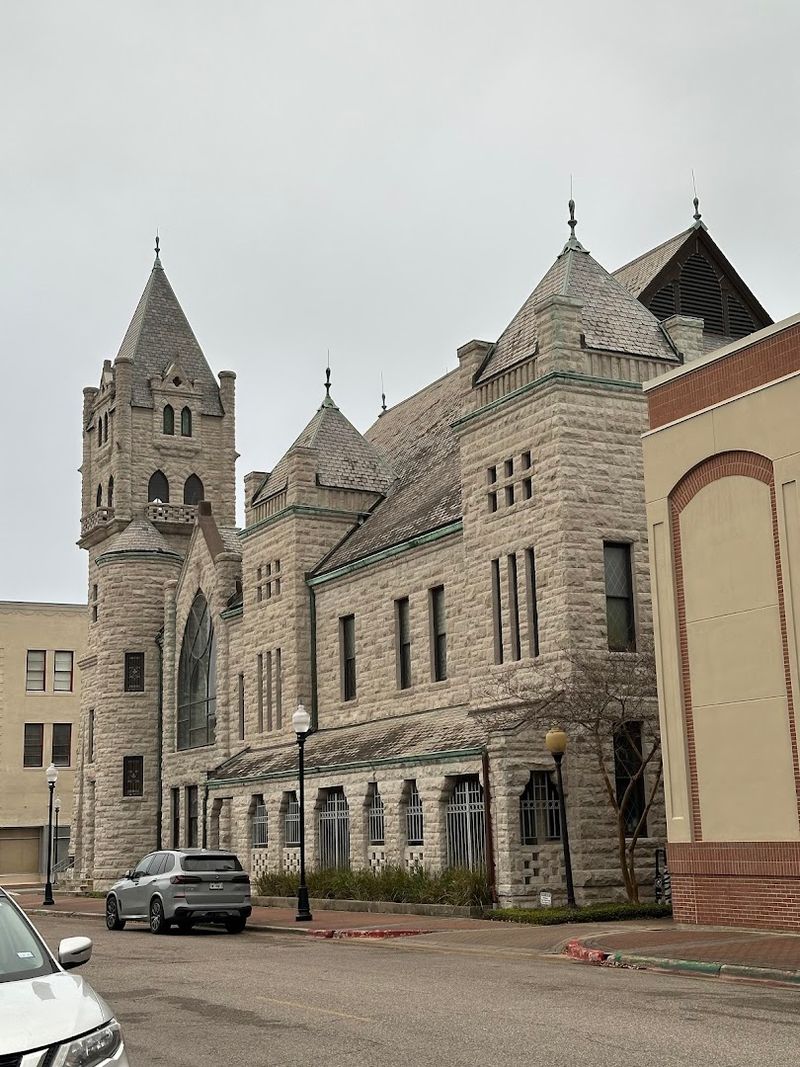
Walking up to the Tyrrell Historical Library feels like stepping back in time. This isn’t your standard rectangular library building with fluorescent lights and drop ceilings. The structure began its life as a Baptist church in 1903, and more than a century later, those sacred bones still shine through every corner.
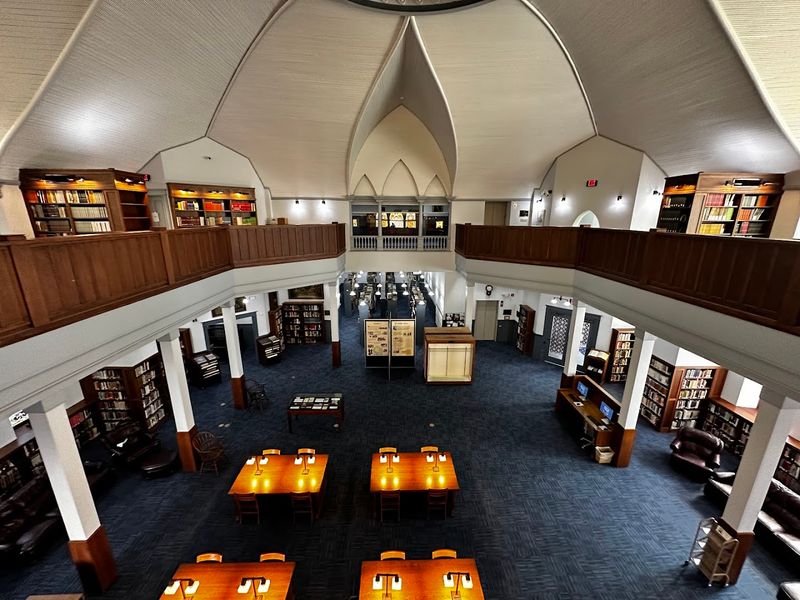
The architecture alone makes the trip worthwhile. High ceilings create an airy, almost cathedral-like atmosphere that makes you want to whisper even when nobody’s around. The craftsmanship from that era shows in details modern buildings just can’t replicate—think hand-carved woodwork and thoughtful design elements that served a completely different purpose back then.
What really sets this place apart is how the conversion honored the original structure. Instead of gutting everything to make it look like a typical library, the renovation preserved the building’s character while adapting it for research and reading. You can still sense the history in the walls, the floors, and the overall layout.
Located right on Pearl Street in downtown Beaumont, the building has watched the city grow and change around it. It’s survived hurricanes, economic shifts, and countless other challenges that come with more than 120 years of Texas weather. That resilience shows in every brick and beam, reminding visitors that some things are built to last when people care enough to maintain them properly.
2. Breathtaking Stained Glass Windows Throughout
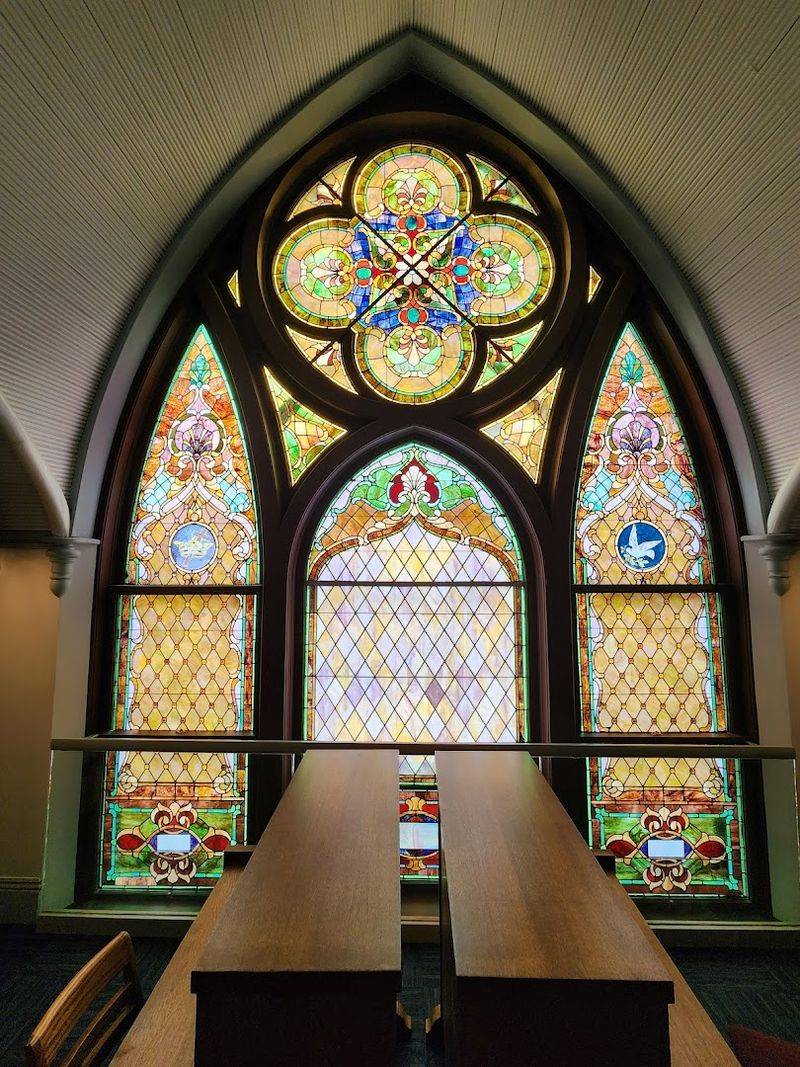
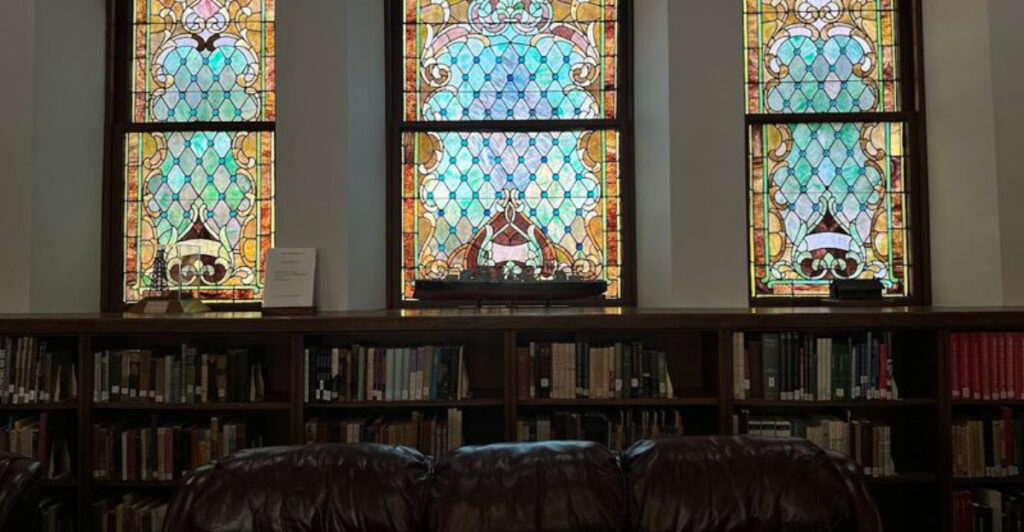
The stained glass windows at Tyrrell Historical Library aren’t just pretty decorations—they’re show-stoppers that transform the entire space. Original to the 1903 church building, these windows flood the interior with colored light that shifts throughout the day as the sun moves across the sky. Every visitor mentions them in reviews, and for good reason.
These aren’t your basic decorative windows. The craftsmanship represents an art form that’s almost extinct today, with intricate patterns and vibrant colors that have survived more than a century. When sunlight hits them just right, the whole library glows with blues, reds, golds, and greens that dance across the floors and furniture.
What makes them extra special is how they change the library experience. Reading beneath stained glass feels completely different from sitting under standard windows or artificial lights. The atmosphere becomes contemplative and calming, perfect for losing yourself in research or a good book for hours.
Photography enthusiasts love capturing these windows from different angles and times of day. Morning light creates one mood, while late afternoon sun produces completely different effects. Even on cloudy days, the colored glass adds warmth and character that you just don’t find in modern buildings.
The windows also serve as a constant reminder of the building’s original purpose. While the space now houses genealogical records and historical documents instead of Sunday services, that spiritual quality lingers in the light filtering through century-old glass.
3. World-Class Genealogy Research Resources
Genealogy hunters from across Texas and beyond make pilgrimages to Tyrrell Historical Library for one simple reason: the collection is phenomenal. This isn’t a small corner with a few ancestry books—it’s a serious research facility dedicated to helping people trace their family roots through Southeast Texas and beyond.
The staff in the genealogical section earn consistent praise for their expertise and willingness to help. One visitor traveled from out of state and found exactly the book needed within minutes, then received free assistance with high-quality scanning equipment to digitize important pages. That level of service turns a simple library visit into a memorable research experience.
The collection itself includes records, documents, and resources you won’t find just anywhere. Real estate records dating back generations sit alongside family histories, local newspapers, and other primary sources that serious genealogists crave. For anyone tracing family lines through Beaumont, Jefferson County, or the Golden Triangle area, this library is basically required visiting.
What really impresses researchers is the condition and organization of materials. These aren’t dusty boxes of random papers—everything is cataloged, preserved, and accessible. The scanning equipment lets you capture what you need without damaging fragile documents, which matters tremendously when dealing with irreplaceable historical records.
Whether you’re a beginner just starting your family tree or an experienced researcher chasing down specific ancestors, the genealogy resources here provide serious depth. Combined with knowledgeable staff who actually enjoy helping people, it’s no wonder genealogists rave about this place.
4. Extensive Southeast Texas History Collections
Southeast Texas history comes alive in the collections at Tyrrell Historical Library. This isn’t the place for bestsellers or popular fiction—it’s where serious history buffs and curious locals dig into the real story of Beaumont and surrounding communities. The focus stays laser-sharp on regional history, making it an invaluable resource for understanding this corner of the Lone Star State.
Local history materials range from official records to personal accounts, photographs to newspaper archives. Want to know what Beaumont looked like during the Spindletop oil boom? Curious about how Hurricane Rita or Hurricane Harvey affected the area?
Interested in the shipping industry along the Neches River? The answers live in these collections.
Students, authors, and history enthusiasts regularly rely on these resources for research projects. The depth goes far beyond what you’d find in a typical public library or even online databases. Primary source materials give researchers direct access to historical events without the filter of modern interpretation or second-hand accounts.
Quality furniture and a peaceful environment make spending hours with these materials actually pleasant. Unlike cramped research facilities where you’re fighting for table space, this library offers comfortable areas to spread out documents and really dig into your work. The historic building itself adds context to historical research—you’re studying the past while sitting in a piece of it.
For anyone writing about Southeast Texas, teaching local history, or just wanting to understand their community’s roots, these collections provide depth and detail that Wikipedia entries can’t match.
5. Quality Antique Furniture and Reading Spaces
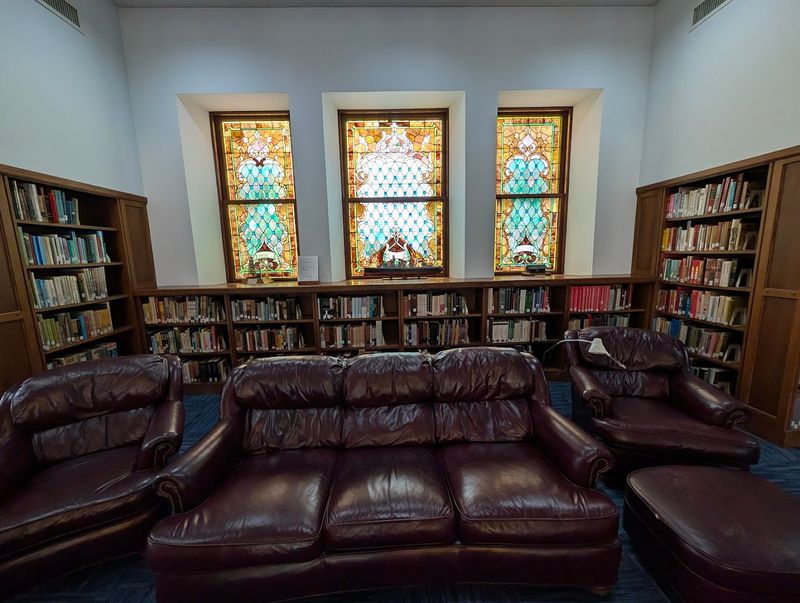
Libraries often settle for cheap, utilitarian furniture that’s purely functional. Not here. Visitors consistently comment on the quality furniture throughout Tyrrell Historical Library, and it’s not just about looks—though the pieces are undeniably handsome.
The furniture choices reflect respect for both the building’s history and the people who use the space.
The reading tables and chairs aren’t the flimsy stuff you find in many public facilities. These are substantial pieces built to last, many with that antique character that matches the 1903 building perfectly. Sitting down to research or read feels dignified rather than institutional, which might sound like a small thing but makes a real difference during long research sessions.
Comfort matters when you’re spending hours poring over genealogical records or historical documents. The furniture here actually supports serious work sessions without leaving you sore and cranky. Proper table height, decent chairs, and adequate space to spread out materials—these practical details separate a frustrating research experience from a productive one.
The aesthetic appeal shouldn’t be dismissed either. Beautiful surroundings genuinely affect how people feel and work. When your research space features quality wood furniture beneath stained glass windows in a historic building, the whole experience becomes more enjoyable.
You’re not just gathering information—you’re having a moment.
Even the arrangement of furniture shows thoughtfulness. Quiet study areas give researchers the peace they need, while the overall layout respects the building’s original architecture. Everything feels intentional rather than haphazardly thrown together, which is exactly what you’d hope for in a historical library.
6. Peaceful Atmosphere Perfect for Deep Focus
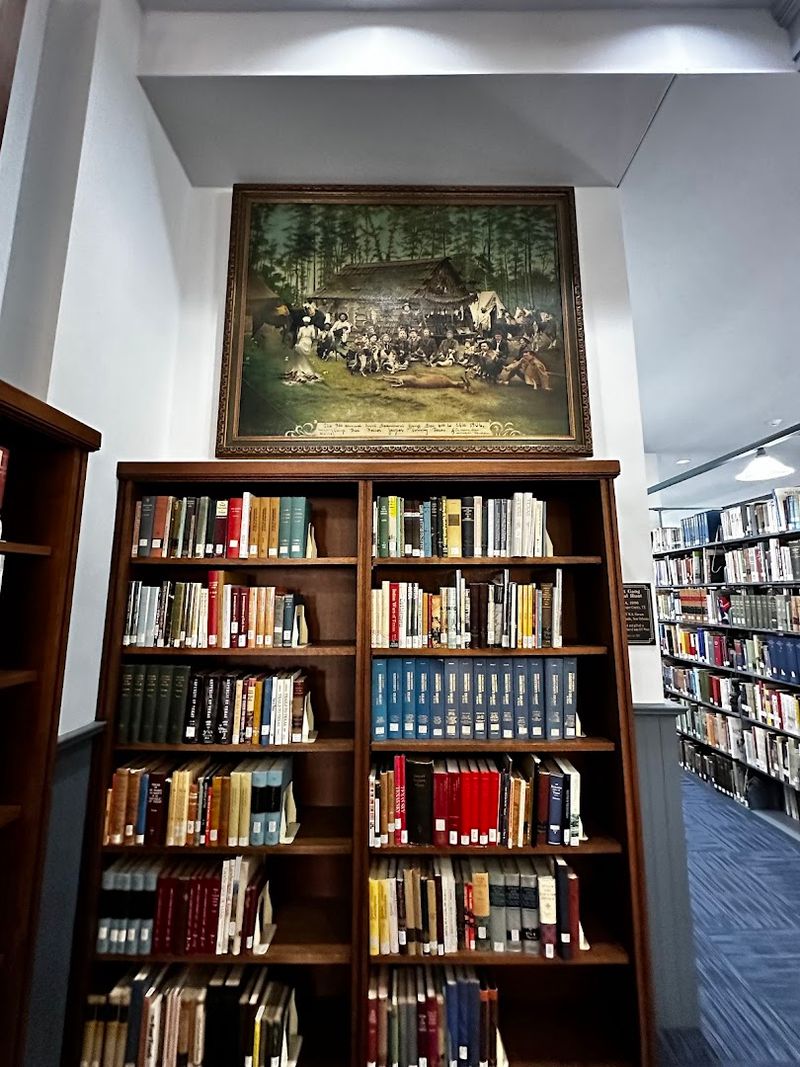
Quiet isn’t just a rule at Tyrrell Historical Library—it’s the natural state of being. Multiple reviewers use words like “peaceful,” “quiet,” and “serene” to describe the atmosphere, and that’s no accident. Everything about this place encourages the kind of deep focus that’s increasingly rare in our noisy, distracted world.
Part of the tranquility comes from the building itself. Those thick walls built in 1903 weren’t designed with modern sound-dampening technology, but they work beautifully anyway. The high ceilings help sounds dissipate rather than echo, and the overall design creates natural quiet zones throughout the space.
The library typically isn’t crowded, which helps maintain that peaceful vibe. One visitor noted using the facility on a Tuesday and finding it “sparsely used,” which is perfect for anyone seeking concentration without constant interruptions. You’re not competing for space or dealing with the chaos of a busy public library during peak hours.
This makes Tyrrell ideal for work that requires real concentration. Whether you’re tracing complicated family connections through old records, studying historical documents that demand careful attention, or just need a place to think without distractions, the environment supports deep work. Your brain can actually settle into a task instead of constantly fighting background noise and movement.
The stained glass windows and quality furniture contribute to the peaceful atmosphere too. Beautiful, calm surroundings naturally encourage a quieter mindset. There’s something about sitting in a thoughtfully designed space that makes people naturally lower their voices and move more deliberately, creating a self-reinforcing cycle of tranquility.
7. Helpful and Knowledgeable Staff Members
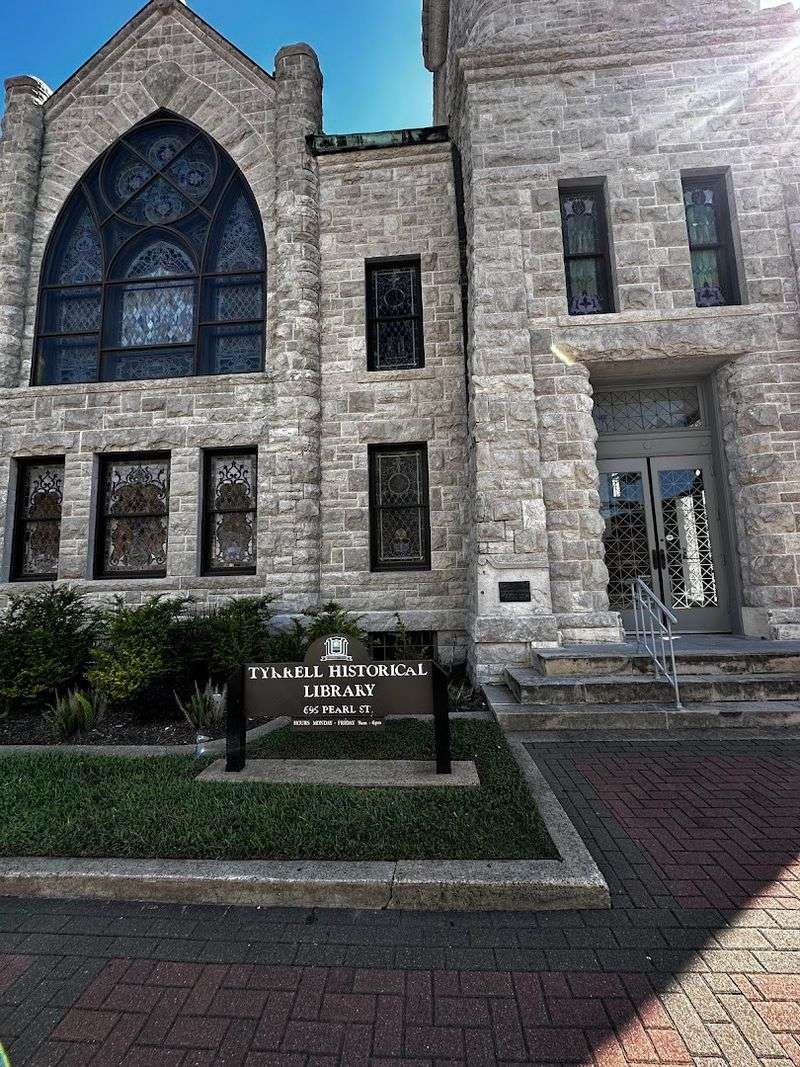
Staff can make or break a library experience, and at Tyrrell Historical Library, the team generally delivers exceptional service. The genealogy specialists particularly shine, with visitors praising their immediate helpfulness and genuine enthusiasm for assisting researchers. That combination of knowledge and willingness to help turns intimidating research projects into manageable tasks.
One researcher’s experience perfectly captures what makes the staff special. Needing a specific book, they received immediate assistance locating it, then got hands-on help with scanning equipment to digitize needed pages—all at no charge. The entire process took just 20 minutes, and the visitor left wishing there was more research to do there.
That’s the kind of service that creates lifelong fans.
The staff’s expertise matters tremendously when you’re navigating historical records and genealogical resources. These aren’t simple materials to search through, and having someone who knows the collection inside and out saves hours of frustrated hunting. They understand both the organizational system and the content itself, which means they can point researchers toward relevant materials quickly.
However, experiences can vary depending on which staff member you encounter. One visitor noted mixed results, with one librarian being helpful while another seemed absorbed in personal work and bothered by questions. That inconsistency occasionally pops up in reviews, though positive experiences far outnumber negative ones.
The building history presentations sometimes get mentioned as well. Staff members clearly take pride in the 1903 structure and enjoy sharing its story, though some visitors prefer to skip straight to their research. Overall, the knowledge and helpfulness of the team enhance what’s already a special library experience.
8. Convenient Downtown Beaumont Location
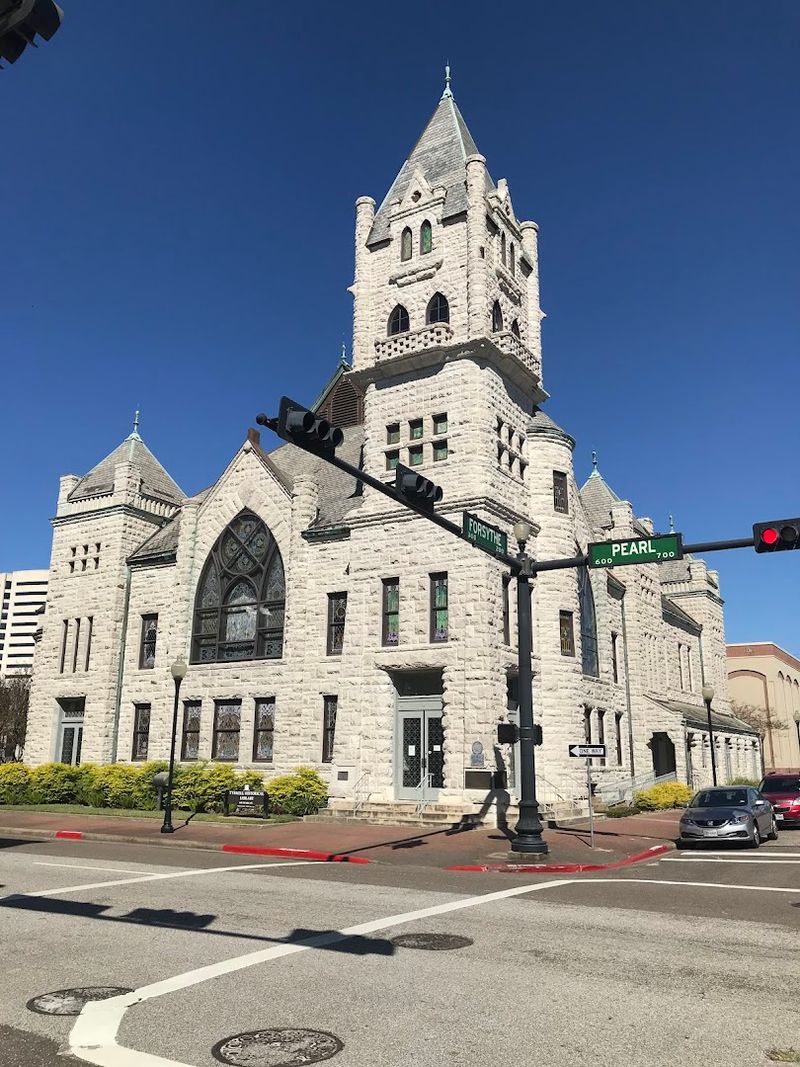
Finding Tyrrell Historical Library is straightforward—it sits right at 695 Pearl Street in downtown Beaumont, surrounded by the civic and cultural heart of the city. The central location makes it accessible whether you’re a local resident or traveling from elsewhere in Texas to use the genealogical resources. You’re not hunting through residential neighborhoods or industrial areas trying to locate some hidden facility.
Downtown placement means you’re near other Beaumont attractions and amenities. Planning a research day? You can grab lunch at nearby restaurants, explore other historic downtown buildings, or handle errands without driving all over town.
That convenience matters when you’re making a special trip for genealogy research or historical study.
Parking does present some challenges, as one reviewer noted the “same limited parking” they remembered from decades earlier. Downtown Beaumont wasn’t designed for modern vehicle traffic, and finding a spot near the library sometimes requires patience or a short walk. It’s worth planning a few extra minutes for parking, especially during weekday business hours.
The library keeps reasonable hours—9 AM to 6 PM Monday through Friday, closed on weekends. That schedule works well for researchers who can visit during the week but might frustrate anyone hoping for Saturday genealogy sessions. Calling ahead at 409-833-2759 helps confirm hours and avoid wasted trips.
Being in downtown Beaumont also means the library sits in a historic district where the surrounding buildings add context to your research. You’re not just reading about Southeast Texas history—you’re experiencing it in a neighborhood where that history still shapes the landscape and architecture around you.
Share this story