Every quilting project starts with the right fabric, the right tools, and a little inspiration. Roberts Sewing Center in Crest Hill has become a favorite destination for quilters thanks to its extensive fabric selection, quality sewing machines, helpful staff, and one-stop approach to everything from supplies to service.
Whether you’re beginning your first quilt or putting the finishing touches on a longtime project, the store offers plenty of ideas to spark your next creation. It’s the kind of Illinois quilt shop where a quick visit often turns into an afternoon of browsing, learning, and discovering something new.
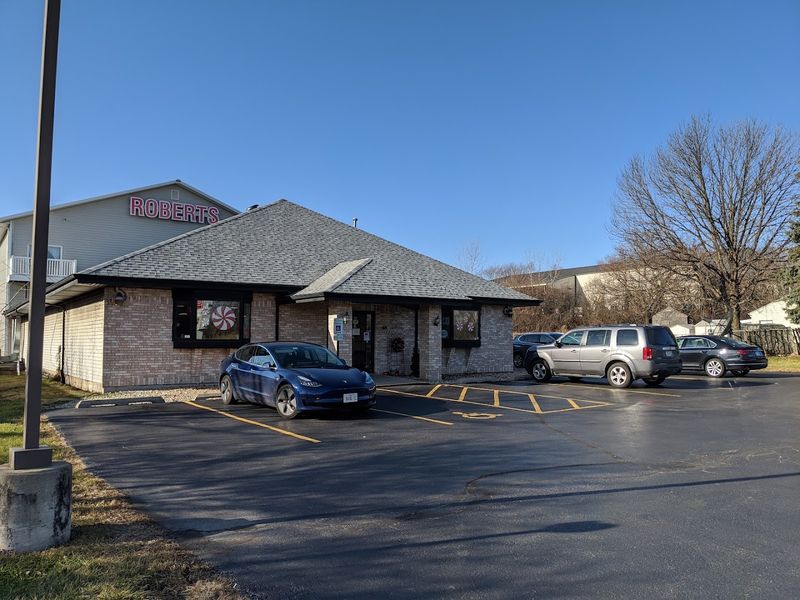
A Bigger-Than-Expected Store Behind the Door
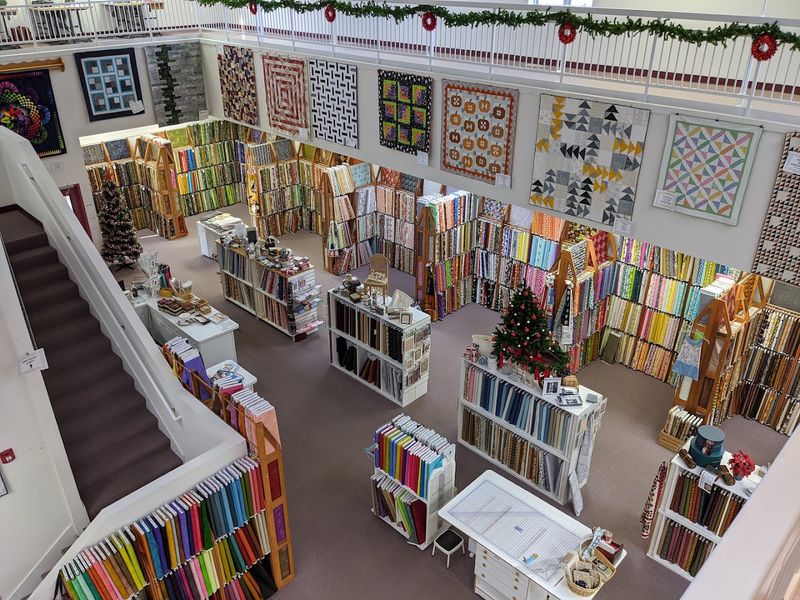
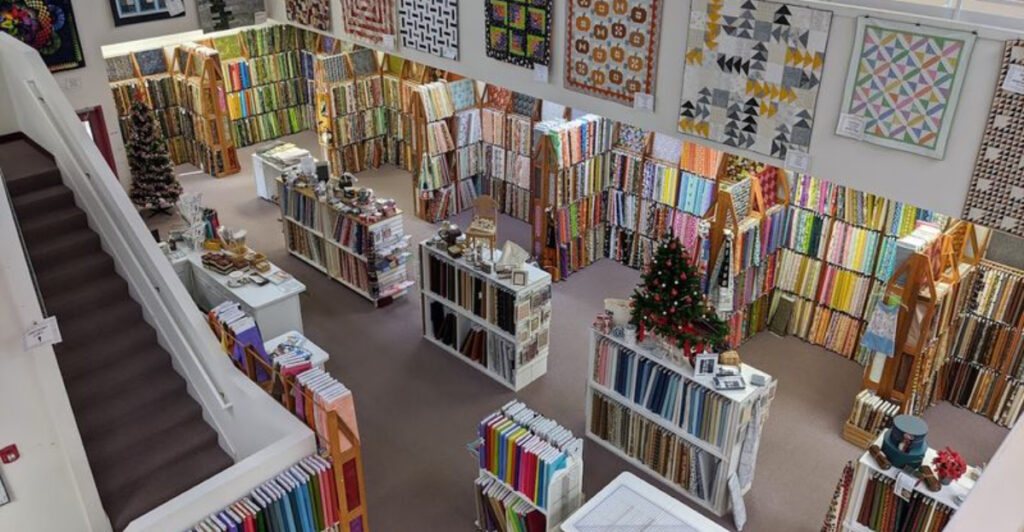
At first glance, the location on Weber Road reads like a straightforward sewing store. Then the inside opens up, and the scale changes the whole experience.
Shoppers expecting one small room of notions and a few bolts quickly find a larger layout with more to explore. That sense of space matters for serious quilters because browsing works best when fabric, machines, and tools are not squeezed into tight corners.
A roomy setup makes it easier to compare colors, step back from a stack of prints, and think through a project before cutting begins. It also helps the store function as more than a quick stop for thread or a needle pack.
Roberts Sewing Center appears to balance sewing machine retail with a substantial quilting side, which is a big reason drivers from outside the immediate area would put it on the map.
The selection is broad enough that people can search for a missing blender, a themed print, or backing ideas without feeling boxed into one style. Many first-time visitors are surprised by how much larger the store feels once they step inside.
There is also a practical comfort in a place where it is easy to find what is needed. Helpful navigation, visible counters, and enough room to move from fabric to machines support longer visits.
Rather than forcing shoppers to rush, the store seems built for looking, comparing, and asking questions. That combination of scale and purpose gives the shop a stronger pull than a tiny specialty stop, especially for quilters planning a real haul instead of a single errand.
Fabric Hunting That Rewards a Long Drive
Every dedicated quilter knows the thrill of spotting the right fabric after a long search. Roberts Sewing Center seems to trade on exactly that feeling, offering a selection strong enough that shoppers have called out both variety and standout finds.
That matters far more than pretty shelves alone. A useful quilt shop does not just stock safe basics. It offers enough range to support planned projects and the happy accidents that happen when one print suddenly changes the whole idea.
At Roberts Sewing Center, the fabric mix appears to reach beyond the narrow lane some smaller stores keep, with shoppers noting selections they could not easily find elsewhere and even mentioning a very specific themed fabric hunt that ended successfully.
For serious quilters, that kind of selection changes how a trip unfolds. Instead of buying a single yard and leaving, they can build out a full color story, test accent fabrics, and think through borders, binding, or backing while standing in front of the bolts.
A shop becomes a working part of the creative process, not just a checkout counter. The better strategy here is to arrive with a plan but leave room for surprises. Bring swatches, project notes, or a photo of the quilt in progress.
Compare lights and darks carefully, and do not stop with the first decent match when a stronger one may be two shelves over. Stores with wide fabric choices reward patient shoppers.
That is one reason quilters drive in. They are not only buying fabric. They are increasing the odds of finding the print that solves a problem, sharpens a design, or sends them home ready to start cutting before dinner.
Machines, Repairs, and Quilting Under One Roof
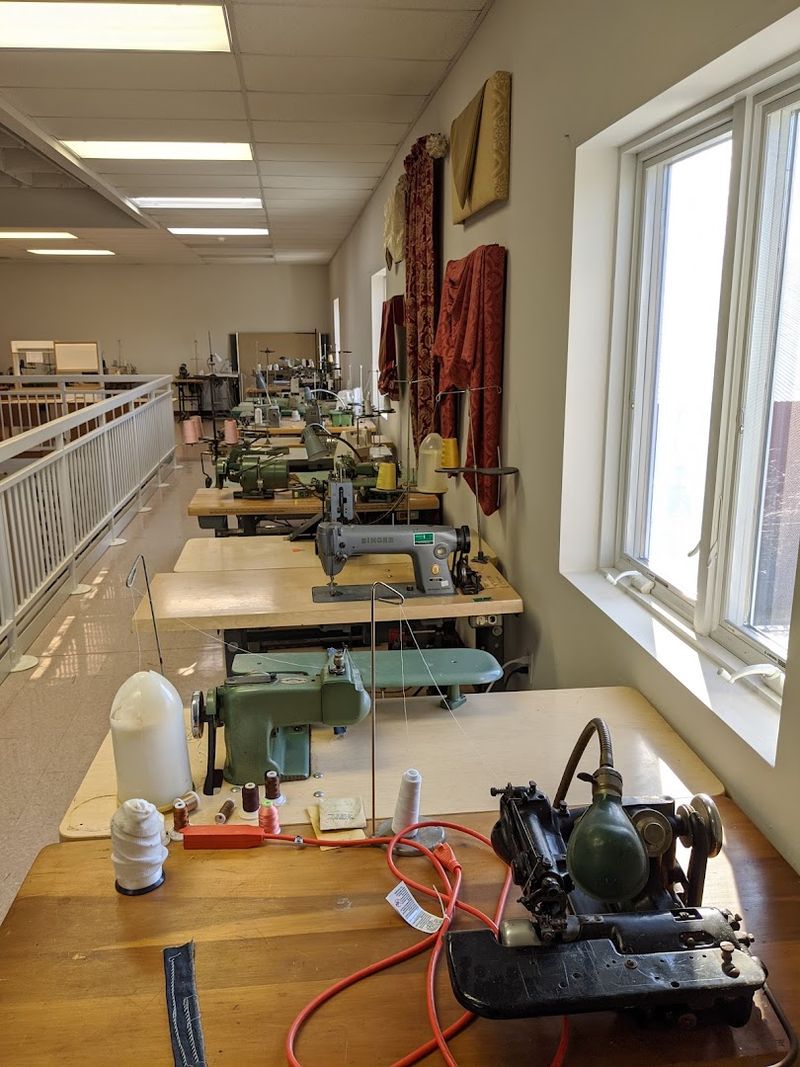
Plenty of fabric stores can sell cotton by the yard. Far fewer can also help when a machine jams, needs maintenance, or requires expert service.
Roberts Sewing Center stands out because quilting and machine support appear to live side by side, which is a major draw for serious makers.
That setup saves time and lowers stress. A quilter can shop for fabric, ask about a machine issue, and get advice on equipment in the same visit.
The store offers maintenance, repairs, longarm service, and even in-home service for at least some machines, showing a store that functions as a technical resource as well as a retail stop.
For many hobbyists, and especially for advanced quilters, machine confidence shapes the whole project. A beautiful quilt top means very little if the machine is skipping stitches or acting up halfway through binding.
Having access to knowledgeable help can be the difference between a stalled project and one that gets finished on schedule.
Roberts Sewing Center also appears connected to major machine brands, with customers specifically mentioning purchases of multiple machines and instruction after sale. That kind of support matters because higher-end sewing and quilting machines can be powerful but intimidating.
A store that helps owners learn features instead of sending them home with a box creates a much stronger relationship.
Quilters planning a visit should think beyond shopping alone. If a machine is due for service, if longarm questions have piled up, or if an upgrade is under consideration, this is the type of stop where several needs can be handled at once.
That practical depth gives the store a wider role in quilting life. It is not just where projects begin. It is also where equipment problems can get untangled before they ruin a good sewing weekend.
Classes Upstairs Add More Than Shelf Space
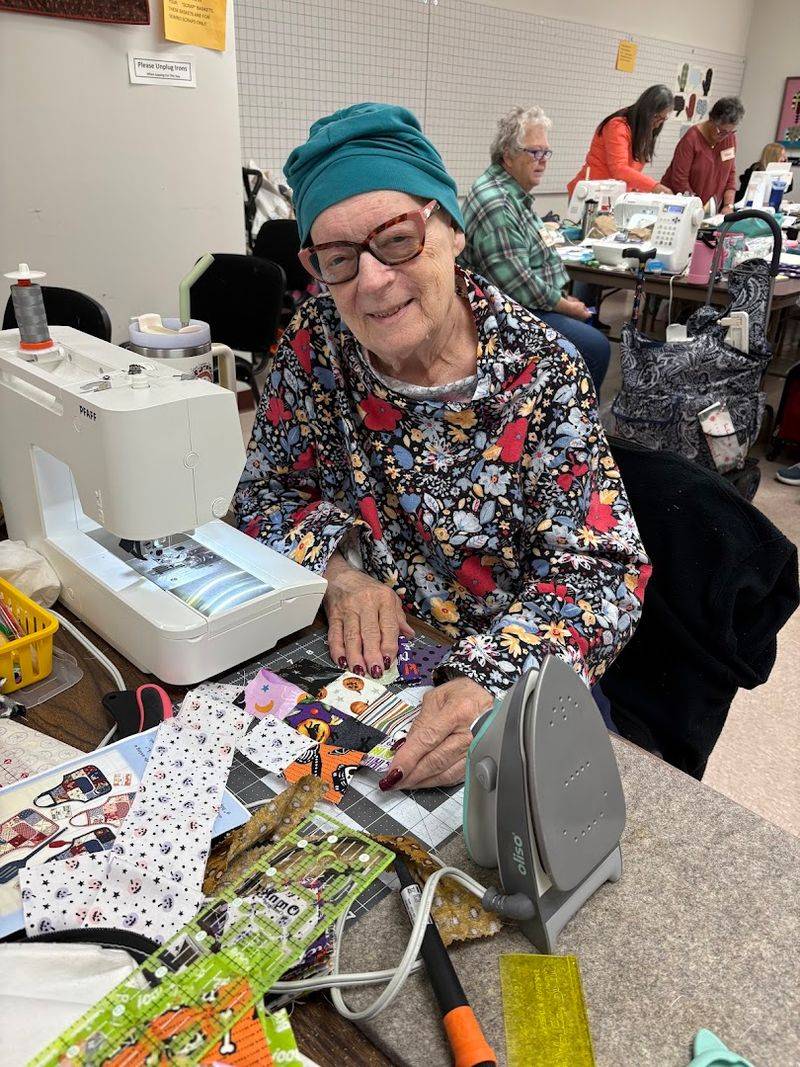
Some quilt shops are built for buying. Others are built for learning. Roberts Sewing Center appears to lean into both, and that second piece changes the mood of the place in a useful way.
A classroom upstairs, with elevator access noted by a reviewer, turns the store into an ongoing skills hub rather than a simple retail run.
Classes matter because quilting can be wonderfully creative and surprisingly technical at the same time. A new machine, a fresh ruler method, or a quilting technique that looks easy online can become frustrating fast without guided help.
In-person instruction gives people a way to ask real questions, watch the steps up close, and leave with fewer mistakes waiting at home.
There is also a confidence boost that comes from learning inside the same store where the tools and fabric are sold. If a student sees a foot, batting option, or notion used during class, the next step is right there.
That short distance between lesson and purchase can help quilters try something new without overthinking every detail.
Classes and instruction are another major part of the experience. That suggests a practical teaching style instead of a one-time sales handoff.
For anyone investing in advanced equipment, that guidance can make the difference between using only basic settings and actually taking advantage of the machine’s capabilities.
The smart move is to schedule extra time around a class day if possible. Browse before or after the session, take notes during demonstrations, and ask about supplies that match the method being taught.
Learning in a quilt shop often sparks ideas for the next project before the current one is even packed away. That layered experience helps explain why a store like this can pull dedicated quilters in from beyond the neighborhood.
An Illinois Quilt Stop With Family-Business Gravity
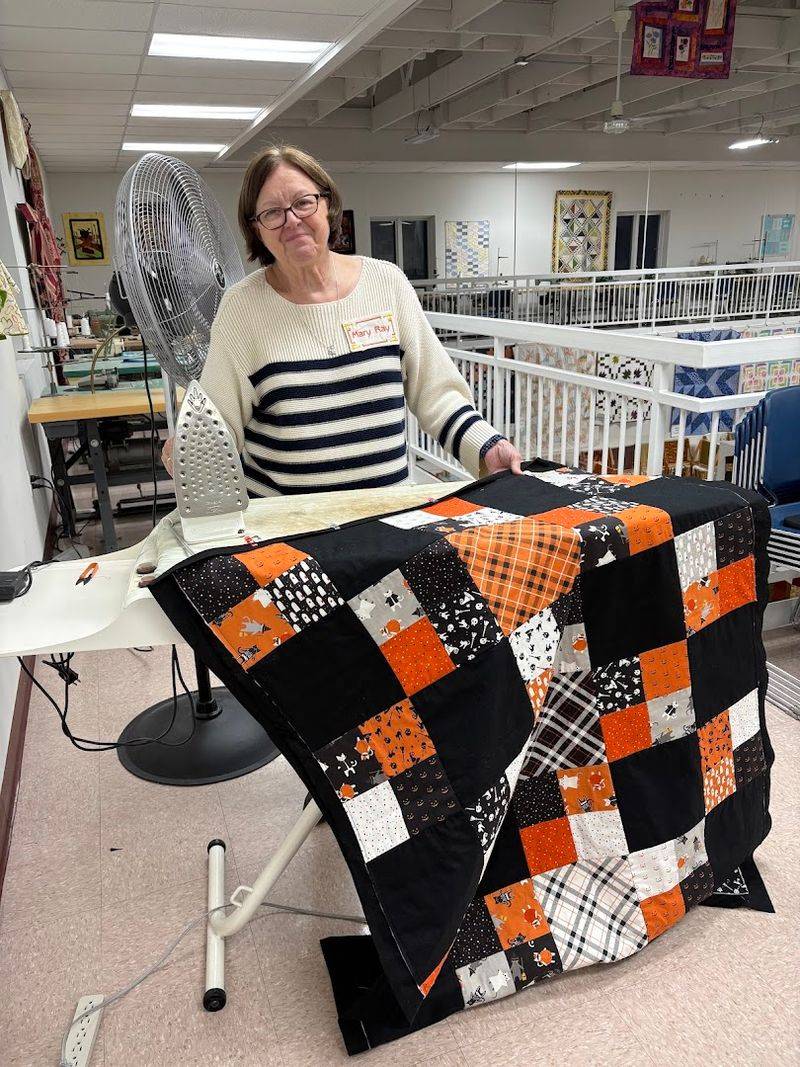
Some quilt shops feel like ordinary retail stores. Others give the impression that they’ve grown alongside the craft itself.
Roberts Sewing Center belongs in the second group, combining years of experience with the kind of knowledgeable service that keeps quilters coming back project after project. That sense of continuity matters in quilting.
A single quilt can take weeks or even months to complete, while a quality sewing machine may remain part of a maker’s workspace for many years. A shop that understands both the creative and technical sides of the hobby becomes more than a place to buy supplies.
It becomes a dependable resource whenever questions, repairs, or new ideas come along. Roberts Sewing Center reflects that broader role through its combination of fabric, sewing machines, classes, and repair services.
Rather than focusing on one specialty, the store supports quilters through nearly every stage of the process, from choosing materials to maintaining the equipment that brings those projects to life. That kind of all-around support is one reason experienced makers are willing to travel farther for the right shop.
Trust is another part of the equation. Quilters often return to the same store because they know they’ll find knowledgeable guidance, reliable service, and people who understand the craft.
That familiarity is difficult to build overnight, and it gives established quilt shops an advantage that extends well beyond the inventory on their shelves. For visitors making the drive to Crest Hill, that reputation adds real value.
Roberts Sewing Center feels less like a quick shopping stop and more like a place where serious quilters can find inspiration, practical advice, and long-term support for the projects they care about most.
Retreat Energy and Community Beyond the Checkout Counter
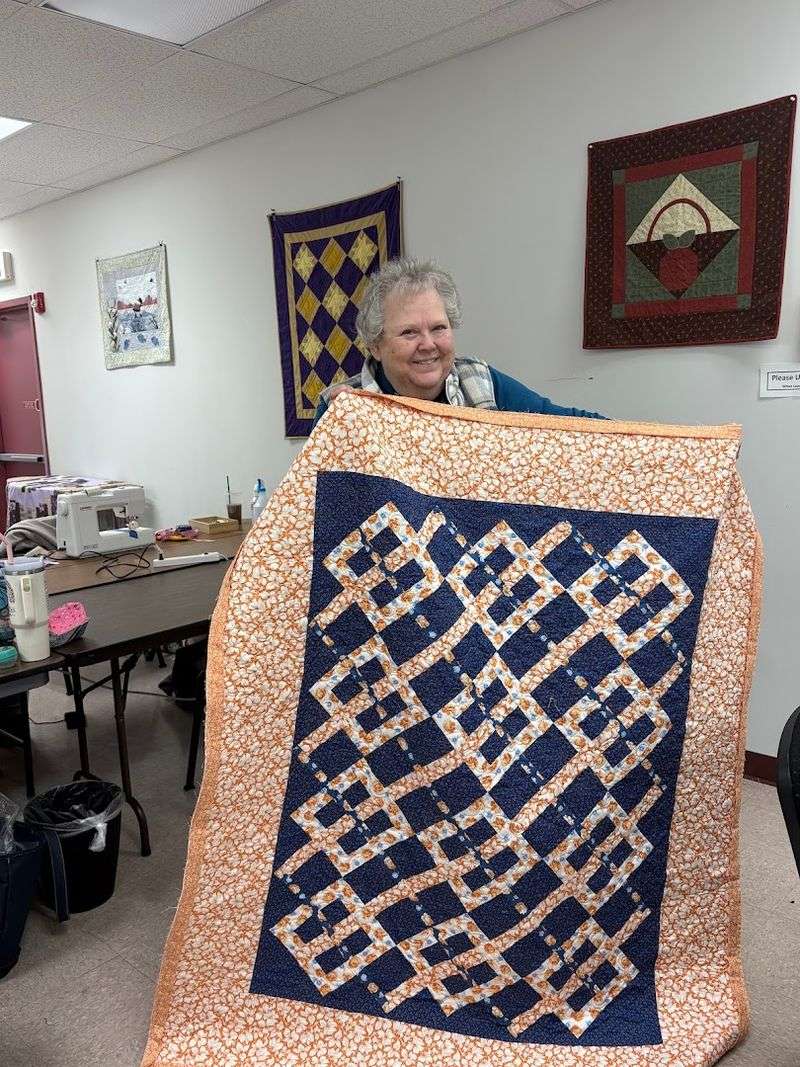
Here is where the shop moves beyond errands and into real quilting culture. Roberts Sewing Center is not only a place to buy supplies or service a machine.
The store also hosts quilting retreats and community events, which suggests a store that gives people reasons to stay involved between purchases.
That community layer matters because quilting can be both social and solitary. Many people sew alone at home, yet the craft often grows faster when ideas are exchanged in a room full of others working through color choices, machine settings, and design questions.
Retreats create exactly that kind of momentum. They turn quilting from a task on the calendar into a focused block of creative time.
The details mentioned around retreat experiences are practical, not vague. Staff support, food, discounts, and the pleasure of sewing around fellow quilters all came up.
Those touches may sound small, but together they shape whether an event runs smoothly or drags. A good retreat gives makers enough structure to feel cared for and enough freedom to actually get work done.
For a destination shop, this is a strong advantage. A quilter may drive in once for fabric, but events provide a reason to return and build a relationship with the store.
Over time, that can turn Roberts Sewing Center into a regular stop for people who live well outside Crest Hill. Community has a way of stretching a shop’s reach far past its parking lot.
Anyone interested in the full experience should think seasonally and watch for event-style opportunities rather than dropping by at random every time. A retreat, workshop, or class day can show more of the store’s personality than a quick weekday purchase.
In quilting, shared time often becomes as valuable as the material itself, and Roberts Sewing Center appears to understand that better than many places focused only on selling bolts and boxes.
How to Plan the Trip and Make the Most of It
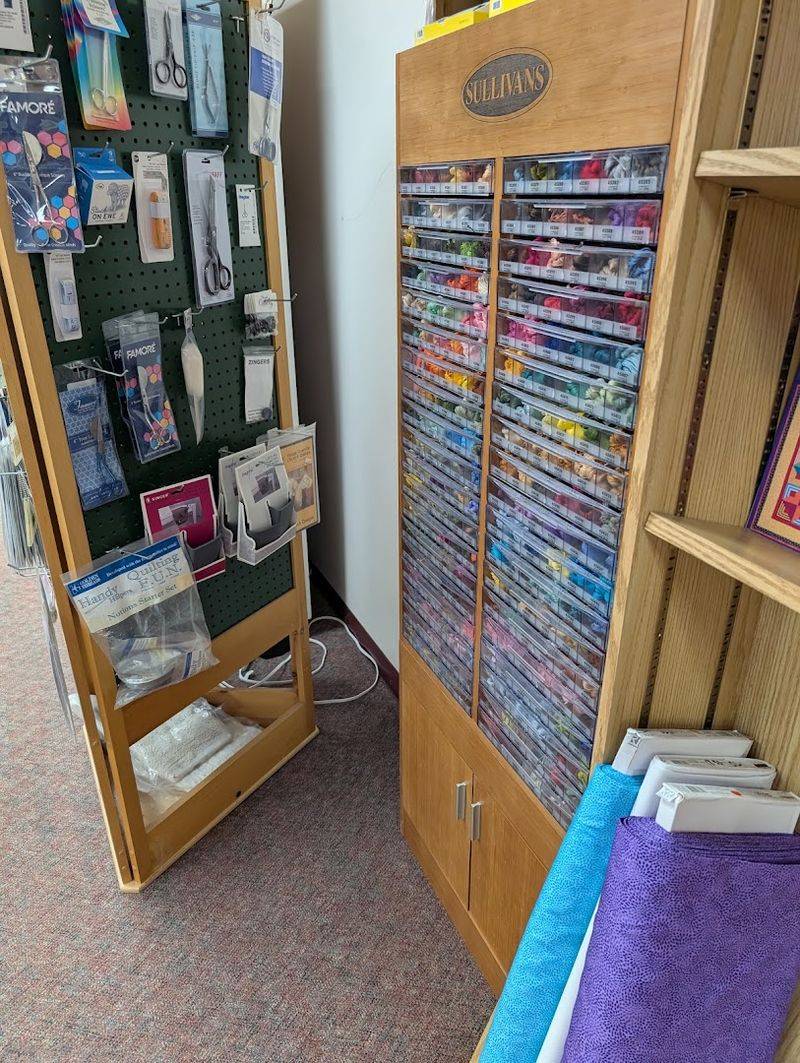
A smart quilt-shop trip works better with a little planning, and Roberts Sewing Center especially rewards that approach.
The store keeps focused daytime hours, opening at 10 AM and closing at 4 PM on Monday, Tuesday, Thursday, Friday, and Saturday, while remaining closed on Wednesday and Sunday. Anyone driving in should build the day around that schedule instead of assuming evening flexibility.
Because the shop combines fabric, machines, classes, and service, the best visit starts with a clear goal. Maybe the mission is fabric for a specific quilt, machine maintenance, a look at longarm options, or a class.
Choosing the main reason first helps prevent that common quilting problem where an hour disappears before the shopping list even comes out.
Bring the practical stuff. Pack fabric swatches, thread samples, measurements, pattern notes, and photos of any project that needs matching pieces.
If the trip includes machine questions, write those down too. Good shops can answer a lot, but clear details make better answers possible.
Timing also matters inside the store. Early in the day can be easier for careful browsing, while class activity may change the pace on certain days.
Since the shop has a strong instructional side, some visits may feel more active than others. That is not a drawback.
It simply means the space serves multiple purposes. One more useful habit: allow extra time. Destination quilt shopping rarely stays tidy and efficient.
A search for backing may turn into a machine conversation, then a lesson question, then one more walk through the fabric area to double-check a border print. That longer rhythm is part of why people drive to places like this in the first place.
Roberts Sewing Center is easiest to enjoy when the schedule leaves room for both the planned errand and the unplanned find.
Why Serious Quilters Put Crest Hill on the Map
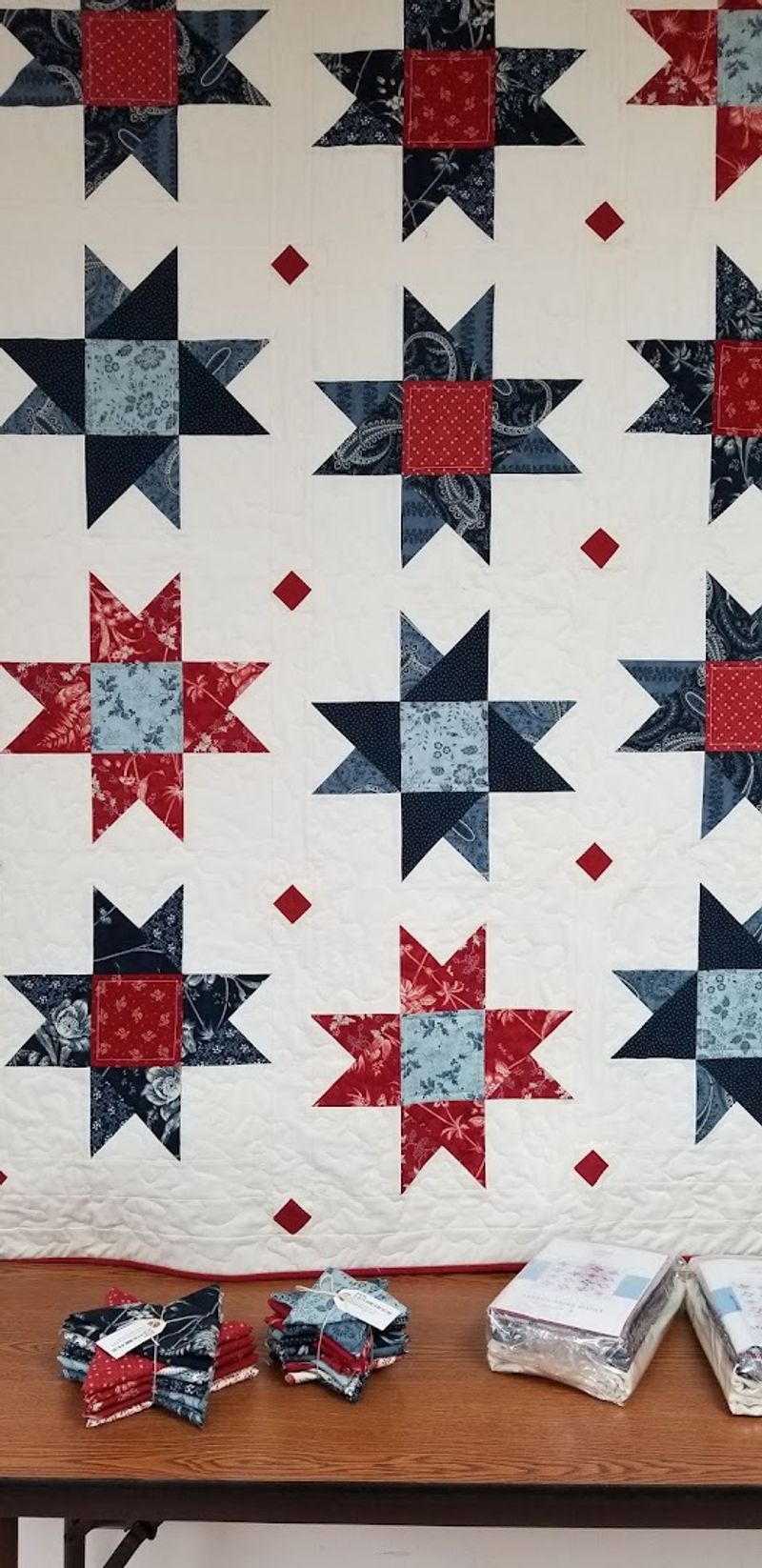
Some stores become destinations because they are trendy for a season. Others earn repeat drives because they solve real needs for committed hobbyists.
Roberts Sewing Center fits the second group. Its pull comes from the combination of broad fabric shopping, machine sales, repair support, classes, and quilting events in one Illinois location.
That mix gives the shop a practical edge. A serious quilter is rarely looking for only one thing forever. One month calls for a strong fabric selection. The next brings a machine tune-up, a lesson on features, or a search for longarm help.
A store that can support several stages of the quilting life cycle becomes far more useful than a place built around impulse shopping.
The Crest Hill address also matters because regional quilt destinations do not need to be tucked into tiny tourist towns to attract loyal traffic. Sometimes the draw is simply function.
If the selection is strong, the staff can help, and the services are hard to replace locally, drivers will make the trip. The review history here reflects that pattern, with mentions of distance, repeat business, classes, and service all showing up around the same place.
Roberts Sewing Center also appears to give quilters different ways to connect depending on what they need that day. One visit may be all business, focused on maintenance or a machine issue.
Another may open into fabric browsing, instruction, or retreat planning. That flexibility makes the store appealing to beginners moving upward and to experienced quilters who need reliable support.
So the title makes sense. Serious quilters drive for shops that help them do the work better, with fewer compromises and more options.
In Crest Hill, Roberts Sewing Center presents itself as exactly that kind of stop: useful, stocked with purpose, and able to serve as more than a one-time place to buy supplies before heading home.
Share this story