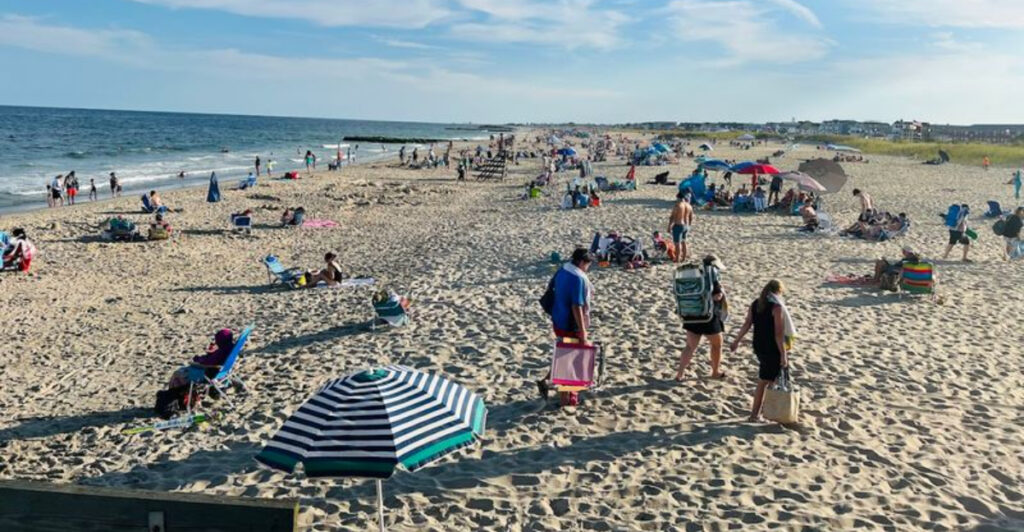
By 10 a.m. on a warm Saturday, the line for beach passes in Asbury Park can already feel like a tiny referendum on what this city has become.
You see out-of-towners juggling iced coffees, folding chairs, sunscreen, and that slightly panicked look of people who thought they were “getting there early.” A few steps away, someone who clearly knows the place better cuts inland, away from the boardwalk rush, as if escaping a parade they never agreed to join.
That is Asbury Park in its modern summer form: still salty, still musical, still proudly strange around the edges, but also crowded in a way that can make longtime locals wince. This is the beach town that once felt like New Jersey’s scrappy, soulful secret.
Now, between the boutique hotels, packed restaurants, rooftop cocktails, and weekend beach crowds, plenty of locals say the secret is officially out.
The Boardwalk No Longer Feels Like It Belongs to Locals
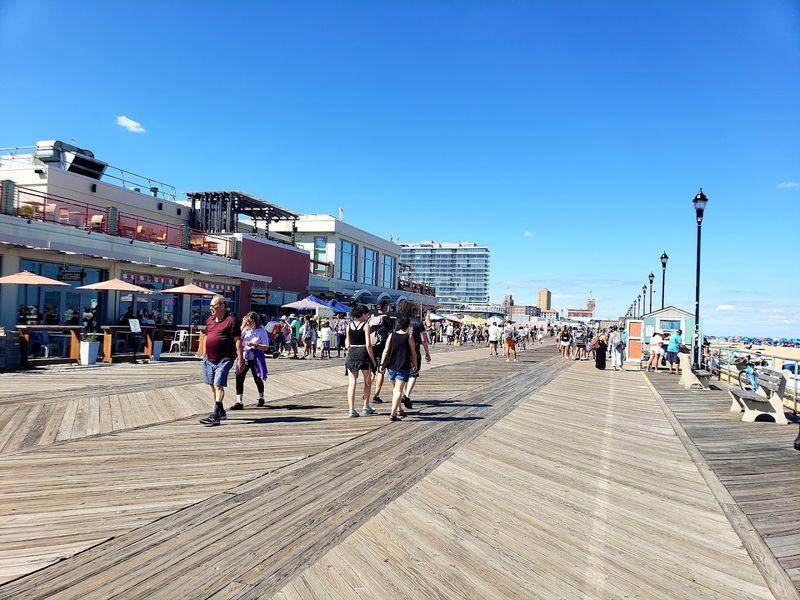
On a summer weekend, Asbury Park’s boardwalk has a rhythm you can hear before you even see the ocean. Wheels rattle over the planks.
Kids beg for arcade time at Silverball. Someone is walking a dog just close enough to the beach rules to make you wonder whether they read the sign.
A band might be loading in near The Stone Pony, while a bachelorette group in matching sunglasses tries to take the perfect photo without getting photobombed by a beach cart. It is lively, yes.
It is fun, absolutely. But for locals who remember when the boardwalk had more breathing room than branding, it can feel like the town’s front porch got rented out by the hour.
The stretch that once served as an easy after-dinner walk or a quiet place to watch the water has become a full-blown destination, especially between Convention Hall and the old Casino building. That change is not all bad.
The boardwalk’s comeback brought energy, food, music, foot traffic, and the kind of polish Asbury Park went decades without. Places like The Wonder Bar, The Stone Pony, MOGO Korean Fusion Tacos, and Silverball Retro Arcade give visitors plenty to do without moving their car, assuming they found a spot in the first place.
Still, locals are not imagining the shift. When every bench has someone’s tote bag on it, every ocean view has a phone held up in front of it, and every casual walk turns into crowd navigation, the boardwalk starts feeling less like a neighborhood gathering place and more like a summer attraction.
That is the strange bargain Asbury made with its own revival. The boardwalk survived, came back shining, and became popular enough that some locals now miss the days when it was a little quieter, a little rougher, and much easier to call their own.
Cookman Avenue Became the Center of the Tourist Rush
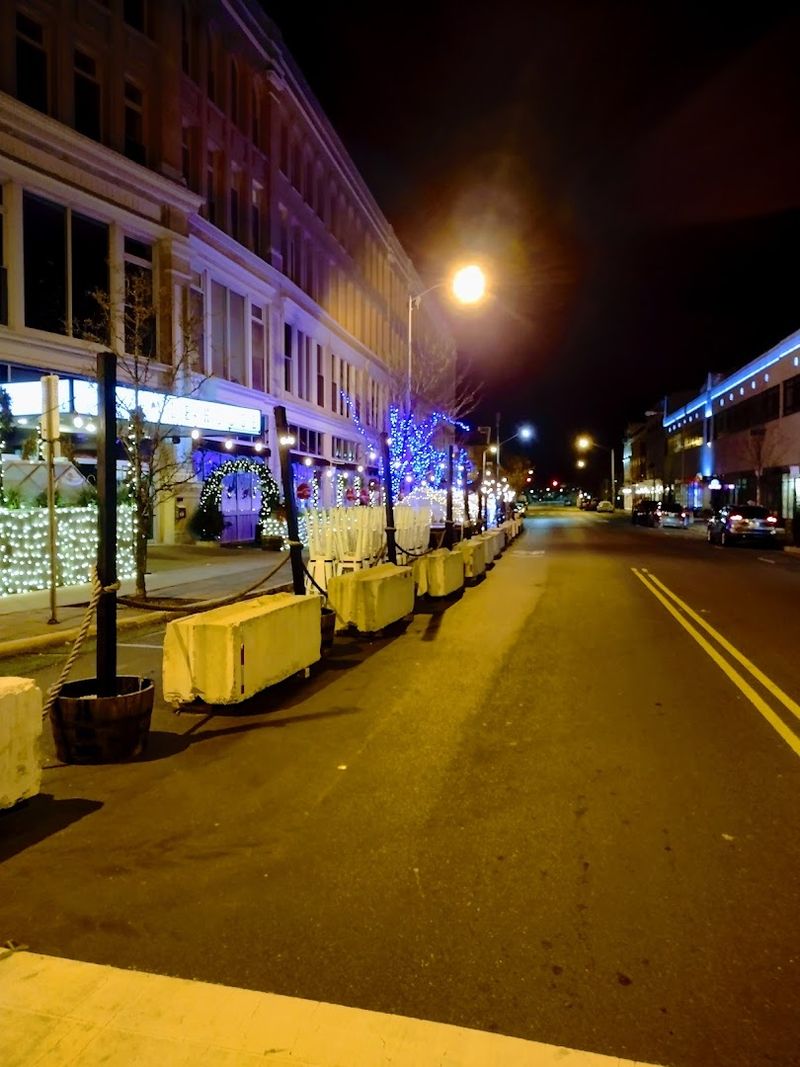
Cookman Avenue is only a few blocks from the beach, but in summer it can feel like the entire Shore decided to funnel itself down one street. This is where visitors drift after the sand, still smelling faintly of sunscreen, looking for dinner, drinks, coffee, dessert, or just something that feels more “Asbury” than a slice and a soda.
The problem, depending on whom you ask, is that Cookman got almost too good at being the answer.
The avenue is packed with the kind of places people plan weekends around: Talula’s at 550 Cookman Avenue with its sourdough pizza and brunch crowd, Pascal & Sabine with its French-bistro mood, Porta with its big tables and late-night energy, The Bonney Read for seafood, and Bond Street for the sort of bar meal that locals still defend with real emotion.
Add the shops, galleries, coffee stops, and people wandering over from Bangs Avenue, and suddenly downtown Asbury feels less like a downtown and more like a boardwalk without the ocean. What makes the Cookman rush especially noticeable is the compression.
Asbury Park is small, only about 1.4 square miles, so when the weekend crowd shows up, there is not much room for it to disappear into. Locals trying to grab a normal dinner can find themselves competing with day-trippers, birthday groups, wedding weekends, and New Yorkers who discovered that NJ Transit makes the trip surprisingly easy.
Even a casual coffee can turn into a tactical decision about timing. Go too late, and the line is out the door.
Go too early, and you are sharing the sidewalk with delivery trucks and hungover hotel guests looking for eggs. The street still has charm.
It still has color, music, murals, and that distinctly Asbury mix of polished and oddball. But Cookman Avenue no longer feels like a place visitors stumble onto.
It feels like the place they came for.
Parking Has Turned Into a Summer Survival Game
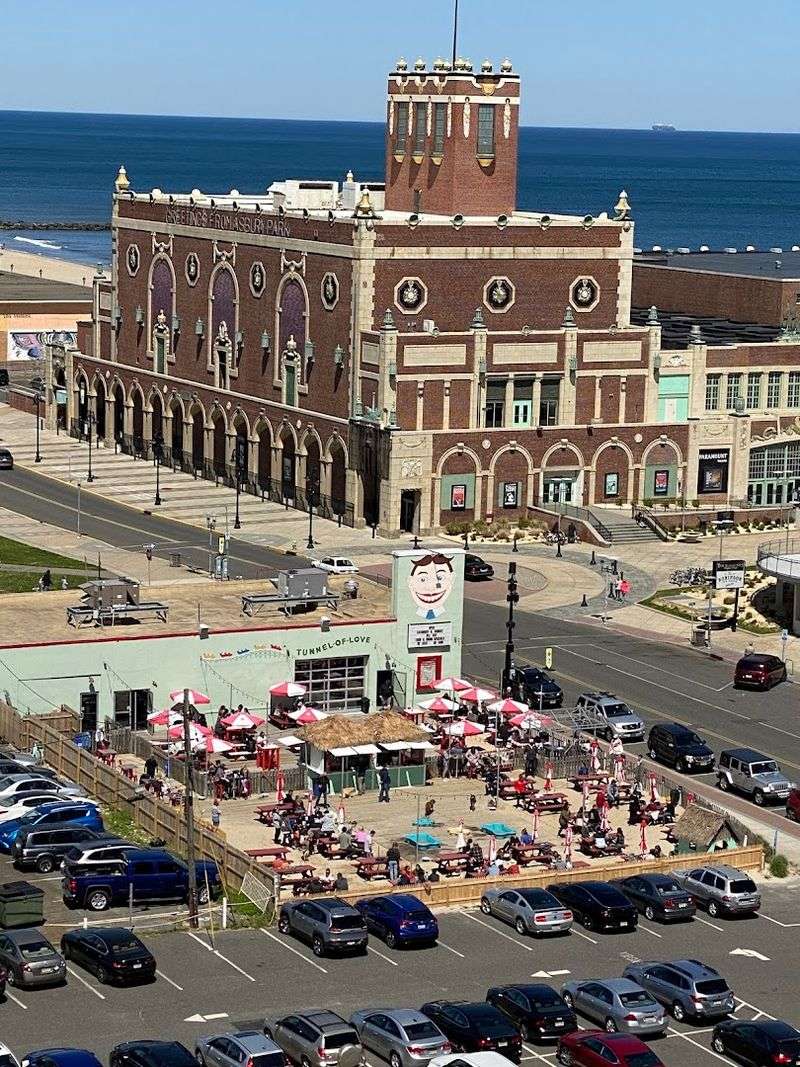
Ask an Asbury local about summer parking and watch their face do something complicated. It is not just frustration.
It is strategy, memory, resignation, and a tiny bit of pride. They know which blocks fill first.
They know how far inland you can park before the walk starts feeling personal. They know that circling near the beach at noon on a Saturday is less a plan and more a public admission that you should have left home earlier.
The city uses pay-by-plate metered parking, with payment options through stations, apps, text, call, and QR code systems, which sounds convenient until you are standing in full sun trying to enter your license plate while someone in the car behind you is already waiting for your spot.
This is where the “taken over by tourists” complaint becomes practical, not just sentimental.
Crowds are one thing when you are people-watching with an iced coffee. They are another thing when you live nearby and cannot park near your own apartment, favorite restaurant, or beach entrance.
On peak days, visitors aim for the most obvious areas first: Ocean Avenue, the lots near the boardwalk, the blocks around Convention Hall, and the streets closest to Cookman. Once those fill, the hunt spreads west like a slow-moving tide.
Locals often adapt by walking, biking, arriving early, or simply avoiding the whole mess until Sunday night. Visitors, meanwhile, treat parking as the first challenge of the vacation, and sometimes they bring the mood to match.
The funny part is that Asbury Park is still much easier to navigate than sprawling Shore towns where you need a car for every errand. The train station is right downtown, and the beach is walkable from plenty of restaurants and hotels.
But that does not soften the irritation when summer turns everyday logistics into a puzzle. In Asbury Park, finding a parking spot can feel like winning a small, sweaty lottery.
The Old Shore-Town Prices Are Long Gone
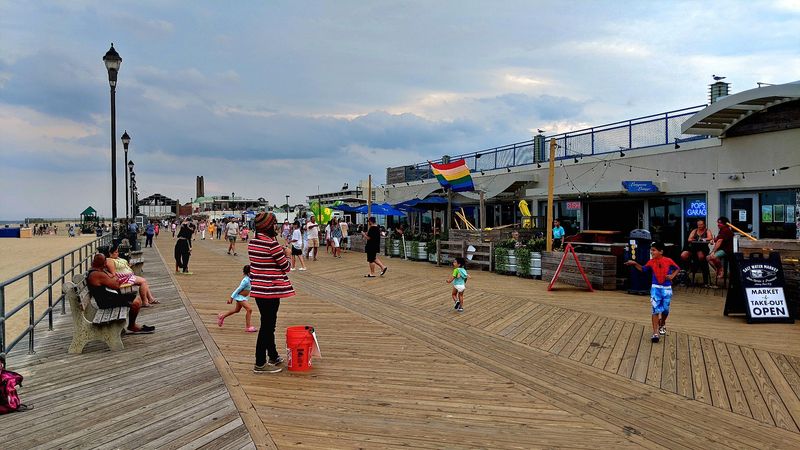
There was a time when Asbury Park felt like the place you went when you wanted the Shore without the full Shore markup. It was music, boardwalk pizza, cheap drinks, battered buildings, local characters, and the sense that nobody was trying too hard to impress anybody.
That version is not completely gone, but it is no longer the main thing visitors notice. These days, the cost of a simple Asbury day can add up before lunch.
For the 2026 summer season, beach passes are $7 on weekdays and $10 on weekends and holidays for anyone 13 or older, with season badges at $70 for adults.
That is not shocking by Jersey Shore standards, but it is one more line item in a town where parking, food, drinks, hotel rooms, and boutique shopping can quickly turn a beach day into a real receipt.
A family grabbing beach passes, paying for several hours of parking, buying lunch on the boardwalk, and adding arcade time can easily spend more than expected. The old locals’ complaint is not that businesses should stay cheap forever or that a good restaurant should apologize for charging what it costs to stay open.
It is that Asbury’s appeal was built partly on its accessibility, its weirdness, and its refusal to feel like a sanitized resort. When cocktails cost city prices and hotel rates climb on summer weekends, the town starts attracting a different crowd.
People who once came because Asbury felt relaxed now find themselves planning around reservations, cover charges, and budget decisions. Even the casual treats feel more curated.
The taco is better, the coffee is better, the pizza is probably better too, but the old throw-a-towel-in-the-car simplicity is harder to find. Locals notice that change because it affects who gets to enjoy the town without thinking twice.
Asbury Park did not just become popular. It became expensive enough that popularity now has a cover charge.
Luxury Development Changed the Face of Asbury Park
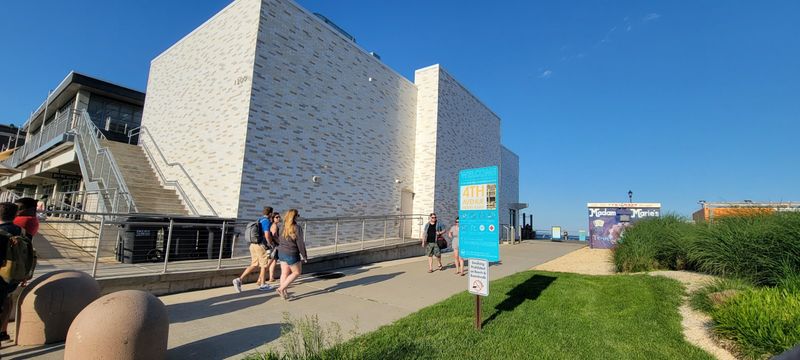
The clearest sign of Asbury Park’s transformation is not a crowded brunch table or a packed beach entrance. It is the skyline.
For decades, this town was defined by its ghosts as much as its attractions: empty lots, half-finished dreams, weathered buildings, and a boardwalk that seemed to be waiting for someone to believe in it again. Then the investment came, and with it came a very different kind of Asbury.
The Asbury Ocean Club rises over Ocean Avenue with glass, terraces, ocean views, residences, and a boutique-hotel feel that would have seemed almost impossible to imagine during the town’s rougher years.
Nearby development has continued to reshape the waterfront, bringing high-end condos, hotel rooms, restaurants, and a level of polish that makes the old Asbury feel both rescued and replaced.
That tension is important. Locals are not all against development.
Many remember when empty buildings and quiet streets were not romantic; they were signs of disinvestment. New projects brought jobs, tax revenue, visitors, and a reason for people to walk the waterfront after dark again.
The boardwalk revival did not happen by magic. Neither did the return of national attention.
But luxury development has a way of changing the emotional temperature of a place. A glassy tower facing the Atlantic sends a different message than a weathered music club with stickers on the door.
It tells visitors this is no longer just a funky Shore town with a great beach and a famous rock history. It is a place to buy into, invest in, stay in style, and be seen.
For longtime residents, especially those who remember Asbury’s working-class, Black, LGBTQ+, artist, and musician communities carrying the city through lean years, the new shine can feel complicated. The town needed investment.
The question is whether it needed to become so attractive to outsiders that locals sometimes feel like extras in their own comeback story.
The Soul of the City Is Still There If You Know Where to Look
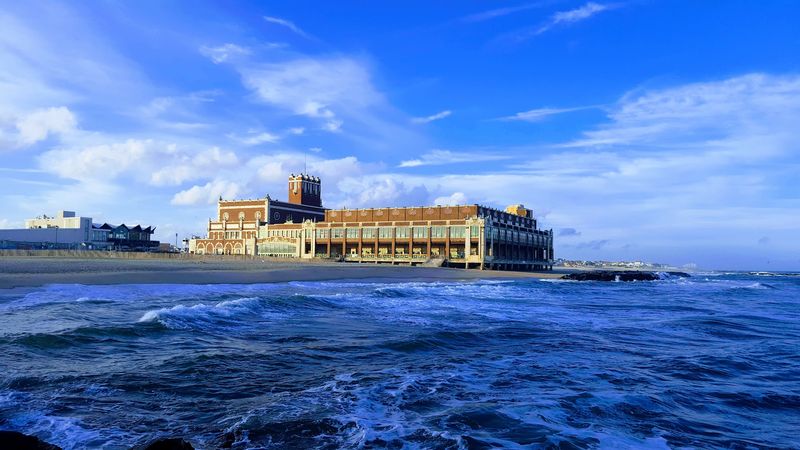
Here is the part that gets lost when people talk about Asbury Park like it has been completely swallowed by tourists: the city is not gone. It is just harder to see at first glance on a packed July afternoon.
Look past the beach towels and rooftop drinks, and you can still find the pieces that made Asbury matter before everyone wanted a weekend here.
The Stone Pony is still standing at 913 Ocean Avenue, still tied to the Jersey Shore Sound, still carrying the weight of Bruce Springsteen, Southside Johnny, Little Steven, and the musicians who turned a small Shore club into a landmark.
The Wonder Bar still has that wonderfully unpolished Shore-bar energy, especially when the music is loud and the crowd is not trying too hard. The Silverball machines still flash and clatter like tiny time machines.
On Cookman, you can still find independent businesses, art, late dinners, and people who know each other by name. Go early in the morning near Deal Lake, or walk the boardwalk off-season when the wind has a little bite, and Asbury suddenly feels more like itself again.
The same is true after the summer crowd thins, when locals reclaim favorite bar seats, restaurant workers exhale, and the beach stops feeling like an event. Asbury Park has always been layered.
It has been a resort town, a music town, a faded town, a queer haven, an artist magnet, a comeback story, and now a tourist magnet with luxury buildings staring out at the same Atlantic. Locals who say it has been taken over are not entirely wrong.
Some parts have changed beyond recognition. But Asbury’s soul was never just one building, one block, or one version of the past.
It is in the friction, the music, the stubbornness, and the people who still know where to find a quiet corner when the boardwalk is full.
Share this story