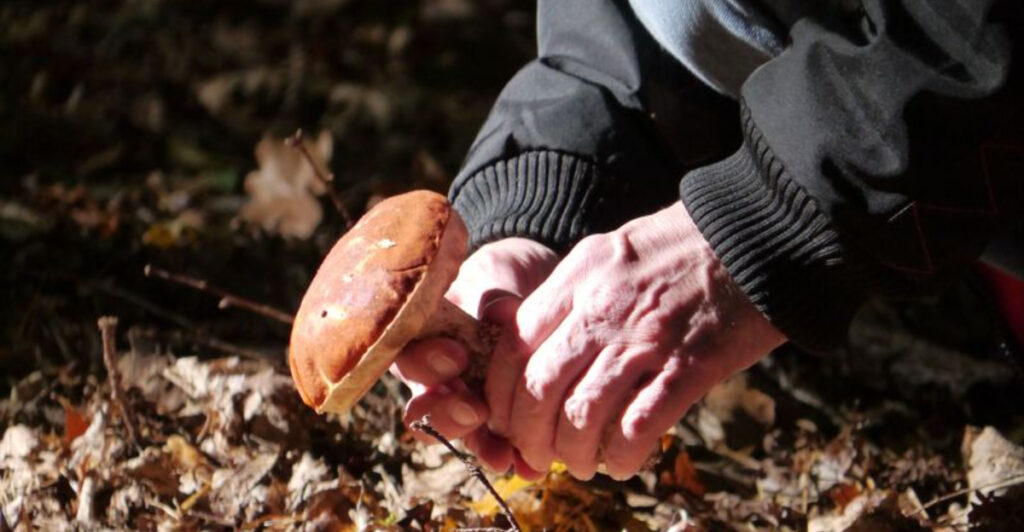
A good foraging walk starts with the smallest kind of drama: a flash of blue hiding under glossy leaves, a strange mushroom shelf glowing from a fallen log, the sudden sweet smell of sun-warmed pine after rain.
New Jersey is full of those little moments, especially if you slow down enough to notice what the trail is doing around your shoes.
This guide is less about filling a basket and more about learning where the wild things grow, because public lands often have strict rules about removing plants, fungi, or natural materials.
In state parks and forests, taking natural resources generally requires permission, and federal park rules can vary by site, season, and superintendent designation.
So bring a field guide, a camera, and a healthy respect for “look, learn, and leave it be” unless collection is clearly allowed. Done right, foraging turns a regular New Jersey walk into a treasure hunt with better smells, muddier shoes, and a lot more reasons to stop.
1. Stokes State Forest – Branchville
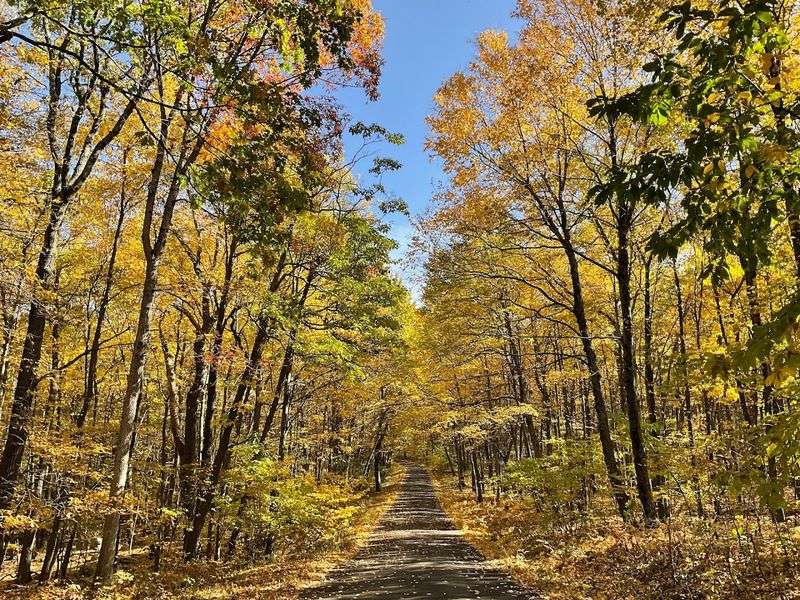
The cool, damp pockets around Stokes State Forest are exactly the kind of places that make curious walkers start noticing details they used to step right past.
Mossy stones, hemlock shade, stream edges, and leaf-littered slopes give this Sussex County forest a wonderfully old-school North Jersey feel, like the woods decided to keep a few secrets for itself.
This is a terrific place for a learning-focused foraging walk, especially after rain, when mushrooms are more likely to show themselves on logs, stumps, and the forest floor.
Wild berries can also make appearances along sunny edges, though the real pleasure here is moving slowly enough to identify what is around you rather than racing to a viewpoint.
Stokes has more than 63 miles of trails, with routes leading toward Sunrise Mountain, the Appalachian Trail, Tillman Ravine, and Stepping Stones Falls, so you can tailor the day to your energy level.
For first-timers, Tillman Ravine is the atmospheric choice: shady, damp, and full of the kind of micro-habitats that make field guides suddenly useful.
Parking areas vary by trailhead, so pick your route before you go. As with all state forest visits, keep the basket in the car unless you have confirmed what, if anything, may be collected.
2. Wawayanda State Park – Hewitt
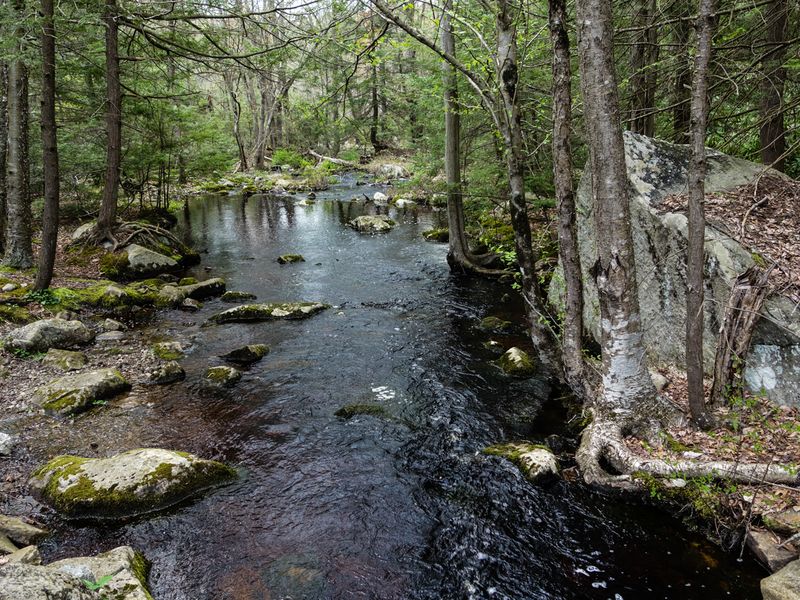
A quiet lake, rocky trail stretches, swampy pockets, and a slice of the Appalachian Trail give Wawayanda State Park the kind of variety foragers love. One minute you are near open water, the next you are under hardwood canopy, and then the trail seems to shift into a wetter, moodier patch where mushrooms become the main event.
For berry watchers, the best approach is to follow edges: sunny breaks near trails, old openings, and places where the forest thins just enough for fruiting shrubs to get light. Mushroom folks will want to bring a camera and patience, because Wawayanda rewards slow wandering more than quick mileage.
The park includes more than 60 miles of well-marked trails plus a 19.6-mile section of the Appalachian Trail, which means you can keep things gentle around the lake or make it a full-day ramble if your boots are feeling ambitious.
The vibe is more rugged than polished, especially compared with smaller county parks, and that is the charm.
Go after a wet week, wear shoes that can handle mud, and expect to share the park with hikers, paddlers, swimmers, and the occasional person who looks like they definitely knows where the good chanterelle habitat is but is not telling.
3. The Tourne County Park – Boonton
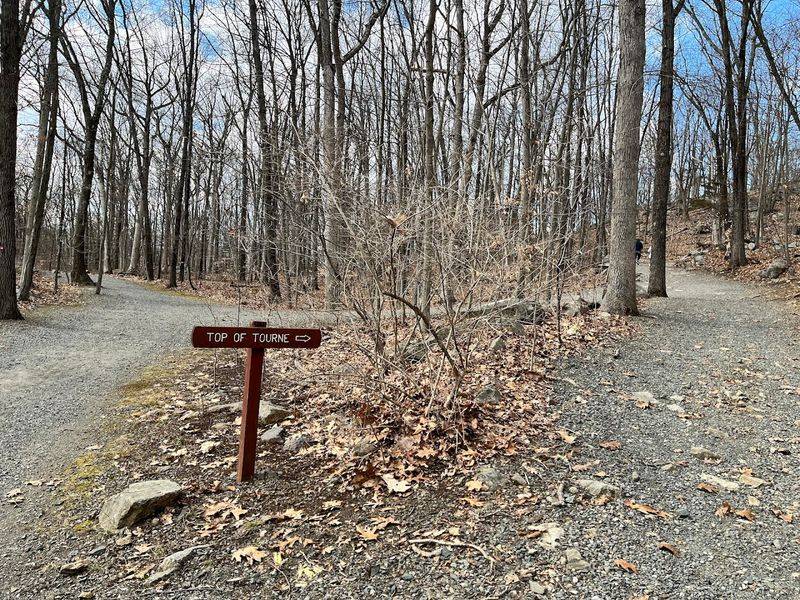
The Tourne is for the forager who wants a woodsy walk without disappearing into the wilderness for half a day.
Sitting in the Boonton and Mountain Lakes area, this Morris County favorite has a little bit of everything packed into a manageable footprint: forest, wetlands, streams, wildflowers, animal habitat, and hilltop views that make the climb feel more dramatic than the mileage suggests.
For a foraging-minded visit, think of it as a place to practice observation. The trails move through changing conditions, so you can compare what grows in a damp low spot with what appears on a sunny slope or along a disturbed edge.
That contrast is the real classroom. In late summer, berry brambles and fruiting shrubs are the details to watch for; after rain, scan fallen wood and shaded soil for mushrooms, but do not treat anything as edible without expert confirmation.
The Tourne offers more than 550 acres and 12 miles of trails, enough for a satisfying wander without needing a backpack full of emergency snacks. It is also a great choice for mixed groups, because some people can chase plant IDs while others head for the view.
Bring binoculars if you like multitasking between berries, birds, and skyline glimpses.
4. Horseshoe Bend Park – Frenchtown
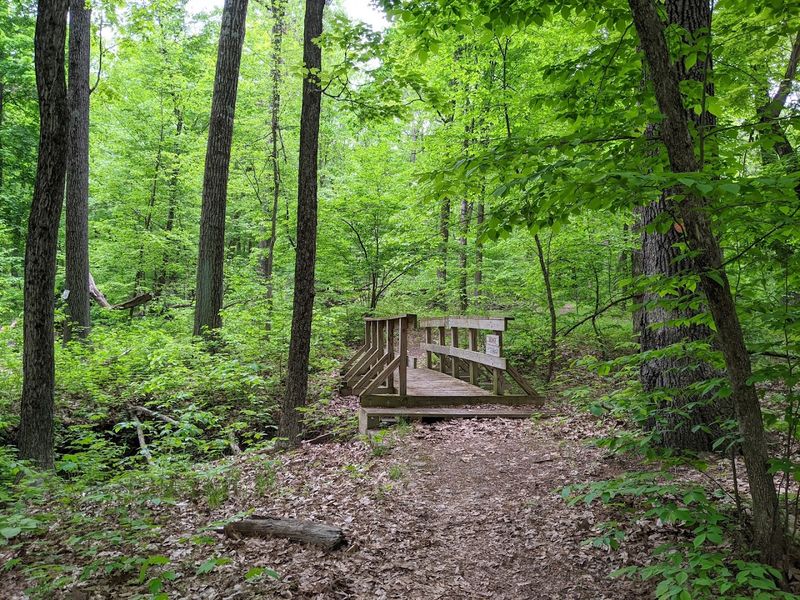
Horseshoe Bend Park has that western Hunterdon County look that makes you slow down before you even reach the trail: rolling fields, forested ravines, creek corridors, and glimpses toward the Delaware River Valley. This is not a polished little loop where every turn feels designed.
It feels open, layered, and a bit agricultural around the edges, which is exactly why it belongs on a New Jersey foraging list. Places where field meets woods are often the most interesting for plant watching, especially for brambles, wild grapes, autumn berries, and the bird-and-pollinator traffic that follows them.
The shady ravines add a different mood, with damp soil, leaf litter, and fallen branches that can make mushroom spotting feel like a scavenger hunt. The park covers about 736 acres and includes Copper Creek Preserve and Cooley Preserve, giving walkers room to roam without the crowds that can gather at more famous destinations.
It is a nice pick for people who like their nature walks with a little elbow room and a rural backdrop. Stay aware of boundaries, because preserved farmland and private land sit nearby in this part of Hunterdon County.
A smart visit here is simple: download or photograph the trail map, wear pants if you plan to brush along meadow edges, and treat every berry or mushroom as a research subject before it is ever considered food.
5. Plainsboro Preserve – Cranbury
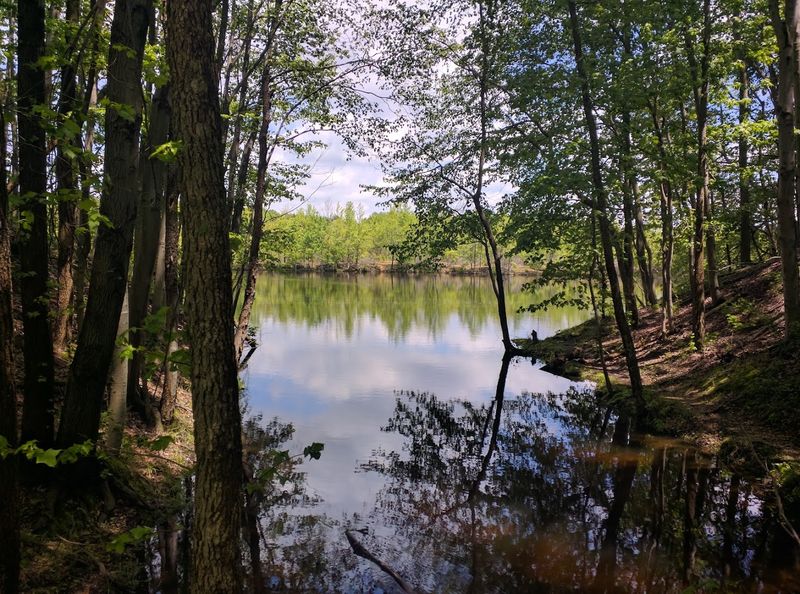
Central Jersey does not always get enough credit for its wild side, and Plainsboro Preserve is the kind of place that quietly proves the point. Tucked not far from busy roads and developed corridors, it opens into more than 1,000 acres of woodlands, wetlands, wildlife habitat, and trails around 50-acre McCormack Lake.
That mix makes it especially good for beginner naturalists who want to see how many edible-looking, medicinal-looking, and absolutely-do-not-touch-looking plants can share the same landscape. The preserve is better suited to observation than harvesting, but as a foraging education stop, it is excellent.
Walk slowly near wet meadow areas, lake edges, and woodland transitions, and you will start noticing how habitat changes what appears underfoot. Mushrooms may show after wet spells, while berrying shrubs and vines are more obvious in the warmer months.
The preserve also has an environmental education feel, which makes it a friendly choice for families or anyone still learning the difference between a confident ID and a hopeful guess. Trails are relatively approachable, but conditions can get buggy and damp, so dress accordingly.
The payoff is not a dramatic summit or roaring waterfall. It is the quieter pleasure of realizing that a place surrounded by everyday Central Jersey life can still feel genuinely wild when you give it your full attention.
6. Holmdel Park – Holmdel
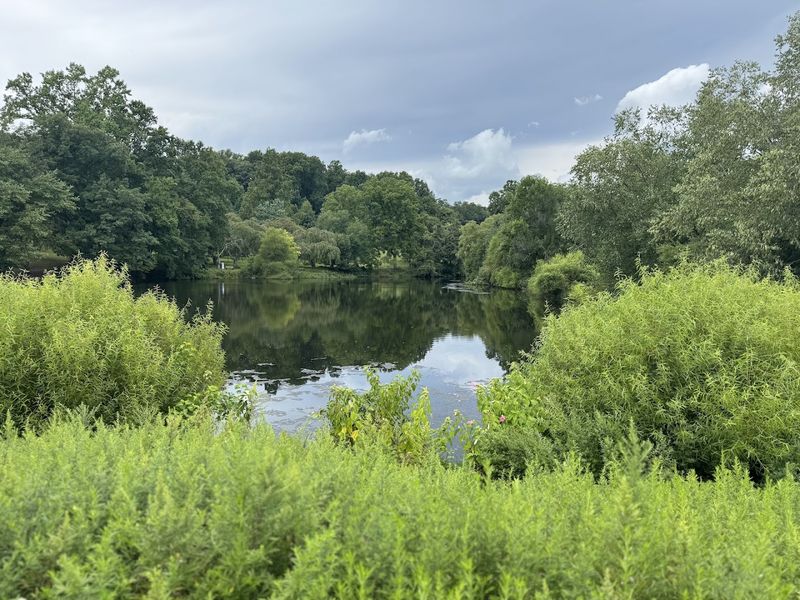
Holmdel Park is a good reminder that foraging does not always need to mean pushing deep into remote woods. Sometimes the best learning walk is a county park with trails, ponds, arboretum plantings, family-friendly amenities, and enough habitat variety to keep your eyes busy.
Holmdel has long been one of Monmouth County’s most popular parks, and its 664 acres include the David C. Shaw Arboretum, fishing areas, picnic spots, playgrounds, and about 10 miles of trails.
For a foraging-focused visit, the arboretum adds a useful twist: you can study trees and shrubs in a more intentional setting before looking for native and naturalized plants along the trails. That makes Holmdel especially helpful for beginners who are still building their mental plant library.
The Forest Edge and Pond View areas are natural places to slow down, scanning for berries, nut trees, fungi on old wood, and seasonal changes in the understory. The park is also easy to pair with a casual family outing, since not everyone has to be equally excited about identifying leaves.
Go early if you want quieter trails, especially on nice weekends. And because this is a busy county park, keep your visit low-impact: photographs, notes, and careful observation are the right spirit here unless posted rules say otherwise.
7. Manasquan Reservoir – Howell
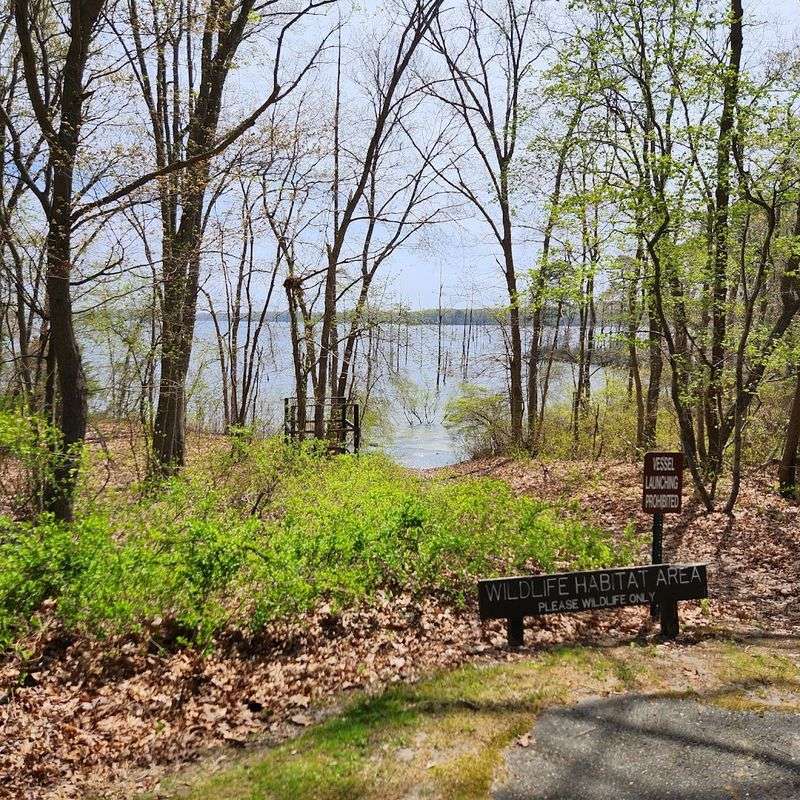
The five-mile loop around Manasquan Reservoir is the kind of trail where a foraging walk can turn into a turtle watch, then a birding walk, then suddenly a mushroom hunt under the trees. That is the beauty of this Howell destination: it is structured enough for an easy outing but natural enough to keep surprising you.
The reservoir itself covers 770 acres, and the larger site includes woods, wetlands, fishing and boating areas, a visitor center, and a five-mile perimeter trail. For plant-curious visitors, the edges are the interesting part.
Look where the trail shifts from open sun to shade, where wetland plants gather near low areas, and where vines and berrying shrubs use the extra light near clearings. This is not the place to stomp off-trail chasing a mystery mushroom, but it is a wonderful place to build the habit of noticing habitat.
The route is popular with walkers, runners, cyclists, birders, and families, so the energy is more “Sunday loop” than “deep woods expedition.”
That makes it ideal for cautious beginners who want a foraging-minded outing without getting isolated. Bring water, give yourself time at the Environmental Center area, and keep your camera ready.
The best finds here may be the ones you identify later at home.
8. Wells Mills County Park – Waretown
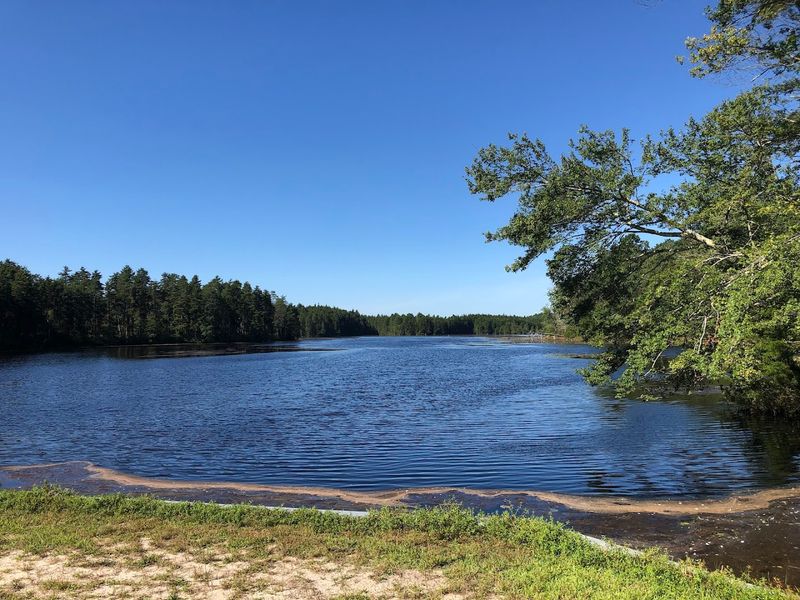
Pine Barrens foraging has its own personality, and Wells Mills County Park gives you a strong taste of it without sending you too far off the map. The landscape leans sandy, acidic, piney, and sometimes beautifully scrappy, with oak-pine forest, wetland edges, and quiet trails that feel different from North Jersey’s rockier woods.
This is a place to watch for blueberries and huckleberries in season, to notice how pitch pine and scrubby understory plants shape the habitat, and to scan carefully after rain for mushrooms that favor the damp edges of the forest floor.
Wells Mills is Ocean County’s largest park, with more than 900 acres of Pine Barrens landscape, Wells Mills Lake, a nature center, and miles of trails with varying difficulty.
The nature center makes it especially useful for curious visitors, because you can turn a walk into a little field lesson before or after hitting the trail. The mood here is quiet but not empty; you may see families near the facilities, then find much calmer stretches once you move deeper into the trail system.
Summer can bring ticks, heat, and sandy-footed fatigue, so dress like you mean it. Foraging here works best as a patient Pine Barrens study walk: slow, observant, respectful, and more interested in learning the landscape than taking anything home.
9. Jakes Branch County Park – Beachwood
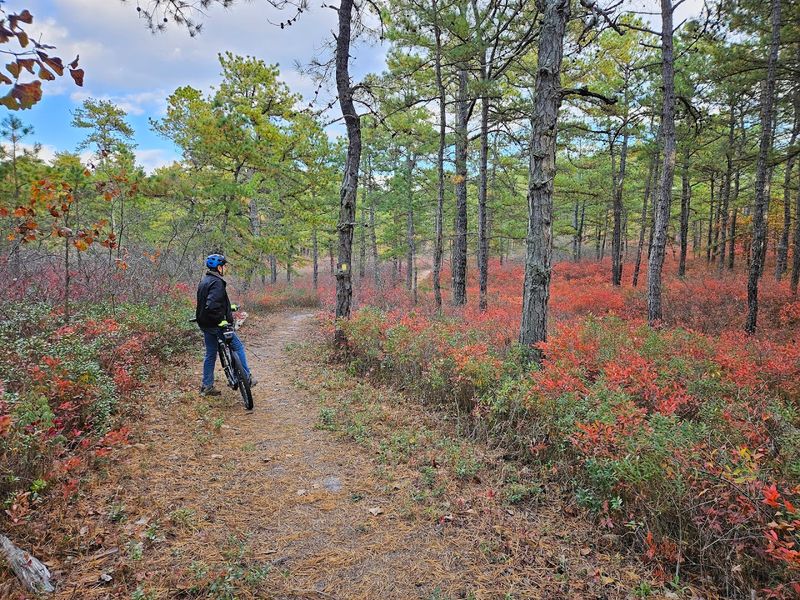
The view from the observation deck at Jakes Branch County Park is the kind of thing that helps the Pine Barrens click. From above, you see the wide, green sweep of the forest, and suddenly all those low shrubs, sandy paths, and pitch pines feel less random and more like a whole world with its own rules.
Down on the trails, that same landscape becomes a good foraging classroom. The park has more than eight miles of nature trails, plus a nature center with environmental education programs, which makes it especially friendly for families, beginners, and anyone who likes having a little context before wandering into the woods.
In season, watch for blueberry and huckleberry habitat, pine-loving plants, and mushrooms that appear after wet weather. The sandy soil and dry stretches can make the park feel spare at first, but look closer and there is plenty going on.
Jakes Branch also works well as an easy Shore-area nature detour, especially if you want something woodsy without committing to a massive state forest. The practical move is to start at the nature center, get oriented, then pick a loop that matches your time.
Keep the outing gentle and respectful: stay on marked routes, avoid trampling sensitive plants, and let the park’s living Pine Barrens exhibit stay living.
10. Franklin Parker Preserve – Chatsworth
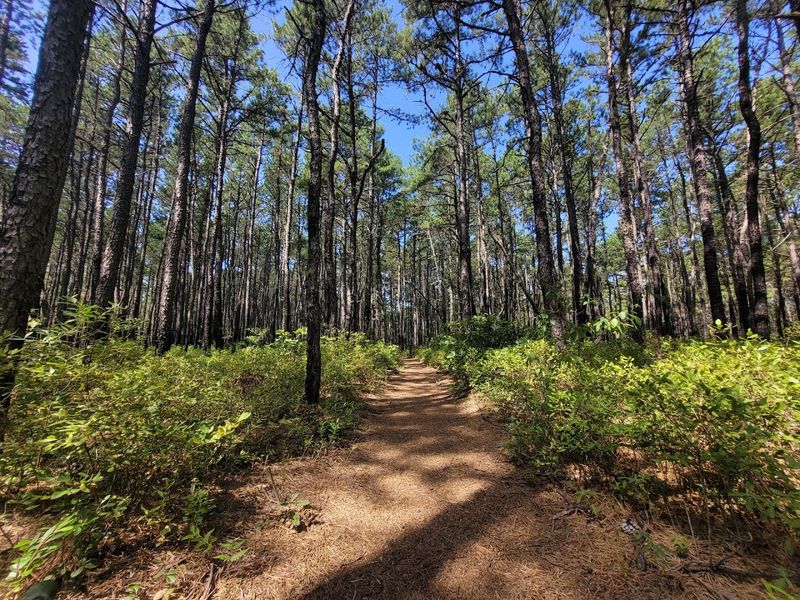
Some places feel like a walk; Franklin Parker Preserve feels like a map you could spend years learning. This huge Pine Barrens preserve stretches across 16 square miles, with sandy roads winding through pitch pine forest, blueberry fields, cedar swamp, shallow lakes, and tributaries of the West Branch of the Wading River.
For a foraging guide, it is an obvious standout because the landscape is so closely tied to the classic edible plants people associate with the Pine Barrens.
Blueberries, cranberries, huckleberries, and mushroom habitat all feel like part of the story here, though the responsible approach is to treat the preserve as a place for observation unless you have confirmed collection rules.
The trails total nearly 21 miles, and the terrain can feel remote quickly, so this is not the spot for wandering in unprepared. Bring a downloaded map, plenty of water, sun protection, and shoes that can handle sand.
The mood is wilder and more spacious than many New Jersey parks, with long stretches where the horizon feels low and the sky feels huge. That sense of openness is part of the appeal.
It is one of the best places in the state to understand the Pine Barrens not as a single forest, but as a patchwork of bogs, sand roads, cedar shadows, blueberry fields, and quiet water.
11. Estell Manor Park – Mays Landing
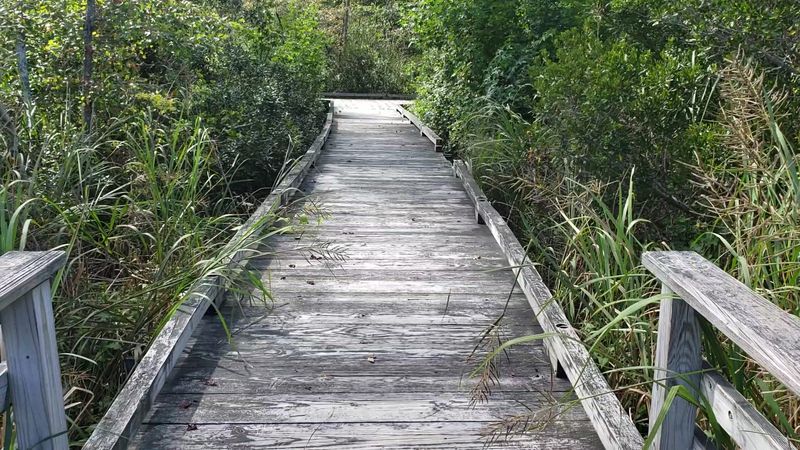
Estell Manor Park has a little history under its boots. The trails move through a landscape shaped by woods, wetlands, old industry, and the Great Egg Harbor River/South River corridor, giving a foraging walk more texture than a simple loop through trees.
This Atlantic County park is about 1,700 acres and includes the Warren Fox Nature Center, hiking trails, picnic areas, and plenty of room to explore.
What makes it especially appealing for plant-minded walkers is the variety: boardwalk sections, swampy areas, upland woods, and sandy South Jersey terrain all create different habitats within one park.
That means you can spend a morning comparing what grows near wet ground with what appears along drier, more open edges. Mushrooms can be a fun photo subject after rain, while berries, vines, and nut-bearing trees give the warmer months and early fall their own little scavenger-hunt feeling.
Estell Manor is also practical, with a real park structure rather than a “good luck out there” vibe, so it works for visitors who want nature without going fully off-grid. Start near the nature center if you want orientation, then choose a trail based on how much mud and mileage you are willing to tolerate.
This is a spot where curiosity pays off, especially for people who like their woods with a side of local history.
12. Sandy Hook – Highlands
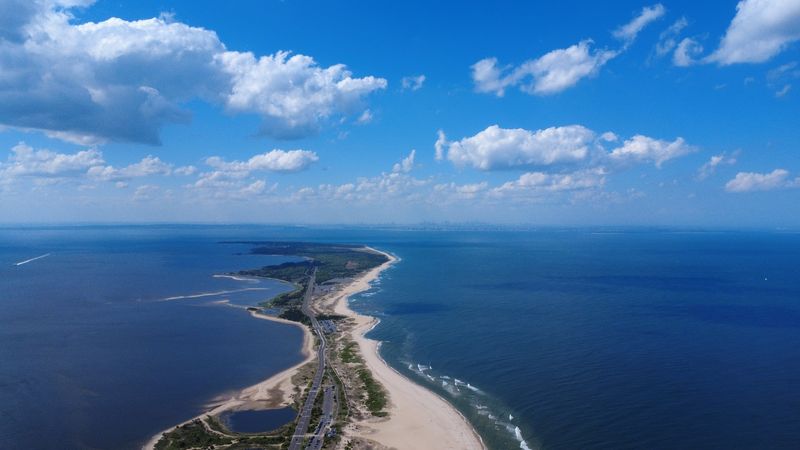
Sandy Hook changes the whole foraging conversation by swapping deep woods for dunes, salt air, bay edges, and maritime plants. Here, the thing to watch for is not a shady blackberry bramble along a forest trail but coastal species built for wind, sand, and salt.
Beach plum is the star for plant-curious visitors: the National Park Service notes that beach plums are found on sand dunes throughout Gateway, and Sandy Hook’s dunes and thickets make the plant part of the local coastal identity.
This is absolutely a place to respect rules and fragile habitat, not a place to go rummaging through dunes.
Stay on permitted paths, avoid trampling vegetation, and think of the walk as a chance to learn what edible coastal plants look like in the wild.
Sandy Hook is part of Gateway National Recreation Area, with beaches, historic areas, walking trails, a multi-use path, and the Sandy Hook Lighthouse area adding plenty to do beyond plant spotting.
The park is generally open 6 a.m. to 9 p.m., with seasonal beach parking fees from Memorial Day weekend through Labor Day. Go in late summer or early fall for the most beach-plum curiosity, but remember that wildlife depends on these fruits too.
The best souvenir here is knowledge, plus maybe a salty breeze that follows you back to the car.
13. Brendan T. Byrne State Forest / Whitesbog Village – Browns Mills
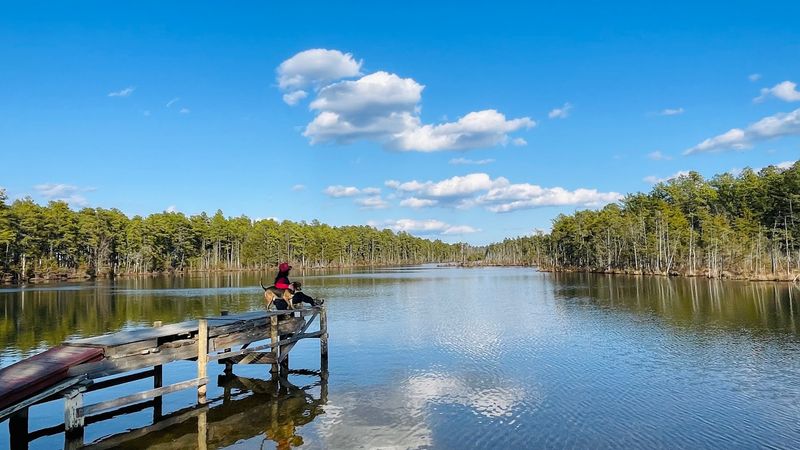
If New Jersey foraging has a spiritual home, Whitesbog makes a strong case for it. This is where blueberries are not just a trail snack idea but part of the state’s agricultural and cultural story.
Whitesbog Village, located within Brendan T. Byrne State Forest, is deeply tied to cranberry and blueberry history; Elizabeth White helped develop and market the first cultivated highbush blueberry here in 1916, and the old bogs, fields, reservoirs, and village buildings still give the landscape a distinctive sense of place.
For a foraging-minded visit, that history changes how you look at everything. The scrubby plants, sandy roads, bog edges, and lowbush growth stop feeling like background and start feeling like clues.
Trails around Whitesbog are especially good for learning the Pine Barrens palette: cranberry bogs, blueberry fields, pitch pine, cedar water, and sandy soil all in one memorable loop. Brendan T.
Byrne also offers broader forest access, so you can pair the village with a longer walk if you want more miles. Just be clear about boundaries and rules, because active agricultural areas, historic resources, and state forest regulations all matter here.
Come for the blueberry lore, stay for the quiet bog views, and leave with a deeper appreciation for how much of New Jersey’s wild-food story is rooted in the Pine Barrens.
Share this story