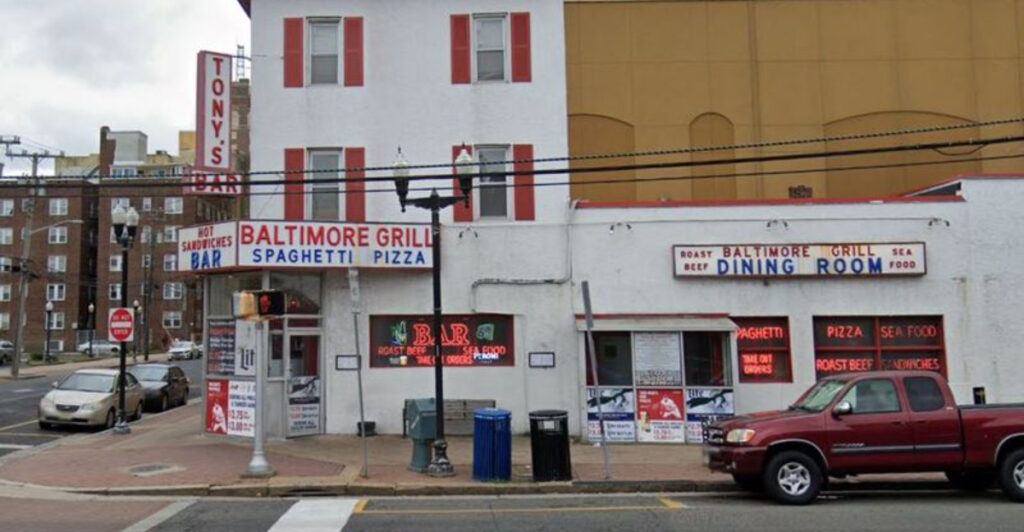
The red neon outside Tony’s Baltimore Grill does not whisper.
It glows like it has seen things: late casino nights, summer crowds with sand still in their shoes, musicians after last call, families arguing over the last slice, and more than a few people who swore they were “just stopping in for one drink.” Sitting at 2800 Atlantic Avenue, Tony’s is not trying to look like old Atlantic City.
It simply is old Atlantic City, in the best possible way. Since 1927, this place has kept its grip on the city with 12-inch pizzas, spaghetti and meatballs, fried shrimp, cold drinks, and a dining room that has no interest in pretending to be sleek.
Atlantic City has reinvented itself plenty of times. Tony’s, thankfully, has mostly refused. That refusal is exactly why people still talk about it like it belongs to them.
How Tony’s Baltimore Grill Became an Atlantic City Institution
Long before Tony’s Baltimore Grill became the place people drifted into after casino shifts, beach days, concerts, and questionable late-night decisions, it started with Joseph Tarsitano, a Philadelphian who opened the Baltimore Grille in 1927 at 604 Atlantic Avenue.
The early menu leaned into pasta and fried seafood, a nod to Baltimore that stuck around in the name even as the restaurant’s identity became pure Atlantic City.
The story locals love best involves Joseph’s son, Tony, being pulled into the kitchen and making what his father called a tomato pie. That pie is now part of the restaurant’s mythology, often described as the first of its kind in Atlantic City.
Whether you treat that as gospel or old-school restaurant lore, it tells you something important: Tony’s was never built around polish. It was built around food people remembered.
After Joseph died, his brother John ran the place. Tony later returned from service in World War II and, with his younger brothers Dominic and Lou, bought the restaurant and gave it the name people still use today.
In December 1964, Tony and William “Ricky” Rich bought Paddy McGahns Cafe and Musical Bar, converting it into the present-day Tony’s Baltimore Grill.
When the new location opened on April 1, 1965, lines reportedly stretched down the avenue, which feels about right for a city that has always known how to make an entrance.
The amazing thing is not just that Tony’s survived. Lots of restaurants survive by changing beyond recognition. Tony’s became an institution because it kept enough of itself intact. Ownership changed.
Atlantic City changed. The casino era rose, fell, rose again, and got complicated. Through it all, Tony’s remained the place with pizza, red sauce, regulars, and stories stacked as high as the plates.
The 24 Hour Kitchen That Fits the Rhythm of the Jersey Shore
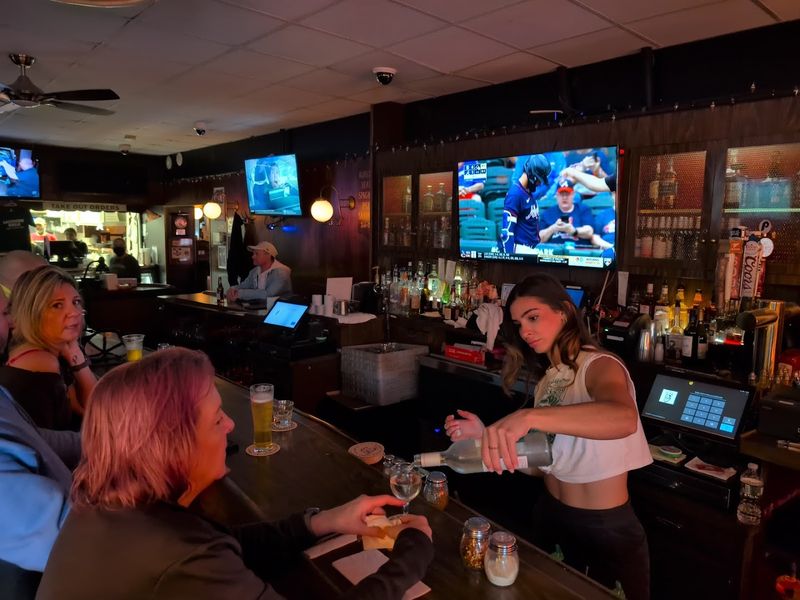
Atlantic City does not keep normal hours, so Tony’s never really could either. The dining room currently runs Sunday through Thursday from 11 a.m. to 2 a.m., with a late-night menu from midnight to 2 a.m.
On Fridays and Saturdays, the kitchen stretches to 3 a.m. The bar, because this is Atlantic City and not a town built for early bedtimes, stays open 24 hours a day, seven days a week.
That one detail explains half the restaurant’s personality. There are plenty of places at the Shore where dinner means 6:30, a reservation, and a polite little check presenter at the end.
Tony’s belongs to a different schedule. It works for the bartender who just got cut loose, the blackjack dealer whose shift ended when everyone else was asleep, the couple coming from a show, the group that left the beach too sunburned to cook, and the local who knows exactly when to slide in for a plain pie without making a production out of it.
That rhythm matters. Atlantic City is a working town disguised as a playground.
Behind the casino lights are cooks, servers, cleaners, musicians, cab drivers, security guards, and hotel workers whose dinner hour might be midnight. Tony’s has always understood that.
Shore towns need places for vacationers, sure, but they really become themselves in the spots that keep feeding the people who make the town run. The late-night crowd is part of the show, but not in a forced way.
You might see casino employees still in work clothes, someone dressed for a night out, a family stretching one more meal out of a weekend, and a guy at the bar who clearly has his regular seat. At Tony’s, that mix does not feel strange.
It feels like Atlantic City clocking in for its second shift.
Why the Pizza and Red Sauce Classics Still Bring People Back
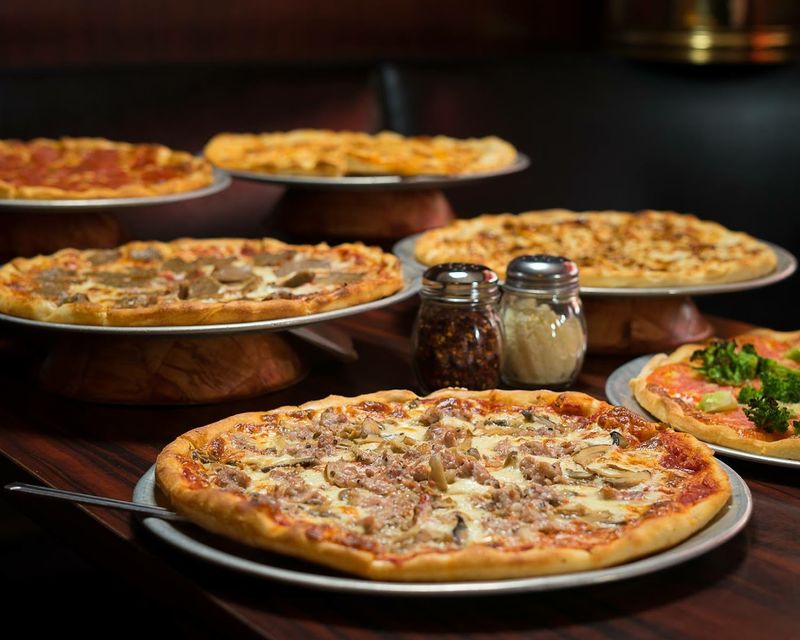
The menu does not need a dramatic explanation. Tony’s deals in the kind of food people crave when they are hungry, tired, happy, nostalgic, or all four at once.
The 12-inch plain pizza is the star, with red or white options and a menu price of $13.95 before toppings. Specialty pies run $19 and include Nino’s Favorite with sausage and cherry peppers, Clams Casino with white clam sauce, bacon, onion, green pepper, and garlic, and a Margarita pizza with sliced tomato, provolone, basil, and garlic.
This is not precious pizza. This is “put it in the middle of the table and everyone grab a slice” pizza.
Then there is the red sauce side of the operation, which is just as important. The menu lists spaghetti and meatballs at $12.95, spaghetti or penne with tomato sauce at $9.95, and a half-spaghetti, half-ravioli plate at $13.50.
Pasta dinners come with Atlantic City bread, which is exactly the kind of detail that makes a meal feel local instead of generic. Fried shrimp, meatballs, sausage, roast beef, eggplant parm, chicken parmigiana, and crab cakes all sit comfortably on the menu without acting like they need reinvention.
Tony’s also has a $17 value menu built around the heavy hitters: fried shrimp, spaghetti and meatballs, pizza, and roast beef. That is a very Atlantic City kind of promise.
No foam. No tower of microgreens.
Just the things people have been ordering for decades, priced so the meal still feels like a neighborhood habit rather than a special occasion. Anthony Bourdain helped give the place a wider pop culture shine, but he did not make locals love Tony’s.
He recognized what was already there. His line about it being “a taste of my youth” sticks because Tony’s food has that power.
It tastes like somebody else’s family tradition, even when it becomes your own.
The Old School Atmosphere That Feels Frozen in Time
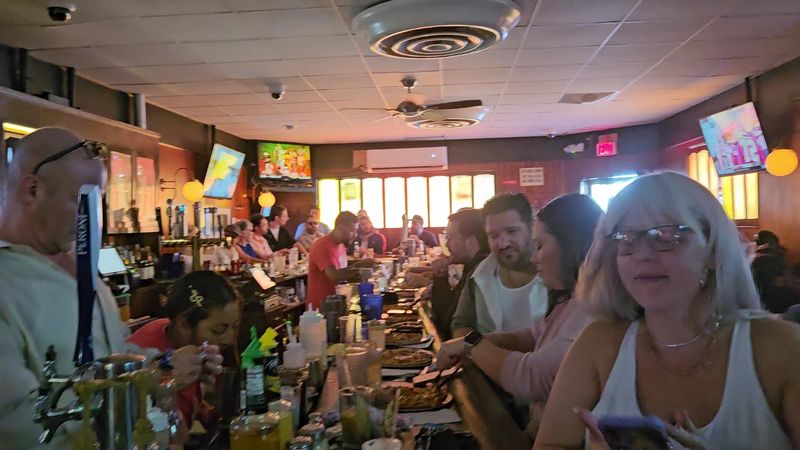
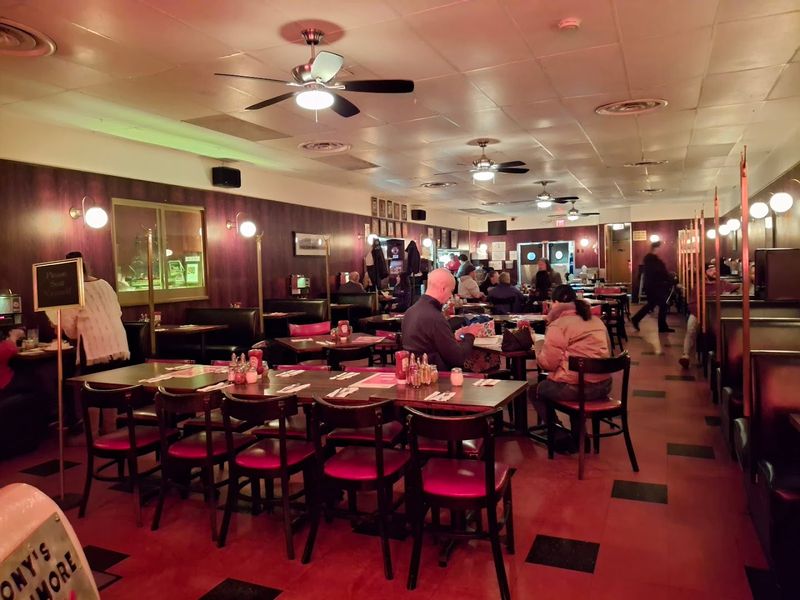
Walk into Tony’s and the first thing you notice is that nobody seems desperate to impress you. That is a compliment.
The room has the confidence of a place that has been photographed, remembered, argued over, and revisited too many times to start chasing restaurant trends now. Old-style booths, mini-jukeboxes, red sauce energy, bar glow, the clatter of plates, and servers who know how to keep things moving all do more for the atmosphere than any designer could.
This is where the phrase “old school” actually earns its keep. It is not just a few vintage signs hung on a wall to create a mood.
Tony’s has history baked into the bones of the place. Some of the wait staff have been around for decades.
Families have watched kids grow up across those tables. Locals have celebrated graduations, ended nights out, recovered from bad dates, and probably patched up a few arguments over pizza.
The dining room feels lived in because it has been. There is a wonderful lack of fuss to it all.
You sit down. You order. Bread appears. Someone nearby is laughing too loudly.
A pizza lands at another table and everybody looks at it for half a second because that is what people do when a good pie passes by. The place does not ask you to lower your voice or pretend you are having a refined culinary experience.
It understands that a restaurant can be memorable without being quiet. Even the little imperfections help.
A spotless modern room can feel like it belongs anywhere. Tony’s could only belong here.
It reflects Atlantic City’s stubborn streak, its humor, its late nights, its appetite, and its refusal to smooth out every edge just because someone might prefer things shinier. That is why the room works.
It has not been frozen in time as a museum piece. It has simply kept living.
How Locals Turned This No Frills Spot Into a Legend
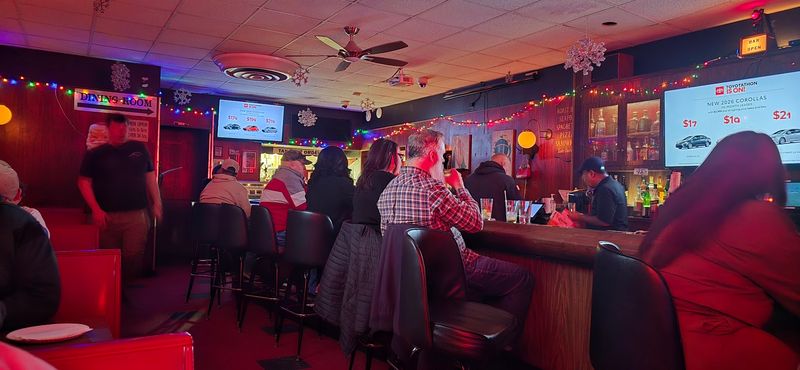
Restaurants do not become legends because they call themselves legends. People have to do that part for them, usually one repeated story at a time.
Tony’s has had nearly a century of those stories working in its favor. Somebody’s grandparents went there.
Somebody’s father picked up pizza there. Somebody stopped in after prom.
Somebody came after a casino shift and never stopped coming. At a place like Tony’s, loyalty is not built through marketing.
It is built through repetition. For years, Atlantic City musicians treated Tony’s as a natural gathering place before or after gigs.
That makes perfect sense. When the casino hotels employed large numbers of working musicians, they needed somewhere open late that felt easy, reliable, and alive.
Tony’s fit the bill. Jazz players, lounge acts, service workers, locals, and out-of-towners all crossing paths over pizza and pasta is exactly the kind of scene that gives a restaurant a reputation bigger than its menu.
The no-frills part matters, too. Tony’s has always felt accessible.
The menu still has recognizable prices, familiar dishes, and the kind of portions that do not require a translation. You can get a plain pie, a meatball parm, a fried shrimp platter, or spaghetti with tomato sauce and know exactly what kind of night you are having.
That straightforwardness is part of the charm. Atlantic City has plenty of places designed for visitors who want spectacle.
Tony’s became legendary because it also belongs to the people who stayed after the spectacle ended. Locals are the ones who gave it nicknames, defended it, brought their kids, came back after moving away, and kept the place in circulation through word of mouth.
That kind of affection cannot be faked. It has to be earned over thousands of ordinary meals that turn out, years later, not to have been so ordinary after all.
Why Tony’s Still Feels Like the Real Atlantic City
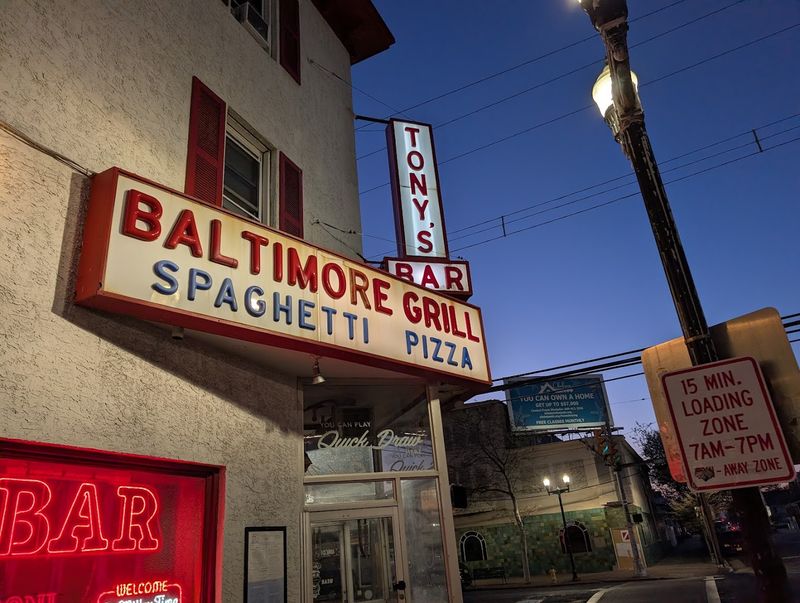
The real Atlantic City has never been just casinos, beaches, boxing posters, beauty pageants, Boardwalk crowds, or old Prohibition stories. It is all of that, plus the everyday places that kept going while the city changed around them.
Tony’s Baltimore Grill fits that version of Atlantic City perfectly. It is old without being delicate, famous without acting fancy, and sentimental without turning soft.
Its location at 2800 Atlantic Avenue puts it right in the city’s bloodstream, away from the polished fantasy of casino floors but close enough to catch the people spilling out of them. That is part of the magic.
Tony’s is not an escape from Atlantic City. It is Atlantic City with the volume turned down just enough for you to hear the forks hit the plates.
There is also something refreshing about a restaurant that knows what it is. Tony’s does not need to reinvent spaghetti and meatballs.
It does not need to explain why a 12-inch pizza at 1 a.m. can feel like the best idea anyone has had all night. It does not need to sand away the parts of itself that feel a little rowdy, a little worn-in, or a little loud.
Those are not flaws here. They are proof of life.
That is why Tony’s continues to work as both a neighborhood standby and a pop culture landmark. The Bourdain connection brought more eyes to it, but the deeper appeal is simpler.
Tony’s feels like a place that remembers Atlantic City before you got there and will probably remember it after you leave.
The red neon stays on, the bar keeps its hours, the pies keep coming out, and somewhere in the room, somebody is starting a sentence with, “I’ve been coming here since…”
Share this story