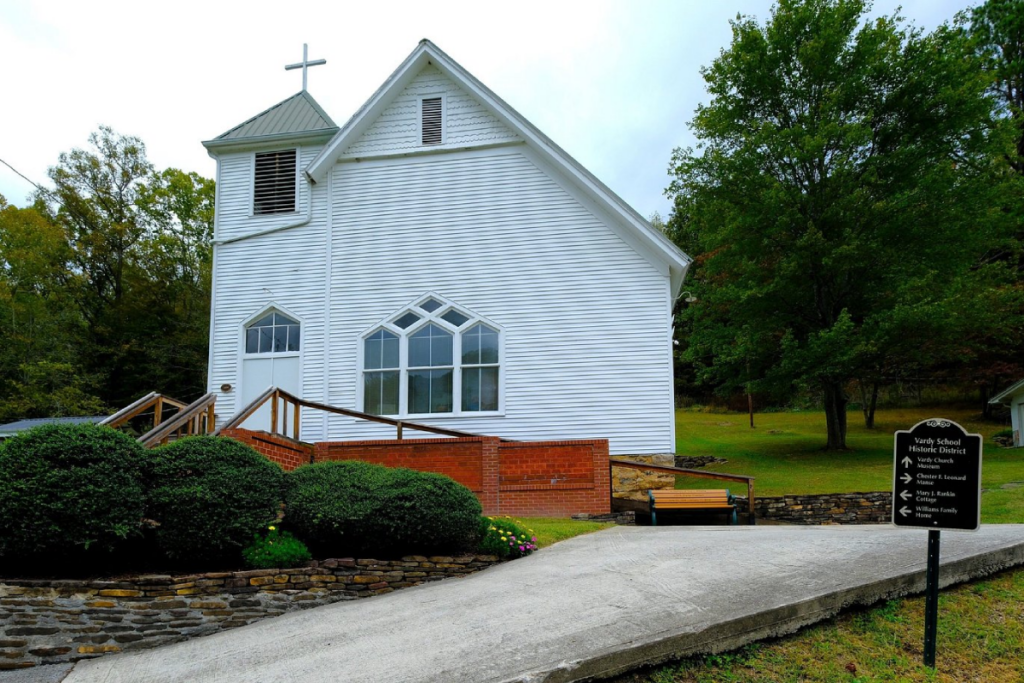
Tucked deep in the folds of Appalachia, Sneedville sits so far from Tennessee’s main highways that even lifelong residents of the state might struggle to find it on a map. This quiet county seat of Hancock County feels like a place time forgot, surrounded by forested ridges and winding backroads that discourage casual visitors.
With just over 1,200 people calling it home, Sneedville offers a rare glimpse into mountain life that remains largely untouched by modern sprawl and tourist crowds.
The Tennessee Mountain Town So Remote, Even Many Locals Have Never Been
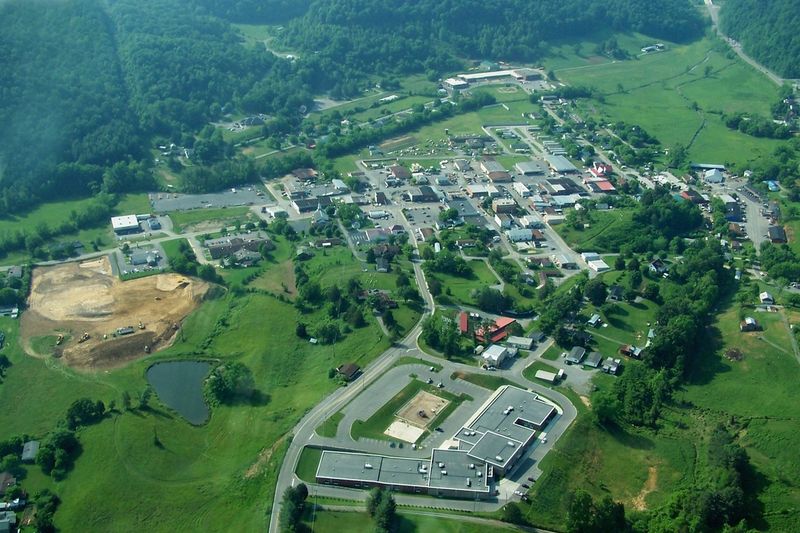
Most Tennesseans know the big names like Gatlinburg, Pigeon Forge, or Chattanooga. But ask around Nashville or Memphis about Sneedville, and you’ll likely get blank stares. This tiny mountain community sits in the far northeastern corner of the state, pressed against the Virginia border in a landscape so rugged that cell service comes and goes like morning fog.
Hancock County, where Sneedville serves as the county seat, ranks among the most isolated counties in Tennessee. There are no interstate exits here, no chain restaurants lining the main drag, and no tourist information centers handing out glossy brochures. The roads that lead here twist through steep hollows and over narrow ridges, discouraging anyone without a specific reason to make the journey.
For decades, Sneedville has remained off the radar of most travel guides and weekend road-trippers. Its remoteness isn’t just geographic but cultural, preserving traditions and a pace of life that disappeared from much of the South generations ago. People who do find their way here often describe it as stepping back in time, not in a theme-park way, but in the genuine rhythms of a community that still knows its neighbors by name.
The isolation has shaped everything about this town, from its economy to its character. While other parts of Tennessee boomed with development, Sneedville stayed small and self-contained. That remoteness might sound like a drawback, but for those seeking authenticity and a break from the noise of modern life, it’s exactly what makes Sneedville worth discovering.
Where Is Sneedville, Tennessee?
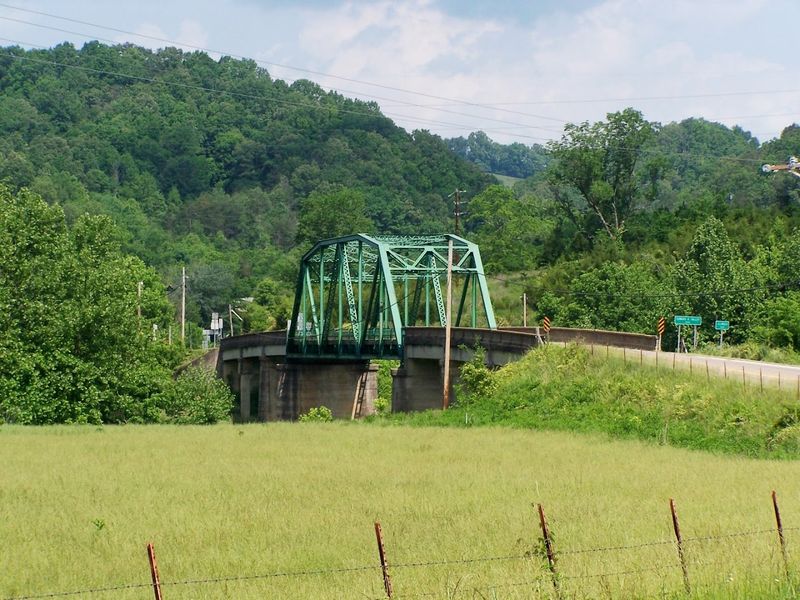
Finding Sneedville on a map requires zooming way in on Tennessee’s northeastern tip. It sits roughly 60 miles north of Knoxville, but those 60 miles feel like twice that distance once you leave the main highways. Highway 31 serves as the primary route into town, a two-lane road that climbs and dips through the Clinch Mountains with dramatic views around every bend.
Hancock County, home to Sneedville, borders Virginia to the north and Lee County to the east. The county covers about 222 square miles of mountainous terrain, making it one of Tennessee’s smallest counties by population but expansive in its wild beauty. The Clinch River forms part of the county’s western boundary, adding to the natural barriers that keep this area secluded.
The nearest town of any size is Rogersville, about 30 miles southwest, while Kingsport lies roughly 45 miles to the east.
Getting to Sneedville means committing to the journey. There are no shortcuts or quick routes from the interstate. You’ll navigate mountain passes where the road narrows to one lane, cross old bridges over clear creeks, and pass through communities so small they barely register as dots on most maps.
But that journey is part of the experience, offering a gradual transition from the bustle of modern Tennessee to a landscape where mountains still dictate the terms of daily life.
A Quiet Appalachian Town Surrounded by Mountains and Backroads
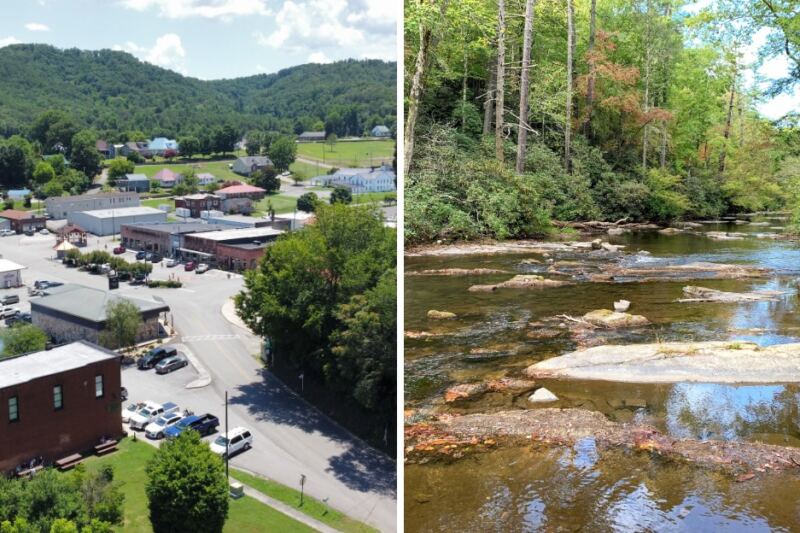
Drive into Sneedville and you’ll notice the quiet first. There’s no traffic hum, no constant flow of cars, just the occasional pickup truck rolling past the courthouse square. The downtown consists of a handful of buildings clustered around the Hancock County Courthouse, a modest structure that serves as the town’s anchor and meeting point.
Mountains press in from all sides, their wooded slopes rising steeply beyond the town limits. These aren’t the tourist-packed peaks of the Smokies but the lesser-known ridges of the Clinch Mountain range, covered in oak, hickory, and pine. During fall, the hillsides explode in color, though few outsiders make the trip to witness it.
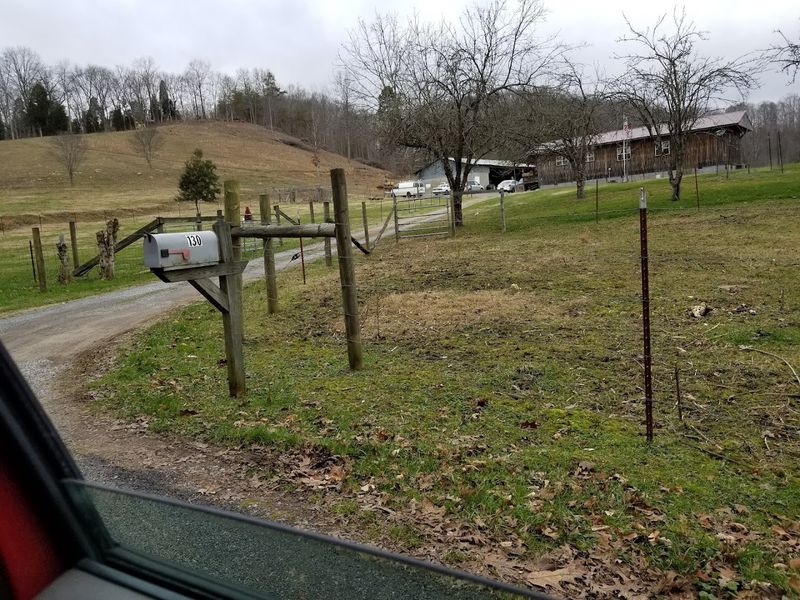
The backroads that weave through the area tell stories of isolation and resilience. Narrow gravel lanes branch off the main highway, leading to hollers where families have lived for generations. Some roads don’t appear on GPS maps, known only to locals who’ve driven them since childhood.
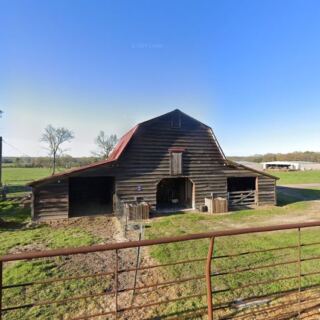
These routes follow creek beds and ridge lines, offering glimpses of old farmsteads, weathered barns, and the kind of scenery that hasn’t changed much in a century.
Walking through Sneedville feels unhurried. Folks still wave from their porches, and conversations happen on sidewalks rather than through text messages. The pace matches the landscape, slow and deliberate, shaped by mountains that don’t rush and seasons that unfold on their own schedule.
It’s a place where you can still hear birdsong over the sound of engines, where night skies blaze with stars undiminished by light pollution, and where the modern world feels like a distant rumor rather than an immediate reality.
Why Sneedville Feels So Far Removed From the Rest of the State
Geography explains part of Sneedville’s isolation, but economics and history complete the picture. Hancock County has long been one of Tennessee’s poorest counties, with limited industry and few employment opportunities beyond small farms and logging operations. That economic reality kept development at bay while other parts of the state grew rapidly.
The mountains themselves create natural barriers that make infrastructure development expensive and difficult. Building roads through this terrain costs more per mile than almost anywhere else in Tennessee. As a result, major highways bypassed the area entirely, leaving Sneedville connected only by smaller state routes that wind slowly through the hills.
Population decline has reinforced the isolation. Young people often leave for jobs in Knoxville or other cities, leaving behind an aging population with deep roots but limited resources. The county’s population has remained relatively stable but small, hovering around 6,800 people spread across the entire county.
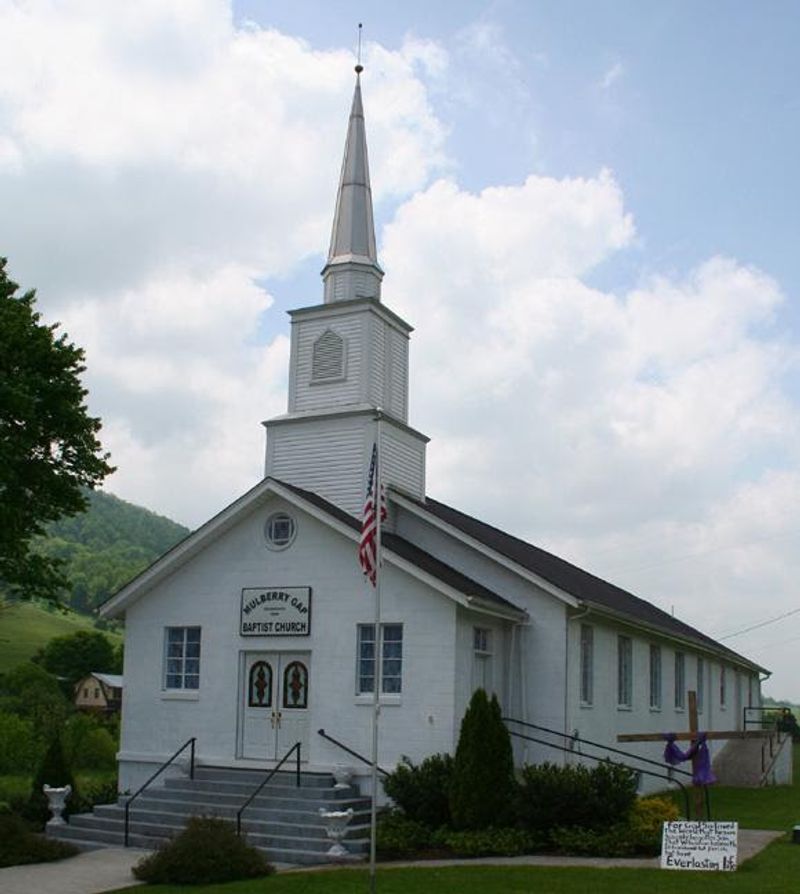
Culturally, Sneedville maintains traditions that faded elsewhere. Old-time music still gets played on front porches, gardens provide a significant portion of many families’ food, and church remains the social center of community life. These aren’t performances for tourists but genuine continuations of Appalachian mountain culture.
The lack of outside influence has preserved a way of life that feels increasingly rare in modern America. While the rest of Tennessee rushed toward the future, Sneedville kept its own pace, creating a time capsule of mountain living that feels both fragile and enduring.
Small-Town Charm, Scenic Views, and a Slower Way of Life
Sneedville doesn’t have attractions in the conventional sense. You won’t find museums, theme parks, or tourist shops selling souvenirs. What it offers instead is authenticity and natural beauty that money can’t manufacture.
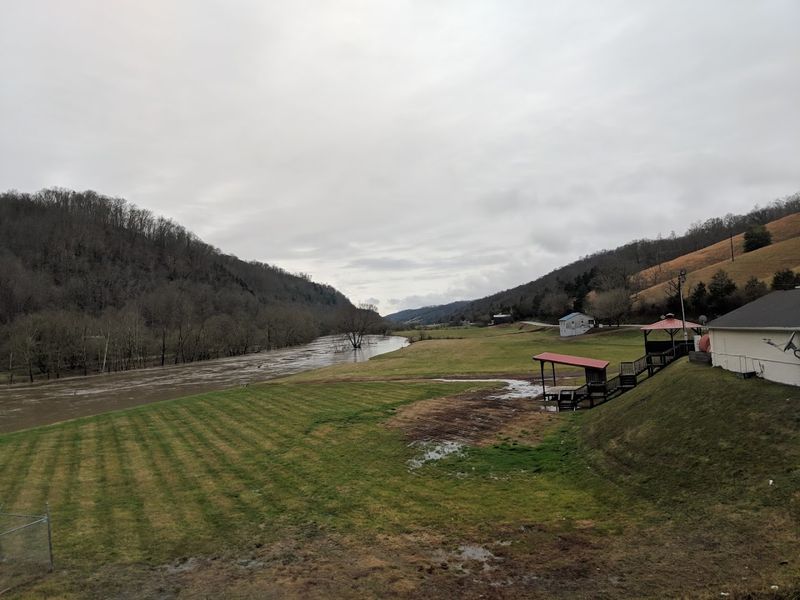
The views alone justify the journey, with overlooks along the approach roads revealing layer after layer of blue-green ridges stretching to the horizon.
Life here moves at a rhythm dictated by seasons rather than schedules. Spring brings wildflowers carpeting the hillsides and gardens being turned for planting. Summer means long evenings on porches and kids playing in creeks that run cold and clear.
Fall transforms the landscape into a painter’s palette, while winter brings a stark beauty to the bare ridges and occasional snow that dusts the peaks.
The charm comes from what isn’t here as much as what is. There’s no traffic stress, no crowds pushing through attractions, no constant digital noise demanding attention. Conversations happen face-to-face, often at the local market or post office, where everyone eventually crosses paths.
People take time to talk, not just exchange pleasantries but actually catch up on each other’s lives.
This slower pace might frustrate visitors accustomed to constant stimulation, but for those willing to adjust their expectations, it offers something increasingly precious. Time seems to expand here, minutes stretching into something more substantial when not rushed by appointments and obligations. A drive that might take 20 minutes elsewhere becomes an hour-long journey of discovery, with reasons to stop and look around every few miles.
That shift in perspective is Sneedville’s real gift to visitors willing to receive it.
What Makes Sneedville Worth the Detour
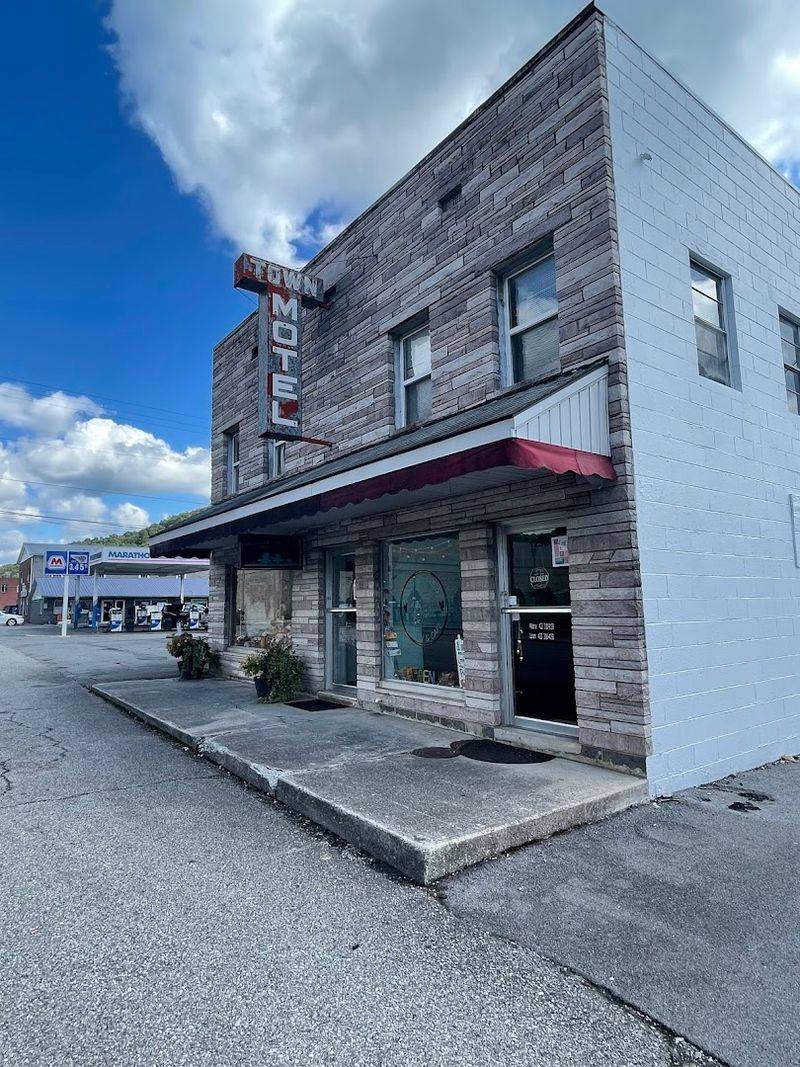
Visiting Sneedville means accepting that you’re not going to check off a list of attractions. There’s no itinerary to follow, no must-see stops that every visitor hits. Instead, the value lies in experiencing a place that hasn’t been packaged for consumption, where daily life continues regardless of whether anyone’s watching.
The natural surroundings provide endless opportunities for exploration. Hiking trails, though not officially maintained or marked, crisscross the mountains for those willing to venture off the main roads. The Clinch River offers fishing and canoeing for outdoor enthusiasts, with sections that see so little traffic you might spend a whole day on the water without encountering another soul.
For history buffs, the area holds stories of early settlement, Civil War conflict, and the hardscrabble existence of mountain families who carved out lives in this unforgiving terrain. The local library and courthouse hold records and photographs documenting this history, though you’ll need to ask locals for access since formal historical societies are scarce.
Photography enthusiasts find endless subjects here, from weathered barns to misty mountain mornings to faces that tell stories of resilience and connection to place. The light in these mountains has a particular quality, filtered through humidity and elevation changes that create atmospheric effects you won’t find in flatter country. Every season offers different visual opportunities, though fall and spring provide the most dramatic landscapes.
Perhaps most valuable is the chance to witness a way of life that’s disappearing across America. Sneedville won’t stay this isolated forever. Eventually, development will find even these remote hollows.
Visiting now means catching a glimpse of mountain culture in its authentic form, before it becomes a memory or a museum exhibit.
A Hidden Corner of Tennessee That Still Feels Untouched
Stand on any ridge near Sneedville and look out over the landscape, and you’ll see what untouched means. Miles of forested mountains roll away in every direction with almost no visible development. No shopping centers, no subdivisions, no cell towers breaking the tree line.
Just mountains and sky and the occasional thread of smoke from a distant chimney.
This untouched quality isn’t an accident but the result of geography, economics, and a certain stubborn independence among residents who’ve resisted outside pressure to change. While other parts of Tennessee welcomed developers and tourists with open arms, Hancock County remained wary, protective of its privacy and traditional ways. That resistance preserved something valuable, even if it came at an economic cost.
The wildlife here reflects that preservation. Black bears roam the higher elevations, deer browse in meadows at dawn and dusk, and wild turkeys strut through backyards with impunity. Creeks still run clean enough to drink from in many places, and night skies remain dark enough to see the Milky Way stretching overhead like a river of light.
Visiting Sneedville requires shedding expectations formed by more developed destinations. There’s no infrastructure catering to tourists, no restaurants serving trendy farm-to-table cuisine, no boutique hotels offering mountain views and spa services. What exists is real life in a real place, with all the rough edges and authenticity that implies.
For travelers tired of manufactured experiences and Instagram-ready attractions, that rawness is exactly the point. Sneedville doesn’t try to be anything other than what it is, a small mountain town where life continues at its own pace, largely unconcerned with the outside world’s opinions or demands.
Share this story