The Texas Panhandle stretches across the northern tip of the state like a wide-open invitation to adventure. This rugged region holds some of the most unexpected treasures in Texas, from painted canyons to quirky roadside art that’s become world-famous. Whether you’re chasing sunsets over dramatic landscapes or exploring the cultural heart of West Texas music, the Panhandle delivers experiences that stick with you long after you’ve headed home.
1. Cadillac Ranch
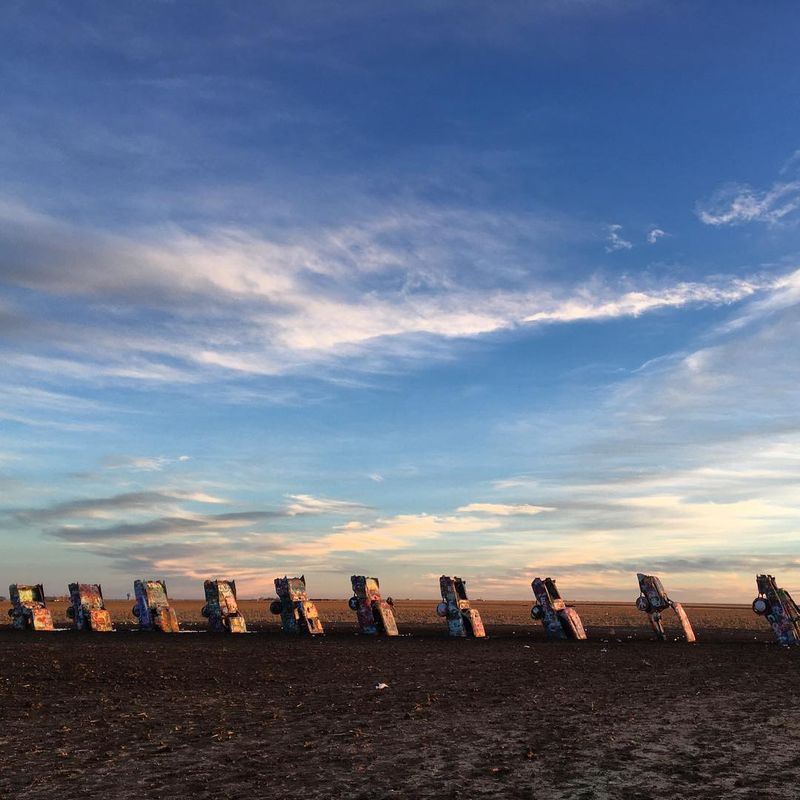
Just west of Amarillo, ten Cadillacs stand buried nose-first in the dirt, their tail fins pointing skyward like a monument to American car culture and creative rebellion. Created in 1974 by an art collective called Ant Farm, this installation has become one of the most photographed roadside attractions in the entire country. Visitors are actually encouraged to bring spray paint and add their own layer to the ever-changing canvas of colors.
The cars represent the golden age of American automobiles, spanning model years from 1949 to 1963. Each one sits at the same angle as the Great Pyramid of Giza, though whether that’s intentional or coincidental depends on who you ask. What started as an art statement about the rise and fall of the tailfin has transformed into something much bigger—a living, breathing piece of participatory art.
Pulling up to the site feels surreal. The cars emerge from the flat landscape like colorful sentinels, their surfaces thick with decades of paint layers. On any given day, you’ll find families, road trippers, and artists all taking turns leaving their mark.
The best time to visit is early morning or late afternoon when the light hits just right and the crowds thin out. Bring your own spray paint cans because there’s no store nearby, and wear clothes you don’t mind getting splattered. The ground can be muddy after rain, so boots are smart.
What makes Cadillac Ranch special isn’t just the visual spectacle—it’s the permission to participate. You’re not just observing art; you’re creating it. Kids love the freedom to spray whatever they want, and adults reconnect with a playful side they might have forgotten.
The installation sits on private land but remains free and accessible to the public year-round. It’s moved once since its creation, relocated in 1997 to escape the expanding Amarillo city limits. That spirit of preservation mixed with evolution perfectly captures what Cadillac Ranch represents: honoring the past while constantly reinventing itself for the future.
2. Buddy Holly Center
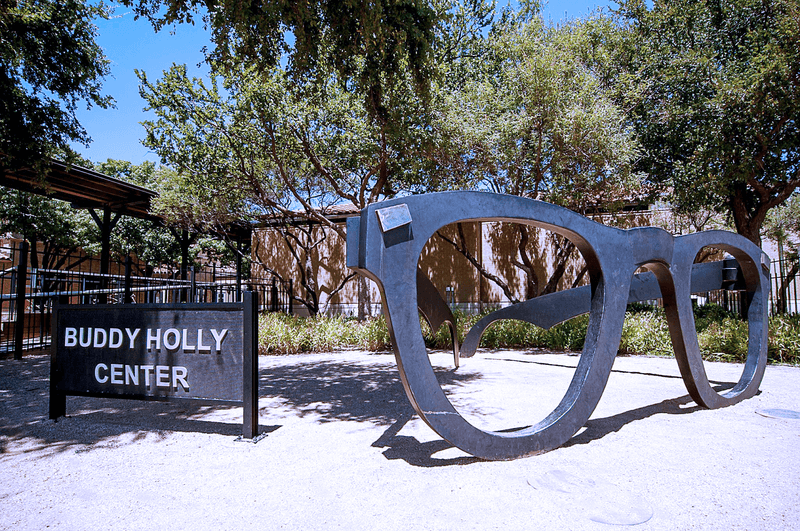
Lubbock’s most famous son changed rock and roll forever in just eighteen months of recording. The Buddy Holly Center preserves that legacy in the heart of downtown, celebrating not just the music but the whole cultural explosion that happened when a bespectacled kid from West Texas picked up a Fender Stratocaster. Walking through these galleries connects you directly to the birthplace of a sound that influenced everyone from The Beatles to modern indie rockers.
The center houses the largest collection of Buddy Holly artifacts anywhere. You’ll see his iconic glasses, handwritten lyrics, stage costumes, and even the Fender Stratocaster he played on his final tour. Each item tells part of the story about how a Lubbock teenager became a global phenomenon before his tragic death at twenty-two.
Beyond Buddy Holly himself, the museum explores the wider Texas music scene that produced Roy Orbison, Waylon Jennings, and countless others. Interactive exhibits let you try your hand at songwriting or explore the technical innovations Holly pioneered in the recording studio. He was among the first to use double-tracking and studio overdubs, techniques now standard in music production.
The Fine Arts Gallery within the center rotates exhibitions of contemporary and historical art, adding unexpected depth to your visit. You might catch a photography exhibition or a collection of Texas folk art alongside the music history. This combination reflects Lubbock’s commitment to nurturing creativity in all forms.
Plan to spend at least two hours if you’re a music fan. The audio guides provide context that brings the exhibits alive, sharing stories about recording sessions and the tight-knit Lubbock music community of the 1950s. The gift shop stocks hard-to-find recordings and books about the era.
Located in the historic Depot District, the center sits near several great restaurants and other cultural attractions. Admission is reasonable, and the staff includes genuine music enthusiasts who love sharing lesser-known stories. Every September, Lubbock hosts a massive Buddy Holly tribute festival, and the center becomes ground zero for fans from around the world.
3. Palo Duro Canyon State Park
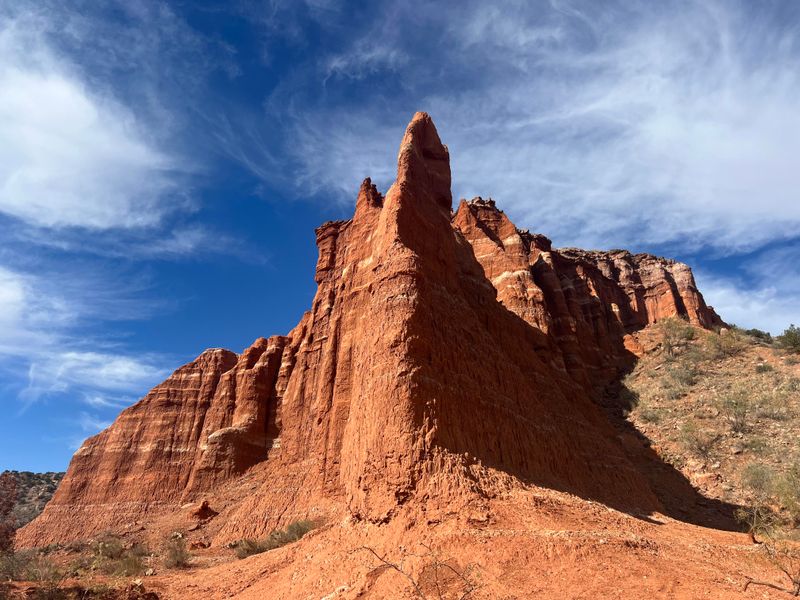
Texas has a Grand Canyon, and most people outside the state have no idea it exists. Palo Duro Canyon plunges 800 feet deep and stretches 120 miles long, carved over millions of years by the Prairie Dog Town Fork of the Red River. The layered walls glow in shades of red, orange, and yellow that shift with the sun’s angle, creating a landscape so stunning it stops first-time visitors in their tracks.
This is the second-largest canyon system in the United States, yet it maintains an intimate feel that its Arizona cousin lacks. You can hike to the canyon floor, bike along scenic trails, or drive the sixteen-mile road that winds through the heart of the park. Wildlife sightings are common—watch for roadrunners darting across paths, hawks circling overhead, and the official Texas State Bison herd grazing near the visitor center.
The Lighthouse Trail ranks as the park’s most popular hike, a moderate 5.7-mile round trip that leads to a distinctive rock formation rising 300 feet from the canyon floor. Getting an early start beats the heat and the crowds. The trail gains about 500 feet in elevation, with the payoff being 360-degree views that showcase why Spanish explorers named this place “hard wood”—a reference to the juniper trees clinging to the canyon walls.
Camping here feels like stepping back in time. The park offers everything from primitive backcountry sites to RV hookups, and waking up surrounded by those ancient rock walls creates memories that last. Summer evenings bring the outdoor musical drama “TEXAS,” performed in a natural amphitheater since 1966.
Spring and fall provide the most comfortable weather for exploring, though each season offers something different. Winter occasionally dusts the red rocks with snow, creating surreal photo opportunities. Summer temperatures soar, but early morning and evening hours remain pleasant.
The park maintains over thirty miles of trails for hiking, biking, and horseback riding. Mountain bikers particularly love the challenging terrain and stunning scenery. Equestrian trails let you experience the canyon the way ranchers and Native Americans once did, and several outfitters offer guided rides for those without their own horses.
4. Historic 6th Street
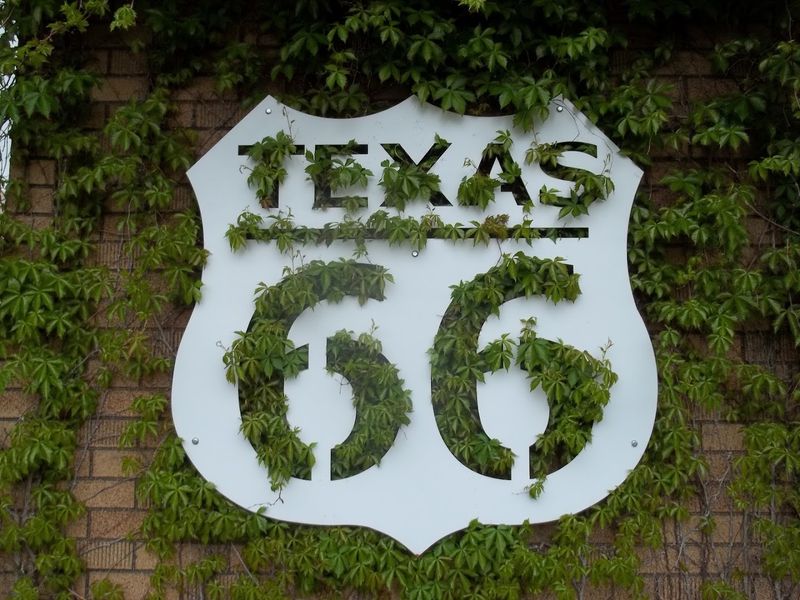
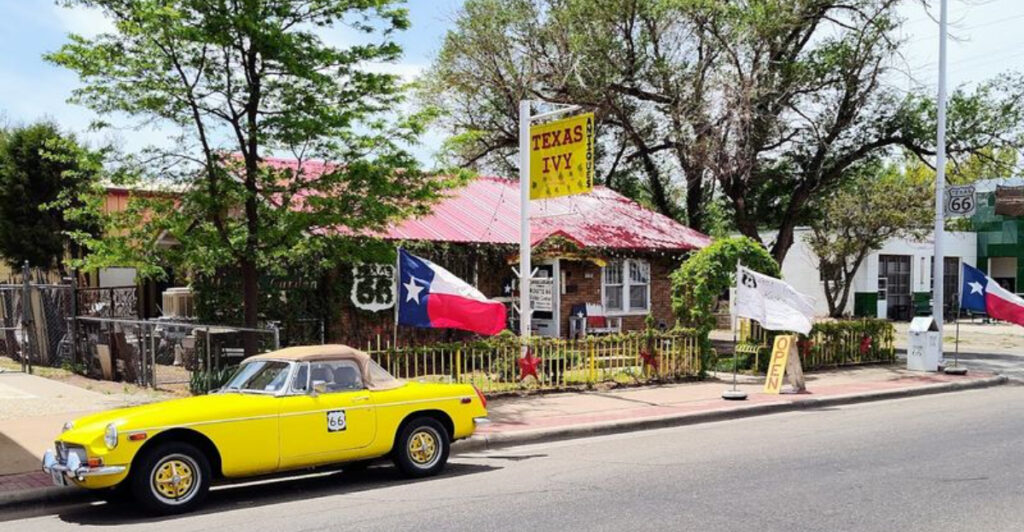
Amarillo’s 6th Street district pulses with the authentic character that made Route 66 legendary. This stretch of the Mother Road showcases beautifully restored buildings from the early 1900s, now housing antique shops, local eateries, and art galleries that give you a genuine taste of Panhandle culture. Walking these blocks feels like flipping through a living history book where every storefront has a story.
The district earned its place on the National Register of Historic Places, and that designation helped spark a revitalization that’s still gaining momentum. Vintage neon signs glow at dusk, casting colorful light on brick facades that have weathered a century of West Texas weather. Street art and murals add contemporary flair without overshadowing the historic architecture.
Antique hunters find paradise here. Shops overflow with everything from mid-century furniture to vintage cowboy boots, Depression-era glassware to old oil field equipment. Serious collectors make regular pilgrimages, but casual browsers enjoy the treasure hunt just as much.
Prices tend to be more reasonable than in bigger cities, and shopkeepers often know the provenance of their more interesting pieces.
The food scene has exploded in recent years. Local restaurants serve everything from elevated Texas comfort food to authentic Mexican cuisine, craft coffee to old-fashioned soda fountain treats. Several establishments occupy buildings that once served completely different purposes—a bank turned brewery, a filling station transformed into a taco spot.
That adaptive reuse adds layers of interest to your dining experience.
First Friday events bring the street alive with music, art walks, and special promotions. Local artists set up displays, food trucks line the curbs, and the community turns out in force. These monthly celebrations showcase Amarillo’s creative energy and tight-knit community spirit.
Plan to spend a full afternoon exploring. Parking is generally easy to find, and everything sits within comfortable walking distance. The district connects to other Amarillo attractions, making it easy to build a full day of sightseeing.
Weekends see more activity, but weekday visits offer a quieter, more contemplative experience.
Look for the historic markers that dot the street, providing context about the buildings and the people who shaped this neighborhood. Photography enthusiasts love the mix of textures, colors, and architectural details that make every block visually interesting.
5. Lubbock Wineries
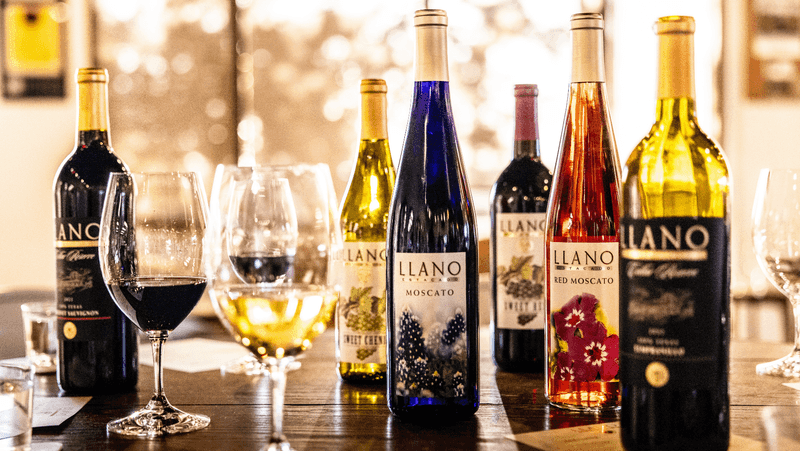
Who knew the Texas Panhandle could produce award-winning wines? The high plains around Lubbock sit at 3,500 feet elevation with sandy loam soil and a climate that turns out to be ideal for certain grape varieties. This region now accounts for a significant portion of Texas wine production, with tasting rooms offering experiences that rival Napa—minus the pretension and with a distinctly Texan twist.
The Lubbock wine trail includes several excellent stops, each with its own personality. Some wineries occupy converted cotton warehouses, blending agricultural heritage with modern winemaking. Others feature purpose-built facilities with expansive tasting rooms and vineyard views.
What they share is a commitment to quality and a welcoming attitude toward wine newcomers and connoisseurs alike.
Texas High Plains AVA (American Viticultural Area) designation recognizes the unique terroir here. The combination of warm days, cool nights, and low humidity creates excellent growing conditions. Tempranillo, Sangiovese, and Viognier thrive in these conditions, though you’ll also find familiar varieties like Cabernet Sauvignon and Chardonnay.
Many winemakers experiment with blends that showcase the region’s distinctive character.
Tasting room staff genuinely enjoy educating visitors about the local wine industry. They’ll explain how cotton farming knowledge translated to vineyard management, or why certain grapes perform better in West Texas than in other regions. Tours often include walks through production facilities where you’ll see the tanks, barrels, and bottling equipment up close.
Food pairings elevate the experience. Many wineries partner with local chefs or food trucks to offer small plates that complement their wines. Weekend events might feature live music, art shows, or seasonal celebrations that give you reasons to visit throughout the year.
The atmosphere stays casual and friendly—you’re as likely to see ranchers in boots as you are city visitors in wine country attire.
Planning a winery tour takes some strategy since the locations spread across the area. Designate a driver or hire a tour service to hit multiple stops safely. Most tasting rooms operate Thursday through Sunday, with expanded hours during peak seasons.
Reservations aren’t always required but calling ahead helps, especially for larger groups.
The combination of quality wines, beautiful settings, and genuine Texas hospitality makes this an unexpected highlight of any Panhandle visit.
Share this story