
Goodwill Central Texas Outlet South sits on Burleson Road in Austin, and it sparks wildly different reactions depending on who you ask. Some treasure hunters visit multiple times a week, scoring incredible deals by the pound and loving every chaotic minute of it. Others walk in once, get overwhelmed by the aggressive bin-diving culture, and never return.
Whether you become a devoted regular or decide this thrift experience isn’t for you often depends on knowing what you’re walking into before you arrive.
1. Bin Shopping Is a Full-Contact Sport Here
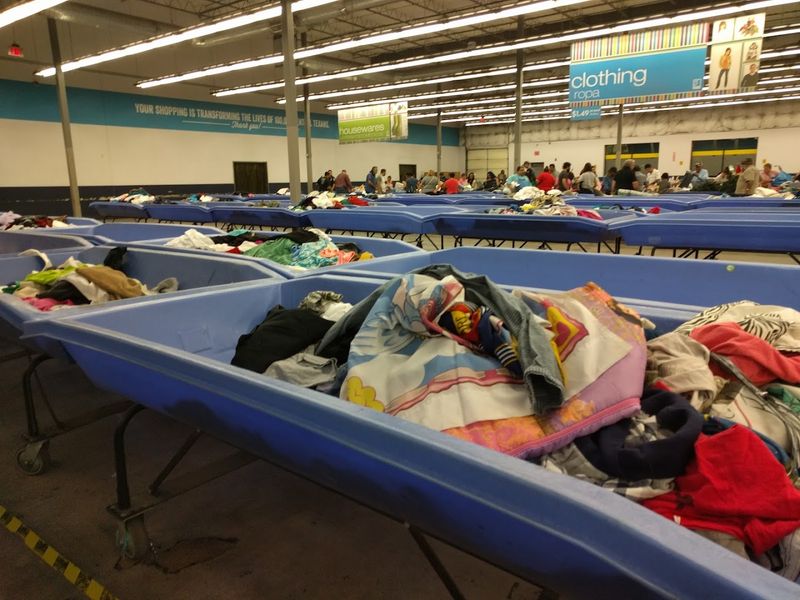
Walking into this outlet means stepping into a completely different thrift shopping universe than you’d find at a regular Goodwill. Merchandise gets dumped into massive blue bins, and shoppers dig through them like they’re hunting for buried treasure. When fresh bins roll out onto the floor, people literally rush toward them, elbows out, ready to claim the best finds.
You’ll notice regulars lining the walls with their shopping carts, waiting for the next rotation. They know the rhythm of the place and aren’t shy about diving in first. If you’re timid or prefer a calm browsing experience, this environment will feel overwhelming fast.
The pay-by-pound system means everything costs around $2.19 per pound, which sounds amazing until you realize you’re competing with resellers who make their living finding valuable items. Some customers appreciate the thrill and competitive energy. Others find it stressful and chaotic, especially when people don’t respect personal space.
Staff members occasionally have to yell reminders about safety or rotation times, which adds to the hectic atmosphere. Reviewers mention people running when new bins appear, which management struggles to control. Broken glass happens when shoppers toss items aside carelessly, so watch your step and consider those gloves everyone keeps mentioning in reviews.
2. Gloves Aren’t Optional—They’re Survival Gear
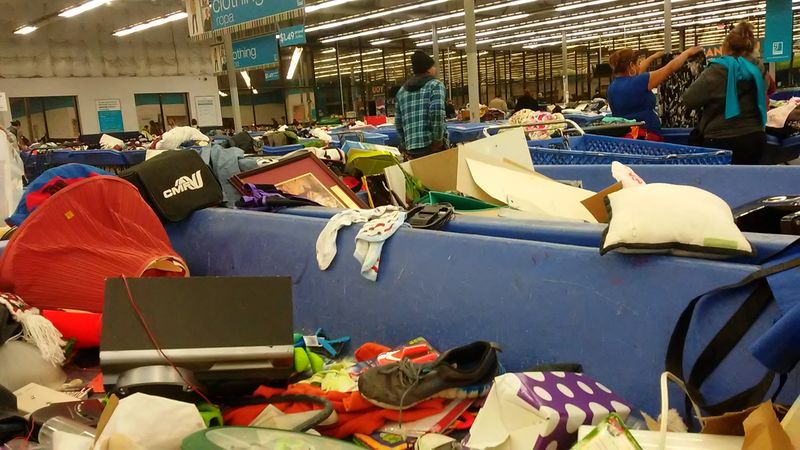
Nearly every experienced shopper at this outlet mentions bringing gloves, and there’s a very good reason for that advice. Items in the bins come from various sources and haven’t been cleaned or sorted carefully. You’ll encounter sticky residue from spilled drinks, mysterious wet spots, and items that have seen better days.
Latex or nitrile gloves protect your hands from whatever you might touch while digging deep into bins. Some folks prefer gardening gloves for extra durability. Either way, bare-handed shopping here isn’t wise unless you enjoy washing your hands every five minutes.
The store doesn’t provide gloves, so remembering to bring your own becomes part of your outlet shopping routine. Reviewers who forgot gloves their first time always mention regretting it. Hand sanitizer helps, but it won’t prevent you from touching questionable substances in the first place.
Beyond hygiene concerns, gloves also protect against sharp edges and broken items. Glass breaks frequently when shoppers toss things around, and you don’t want to slice your finger on a broken picture frame while searching for vintage treasures. Storage containers crack, hangers snap, and ceramic pieces shatter—all hazards that gloves help you navigate safely.
Experienced outlet shoppers treat gloves like their most important accessory. Pack them in your car, keep extras in your bag, and don’t even think about entering those bins without proper hand protection.
3. The Shopping Cart Situation Will Test Your Patience
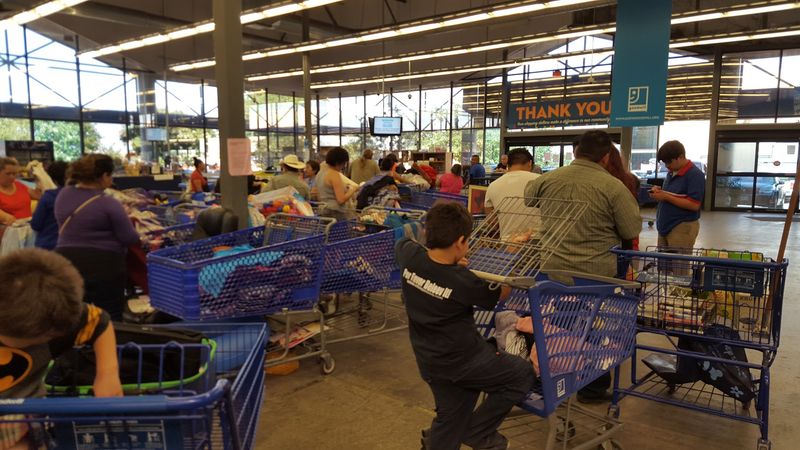
One of the most consistent complaints about this location involves shopping carts—or rather, the lack of available ones. Regulars arrive early and claim multiple carts, lining them up along the walls and filling them throughout the day. This leaves newcomers and casual shoppers without carts to use, forcing them to carry items in their arms.
Management hasn’t effectively solved this problem despite years of customer feedback. Some resellers treat the outlet like their personal warehouse, hoarding carts for hours while they sort through their hauls. Reviews from multiple years mention this exact issue, showing it’s an ongoing frustration rather than a temporary problem.
Bringing your own foldable wagon or rolling cart from home solves this issue entirely. Experienced shoppers mention this tip frequently because they’ve learned not to rely on store carts being available. A collapsible cart fits easily in your trunk and gives you independence from the cart wars happening inside.
The cart shortage becomes especially problematic for shoppers with mobility issues who need carts for support. Some reviewers mention chronic pain that makes standing and carrying items difficult, yet they can’t find a cart to lean on. The store doesn’t appear to offer motorized carts either, which would help customers who struggle with walking long distances.
If you’re planning your first visit, seriously consider bringing your own wheeled solution. Don’t assume you’ll snag a cart when you arrive, especially during busy afternoon hours when regulars have already claimed them all.
4. Prices by the Pound Beat Regular Goodwill Any Day
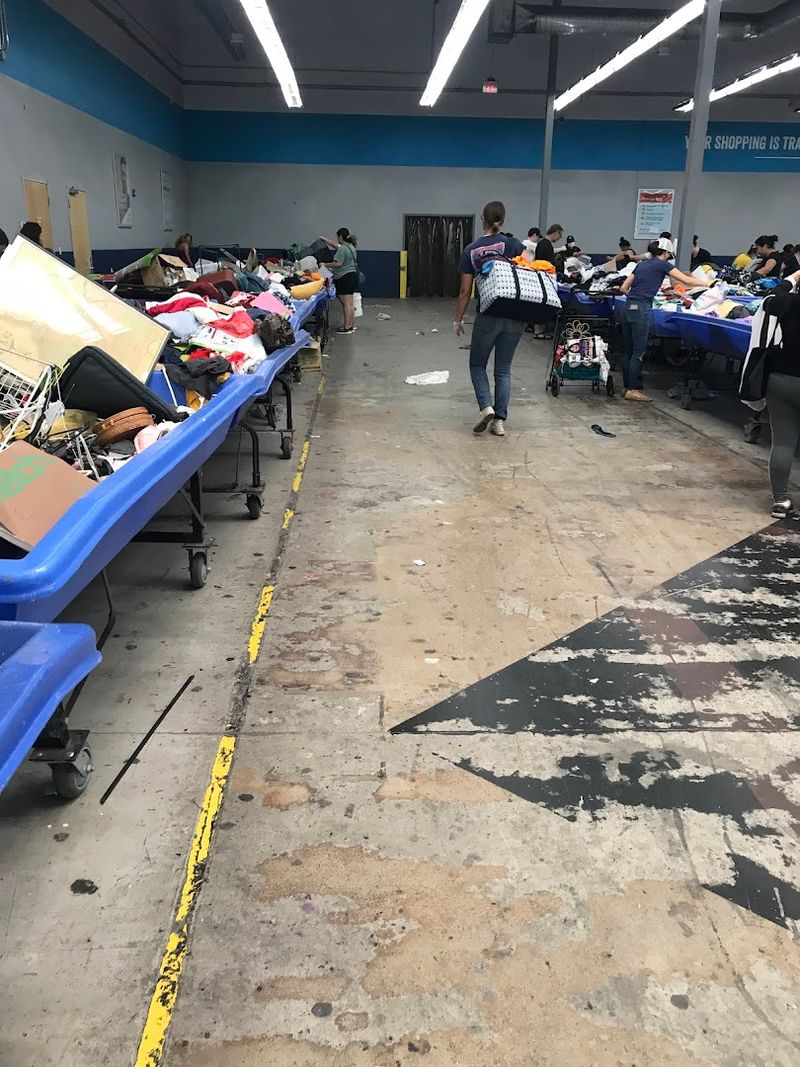
The outlet’s pay-by-pound pricing structure creates opportunities for incredible deals that regular Goodwill stores can’t match. At $2.19 per pound, you can walk out with bags full of clothing, books, or household items for a fraction of what you’d pay elsewhere. A heavy winter coat might cost you three or four dollars total, while the same item at a regular thrift store could run fifteen to twenty bucks.
Books become especially affordable since they’re priced by weight rather than per item. Fill a bag with hardcovers and you’ll still spend less than buying a single new book at retail. Clothing deals shine too, particularly for lightweight items like t-shirts and summer dresses that barely register on the scale.
Some reviewers note that prices have increased from the old $1.79 per pound rate, which frustrates long-time customers. Still, even at $2.19, the value remains strong compared to regular retail or even other thrift stores. Your haul’s final cost depends entirely on how heavy your finds are, so lightweight treasures give you the best bang for your buck.
The system works brilliantly for people furnishing apartments on tight budgets or resellers looking to maximize profit margins. However, you’re competing with professional resellers who know exactly what to grab and how to work the system. They’re not browsing casually—they’re there to make money, which drives the competitive atmosphere.
Nearly ninety cents of every dollar you spend supports local job training programs and keeps items out of landfills. That mission adds value beyond just the deals you’re getting.
5. Operating Hours Frustrate Night Owl Shoppers
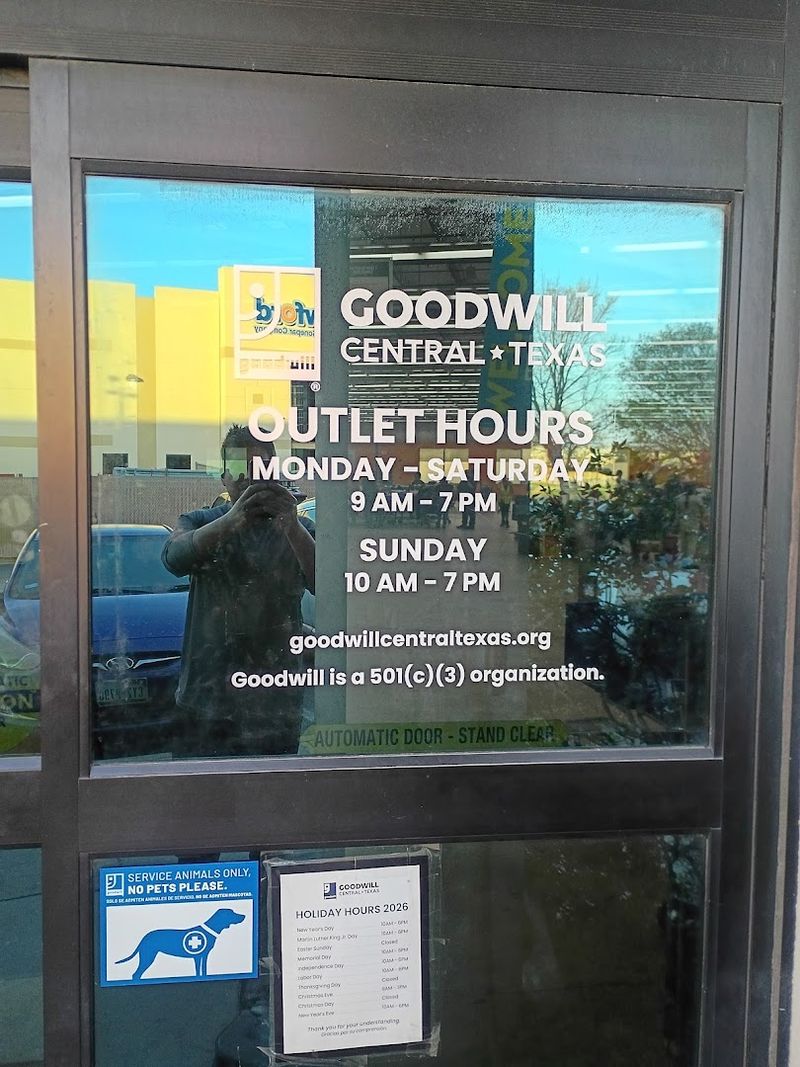
Goodwill Central Texas Outlet South closes at 7pm with Sundays opening at 10am. For loyal customers who remember when the outlet stayed open until nearly 10pm, this earlier closing time feels like a major downgrade. Multiple reviewers express genuine frustration about losing those evening shopping hours that worked better with their schedules.
The shortened hours particularly impact people who work traditional daytime jobs. Rushing over after work means arriving when the store’s already been picked through for hours. Evening shoppers miss the best finds and deal with depleted inventory compared to morning visitors who score fresh bins.
Management justifies the change as necessary to keep up with rising operational costs, but that explanation doesn’t make customers any happier about it. Some reviewers mention that staff starts pulling merchandise off the floor thirty to forty minutes before closing, which effectively shortens shopping time even further. Imagine arriving at 6:30pm only to find workers already clearing bins away.
The store opens at 9am Tuesday through Saturday and 10am on Sundays, staying closed Mondays. Early birds definitely get the worm here, with the best selection and freshest bins appearing in morning hours. If your schedule only allows evening visits, you’re automatically at a disadvantage.
Reviewers who’ve shopped here for a decade remember the old 9:45pm closing time fondly and wish management would reconsider. For now, though, planning your visit earlier in the day gives you the best shot at good finds and full bins to explore.
6. Kids Running Wild Create Safety Concerns
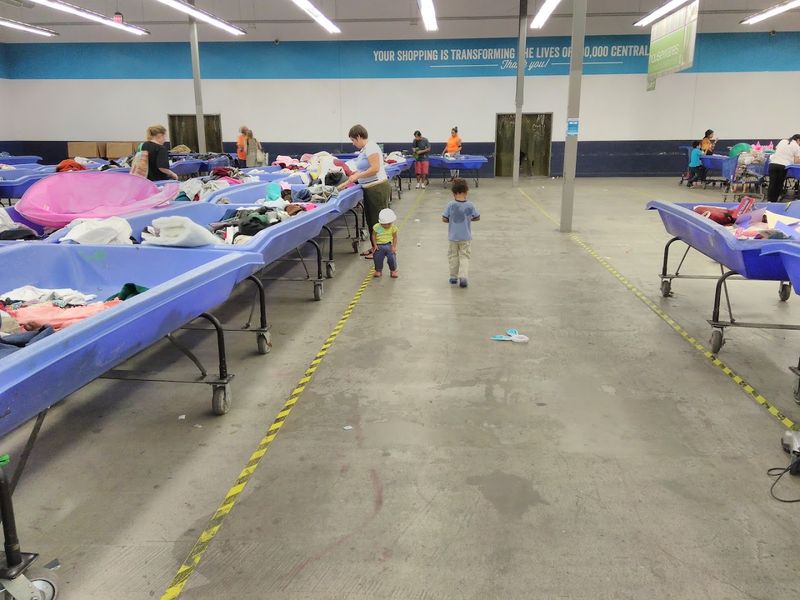
Multiple reviews mention unattended children running through the outlet, creating safety hazards in an already chaotic environment. Broken glass from shattered items litters the floor regularly, making this absolutely not a safe playground for unsupervised kids. Yet some parents apparently treat the outlet like free childcare while they focus on digging through bins.
One reviewer witnessed a child cut her hand while digging through bins, which highlights exactly why kids and this environment don’t mix well. Sharp edges, broken ceramics, and heavy items getting tossed around create genuine dangers. Staff members already struggle to manage adult shoppers rushing bins—they can’t also supervise other people’s children.
The overstimulating atmosphere affects kids too. Reviewers mention crying children overwhelmed by the noise, crowds, and general chaos. What seems exciting for five minutes quickly becomes too much for young kids who need calmer environments.
Parents might think bringing kids along makes sense, but the reality rarely works out well.
Some customers find the running children situation so frustrating that it impacts their shopping experience entirely. When you’re trying to concentrate on finding treasures while dodging running kids and listening to crying, the fun of thrift hunting disappears quickly. Management hasn’t implemented effective policies to address this ongoing problem despite years of complaints.
If you’re planning to bring children, seriously reconsider unless they’re old enough to stay close and follow safety rules. Better yet, arrange childcare and shop solo so you can focus on hunting deals without worrying about your kids’ safety around aggressive shoppers and broken items.
7. Staff Enforcement Feels Aggressive to Some Shoppers
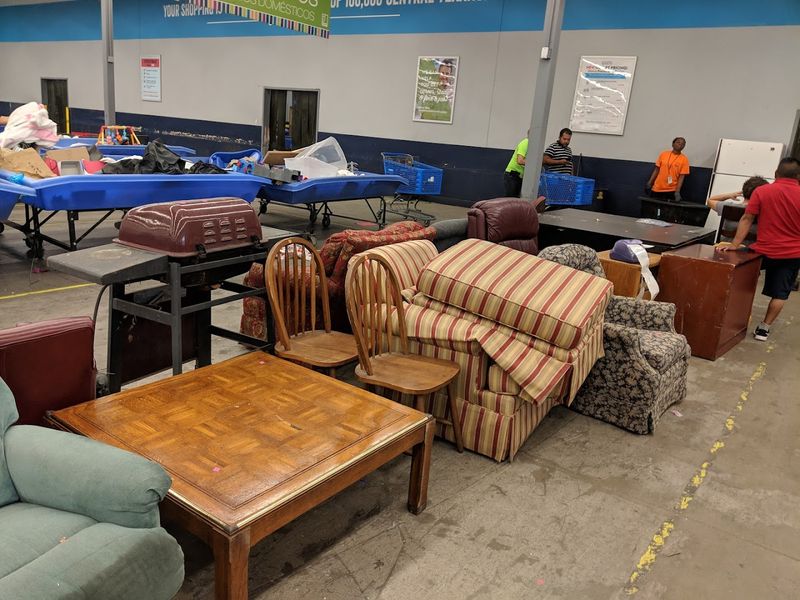
Opinions about staff behavior at this outlet split dramatically between reviewers. Some appreciate that employees take an aggressive approach to maintaining order during the chaos of bin rotations and crowded shopping. Others feel the staff crosses lines into rudeness and unnecessary confrontation.
One detailed review describes employees yelling at customers and aggressively demanding a shopper delete photos from their phone, even hovering until compliance happened. That level of intensity feels excessive for enforcing a no-photography policy. A simple polite reminder would accomplish the same goal without creating hostile interactions.
However, other reviewers specifically praise the staff for being kind, polite, and helpful despite the challenging environment. The cashiers especially receive compliments for maintaining grace and smiles while processing long lines of customers with heavy, dirty hauls. One short woman wearing glasses gets mentioned by name for her consistently pleasant demeanor.
The aggressive approach some staff members take might stem from dealing with regulars who push boundaries constantly. When you’re managing resellers hoarding carts, people running toward bins, and general mayhem, firm enforcement becomes necessary. Still, there’s a difference between being firm and being hostile toward customers.
Experiences seem to vary depending on which employees you encounter during your visit. Some shoppers report consistently positive interactions, while others feel targeted or treated rudely. Management has responded to negative feedback by promising to address staff behavior, though whether actual changes happen remains unclear.
Going in with patience and following posted rules helps avoid negative staff interactions. Understanding that workers face difficult crowd management daily might also help you sympathize with their occasionally sharp tone.
8. Resellers Dominate and Change the Shopping Dynamic
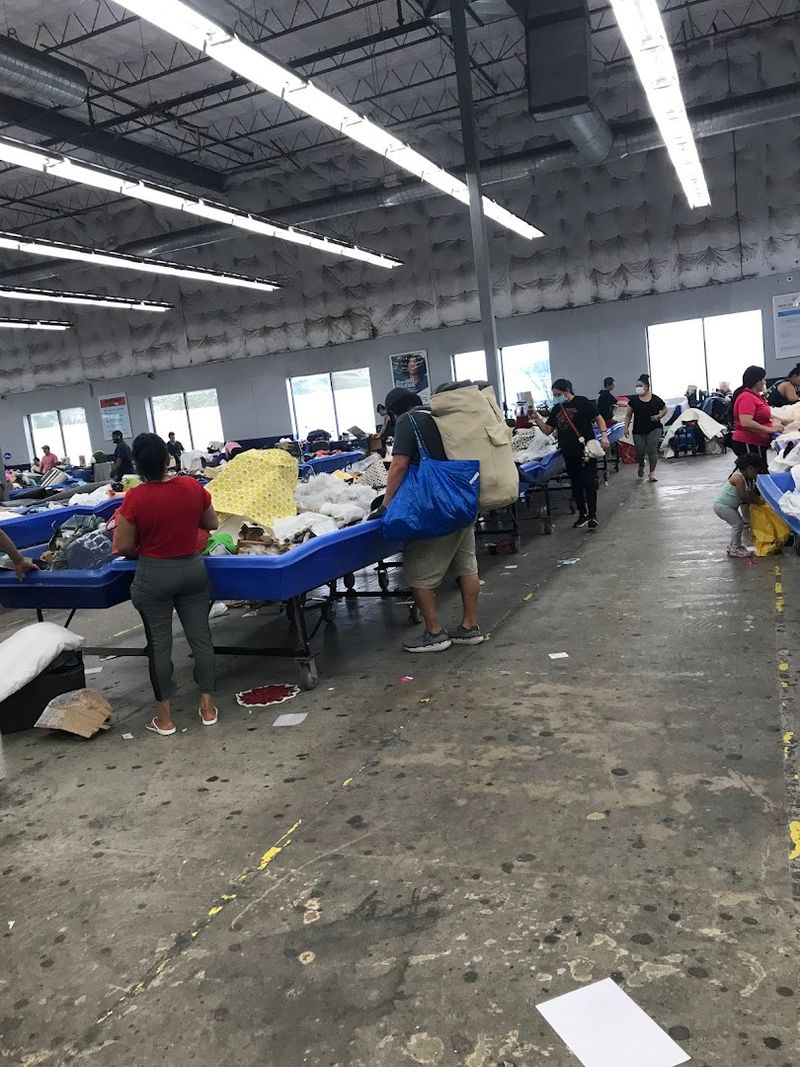
Professional resellers make up a significant portion of the regular customer base at this outlet, and their presence fundamentally changes the shopping experience. These aren’t casual bargain hunters—they’re people running businesses who depend on finding valuable items to flip for profit. They know exactly what brands to grab, what items sell well online, and how to work the system efficiently.
Resellers arrive early, claim multiple shopping carts, and camp out for hours waiting for fresh bin rotations. They’ve developed relationships with staff and understand the outlet’s rhythm better than casual shoppers ever will. When new bins appear, they move fast and grab aggressively because their income depends on it.
Some reviewers feel the outlet shows favoritism toward resellers, allowing them to hoard carts and dominate the space while regular customers struggle to participate. Management hasn’t implemented limits on cart usage or enforced rules that would level the playing field. This creates an environment where experienced resellers have massive advantages over everyone else.
Other shoppers don’t necessarily resent resellers but recognize that competing with professionals requires adjusting expectations. You’re not just looking for personal treasures—you’re competing with people who do this daily as their job. That reality makes casual browsing nearly impossible during busy hours.
The reseller presence does keep inventory moving quickly and supports Goodwill’s mission of generating revenue for local programs. However, it also means the best items disappear within minutes of bins appearing. If you’re hoping for a relaxed treasure hunt, the reseller-dominated atmosphere will likely disappoint you.
9. The Outlet Experience Isn’t for Everyone—And That’s Okay
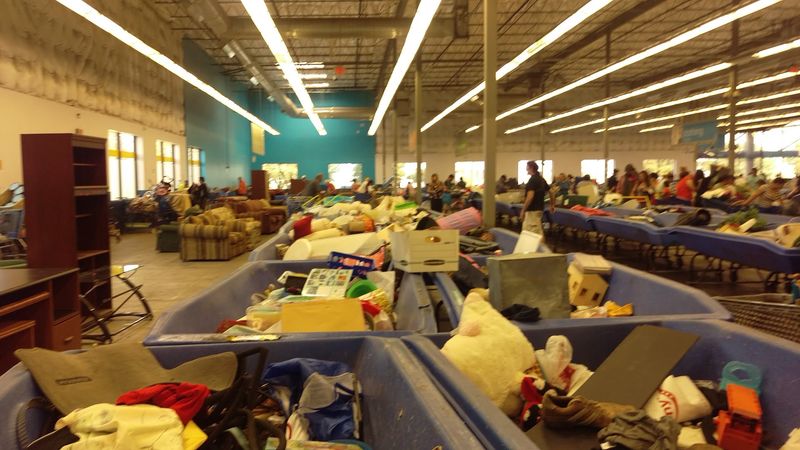
Reading through hundreds of reviews makes one thing crystal clear: this outlet creates passionate reactions on both ends of the spectrum. People either absolutely love it and visit multiple times weekly, or they try it once and never return. There’s very little middle ground in how customers feel about the experience.
Fans appreciate the incredible deals, the thrill of the hunt, and the treasure-finding possibilities that come with bin shopping. They don’t mind the chaos, the competition, or the dirt because the payoff makes it worthwhile. These shoppers come prepared with gloves, their own carts, and realistic expectations about what outlet shopping involves.
Critics find the environment overwhelming, dirty, stressful, and not worth the savings. They’re put off by aggressive shoppers, running children, broken glass, limited carts, and the general mayhem. For them, paying slightly more at a regular Goodwill or other thrift store seems preferable to dealing with outlet chaos.
Management’s responses to negative reviews acknowledge that the outlet experience isn’t for everyone, which shows self-awareness. They’re not trying to pretend this is a calm, organized shopping environment. It’s fast-paced, competitive, and requires a certain personality type to enjoy.
Before visiting, honestly assess whether you’ll thrive in or hate this atmosphere. If you love treasure hunting, don’t mind getting dirty, and enjoy competitive shopping, you might become a devoted regular. If you prefer organized stores, personal space, and calm browsing, skip this location and stick with traditional thrift stores.
Neither preference is wrong—they’re just different shopping styles that suit different people.
Share this story