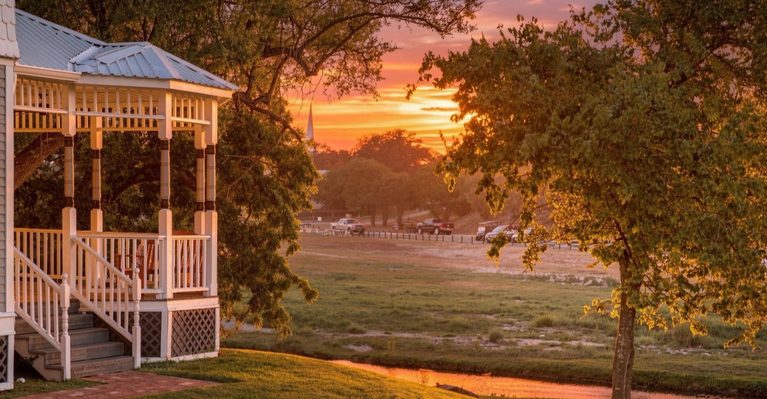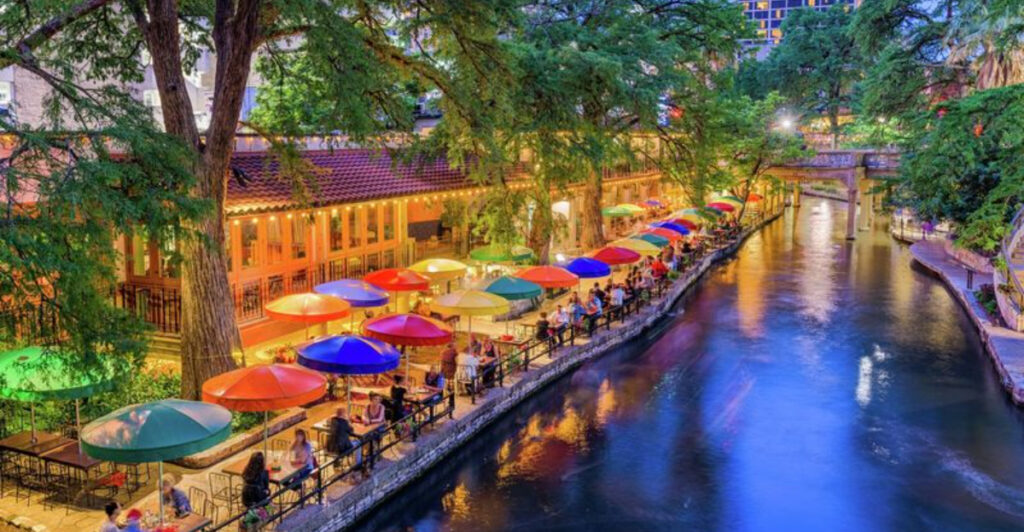
San Antonio blends big-city excitement with a warm, neighborly feel that makes visitors feel right at home. This south-central Texas gem offers tree-lined streets, historic neighborhoods, and a world-famous river walk that invites exploration on foot. With its mix of Spanish colonial history, vibrant culture, and genuine Texan hospitality, San Antonio proves you don’t need to sacrifice charm for urban amenities.
1. River Walk Magic
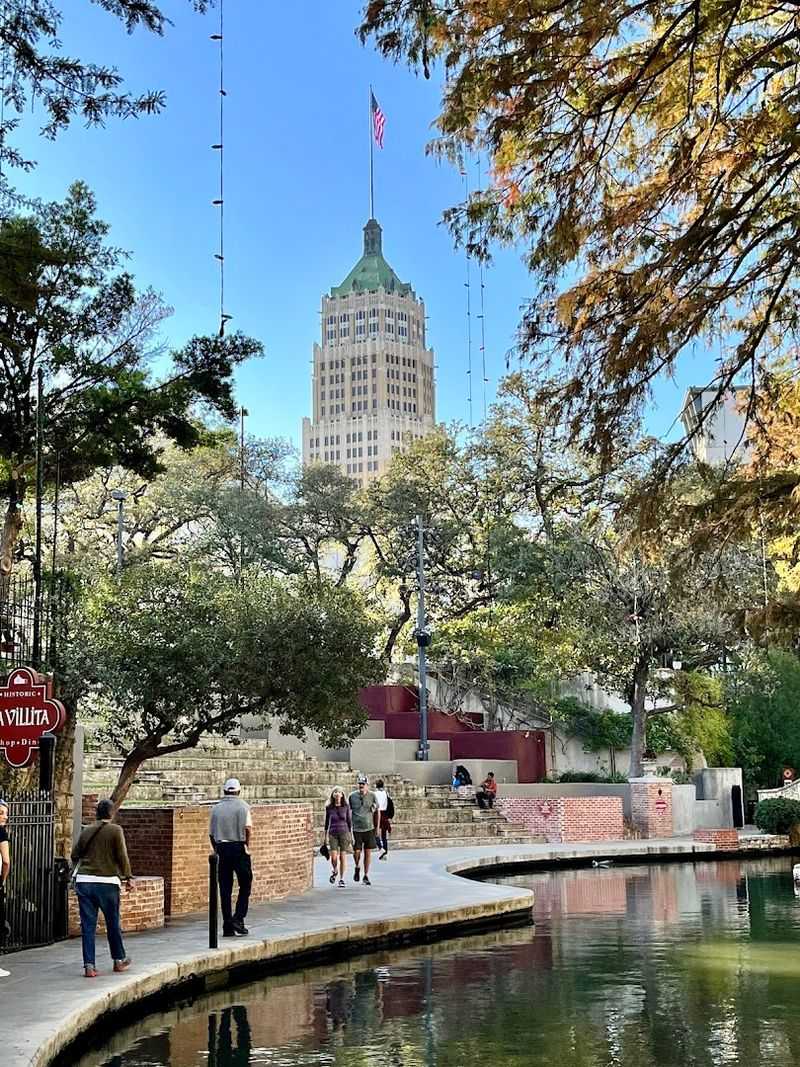
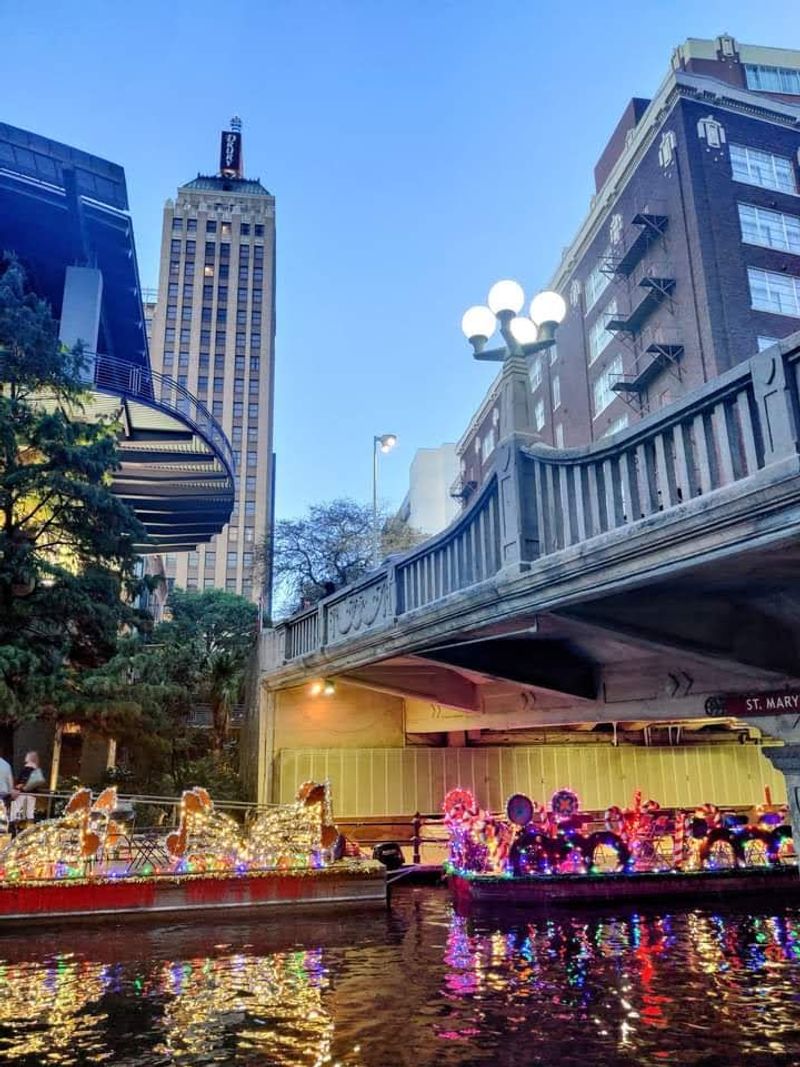
Winding through downtown like a hidden oasis, the San Antonio River Walk transforms an ordinary waterway into something extraordinary. Stone pathways hug both sides of the river, creating a shaded corridor where locals and tourists mingle at sidewalk cafes, browse unique shops, and watch boats glide past. The entire experience feels like stepping into a different world, even though you’re right in the heart of the city.
Cypress trees drape over the water while colorful flowers spill from planters along the walkway. You can stroll for miles without ever crossing a street, stopping whenever something catches your eye. Restaurant patios offer front-row seats to the constant parade of people, and the sound of live music drifts from various spots along the route.
What makes this stretch special is how it connects different parts of downtown seamlessly. Museums, hotels, shops, and historic sites all link together through this pedestrian-friendly corridor. Whether you’re grabbing breakfast tacos, shopping for souvenirs, or just people-watching, everything feels accessible and relaxed.
The River Walk proves that walkability isn’t just about sidewalks. It’s about creating spaces where people want to linger, explore, and connect. San Antonio built something that encourages slow movement and genuine discovery, turning a simple walk into an adventure that reveals new surprises around every bend.
2. Historic King William District
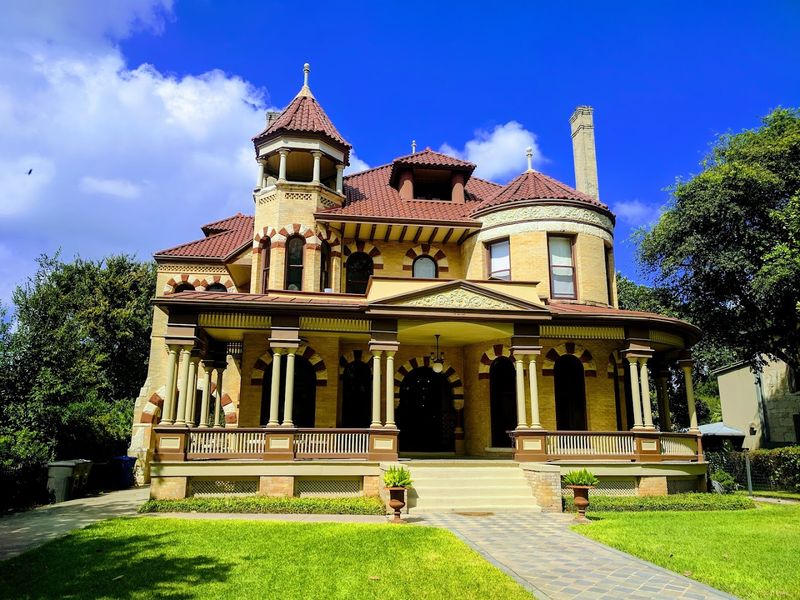
Just south of downtown sits a neighborhood that feels frozen in the best parts of the 19th century. King William District showcases stunning Victorian and Greek Revival mansions built by wealthy German merchants who settled here in the 1800s. Today, these carefully preserved homes create one of Texas’s most picturesque walking neighborhoods, where every block offers something beautiful to admire.
Massive oak trees form natural canopies over the streets, providing shade that makes summer strolls bearable. The homes themselves tell stories through their architecture—elaborate woodwork, wraparound porches, and vibrant paint colors that range from soft pastels to bold jewel tones. Many have been lovingly restored by owners who appreciate the district’s historical significance.
Unlike some historic areas that feel like museums, King William remains a living neighborhood. Residents sit on front porches, tend their gardens, and greet passersby with friendly waves. Small cafes and galleries have opened in converted homes, adding modern amenities without disrupting the area’s character.
Walking these streets gives you a genuine sense of San Antonio’s immigrant heritage and architectural evolution. The district earned National Historic District status in 1968, ensuring these treasures stay protected. It’s proof that preserving the past doesn’t mean sacrificing livability—it actually enhances it, creating spaces where history and everyday life coexist beautifully.
3. The Alamo and Alamo Plaza
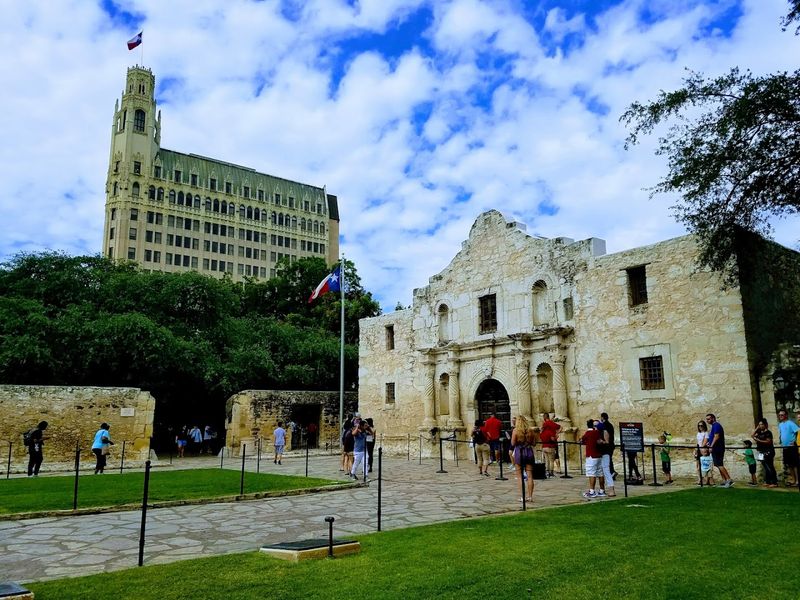
Standing in the shadow of modern skyscrapers, the Alamo reminds everyone who visits about the fierce determination that shaped Texas. This 18th-century Spanish mission became the site of a legendary 1836 battle where outnumbered Texan defenders held out against Mexican forces for thirteen days. Today, the preserved mission serves as both museum and memorial, drawing millions of visitors who want to touch this piece of American history.
The limestone facade looks surprisingly small compared to how it appears in movies and textbooks. Yet walking through the actual building where Davy Crockett and Jim Bowie made their stand creates an emotional connection that no film can replicate. The surrounding plaza has been redesigned to honor the site’s significance while making it accessible to foot traffic from all directions.
What’s remarkable is how seamlessly the Alamo integrates into downtown life. You can grab coffee at a nearby cafe, then spend an hour exploring the mission grounds. The entire area encourages walking, with wide pedestrian spaces connecting to shops, restaurants, and other historic sites within easy reach.
Recent improvements have enhanced the walking experience around the plaza, adding green space and clearer pathways. The site proves that San Antonio takes its history seriously while keeping it approachable and woven into daily urban life rather than isolated behind barriers.
4. Pearl Brewery District
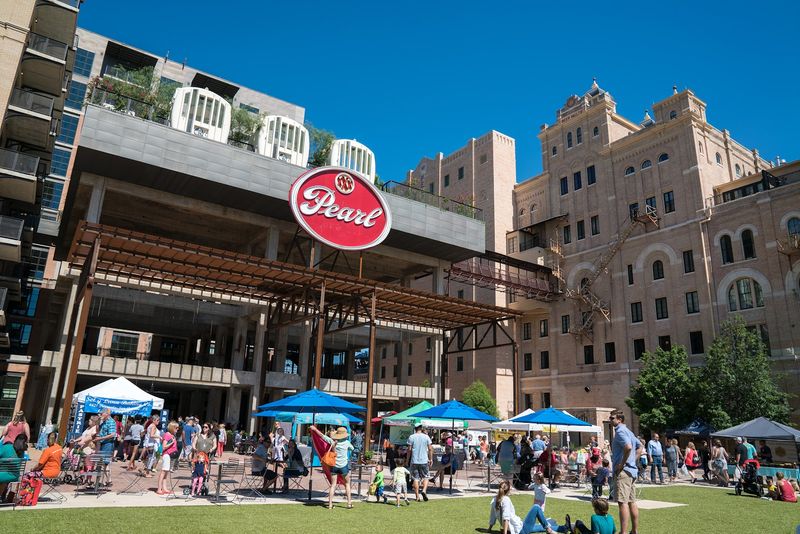
Where beer once flowed from production lines, creativity and community now flourish in unexpected ways. The old Pearl Brewery complex has been transformed into a vibrant mixed-use neighborhood that celebrates San Antonio’s industrial past while embracing its culinary future. Massive brick buildings that once housed brewing operations now contain restaurants, shops, apartments, and even a branch of the Culinary Institute of America.
The entire complex was designed with pedestrians in mind. Wide sidewalks connect different buildings, and a central plaza hosts farmers markets every weekend where locals gather to buy fresh produce and handmade goods. You can easily spend an entire day here without needing a car, moving from breakfast at the bakery to shopping at boutique stores to dinner at one of the acclaimed restaurants.
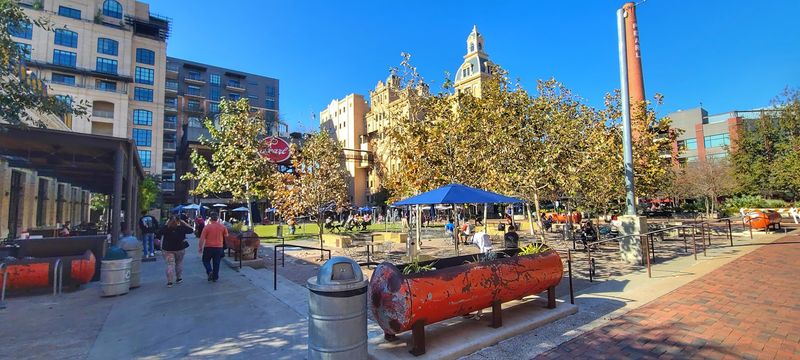
What sets Pearl apart from typical shopping developments is its authentic connection to San Antonio’s heritage. Original brewery equipment serves as public art, and the buildings retain their industrial character rather than being sanitized into generic retail space. The result feels genuine rather than manufactured, like a real neighborhood that evolved organically.
Green spaces throughout the complex provide spots to rest between explorations. The development connects to the Museum Reach section of the River Walk, extending that pedestrian-friendly experience northward and proving that walkable districts can thrive outside traditional downtown cores when thoughtfully planned.
5. Southtown Arts District
Creativity explodes across building walls, gallery windows, and sidewalk displays throughout Southtown, where San Antonio’s artistic soul comes alive. This neighborhood south of downtown has evolved into the city’s premier arts destination, packed with galleries, studios, working artists’ spaces, and murals that transform ordinary buildings into outdoor exhibitions. Walking these streets means encountering unexpected beauty at every turn.
First Friday Art Walks draw crowds who stroll from gallery to gallery, meeting artists and discovering new work. The relaxed atmosphere encourages conversation and exploration rather than rushed transactions. Local restaurants and bars have embraced the artistic vibe, decorating their spaces with rotating exhibitions and hosting live music that spills onto sidewalks.
The district’s walkability stems partly from its compact layout and partly from the density of interesting destinations. You might spot a sculpture garden tucked between buildings, stumble upon a pop-up market, or find a hidden courtyard where local musicians perform. The neighborhood rewards wandering rather than destination-driven visiting.
Unlike some arts districts that cater mainly to tourists, Southtown maintains its authenticity through working studios where artists actually create rather than just sell. You can watch glassblowers, painters, and sculptors practicing their crafts. This genuine creative energy, combined with excellent walkability and a welcoming attitude toward newcomers, makes Southtown feel like a discovery rather than a calculated tourist attraction.
6. Main Plaza and Spanish Governor’s Palace
San Antonio’s story begins at Main Plaza, where Spanish settlers established their colonial foothold in 1731. The plaza still serves as a gathering spot nearly three centuries later, anchored by the magnificent San Fernando Cathedral and the Spanish Governor’s Palace. Walking through this space connects you directly to the city’s founding, where every stone and building whispers tales of Spanish missionaries, Mexican governance, and Texan independence.
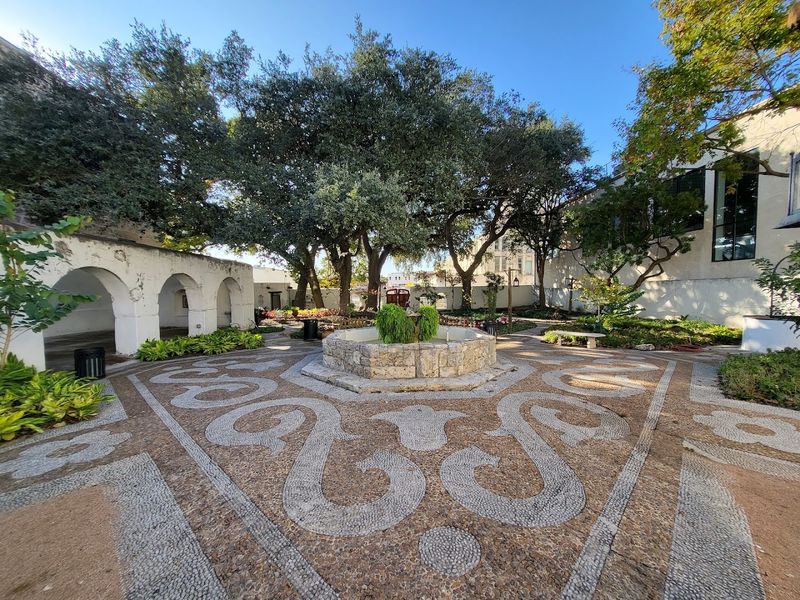
The Spanish Governor’s Palace, despite its grand name, is actually a modest single-story structure built around 1722. Its thick limestone walls and intimate courtyard offer a glimpse into colonial life that feels remarkably personal compared to grander historic sites. The building’s preservation allows visitors to see authentic period details, from hand-carved doors to the original stone floors worn smooth by generations of footsteps.
Main Plaza itself has been redesigned to encourage pedestrian use, with benches, shade trees, and open space for community events. The cathedral’s bells still ring throughout the day, marking time as they have for centuries. Surrounding streets feature a mix of historic buildings and modern development, all easily accessible on foot.
What makes this area special is how it remains central to both tourist exploration and daily life for San Antonio residents. People cross the plaza heading to work, attend services at the cathedral, and gather for festivals. History here isn’t preserved behind velvet ropes—it’s lived in and walked through every single day.
7. Brackenridge Park and the San Antonio Zoo
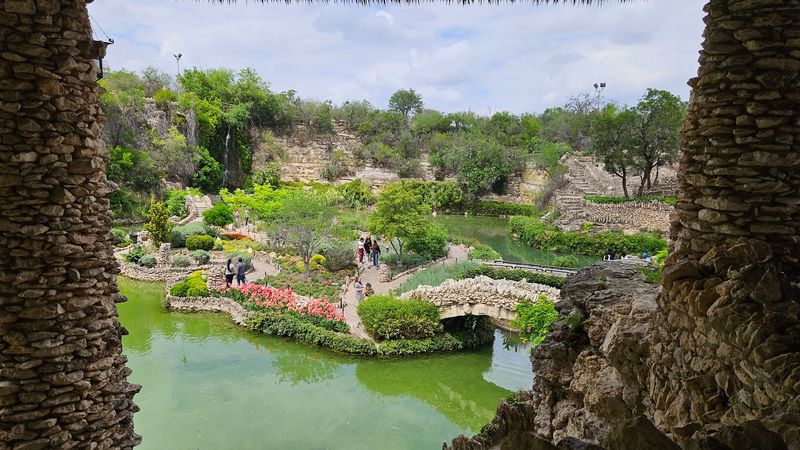
Nature and recreation merge beautifully at Brackenridge Park, a 343-acre green space that’s been San Antonio’s playground since 1899. The park stretches along the San Antonio River’s northern reaches, offering trails, picnic areas, playgrounds, and the popular San Antonio Zoo. What started as a simple donation of land has grown into an essential urban oasis where families spend entire weekends without ever feeling cramped or confined.
Walking trails wind through groves of massive oak and pecan trees that provide welcome shade during hot Texas summers. The Japanese Tea Garden, built into an old limestone quarry, creates a peaceful retreat with waterfalls, stone bridges, and koi ponds. You can easily walk from one attraction to another, with the zoo, Witte Museum, and miniature train all connected by pedestrian paths.
The park’s design encourages exploration rather than car-dependent hopping between separate sites. Families push strollers along paved paths while cyclists and joggers share wider trails. Benches appear at regular intervals, inviting people to pause and simply enjoy being outdoors.
The river provides a natural corridor that connects different sections while offering its own recreational opportunities.
Recent improvements have enhanced accessibility and added better wayfinding, making it easier for visitors to navigate the expansive grounds on foot. Brackenridge proves that urban parks can serve multiple purposes—recreation, education, nature preservation, and community gathering—while remaining thoroughly walkable and welcoming to all ages.
8. Tower of the Americas and HemisFair Park
Rising 750 feet above downtown, the Tower of the Americas has defined San Antonio’s skyline since the 1968 World’s Fair. This striking structure anchors HemisFair Park, a 15-acre urban green space created for that same international exposition. Today, both tower and park serve as gathering spots where locals and visitors come to enjoy panoramic views, cultural attractions, and simply being outdoors in the heart of the city.
The observation deck offers unmatched views of San Antonio sprawling in all directions. On clear days, you can trace the River Walk’s path through downtown, spot the Alamo, and watch planes approaching the airport. A revolving restaurant slowly rotates, giving diners constantly changing perspectives while they eat.
The experience provides context for understanding how San Antonio’s different neighborhoods connect and flow together.
Down at ground level, HemisFair Park has been reimagined as a pedestrian-friendly space with playgrounds, walking paths, and event lawns. The park connects to nearby attractions including the Institute of Texan Cultures and Hemisfair area restaurants. Wide sidewalks and clearly marked paths make navigation simple, while public art installations add visual interest throughout the grounds.
What’s significant about this area is how it demonstrates San Antonio’s commitment to creating walkable public spaces even in car-dominated Texas. The park serves as a central hub linking different downtown districts, proving that thoughtful urban planning can transform former fairgrounds into permanent community assets that enhance walkability and quality of life.
Share this story