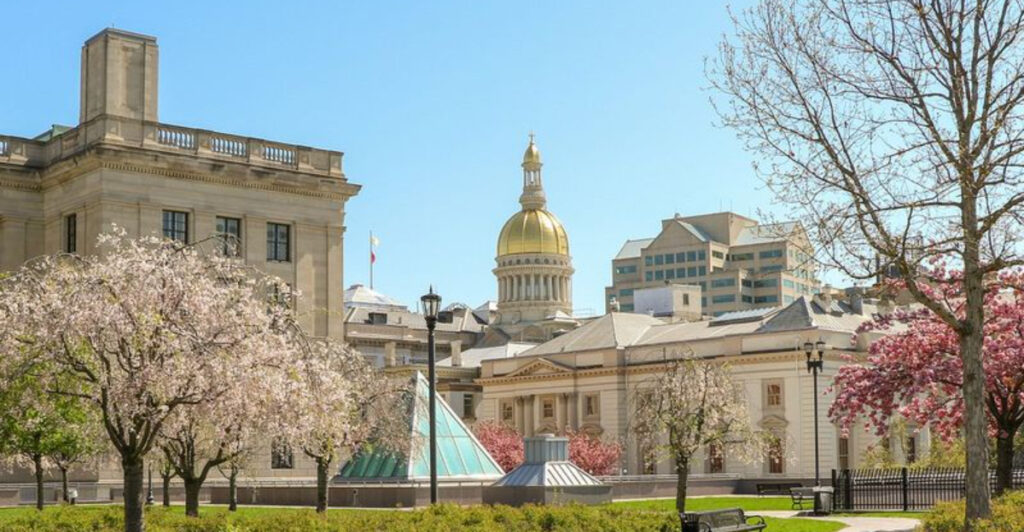
On some New Jersey streets, the past does not hide behind velvet ropes. It is right there beside the bakery window, under the sycamores, across from the train station, and in the brick building you nearly pass without realizing a legislature once met upstairs.
That is the fun of exploring the state’s oldest towns: history is not tucked away in one neat museum room. It spills onto main streets, waterfront paths, college greens, churchyards, taverns, old inns, and sleepy lanes where the houses look like they have been eavesdropping for 250 years.
These places are not theme parks, and that is exactly why they work. You can grab coffee, browse antiques, walk past Revolutionary War landmarks, and end the afternoon with dinner in a building older than your great-great-grandparents.
From riverside villages to Victorian beach towns, these 10 historic New Jersey towns make the present feel wonderfully thin.
1. Cranbury
The first thing that sneaks up on you here is how quiet it feels, even though this little village sits in one of the busiest parts of Central Jersey.
A few minutes from highways and warehouse corridors, Main Street suddenly slows everything down with clapboard homes, old shade trees, tidy porches, and storefronts that look like they belong to a much smaller century.
That contrast is exactly what makes the town such a treat. It feels preserved without feeling staged.
Cranbury’s historic district is the star, so the best plan is simple: park near Main Street, walk slowly, and let the old houses do most of the work. The Cranbury Museum is a good first stop when it is open, especially if you like your history with local details instead of broad textbook strokes.
You can also make a low-key afternoon of it by grabbing lunch in town, browsing small shops, and taking your time with the architecture. What Cranbury does best is restraint.
There is no big “look at me” landmark demanding your attention. Instead, the whole village works together: churches, homes, lanes, and little civic buildings all adding up to the feeling that you have wandered into a preserved 19th-century New Jersey postcard.
Come on a clear day, wear comfortable shoes, and do not rush it. Cranbury rewards people who like noticing things.
2. Princeton
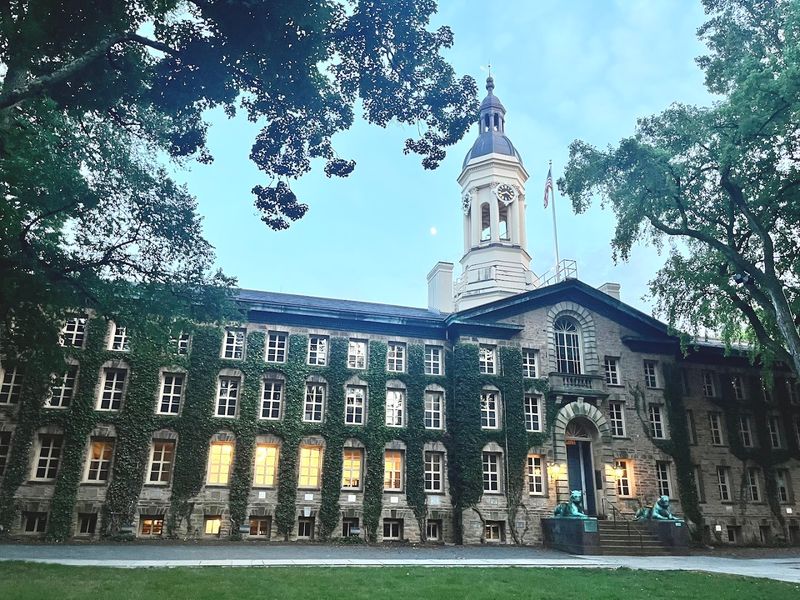
A walk through this town can make you feel underdressed for history. One minute you are passing students with laptops and coffee cups, and the next you are standing near Nassau Hall, where the architecture carries the kind of gravitas most buildings can only dream about.
Princeton blends brainy energy with deep roots, which is why it feels less like a museum stop and more like an old story that kept getting new chapters. Start around Nassau Street and the university campus, because that is where the town’s layers are easiest to see.
Nassau Hall, the university chapel, and the older campus buildings give the area its scholarly backbone, while nearby streets bring in bookstores, cafés, restaurants, and boutiques.
Morven Museum & Garden adds another strong historic stop, especially for anyone interested in early American politics and New Jersey’s past as more than a place people drive through on the way to somewhere else.
The best way to experience Princeton is to mix the grand and the casual. Tour a historic site, then wander into a bookshop.
Walk past elegant homes, then sit down for ice cream, coffee, or a proper dinner. Parking can take patience on busy weekends, so arriving earlier in the day helps. Princeton has polish, but it also has corners where the centuries feel charmingly close.
3. Burlington
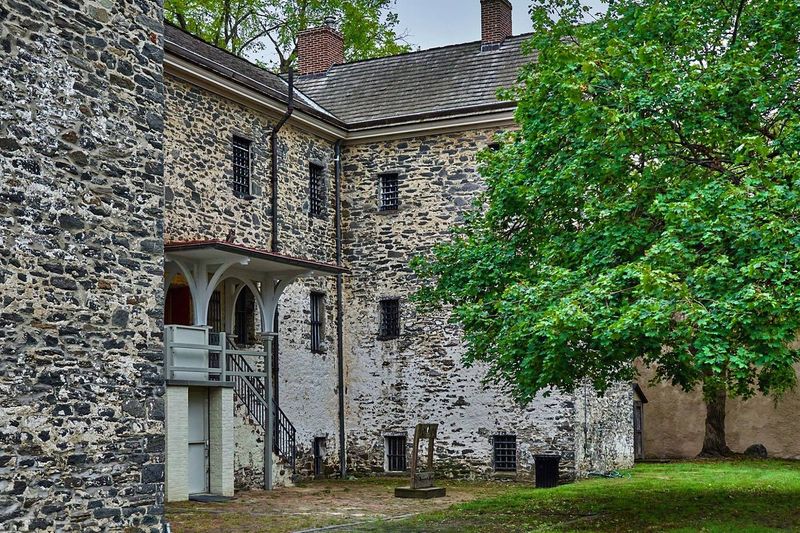
The Delaware River gives this city its best opening line. Stand near the waterfront and you can feel why Burlington mattered: ships, trade, Quaker settlement, politics, printing, and river traffic all passed through here long before New Jersey became the crowded state we know today.
Dating to the 17th century, the city wears that age in brick, stone, and narrow streets rather than in loud declarations. The historic district is made for wandering, especially around High Street and the blocks that lead toward the river.
Keep an eye out for old churches, colonial-era homes, and the kind of architectural details that make you slow down without being told.
The Revell House and St. Mary’s Episcopal Church are among the town’s standout historic anchors, but Burlington’s charm also comes from the in-between moments: a rowhouse doorway, a river breeze, a quiet side street where the modern world seems to have taken a respectful step back.
This is a good town for readers who like history with texture. It is not all polished boutiques and postcard corners; Burlington feels lived-in, layered, and real.
Pair a self-guided walk with lunch downtown, then save time for the riverfront. If you are coming by transit, the River Line makes it easier than many historic towns.
Burlington gives you old New Jersey with river mud still on its shoes, and that is a compliment.
4. Cape May
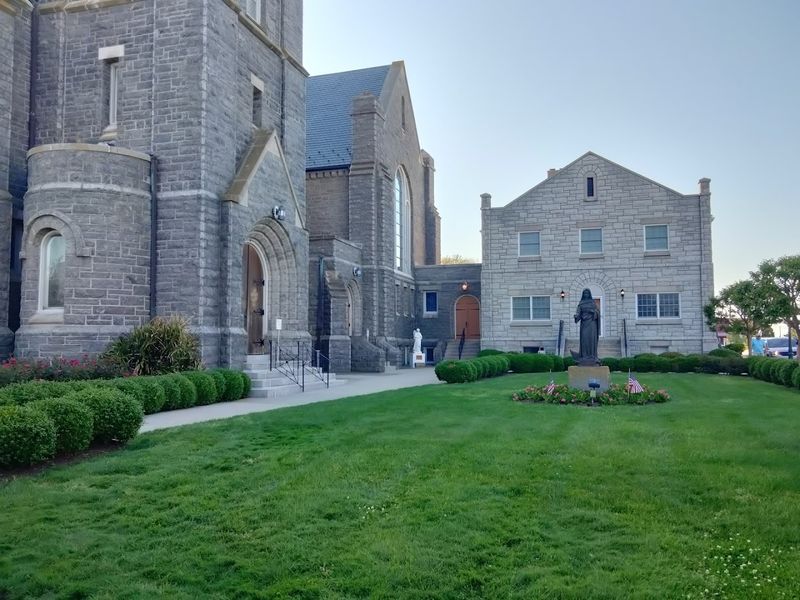
The porches are the giveaway. Wide, ornate, and practically begging for a rocking chair, they announce that Cape May is not just another shore town with pretty beaches.
This is where seaside leisure got dressed up in gingerbread trim, stained glass, turrets, brackets, and paint colors that somehow make even a cloudy day feel theatrical. The Victorian architecture is the reason Cape May belongs on any historic New Jersey list, but the beach air keeps it from feeling too precious.
The historic district is best explored on foot, especially around the older streets near the center of town. The Emlen Physick Estate is a strong stop for anyone who wants a more formal look at Victorian life, while the Washington Street Mall gives you shops, snacks, and people-watching without needing a car.
You should absolutely leave time for a meal, too. Cape May does seafood beautifully, and even a simple breakfast feels better when you can follow it with a walk past painted ladies and salt air.
Summer is the obvious season, but spring and fall may be even better for history lovers because the crowds thin out and the architecture gets more room to shine. Parking can be the biggest headache in peak season, so patience helps.
Cape May feels old in a different way than the colonial towns: softer, brighter, and a little more dramatic, like history decided to take a beach vacation.
5. Haddonfield
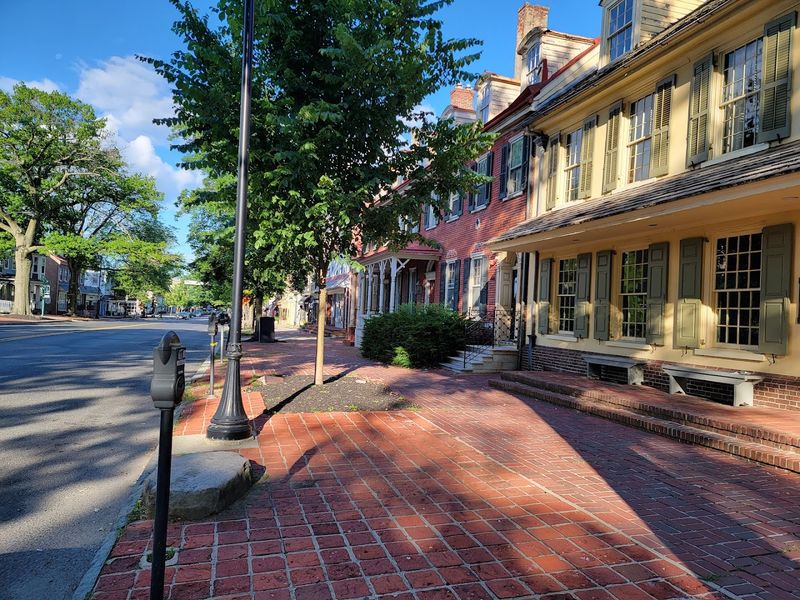
Kings Highway does not whisper its history; it puts it right in the middle of town. The Indian King Tavern sits there like a reminder that Haddonfield’s polished downtown has serious Revolutionary-era bones.
This is where New Jersey’s government met during a critical stretch of 1777, and where the colony-to-state story gets very real, very fast. Then, just a short stroll away, you can find boutiques, cafés, restaurants, and families out for an easy afternoon.
That mix is the magic. Haddonfield is one of the easiest towns on this list to enjoy without a complicated plan.
Park once, walk Kings Highway, and let the day unfold. Visit the Indian King Tavern Museum when it is open, browse the shops, grab coffee or lunch, and look up often.
The buildings have details worth noticing, from old brickwork to upper-story windows that hint at earlier versions of the town. There is also a playful wrinkle here: Haddonfield has a dinosaur claim to fame.
Hadrosaurus foulkii, one of the most important dinosaur discoveries in American paleontology, is tied to the area, which gives the town a fun “wait, really?” layer beyond its colonial history. Haddonfield feels refined but not stiff, historic but not sleepy.
It is the kind of place where you can bring a history buff, a shopper, and a hungry friend, and no one has to compromise too much.
6. Morristown
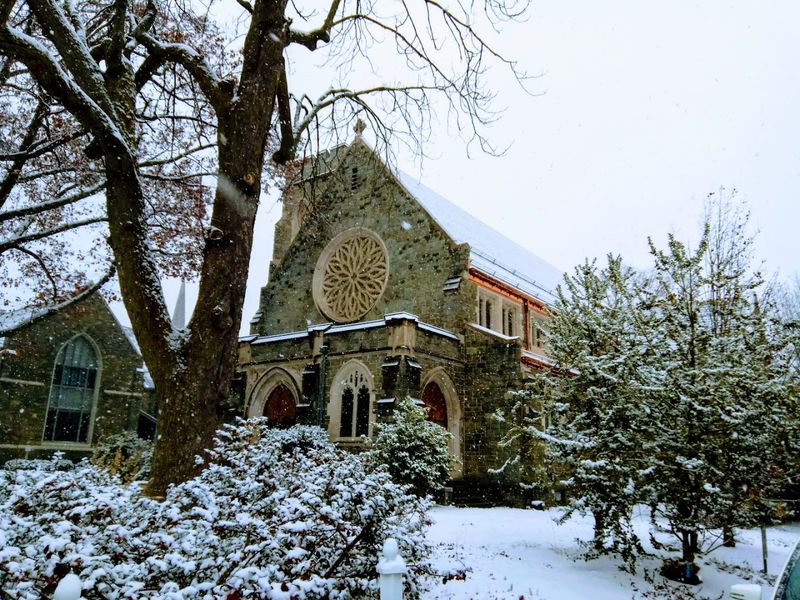
The winter of 1779–1780 was not the romantic version of the American Revolution. It was bitter, brutal, and exhausting, and Morristown still carries that story better than almost anywhere in New Jersey.
George Washington’s headquarters at the Ford Mansion gives the town its strongest historical pull, but this is not a one-site destination. It is a full day if you let it be.
Start with Morristown National Historical Park, where the Ford Mansion and museum help put the Revolutionary War years into human scale. The house looks dignified now, but its real power comes from imagining military strategy, shortages, illness, cold, and uncertainty packed into those rooms.
From there, the Morristown Green gives you a walkable downtown center with restaurants, shops, and plenty of places to stop before or after a history-heavy visit. Morristown works especially well for people who want substance with their strolling.
You can spend the morning with Washington, the afternoon browsing downtown, and the evening at dinner without moving the car too many times. Weekends can get busy, and some historic tours may have set times, so checking ahead is smart.
The vibe is polished North Jersey town meets Revolutionary War nerve center. Somehow, both sides fit.
Morristown makes history feel less like a date on a plaque and more like a hard winter people had to survive.
7. Lambertville
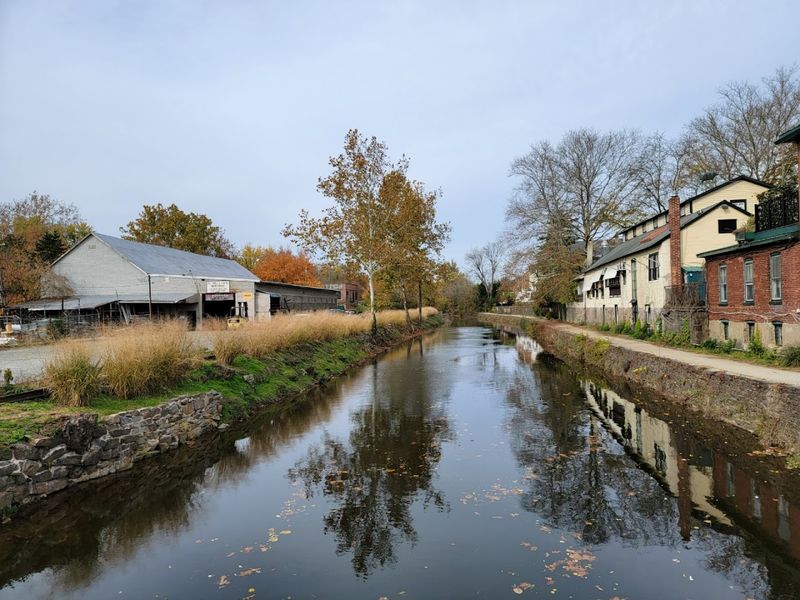
Along the Delaware River, old brick has a way of looking fashionable. Former industrial buildings, Federal-style houses, antique shops, galleries, and canal-side paths all sit close together, giving Lambertville a slightly artsy, slightly weathered charm.
It is historic, yes, but not frozen. It feels like a place where the past got reused creatively instead of sealed behind glass.
Bridge Street is the natural starting point, especially if you want to connect the town’s river history with its modern-day personality. The Delaware and Raritan Canal adds one of the best walks in town, with water, towpath, trees, and old transportation history all in one easy route.
Lambertville is also known for antiques, so browsing is practically part of the assignment. Even people who do not “need” anything can lose an hour poking through furniture, art, oddities, and vintage finds.
Food is another good reason to linger. Come for brunch, stay through the afternoon, and cross the bridge to New Hope only after giving Lambertville its due.
Parking can be tight on pretty weekends, especially when the weather turns the river towns into a magnet, so arrive early if you can. Lambertville feels like old New Jersey with good taste: brick, river light, canal history, and just enough eccentricity to keep things interesting.
8. Greenwich
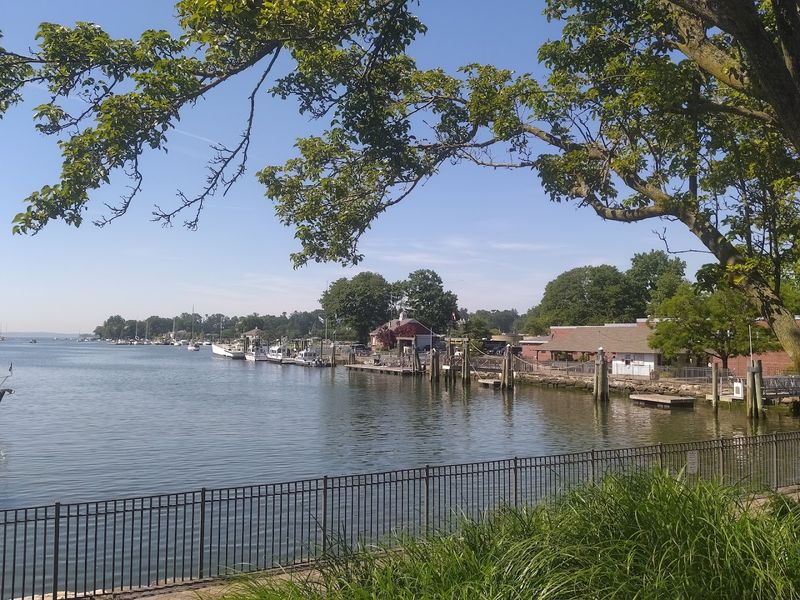
Ye Greate Street sounds like something a historical reenactor made up, but in Greenwich, it is real, and it sets the tone beautifully. This Cumberland County village is quiet in a way that makes you lower your voice without meaning to.
The houses are old, the road feels gently removed from modern urgency, and the story here has a rebellious spark: Greenwich was the site of a 1774 tea burning, one of America’s lesser-known acts of protest before independence. This is not the town for shoppers looking for a packed main drag.
Greenwich is slower and more contemplative, which is exactly why it deserves a place here. The Greenwich Tea Burning Monument is a must, and the historic homes along Ye Greate Street make the area feel like a preserved colonial corridor.
The Gibbon House, connected to the Cumberland County Historical Society, adds another strong reason to visit when open. Bring your curiosity and a willingness to wander quietly.
Greenwich pairs well with a broader Cumberland County day trip, especially if you like rural roads, marshy landscapes, and history that does not come with crowds. It is one of the most atmospheric towns on this list because it has not been overly polished into a destination brand.
Greenwich feels like a secret New Jersey keeps for people who enjoy the deeper cuts.
9. Bordentown
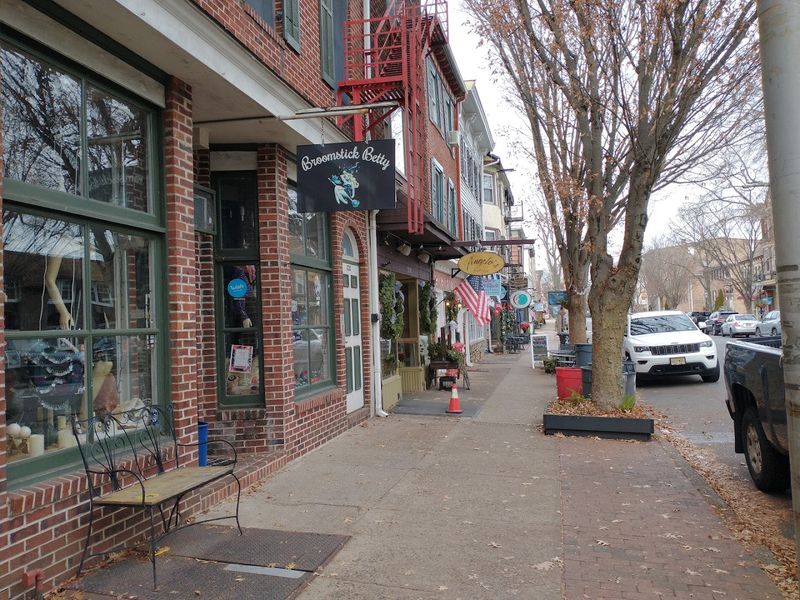
A small city with an almost ridiculous historical résumé, Bordentown has ties to Thomas Paine, Francis Hopkinson, Clara Barton, and Joseph Bonaparte. That is a lot of personality for one place along the Delaware River.
Yet the city does not feel heavy or academic. It feels walkable, friendly, and just a little theatrical, as if it knows it has good stories and is waiting for you to ask.
Farnsworth Avenue is the main spine for a visit, lined with restaurants, shops, and older buildings that make it easy to spend a few unhurried hours.
The Bordentown Historical Society, housed in a 1740 Friends Meeting House, is a smart stop when open, especially for learning about Joseph Bonaparte’s Point Breeze estate and the town’s many famous residents.
Clara Barton’s schoolhouse adds another important chapter, connecting Bordentown to New Jersey’s public education history. This is a great town for lunch and a walk.
Come hungry, browse a little, then let the historic markers and side streets pull you around. Parking is usually more manageable than in some of the state’s bigger-name destinations, though popular dining times can still fill things up.
Bordentown’s charm is in the contrast: modest streets, enormous names, and a past that keeps casually dropping famous people into the conversation.
10. Mount Holly
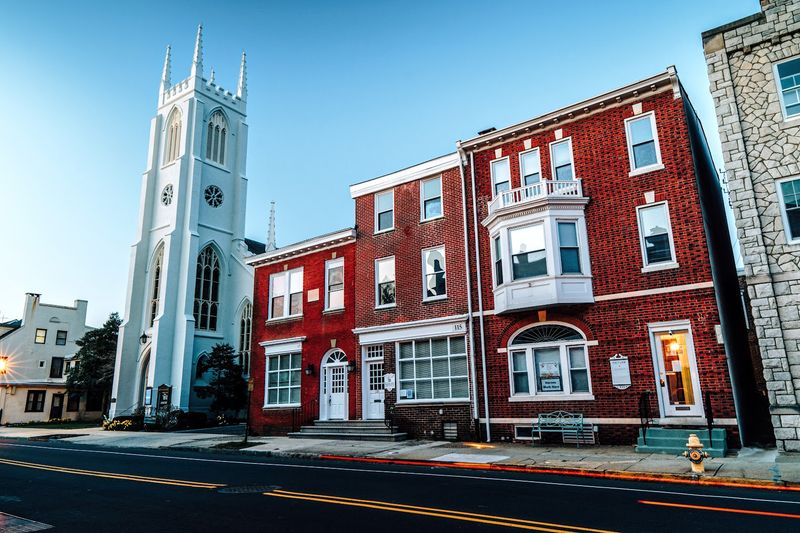
Mill Race Village is the kind of place that makes you want to slow your steps. The old worker houses, small shops, and narrow lanes hint at Mount Holly’s mill town past, when Rancocas Creek helped power local industry.
But this Burlington County seat has more than pretty old buildings. It has Revolutionary War drama, Quaker history, a historic prison, and enough preserved corners to make a casual walk feel surprisingly rich.
The Mount Holly Friends Meeting House, built in the 18th century, is one of the town’s key historic landmarks, and the Battle of Iron Works Hill gives the area a Revolutionary War connection with real stakes.
The Burlington County Prison Museum adds a different kind of history, with heavy stone walls and architecture that feels both impressive and grim.
Together, these sites make Mount Holly feel layered rather than one-note. Plan to explore on foot, especially around High Street, Mill Race Village, and the historic district.
Stop for coffee or lunch downtown, browse small shops if they are open, and give yourself time to wander rather than checking off landmarks too quickly. Mount Holly is not as famous as some towns on this list, which works in its favor.
It has the slightly under-the-radar confidence of a place that knows exactly how much history it has, even if everyone else is still catching up.
Share this story