North Carolina has big cities, famous beaches, mountain views, and busy college towns, but some of its best places to live are smaller and easier on the wallet. In many of these towns, people can find lower home prices, friendly neighborhoods, local parks, and enough shops and services for daily life.
Living well does not always mean paying more, especially when a town offers comfort, community, and simple fun close to home. The places below show how North Carolina can give families, retirees, students, and remote workers a good life without the stress of a giant budget.
1. Williamston
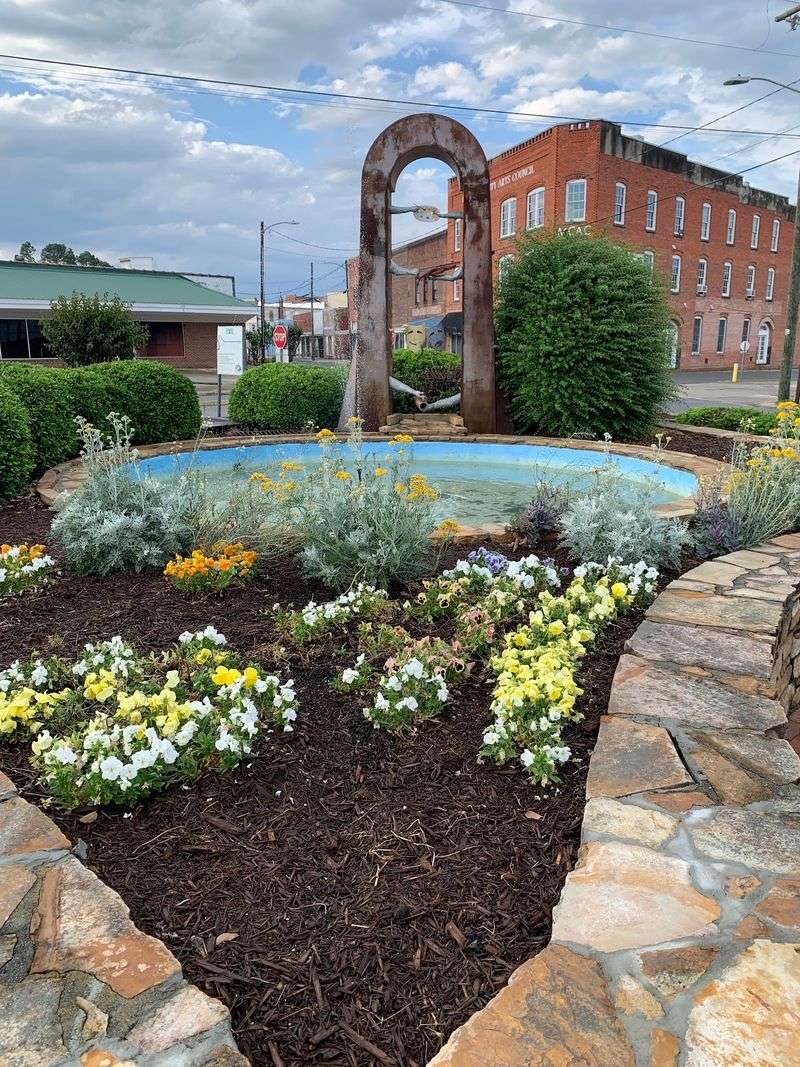
A slow morning near the Roanoke River can make everyday life feel calmer, and that is part of Williamston’s charm.
This eastern North Carolina town is a good fit for people who want lower costs, open space, and a community where neighbors still wave.
Housing is one of the biggest reasons people look here.
Compared with larger cities like Raleigh, Charlotte, or Wilmington, buyers and renters may find more room for their money.
That can help families stretch a paycheck, retirees protect savings, or first-time buyers take a real step toward owning a home.
Daily life is practical, too.
Williamston has grocery stores, schools, local restaurants, medical services, and quick access to U.S. Highway 64.
That road makes it easier to reach Greenville, the Outer Banks, or other parts of eastern North Carolina without feeling cut off.
Outdoor time is simple to enjoy.
The Roanoke River area offers fishing, boating, birdwatching, and quiet places to clear your head.
People who enjoy horses may also know Williamston for the Senator Bob Martin Eastern Agricultural Center, which brings equestrian events and visitors to town.
The pace here is not flashy, and that is the point.
Weekends can mean a local meal, a school game, a short drive to nearby nature, or a porch conversation that lasts longer than planned.
For anyone tired of high prices and busy roads, Williamston offers a down-to-earth version of living well.
2. Edenton
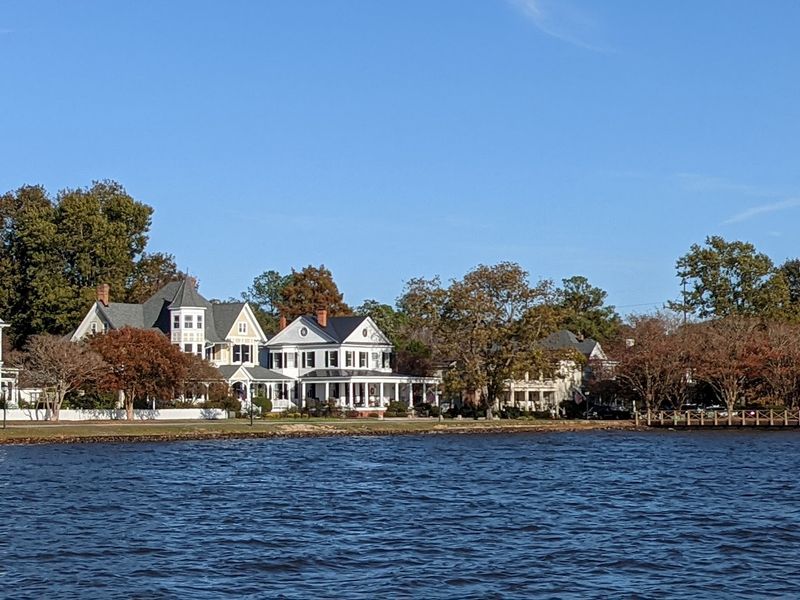
History seems to sit on every porch in Edenton, but the town does not feel stuck in the past.
It has a peaceful waterfront, lovely old homes, and a friendly feel that makes daily life seem a little softer.
People often fall for Edenton because it looks like a postcard without the price tag of many better-known coastal places.
While waterfront property can cost more, many homes in and around town may still be more affordable than homes in larger North Carolina cities or popular beach towns.
The town sits along Albemarle Sound, giving residents pretty water views, boating options, and breezy walks without needing to live in a crowded resort area.
Downtown has shops, cafes, churches, local offices, and historic sites close together, so it is easy to run errands and enjoy the scenery in one trip.
Edenton is also one of North Carolina’s oldest towns, and that history adds real character.
The 1767 Chowan County Courthouse and the Cupola House are reminders that this place has played an important role for a long time.
For people who enjoy learning, walking tours and local museums make weekends feel richer without costing much.
Practical living matters, of course.
Residents can handle many daily needs in town, while larger services are within driving distance in Elizabeth City or Greenville.
The slower pace may not suit someone who wants nightlife every weekend, but it can be just right for people who value quiet streets, water access, and a strong sense of place.
3. Kinston
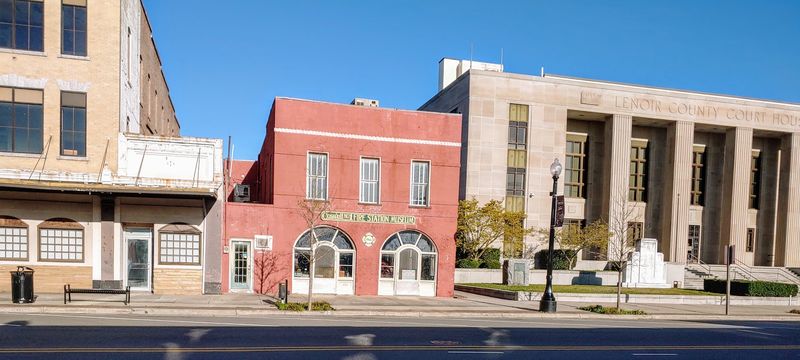
Good food, local art, and second chances give Kinston a personality that feels bigger than its size.
This eastern North Carolina town has been rebuilding its downtown and drawing attention from people who want value with a little creative spark.
Affordability is a major part of the appeal.
Home prices and rents in Kinston are often lower than in fast-growing parts of the state, which can help residents spend less on housing and more on savings, hobbies, or family needs.
For remote workers, that difference can be especially helpful.
Kinston is known for its food scene, including award-winning restaurants that helped put the town on the map.
There are also breweries, local shops, public art, and community events that make downtown feel active.
You do not need a huge entertainment budget when a walk, a meal, or a local festival can fill an afternoon.
The Neuse River adds outdoor options, from paddling to trails and green spaces.
Families can visit parks, attend sports events, or explore nearby natural areas.
Kinston also has schools, health care, grocery stores, and access to U.S.
Highway 70, which connects the town to Goldsboro, New Bern, and the coast.
Like many small cities, Kinston has areas that are still growing and improving, so it is smart to visit different neighborhoods before choosing a home.
Talk with locals, compare commute times, and check flood maps because eastern North Carolina can face heavy rain.
For the right person, Kinston offers a lively mix of low costs, culture, and room to build a good life.
4. Elkin
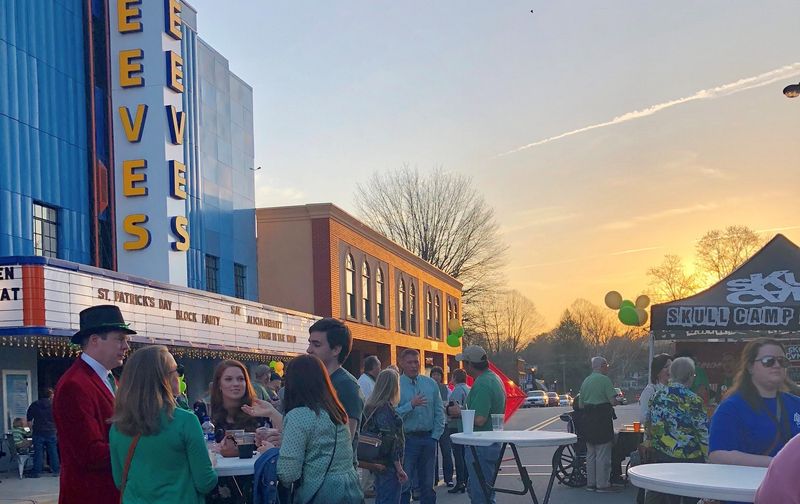
A walk in Elkin can start near a coffee shop and end on a trail with mountain views in the distance.
That mix of small-town ease and outdoor beauty is why many people see Elkin as a smart place to live well for less.
Located in the Yadkin Valley, Elkin offers access to vineyards, rivers, trails, and rolling foothills without the higher prices found in some mountain towns.
Housing can be more manageable than in Asheville, Boone, or fast-growing suburbs, which gives budget-minded residents more breathing room.
Downtown Elkin has been gaining new energy.
Local restaurants, shops, music events, and community gatherings help the town feel lively without being crowded.
The Reeves Theater is a favorite spot for live music and movies, adding a fun cultural touch that many towns this size do not have.
Outdoor lovers get a lot here.
The Mountains-to-Sea Trail passes through the area, and the Yadkin River is nearby for paddling and fishing.
Stone Mountain State Park is a short drive away, making hiking, waterfalls, and camping easy weekend plans.
Elkin also works for people who want daily needs close by.
There are grocery stores, medical services, schools, and easy access to Interstate 77.
That makes travel to Winston-Salem, Charlotte, or Virginia more convenient than the peaceful setting might suggest.
The town has a warm, slightly artsy feel, but it still keeps its practical side.
Someone moving here should expect a slower job market than in a large city, so remote work, retirement income, or nearby commuting can make life easier.
For those who want beauty, community, and lower living costs, Elkin makes a strong case.
5. Marion
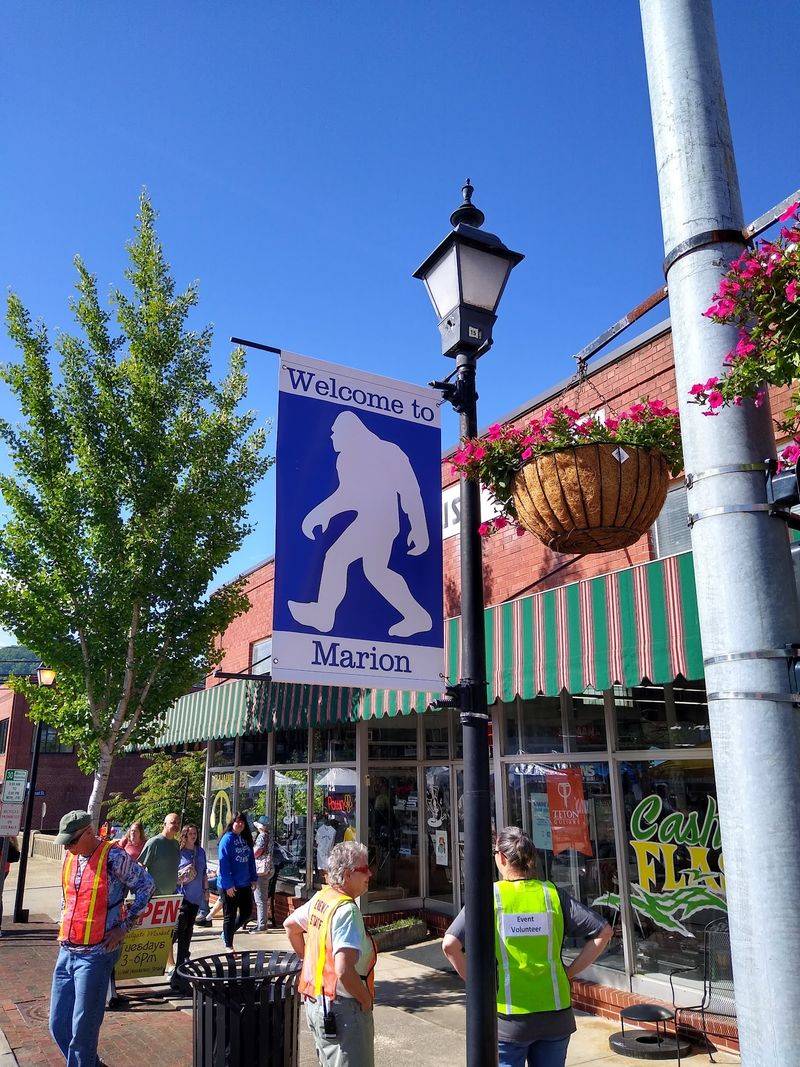
Mountain living can sound expensive, but Marion shows that the foothills still have places where comfort feels within reach.
Sitting in McDowell County, this town gives residents access to western North Carolina scenery without the higher costs of some famous mountain destinations.
Marion is close to the Blue Ridge Mountains, Lake James, and Pisgah National Forest.
That means hiking, fishing, boating, camping, and scenic drives can become part of normal life instead of rare vacations.
For families on a budget, free or low-cost outdoor fun is a major benefit.
Downtown has a classic small-town feel with brick buildings, local shops, restaurants, and community events.
The Historic Marion Tailgate Market is a good place to find local produce and meet people.
Seasonal festivals bring neighbors together and help the town feel connected.
Housing is another reason Marion stands out.
While prices in western North Carolina have risen in many areas, Marion can still be more affordable than Asheville or Black Mountain.
Buyers may find older homes, modest neighborhoods, and rural properties that offer space without huge mortgage payments.
Everyday services are close at hand.
Residents have grocery stores, schools, medical care, and access to Interstate 40.
Asheville is reachable for bigger events, jobs, shopping, or flights, but Marion lets people return to a quieter home base.
Anyone considering a move should think about transportation, because having a car is useful here.
It is also wise to compare neighborhoods, check internet options for remote work, and review mountain weather needs.
Still, Marion offers a rare balance: outdoor adventure, useful services, friendly streets, and a cost of living that can make western North Carolina feel possible.
6. Lumberton
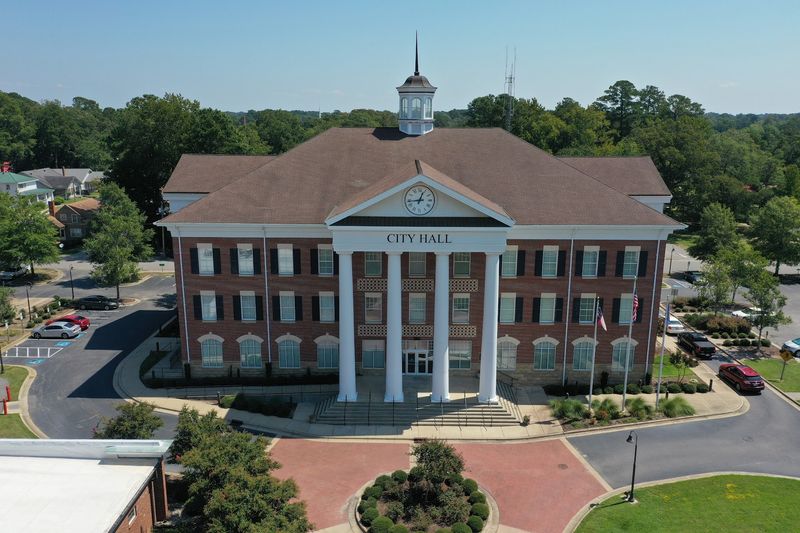
Right along Interstate 95, Lumberton has long been a stopping point for travelers, but people who look closer find a town built for practical living.
It offers lower housing costs, easy road access, and a strong location in southeastern North Carolina.
For many households, the budget benefit starts with real estate.
Lumberton is often more affordable than the state’s major metro areas, which can make rent or mortgage payments easier to manage.
Lower housing costs can also leave more money for transportation, groceries, school needs, or home repairs.
The Lumber River gives the town a natural side.
Residents can enjoy paddling, fishing, walking, and quiet views close to home.
The river is also part of the area’s identity, and outdoor spaces help balance the busier feel around the highway and shopping areas.
Lumberton has practical services that matter day to day.
There are grocery stores, restaurants, schools, medical facilities, and local employers.
Its position near I-95 and I-74 makes travel to Fayetteville, Wilmington, Myrtle Beach, and other regional spots fairly simple.
The town also reflects the culture and history of Robeson County, one of the most diverse counties in North Carolina.
The Lumbee Tribe has deep roots in the region, and local events, food, and traditions give the area a unique sense of place.
Flooding has affected Lumberton in past storms, so renters and buyers should study flood zones, insurance costs, and neighborhood history before making a decision.
That step is important anywhere near rivers in eastern and southeastern North Carolina.
With careful planning, Lumberton can be a sensible choice for people who want affordability, access, and a community with real local character.
7. Eden
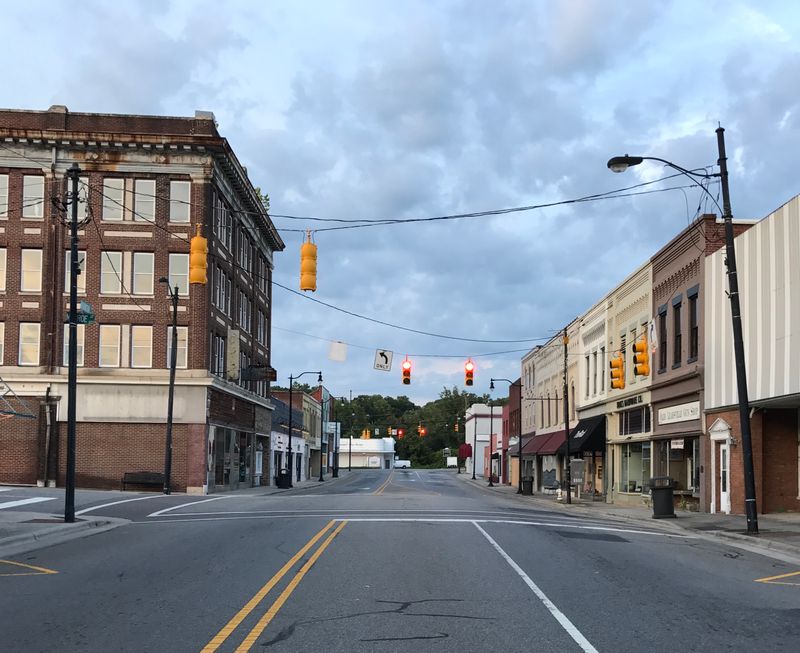
Three rivers helped shape Eden, and that watery setting gives the town a calm, outdoorsy feel.
Located near the Virginia border, Eden is a lower-cost option for people who want Piedmont living without big-city prices.
The town was formed in 1967 when several communities joined together, which explains why Eden has more than one neighborhood center and a spread-out feel.
That can be helpful for home shoppers because different parts of town may offer different prices, lot sizes, and styles of homes.
Affordability is a clear strength.
Eden has historically offered lower housing costs than many larger North Carolina cities, making it easier for families, retirees, and workers to manage monthly expenses.
Older homes, modest ranch houses, and quiet streets can be found in many areas.
Nature is close by.
The Dan River, Smith River, and Mayo River create chances for paddling, fishing, and riverside walks.
Freedom Park and other local recreation areas offer sports fields, playgrounds, and space for community activities.
Eden also has a useful location.
Greensboro is within driving distance for bigger job markets, shopping, colleges, and entertainment.
Martinsville, Virginia, is nearby as well, so residents can look across the state line for services or work opportunities.
The town has faced changes as old textile and manufacturing jobs declined, but that history also left behind hardworking neighborhoods and a strong local identity.
People moving here should research job options, internet service, and commute times before choosing a home.
For those who value low costs, river scenery, and a slower pace, Eden can feel like a smart and steady place to settle.
8. Henderson
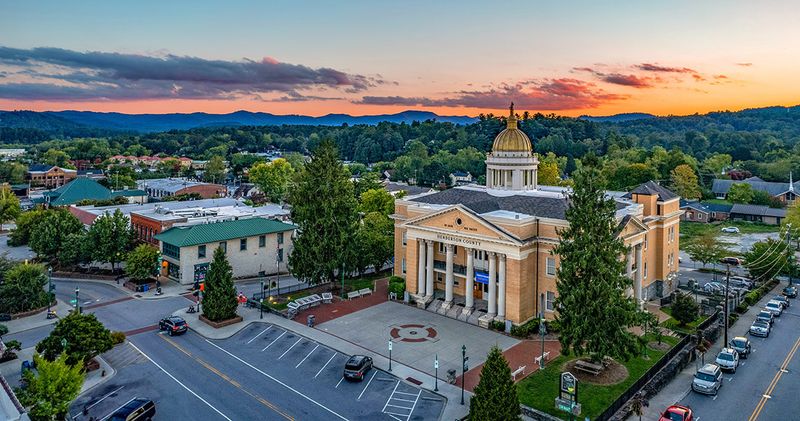
Some towns surprise you because their best feature is just a short drive away, and for Henderson, Kerr Lake is a big part of that story.
Residents can enjoy lake trips, fishing, boating, and camping while still living in a town with lower everyday costs.
Henderson sits in Vance County near the North Carolina and Virginia line.
It is close to Interstate 85, which helps connect residents to Durham, Raleigh, and Southside Virginia.
That location can work well for people who want smaller-town prices but still need access to larger job markets.
Housing in Henderson is often more budget-friendly than in the Triangle.
Renters and buyers may find older homes, starter homes, and neighborhoods where monthly payments are less stressful.
For anyone priced out of Raleigh or Durham, Henderson may be worth a careful look.
Downtown has historic buildings, local businesses, and signs of renewal.
Like many older towns, it has areas that feel active and others that need more investment.
Visiting in person, talking with residents, and comparing neighborhoods can help newcomers make a smart choice.
Kerr Lake, also called Buggs Island Lake, is one of the area’s biggest lifestyle perks.
It offers more than just pretty views.
Families can swim, picnic, fish, camp, or launch a boat without planning an expensive vacation.
Daily needs are covered with grocery stores, schools, medical services, and local restaurants.
Still, people should think about transportation, as a car is important for most errands and commutes.
Henderson may not be polished in every corner, but it gives budget-minded residents access, lake life, and a chance to enjoy North Carolina without paying big-city prices.
9. Shelby
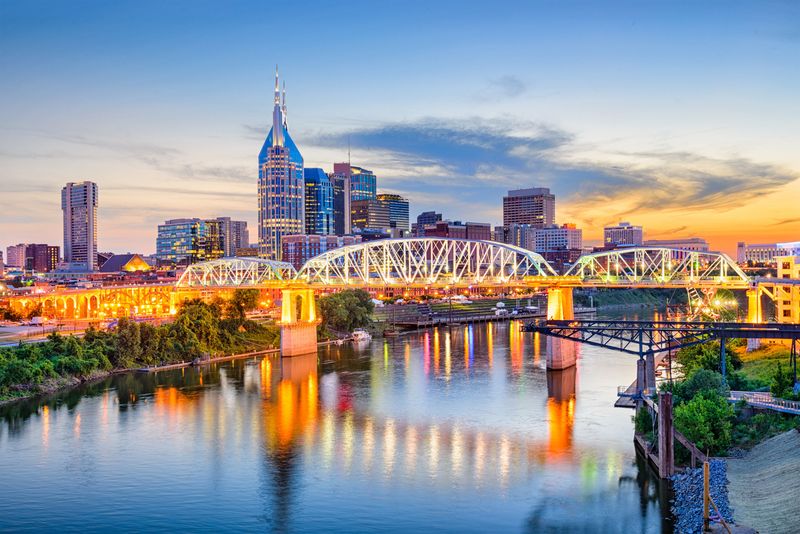
Music history gives Shelby a special rhythm, especially because bluegrass legend Earl Scruggs was born in the area.
That heritage adds personality to a town that also offers affordable living, useful services, and a strong western Piedmont location.
Shelby sits in Cleveland County, west of Charlotte and east of the Blue Ridge foothills.
Its location gives residents a quieter home base while keeping larger cities within reach.
Charlotte is close enough for day trips, airport access, or some commuting plans, depending on schedule and patience.
Housing can be more affordable than in Charlotte’s booming suburbs.
Buyers may find brick ranch homes, historic houses, newer neighborhoods, and rural edges where land is easier to find.
Renters may also see lower prices than in many fast-growing urban areas.
Downtown Shelby has a pleasant, walkable feel with restaurants, shops, murals, and the Earl Scruggs Center.
Community events bring people together, and local parks give families places to play without spending much.
The Don Gibson Theatre adds music and shows in a setting that feels personal rather than overwhelming.
Everyday life is convenient.
Shelby has schools, grocery stores, medical services, small businesses, and access to U.S. Highway 74.
Nearby outdoor spots include parks, lakes, and foothill drives, so weekends can be active without being costly.
The town works especially well for people who want a mix of culture and common sense.
It is not as fast-paced as a big city, but it is not sleepy either.
If you want affordable housing, local pride, music history, and easy access to western North Carolina, Shelby deserves a close look.
10. Forest City
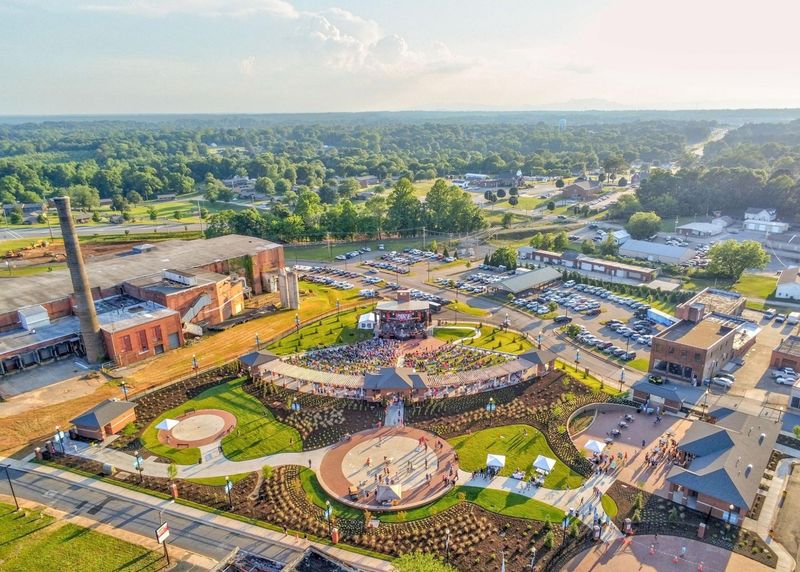
When Forest City’s Main Street lights glow during the holidays, the town feels almost storybook, but its biggest gift may be year-round affordability.
This Rutherford County town offers a neat downtown, foothill scenery, and a slower pace that can make life feel less pressured.
Forest City is located in western North Carolina’s foothills, not far from Lake Lure, Chimney Rock, and the Blue Ridge Mountains.
That makes it a smart choice for people who love mountain trips but do not want the higher costs found in more famous tourist towns.
Housing is a strong draw.
Compared with Asheville, Hendersonville, or some Charlotte suburbs, Forest City may offer more manageable prices for buyers and renters.
People looking for older homes, small neighborhoods, or homes with a bit of yard may find real options here.
Downtown has shops, restaurants, local offices, and a well-kept Main Street.
The town is known for its Christmas lights, which bring visitors and give residents a fun tradition close to home.
McNair Field, home to summer baseball, adds another affordable entertainment option.
Practical needs are part of the picture, too.
Forest City has grocery stores, schools, medical services, and access to U.S. Highway 74.
Spartanburg, Asheville, and Charlotte are all possible regional trips, though daily commutes should be planned carefully.
Job options may be more limited than in a large metro area, so remote work, retirement, or a nearby employer can make the town an even better fit.
It is wise to check internet quality and drive times before moving.
For people who want charm, mountain access, community events, and a budget that can breathe, Forest City is a strong North Carolina choice.
Share this story