If you think national recognition always changes a restaurant beyond recognition, Upstate New York has a delicious argument waiting for you. Across small cities, river towns, and rural hideaways, these James Beard-recognized spots still feel grounded in the neighborhoods, farms, and loyal regulars that gave them life in the first place. What makes this list so appealing is not just the awards glow, but the way each place still offers warmth, personality, and a sense that you have stumbled into something genuinely local rather than polished for outsiders.
From inventive tasting menus and soulful vegetarian cooking to historic taverns, bakeries worth a detour, and dining rooms that turn regional ingredients into memorable meals, these restaurants show how New York can celebrate excellence without losing the charm that keeps people coming back. You will notice that the settings matter almost as much as the plates, because in New York, atmosphere is never an afterthought.
A Buffalo wine bar can feel intimate and quietly daring, a Hudson bakery can seem like the pulse of the block, and a Catskills inn can serve dinner that feels tied to the woods and fields around it. If you are hungry for places that have earned attention while staying true to where they belong, this is the kind of New York restaurant trail that rewards every mile.
1. Waxlight Bar À Vin – Buffalo, NY
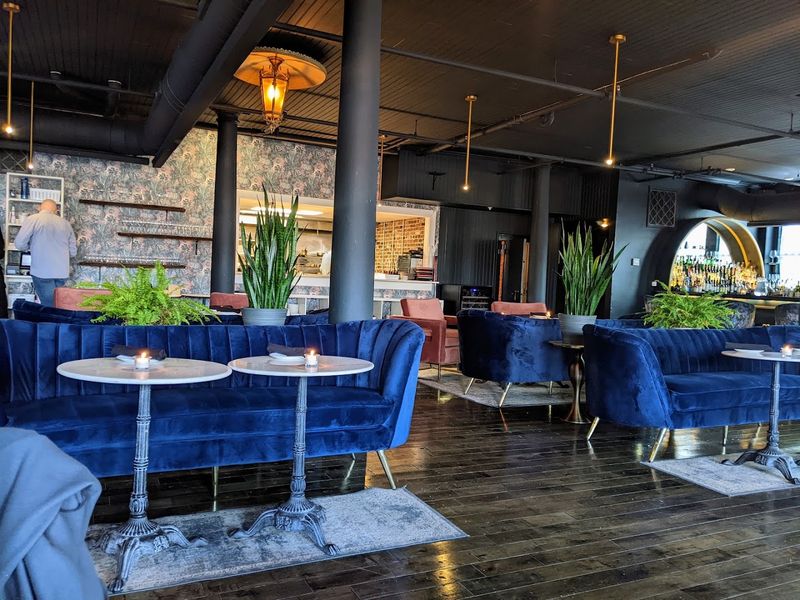
Walking into this Buffalo favorite, you get the feeling that care matters here, but showiness does not.
The room at Waxlight Bar À Vin is intimate, polished, and a little romantic, yet it never slips into the kind of stiffness that can make acclaimed places feel distant.
Instead, you are welcomed into a neighborhood rhythm where thoughtful wine, beautifully composed dishes, and easy conversation all work together.
That balance is a huge part of its appeal.
James Beard recognition can sometimes push a restaurant toward formality, but this spot still feels like the kind of place where regulars settle in comfortably and first time visitors quickly understand the mood.
The menu changes with the seasons and leans creative, though the ideas are always grounded enough that you feel invited in rather than tested.
Small plates here are not afterthoughts built to support the drinks list.
They carry real intention, often highlighting local produce, careful technique, and flavor combinations that surprise you without becoming precious.
The wine program is equally engaging, with bottles and pours that encourage curiosity, whether you know natural wine well or just want something delicious that matches the food in front of you.
Buffalo has long had a strong sense of itself, and that confidence comes through in the restaurant’s personality.
Even with national attention, Waxlight Bar À Vin still feels rooted in the city rather than designed to imitate bigger market trends.
You can sense that in the service too, which tends to be informed and enthusiastic without ever making you feel like you need a vocabulary test before ordering.
If you are building a food-focused trip through New York, this is the kind of stop that reminds you why local charm still matters.
Recognition may have affirmed what Buffalo already knew, but it has not erased the intimacy that makes the experience memorable.
You leave feeling like you found a place with ambition, yes, but also with a genuine pulse that belongs exactly where it is.
2. F.L.X. Table – Geneva, NY

There is something especially personal about a restaurant built around a small number of seats, and that intimacy defines the experience here.
At F.L.X. Table in Geneva, dinner feels less like a transaction and more like an evening shaped carefully for the people in the room.
Even with James Beard attention, it keeps the warmth of a place that values conversation, hospitality, and the surrounding Finger Lakes community.
The tasting menu format could easily come across as exclusive, but this restaurant avoids that trap by making refinement feel approachable.
You are guided rather than lectured, and each course arrives with a sense of purpose that still leaves room for delight and spontaneity.
The scale helps, too, since a smaller dining room naturally encourages a more connected and less performative atmosphere.
What stands out most is how strongly the meal reflects place.
Ingredients from the broader New York landscape, especially from the Finger Lakes region, are treated with care and imagination, yet the food never feels disconnected from the farms, waters, and seasons that inspired it.
That local grounding gives the restaurant its charm, because even the most polished dishes still suggest the agricultural richness of the area around Geneva.
Service is another reason the experience lands so well.
You can ask questions, relax into the pacing, and enjoy pairings without feeling like the evening is racing ahead of you.
Recognition has clearly reinforced the restaurant’s reputation, but it has not turned the room into a shrine to itself, which is a real gift when you want memorable dining without unnecessary stiffness.
If you are drawn to restaurants that prove excellence can feel human, this one belongs high on your list.
F.L.X. Table offers the precision and creativity you might expect from an acclaimed tasting menu destination, while holding tightly to the ease and friendliness that make Upstate New York such a rewarding place to eat.
It is elegant, yes, but still deeply welcoming, and that combination is hard to forget.
3. Stissing House – Pine Plains, NY
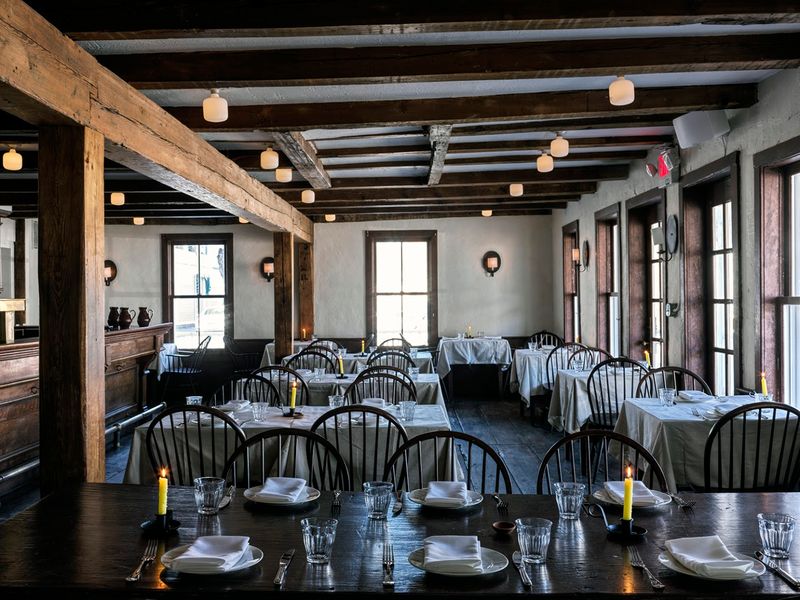
Some restaurants impress you the moment you see the building, and this one has that rare kind of presence.
Set inside a historic property, Stissing House in Pine Plains carries centuries of atmosphere, but it does not feel trapped in nostalgia.
Instead, the restaurant uses its age and character as a foundation for a dining experience that feels lively, current, and unmistakably tied to New York’s Hudson Valley.
James Beard recognition often shines a spotlight on culinary innovation, yet what makes this place memorable is how naturally it blends ambition with familiarity.
The room has old wood, warmth, and a gathered feel that invites you to settle in rather than posture for the night.
You can sense that the goal is not to overwhelm you, but to offer something honest and beautifully executed in a setting with genuine soul.
The cooking leans into regional ingredients and classic comforts while still showing enough creativity to keep each plate interesting.
Fire, texture, and seasonality often seem to guide the menu, giving dishes a grounded richness that fits the tavern setting.
Even when the presentation is refined, the food still speaks in a language of generosity, which is part of why the charm remains intact.
There is also a strong feeling of place here that can be hard to manufacture.
Pine Plains is not treated like a backdrop or a brandable idea, but as a real community and landscape that shape the restaurant’s identity.
That comes through in the pacing, the hospitality, and the sense that diners are being welcomed into a local institution that has been renewed with care rather than polished into sameness.
If you are looking for a New York restaurant where national acclaim has deepened the story instead of flattening it, this is an easy recommendation.
Stissing House delivers the kind of setting people dream about, but its real strength is that the experience still feels grounded and lived in.
You leave impressed, certainly, yet also comforted by the fact that character has survived alongside recognition.
4. Moosewood Restaurant – Ithaca, NY
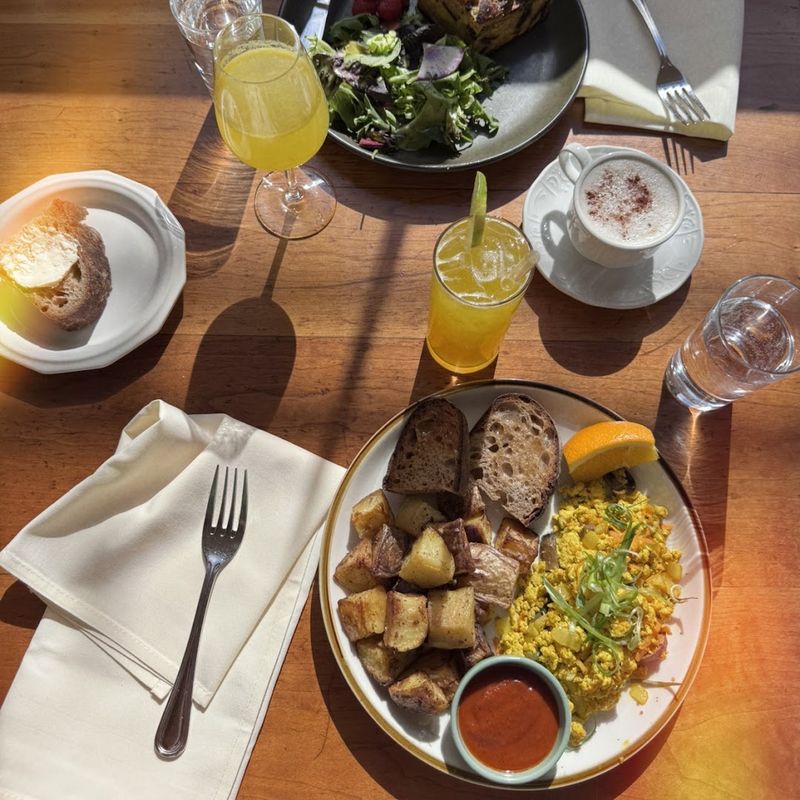
Long before plant-forward dining became a national trend, this Ithaca institution was already showing how thoughtful vegetarian food could feel generous, inventive, and deeply satisfying.
Moosewood Restaurant has earned admiration over decades, and its James Beard recognition feels like an acknowledgment of lasting influence rather than a sudden discovery.
What keeps it special, though, is how grounded it still feels in the community that embraced it from the beginning.
The atmosphere does not rely on flash or reinvention for its charm.
Instead, you get a welcoming room, a spirit of openness, and a menu that reflects the values many people associate with Ithaca itself: creativity, care, and a respect for ingredients.
That kind of consistency can be powerful, especially when so many acclaimed restaurants seem to chase novelty at the expense of personality.
Food here proves that comforting and distinctive are not opposites.
Seasonal vegetables, global influences, and nourishing preparations come together in dishes that feel bright and thoughtful without becoming overly complicated.
Even if you are not someone who seeks out vegetarian restaurants first, there is a good chance you will appreciate how satisfying the cooking is when flavor and balance lead the way.
Another part of Moosewood Restaurant’s appeal is the sense that it belongs exactly where it is.
Ithaca has long celebrated independent thinking, local agriculture, and a certain unforced warmth, and the restaurant reflects all of that naturally.
The recognition may have expanded its reach, but it has not stripped away the approachable, community-minded character that made people love it in the first place.
For anyone exploring New York through its most meaningful dining destinations, this stop offers more than history.
Moosewood Restaurant still delivers an experience that feels current because its values never depended on passing trends.
You leave with the sense that local charm is not something added for effect here – it is the core of the place, and that authenticity is exactly what makes its acclaim feel so deserved.
5. Mel The Bakery – Hudson, NY
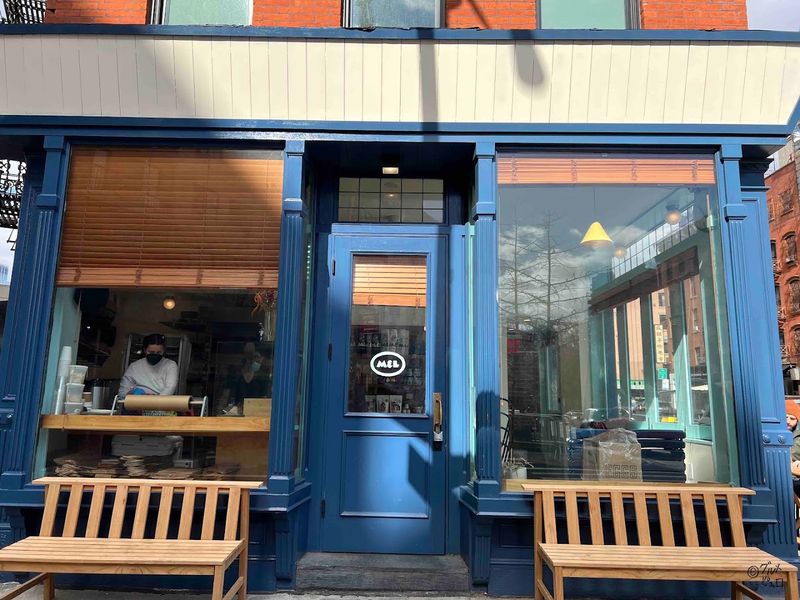
Not every James Beard-recognized place is a formal dinner destination, and that is part of what makes this Hudson favorite so appealing.
Mel The Bakery captures the kind of everyday magic that turns a simple pastry run into a ritual worth planning around.
The recognition signals quality, of course, but the charm comes from how naturally the bakery fits into the pace and personality of the town.
You feel it in the storefront atmosphere, where the experience is polished without losing warmth.
There is a stylish edge, yet it never crosses into coldness, and that balance matters when a bakery becomes both a destination and a neighborhood habit.
People come for excellent bread and pastries, but they stay attached because the place still feels human, local, and genuinely loved.
The products themselves do a lot of the talking.
Carefully baked loaves, laminated pastries, and seasonal offerings show real technique, but they also deliver the kind of comfort you want from a bakery in the first place.
Nothing feels designed only for admiration; the food invites you to tear, bite, share, and return for more, which is exactly what gives a place staying power.
Hudson has become known for creativity, design sensibility, and a strong small business culture, and Mel The Bakery fits beautifully within that world.
Even with a national spotlight, it still seems connected to the rhythms of local mornings, weekend wandering, and casual conversations over coffee.
That connection keeps it from feeling over-curated, because beneath the acclaim, there is still a real neighborhood heartbeat.
If your ideal New York food stop includes craftsmanship without pretension, this bakery absolutely belongs on your list.
Mel The Bakery proves that recognition does not have to change the soul of a place when the foundation is already strong.
You come away with flour on your fingers, maybe a bag of bread under your arm, and the happy sense that local charm can be as memorable as any tasting menu.
6. Casa Susanna – Leeds, NY
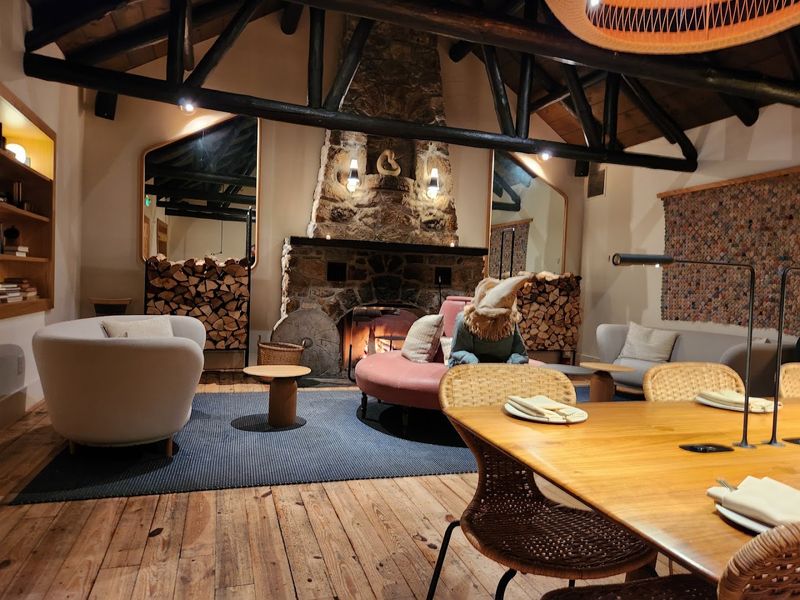
Sometimes the most memorable restaurants are the ones that feel carefully imagined without becoming self-conscious, and this Catskills area spot fits that description well.
Casa Susanna in Leeds carries a distinct personality, one shaped by style, hospitality, and a strong sense of place.
James Beard recognition adds prestige, but the restaurant still feels like an expression of local character rather than a performance for outside approval.
Part of the draw is the atmosphere, which balances polish with ease in a way many ambitious restaurants never quite manage.
The setting feels intimate and curated, yet not intimidating, and that invites you to relax into the evening.
Instead of creating distance, the design and service work together to make the meal feel thoughtful, welcoming, and tied to the rhythms of the region.
The food contributes to that feeling by staying attentive to seasonality and ingredient quality while avoiding unnecessary excess.
You can expect dishes that are refined but still warm in spirit, with enough creativity to keep things exciting and enough restraint to let each component speak clearly.
That combination helps preserve the local charm, because the experience feels rooted rather than inflated.
Leeds may not have the name recognition of larger New York dining hubs, and that is part of the pleasure.
A restaurant like Casa Susanna reminds you that some of the state’s most compelling meals happen outside the loudest scenes, where landscape, community, and personality can shape a place more honestly.
Even after national attention, it still seems to belong first to its surroundings, not just to the food world conversation.
If you are drawn to restaurants with atmosphere and substance in equal measure, this is a rewarding stop.
Casa Susanna offers the sophistication people travel for, yet it keeps the softer edges that make a meal feel personal and memorable.
In a region full of evolving destinations, it stands out by proving that acclaim and intimacy can share the same table very comfortably.
7. The DeBruce – Livingston Manor, NY
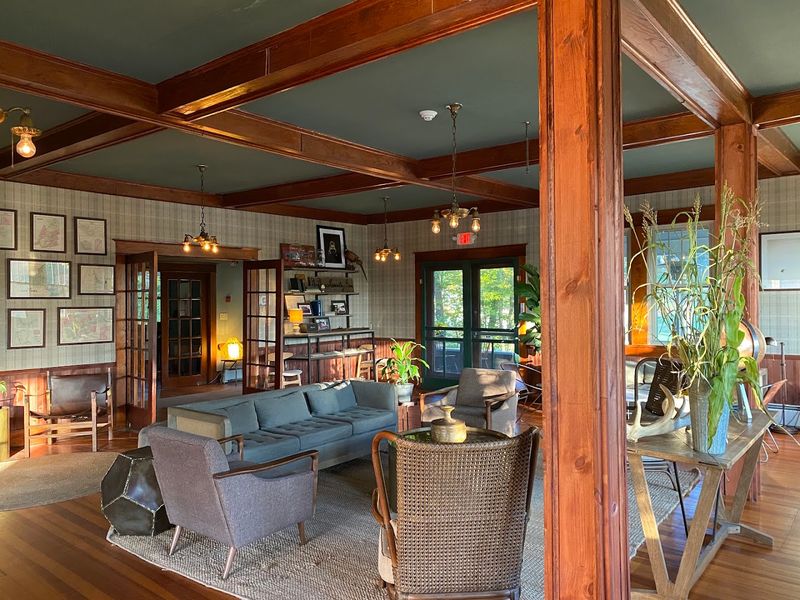
Set in the Catskills with a strong connection to the landscape around it, this restaurant delivers the kind of meal that makes the setting feel essential to the experience.
The DeBruce in Livingston Manor has earned recognition for good reason, yet it still avoids the detached feeling that can shadow destination dining.
Instead, it welcomes you into a quieter, more grounded version of excellence shaped by woods, water, and seasonal rhythm.
There is refinement here, but it comes across as attentive rather than rigid.
The dining room and service create a sense of occasion without making you feel like you have to perform your appreciation perfectly.
That ease matters because it allows the food to shine in a way that feels connected to the region instead of separated from it by too much ceremony.
Menus often draw inspiration from the surrounding environment, and that connection gives the meal a strong sense of identity.
Ingredients feel chosen with care, preparations are thoughtful, and the pacing encourages you to notice details without becoming exhausted by them.
It is the sort of place where sophistication is present in every course, yet the overall mood still leaves room for comfort and wonder.
Livingston Manor has become increasingly visible as a food and getaway destination, but The DeBruce helps explain why people are drawn there in the first place.
It does not flatten the Catskills into a trend piece or scenic prop.
Instead, it honors the area through hospitality that feels calm, informed, and rooted in the environment, which keeps the restaurant’s charm alive even as its profile grows.
For a New York dining trip built around places with both acclaim and soul, this one is hard to overlook.
The DeBruce offers a polished experience, but the memory that stays with you is often the feeling of being somewhere specific, cared for, and deeply considered.
That ability to remain local in spirit while aiming high on the plate is exactly what makes it stand out.
8. Good Night – Hudson, NY
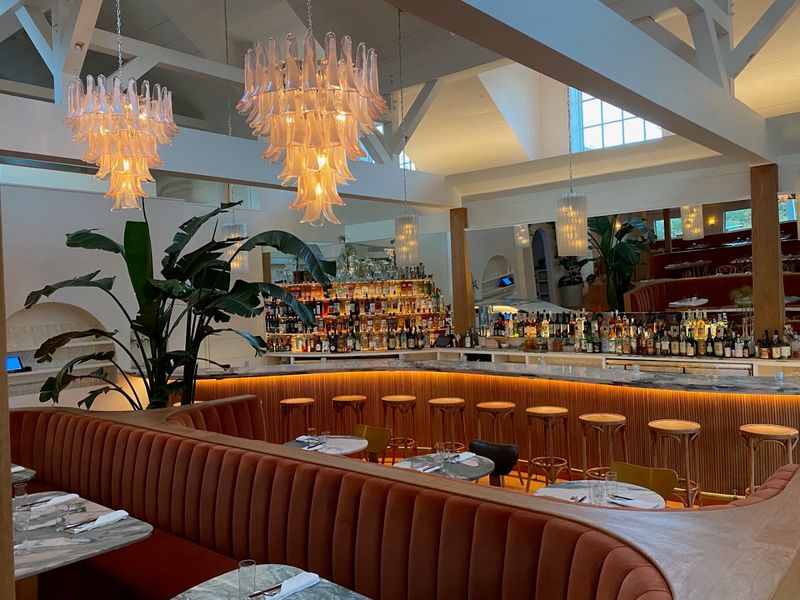
You can tell when a restaurant understands mood as well as food, and this Hudson spot clearly does.
Good Night feels contemporary and considered, but it avoids becoming overly slick or impersonal.
Even with James Beard recognition bringing extra attention, it still offers the kind of intimacy and local energy that make a night out feel special instead of staged.
The atmosphere plays a major role in that success.
Lighting, pacing, and design all contribute to a room that feels stylish without shutting anyone out, which is a harder balance than it looks.
You get the sense that details matter here, yet they are arranged to support comfort and connection rather than to announce importance at every turn.
That same philosophy seems to extend to the food.
Menus are often seasonal and inventive, with dishes that show technique and a strong point of view, but the flavors remain inviting.
There is enough ambition to justify the acclaim, yet enough restraint to preserve approachability, which helps the restaurant stay charming even as it attracts a wider audience.
Hudson has become one of New York’s most talked-about small city dining destinations, and places like Good Night help explain why.
It reflects the city’s creative spirit while still feeling tied to the everyday life of the street outside.
Recognition may bring travelers through the door, but the personality of the restaurant still seems shaped by local taste, local rhythm, and a real desire to make people feel at ease.
If you want a meal that captures modern Upstate New York without sacrificing warmth, this is a compelling stop.
Good Night shows that acclaim does not have to harden a restaurant into something self-serious.
Instead, it can sharpen what was already working – thoughtful cooking, inviting atmosphere, and a sense that you are part of a living local scene rather than just passing through it.
9. Kenoza Hall – Kenoza Lake, NY

Some destinations work because they offer an escape, but the best ones also make you feel anchored to where you are.
Kenoza Hall in Kenoza Lake has that kind of appeal, pairing polished hospitality with a setting that reflects the slower beauty of the Catskills.
Its James Beard recognition adds another layer of interest, yet the experience still feels shaped by local atmosphere rather than disconnected luxury.
The charm begins with the sense of retreat.
You arrive expecting comfort and scenery, and the dining experience builds on both without becoming generic resort fare.
Instead, there is intention in the menu, the service, and the room itself, all of which create a feeling that the restaurant belongs to this particular corner of New York instead of borrowing a formula from somewhere else.
Food here tends to lean into regional ingredients and seasonal shifts, giving the meal a natural relationship to the landscape outside.
That connection helps the cooking feel grounded, even when the presentation is elegant.
You are reminded that sophistication does not need to erase coziness, and that local charm can survive perfectly well within a more elevated hospitality setting.
Kenoza Lake is not the kind of place people usually associate first with national restaurant recognition, and that makes this stop even more satisfying.
It widens the picture of what New York dining excellence looks like, showing that memorable meals can emerge from quiet lake communities as convincingly as from larger culinary centers.
Even after acclaim, Kenoza Hall still feels inviting, calm, and pleasantly unforced.
If your ideal restaurant experience includes scenery, comfort, and food that respects its setting, this is worth seeking out.
Kenoza Hall offers a polished version of Upstate dining without sanding away the character that makes the Catskills compelling in the first place.
You leave not only having eaten well, but also feeling that the place itself was part of the meal, which is often the mark of something special.
10. Arnold House Tavern – Livingston Manor, NY
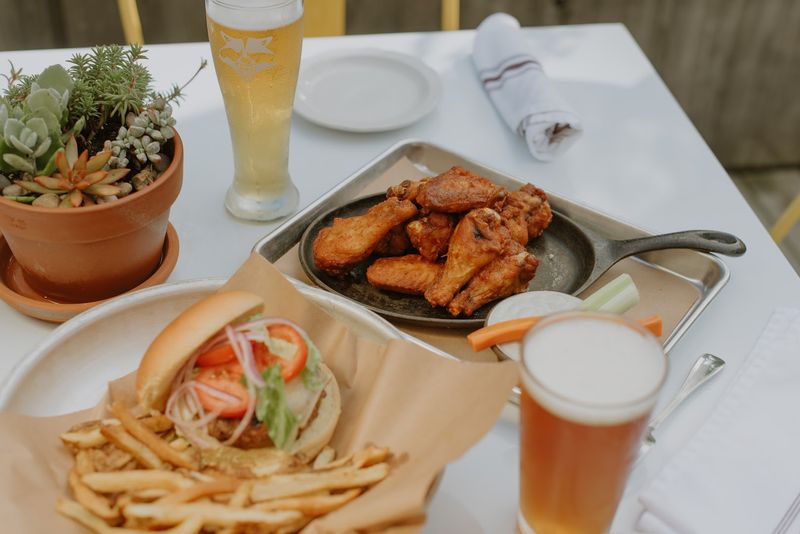
A tavern can be one of the best places to measure whether acclaim has changed a restaurant’s soul, and this one passes that test beautifully.
Arnold House Tavern in Livingston Manor carries the ease and familiarity you hope for from a Catskills gathering place, even as recognition has expanded its reputation.
It still feels like somewhere you can settle in comfortably, eat well, and understand the local mood within minutes.
The setting helps create that impression right away.
There is rustic character, a sense of history, and an atmosphere that invites conversation rather than spectacle.
In lesser hands, national attention might have pushed a place like this toward overstyling, but here the charm remains intact because the tavern still feels designed for people who actually want to spend time together.
The menu typically balances comfort with quality, which is exactly what you want in a tavern that takes food seriously.
Dishes often draw on regional ingredients and familiar forms, but they are prepared with enough care to rise above the ordinary without losing their appeal.
That tension between elevated and easygoing is what gives the experience real staying power.
Livingston Manor has developed into one of those New York towns where hospitality, outdoor culture, and food seem to reinforce each other naturally.
Arnold House Tavern fits that identity perfectly by offering something that feels both destination-worthy and authentically local.
Visitors may arrive because they have heard the praise, but the reason they remember it is the sense that the tavern belongs to a real community, not just a travel narrative.
If you are tracing the restaurants that prove recognition does not have to flatten personality, this is an essential stop.
Arnold House Tavern delivers warmth, confidence, and the kind of grounded hospitality that can make a meal feel restorative.
In a state full of ambitious dining rooms, its enduring strength is that it still knows how to be welcoming first, and that might be its most impressive achievement.
Share this story