At 7:30 on a Saturday morning, the biggest decision in Frenchtown might be whether to walk toward the river or order another coffee. In Cranbury, neighbors pass clapboard homes that have watched Main Street change for centuries.
Down in Cape May Point, binoculars outnumber beach umbrellas before breakfast. These places are not frozen in amber, and they are certainly not sleepy in the boring sense.
They simply run on a more human scale. Errands happen on foot.
Shop owners remember faces. A good afternoon can consist of a towpath ride, a bakery stop, and absolutely nothing that requires a reservation app.
New Jersey packs an impressive number of these small-town escapes between its highways, suburbs, farms, and shoreline. Some are polished weekend destinations; others feel like secrets hiding in plain sight.
All 12 offer a persuasive glimpse of life with less rushing, less noise, and far more reasons to know your neighbors.
1. Frenchtown
A bicycle bell, the scrape of café chairs, and the steady hush of the Delaware River make a convincing soundtrack for starting over.
This Hunterdon County borough is compact enough to explore without a plan, but interesting enough to keep rearranging that plan as you spot another gallery, bookshop, vintage display, or inviting lunch counter.
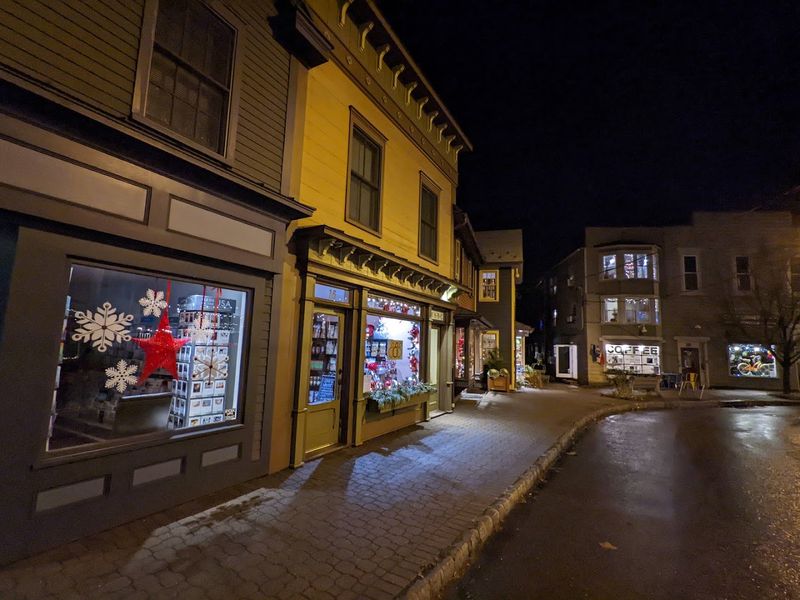
Bridge Street and Race Street hold most of the action, with independent businesses that give downtown its slightly artsy, pleasantly unpredictable personality. Start with coffee and a pastry, then walk toward the river before browsing the shops at an unhurried pace.
The Delaware and Raritan Canal State Park towpath extends from town, making a bike ride or long walk the easiest way to understand why locals protect Frenchtown’s slower rhythm so fiercely. Rentals are available in town when hauling a bicycle is not part of the agenda.
Summer festivals add energy, but even on busy weekends the place feels more like a community gathering than a manufactured attraction. Parking is generally manageable around downtown, though arriving before lunch makes the experience smoother.
The real appeal is how quickly a visitor falls into the local routine: eat something good, wander without checking the time, and finish beside the water. It is simple, but not remotely dull.
2. Stockton
Blink at the wrong moment on Route 29 and you could miss the center of town, which is exactly part of Stockton’s charm. The Delaware River runs along one side, the canal towpath threads through the landscape, and a small cluster of historic buildings provides just enough activity without breaking the quiet.
This is less of a shop-until-you-drop destination than nearby Lambertville and more of a place to exhale. Pick up a pastry, sandwich, or pizza at Stockton Market, then take it outside for an easygoing lunch before walking or cycling along the canal.
The market operates as a bakery and café as well as a source for locally minded provisions, which suits a town where a good loaf of bread feels more essential than a packed itinerary. Victorian-era buildings now serve as inns, restaurants, and galleries, giving Stockton polish without making it feel overly curated.
Drivers should slow down on the narrow roads and watch carefully for cyclists near the towpath. A visit works especially well as a quiet morning stop or an overnight reset, with Lambertville and Frenchtown close enough for extra activity when needed.
Stockton’s strongest argument for the simple life is not a landmark. It is the pleasure of having the river, a meal, and a walk provide more than enough entertainment for the day.
3. Clinton
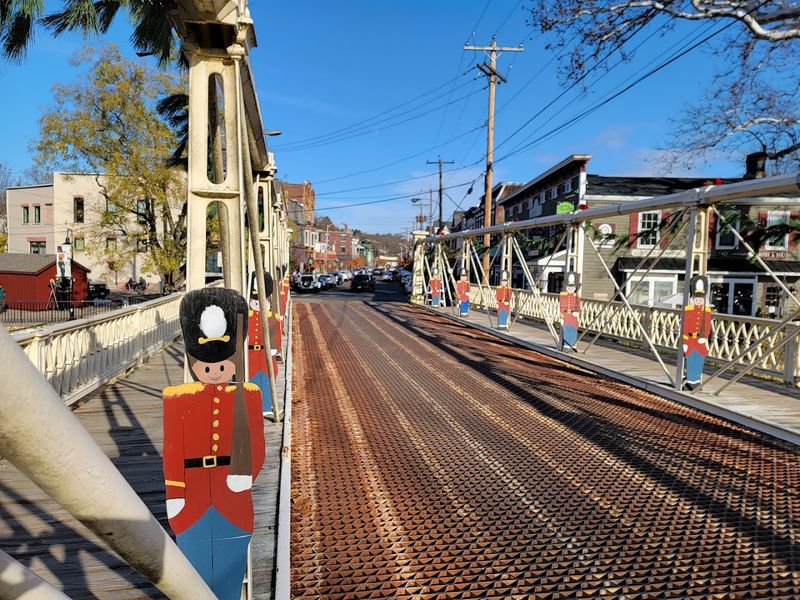
The red mill reflected in the South Branch of the Raritan River is one of those New Jersey views that looks almost suspiciously well arranged. Yet Clinton is more than its famous postcard angle.
The compact downtown puts two museums, locally owned shops, restaurants, and riverfront scenery within an easy walk, so a day here can feel full without involving much driving.
Begin at the Red Mill Museum Village, where the grounds include historic industrial and community buildings spread across a 10-acre site.
Cross the bridge to the Hunterdon Art Museum inside the old stone mill, then follow Main Street for galleries, gifts, and something sweet. Jimmy’s Coffeehouse sits near the bridge and makes a handy stop for coffee, tea, and pastries before another lap around town.
Clinton feels cared for rather than staged; flower boxes, old facades, and the river all play their part, but residents are still running errands and greeting familiar faces. Weekends and fall events can draw crowds, so earlier is better for photos and easier parking.
The town also sits near rural roads and recreation areas, making it a practical base for exploring more of Hunterdon County. Clinton offers the rare small-town combination of visual drama and everyday convenience.
You can admire the scenery, buy groceries, see contemporary art, and be home before the city has finished arguing over brunch reservations.
4. Lambertville
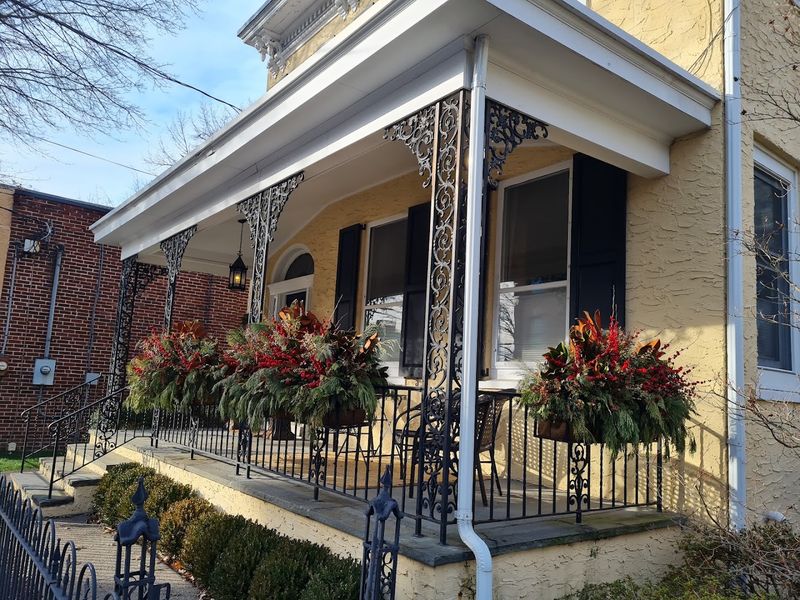
City Hall may call Lambertville a city, but its daily pleasures are decidedly small-town: walking to coffee, recognizing the same dogs on Union Street, and losing an hour inside an antiques shop.
The Delaware River and the canal keep the place grounded, while galleries, restaurants, historic inns, and vintage dealers give it enough variety for repeat visits.
Begin on Bridge Street, then wander along Main and Union streets without trying to cover every store. The People’s Store gathers dozens of antiques dealers under one roof, while the Golden Nugget market adds another treasure-hunting option on its operating days.
When the shopping starts to blur together, step onto the Delaware and Raritan Canal towpath for a flat walk or bike ride. Lunch can be casual, but the restaurant scene also supports a proper evening out, with cuisines ranging from French and Peruvian to familiar tavern fare.
Walking across the bridge to New Hope is easy, though Lambertville has enough personality to fill the day on its own. Parking is the one reality check: the compact downtown uses metered street spaces and municipal lots, and peak weekends require patience.
Arrive early, park once, and stay on foot. Few places make car-free living look this appealing without sacrificing good food, culture, or a little harmless retail temptation.
5. Allentown
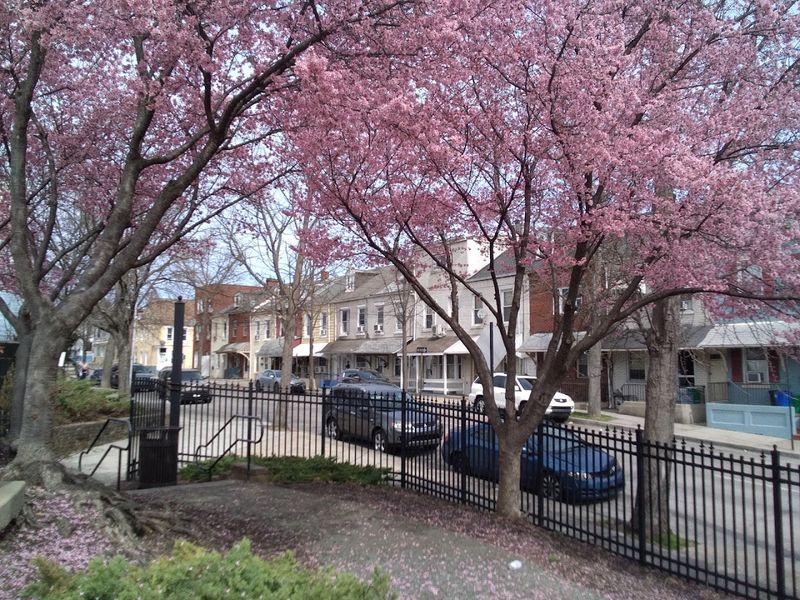
Follow Main Street past old homes, small shops, and the millpond, and the suburban pace drops away almost immediately. Surrounded by farmland in western Monmouth County, Allentown has the useful feel of a real community rather than a town assembled solely for weekend visitors.
Its walkable center mixes boutiques, cafés, historic architecture, and neighborhood businesses, while Connines Pond and nearby parks add space for a picnic or a quiet break. Browse locally made gifts and home goods, stop for ice cream, then follow the Allentown Nature Trail when you want more trees than storefronts.
The borough’s preserved streetscape rewards anyone who notices details: porch railings, brickwork, old signs, and buildings that have been adapted instead of replaced. Annual events such as the fall festival bring food trucks, music, crafts, and crowds, but ordinary weekends reveal the stronger case for living here.
You can accomplish a surprising amount within a few blocks and still hear birds between passing cars. Public parking areas include lots near Lakeview Drive, Church Street, Hamilton Street, and Heritage Park, which makes it easier to leave the car behind once you arrive.
Allentown does not try to overwhelm visitors with attractions. It wins them over through scale, friendliness, and the highly underrated luxury of a Main Street that still feels connected to the farms beyond it.
6. Cranbury
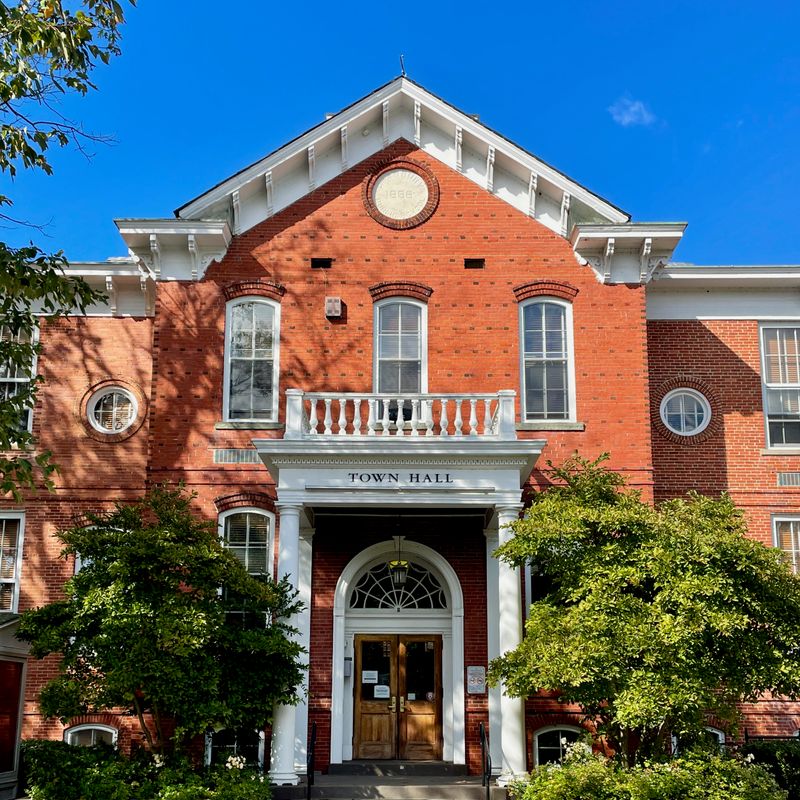
A stagecoach-era inn still anchors Main Street, and that fact tells you almost everything about Cranbury’s sense of continuity.
The village center sits inside a large historic district filled with 18th- and 19th-century buildings, yet it remains practical enough for coffee, lunch, a library visit, and a walk around the lake.
Pick up a self-guided walking route or simply follow Main Street and Park Place, where carefully kept homes make even a casual stroll feel like an architecture tour.
The Cranbury Museum occupies a furnished 19th-century house and typically offers docent-led Sunday visits, making it a worthwhile stop for anyone curious about how the town’s rooms looked before open floor plans took over America.
For a meal, the Cranbury Inn delivers the full historic setting, with its old tavern character paired with a broad modern menu. A crab cake or classic lunch feels appropriate, though the best order may be extra time to look around the building.
This is not a town for late-night entertainment or nonstop shopping. Its pleasures are morning walks, conversations that are not rushed, and the reassuring sight of neighbors using the same streets visitors came to admire.
Cranbury sits close to major highways, but the center feels remarkably insulated from them. That contrast makes the fantasy of trading traffic for village life seem almost practical.
7. Hopewell
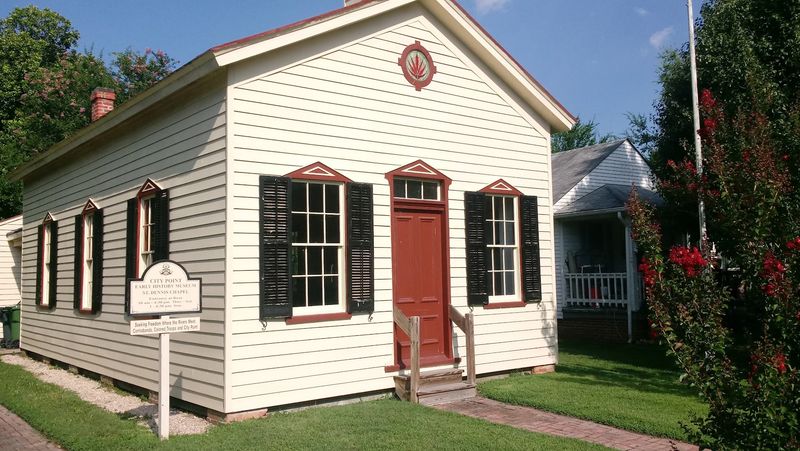
Breakfast is a serious local ritual here, especially when it begins at Aunt Chubby’s Luncheonette near the old railroad area. The longstanding breakfast-and-lunch spot sets the tone for Hopewell Borough: familiar, unfussy, and rooted in community.
From there, East Broad Street offers an appealing mix of independent food businesses and shops, including Sourland Bread for naturally leavened loaves and pastries worth carrying home. The downtown is small, but it has enough going on to support a satisfying routine rather than a one-time visit.
History appears in quiet layers at the Hopewell Museum and around landmarks such as the Old School Baptist Meeting House. For fresh air, Hopewell Park follows Bedens Brook with walking paths, picnic areas, Victorian-style bridges, a playground, and a gazebo used for community programs.
That combination—good bread, useful shops, green space, and recognizable faces—is what gives the borough its leave-the-city pull. It feels cultured without being precious and rural without being isolated.
Parking is generally easier than in the Delaware River tourist towns, though popular meal times can tighten the spaces near downtown restaurants. Come for breakfast, stay for a slow walk, and leave with a loaf under your arm.
Hopewell’s version of the simple life is not about giving things up. It is about having the things you actually use within a few friendly blocks.
8. Chester
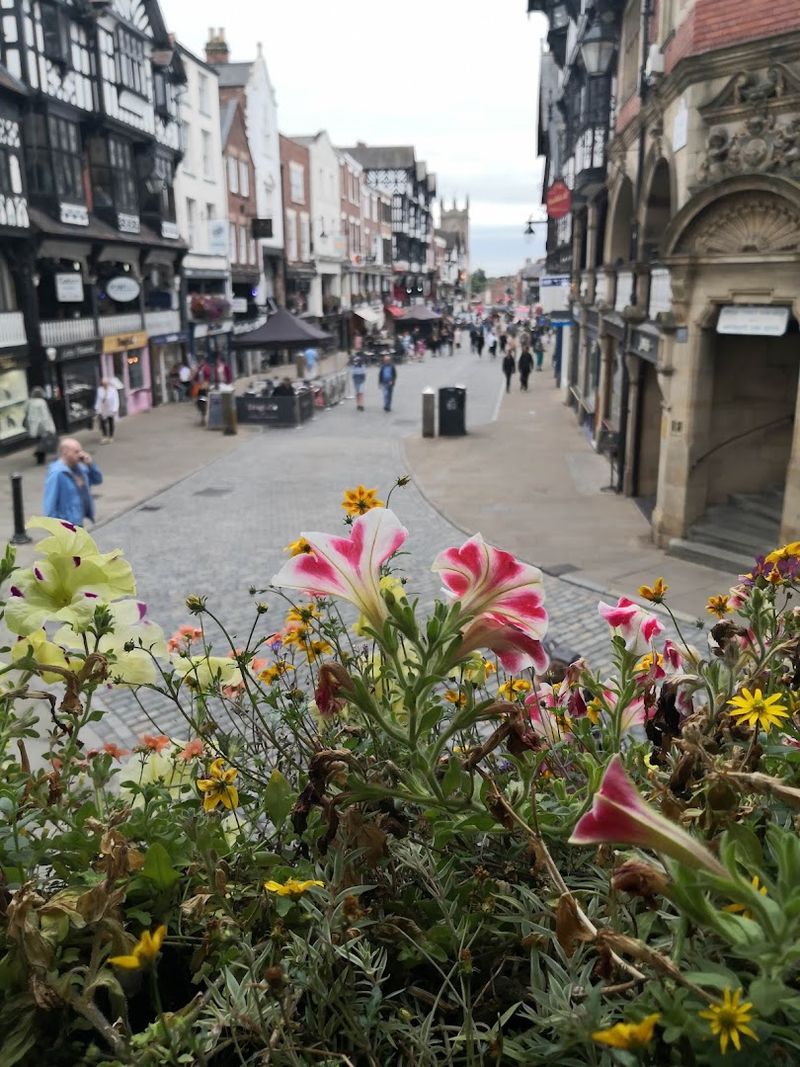
One minute you are driving through Morris County traffic; the next, brick walkways and preserved buildings are steering you past candy shops, boutiques, cafés, and old-fashioned storefronts.
Chester has more retail energy than some towns on this list, but it still feels connected to the farms, orchards, and wooded parks surrounding it.
Downtown contains dozens of independent shops and eateries, making it easy to spend a few hours browsing clothing, home décor, antiques, specialty foods, and gifts that do not look mass-produced.
Break up the shopping with a pastry or an oversized ice cream sundae, then head a few minutes outside the center for a different kind of local history.
Cooper Gristmill, built in the 1820s, offers demonstrations and a look at the water-powered machinery that once supported rural communities. Nearby gardens, farm stands, and seasonal picking operations give Chester a strong autumn reputation, though spring and summer are calmer and often easier for parking.
Major craft shows and the Harvest Festival can transform the downtown into a crowd scene, so check the calendar when your goal is peaceful wandering. Chester makes country life look lively rather than sleepy.
The town provides enough restaurants and shopping for convenience, then puts trails, fields, and working farms just beyond the storefronts—a balance that many city dwellers spend years trying to find.
9. Cape May Point
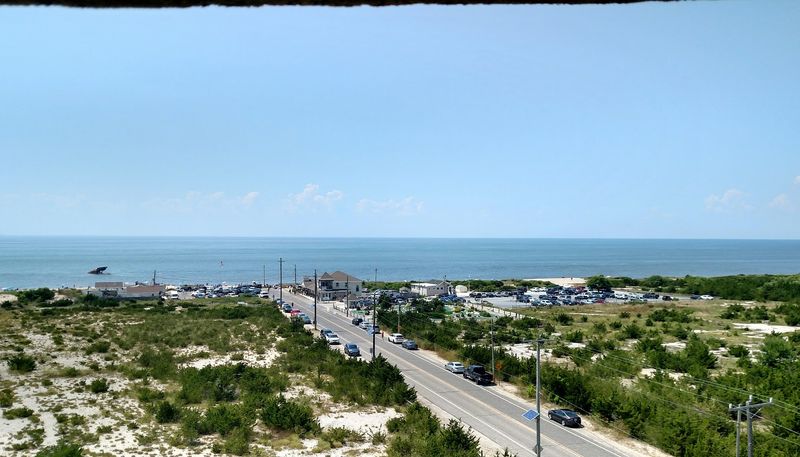
The loudest morning traffic may be a flock of migrating birds crossing over the dunes. Cape May Point sits just beyond the bustle of Cape May proper, trading busy shopping streets and Victorian inns for cottages, beach paths, freshwater ponds, and serious birdwatching.
Cape May Point State Park covers 244 acres of meadows, forest, dunes, ponds, and shoreline, giving visitors several easy ways to spend a quiet day outdoors.
Climb the 199 steps of the Cape May Lighthouse for a sweeping look across the Atlantic and Delaware Bay, or stay at ground level and walk the park trails with binoculars.
Fall migration brings expert birders from around the world, while monarch butterflies add another burst of movement and color. The borough’s beaches are calmer than the commercial Shore towns, with lifeguarded swimming and seasonal beach fees but none of the arcade noise.
Food options are limited compared with nearby Cape May, so a picnic is a smart move; just pack out everything and respect protected dunes and wildlife areas. Biking between Cape May Point and Cape May is another pleasant way to avoid parking headaches.
The simple-life fantasy here involves salt air, early bedtimes, and knowing the sunset schedule better than the restaurant schedule. For the right person, that sounds less like sacrifice and more like an upgrade.
10. Island Heights

Sailboats tilt across the Toms River while walkers pause beneath the pavilion, and suddenly the packed oceanfront towns a few miles away feel much farther than they are.
Island Heights grew as a late-19th-century resort and religious community, and its winding streets still hold Victorian cottages, shingled homes, mature trees, and reminders of its artistic past.
The waterfront boardwalk is the obvious starting point. It is made for an easy stroll rather than a full day of amusements, with benches, river views, and enough boat traffic to keep the scenery moving.
From there, head uphill through the residential streets to the John F. Peto Studio Museum.
The preserved home and studio explores the work of Peto, an American master of trompe-l’oeil still-life painting, while also offering a closer look at the town’s architecture and creative history. Island Heights is best approached as a place to walk, look, and slow down, not a checklist destination.
Recreational badges cover access to local beaches, fishing, crabbing, and tennis, so check current rules before planning a full activity day. Dining choices are limited within the borough, which is another reason to pair the visit with a picnic or a meal elsewhere around Toms River.
Its appeal lies in the quiet after dinner, when river light filters through old trees and nobody seems in a hurry to be anywhere else.
11. Lavallette
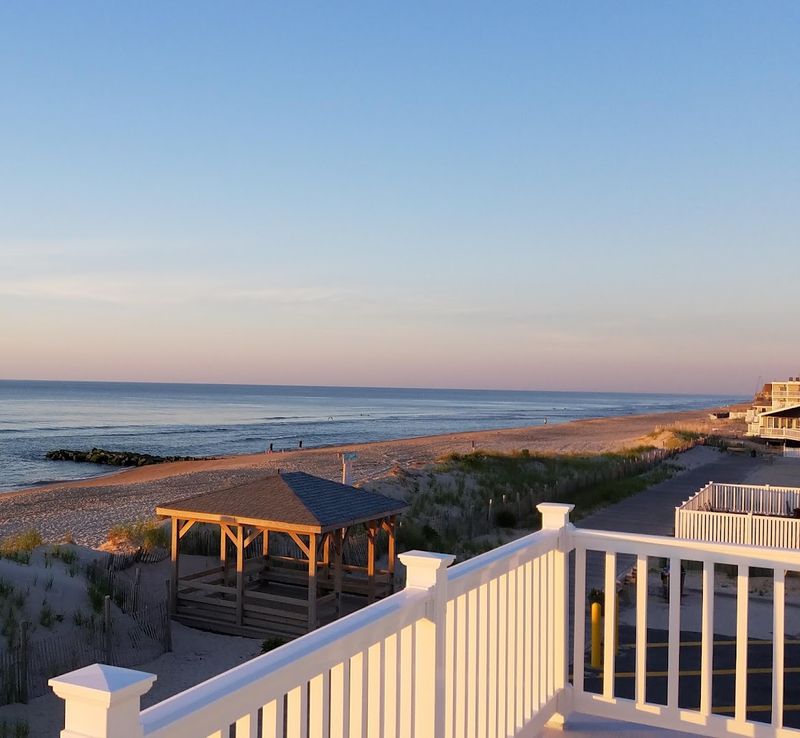
There are no roller coasters competing with the sound of the surf, and that is precisely the point. Lavallette offers classic Shore living in a narrow barrier-island borough where the ocean, bay, shops, and breakfast spots are never far apart.
The oceanfront boardwalk is built for walking, jogging, and bicycle rides rather than arcades, while the bay side provides calmer water and sunset views.
Start early with coffee and a pastry from a local bakery, claim a beach spot before the midday rush, then switch sides of town in the evening to watch the sky change over Barnegat Bay.
Families appreciate the straightforward rhythm: beach, shower, pizza, ice cream, repeat. Restaurants and takeout counters line the main commercial streets, so dinner can be as simple as seafood, a pie, or sandwiches carried back to the rental.
During the 2026 bathing season, daily beach badges cost $13, with weekly and seasonal options available; bayfront municipal lots require a parking sticker during the season. Street parking fills quickly on prime summer weekends, so walking or biking once settled is the better strategy.
Bicycles are permitted on the boardwalk only during designated morning and evening hours in the bathing season. Lavallette proves that a Shore town does not need a giant entertainment district to hold attention.
The ocean supplies the schedule, the bay handles sunset, and the rest of the day can remain pleasantly uncomplicated.
12. Walpack Township
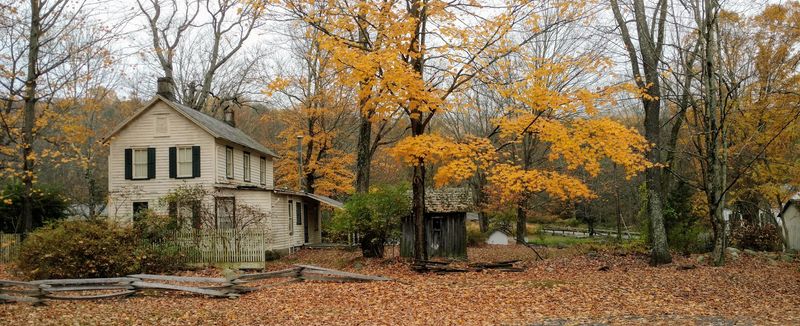
Cell service gets spotty, the roads narrow, and the number of buildings drops so sharply that even New Jersey natives may wonder whether they took a wrong turn.
Walpack Township is the extreme version of leaving city life behind: a sparsely populated landscape inside and around Delaware Water Gap National Recreation Area, with historic structures, forested ridges, old roads, and long stretches where nature has reclaimed center stage.
Historic Walpack Center preserves the outline of a rural community, including the Rosenkrans House and other surviving buildings. On summer Sundays, volunteers may open select historic sites, depending on staffing.
The one-mile Military Road Trail links Walpack Center with Van Campen Inn, offering a better sense of the landscape than a quick drive-through. Nearby routes lead toward waterfalls, ravines, river access, and overlooks, but visitors need to plan carefully.
There are no convenient cafés waiting around the corner, so bring water, food, sturdy footwear, and a downloaded map.
Current road conditions matter: in 2026, construction and bridge closures affect portions of Old Mine Road and access around Walpack, including the closed Main Street bridge between Walpack Center and Mountain Road.
Check park alerts before leaving. Walpack is not polished, bustling, or easy—and that honesty is its charm.
It reminds visitors how quiet the state can become when roads, forests, and old buildings are allowed to set the pace.