Most people think of South Padre or Galveston when they picture Texas beaches, but the Lone Star State’s coastline hides dozens of quieter stretches where you won’t fight for parking or elbow space on the sand. These lesser-known spots offer the same Gulf breezes and rolling waves without the tourist crowds that pack the famous beaches every weekend. Whether you’re searching for solitude, birdwatching opportunities, or just a place where your kids can explore tide pools without dodging beach umbrellas, these hidden gems deliver authentic coastal experiences that feel refreshingly undiscovered.
1. Sea Rim State Park Beach (Sabine Pass)
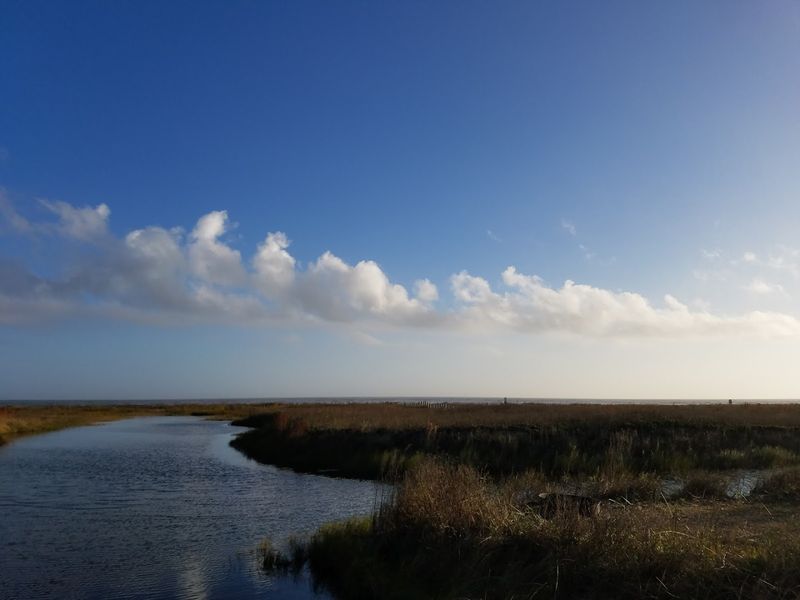
Way up where Texas meets Louisiana, this marshy coastal paradise sits tucked between the Gulf and miles of protected wetlands that most beachgoers never discover. Sea Rim offers something completely different from typical sandy stretches—you get beach access plus kayak trails winding through marshes where alligators sun themselves and roseate spoonbills wade through shallow water. The beach itself runs wild and undeveloped, meaning you won’t find rental chairs or snow cone stands, just shells, driftwood, and whatever the tide brings in.
Parking costs a small day-use fee, but once you’re through the gate, you’ll likely have huge sections of sand to yourself, especially on weekdays. The waves here can get surprisingly good when storms push through, attracting surfers who know where to look. Birders absolutely love this spot since the park sits on a major migration flyway—bring binoculars and you might spot over a hundred species depending on the season.
The marshland boardwalk behind the beach makes for incredible sunset walks when the sky turns pink and orange over the wetlands. Fishing is excellent both from the beach and the kayak trails, with redfish, flounder, and speckled trout all within reach. Just remember to bring everything you need since facilities are basic—restrooms exist but no food vendors or gear rentals.
Summer brings biting flies and mosquitoes, so pack bug spray if you plan to explore the marsh trails. The beach sand can be softer and muddier than other Gulf spots since the marsh influence means more organic material mixed in. Still, that same marsh ecosystem creates nursery habitat for countless marine species, making the water incredibly rich with life.
If you want a Texas beach that feels genuinely wild and untouched, where nature runs the show instead of commercial development, Sea Rim delivers that experience better than almost anywhere else on the coast. Just you, the birds, and miles of shoreline that hasn’t changed much in centuries.
2. San José Island (Near Port Aransas)
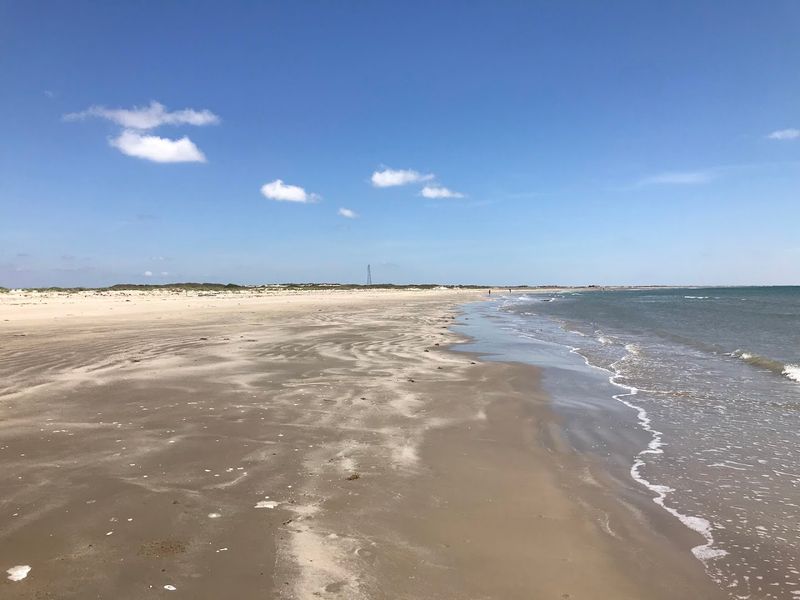
You can’t drive here, and that’s exactly why San José Island remains one of the most pristine beaches along the entire Texas coast. This 21-mile barrier island sits just across the channel from Port Aransas, accessible only by private boat or ferry service, which instantly filters out the casual beachgoers looking for easy parking. What you get instead is miles of untouched shoreline where your footprints might be the only ones for hundreds of yards in either direction.
The island belongs mostly to private owners and the state, with no permanent structures except a few fishing camps on the bay side. This means zero beach development—no hotels, restaurants, or souvenir shops cluttering the dunes. Ferry services run regularly from Fisherman’s Wharf in Port Aransas, dropping visitors on the Gulf side where the real beach experience begins.
Bring everything you need for the day since you won’t find any facilities beyond basic restrooms near the ferry drop-off.
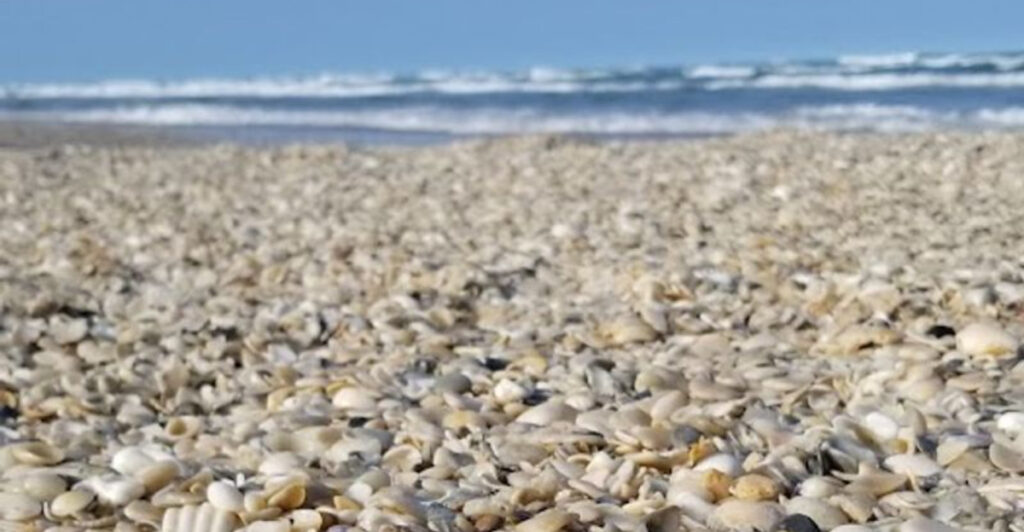
Shelling here ranks among the best on the Texas coast because fewer people means more intact specimens washing up with each tide. Sand dollars, lightning whelks, and colorful scallop shells cover certain stretches, especially after storms push through. The water stays clearer than many mainland beaches since limited development means less runoff muddying the Gulf.
Fishing from the surf produces excellent results, particularly for redfish and black drum running the shallows. Many visitors bring kayaks across on the ferry to paddle the bay side, where seagrass flats hold speckled trout and flounder. Bird populations thrive here too—least terns nest in the dunes during summer while brown pelicans cruise the surf line year-round.
Plan your visit around ferry schedules and bring plenty of water, sunscreen, and shade since trees don’t exist on this windswept island. The isolation might feel extreme if you’re used to developed beaches, but that’s precisely the appeal. San José offers a genuine barrier island experience where nature still controls the landscape, giving you a taste of what the Texas coast looked like before condos and beach houses took over.
3. Magnolia Beach (Port Lavaca)
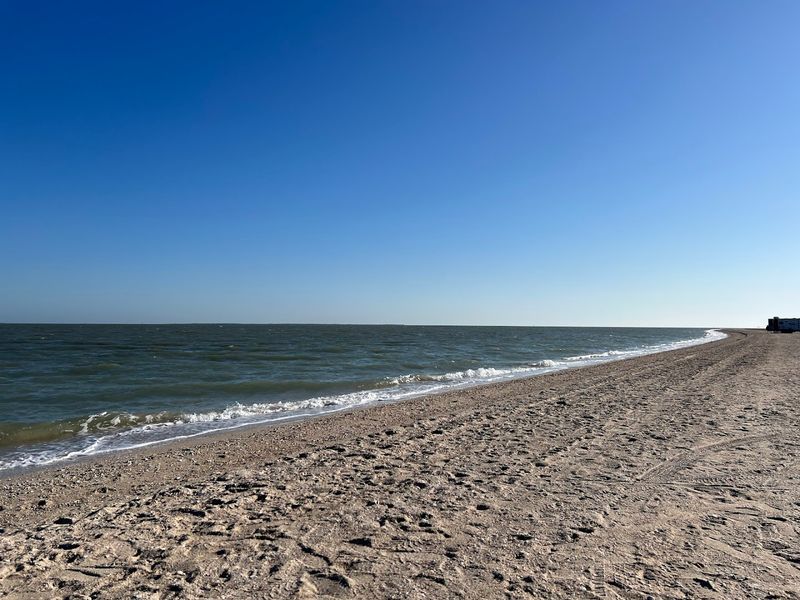
Small-town beach vibes define Magnolia Beach, where local fishing families have launched boats and cast lines for generations without much fanfare or tourist attention. This Matagorda Bay community beach sits right off Highway 35 in Port Lavaca, yet somehow stays under the radar despite being completely free and easy to access. The beach faces the bay rather than the open Gulf, creating calmer, shallower water perfect for kids learning to swim or anyone wanting to wade without fighting surf.
A long fishing pier stretches into Lavaca Bay, attracting anglers after speckled trout, redfish, and flounder that cruise these productive waters. The pier stays busy with locals who know exactly when the fish bite best, and they’re usually happy to share tips if you strike up a conversation. Beach access spreads along several blocks with free parking right along the seawall, making it incredibly convenient compared to beaches where you hike a quarter-mile through dunes.
The sand here leans more toward shell hash and mud than the fine white powder you’ll find on barrier islands, but the trade-off is warmer, calmer water and fantastic birding opportunities. Roseate spoonbills, white pelicans, and various herons work the shallows, especially during migration seasons when the bay becomes a refueling stop for countless species heading north or south.
Local restaurants sit within walking distance of the beach, offering fresh seafood and cold drinks without the inflated prices you’d pay at tourist-heavy destinations. Several RV parks line the beach road, hosting snowbirds and fishing enthusiasts who return every year for the laid-back atmosphere and excellent angling.
Sunsets over the bay create spectacular color shows, with the shallow water reflecting oranges and pinks across the entire western horizon. Bring a camera and arrive about thirty minutes before sunset for the best light. The lack of Gulf waves means you won’t get that classic beach experience with rolling surf, but you will find a genuinely local spot where Texas families have gathered for generations without the crowds or commercialization that ruins so many coastal destinations.
4. Surfside Beach (Near Freeport)
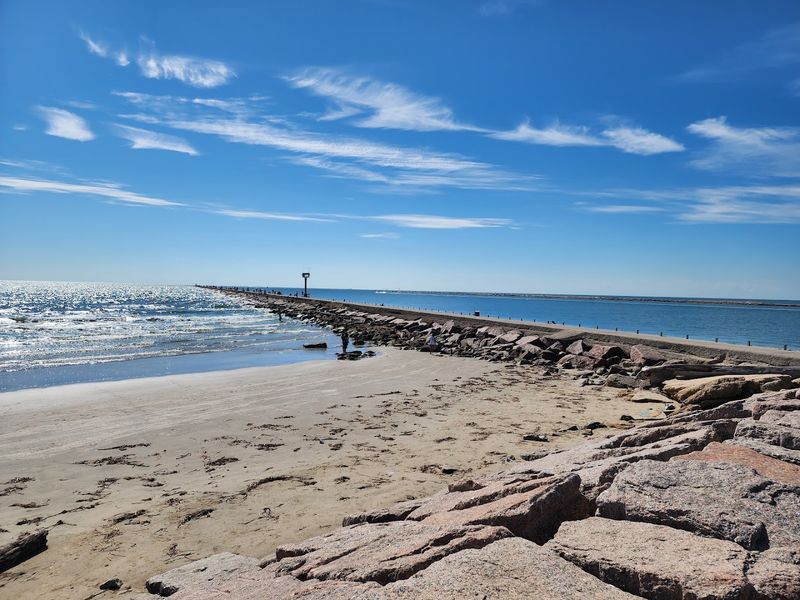
Just down the coast from Galveston, Surfside Beach operates as a laid-back beach town where locals outnumber tourists most of the year, creating a refreshingly unpretentious coastal atmosphere. The town sits at the mouth of the Brazos River where it meets the Gulf, giving you both river and ocean access within the same small community. Beach access stays free and plentiful, with numerous public entry points scattered throughout the residential areas where colorful beach houses sit on stilts overlooking the sand.
The jetty system at the river mouth creates excellent fishing opportunities, with anglers regularly pulling in redfish, tarpon, and sharks depending on the season. Surfers appreciate the jetty’s influence on wave formation, which can produce rideable swells when conditions align properly. The beach itself stretches wide and clean, with softer sand than you might expect and water that clears up nicely when winds stay calm.
Surfside Jetty Park offers the most developed beach access with restrooms, showers, and a pavilion, but even this “busy” spot rarely feels crowded compared to Galveston beaches on summer weekends. RV camping is available right on the beach at several parks, letting you wake up to Gulf views without the resort prices. Local restaurants serve fresh-caught seafood in casual settings where flip-flops and swimsuits qualify as proper attire.
The town maintains a distinctly working-class character since it grew up around fishing and shrimping rather than tourism. You’ll see working boats heading out before dawn and charter captains cleaning catches at the docks each afternoon. This authentic coastal culture creates a welcoming vibe where visitors feel like guests rather than walking wallets.
Bryan Beach sits just down the coast, offering even more solitude for those wanting to escape any hint of development. Wildlife viewing opportunities abound since the Brazos River delta creates rich habitat where freshwater meets salt, attracting dolphins, sea turtles, and countless bird species. Bring your own gear and supplies since shops stay limited, but enjoy the freedom of a beach town that hasn’t sold out to high-rise hotels and chain restaurants cluttering the shoreline.
5. Boca Chica Beach (Near Brownsville)
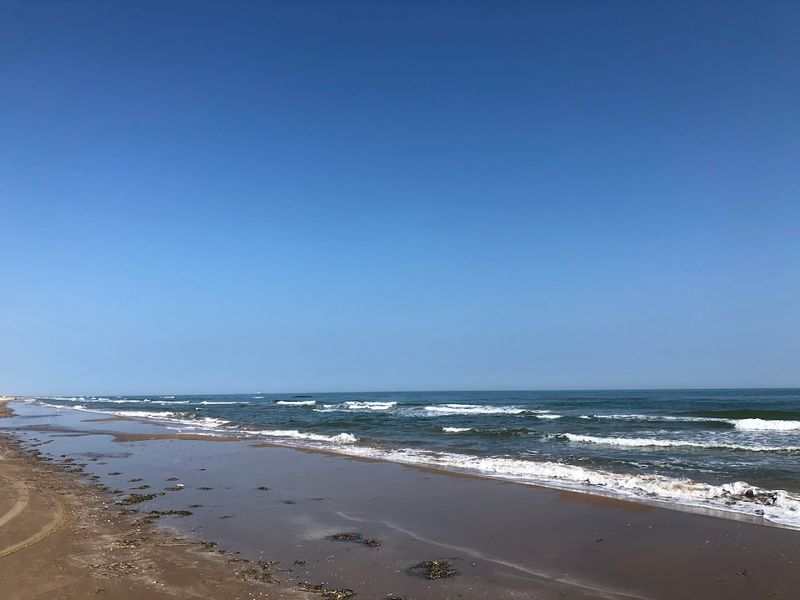
At the very southern tip of Texas where the Rio Grande meets the Gulf, Boca Chica Beach stretches wild and remote in a way that feels almost otherworldly. Getting here requires a 20-mile drive down Highway 4 through flat coastal prairie and wetlands, passing SpaceX facilities that have recently made this area famous for rocket launches rather than beach vacations. The road eventually dead-ends at the beach, where you’ll find primitive camping, excellent fishing, and miles of shoreline shared with more birds than people.
Four-wheel drive vehicles dominate the beach scene here since the sand stays soft and driving conditions can get tricky, especially after rain or high tides. Locals and serious anglers drive miles down the beach to find their perfect fishing spot, setting up camps for the day or even the weekend. The remoteness means you need to bring absolutely everything—water, food, shade, and emergency supplies since help sits far away if something goes wrong.
Fishing from the surf produces impressive catches when conditions align, with tarpon, bull reds, and sharks all cruising these waters. Spring and fall migrations bring spectacular birding opportunities as countless species funnel through this coastal corridor. The beach itself features hard-packed sand near the waterline and softer, deeper sand up in the dunes where sea oats wave in the constant breeze.
SpaceX launch activity occasionally closes the beach for safety reasons, so check closure schedules before making the long drive out. When launches happen, they create an incredible spectacle visible from the beach, adding a surreal modern element to this otherwise timeless landscape. The company’s presence has sparked controversy among locals who worry about losing access to this special place.
Sunrise over the Gulf here feels particularly magical since you’re watching the sun come up over water at the absolute southern edge of Texas. The Mexican border sits just a few miles south, adding a unique geographic element to your beach experience. If you want isolation, adventure, and a beach that still feels genuinely wild despite the space-age neighbors, Boca Chica delivers an experience unlike anywhere else on the coast.
6. Crystal Beach (Bolivar Peninsula)
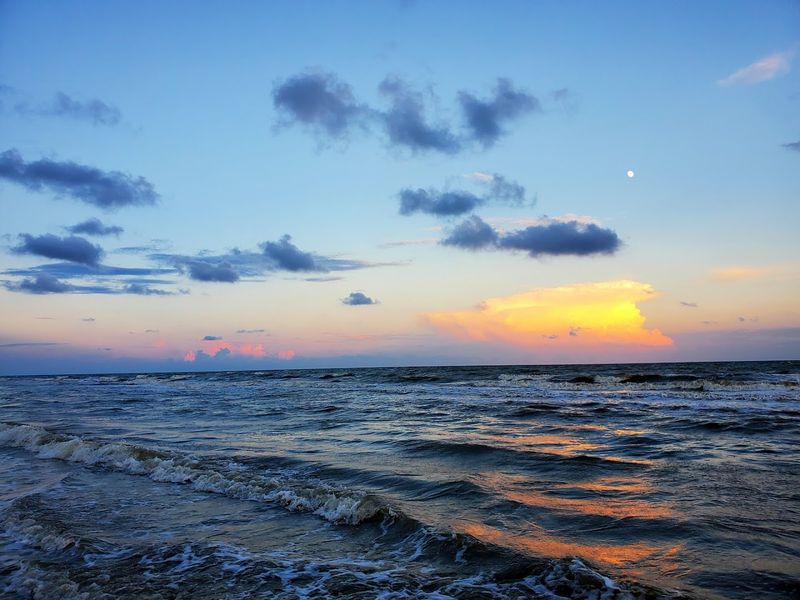
Bolivar Peninsula’s Crystal Beach community has somehow maintained its low-key beach town charm despite sitting just a free ferry ride away from Galveston’s tourist crowds. This stretch of beach attracts Houston families looking for easier access and fewer people than Galveston Island, creating a relaxed atmosphere where beach rules stay loose and nobody stresses about keeping their cooler hidden. You can drive and park directly on the sand in most areas, making beach setup incredibly simple for families hauling gear.
The beach itself runs wide and flat, with firm sand near the water that makes for easy walking or biking. Waves stay moderate most of the year, creating decent body surfing conditions without the intimidating shore breaks that scare young swimmers. Beach access spreads out over miles, so even on busy summer weekends you can find your own space by driving a bit farther from the main public access points.
Local beach houses range from simple fishing camps to newer vacation rentals, but the overall vibe stays refreshingly unpretentious compared to resort areas. Small restaurants and convenience stores dot the main road, offering basic supplies and surprisingly good seafood without the tourist markup. The community has rebuilt repeatedly after hurricanes, creating a resilient culture of people who genuinely love this place despite the risks.
Fishing from the beach produces solid results, especially for whiting, croaker, and seasonal runs of pompano. Surf anglers set up elaborate rod holders and cast far out into the Gulf, waiting for bull reds or sharks to hit their baits. Bird watching gets excellent attention here too since Bolivar Peninsula serves as a critical stopover for migrating species, with the nearby Bolivar Flats Shorebird Sanctuary hosting massive concentrations during peak seasons.
The free Galveston ferry makes accessing Crystal Beach part of the adventure, with dolphins often swimming alongside the boat and pelicans diving for fish in the ship channel. Vehicle lines can get long on summer weekends, but the 20-minute ride offers great views and eliminates the hassle of toll bridges. Once you’re across, the beach spreads out before you with room to roam and a welcoming local culture that makes visitors feel at home without trying to sell them overpriced beach toys every five minutes.
7. McFaddin Beach (Near High Island)
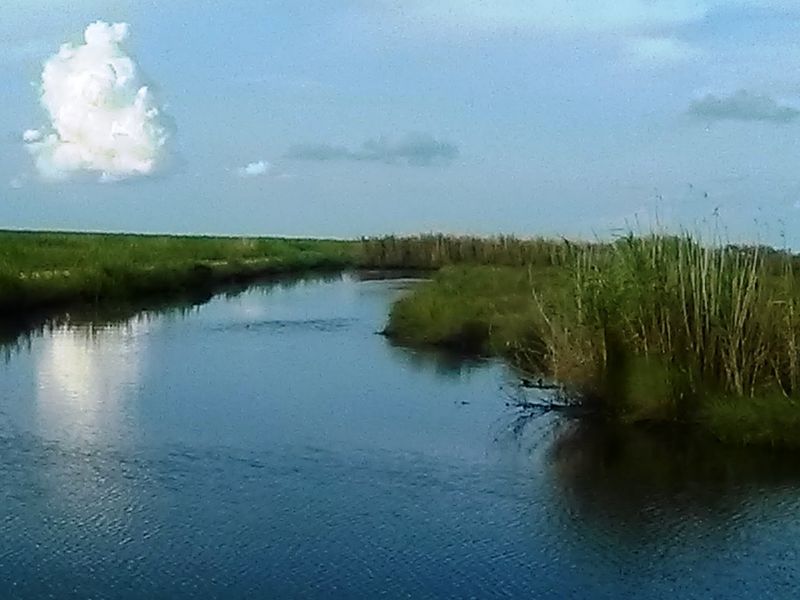
McFaddin National Wildlife Refuge protects this spectacular stretch of undeveloped coastline where coastal prairie meets the Gulf in a landscape that looks much like it did centuries ago. The beach sits along the upper Texas coast between High Island and Sea Rim State Park, accessible via a sandy road that requires decent clearance and careful driving. What you get for that effort is miles of pristine shoreline where development never happened and nature still runs completely wild.
The refuge itself covers over 55,000 acres of coastal wetlands, prairie, and beach habitat, creating one of the most important stopover points for migrating birds along the entire Gulf Coast. During spring and fall migrations, the numbers and variety of species become almost overwhelming—warblers, tanagers, buntings, and countless shorebirds fill the coastal vegetation while raptors cruise overhead looking for easy meals. Serious birders consider this area essential visiting during peak migration weeks.
Beach access stays primitive with no facilities beyond the parking area where the sand road meets the beach. Four-wheel drive helps but isn’t always necessary if you stick to the harder-packed sand near the waterline. The beach itself features natural dunes topped with sea oats and morning glories, creating a textbook example of healthy coastal dune habitat that’s increasingly rare along developed shorelines.
Fishing opportunities abound both from the surf and the marshes behind the beach, with redfish, flounder, and speckled trout all available depending on season and conditions. Alligators inhabit the freshwater marshes, so stay alert when exploring away from the beach. The isolation means you need to be completely self-sufficient—bring water, food, sun protection, and a full tank of gas since services sit miles away.
Sunrise here creates unforgettable moments as the sun breaks over the Gulf, illuminating the marsh grasses and dunes in golden light while birds begin their morning feeding routines. Photography opportunities range from macro shots of wildflowers in the dunes to expansive landscapes showing the meeting of land and sea. If you appreciate wild places where nature operates without human interference, McFaddin Beach offers a humbling reminder of what the Texas coast looked like before we paved and developed most of it into submission.
8. Little Shell Beach (Padre Island National Seashore)
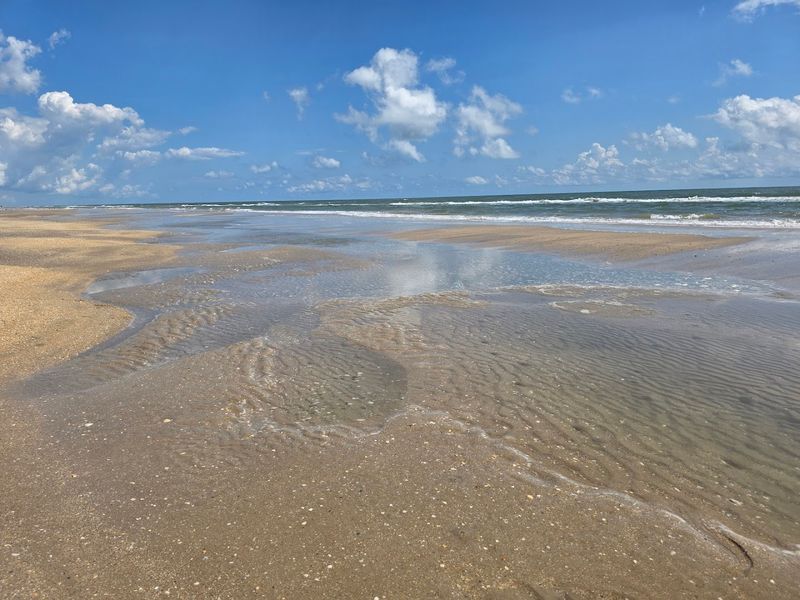
Hidden within the protected boundaries of Padre Island National Seashore, Little Shell Beach offers the kind of pristine coastal experience that’s becoming increasingly rare anywhere in Texas. This stretch sits past the paved road where most visitors turn around, accessible only by driving on the beach itself in a four-wheel drive vehicle or by hiking several miles from the nearest parking area. That barrier to entry keeps crowds minimal even during busy seasons, rewarding adventurous visitors with spectacular solitude.
The national seashore protects over 70 miles of barrier island coastline, and Little Shell represents one of the most beautiful sections where white sand meets turquoise water in a landscape free from any development. Natural dunes rise behind the beach, stabilized by sea oats and other native vegetation that creates crucial habitat for nesting sea turtles. Kemp’s ridley sea turtles nest along these beaches, and if you visit during hatching season you might witness tiny turtles scrambling toward the Gulf under the watchful eyes of conservation volunteers.
Shelling lives up to the beach’s name, with excellent specimens washing up regularly since fewer people means less competition for the best finds. Sand dollars, whelks, and colorful scallop shells scatter along the tide line, particularly after storms push through. The water clarity here exceeds most Texas beaches since the protected status limits the runoff and pollution that clouds water elsewhere along the coast.
Camping is allowed along the beach in designated areas, letting you fall asleep to the sound of waves and wake up to sunrise over the Gulf without another soul in sight. Permits are required and camping stays primitive—pack in everything you need and pack out all trash since no facilities exist this far down the island. Fresh water and supplies require a long drive back to the visitor center area.
Wildlife viewing extends beyond sea turtles to include dolphins surfing the waves, coyotes trotting the beach at dawn, and countless bird species working the surf line for food. The sense of wilderness here feels genuine and powerful, reminding visitors that some places still exist where nature takes priority over human convenience and development. If you’re willing to make the effort to reach it, Little Shell Beach rewards you with one of the finest coastal experiences Texas has to offer.
9. Lighthouse Beach (Port Lavaca)
Port Lavaca’s Lighthouse Beach takes its name from the replica lighthouse that stands as a landmark for this compact bayside beach that locals love for its calm water and easy access. The beach sits right in town along the Lavaca Bay shoreline, offering a completely different experience from Gulf-facing beaches with their waves and surf. Here you get shallow, protected water that warms quickly in summer and stays calm enough for young children to splash safely while parents relax nearby.
The lighthouse itself serves as a visitors center and observation deck, offering panoramic views of the bay and the surrounding coastal landscape. Climbing to the top gives you a bird’s eye perspective of the beach, the fishing pier, and the boats working the bay waters. The structure adds character to what might otherwise be a fairly simple beach park, creating a focal point for photos and a landmark for meeting up with friends.
Beach facilities include restrooms, showers, picnic areas, and a playground, making this an incredibly family-friendly destination where you can easily spend a full day without leaving for supplies. The adjacent fishing pier extends into the bay, attracting anglers after speckled trout, redfish, and flounder that cruise these productive waters. Local experts fish here regularly, and most are happy to share advice about what’s biting and what bait works best.
The bay location means you won’t experience Gulf waves or that classic beach surf sound, but you gain warmer water, better visibility, and protection from the wind that can make Gulf beaches uncomfortable on blustery days. Bird watching opportunities abound since the bay habitat attracts herons, egrets, pelicans, and during migration seasons, countless shorebirds working the shallows for food.
Sunsets over Lavaca Bay create stunning displays of color, with the shallow water reflecting the sky’s oranges, pinks, and purples across the entire western horizon. Bring a camera and plan to stay through the golden hour for the best shots. The beach stays open year-round and rarely feels crowded even during peak summer months since it serves primarily a local crowd rather than destination tourists.
If you want a low-stress beach day with calm water, good facilities, and a friendly small-town atmosphere, Lighthouse Beach delivers exactly that without any pretense or tourist trap nonsense.
10. Mustang Island Hidden Access Beaches
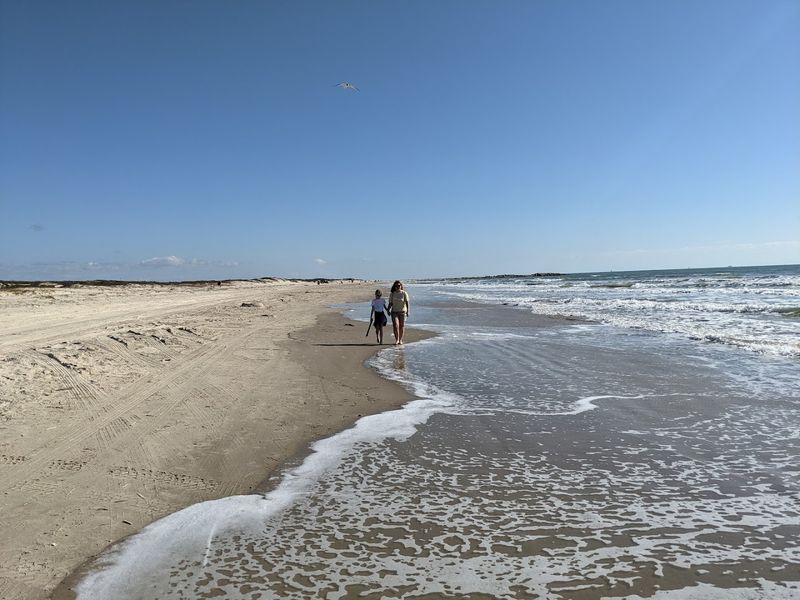
While most visitors stick to the main beach access points at Mustang Island State Park, those willing to walk a bit discover hidden beach sections that feel remarkably private despite being within a popular park. Several unmarked trails wind through the dunes from the park road, emerging onto beautiful stretches of beach where you might not see another person for hours. These spots require a bit of exploring to find, but that effort filters out casual beachgoers looking for convenient parking right on the sand.
The state park protects five miles of pristine barrier island coastline where natural dune systems remain intact and healthy, creating the kind of beach environment that’s increasingly rare along developed sections of the Texas coast. Native vegetation stabilizes the dunes while providing habitat for birds, reptiles, and insects that form the foundation of the coastal ecosystem. Walking through these dunes to reach the hidden beach sections gives you an appreciation for the complexity of barrier island environments.
Once you reach the beach, you’ll find the same beautiful white sand and clear Gulf water that makes Mustang Island famous, but without the crowds that pack the main access areas. The waves stay consistent and moderate, creating good conditions for swimming, body surfing, or just floating in the Gulf while watching pelicans cruise past. Shelling can be excellent along these quieter stretches since fewer people means more intact specimens survive the competition.
Fishing from the surf produces solid results, particularly during seasonal runs of pompano, whiting, and redfish working the shallows. Surf anglers appreciate the solitude of these hidden sections where they can spread out their gear without worrying about swimmers or beach umbrellas interfering with their casts. The park allows beach camping in designated areas, offering the chance to spend the night falling asleep to wave sounds.
Day-use fees apply for park entry, but the cost stays reasonable and includes access to restrooms, showers, and other facilities near the main entrance. Bring plenty of water and snacks since the hidden beach sections sit far from any services. The park’s location near Port Aransas means excellent restaurants and shops are just a short drive away when you’re ready to leave the beach, but while you’re tucked away in these hidden sections, you’ll feel like you’ve discovered your own private piece of the Texas coast.
11. Bryan Beach (Near Freeport)
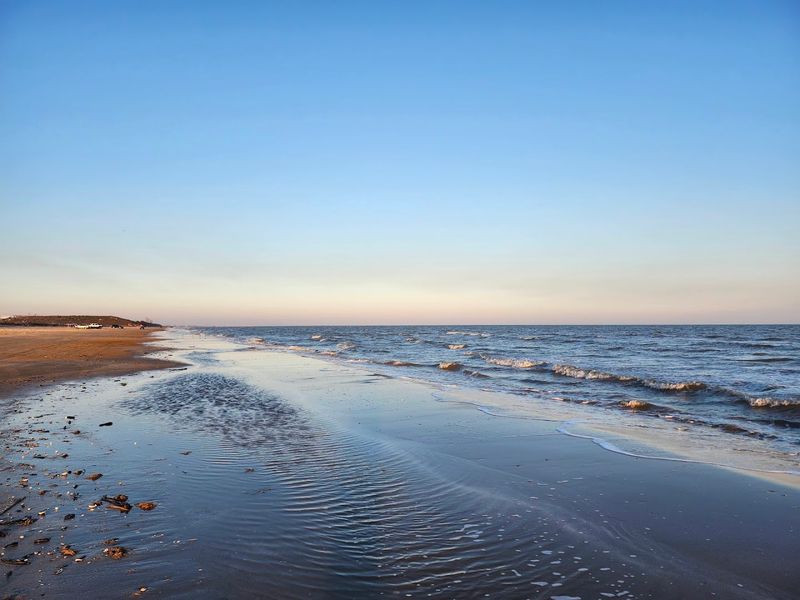
Bryan Beach stretches along the coast just south of Surfside Beach, offering an even more secluded experience for those who don’t mind driving on the beach to reach the best spots. This section of coastline sits near the Brazos River delta, creating a unique environment where river sediments mix with Gulf waters and freshwater influences create rich habitat for marine life. The beach itself runs wide and clean, with fewer people than you’ll find at the more accessible Surfside areas just up the coast.
Beach driving is allowed and actually necessary to reach the best sections, so four-wheel drive or at least good clearance helps navigate the soft sand safely. Once you drive past the initial access point, the beach opens up before you with miles of shoreline where you can claim your own section and enjoy Gulf views without neighbors crowding your space. The sand quality stays excellent—soft enough for barefoot walking but firm enough near the water for easy driving.
Fishing opportunities shine here, especially for surf anglers targeting redfish, black drum, and seasonal runs of pompano and whiting. The Brazos River’s influence creates nutrient-rich waters that attract baitfish, which in turn draw larger predators cruising the surf line. Many serious anglers prefer Bryan Beach for exactly this reason, setting up multi-rod spreads and fishing all day while waiting for the bite to turn on.
The Brazos River delta nearby creates excellent bird watching opportunities, with the mixing of freshwater and saltwater habitats attracting diverse species. Dolphins frequently swim close to shore here, and sea turtles nest along this stretch during summer months. The undeveloped nature of the beach means you’ll see more wildlife and fewer beach umbrellas, creating a more natural coastal experience.
Primitive camping is allowed in certain areas, letting you park your RV or pitch a tent right on the beach for overnight stays. Facilities stay minimal—basically nonexistent beyond the initial access point—so bring everything you need including plenty of water, food, and fuel. The remoteness and self-sufficient nature of a Bryan Beach visit appeals to people who want genuine solitude and don’t need restaurants or shops nearby.
If you’re comfortable being self-reliant and enjoy the adventure of beach driving to find your perfect spot, Bryan Beach offers one of the most authentic undeveloped beach experiences still available on the upper Texas coast.
12. Matagorda Beach (Matagorda Bay)
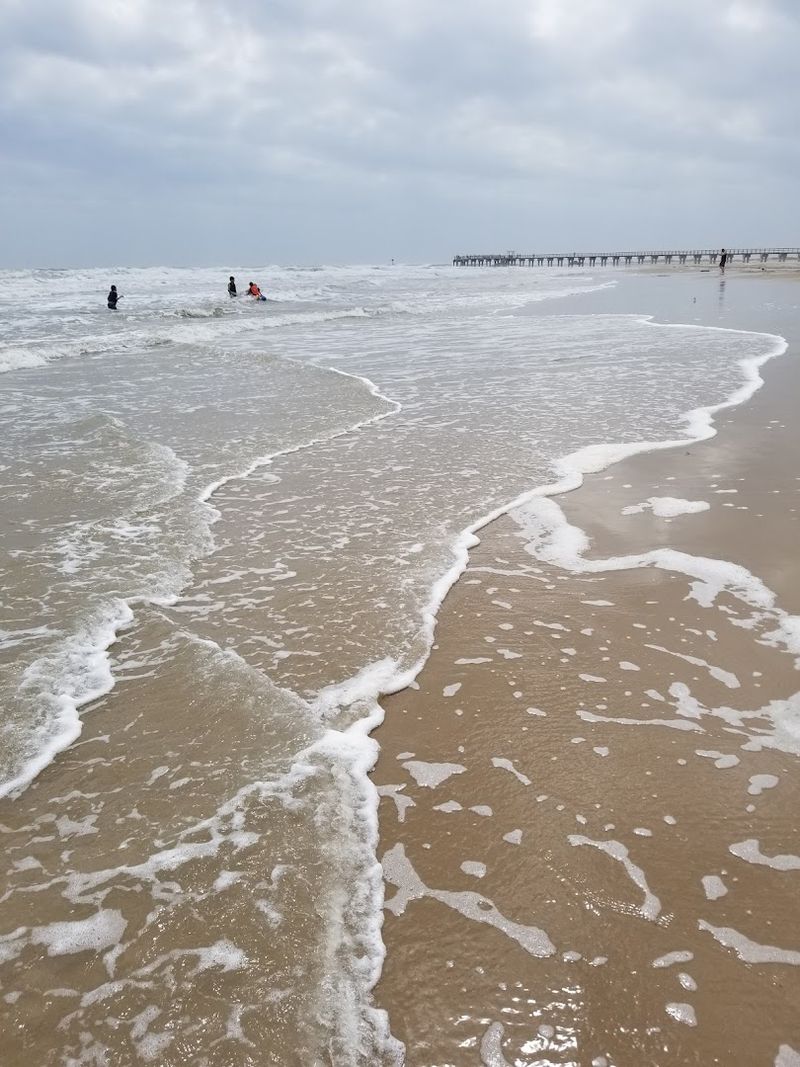
At the southern end of Farm Road 2031, Matagorda Beach stretches across a rare coastal landscape where the Colorado River flows directly into the Gulf of Mexico, blending river, bay, and ocean scenery into one peaceful destination. This small beach community operates as a genuine fishing village where tourism takes a backseat to commercial fishing and shrimping operations that have sustained the town for generations. The beach itself stretches along both the Gulf side and the bay side, giving you options depending on whether you want waves or calm water.
The jetty system at the river mouth creates exceptional fishing opportunities, with anglers regularly pulling in redfish, speckled trout, flounder, and seasonal tarpon that cruise through the passes. Charter boats operate from the local marina, taking fishing parties into the Gulf or working the bay systems depending on conditions and what’s biting. The beach access stays free and easy, with parking right along the seawall and multiple points where you can walk onto the sand.
Matagorda’s remoteness—it sits at the end of the road with nothing beyond except more coastline—keeps crowds minimal even during summer months. The town maintains an authentic working waterfront atmosphere where you’ll see shrimp boats unloading catches and local fishermen mending nets rather than tourist shops selling beach toys. This genuine coastal culture creates a welcoming environment where visitors feel like guests rather than revenue sources.
The bay side beaches offer calmer water perfect for kayaking, wade fishing, or letting kids splash without worrying about Gulf waves. Bird watching opportunities abound since the Colorado River delta creates diverse habitat where freshwater meets salt, attracting herons, egrets, roseate spoonbills, and countless other species. During migration seasons, the area becomes a critical stopover point for birds traveling the central flyway.
Local restaurants serve fresh-caught seafood in casual settings where the fish was probably swimming that morning before landing on your plate. Prices stay reasonable since the town caters to locals and serious anglers rather than tourist crowds. RV parks and fishing camps dot the area, hosting return visitors who come back year after year for the excellent fishing and laid-back atmosphere.
If you want a Texas beach that still operates as a working fishing community rather than a tourist destination, Matagorda delivers that authentic experience without any manufactured charm or resort development cluttering the genuine coastal culture.
13. South Padre Island North End Beaches (South Padre Island)
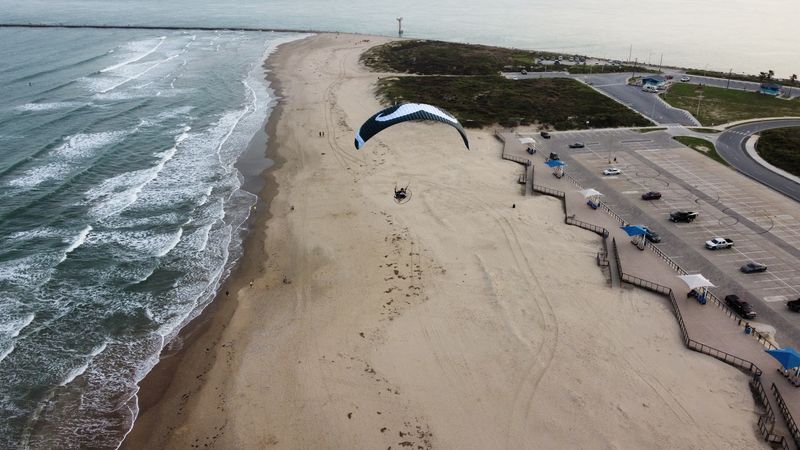
Everyone knows South Padre Island as Texas’s premier beach resort destination, but few visitors venture to the island’s northern reaches where development thins out and the beach returns to a more natural state. The northern end of South Padre stretches for miles beyond the hotels and condos, accessible by driving up the island on Park Road 100 until the pavement ends and the beach begins. What you find there is dramatically different from the crowded resort areas—pristine dunes, clearer water, and solitude that feels worlds away from the spring break scene just a few miles south.
Beach driving is allowed along the northern sections, letting you cruise up the island in search of your perfect spot away from any other beachgoers. Four-wheel drive helps navigate the softer sand, though careful drivers in two-wheel drive vehicles can manage if they stick to the firmer sand near the waterline. The beach itself features the same beautiful white sand that makes South Padre famous, but without the crowds that pack the resort areas during peak seasons.
This section of the island falls within the Laguna Madre area where the bay system creates incredibly rich marine habitat. Fishing from the beach produces excellent results, with pompano, whiting, and redfish all within casting range. During summer months, sea turtles nest along these beaches, and conservation groups monitor nests to protect them until the hatchlings emerge and scramble toward the Gulf.
The lack of development means zero facilities—no restrooms, showers, or beach vendors—so you need to bring everything required for a beach day including plenty of water, food, and sun protection. That self-sufficient approach filters out casual visitors, leaving these northern beaches to serious beachgoers, anglers, and nature lovers who appreciate undeveloped coastline.
Bird watching opportunities excel here since the protected nature of the northern island creates habitat for nesting species and migrating birds using the coastal corridor. Dolphins swim remarkably close to shore, often cruising just beyond the surf line while hunting for fish. The sense of wilderness here contrasts sharply with the resort development dominating the southern end of the island, offering proof that even on Texas’s most famous beach destination, you can still find genuine solitude if you’re willing to drive past the crowds and explore the road less traveled.
Share this story