Texas is full of surprises, and some of the most charming places in the state never make it onto typical travel guides. While everyone flocks to Austin, Houston, and San Antonio, a handful of smaller cities offer just as much character, history, and adventure without the overwhelming crowds. These hidden gems scattered across the Lone Star State are packed with unique attractions, fascinating stories, and authentic experiences that deserve way more attention than they get.
1. Port Lavaca
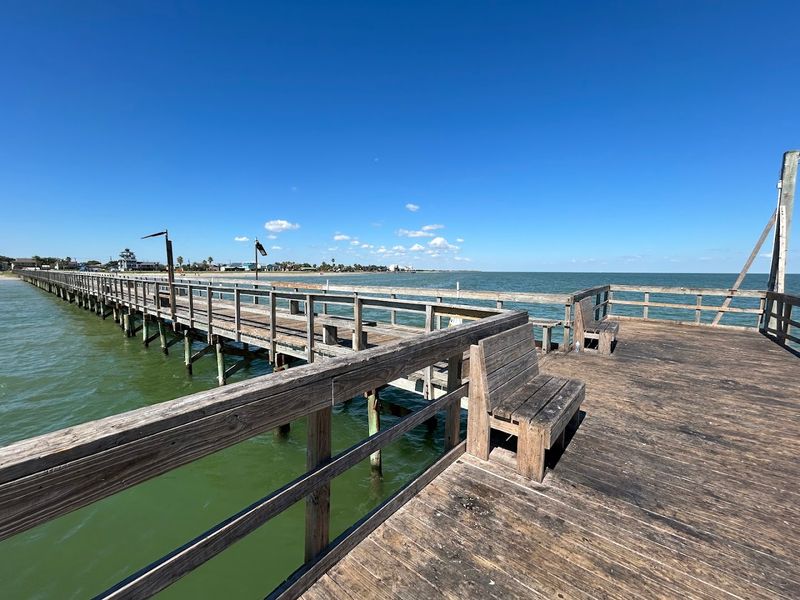
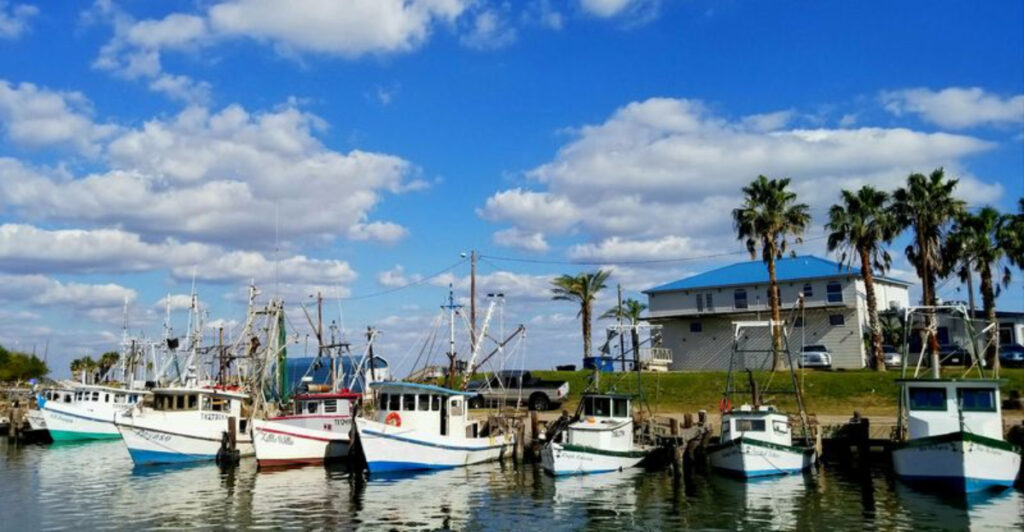
Right on the shores of Lavaca Bay, this coastal city offers a slower pace and genuine Gulf Coast charm that bigger beach towns have long lost. Fishing here isn’t just a hobby—it’s a way of life, and the waters teem with redfish, flounder, and speckled trout year-round. You can cast a line from the lighthouse pier, charter a boat for deeper adventures, or simply watch the sunrise paint the bay in shades of orange and pink.
The Halfmoon Reef Lighthouse stands as a proud symbol of the city’s maritime heritage. Originally built in 1858, this historic beacon was moved to shore and now serves as a museum and observation deck. Climb to the top for panoramic views that stretch across the bay, and you’ll understand why locals never tire of this vista.
Birdwatchers flock to the area during migration season when thousands of species pass through the Central Flyway. The marshes and wetlands around Port Lavaca create perfect habitats for herons, egrets, roseate spoonbills, and countless other feathered travelers. Bring binoculars and a field guide, because you’ll spot birds you’ve never seen before.
Downtown may be small, but it’s packed with personality. Local seafood restaurants serve up fresh catches daily, and the shrimp po’boys rival anything you’d find in Louisiana. Family-owned shops sell everything from nautical antiques to handmade jewelry inspired by the sea.
The city also hosts several annual festivals that celebrate its coastal culture. The Seafair brings carnival rides, live music, and more fried seafood than you can imagine. Locals gather to compete in fishing tournaments, and visitors quickly realize this isn’t just a tourist attraction—it’s a genuine community celebration.
Port Lavaca proves you don’t need fancy resorts or crowded boardwalks to enjoy the Texas coast. Sometimes the best beach experiences come with a fishing rod, a cooler full of drinks, and a sunset that belongs entirely to you.
2. Fort Davis
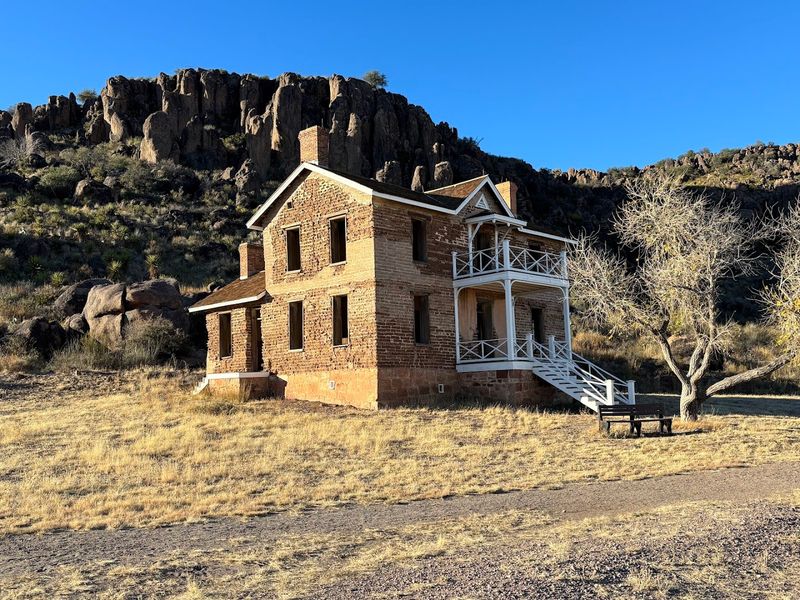
Tucked into the Davis Mountains at an elevation of nearly 5,000 feet, this tiny town feels like stepping into a different version of Texas altogether. Cool mountain breezes replace the sweltering heat you’d expect, and the landscape looks more like New Mexico than the Lone Star State most people imagine. The town itself has fewer than 1,500 residents, but what it lacks in size, it makes up for in natural beauty and fascinating history.
The fort that gives the town its name was established in 1854 to protect travelers and mail routes from raids. Today, Fort Davis National Historic Site preserves the best-surviving example of a frontier military post in the Southwest. You can wander through restored officers’ quarters, barracks, and the hospital, imagining what life was like for soldiers stationed in this remote outpost.
Just outside town, the McDonald Observatory sits atop Mount Locke, taking advantage of some of the darkest skies in North America. During the day, you can tour the massive telescopes and learn about cutting-edge astronomical research. At night, star parties let you gaze at planets, nebulae, and galaxies through powerful telescopes while expert guides explain what you’re seeing.
Hiking trails wind through the surrounding mountains, offering everything from easy nature walks to challenging scrambles up rocky peaks. Davis Mountains State Park provides campsites, scenic drives, and wildlife viewing opportunities. Keep your eyes open for mule deer, javelinas, and the occasional mountain lion print in the dust.
The town’s main street features quirky shops, art galleries, and restaurants serving everything from classic Texas barbecue to gourmet cuisine. Historic buildings house modern businesses, creating a blend of old and new that feels authentic rather than forced. Coffee shops invite you to linger over a cup while chatting with friendly locals who genuinely want to share their mountain paradise.
Fort Davis reminds visitors that Texas contains multitudes—mountains, cool weather, and starry skies included.
3. Granbury
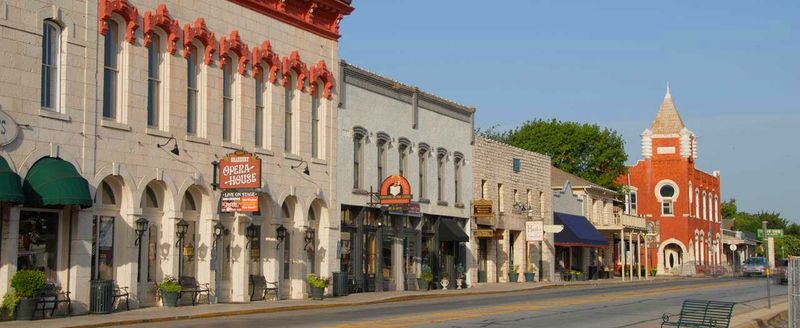
Wrapped around a picturesque town square straight out of a Western movie, Granbury manages to feel both timeless and vibrant. The 1886 Hood County Courthouse anchors the square, its Second Empire architecture standing proud among restored 19th-century buildings that now house boutiques, antique shops, and restaurants. String lights crisscross overhead, creating a magical atmosphere when the sun goes down and the square comes alive with evening strollers.
Lake Granbury stretches along the Brazos River, offering 8,300 acres of water perfect for boating, fishing, and swimming. Marinas rent everything from kayaks to pontoon boats, and several beaches provide sandy spots to relax and cool off. The lake’s proximity to town means you can spend the morning browsing antiques and the afternoon waterskiing without driving more than a few minutes.
Granbury Opera House has been entertaining audiences since 1886, making it one of the oldest continuously operating theaters in Texas. The beautifully restored venue hosts musicals, comedies, and dramas year-round, performed by talented actors who bring Broadway-quality shows to this small-town stage. The intimate setting means there’s not a bad seat in the house, and tickets cost a fraction of what you’d pay in bigger cities.
History buffs will appreciate the legends surrounding John Wilkes Booth. Local lore claims the man who shot President Lincoln didn’t die in 1865 but instead lived out his days in Granbury under an assumed name. While historians dispute this claim, the story adds an intriguing layer to the town’s already rich past, and you can visit the grave that some believe holds Booth’s remains.
The square hosts festivals throughout the year, from art shows to Christmas celebrations complete with carriage rides and carolers. Local wineries offer tastings of Texas wines, and the dining scene punches well above the town’s weight class. Whether you’re craving Texas comfort food or creative farm-to-table cuisine, Granbury delivers with genuine hospitality.
4. Alpine
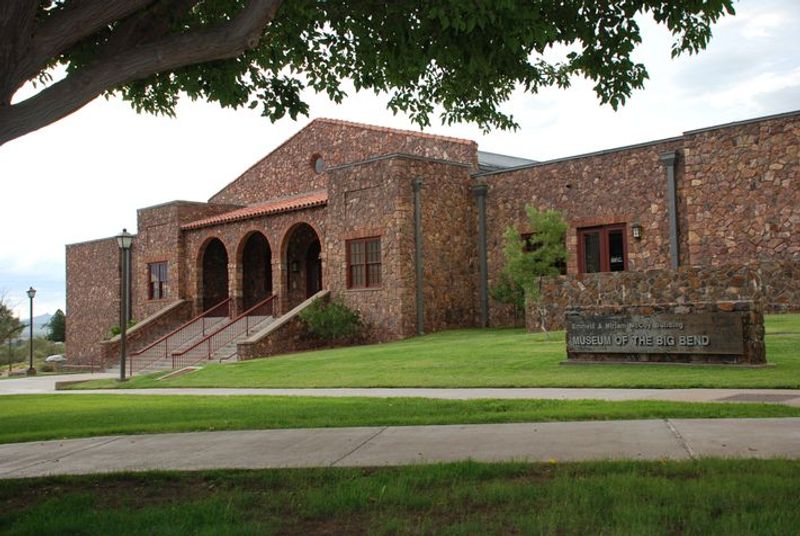
Sitting at 4,500 feet elevation in the Chihuahuan Desert, Alpine serves as the cultural and commercial hub of the Big Bend region. Mountains ring the horizon in every direction, their colors shifting from purple to gold depending on the time of day and the angle of the sun. The air feels crisp and clean, especially compared to the humidity that blankets much of Texas during summer months.
Sul Ross State University brings youthful energy to this remote town, with students adding vibrancy to the local arts scene and supporting small businesses. The Museum of the Big Bend on campus houses extensive collections of regional artifacts, from prehistoric tools to cowboy gear, telling the story of this harsh but beautiful landscape and the people who’ve called it home.
Downtown Alpine charms visitors with its mix of Western heritage and contemporary creativity. Art galleries showcase works by local painters and sculptors inspired by the desert’s stark beauty. Bookstores stock regional titles alongside bestsellers, and coffee shops serve as gathering places where ranchers, artists, students, and tourists all mingle over lattes and conversation.
The town sits perfectly positioned for exploring Big Bend National Park, about 80 miles south. Many visitors use Alpine as a base camp, enjoying comfortable accommodations and good restaurants before heading out for day trips to the park’s canyons, hot springs, and hiking trails. After a long day of adventure, returning to Alpine feels like coming home to civilization without sacrificing the frontier spirit.
Railroad history runs deep here, as Alpine grew up around the Southern Pacific line that connected East and West Texas. Historic depots and rail yards remind visitors of the town’s transportation heritage, and occasional freight trains still rumble through, their lonesome whistles echoing off the mountains.
Annual events like the Cowboy Poetry Gathering celebrate the region’s ranching culture with verse, music, and storytelling. Local ranchers share poems about cattle drives, lonesome nights under the stars, and the unforgiving beauty of West Texas. It’s authentic culture, not a tourist show, and that authenticity makes all the difference.
5. Goliad
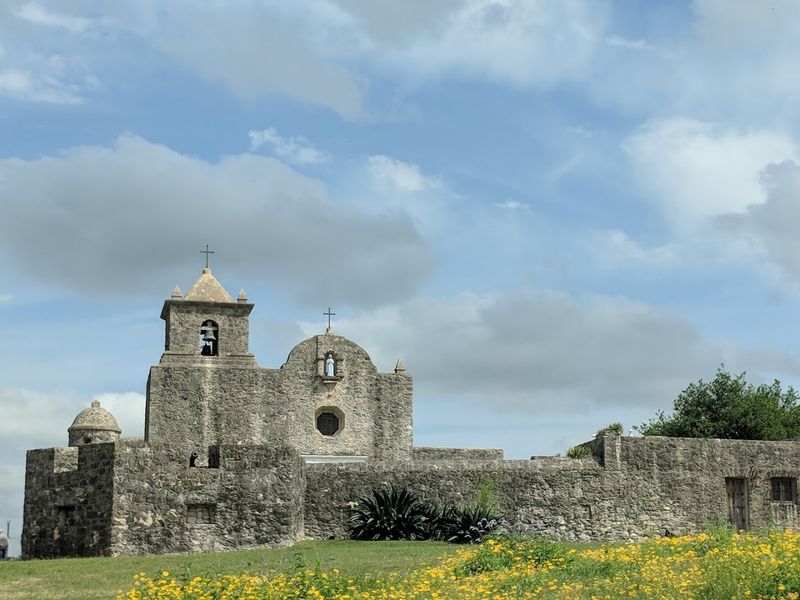
Spanish colonial history soaks into every stone and street in this South Texas town where one of the most tragic episodes of the Texas Revolution unfolded. Presidio La Bahía stands as the oldest fort in the West, its massive stone walls having witnessed centuries of conflict, triumph, and heartbreak. Walking through its gates feels like traveling back to a time when empires clashed and the fate of Texas hung in the balance.
The Goliad Massacre of 1836 marked a dark chapter in Texas history when Colonel James Fannin and over 340 Texian soldiers were executed by Mexican forces under General Santa Anna’s orders. A monument and museum commemorate these fallen men, and the emotional weight of their sacrifice still resonates through the town. Their battle cry, “Remember Goliad,” became as rallying as “Remember the Alamo” during Texas’s fight for independence.
Mission Espíritu Santo, reconstructed near its original site, showcases the Spanish missionary efforts to convert and educate Native Americans. The mission’s church, workshops, and living quarters have been carefully restored, offering a glimpse into daily life during the 18th century. Costumed interpreters sometimes demonstrate traditional crafts like blacksmithing and weaving, bringing history to life in tangible ways.
The San Antonio River winds through town, providing scenic spots for fishing, kayaking, and peaceful contemplation. Goliad State Park offers camping, hiking trails, and access to the mission, making it easy to spend several days exploring without ever feeling rushed. Oak trees draped with Spanish moss create shady retreats perfect for picnics or afternoon naps.
Downtown Goliad moves at a slower pace than modern life usually allows. The courthouse square features historic buildings housing antique stores, local eateries, and small museums. You won’t find chain restaurants or big-box stores here—just genuine Texas hospitality and businesses that have served the community for generations.
Goliad reminds visitors that Texas history extends far beyond the Alamo, encompassing Spanish colonialism, Native American cultures, and the complex struggle for independence that shaped the state we know today.
6. Rockport
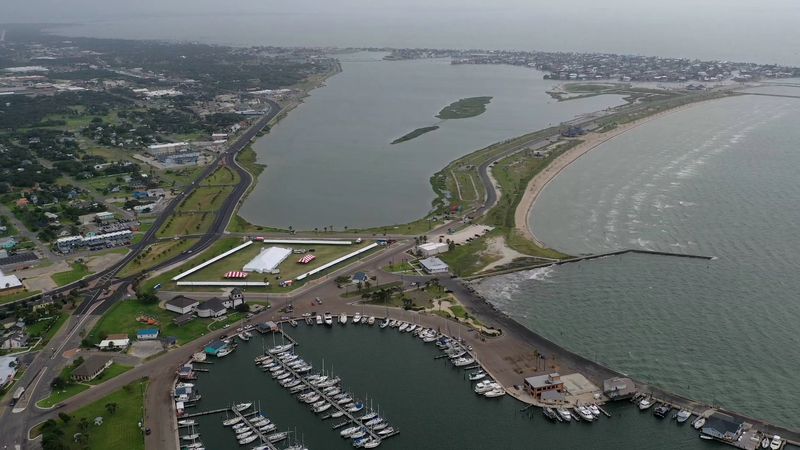
Artists, anglers, and beachcombers all find their happy place in this coastal community where the pace slows down and the living feels easy. Located on the Aransas Bay, Rockport offers protected waters perfect for kayaking, paddleboarding, and sailing without the rough waves that pound other Gulf Coast beaches. The temperate climate means you can enjoy outdoor activities year-round, though winter months bring the added bonus of whooping crane sightings.
The Aransas National Wildlife Refuge, just a short drive away, serves as the primary wintering ground for the endangered whooping crane. These majestic birds, standing nearly five feet tall with wingspans reaching seven feet, migrate here each fall from Canada. Boat tours bring you close enough to observe these rare creatures without disturbing them, and spotting a whooping crane feels like witnessing something truly special.
Rockport’s art scene thrives with dozens of galleries, studios, and outdoor sculptures scattered throughout town. First Saturday Art Walk brings the community together as galleries stay open late, musicians perform on street corners, and wine flows freely. Local artists draw inspiration from the coastal environment, creating paintings, pottery, and jewelry that capture the essence of life by the bay.
The Big Tree, a massive live oak estimated to be over 1,000 years old, stands as a living monument to the area’s natural history. Its enormous trunk measures 35 feet in circumference, and its branches spread over 90 feet in diameter, creating a canopy that provides shade for picnickers and wonder for visitors. Standing beneath this ancient giant puts human timelines into humbling perspective.
Fishing opportunities abound whether you prefer wading the flats, casting from a pier, or heading offshore for bigger game. Redfish, speckled trout, and flounder fill local waters, and guide services can put even novice anglers onto fish. Seafood restaurants serve the day’s catch prepared simply to let the fresh flavors shine through.
Rockport proves that the best beach towns aren’t always the ones with the biggest hotels or the wildest nightlife—sometimes they’re the ones where you can watch the sunset without fighting for a spot.
7. Presidio
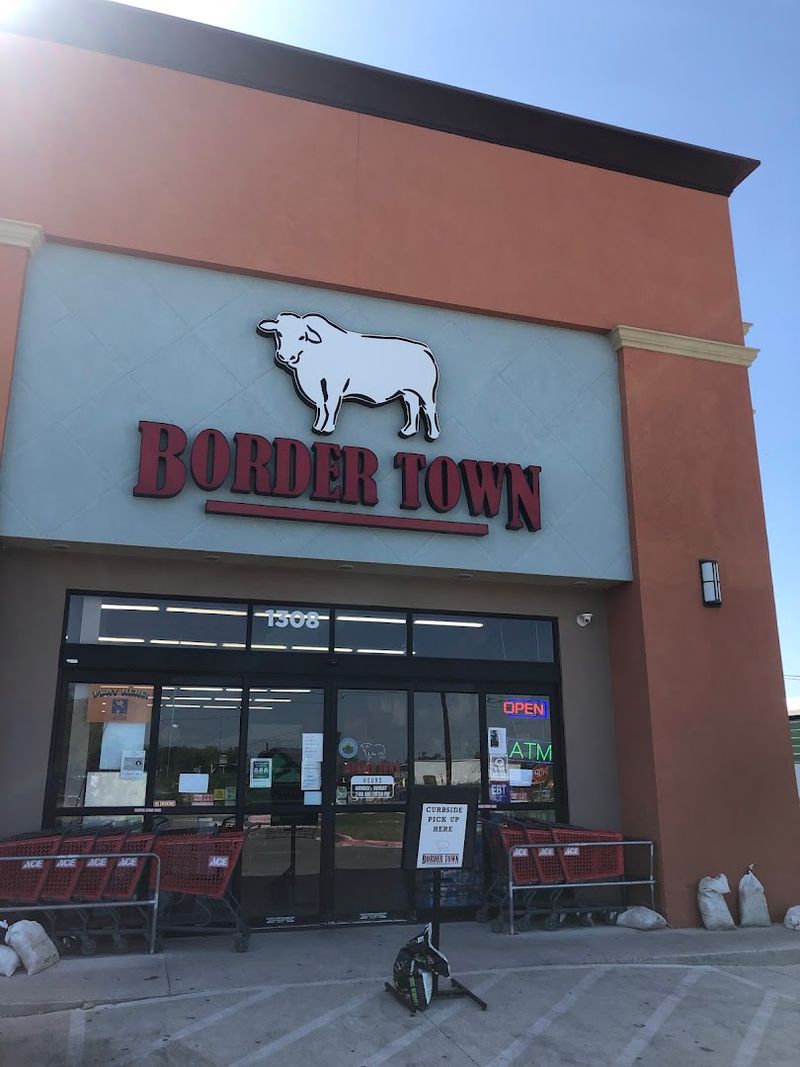
At the border where Texas meets Mexico, this remote desert town experiences some of the hottest temperatures in the nation while offering some of the most stunning scenery. The Rio Grande flows nearby, creating a green ribbon through the otherwise brown and tan landscape. Mountains rise in the distance, their peaks changing colors throughout the day as the sun moves across the sky.
Presidio serves as a gateway to Big Bend Ranch State Park, Texas’s largest state park covering over 300,000 acres of Chihuahuan Desert wilderness. The park’s rugged terrain includes volcanic formations, deep canyons, and hiking trails that lead to hidden springs and ancient rock art. It’s wilder and less visited than Big Bend National Park, offering true solitude for those willing to venture into its remote corners.
The international bridge connects Presidio to Ojinaga, Mexico, creating a unique binational community where cultures blend seamlessly. Many residents cross daily for work, shopping, or family visits, and the influence shows in local cuisine, music, and celebrations. Authentic Mexican food here doesn’t come from a chain restaurant—it comes from family recipes passed down through generations.
Fort Leaton State Historic Site preserves an adobe trading post built in 1848, its thick walls offering protection from both the elements and potential attackers. The fort’s rooms surround a central courtyard, and exhibits explain the complex history of trade, conflict, and cultural exchange that characterized the borderlands. Walking through the cool adobe rooms provides welcome relief from the desert heat outside.
Agriculture thrives in the Presidio Valley thanks to irrigation from the Rio Grande. Fields of onions, melons, and cotton create surprising patches of green in the desert, and the region’s onions have earned a reputation for exceptional sweetness. Local farmers’ markets offer fresh produce at prices that seem too good to be true.
Presidio isn’t for everyone—the isolation, heat, and distance from amenities require a certain mindset. But for those seeking authentic border culture, stunning desert landscapes, and a genuine off-the-beaten-path experience, few Texas towns deliver quite like this sun-scorched outpost.
8. Nacogdoches
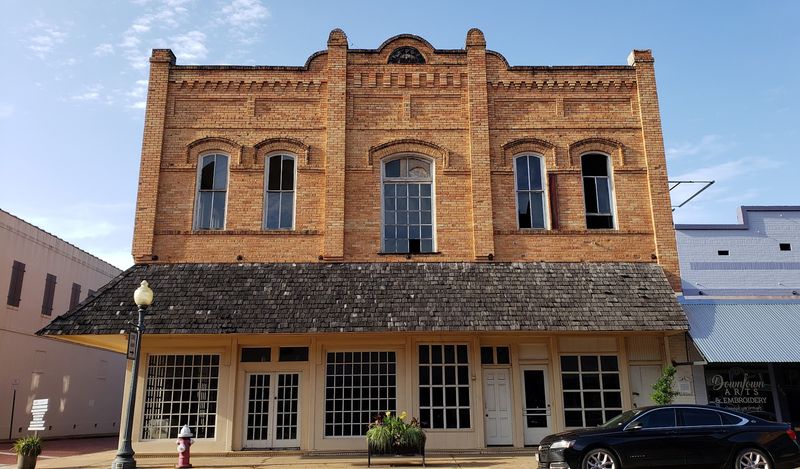
Claiming the title of Texas’s oldest town, Nacogdoches was established in 1779 when Spanish settlers built a mission among the Caddo Indians who had lived in the area for centuries. That deep history permeates the town, visible in historic buildings, ancient oak trees, and street names that echo Spanish and Native American heritage. Unlike many Texas towns that feel new and sprawling, Nacogdoches maintains an Old South charm with its brick streets and tree-lined neighborhoods.
Stephen F. Austin State University brings over 12,000 students to this East Texas town, creating a lively atmosphere that balances the historical with the contemporary. The campus features beautiful architecture, including the oldest building in Nacogdoches, the Stone Fort Museum, which has been reconstructed on university grounds.
Students fill coffee shops, support local music venues, and add youthful energy to a town that respects its past while embracing the future.
The town sits in the Piney Woods region where East Texas forests create landscapes that look nothing like the stereotypical Texas of Westerns and desert scenes. Towering pines and hardwoods provide shade and create a different climate than the rest of the state. Fall brings actual autumn colors—something many Texans have to travel out of state to experience.
Millard’s Crossing Historic Village preserves a collection of authentic 19th-century structures relocated from around East Texas. You can explore a dogtrot cabin, a church, a general store, and other buildings that show how early Texans lived and worked. The village hosts living history events where costumed interpreters demonstrate skills like blacksmithing, quilting, and cooking over open fires.
Downtown Nacogdoches maintains a vibrant business district with locally-owned shops, restaurants, and galleries occupying historic storefronts. The farmers’ market brings together vendors selling fresh produce, homemade jams, handcrafted soaps, and other goods. Annual festivals celebrate everything from blueberries to Christmas, drawing crowds from surrounding communities.
Nacogdoches offers proof that Texas history didn’t begin at the Alamo or even with Anglo settlers—it stretches back centuries through Spanish missions and Native American civilizations that shaped the land long before it became the Lone Star State.
9. Llano
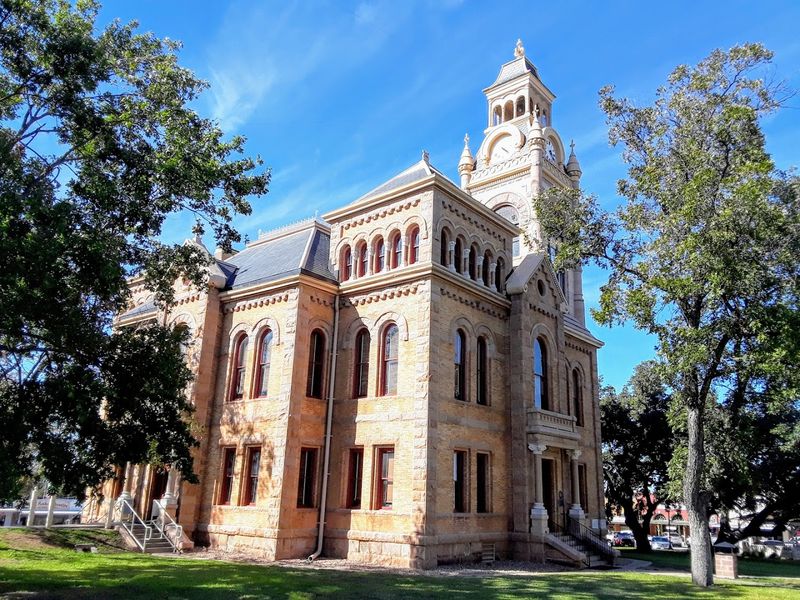
Known as the Deer Capital of Texas, Llano sits in the heart of the Hill Country where granite domes rise from the earth and the Llano River flows clear and cold. White-tailed deer outnumber people in the surrounding countryside, and during hunting season, the population temporarily swells with sportsmen seeking trophy bucks. But even if you’re not a hunter, Llano offers plenty of reasons to visit.
The Llano River provides some of the best swimming holes in Central Texas, with rocky banks and deep pools perfect for cooling off during hot summer months. Families set up camp along the riverbanks, floating in inner tubes, fishing for bass and catfish, and enjoying lazy days in the water. The river’s clarity lets you see straight to the bottom in many spots, watching fish dart between rocks and water plants sway in the current.
Granite quarries around Llano have supplied stone for buildings across Texas, including the state capitol in Austin. The distinctive pink and red granite unique to this area contains large feldspar crystals that catch the light and sparkle. Some quarries offer tours where you can see massive blocks being cut and learn about the geology that created these formations over a billion years ago.
Cooper’s Old Time Pit Bar-B-Que draws barbecue pilgrims from across the state to experience their unique self-serve style. You walk into the smoke room, select your meat directly from the pit, and carry it to the counter to be weighed and priced. The brisket, ribs, and sausage all deliver that perfect combination of smoke, seasoning, and tenderness that defines great Texas barbecue.
Downtown Llano’s historic courthouse square features antique stores, gift shops, and cafes housed in buildings that have stood for over a century. The Llano County Museum tells the area’s story through exhibits on ranching, granite mining, and local history. Friendly locals strike up conversations easily, sharing recommendations for fishing spots or hiking trails with genuine enthusiasm.
Annual events like the Llano Crawfish Open bring the community together for music, food, and celebration. Thousands of pounds of crawfish get boiled up Louisiana-style, proving that Hill Country Texans can throw a party that rivals anything you’d find in Cajun country.
10. Jefferson
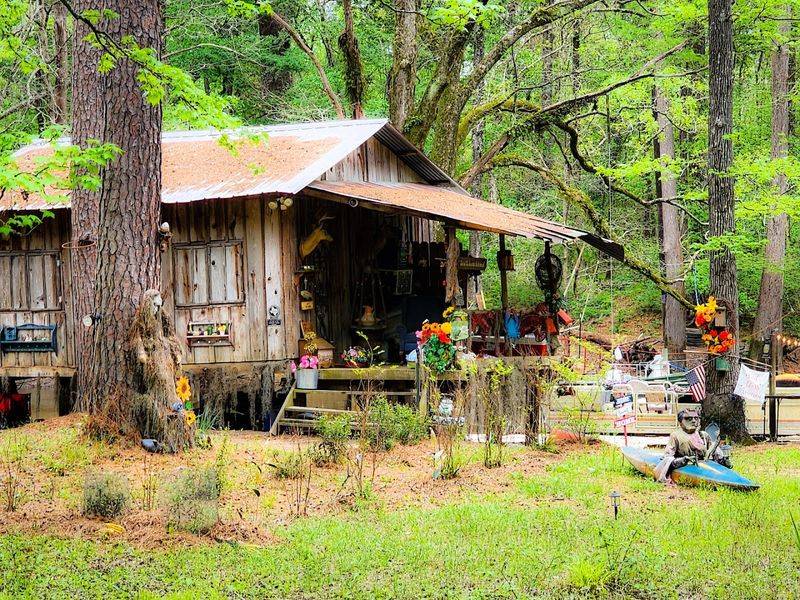
Steamboats once crowded the docks of this East Texas river town, making Jefferson the second-busiest port in Texas during the 1870s. Cotton, timber, and other goods flowed through here on their way to New Orleans and beyond, creating wealth that built the ornate Victorian homes still standing today. When the railroad bypassed Jefferson and a natural logjam on the Red River was cleared, the town’s fortunes declined, but that misfortune preserved its historic character in ways prosperity might have destroyed.
Over 70 structures in Jefferson’s historic district appear on the National Register of Historic Places, creating an outdoor museum of 19th-century architecture. Greek Revival mansions, Gothic cottages, and Queen Anne homes line brick streets shaded by ancient oak trees. Many of these homes now operate as bed and breakfasts, letting visitors sleep in rooms where Texas history unfolded and wake to gourmet breakfasts served on fine china.
Ghost stories swirl through Jefferson like morning mist off Big Cypress Bayou. The Jefferson Hotel reportedly hosts several spirits, including a woman who appears in Victorian dress and a young boy who plays pranks on guests. Ghost tours lead brave souls through dark streets and haunted buildings, sharing tales of tragic deaths, lost loves, and restless spirits who never left town.
Caddo Lake State Park, just outside Jefferson, protects a mysterious wetland ecosystem unlike anywhere else in Texas. Spanish moss drapes from bald cypress trees rising from the water, creating an almost otherworldly atmosphere. Kayaking through the maze of channels and sloughs feels like exploring a Louisiana swamp, and the fishing for largemouth bass ranks among the best in the state.
Antique shopping in Jefferson could easily consume an entire day, with dozens of shops offering everything from Victorian furniture to vintage jewelry, old books to primitive tools. Serious collectors find genuine treasures, while casual browsers enjoy the hunt and the stories behind unusual items. The town’s history as a trading hub means antiques have been accumulating here for well over a century.
Jefferson proves that some places become more interesting with age, their past glories creating a present-day charm that new construction could never replicate.
11. Marfa
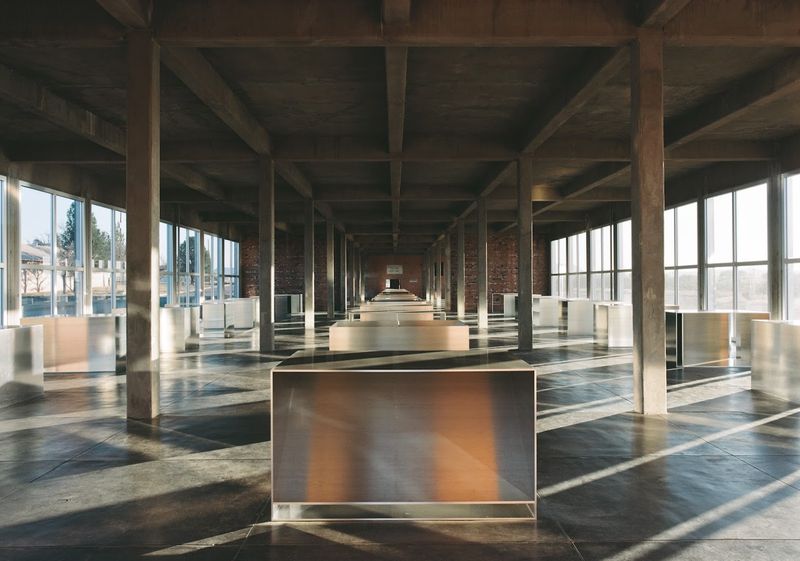
Out in the high desert of far West Texas, this tiny town has become an unlikely international art destination where minimalist installations occupy former military buildings and contemporary galleries share space with old-school Western storefronts. Donald Judd, the famous minimalist artist, discovered Marfa in the 1970s and began transforming abandoned Fort D.A. Russell into a permanent installation of his large-scale works.
His vision attracted other artists, collectors, and creative types who saw potential in this remote desert outpost.
The Chinati Foundation showcases Judd’s work alongside pieces by other contemporary artists in a setting that feels more like a pilgrimage site than a traditional museum. Massive concrete boxes sit in perfect rows in former artillery sheds, their proportions and placement creating a meditative experience. Tours last several hours because the installations spread across acres, and rushing through would miss the entire point.
Prada Marfa, a permanent sculpture by artists Elmgreen and Dragset, sits on a lonely stretch of highway looking exactly like a Prada boutique—except it never opens, and the luxury handbags and shoes inside will never be sold. The installation comments on consumerism and luxury in the middle of nowhere, and it’s become one of the most photographed art pieces in Texas, despite being 26 miles from actual Marfa.
The mysterious Marfa Lights have been reported since the 1880s—unexplained glowing orbs that appear in the distance on certain nights. Scientists offer various theories from atmospheric reflections to car headlights, but no explanation has definitively solved the mystery. A viewing area outside town lets you watch for the lights while reading historical accounts from witnesses over the decades.
Despite its art-world fame, Marfa maintains an authentic small-town character where ranchers and artists coexist peacefully. The local grocery store sells organic produce alongside ranch supplies, and conversations at the coffee shop might jump from cattle prices to gallery openings without missing a beat. Hotel Saint George and other boutique accommodations offer stylish comfort, while food trucks and restaurants serve everything from tacos to creative farm-to-table cuisine.
Marfa shouldn’t work—a contemporary art mecca in one of the most isolated corners of Texas—but somehow it does, creating a cultural oasis in the Chihuahuan Desert.
12. Palestine
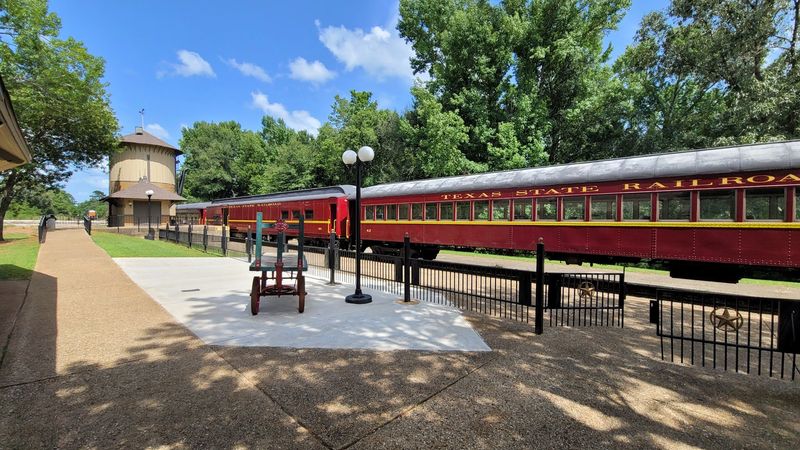
Railroad heritage runs through Palestine’s DNA, visible in the beautifully restored depot, the operational steam trains, and the town’s entire layout designed around moving people and goods by rail. The Texas State Railroad offers vintage train rides through the Piney Woods, with restored passenger cars pulled by steam locomotives that look like they rolled straight out of the 1920s. The journey to Rusk and back takes about four hours, passing through forests and over historic bridges while conductors share stories from the golden age of rail travel.
Dogwood trees bloom spectacularly each spring, transforming Palestine into a fairyland of white and pink blossoms. The annual Dogwood Trails Festival celebrates this natural display with home tours, arts and crafts vendors, live music, and special events spread over several weeks. Driving or walking the marked trails through residential neighborhoods reveals stunning gardens and historic homes framed by flowering dogwoods.
Downtown Palestine maintains its historic character with three-story brick buildings housing antique malls, boutiques, and restaurants. The old movie theater still shows films, its marquee and neon sign lighting up Main Street after dark. Local murals depict scenes from Palestine’s past, adding color and storytelling to otherwise plain walls.
Howard House Museum, a Victorian mansion built in 1851, preserves the lifestyle of Palestine’s early prominent families. Period furnishings, family portraits, and personal belongings fill the rooms, while guides explain the social customs and daily routines of 19th-century Texas. The house survived the Civil War and numerous economic ups and downs, standing as a testament to quality construction and community preservation efforts.
Lake Palestine spreads across 25,000 acres northeast of town, offering excellent fishing for largemouth bass, crappie, and catfish. Marinas provide boat rentals and supplies, while lakeside cabins and campgrounds give visitors options for overnight stays. The lake’s size means you can always find a quiet cove even on busy weekends.
Palestine combines small-town charm with genuine historical attractions, proving you don’t need theme parks or manufactured experiences when you’ve got authentic stories and well-preserved heritage to share with visitors who appreciate the real thing.
13. Brenham
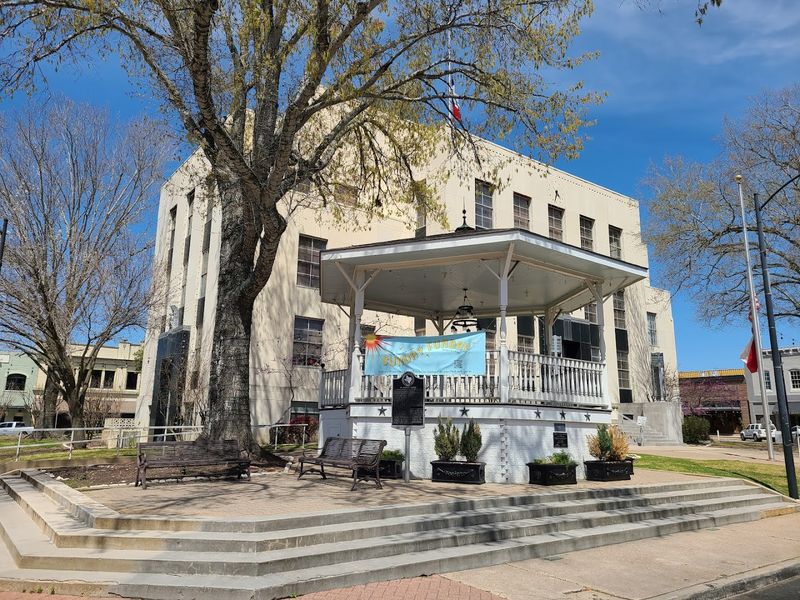
The sweet smell of ice cream production perfumes the air in this Washington County town that’s home to Blue Bell Creameries, the beloved ice cream brand that Texans defend with fierce loyalty. Factory tours show the production process from start to finish, ending with free samples of flavors both classic and new. Even if you’ve eaten Blue Bell your whole life, watching it being made and tasting it fresh from the production line creates a new appreciation for this Texas treasure.
Spring brings wildflower season to the rolling countryside around Brenham, painting roadsides and fields with bluebonnets, Indian paintbrush, and countless other native blooms. The Bluebonnet Trail winds through scenic farmland where photographers set up tripods to capture perfect shots and families stop for photos among the flowers. The display peaks in April, but something’s usually blooming from March through May.
Washington-on-the-Brazos State Historic Site, located nearby, marks the birthplace of Texas independence. Here, in a rough frontier town in 1836, delegates signed the Texas Declaration of Independence and formed the Republic of Texas. The site includes a replica of Independence Hall, a living history farm, and the Star of the Republic Museum, which tells the story of the republic years through artifacts and exhibits.
Antique stores in downtown Brenham occupy historic buildings along Main Street, offering furniture, collectibles, and vintage treasures. The town’s location between Houston and Austin means dealers bring quality merchandise, and serious collectors make regular trips to see what’s new. Even casual browsers enjoy exploring the multi-dealer malls where each booth holds surprises.
Pleasant Hill Winery and other local vineyards take advantage of the area’s climate and soil to produce Texas wines worth tasting. Tours explain the winemaking process from grape to bottle, and tasting rooms let you sample multiple varieties while enjoying views of the vineyards. Many wineries host live music on weekends, creating a relaxed atmosphere perfect for afternoon sipping.
Brenham delivers that perfect combination of small-town hospitality, historical significance, and simple pleasures—good ice cream, beautiful flowers, and friendly people who take pride in sharing their community with visitors smart enough to stop and stay awhile.
Share this story