Texas is packed with incredible museums that won’t cost you a single penny to explore. From modern art sanctuaries to quirky collections celebrating everything from fire trucks to decorated cars, the Lone Star State hides some truly remarkable cultural gems. Whether you’re a local looking for weekend adventures or just passing through, these seven spots prove that the best experiences don’t always come with a price tag.
1. Rothko Chapel (Houston)
Standing in the middle of Houston’s Museum District, this small octagonal building holds some of the most powerful art you’ll ever experience. Mark Rothko created fourteen massive paintings specifically for this space, and they hang on the walls in near-darkness, inviting you into something that feels more like meditation than a typical museum visit. The chapel opened in 1971, and it’s remained a sanctuary for people seeking quiet reflection ever since.
What makes this place truly special is how it strips away all the usual museum noise. There are no labels telling you what to think, no crowds shuffling you along, and no gift shop distractions. Just you, the paintings, and whatever thoughts or feelings bubble up while you’re there.
The dark canvases seem to absorb light and sound, creating an atmosphere that’s both heavy and peaceful at the same time.
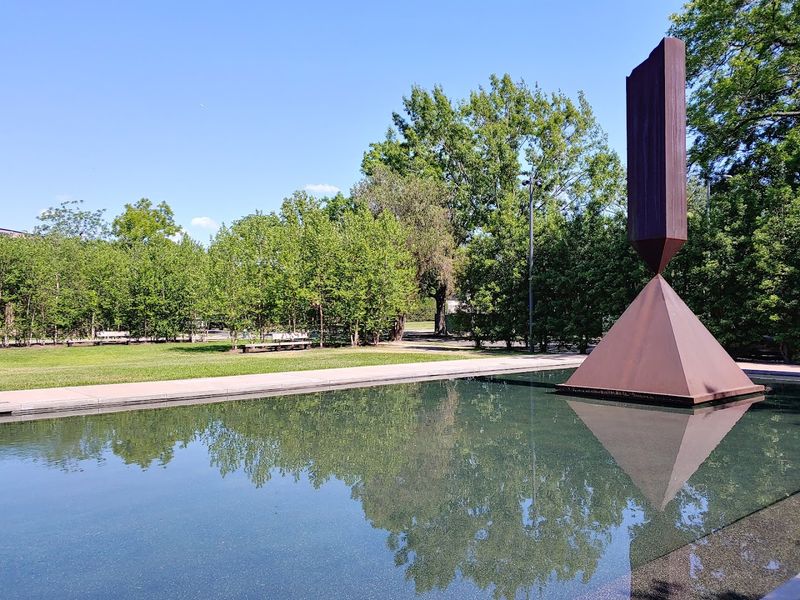
Outside, you’ll find Barnett Newman’s sculpture “Broken Obelisk” reflected in a shallow pool. It’s dedicated to Dr. Martin Luther King Jr., and it perfectly captures the chapel’s mission of connecting art with social justice and human rights. The whole campus includes a small park where visitors often sit and decompress after their time inside.
People from all religious backgrounds visit this space, making it genuinely interfaith in practice rather than just theory. Some folks spend five minutes inside, while others stay for an hour. There’s no right way to experience it, which is refreshing in a world that usually tells you exactly how to appreciate art.
The chapel hosts events, concerts, and symposiums throughout the year, all free and open to the public. But even on quiet weekday mornings when you might have the space entirely to yourself, the experience hits differently than any traditional museum. Houston traffic and city noise disappear the moment you step through those doors, replaced by something rare and genuinely transformative.
2. The Fire Museum of Texas (Beaumont)
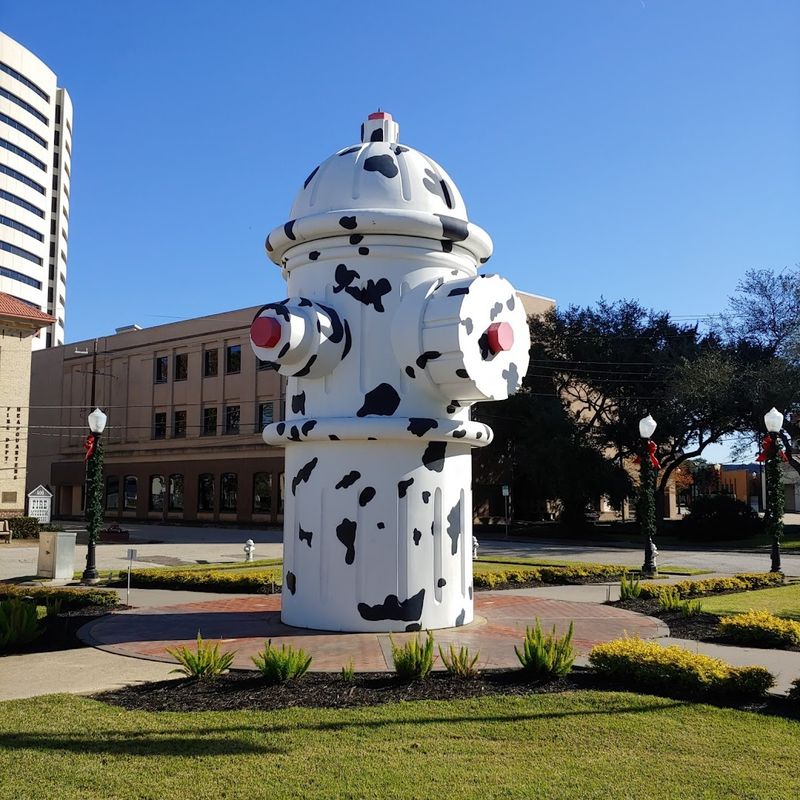
Beaumont’s old fire station from 1927 now houses one of the most comprehensive firefighting collections you’ll find anywhere. Walking through the front doors feels like stepping back in time, with gleaming red fire engines from different eras lined up like they’re ready to roll out at any moment. The building itself tells stories, with original brass poles and architectural details that remind you this was a working firehouse for decades.
Kids absolutely lose their minds over the antique fire trucks, and honestly, adults do too. There’s something universally appealing about these massive machines, from hand-pumped engines that required entire teams of firefighters to modern apparatus with all the bells and whistles. You can get up close to examine the details, and volunteers are usually around to explain how everything worked.
The museum doesn’t just focus on equipment though. Personal stories from Beaumont firefighters bring the history to life, including accounts of major fires that shaped the city’s development. Photographs, uniforms, and everyday items from different time periods show how the profession evolved from bucket brigades to today’s highly technical emergency response teams.
One of the most moving sections remembers firefighters who died in the line of duty. It’s a sobering reminder that behind all the shiny trucks and heroic stories, real people put their lives on the edge every single day. The museum handles this tribute with dignity and respect, never sensationalizing but never forgetting either.
Special exhibits rotate through, covering topics like famous Texas fires, innovations in firefighting technology, or the role of volunteer fire departments in rural communities. The whole place runs on donations and volunteer power, which makes the free admission even more impressive. They’ve preserved an important piece of Texas history and made it accessible to everyone, no matter their budget.
Plan to spend at least an hour here because there’s way more to see than you’d expect from the outside.
3. Interurban Railway Museum (Plano)
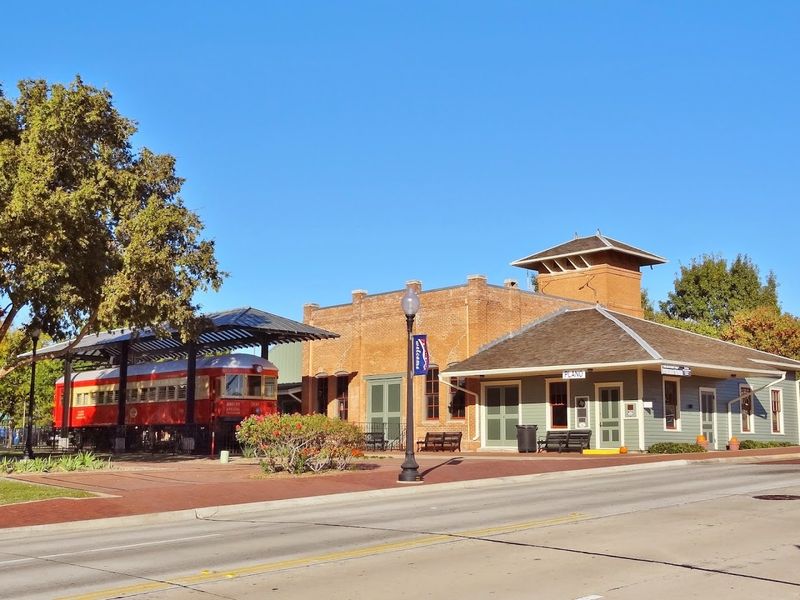
Before highways crisscrossed Texas, electric trains called interurbans connected cities and towns with efficient, comfortable service. Plano’s museum preserves this forgotten chapter of transportation history inside a restored 1908 interurban car that once carried passengers between Dallas and Denison. Climbing aboard this beautifully maintained railcar immediately transports you to an era when train travel represented the height of modern convenience.
The wooden seats, brass fixtures, and period advertisements inside the car have been meticulously restored to their original condition. You can almost hear the conductor calling out stops as you walk through, imagining what it felt like to zip through the North Texas countryside at speeds that seemed impossibly fast for the time. Details matter here, from the overhead luggage racks to the pull-cord system passengers used to signal their stop.
Exhibits surrounding the main railcar explain how the interurban system worked and why it eventually disappeared. Photographs show bustling stations and packed trains, evidence of how central this transportation network was to daily life. Maps trace the routes that once connected communities, many of which still follow those original rail corridors today as roads or trails.
The museum occupies Plano’s historic depot building, which adds another layer of authenticity to the experience. This wasn’t just built to look like a train station; it actually served passengers for decades. That genuine connection to the past makes everything feel more real and less like a recreation.
Volunteers, many with deep knowledge of railroad history, staff the museum and love sharing stories with visitors.
Special programs throughout the year include model train displays, lectures on transportation history, and events celebrating Plano’s railroad heritage. Kids enjoy the hands-on elements, while history buffs appreciate the depth of information available. The whole operation runs on a shoestring budget, which makes their dedication to preservation even more impressive.
Plano has grown into a major suburban city, but this little museum remembers when it was just a stop along the interurban line, accessible to everyone at no charge.
4. Kimbell Art Museum (Fort Worth)
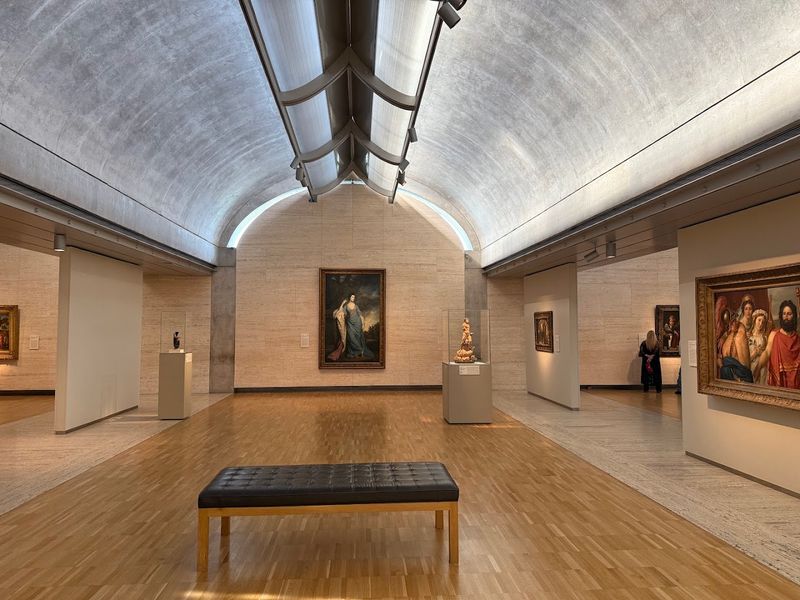
Fort Worth’s Kimbell Art Museum offers something most art museums charge significant admission to experience: a world-class collection in a building that’s itself considered a masterpiece. Architect Louis Kahn designed the original structure with these gorgeous barrel-vaulted galleries where natural light filters through in the most magical way. The building opened in 1972 and immediately established itself as one of America’s most beautiful museum spaces.
Free admission to the permanent collection means you can wander through galleries housing works by Caravaggio, Monet, Picasso, and countless other masters without worrying about ticket prices. The Kimbell doesn’t have the overwhelming size of major metropolitan museums, which actually works in its favor. You can see everything in a few hours without feeling exhausted, and the quality of each piece is consistently exceptional rather than padded out with lesser works.
What really sets this place apart is how the architecture enhances rather than competes with the art. Kahn obsessed over the lighting, creating a system where daylight bounces off curved reflectors in the ceiling to illuminate paintings without harsh glare or shadows. Walking through these galleries on a sunny afternoon, you’ll notice how the light changes throughout the day, subtly transforming your experience of the same artworks.
Renzo Piano designed a newer pavilion that opened in 2013, expanding the museum while respecting Kahn’s original vision. The addition provides more gallery space and a larger area for special exhibitions, which do charge admission. But the permanent collection remains free, and that’s where the museum’s greatest treasures live anyway.
The surrounding grounds include reflecting pools and a park-like setting that invites you to linger before or after your visit. Food trucks often park nearby, and the museum’s cafe offers decent options if you want to make an afternoon of it. Fort Worth’s Cultural District clusters several major museums within walking distance, but the Kimbell stands out for its combination of architectural significance, collection quality, and accessibility.
They’ve proven that great art doesn’t need to be locked behind expensive admission fees, making culture available to everyone regardless of their budget or background.
5. Texas Military Forces Museum (Austin)
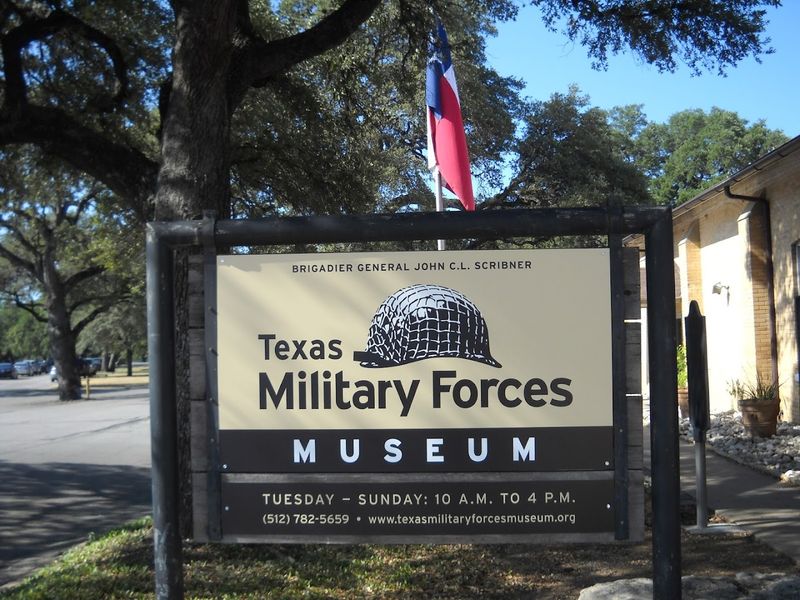
Camp Mabry in Austin houses this comprehensive look at Texas military history from the Texas Revolution through modern conflicts. Unlike many military museums that focus on national history, this one zeroes in specifically on Texas forces and the unique role the state has played in American military affairs. The collection spans nearly two centuries, with artifacts, weapons, uniforms, and personal items that tell stories of Texans who served.
Outdoor displays feature tanks, artillery pieces, helicopters, and other large military equipment that you can walk around and examine up close. Kids especially love this part, climbing on designated areas and getting a sense of the massive scale of military machinery. Inside, the exhibits dive deeper into specific conflicts and the experiences of individual soldiers, moving beyond hardware to explore the human dimension of military service.
The Texas National Guard connection gives this museum access to materials and stories you won’t find elsewhere. Personal accounts from guardsmen who served in various capacities bring history down to ground level, showing how ordinary Texans answered the call during extraordinary times. Photographs, letters, and personal effects create intimate connections with people who lived through events we only read about in textbooks.
Special sections cover the Texas State Guard, the Air National Guard, and other components of the state’s military forces. Most people don’t realize how complex and multifaceted these organizations are, and the museum does an excellent job explaining their structure and missions. Interactive displays and multimedia presentations help make potentially dry organizational information actually engaging and understandable.
The museum staff includes veterans who bring firsthand knowledge and passion to their interpretations of the exhibits. They’re usually happy to answer questions and share additional context that isn’t on the display labels. The facility underwent renovations in recent years, modernizing the space while preserving its focus on Texas military heritage.
Located on an active military installation, you’ll need to check in at the gate with identification, but the process is straightforward and the guards are used to museum visitors. Free parking and admission make this an accessible way to understand Texas military history from a uniquely state-focused perspective that complements rather than duplicates what you’d find at national military museums.
6. Bee Cave Arts Foundation Sculpture Park (Bee Cave)
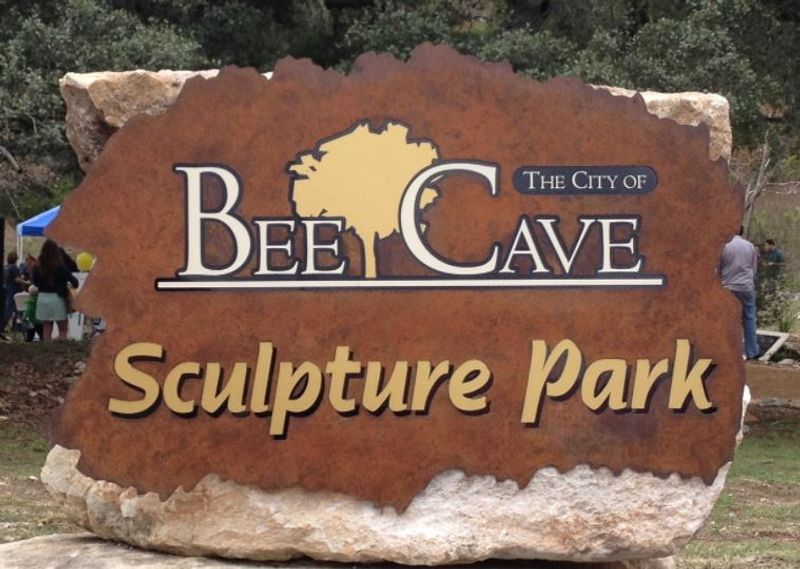
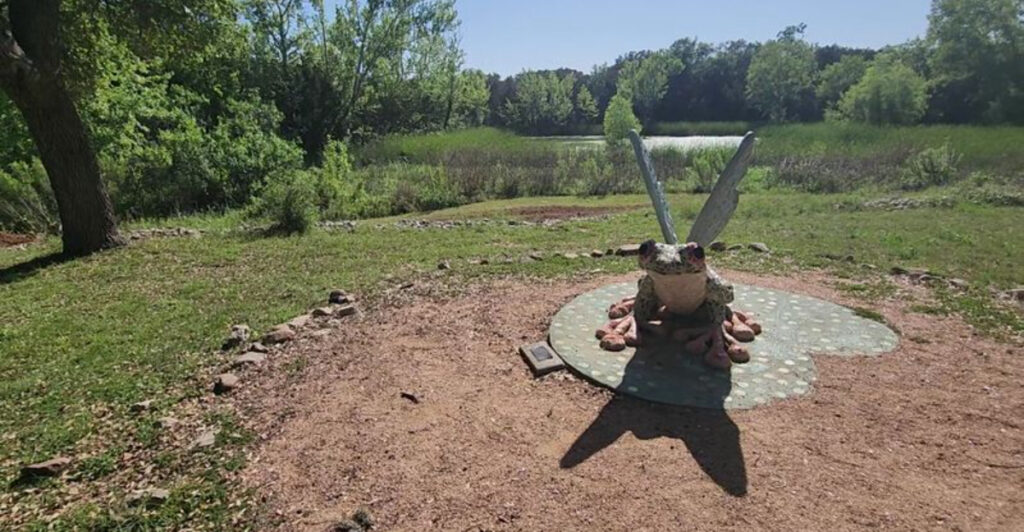
Just west of Austin in the Hill Country, Bee Cave’s sculpture park spreads across several acres of rolling terrain where contemporary art installations interact with the natural landscape. Unlike traditional museums where you view art in controlled indoor environments, this park lets you experience sculptures under open sky, with changing light and weather conditions affecting how you perceive each piece. The collection rotates regularly, ensuring that repeat visits always offer fresh perspectives and new works to discover.
Walking paths wind through the property, leading you from one installation to the next at a leisurely pace. Some sculptures tower overhead, others sit at ground level inviting closer inspection, and a few integrate so seamlessly with their surroundings that you might walk past before realizing they’re actually artworks. This variety keeps the experience dynamic and prevents the visual fatigue that can happen in more densely packed gallery spaces.
The Bee Cave Arts Foundation runs the park as part of their mission to make contemporary art accessible to everyone. They’ve succeeded in creating a space that feels welcoming rather than intimidating, where you don’t need an art history degree to appreciate what you’re seeing. Families bring kids to run around and play near the sculptures, couples stroll through on date afternoons, and serious art lovers study the pieces in detail.
Texas weather means you’ll want to plan your visit accordingly, bringing water and sun protection during warmer months. But experiencing art outdoors has advantages that climate-controlled museums can’t match. The way sunlight hits a metal sculpture at different times of day, or how a piece looks against storm clouds versus blue sky, adds dimensions to the viewing experience that simply don’t exist indoors.
Special events throughout the year include artist talks, outdoor concerts, and community gatherings that activate the space beyond passive art viewing. The foundation works hard to maintain the grounds and keep the collection fresh despite operating on limited resources. Free admission reflects their genuine commitment to community access rather than just a marketing strategy.
Bee Cave itself has grown rapidly in recent years, but this sculpture park preserves open space and provides cultural enrichment in an area that could easily have been developed into yet another shopping center or subdivision.
7. Museum of the Coastal Bend (Victoria)
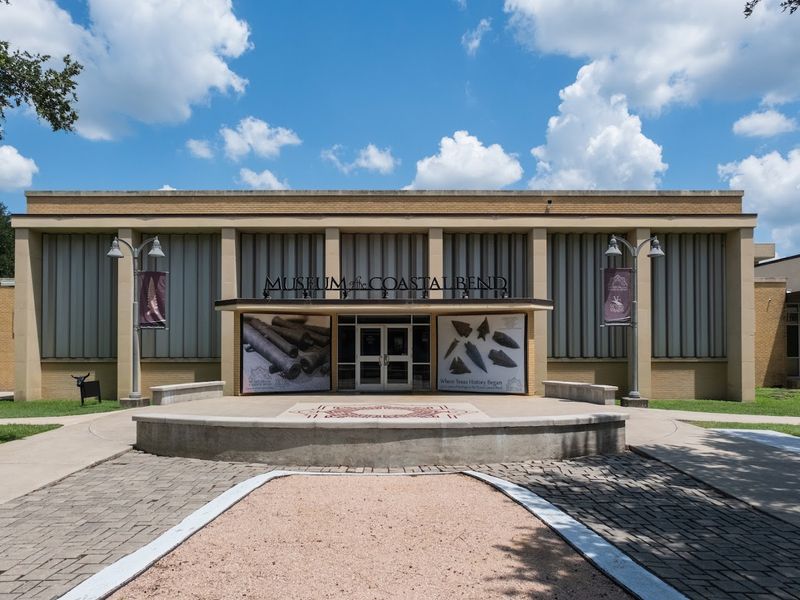
Located on the campus of Victoria College, the Museum of the Coastal Bend offers visitors a fascinating look at more than 13,000 years of history along the Texas Gulf Coast. This hidden gem is dedicated to preserving and sharing the stories of the people who have lived in the region, from the area’s earliest Indigenous inhabitants to Spanish explorers, settlers, ranchers, and modern communities.
One of the museum’s most impressive features is its extensive collection of archaeological artifacts. Visitors can view ancient tools, pottery, weapons, and other items that help tell the story of the Native peoples who called the Coastal Bend home long before European settlement. Interactive exhibits and detailed displays make it easy to understand how these early cultures lived, hunted, traded, and adapted to the changing environment.
The museum also explores the arrival of Spanish explorers and missionaries, highlighting the significant role the Gulf Coast played in Texas history. Exhibits examine early colonial settlements, trade routes, and the cultural influences that helped shape the region. Through photographs, maps, and historical documents, visitors gain a deeper appreciation for the area’s rich and diverse heritage.
In addition to its permanent exhibits, the Museum of the Coastal Bend regularly hosts temporary exhibitions, educational programs, lectures, and community events. These rotating displays often focus on unique aspects of regional history, ensuring that each visit offers something new to discover.
Families will appreciate the museum’s engaging and educational atmosphere, while history enthusiasts can spend hours exploring the carefully curated collections. Best of all, admission is free, making it an affordable destination for travelers looking to learn more about Texas history.
Whether you’re a local resident or simply passing through Victoria, the Museum of the Coastal Bend provides an informative and enjoyable experience that shines a spotlight on one of Texas’ most historically significant regions.
Share this story