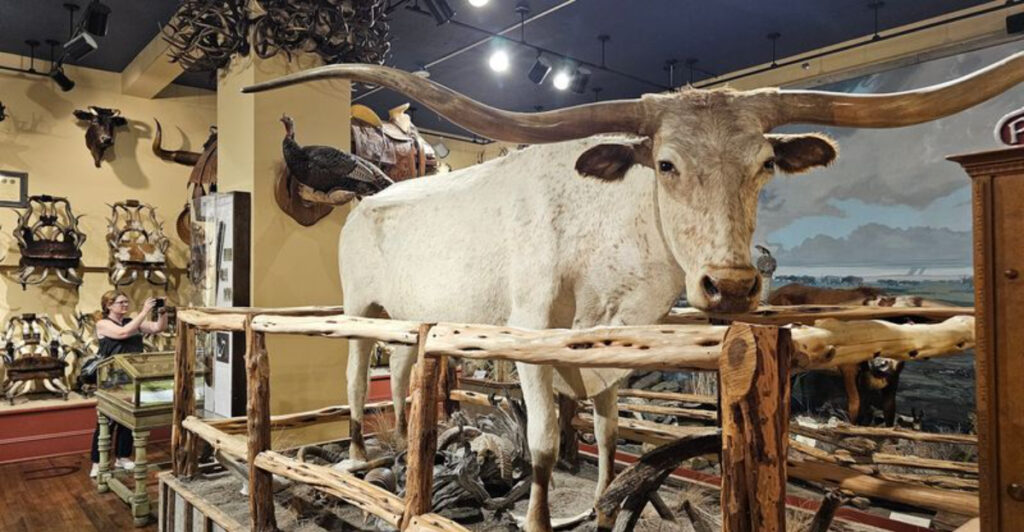
Texas has a way of holding onto its past, preserving pieces of history that let you experience what life was like generations ago. From old frontier forts to Spanish missions and cowboy-era towns, these spots aren’t just museums behind glass—they’re places where the past still breathes. Whether you’re walking dusty trails once traveled by settlers or exploring buildings that have stood for centuries, each location offers a genuine glimpse into the stories that shaped the Lone Star State.
1. Enchanted Springs Ranch (Boerne)
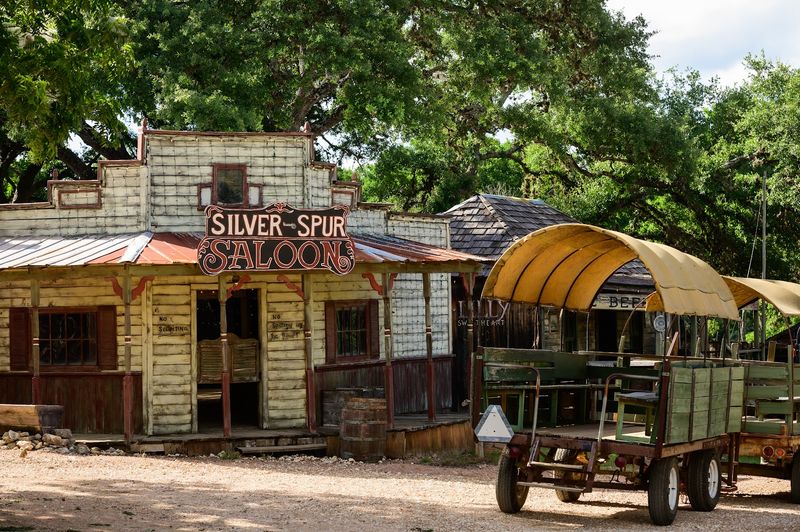
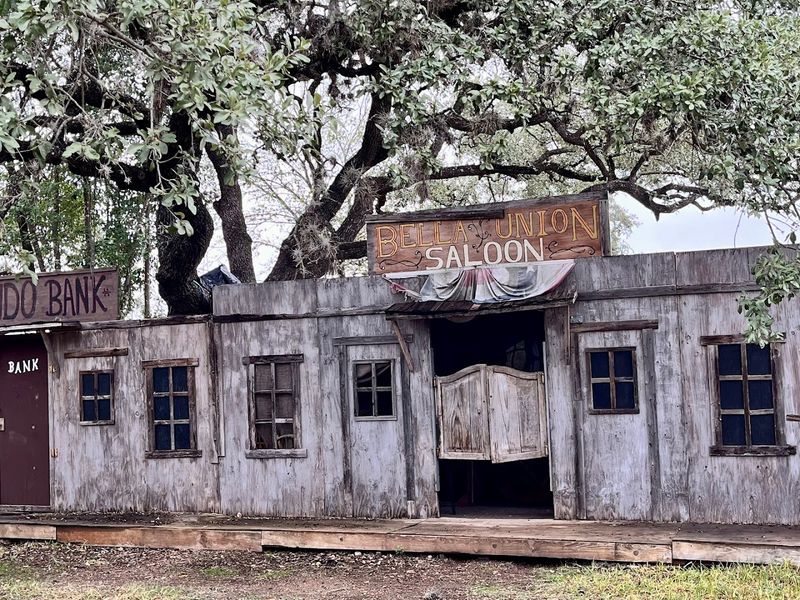
Picture a place where gunslingers still roam the streets and saloon doors swing open to reveal another era entirely. Enchanted Springs Ranch sits just outside Boerne, tucked into the Texas Hill Country, and it’s basically a living, breathing Old West town. The ranch features authentic-looking buildings that could’ve been plucked straight from the 1800s, complete with a general store, blacksmith shop, and even a jail.
What makes this spot different from your average historical site is how interactive everything feels. You’re not just reading plaques on a wall—you’re walking through actual structures where costumed characters might challenge you to a showdown or share tales of frontier life. Kids absolutely love the hands-on approach, and honestly, adults get pretty into it too.
The ranch also hosts special events throughout the year, from Old West festivals to living history demonstrations. You might catch a blacksmith hammering out horseshoes the traditional way or watch a cowboy show that’ll have you believing you’ve truly stepped back in time. The attention to detail is impressive, from the weathered wood on the buildings to the period-appropriate props scattered throughout.
Beyond the Wild West theme, Enchanted Springs Ranch has natural beauty that’s hard to beat. The property sprawls across rolling hills with native Texas vegetation, and there’s even a natural spring that gives the place its name. It’s the kind of spot where history and nature blend together seamlessly.
For families looking for something more than just another tourist trap, this ranch delivers an authentic experience. The owners clearly care about preserving and sharing Texas heritage in a way that’s both educational and genuinely fun. You’ll leave with a better understanding of what frontier life actually entailed—the challenges, the community spirit, and the rugged determination that defined the era.
Whether you’re a history buff or just someone looking for a unique day trip, Enchanted Springs Ranch offers something special. It’s not every day you get to walk through a piece of living history that feels this real.
2. La Villita National Historic Village (San Antonio)
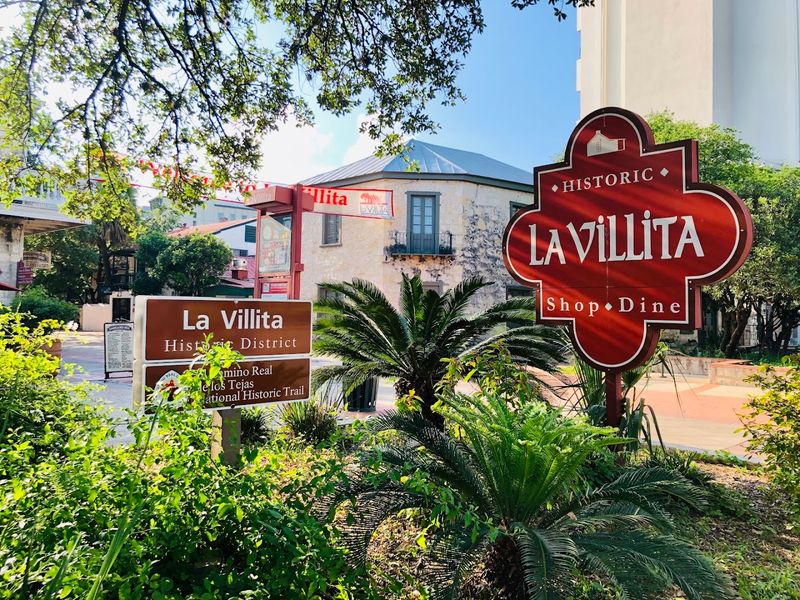
Right in the heart of downtown San Antonio, La Villita sits along the San Antonio River like a quiet reminder of the city’s earliest days. This collection of historic buildings dates back to the early 1700s when Spanish settlers first established their homes here. The name literally means “little village,” and that’s exactly what it feels like—a small, intimate neighborhood frozen in time while the modern city buzzes around it.
The architecture alone is worth the visit. You’ll find low adobe structures with thick walls that kept residents cool during brutal Texas summers, alongside stone buildings that have weathered centuries of storms and history. Many of the original structures have been carefully restored, maintaining their authentic character while housing artists’ studios, galleries, and small shops today.
Walking the narrow streets and pathways, you can almost hear the echoes of early San Antonio life. This was once home to soldiers, craftsmen, and families who built the foundation of what would become one of Texas’s most important cities. The village played a significant role during the Texas Revolution, and later became a thriving arts community that continues today.
What’s particularly cool about La Villita is how it balances preservation with living culture. Yes, it’s a historic site, but it’s not stuck behind velvet ropes. Local artisans work in the same spaces where blacksmiths and tradespeople once plied their crafts.
You can watch painters, jewelers, and potters creating their work, then browse their finished pieces in adjacent galleries.
The village hosts regular events and festivals that celebrate both its history and San Antonio’s vibrant cultural scene. During the day, sunlight filters through ancient oak trees, casting dappled shadows on the old stone pathways. At night, soft lighting transforms the village into something almost magical, especially when live music drifts from one of the small courtyards.
For anyone wanting to understand San Antonio beyond the Alamo, La Villita offers essential context. It shows you where the city’s roots truly began and how those early settlers shaped everything that followed.
3. Fort Griffin State Historic Site (Albany)
Way out in Shackelford County, Fort Griffin stands as a testament to one of the wildest periods in Texas history. Established in 1867, this military outpost was built to protect settlers and travelers from conflicts during the post-Civil War era. Today, the partially restored fort and its surrounding ruins tell stories of soldiers, buffalo hunters, and the rough-and-tumble frontier town that grew up in its shadow.
The fort itself sits on a bluff overlooking the Clear Fork of the Brazos River, offering commanding views that made it strategically important. You can still see the remnants of stone buildings, including officers’ quarters and barracks, though nature has reclaimed much of the site. There’s something haunting about walking among these ruins, imagining the isolation soldiers must have felt stationed so far from civilization.
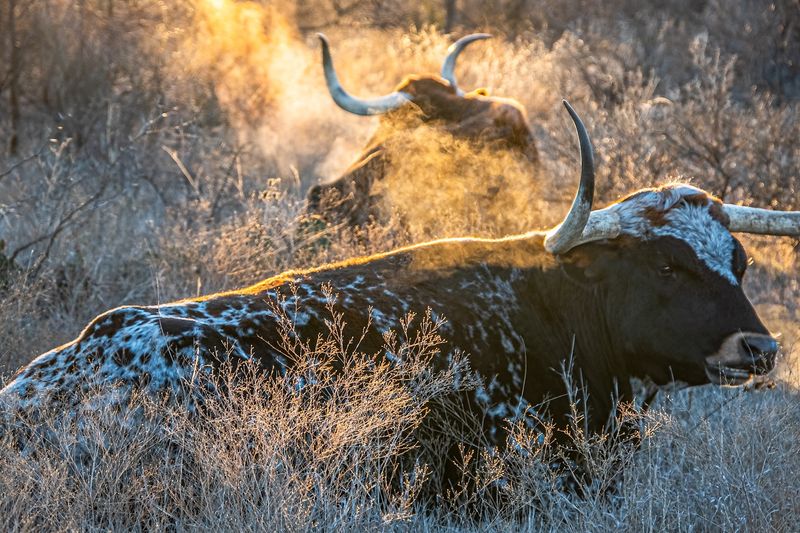
What really sets Fort Griffin apart is the official state longhorn herd that roams the grounds. These aren’t just any cattle—they’re direct descendants of the longhorns that once dominated Texas ranching. Seeing them grazing near 150-year-old military ruins creates a powerful connection to the Old West that you won’t find in many other places.
The visitor center does an excellent job explaining the fort’s role in frontier history. You’ll learn about the famous people who passed through, including legendary lawman Pat Garrett and outlaw John Wesley Hardin. The nearby ghost town of Fort Griffin, often called “The Flat,” was once one of the rowdiest settlements in Texas, filled with saloons, gambling halls, and all manner of frontier chaos.
Hiking trails wind through the property, taking you past archaeological sites and offering glimpses of what military life looked like during the Indian Wars era. It’s remote enough that you’ll likely have the place mostly to yourself, which only adds to the atmospheric experience. The silence broken only by wind and occasional longhorn calls really drives home how isolated this outpost was.
Fort Griffin isn’t polished or commercialized, and that’s precisely its charm. It’s raw, authentic history sitting out in the West Texas prairie, waiting for visitors willing to venture off the beaten path.
4. Mission Concepción (San Antonio)
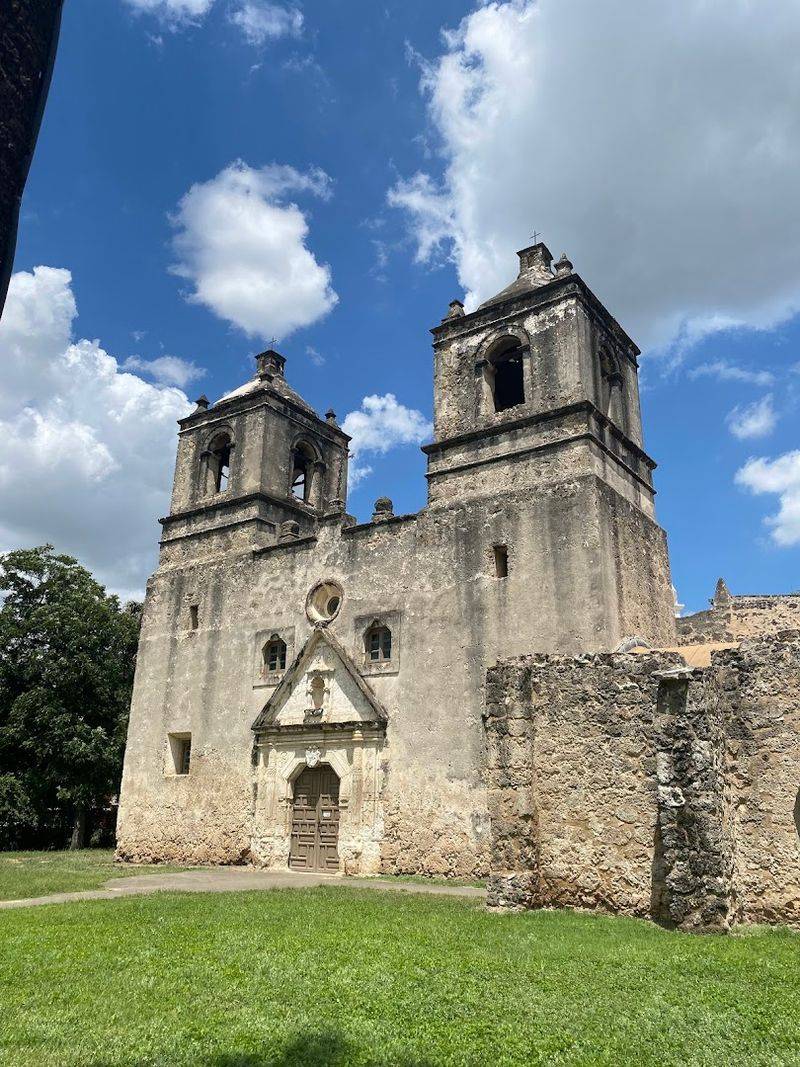
Among San Antonio’s famous chain of Spanish missions, Mission Concepción holds a special distinction—it’s the oldest unrestored stone church in the United States still standing. Built in 1755, this mission has never undergone major reconstruction, meaning what you see today is essentially what Spanish missionaries and indigenous converts saw nearly 270 years ago. That’s not just impressive; it’s almost miraculous considering everything this building has survived.
The twin bell towers and ornate stone facade immediately grab your attention, but step inside and you’ll discover something even more remarkable. Original frescoes still decorate portions of the interior walls, their colors faded but still visible after centuries. These geometric and religious designs were painted by mission residents, offering a direct artistic connection to the people who lived and worshiped here generations ago.
Mission Concepción was part of Spain’s effort to establish a presence in Texas and convert indigenous peoples to Christianity. The mission system combined religion, education, and agriculture, creating self-sufficient communities. Walking the grounds, you can still see the remains of the convento (living quarters), granary, and other structures that supported daily mission life.
Unlike some historic sites that feel sterile or overly managed, Concepción maintains an active parish, meaning it’s still used for worship services today. There’s something powerful about entering a space that has continuously served its original purpose for nearly three centuries. The thick stone walls keep the interior naturally cool, just as they did for Spanish friars and Coahuiltecan people who sought refuge from the Texas heat.
The mission grounds are part of San Antonio Missions National Historical Park, but Concepción often gets less crowded than the Alamo, giving you space to really absorb the history. Rangers offer informative tours that explain the complex relationships between missionaries and indigenous populations, avoiding simplified narratives in favor of nuanced historical context.
Photography enthusiasts love this place, especially during golden hour when sunlight hits those limestone walls just right. But even if you’re not into taking pictures, simply sitting in the old church and contemplating the countless lives that have passed through creates a profound sense of connection to Texas’s Spanish colonial past.
5. National Cowgirl Museum & Hall of Fame (Fort Worth)
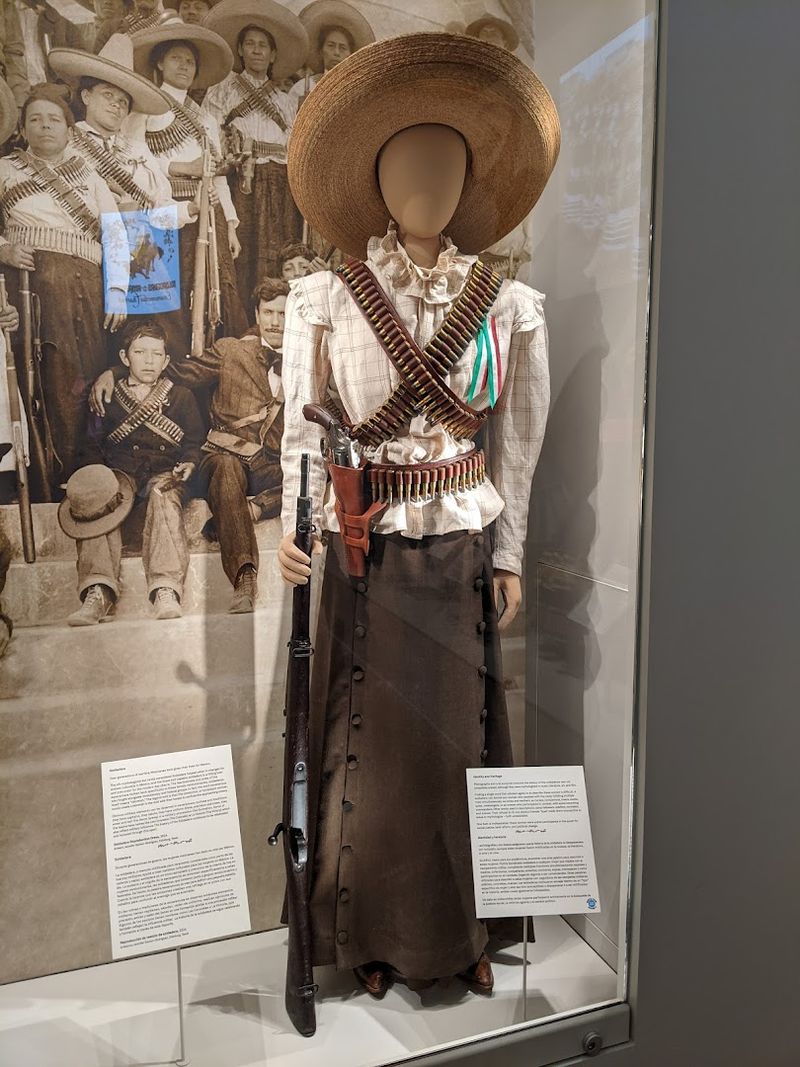
Fort Worth’s Cultural District houses a museum dedicated entirely to honoring women who shaped the American West, and it’s about time someone did. The National Cowgirl Museum & Hall of Fame celebrates rodeo champions, ranchers, artists, writers, and trailblazers who broke barriers in what was often considered a man’s world. This isn’t your typical dusty collection of artifacts—it’s a dynamic, modern museum that brings these remarkable women’s stories to life.
The moment you enter, interactive exhibits pull you into the experiences of cowgirls past and present. You can test your skills at virtual barrel racing, learn about the physical demands of rodeo competition, or explore the daily realities of ranch life. The museum does an outstanding job making history accessible and engaging for all ages, with plenty of hands-on activities that keep kids interested while adults appreciate the deeper historical context.
What makes this place truly special is its commitment to telling overlooked stories. You’ll discover women like Lucille Mulhall, who could rope eight horses at once and outperformed many male cowboys in competitions. Or learn about Georgia O’Keeffe’s connection to the West and how the landscape influenced her iconic artwork.
The Hall of Fame inductees represent diverse backgrounds and achievements, showing that “cowgirl” encompasses far more than just rodeo riders.
The museum’s collection includes authentic clothing, saddles, photographs, and personal items that belonged to these pioneering women. Seeing a championship buckle up close or reading handwritten letters gives you intimate access to their lives and struggles. Temporary exhibitions rotate regularly, ensuring there’s always something new even for repeat visitors.
One particularly moving section focuses on contemporary cowgirls who continue these traditions today. Young women competing in professional rodeo, managing ranches, and preserving Western heritage prove that this isn’t just history—it’s a living culture. Their stories connect the past to the present in meaningful ways.
The museum also serves as an important educational resource, challenging stereotypes about both the West and women’s roles in shaping American history. School groups visit regularly, and the programming includes lectures, film screenings, and special events that keep the conversation about Western women’s contributions alive and relevant.
Whether you’re a history enthusiast, a rodeo fan, or just someone who appreciates well-told stories of determination and courage, this museum delivers something memorable.
6. The Buckhorn Saloon & Museum (San Antonio)
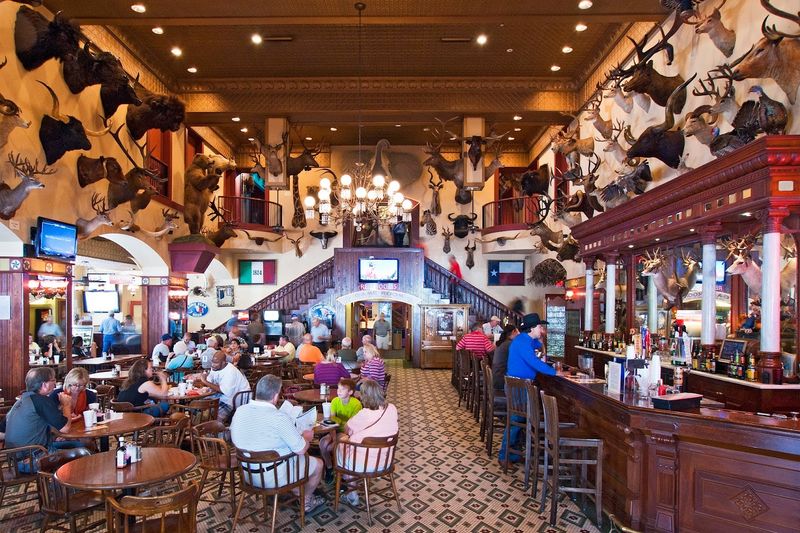
Step through the doors of the Buckhorn Saloon and you’ll find yourself in one of Texas’s most wonderfully weird historical attractions. This isn’t just a saloon—it’s a sprawling collection of taxidermy, Old West artifacts, and genuine Texas oddities that have been accumulating since 1881. The original owner, Albert Friedrich, accepted animal horns and hides as payment for drinks, and that quirky practice evolved into one of the state’s most unique museums.
The saloon itself has been meticulously preserved, complete with an ornate wooden bar where cowboys, cattle drivers, and travelers once knocked back whiskey after long dusty trails. The back bar is a work of art, carved from solid wood and topped with an enormous mirror that’s seen more than a century of Texas history reflected in its surface. You can almost hear the conversations and smell the cigar smoke from those rowdy frontier days.
But the real showstopper is the mind-boggling taxidermy collection. We’re talking thousands of specimens, from Texas whitetail deer to exotic animals from around the world. Some displays are arranged in elaborate dioramas showing animals in natural settings, while others are more… creative.
There’s a rattlesnake collection that’ll make your skin crawl and a “Hall of Horns” featuring antlers in every imaginable size and configuration.
The museum section expands beyond wildlife to include Texas Ranger memorabilia, antique firearms, and artifacts from San Antonio’s colorful past. You’ll find everything from vintage wanted posters to period clothing and tools that pioneers relied on for survival. It’s eclectic in the best possible way, never taking itself too seriously while still offering genuine historical value.
One of the most popular exhibits is the Buckhorn Hall of Feathers, showcasing hundreds of bird species in Victorian-era display cases. Then there’s the wax museum featuring Texas history scenes, though fair warning—some of the figures look a bit creepy, which honestly adds to the old-timey charm.
Kids absolutely love this place because it’s so different from typical museums. Where else can you see a two-headed calf, historic weapons, and a fully stocked Old West saloon all under one roof? The combination of education and entertainment hits just right, never boring but always informative.
Located near the Alamo in downtown San Antonio, the Buckhorn makes an excellent addition to any historical tour of the city. It represents a specific type of Texas character—bold, a little eccentric, and unapologetically unique.
7. Bandera
Calling itself the “Cowboy Capital of the World” might sound like marketing hype, but Bandera actually backs up that claim with authentic Western heritage that permeates every corner of this Hill Country town. Founded in 1853 as a lumber camp, Bandera evolved into a ranching community where cowboy culture isn’t a tourist attraction—it’s simply how people live. Walking down Main Street feels like entering a Western movie set, except everything here is real and functional.
The town’s historic district features buildings that have stood since the 1800s, many constructed from local limestone and cypress. Old-time saloons still operate, complete with swinging doors and wooden bars scarred by decades of use. On weekends, you’ll find real working cowboys bellying up alongside tourists, swapping stories over cold beer.
The atmosphere is genuine, lacking the manufactured charm of more commercialized Western towns.
Bandera’s rodeo tradition runs deep, with competitions held regularly at local arenas. These aren’t staged shows for visitors—they’re legitimate sporting events where ranch hands and professional riders test their skills. Watching a Bandera rodeo gives you insight into the athletic demands and dangers of cowboy work that often get romanticized in popular culture.
Several historic dude ranches surround the town, some operating continuously for over a century. These working ranches welcome guests to experience authentic ranch life, from horseback riding through rugged terrain to helping with cattle drives. The experiences offered here differ vastly from typical vacation resorts, emphasizing hard work, horsemanship, and connection to the land.
The Frontier Times Museum houses an impressive collection of Western artifacts, including Native American items, pioneer tools, and relics from Bandera’s rough-and-tumble past. The building itself dates to 1933 and was constructed specifically to preserve local history. Inside, you’ll find everything from antique firearms to vintage photographs documenting the town’s evolution.
Main Street shops sell working cowboy gear—not costume pieces, but actual boots, hats, and tack that local ranchers depend on. The proprietors know their merchandise inside and out because they use it themselves. Shopping here means getting expert advice from people who’ve spent lifetimes in the saddle.
Natural beauty surrounds Bandera, with the Medina River running through town and cypress-lined banks perfect for swimming during hot summer months. The landscape itself hasn’t changed much since settlers first arrived, offering the same rugged Hill Country vistas that attracted ranchers generations ago. Visiting Bandera isn’t about checking boxes on a tourist itinerary—it’s about experiencing a place where Western heritage remains vital and alive.
Share this story