Small-town charm becomes even more appealing when the cost of living doesn’t demand a big-city budget. Across Indiana, picturesque communities combine attractive downtowns, historic architecture, leafy parks, riverfront scenery, and peaceful neighborhoods with housing costs that can be surprisingly approachable.
Each town offers its own personality, whether that means lake access, farmland views, colorful storefronts, or streets made for an afternoon stroll. For homebuyers, retirees, or anyone dreaming about a quieter lifestyle, affordability can make these destinations especially tempting. These 8 picture-perfect Indiana towns show that beautiful surroundings and budget-friendly living can still exist in the same place.
1. Connersville
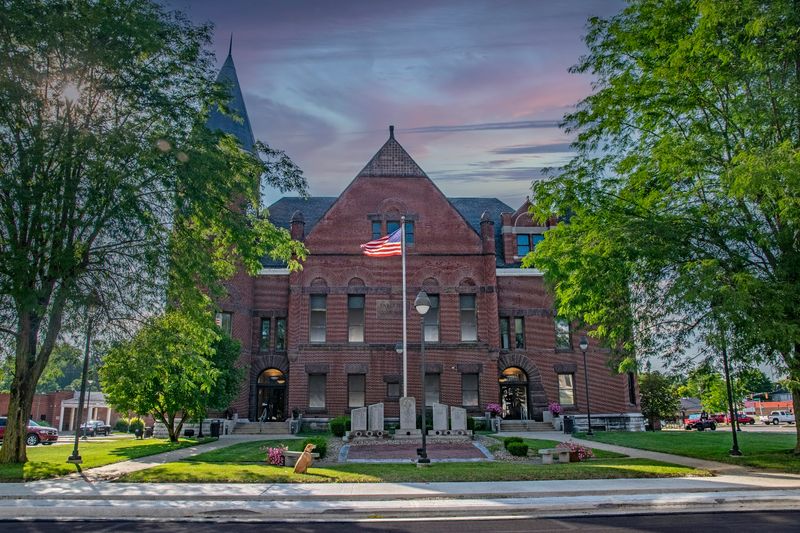
Brick buildings and big shade trees give Connersville an easy first impression. Set along the Whitewater River, the town mixes older architecture, established neighborhoods, and outdoor space in a way that looks polished without feeling pricey.
For home shoppers, the strongest draw is often value. Older houses can offer roomy porches, mature yards, and details like tall windows or decorative brickwork that would cost much more in a larger city.
Walking or driving through town, the visual appeal shows up in small ways. Streets lined with trees, traditional storefronts, and historic structures create the kind of backdrop that makes everyday errands look a little better.
Recreation helps round out the picture. River access, nearby trails, and local parks give residents simple ways to get outside without needing a long weekend plan or a big entertainment budget.
Connersville also works well for people who want practical living, not constant buzz. A smaller town can mean less traffic, easier parking, and a shorter list of daily hassles, which matters just as much as the monthly mortgage payment.
Anyone considering a move should pay close attention to house condition, because older homes can bring repair needs. Looking at utility costs, roof age, and window quality can tell more about real affordability than the listing price alone.
Neighborhood feel matters here too. Some blocks have a more historic, close-in setting, while others offer a quieter residential pace with extra yard space and fewer through streets.
Connersville stands out because it offers visual character and budget breathing room at the same time. For buyers or renters who like brick facades, green streets, and a river-town setting, it is an appealing Indiana option to keep on the map.
2. Peru
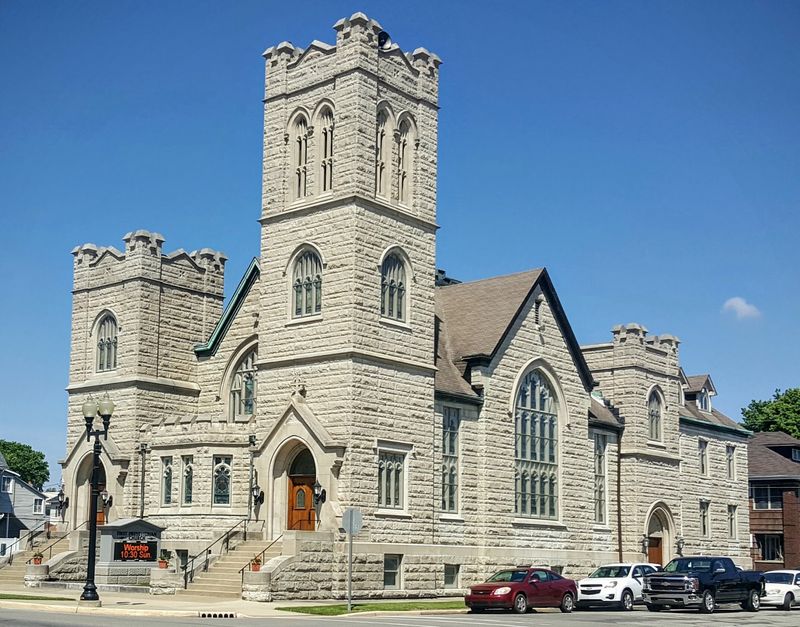
Peru has a playful title that grabs attention right away. Known as the Circus Capital of the World, this Wabash River town pairs local character with the kind of everyday affordability that can make a move feel more realistic.
The downtown area does a lot of the heavy lifting visually. Older storefronts, recognizable civic buildings, and a traditional street grid give Peru a lived-in look that many newer places simply cannot copy.
Then there is the river setting. Water always adds extra charm, and in Peru it helps soften the streetscape with open views, tree cover, and a little breathing room near the heart of town.
Housing is a big part of why Peru earns a spot on this list. Buyers looking for modest price points may find older homes, simple ranch houses, or practical family-sized places that stretch a budget farther than bigger Indiana markets.
Daily life can stay manageable here too. Small-town distances often mean shorter drives for errands, and a compact community layout can make routines feel less rushed and less expensive over time.
People interested in Peru should look beyond sticker price and study neighborhood upkeep. A lower-cost home can still be the better deal when the block looks stable, the yard sizes fit your needs, and the commute to work or school stays easy.
The town’s circus identity adds a fun layer without overpowering everything else. It gives Peru a memorable personality, which helps the place stand out from other affordable communities that may be cheaper but less distinct.
Peru makes sense for anyone who wants a town with a little story behind it and a reasonable cost of living. Between the river, the classic downtown, and attainable housing, it offers a charming setup that feels both practical and picture ready.
3. Marion
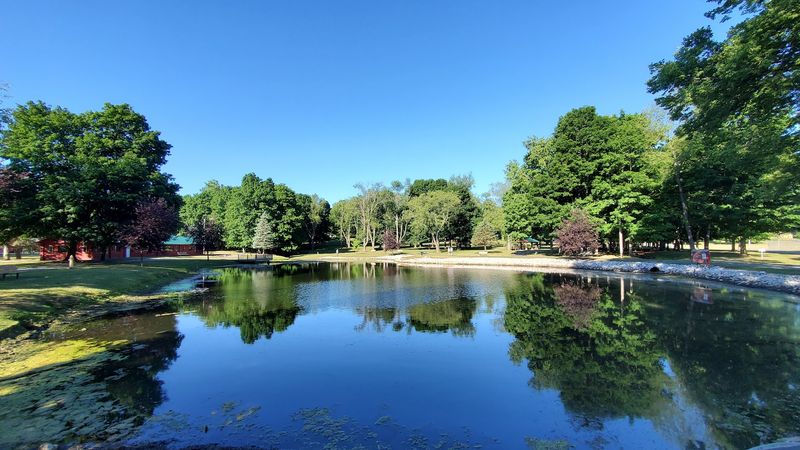
Marion brings a little more city convenience while still keeping a small-town price profile. In Grant County, it offers older architecture, useful amenities, and access to outdoor spots without the bigger bills that often come with larger Indiana hubs.
One of Marion’s strengths is balance. A place can have history and still work for regular life, and Marion does that with established neighborhoods, recognizable downtown blocks, and the kinds of services people want close by.
Architectural variety helps the town look interesting. Traditional houses, brick buildings, and older civic spaces add shape and texture, which gives Marion a more rooted appearance than places built almost entirely in one era.
Affordability is where many people start the conversation. Housing can be budget friendly enough to attract first-time buyers, downsizers, or anyone who wants more square footage without stepping into a punishing mortgage payment.
Outdoor options nearby add another point in Marion’s favor. Parks and green spaces make it easier to spend time outside, and that can improve daily life without adding much cost at all.
A smart approach here is to compare several neighborhoods before choosing a home. Some areas may offer more historic charm, while others trade that for easier upkeep, newer layouts, or quicker access to shopping and schools.
Marion also suits people who want convenience with a calmer pace. Having stores, services, and community facilities within reach can save time and gas, especially compared with more spread-out rural living.
For readers hunting for a place that looks established, functions well, and stays gentler on the wallet, Marion is easy to understand. It offers a practical mix of architecture, amenities, and attainable housing that can fit real life better than flashier markets.
4. Bicknell
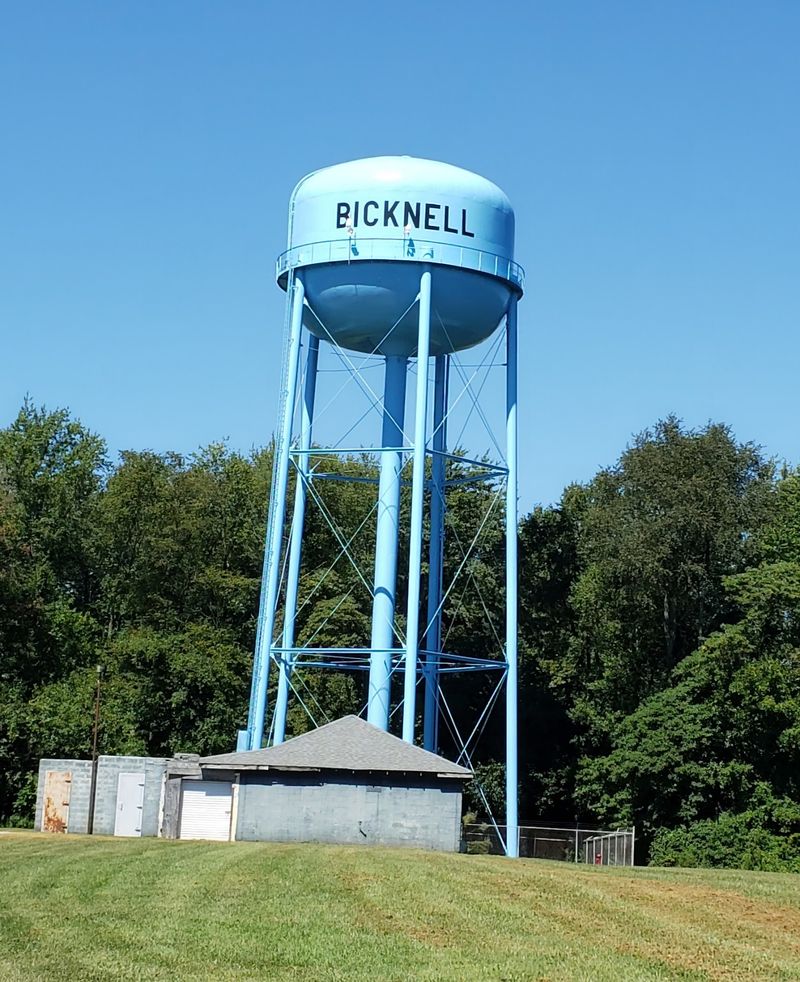
Bicknell is the kind of place where open land does part of the talking. Surrounded by farmland in southwestern Indiana, this tiny community offers peace, space, and a low-cost path to small-town living that can be hard to match.
The scenery leans simple rather than showy. Wide skies, quiet roads, modest houses, and stretches of countryside create a clean, uncluttered look that appeals to people who want calm instead of constant activity.
Affordability is the headline reason Bicknell stands out. In a town this size, buyers may find basic homes and practical lots at prices that feel far less intimidating than many suburbs or regional job centers.
That lower price point can open options. Some people may use the savings to pay down debt faster, keep a larger emergency fund, or choose a home with enough yard space for gardens, pets, or outdoor hobbies.
Life in a very small town does come with tradeoffs, and it helps to be honest about them. Shopping, dining, and specialty services may require a drive, so the best fit is usually someone who values quiet more than convenience.
Bicknell can work well for residents who enjoy a slower rhythm. Fewer crowds, less traffic, and more room between daily obligations can make ordinary routines feel lighter, especially for people tired of busier places.
Before moving, buyers should pay close attention to internet options, commute distance, and home maintenance needs. In an extra-affordable market, those practical details often matter more than curb appeal alone.
Bicknell earns attention because it offers a peaceful country backdrop at an especially accessible price. For anyone who pictures Indiana living as open fields, simple streets, and a house payment that leaves breathing room, this little town deserves a serious look.
5. New Castle
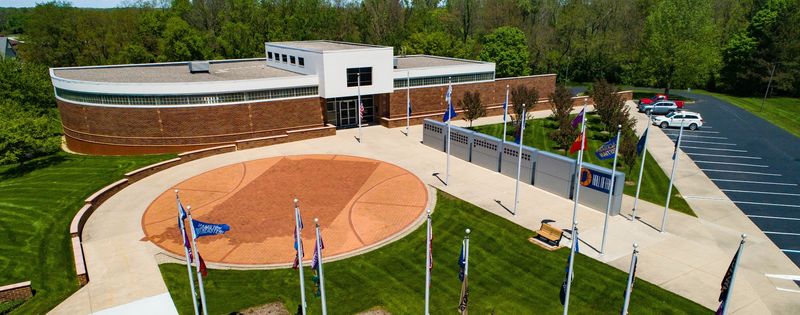
New Castle has the kind of name that sounds sturdy, and the town fits it well. Basketball pride, historic downtown buildings, nearby natural areas, and relatively inexpensive housing give this east-central Indiana community a strong all-around case.
Sports history adds personality right away. In Indiana, basketball culture runs deep, and a town with that connection often carries a sense of local identity that shows up in schools, conversation, and community events.
The built environment helps New Castle photograph well. Classic brick storefronts and older civic architecture bring texture to the downtown area, while established residential streets can offer mature trees and homes with more visual character than newer subdivisions.
Affordability keeps the town in practical range for many households. Lower housing costs may make it easier for buyers to enter the market, or for renters to find a place without giving up every bit of financial flexibility.
Nature is part of the appeal too. Having parks or green areas nearby gives residents another outlet for a walk, a picnic, or simple fresh air after work, which is useful when budgets call for low-cost recreation.
New Castle works especially well for people who want a mix of identity and function. It is not only about paying less for a house, but also about living somewhere with recognizable landmarks and everyday services close enough to keep life moving smoothly.
When comparing neighborhoods, look at street upkeep, traffic flow, and proximity to schools, stores, or parks. Those details can shape daily comfort just as much as square footage or the age of the home.
New Castle stands out because several good things line up at once. Historic looks, local pride, access to outdoor space, and more attainable housing make it a smart option for readers who want charm without taking on a major-city budget.
6. Wabash
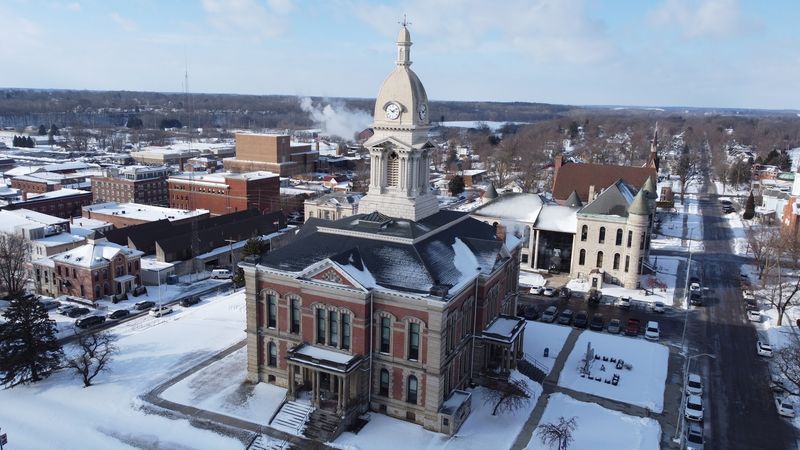
Wabash knows how to make a first photo count. Preserved historic architecture, the Wabash River, and a lively cultural streak give the town a polished appearance, while its small-town lifestyle can stay more affordable than many visually striking places.
Some towns have one standout feature. Wabash stacks several together, which is why it catches attention so quickly when people start searching for communities that are both attractive and manageable on a budget.
The downtown area brings strong visual appeal. Historic facades, detailed brickwork, and traditional street patterns create a setting that looks established and cared for, not generic or quickly assembled.
The river adds another layer. Water views, bridges, and green edges around town soften the architecture and create the kind of scenery that can make an ordinary evening walk more enjoyable.
Cultural attractions help Wabash feel active without turning it into an expensive tourist machine. A town with arts, events, or performance spaces often gives residents more to do close to home, which can reduce the need for frequent trips elsewhere.
Housing remains a key reason to pay attention. Buyers may find smaller-town pricing paired with homes that still have charm, history, or solid neighborhood presence, which is a combination many people want but rarely find easily.
Choosing well in Wabash means thinking about lifestyle as much as cost. A house near downtown may offer walkability and character, while a quieter edge-of-town location might suit buyers who want more yard space or less traffic.
Wabash fits readers who want a town that looks memorable in every season and still feels financially sensible. Between the riverfront setting, the preserved architecture, and the accessible small-town scale, it presents one of Indiana’s strongest value-and-beauty combinations.
7. Koontz Lake
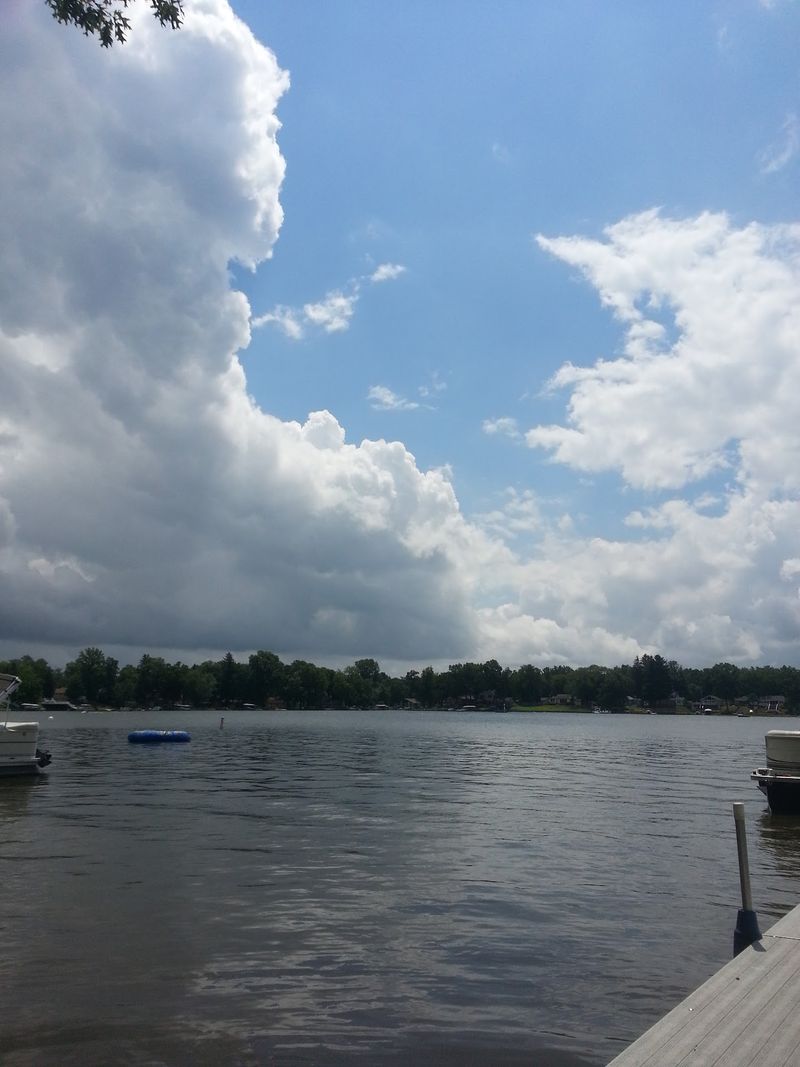
Lake life usually sounds expensive, which is why Koontz Lake catches people off guard. This quiet community pairs wooded shorelines, boating, fishing, and cottage-style homes with a more accessible feel than many waterfront places.
The setting does most of the visual work, and it does it well. Calm water, docks, trees, and low-key residential roads create a peaceful scene that looks made for postcards without leaning flashy or overbuilt.
Koontz Lake appeals to buyers who want scenery woven into daily routines. Instead of saving nature for special occasions, residents can build ordinary mornings and evenings around lake views, a short walk to the shore, or time on the water.
Housing style adds to the charm. Cottage-like homes and smaller lake properties can create a relaxed, classic look, and in some cases they may offer a more approachable way to enjoy waterfront living.
Of course, lake communities require careful shopping. Buyers should pay attention to flood considerations, seasonal maintenance, lot size, parking, and whether a home is meant for full-time living or began as a weekend retreat.
The lifestyle here leans outdoorsy but not intense. Fishing, boating, and simple shoreline downtime can fill weekends without requiring big spending, fancy equipment, or a packed social calendar.
Another plus is the quieter tone. Koontz Lake is not trying to compete with louder resort areas, so it may suit people who want the beauty of a lake setting without nonstop traffic, heavy nightlife, or a crowded commercial strip.
For readers dreaming about Indiana water views on a budget, Koontz Lake deserves real attention. It delivers the picture-perfect angle promised by the headline, but it also offers a practical idea beneath the pretty surface: scenic living can still be within reach.
8. Rushville
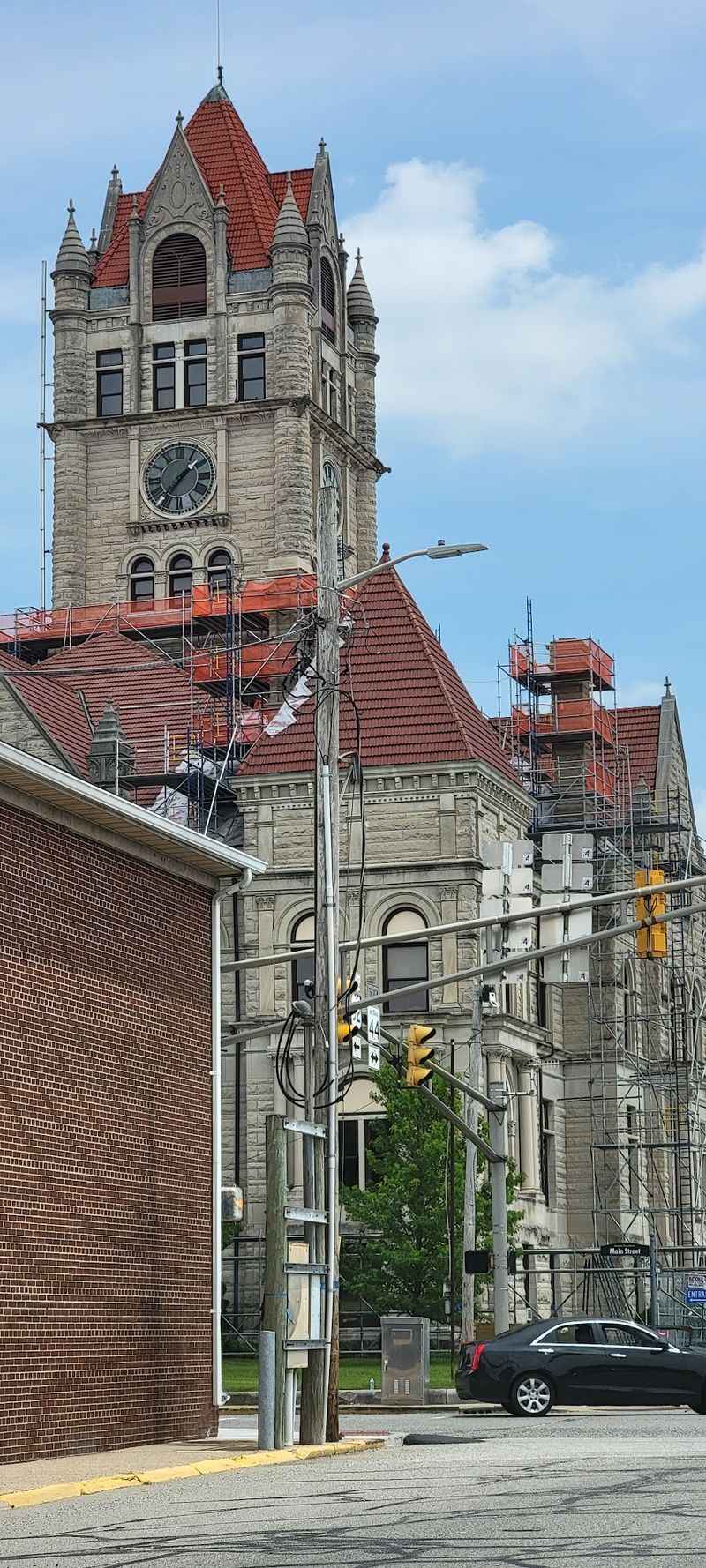
Rushville makes a strong case without needing much noise. A historic district, an attractive courthouse, plenty of park space, and affordable housing give this rural Indiana town a solid mix of beauty and everyday practicality.
Right away, the historic setting shapes the town’s look. Older buildings and a traditional downtown street pattern create a sense of order and continuity, which helps Rushville stand apart from places that feel more scattered or generic.
The courthouse adds a focal point that anchors the center of town. It is the kind of landmark that gives a community a recognizable face, especially when paired with nearby blocks that still show their earlier architectural character.
Parks matter here too, and having more than 40 acres of them gives residents room to spread out. Green space can improve the quality of daily life in simple ways, whether that means a short walk after dinner, time with kids, or a low-cost weekend plan.
Housing affordability is a major advantage. Buyers and renters looking for smaller-town Indiana options may find that Rushville offers a friendlier entry point than faster-growing or more heavily advertised communities.
The city’s own emphasis on preserved small-town character fits what many people want. That can mean a community where the built environment still reflects local history and where public spaces remain an important part of civic life.
Rushville is a good place to compare blocks carefully. Some areas may place you closer to parks and downtown buildings, while others offer a more residential feel with quieter streets and larger yards.
For readers who want a town that looks neat, rooted, and comfortably lived in, Rushville checks a lot of boxes. It combines historic visuals, useful outdoor space, and attainable housing in a way that feels grounded, steady, and easy to picture as home.
Share this story