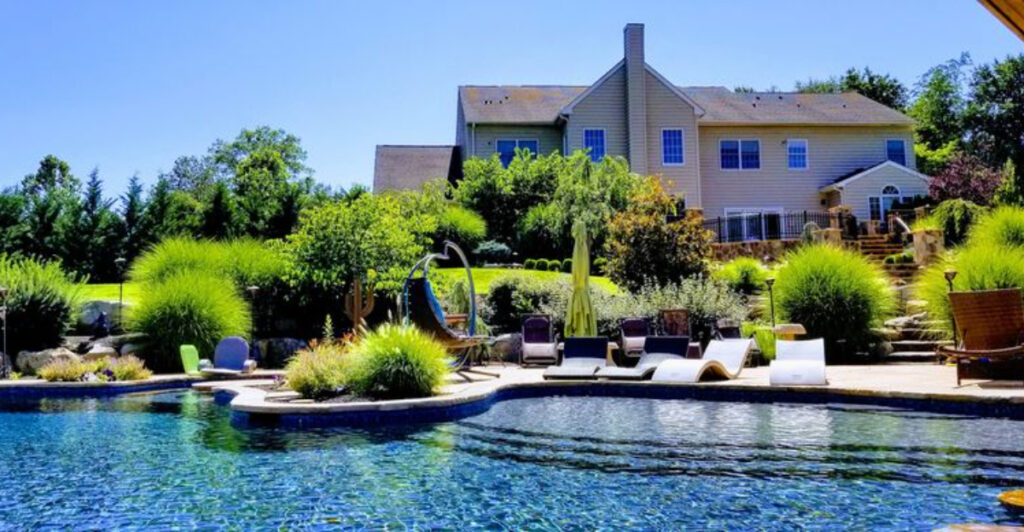
Drive far enough from New Jersey’s interstates and strip malls, and the scenery can change with almost comic speed. Suddenly, there’s a stone mill beside a creek, an 18th-century inn on Main Street, or a row of old houses that looks suspiciously untouched by the last several decades.
That’s the appeal of these eight towns. None is stuck in the past—there are coffee shops, restaurants, boutiques, and plenty of Wi-Fi—but their older bones remain unusually easy to see.
Historic districts still anchor downtowns, former mills have found new uses, and roads once traveled by farmers and merchants remain part of everyday life.
Come for an afternoon and you can browse antiques in a pre-Revolutionary building, bike beside the Delaware River, inspect a working gristmill, or walk past homes that were already old when your great-grandparents were born.
These are the corners of rural New Jersey where turning back the clock requires little more than finding a parking spot.
1. Cranbury
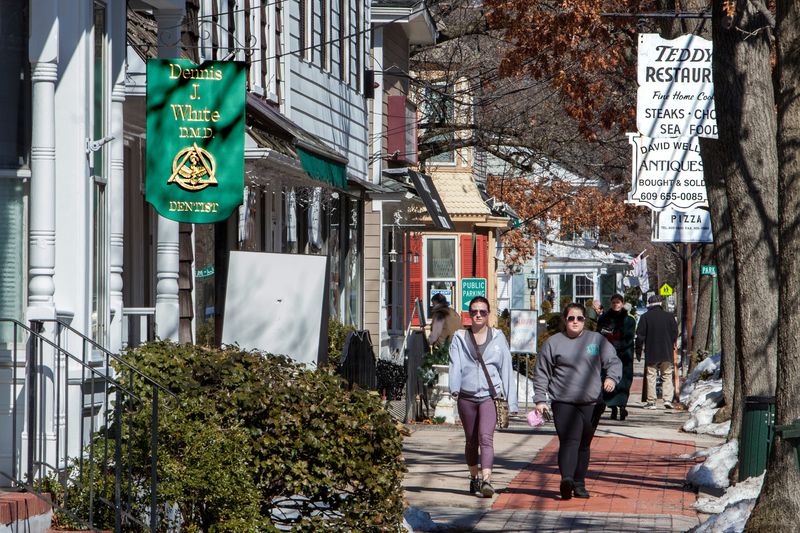
A town clock, broad lawns, white-trimmed houses, and a Main Street lined with buildings from the 18th and 19th centuries make the center of this Middlesex County community look far removed from the busy highways surrounding it.
Much of Cranbury village is protected as a historic district, and the effect is bigger than one pretty house or a photogenic corner.
The older architecture runs through the heart of town, with tree-lined sidewalks, churches, shops, and residential streets that reward a slow walk. Start around Main Street and wander without overthinking the route.
Brainerd Lake and Village Park add a quieter side to the visit, while the local history center provides context for anyone who wants to know why so much of the village looks the way it does.
Lunch can keep the time-travel theme going at the Cranbury Inn, which traces its roots back to the 18th century and still operates as a restaurant rather than a preserved showpiece.
Roast turkey with stuffing feels almost comically appropriate in surroundings like these. Cranbury is at its best when you resist the urge to rush.
Park near the center, walk instead of hopping back in the car, and pay attention to the porches, rooflines, old storefronts, and little architectural details that make modern New Jersey seem briefly very far away.
2. Hopewell
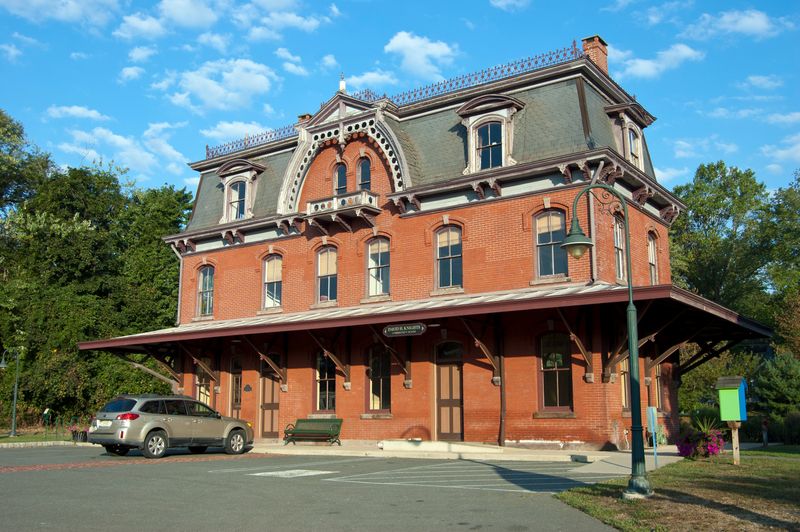
Broad Street has the kind of downtown rhythm that makes you want to leave the car behind: independent storefronts close together, old houses mixed into the commercial blocks, and side streets that quickly lead toward quieter residential corners.
The surrounding Hopewell Valley adds the rural backdrop, so the borough feels less like a preserved attraction and more like an old market town that simply kept going.
History is scattered around rather than packed into one obvious landmark. The Hopewell Museum digs into the community’s past, while the Old School Baptist Meeting House and sites connected to Declaration of Independence signer John Hart give history-minded visitors plenty to seek out.
When you need a break from buildings, Hopewell Park offers walking paths near Bedens Brook and shady spots that make it easy to stretch a short visit into a leisurely afternoon. The shopping fits the town nicely, too.
Antique and design shops sit naturally among the older architecture, and there are enough cafés and restaurants nearby to make wandering worthwhile even if you have no intention of buying anything. A few miles outside the center, farm-to-table dining brings the surrounding countryside onto the plate.
Hopewell is especially good for an unhurried Saturday: coffee, a little browsing, lunch, another walk because you noticed an interesting side street, and absolutely no reason to check the clock every ten minutes.
3. Frenchtown
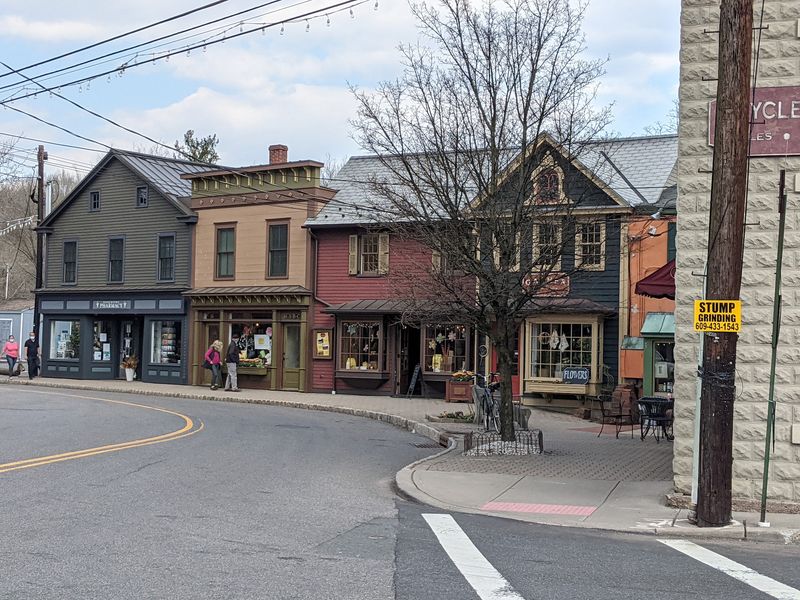
The Delaware River does most of the scene-setting here. Walk toward the water from downtown and you get old buildings behind you, Pennsylvania across the river, and the towpath stretching away nearby.
It is hard to find many places in New Jersey where a bike ride, historic streets, independent shopping, and a riverside stroll fit together this neatly. Frenchtown also has a backstory worthy of its name.
French-speaking settlers arrived in the area around the turn of the 19th century, and the community later grew into a working river and factory town before developing the artsy personality visitors know today. That creative streak keeps the historic surroundings from feeling too polished or precious.
Small boutiques, galleries, restaurants, and specialty shops fill the compact downtown, so exploring is more fun when you ignore the map and turn down whichever street looks interesting. Cyclists can follow the towpath along the Delaware, while walkers can linger near the river or cross the bridge for a different view back toward town.
If you want to stretch the visit into dinner or an overnight stay, the National Hotel keeps the old-town mood going from a prominent spot on Race Street. Frenchtown works best with very little scheduling.
Wear comfortable shoes, arrive with enough time to browse before dinner, and expect the riverfront to convince you to stay outside longer than planned.
4. Chester
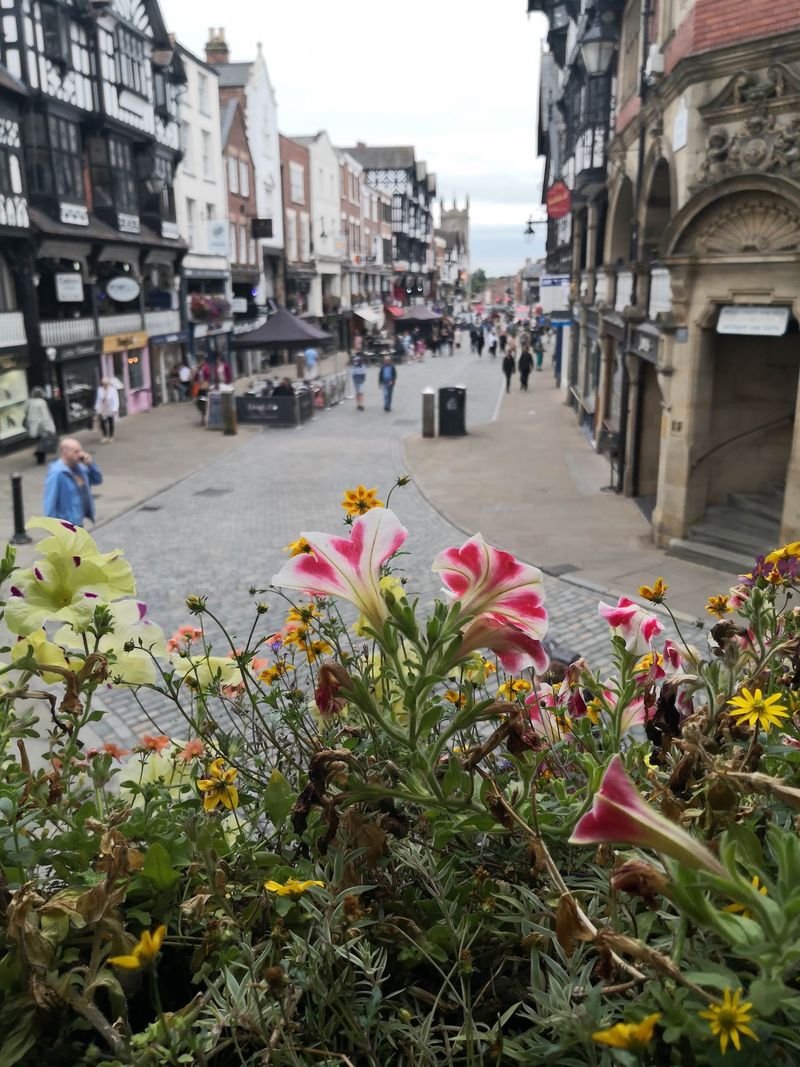
If your version of old New Jersey includes a waterwheel, Chester is ready to cooperate. Just outside downtown, Cooper Gristmill stands along the Black River, where milling shaped local life for generations.
The restored water-powered mill is one of the clearest reminders that rural Morris County was once organized around farms, streams, mills, and the roads connecting them. Seasonal tours make it especially worthwhile during warmer months, but the surroundings alone are enough to establish the mood.
Downtown offers a different kind of historic appeal. Older buildings, traditional storefronts, and a walkable Main Street make it easy to spend a couple of hours browsing boutiques, gift shops, home stores, and places to eat without feeling like you have wandered into an outdoor mall dressed up to look old.
Chester also benefits enormously from what surrounds it. Trails lead through woods and along waterways, while nearby farms keep the area’s agricultural identity visible through pick-your-own fruit, farm markets, and seasonal events.
Fall is predictably busy, especially when apple picking, pumpkins, foliage, and downtown festivals all land on the same weekend. If you want the quietest version of Chester, go on a weekday.
If you want the liveliest, October will happily provide it. Either way, pair the downtown with the gristmill.
Together they explain why Chester feels like more than a pretty Main Street: the modern shops sit on top of a landscape that still reads unmistakably rural.
5. Mullica Hill
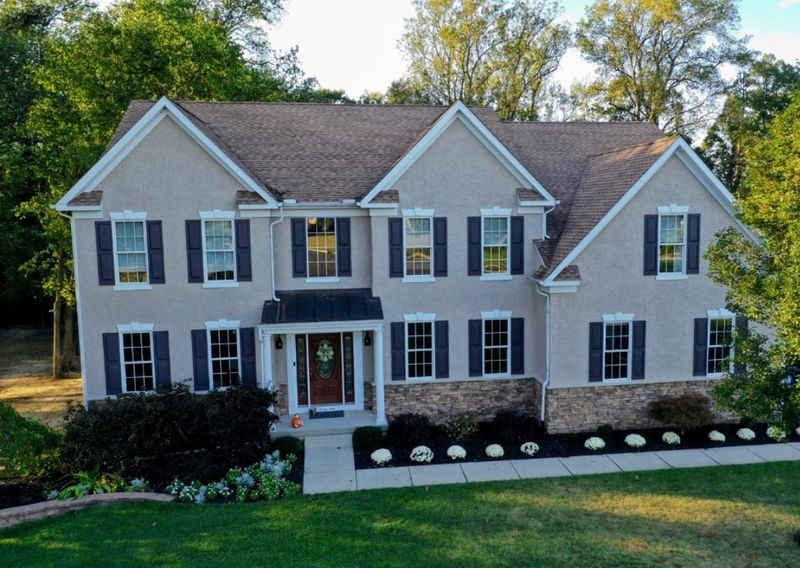
Antique hunting feels less like a hobby and more like the local sport in this Gloucester County village. Main Street is packed with historic buildings, and many of the shops selling vintage furniture, collectibles, architectural pieces, and wonderfully odd objects occupy structures old enough to count as antiques themselves.
The town’s historic district includes scores of buildings dating from the 18th, 19th, and early 20th centuries, giving Mullica Hill an unusually intact streetscape. The Old Mill Antique Mall is the obvious place to start.
Housed in a mill that predates the Revolutionary War, it offers multiple floors of browsing and is not the sort of place you should enter with a tightly managed 20-minute schedule.
You might come looking for an old kitchen table and leave seriously considering a framed map, a brass lamp, or an object whose original purpose nobody can confidently explain.
Outside, keep walking. Historic houses, churches, storefronts, cafés, galleries, and boutiques continue around Main Street, while farmland begins not far beyond the village.
Seasonal antique events and fall festivities draw bigger crowds, but ordinary weekends have their own appeal because the buildings get to do more of the talking. Mullica Hill rewards curiosity more than efficiency.
Give yourself a couple of hours, poke into every creaky shop that looks promising, and leave some space in the trunk. There is a decent chance you will need it.
6. Allentown
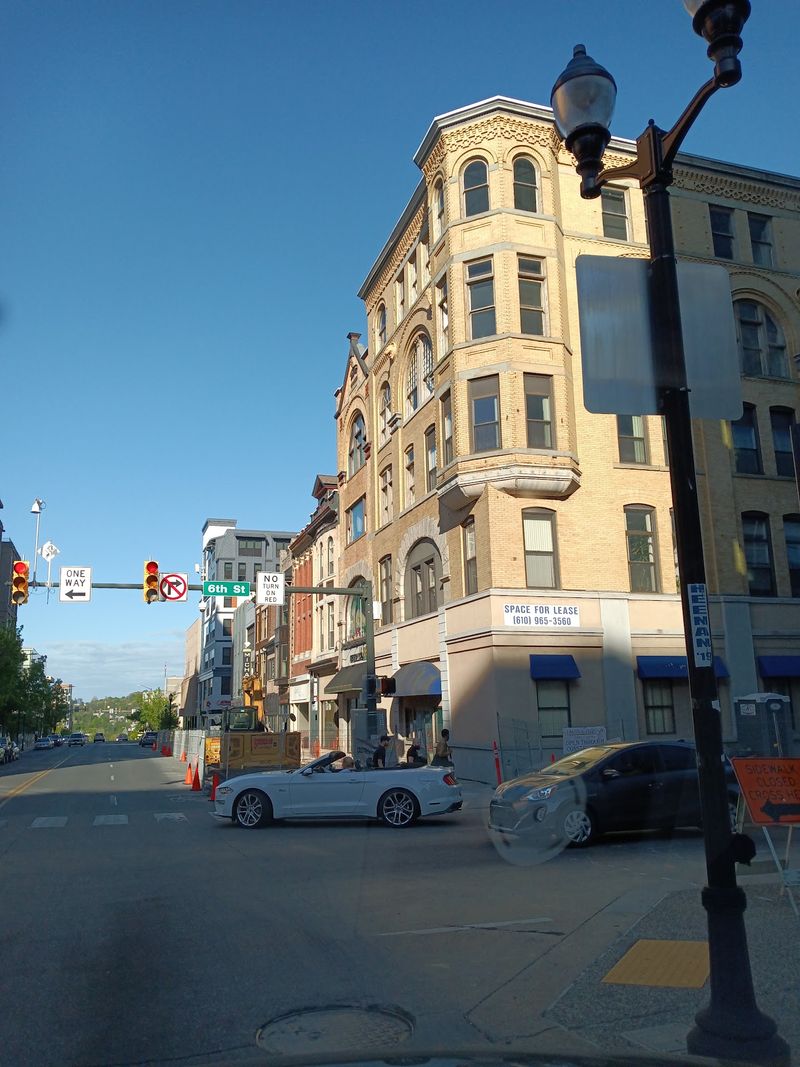
A coffeehouse inside an old gristmill tells you almost everything you need to know about this Monmouth County town.
The restored mill on South Main Street now gives visitors a place to grab coffee while surrounded by the bones of a building from an earlier era, which is a pretty good introduction to how Allentown handles history: keep the old structures, then keep using them.
Step outside and that approach continues block after block. The historic district contains hundreds of older homes and commercial buildings, many dating back well into the 19th century, so the charm comes less from one headline attraction than from seeing period architecture woven into daily life.
Main Street is compact enough to explore without a plan. Browse the small businesses, wander toward the parks, and make your way to Conines Millpond when you want a quieter view.
The countryside around town is just as important to the experience. Nearby roads pass open fields, farms, and old agricultural landscapes that make Allentown feel surprisingly removed from New Jersey’s denser corridors.
Festival weekends bring a very different version of town, with food, vendors, music, and crowds filling the streets, while an ordinary weekday or Sunday morning feels considerably more relaxed. Either approach works.
Start at the mill, get something warm to drink, and walk from there. Allentown is small enough that building an elaborate itinerary would almost defeat the purpose.
7. Hope
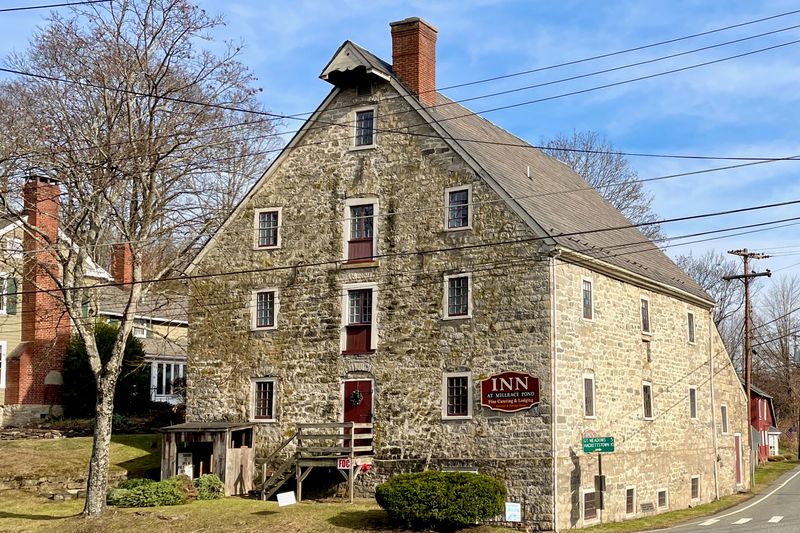
The surprise here is stone. Hope’s historic center preserves a group of limestone buildings connected to the Moravians, the Protestant community that established the village in the 18th century.
Those sturdy old structures give this Warren County township a noticeably different look from the clapboard Main Streets found elsewhere in rural New Jersey. This is not the kind of place where you arrive expecting boutique after boutique or a packed restaurant row.
The pleasure is in slowing down and looking at the village itself: the church, historic homes, former mill buildings, and practical architecture created by people building a community meant to last. The Long House is among the notable surviving structures from the early settlement period and helps show just how deep the town’s roots go.
Hope also has enough surrounding countryside to turn a short history stop into a full day. Jenny Jump State Forest offers wooded hiking trails and overlooks, while families can head in an entirely different direction at the Land of Make Believe, an old-school amusement and water park that has entertained generations of New Jersey kids.
That combination is part of what makes Hope memorable. You can spend the morning studying 18th-century stonework and the afternoon hearing children yell from a water slide.
Come for the old village first, then decide whether the day ends with hiking boots or a swimsuit.
8. Tuckerton
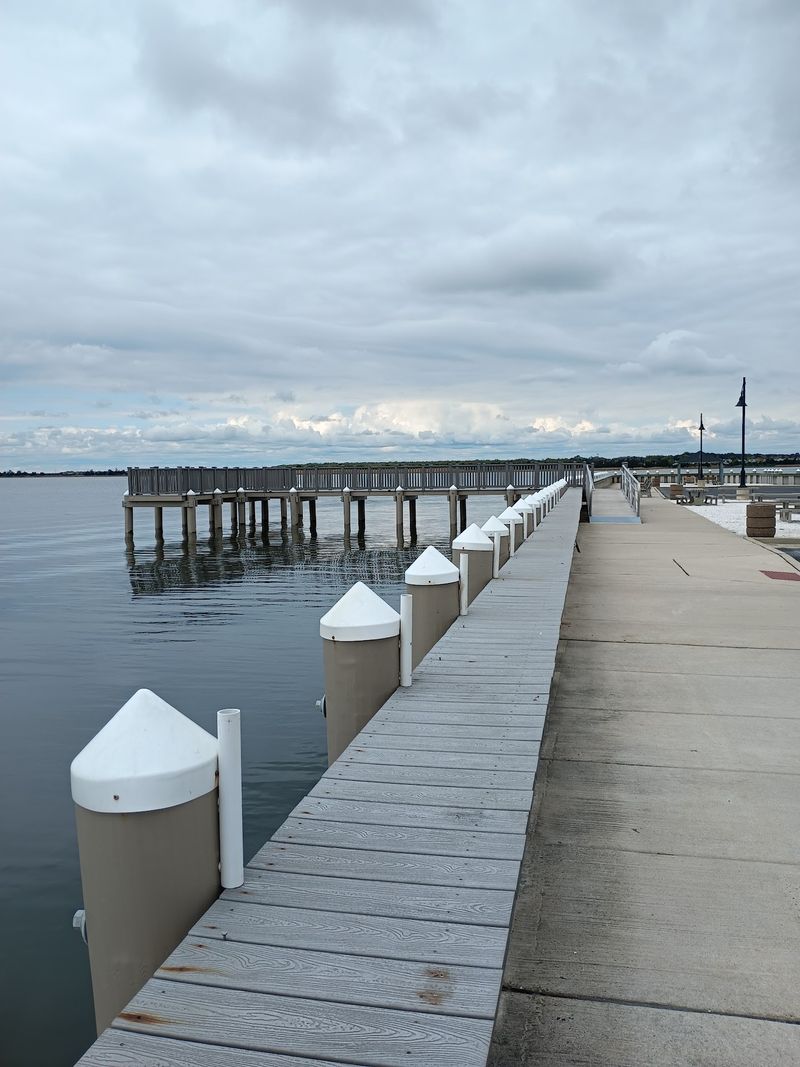
Salt marshes, wooden boats, decoys, and a creek leading toward Barnegat Bay give this Ocean County town a history that feels completely different from the farm villages farther inland.
Tuckerton grew around maritime work, and shipbuilding, fishing, coastal trade, and the nearby Pine Barrens shaped daily life long before beach vacations became the Jersey Shore’s defining image.
The best place to understand that world is Tuckerton Seaport, a waterfront cultural center spread across dozens of acres along Tuckerton Creek.
Historic and recreated buildings, boats, demonstrations, exhibits, and hands-on programs explore the lives of baymen, boat builders, decoy carvers, clammers, oystermen, and others who made their living from the water.
A long boardwalk threads through the property, so much of the experience happens outdoors rather than in conventional museum rooms. Seasonal boat tours can add another layer, letting visitors see the creek and surrounding wetlands from the water instead of simply reading about them.
Check schedules before making a special trip for a cruise, since operations can vary by season. Tuckerton is especially good for anyone who hears “historic New Jersey” and immediately thinks of Revolutionary battlefields and Victorian mansions.
Here, the past smells like marsh grass and saltwater. Walk the boardwalk slowly, look closely at the boats, and the Jersey Shore starts to look less like a vacation backdrop and more like the working landscape it once was.