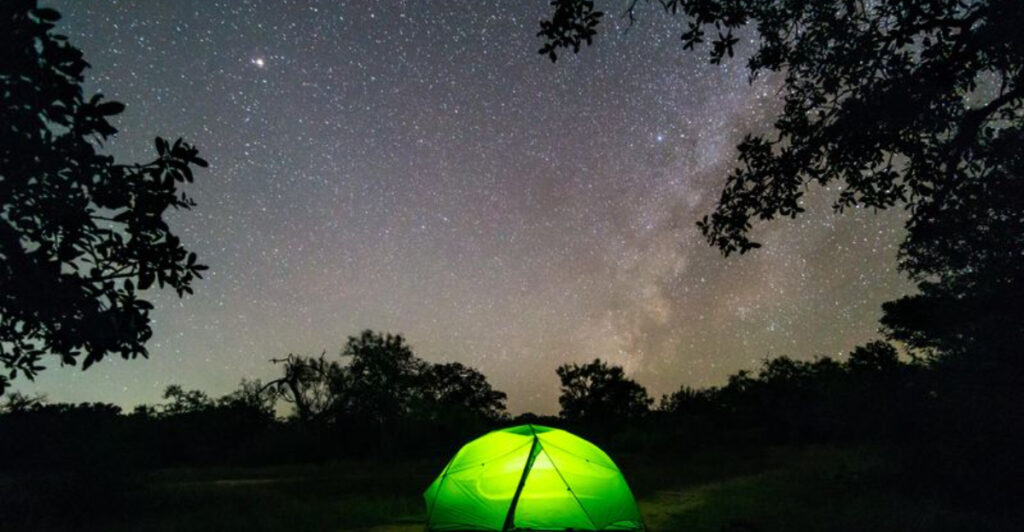
Texas has some of the darkest, clearest skies in the entire country, and that means stargazing here is nothing short of spectacular. When you escape the glow of city lights and head to one of our designated dark sky areas, you’ll see the Milky Way stretch across the sky like a river of light, constellations pop into view, and maybe even catch a shooting star or two. These protected parks and natural areas offer more than just incredible views of the cosmos—they’re gateways to understanding our place in the universe and reconnecting with the natural rhythms of day and night that our ancestors knew so well.
1. Enchanted Rock State Natural Area
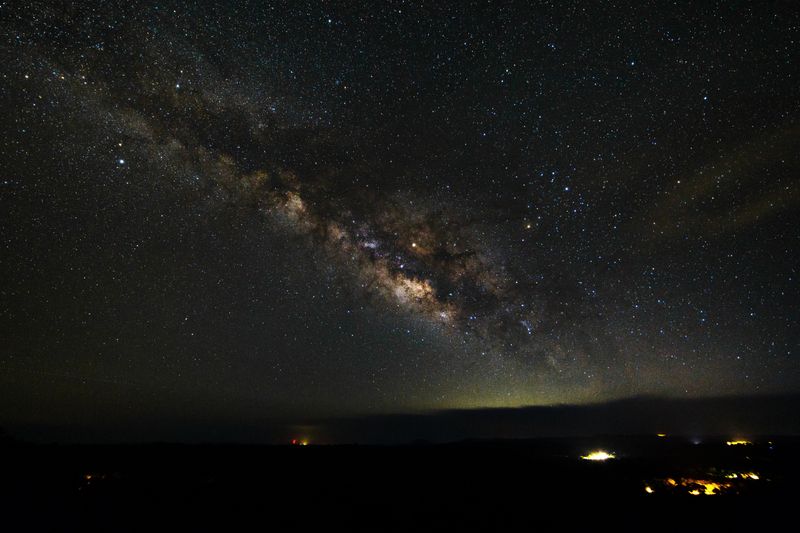
Picture a massive pink granite dome rising 425 feet above the Hill Country, and now imagine it bathed in starlight with the Milky Way arcing overhead. That’s Enchanted Rock after dark, and it’s every bit as magical as the name suggests. The rock itself has been drawing people for thousands of years, and once you see it under a blanket of stars, you’ll understand why ancient cultures considered it sacred.
Getting to the summit before sunset gives you the best seat in the house for the evening show. The hike up takes about an hour, and while it’s a bit of a workout, the smooth granite surface makes for easier climbing than you’d expect. Just bring a flashlight with a red filter so you don’t ruin everyone’s night vision on the way down.
What makes this spot extra special is how the granite seems to glow faintly under moonlight, creating an otherworldly atmosphere. On moonless nights, you can see thousands of stars that would be invisible in town. The park limits nighttime visitors to protect the experience, so reservations fill up fast during new moon phases.
Local legend says the rock makes creaking and groaning sounds at night as it cools down from the day’s heat. Scientists explain it as thermal expansion and contraction, but hearing those noises while surrounded by stars definitely adds to the enchantment. Spring and fall offer the most comfortable temperatures for night visits, though summer nights bring warm breezes and incredible meteor shower viewing.
Winter can get chilly up on that exposed dome, so layer up and bring blankets for extended stargazing sessions.
2. Devils River State Natural Area
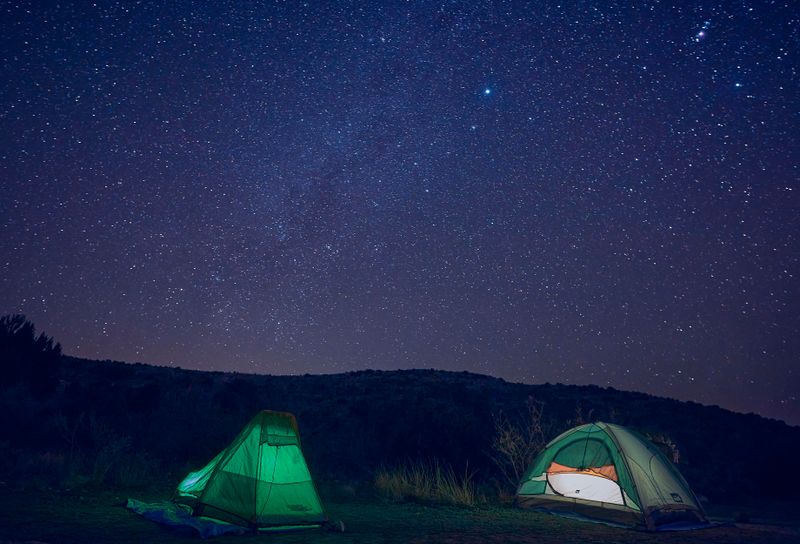
Way out in Val Verde County, where civilization feels like a distant memory, Devils River cuts through some of the most remote country in Texas. This isn’t your average park visit—getting here requires commitment, either a long drive down ranch roads or paddling in by canoe. But that extreme remoteness is exactly what makes the night sky here so phenomenally dark.
The river canyon creates natural walls that block any stray light pollution, turning this place into a cosmic amphitheater. When you camp along the riverbanks and look up, you’re seeing the sky much like pioneers and Native Americans saw it centuries ago. No streetlights, no highway glow, no airplane trails—just pure, unadulterated darkness punctuated by brilliant starlight.
Because access is limited and reservations are required, you’ll often have miles of river to yourself. The sound of water flowing over limestone combines with the sight of stars reflecting on the surface to create an almost meditative experience. Photographers go absolutely wild here because the dark skies and clear air produce incredibly sharp images of the Milky Way.
Spring-fed waters keep the river cool year-round, making summer nights surprisingly pleasant despite the desert setting. You might hear coyotes calling in the distance or an owl hunting along the banks while you stargaze. The park requires a bit of self-sufficiency—pack everything in, pack everything out—but that wilderness experience is part of the appeal.
If you want to feel genuinely disconnected from the modern world and connected to the cosmos instead, this remote gem delivers in spades.
3. Big Bend Ranch State Park
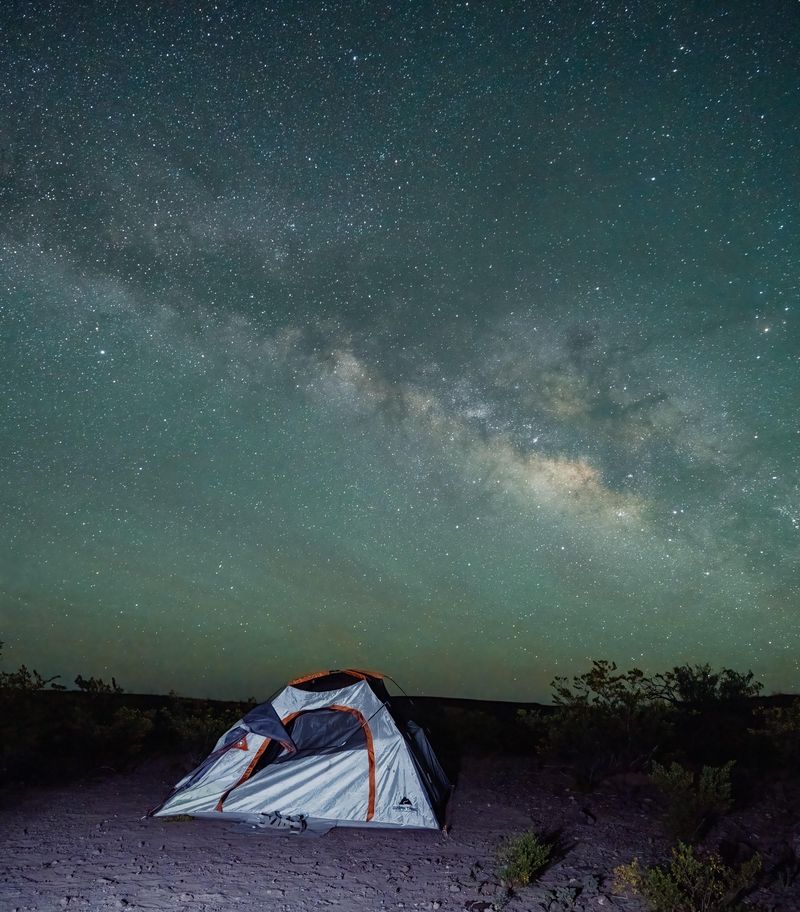
Stretching across 300,000 acres of Chihuahuan Desert, Big Bend Ranch is Texas’s largest state park and one of its darkest. This rugged landscape of volcanic rock, deep canyons, and desert mountains becomes absolutely surreal when the sun goes down and the stars come out. The park’s sheer size and remote location mean light pollution is virtually nonexistent.
Several primitive camping areas scattered throughout the park offer different perspectives on the night sky. Some sit in open desert where you get a full 360-degree view of the horizon, while others nestle in canyons where rock walls frame your view like a natural planetarium. Either way, you’re in for a show that’ll make you question why you ever lived in a city.
The park’s elevation changes create interesting atmospheric effects at night. Cool air sinks into valleys while warmer air rises, sometimes creating temperature inversions that make stars twinkle dramatically. On the clearest nights, you can see the zodiacal light—a faint glow along the ecliptic that’s only visible from truly dark locations.
Rangers occasionally offer night sky programs, bringing telescopes and expertise to help visitors identify planets, nebulae, and deep-sky objects. Even without a telescope, you can easily spot Jupiter’s moons with binoculars and watch satellites drift across the sky. The park’s desert climate means clear skies most of the year, though summer monsoons occasionally roll through with spectacular lightning shows.
Winter nights can drop below freezing, but bundling up under a sleeping bag while watching the stars is worth every shiver. Bring plenty of water, as desert air dehydrates you faster than you realize, even at night.
4. Copper Breaks State Park
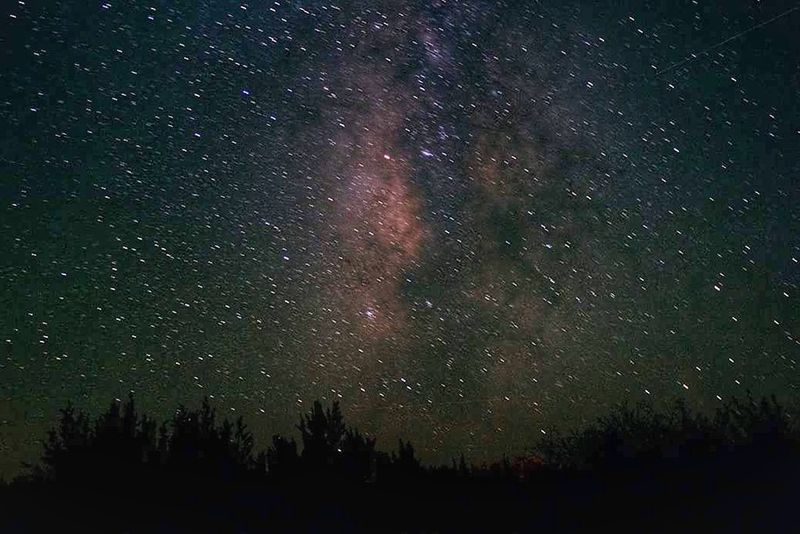
Up in the rugged country near Quanah, Copper Breaks earned official International Dark Sky Park status, making it one of only a handful of Texas parks with that prestigious designation. The red-hued rocks and canyons that give the park its name create dramatic silhouettes against the star-filled sky, especially when the rocks still hold the day’s warmth and you can feel heat radiating off them.
This park takes its dark sky status seriously, with special lighting fixtures throughout that point downward and use warm-colored bulbs to minimize sky glow. The result is a camping experience where your eyes can fully adjust to natural darkness, revealing layers of stars that most people never knew existed. On moonless nights, you can literally read by starlight alone once your eyes adapt.
The park’s amphitheater hosts regular star parties where amateur astronomers set up telescopes and share views of planets, star clusters, and distant galaxies with visitors. These events are fantastic for beginners because the volunteers are genuinely excited to explain what you’re seeing and help you navigate the night sky. You’ll leave knowing how to find the North Star and identify major constellations.
Copper Breaks sits in a transition zone between prairie and mesquite country, so the landscape has a unique character that’s different from other Texas parks. The official longhorn herd that roams the park sometimes grazes near camping areas at night, their silhouettes moving against the starry backdrop like something from an Old West painting. Fall brings comfortable temperatures and often the clearest skies, while spring can be windy but offers excellent wildflower displays during the day to complement your nighttime stargazing adventures.
5. McDonald Observatory and Davis Mountains
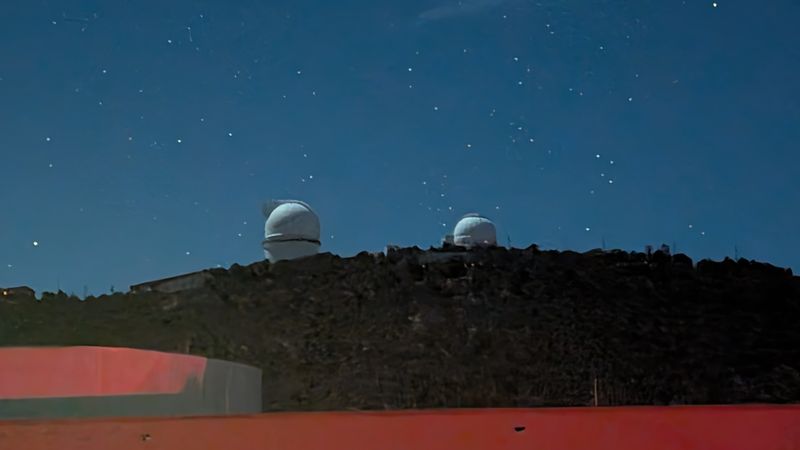
Perched high in the Davis Mountains at nearly 7,000 feet elevation, McDonald Observatory isn’t just a place to see the night sky—it’s where professional astronomers study it with some of the most powerful telescopes in the world. The surrounding mountains and the observatory’s presence have created a protected dark sky zone that’s absolutely world-class for stargazing.
The observatory offers public star parties several nights a week, where visitors can look through research-grade telescopes and learn from actual astronomers about what they’re studying. These aren’t your typical tourist programs; you’re getting real science presented in an accessible, exciting way. The enthusiasm of the staff is contagious, and you’ll find yourself genuinely fascinated by things like binary star systems and planetary nebulae.
Even if you don’t attend an official program, just being in the area means you’re under some of the darkest skies in Texas. The town of Fort Davis has lighting ordinances that protect the observatory’s work, so the entire region benefits from minimal light pollution. Drive up to the scenic overlook on Mount Locke and you’ll have an unobstructed view in every direction.
The high elevation means cooler temperatures year-round, which is wonderful for summer stargazing but requires warm layers in winter. Thin mountain air at this altitude also means less atmospheric interference, so stars appear sharper and brighter than at lower elevations. The dry climate ensures clear skies most nights, though afternoon thunderstorms can roll through during monsoon season.
Combining a daytime visit to Fort Davis National Historic Site with nighttime stargazing at the observatory makes for a perfect West Texas weekend that blends history with cosmic wonder.
6. Caprock Canyons State Park
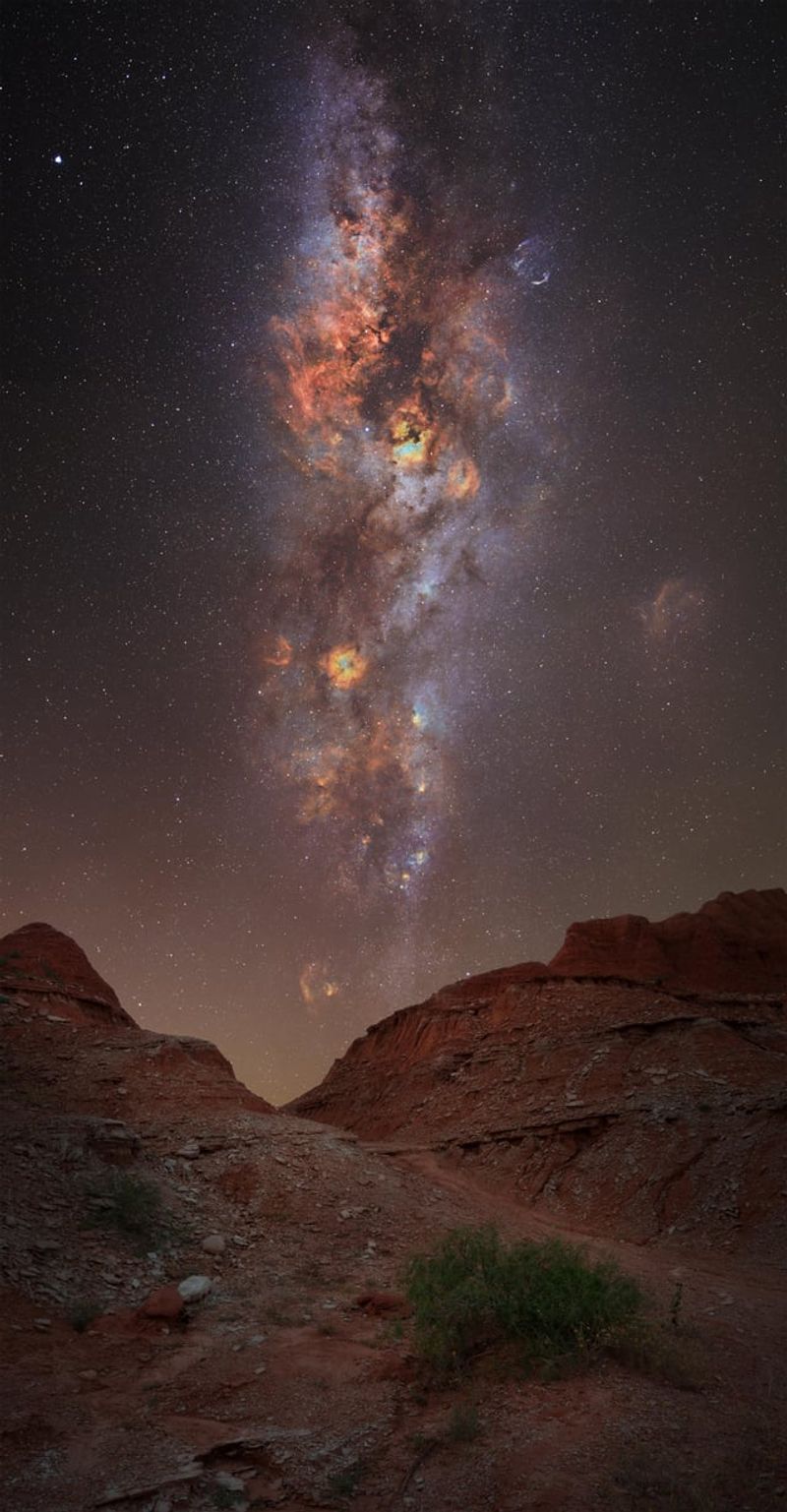
Hidden away in the Texas Panhandle, Caprock Canyons surprises first-time visitors with its dramatic red rock formations and deep canyons that seem to appear out of nowhere on the flat prairie. When night falls, those same formations create an incredible foreground for photographing the Milky Way, and if you’re lucky, you might catch the park’s bison herd silhouetted against the stars.
The park’s elevation and distance from major cities create exceptionally dark conditions. On clear nights, you can see the Andromeda Galaxy with the naked eye—it looks like a faint smudge, but knowing you’re seeing light that traveled 2.5 million years to reach your eyes is mind-blowing. Binoculars reveal even more detail in star clusters and nebulae.
Several trails are hikeable at night if you bring a good headlamp, though most visitors prefer to set up camp and stargaze from the comfort of their campsite. The canyon walls provide some wind protection, which is valuable in this often-breezy part of Texas. Some campsites sit right on the canyon rim, offering expansive views without any obstructions.
The official bison herd that lives in the park adds an element of wildness to the experience. Hearing them moving through the canyons at night while you’re watching the stars connects you to how this landscape existed before modern development. Rangers recommend keeping food secured because curious bison have been known to investigate campsites after dark.
Spring and fall offer the most comfortable temperatures, while summer nights can stay warm and winter brings crisp, cold air that makes stars seem to sparkle with extra intensity. The park’s relative obscurity means it never feels crowded, even during peak stargazing season around new moons.
7. Big Bend National Park
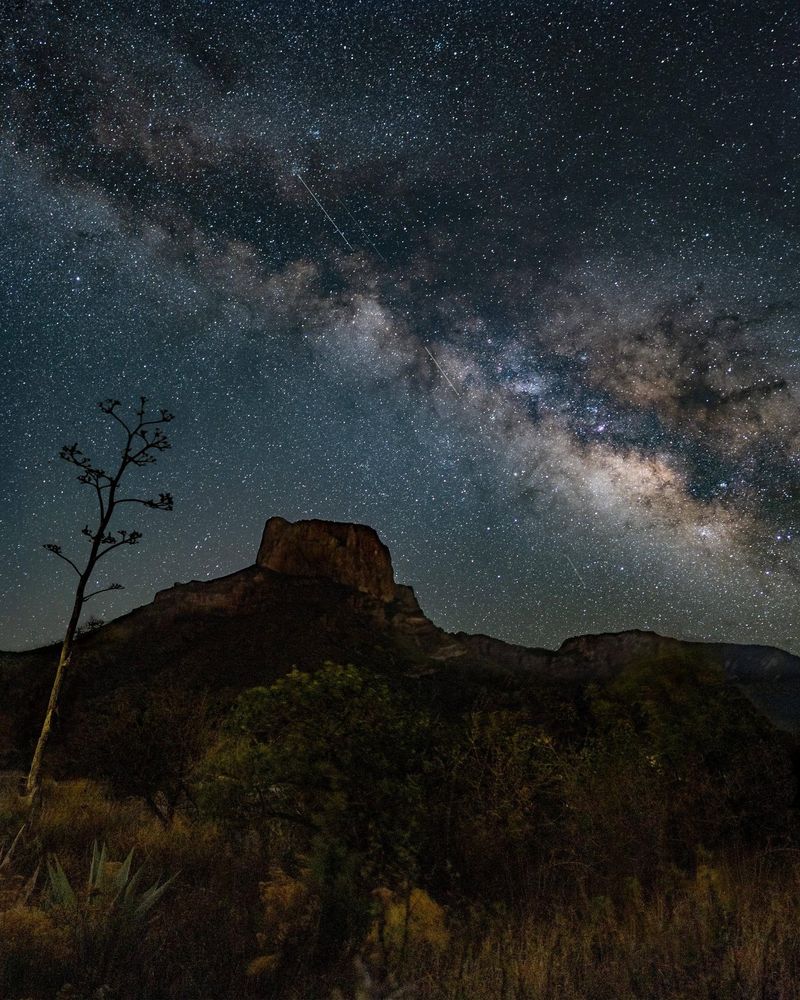
When people think of dark skies in Texas, Big Bend National Park usually comes to mind first, and for good reason. This 800,000-acre wilderness along the Rio Grande offers some of the darkest night skies in the entire United States. The park’s extreme remoteness—it’s a five-hour drive from the nearest city—means there’s virtually zero light pollution to interfere with your cosmic viewing.
Multiple camping areas throughout the park provide different stargazing experiences. The Chisos Basin sits in a natural bowl surrounded by mountains, creating an intimate setting where peaks frame the sky. Down by the river at Rio Grande Village, the desert opens up for expansive horizon-to-horizon views.
Primitive backcountry sites offer complete solitude under the stars if you’re willing to hike in.
The park’s diverse elevations create microclimates that affect nighttime conditions. Higher elevations in the Chisos Mountains can be 20 degrees cooler than the desert floor, so choose your camping spot based on your temperature preferences. Desert areas offer unobstructed views but can be hot in summer, while mountain sites provide cooling breezes and interesting silhouettes of rock formations against the stars.
Rangers lead occasional night sky programs, and the park has designated several official stargazing areas with informational signs about what you’re seeing. The international border location means you’re looking at stars from one of the least developed regions in North America. On exceptionally clear nights, you can see the Large Magellanic Cloud—a satellite galaxy of the Milky Way that’s only visible from southern latitudes.
Plan your visit around the new moon for the darkest skies, and give yourself several nights because even in this dry climate, occasional clouds can roll in unexpectedly.
8. Lost Maples State Natural Area
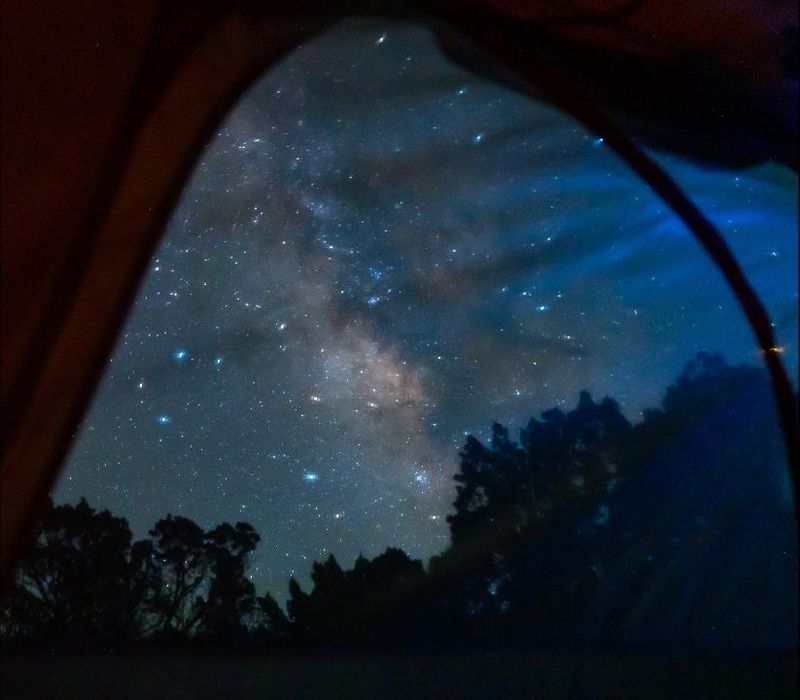
Famous for its fall foliage, Lost Maples becomes a completely different kind of spectacular after dark when visitors discover its remarkably dark skies. Tucked into a remote Hill Country canyon, this natural area benefits from its distance from major highways and cities, creating surprisingly pristine nighttime conditions for a park this close to San Antonio.
The maple trees that give the park its name create interesting shadows and silhouettes at night, especially during fall when their leaves are changing colors. Even under starlight, you can sometimes make out the different textures of foliage against the sky. The canyon setting provides natural amphitheater acoustics, so the sounds of nocturnal wildlife—owls hooting, insects chirping, water flowing—become part of the stargazing experience.
Because the park is famous for autumn colors, most visitors come during October and November, which happens to coincide with excellent stargazing weather. Cool, crisp nights with low humidity create exceptionally clear atmospheric conditions. The park limits overnight visitors to protect the natural environment, so campsites book up months in advance during peak fall season.
Creek-side campsites offer the soothing sound of flowing water while you stargaze, though sites on higher ground provide better horizon views. The park’s limestone geology creates interesting rock formations that glow faintly under moonlight, adding an ethereal quality to nighttime exploration. Spring brings wildflowers and comfortable temperatures, while summer nights can be warm but are less crowded.
Winter stargazing here is underrated—cold, clear nights produce incredibly sharp views of winter constellations like Orion, and you’ll likely have the park mostly to yourself. Just remember that Hill Country weather can change quickly, so pack layers regardless of the season.
Share this story