Texas might be famous for wide-open spaces and desert landscapes, but tucked away in hills, canyons, and state parks are some truly stunning waterfalls that most people never hear about. These hidden gems offer the perfect escape from city life, whether you want to cool off in natural pools, hike through shaded trails, or just enjoy the sound of rushing water. From the Hill Country to far West Texas and down to Big Bend, these waterfall spots are worth the drive and make for unforgettable day trips that show off a completely different side of the Lone Star State.
1. Hamilton Pool Preserve (Dripping Springs)
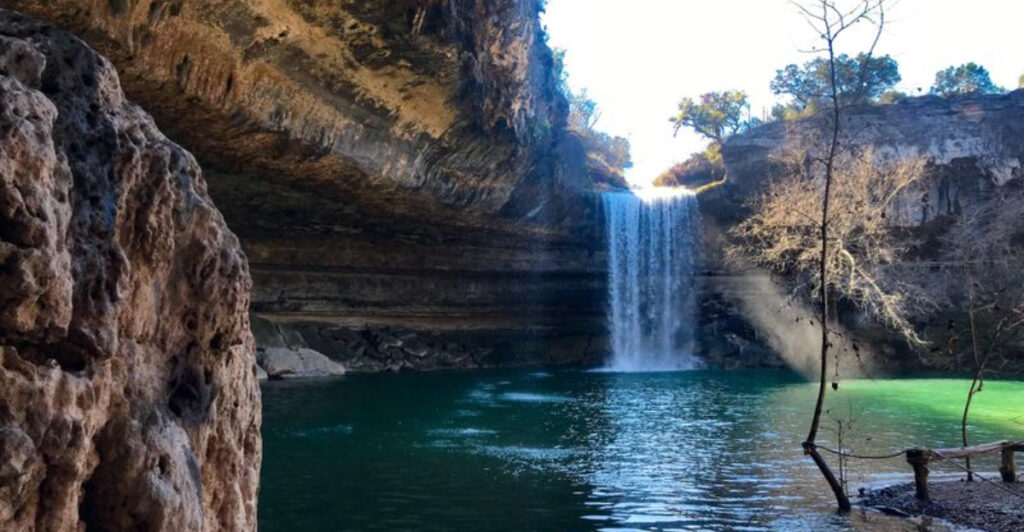
Hamilton Pool feels like something out of a fantasy movie. A 50-foot waterfall spills over a limestone overhang into a jade-green pool below, all tucked inside a collapsed grotto that formed thousands of years ago. The whole scene is framed by dripping moss, ferns clinging to canyon walls, and a canopy of cypress trees that keeps everything cool even on scorching summer days.
Getting there requires a reservation since this spot became so popular that the county had to limit daily visitors. Book online ahead of time, especially during peak season from March through October. The hike down to the pool is short but steep, winding through the preserve on a quarter-mile trail that’s mostly shaded.
Swimming is allowed when bacteria levels are safe, but that changes based on recent rains and testing. Even if the pool is closed for swimming, the view alone makes the trip worthwhile. Bring a picnic and claim one of the shaded spots near the creek upstream.
The preserve also has additional trails if you want to explore more of the area. Pedernales River runs through the property, and you can walk along its banks or check out the upland trails that wind through juniper and oak forests. Wildlife sightings are common, from golden-cheeked warblers to armadillos shuffling through the underbrush.
Plan to arrive early since parking fills up fast, and there’s no cell service once you’re in the preserve. Pack water, snacks, and a camera because this place is ridiculously photogenic. Hamilton Pool sits about 45 minutes west of Austin, making it an easy half-day adventure that feels worlds away from the city.
2. Chalk Ridge Falls (Belton)
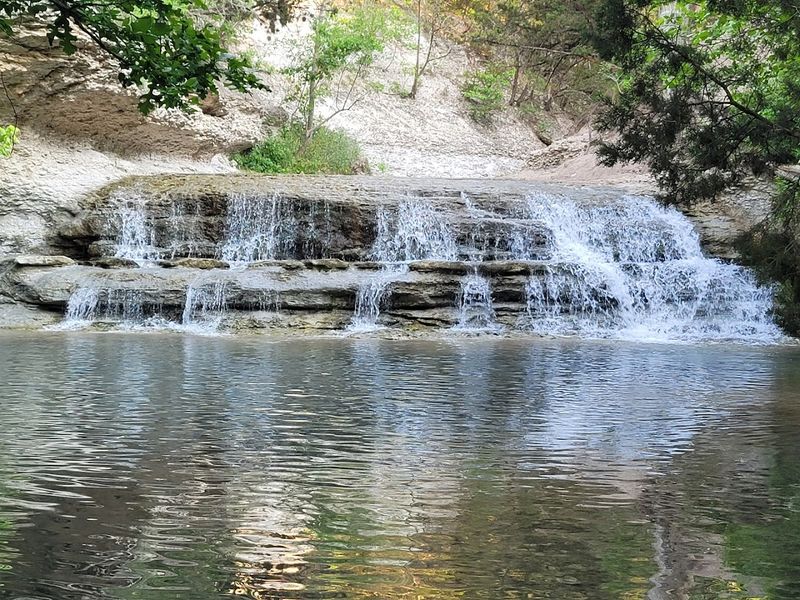
Not many people realize that Belton Lake hides one of Central Texas’s prettiest waterfall systems. Chalk Ridge Falls is actually a series of cascades that tumble down white limestone shelves, creating multiple pools and mini-waterfalls along Cowhouse Creek. The name comes from the chalky white rock that gives the whole area a bright, almost glowing appearance when the sun hits it right.
Access is through Cedar Ridge Park on the northwest side of Belton Lake. There’s a day-use fee for the park, but it’s minimal and gets you access to not just the falls but also lakefront areas, picnic spots, and hiking trails. The walk to the falls is easy and family-friendly, following a well-maintained path through shady woods.
Water flow here depends entirely on recent rainfall and lake levels. After a good rain, the falls roar to life with impressive volume. During drier stretches, it becomes more of a gentle trickle, but the rock formations and pools remain beautiful regardless.
Bring water shoes if you plan to explore the creek bed and pools. The limestone can be slippery, and having good grip makes scrambling around much safer and more fun. Kids love hopping from rock to rock and wading in the shallow pools.
The park also offers camping if you want to extend your visit into a weekend trip. Sites are equipped with water and electric hookups, and you’re just a short walk from the falls. Spring and fall are ideal times to visit when temperatures are mild and wildflowers bloom along the trails.
Located just off Highway 317, Chalk Ridge Falls makes an excellent detour if you’re already exploring the Belton area or heading between Austin and Waco.
3. Capote Falls (Presidio County)
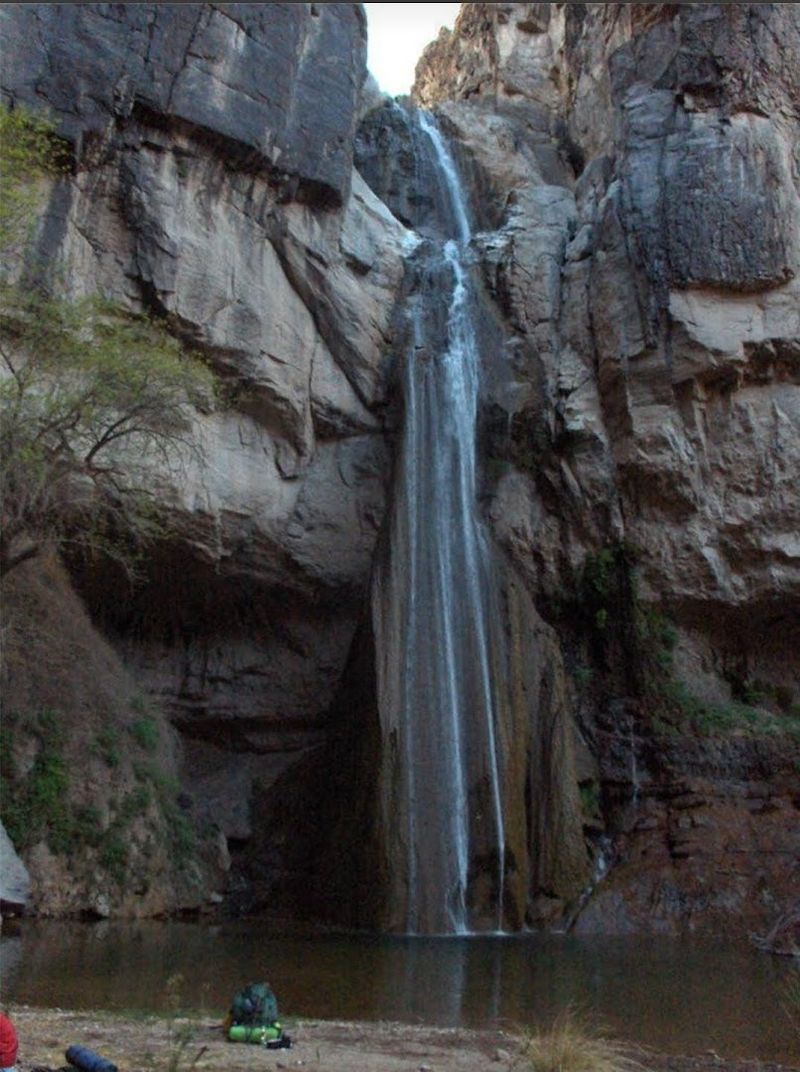
Way out in the Big Bend region, where Texas gets wild and remote, Capote Falls drops 150 feet into a rugged canyon that few people ever see. This is the tallest waterfall in Texas, and getting there is an adventure in itself. Located on private ranch land near the tiny community of Candelaria, access requires permission and often a guide since there are no marked trails or visitor facilities.
The falls only flow after significant rainfall, which doesn’t happen often in this desert climate. When they do flow, it’s spectacular—a powerful column of water plunging off a cliff into a rocky basin surrounded by nothing but raw West Texas wilderness. The canyon walls are layered with ancient rock formations, and the isolation makes the experience feel almost otherworldly.
Reaching Capote Falls typically involves a multi-hour hike across rough terrain with serious elevation changes. This isn’t a casual day trip for beginners. You’ll need sturdy boots, plenty of water, sun protection, and ideally someone who knows the route.
Some local outfitters offer guided trips that include transportation and expertise navigating the private land.
Cell service is nonexistent out here, and the nearest town with services is over an hour away. That remoteness is part of the appeal for adventurous souls seeking true solitude. The surrounding landscape is stunning year-round, with desert flora, dramatic rock formations, and views that stretch for miles.
Timing a visit requires checking recent weather and confirming land access. Some ranchers allow hikers through with advance permission, while others restrict access entirely. If you do make it, you’ll have earned bragging rights for seeing something most Texans don’t even know exists.
This is bucket-list territory for serious hikers and waterfall chasers willing to go the extra mile—literally.
4. Blanco Falls (Blanco State Park)
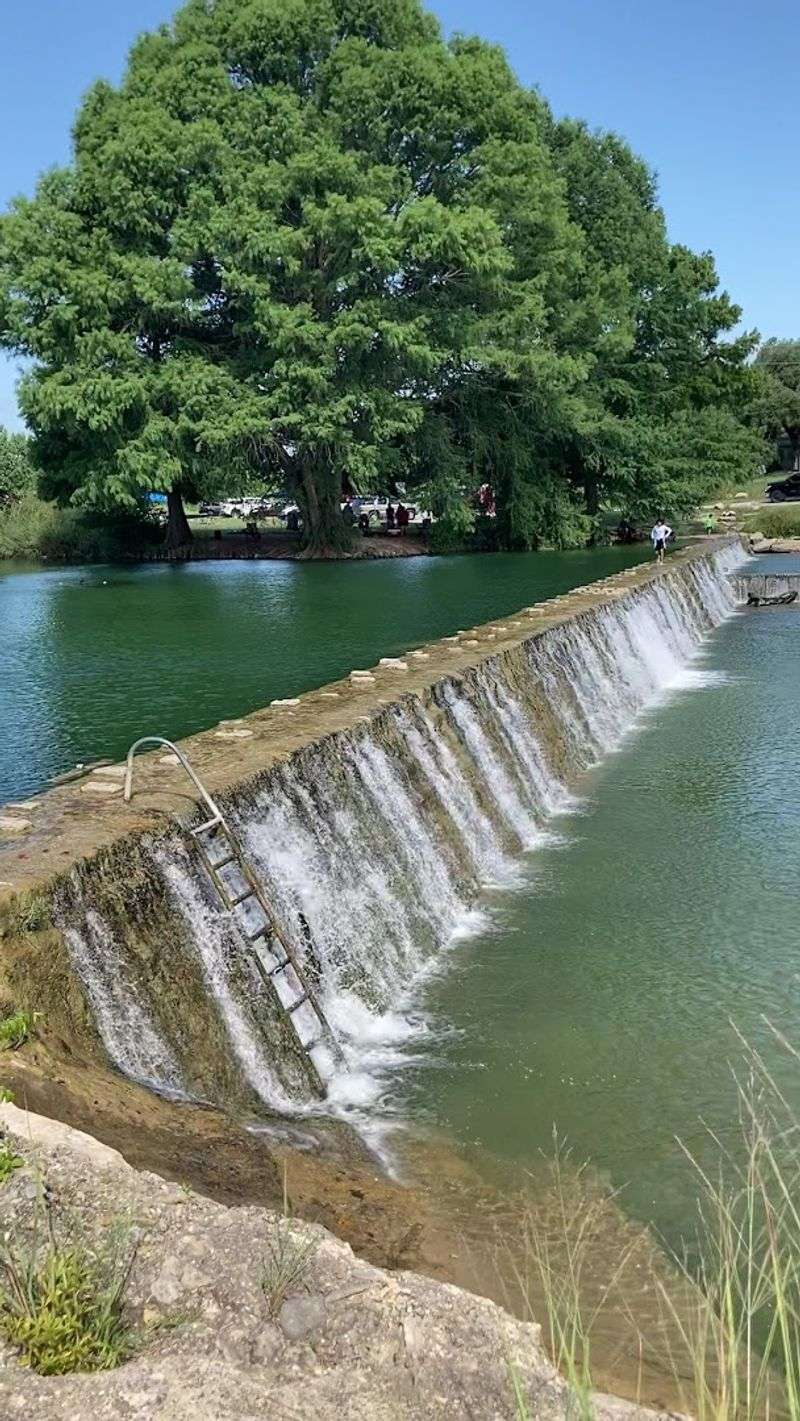
Right in the heart of Blanco sits a state park that locals have loved for generations. Blanco Falls isn’t towering or dramatic, but what it lacks in height it makes up for in charm and accessibility. The Blanco River flows over a series of limestone ledges here, creating gentle cascades and crystal-clear pools perfect for wading and cooling off on hot Texas days.
The park itself is compact and easy to navigate, making it ideal for families with young kids or anyone wanting a low-key outdoor experience. Massive cypress trees line the riverbanks, providing plenty of shade for picnicking or just lounging with a book. The water is usually calm enough for tubing, though levels vary depending on recent rains.
There’s a small day-use fee to enter the park, and amenities include picnic tables, grills, restrooms, and a playground. Camping is available too, with both tent sites and spots that can accommodate RVs. Staying overnight means you can enjoy the river at dawn when it’s peaceful and the light is perfect.
Fishing is popular here, with the river holding bass, catfish, and perch. You’ll need a Texas fishing license, but the relaxed setting makes it a great spot to teach kids how to cast or just enjoy some quiet time by the water. The falls themselves are best viewed from the rocks along the river’s edge.
Blanco is a charming small town worth exploring before or after your park visit. Local shops, antique stores, and cafes line the historic square, and there are several wineries and distilleries nearby if you want to extend the day trip. The park sits right off Highway 281, making it super convenient if you’re traveling between San Antonio and the Hill Country.
5. Cattail Falls (Big Bend National Park)
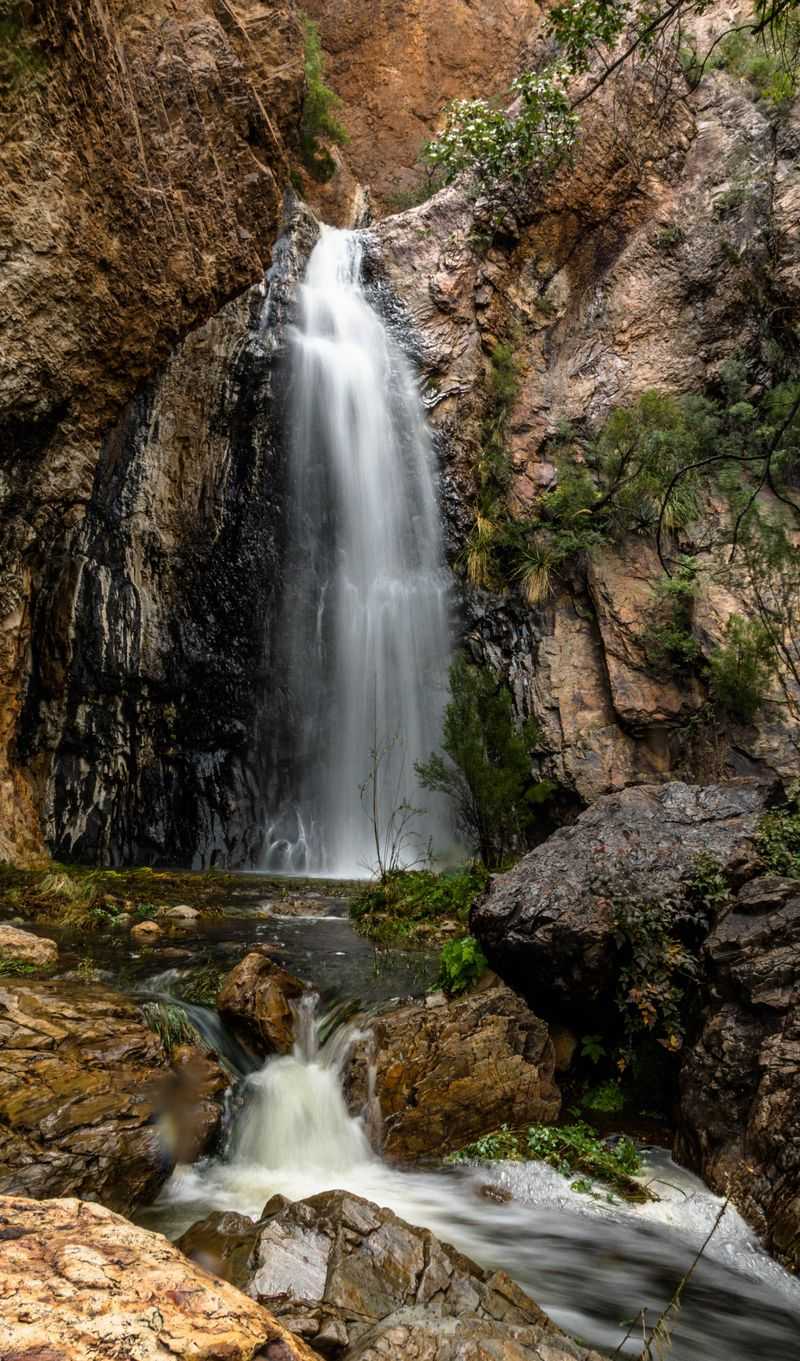
Hidden deep in Big Bend’s Chisos Mountains, Cattail Falls is one of those magical spots that rewards hikers willing to work for it. This isn’t an easy stroll—the trail is roughly 3 miles round trip with significant elevation gain and requires scrambling over boulders and navigating a narrow canyon. But when you finally reach the falls, you’re greeted with a genuine desert oasis complete with lush vegetation and a small pool fed by a spring.
The falls flow year-round thanks to the spring, though the volume varies. During wetter periods, water cascades down a rock face into the pool below. Even in dry times, there’s usually at least a trickle, and the pool remains a welcome sight after the hot, dusty hike in.
Start early in the morning to avoid the worst heat, especially if you’re visiting in summer when temperatures can be brutal. Bring more water than you think you’ll need—at least two liters per person—and wear sturdy hiking boots with good ankle support. The trail involves rock hopping and some tricky footing, so sandals or flimsy shoes won’t cut it.
Wildlife is abundant in this area. Keep an eye out for desert bighorn sheep, javelinas, and a variety of birds. The canyon itself is beautiful, with towering rock walls and unique desert plants clinging to seemingly impossible spots.
Photography opportunities are endless, from sweeping canyon views to intimate shots of the waterfall and pool.
Big Bend is remote, so plan accordingly. The nearest town with full services is Alpine, over an hour away. Stock up on supplies before entering the park, and be prepared for limited cell coverage.
Cattail Falls makes an excellent addition to a multi-day Big Bend adventure, offering a completely different environment from the park’s more famous desert vistas.
6. Krause Springs (Spicewood)
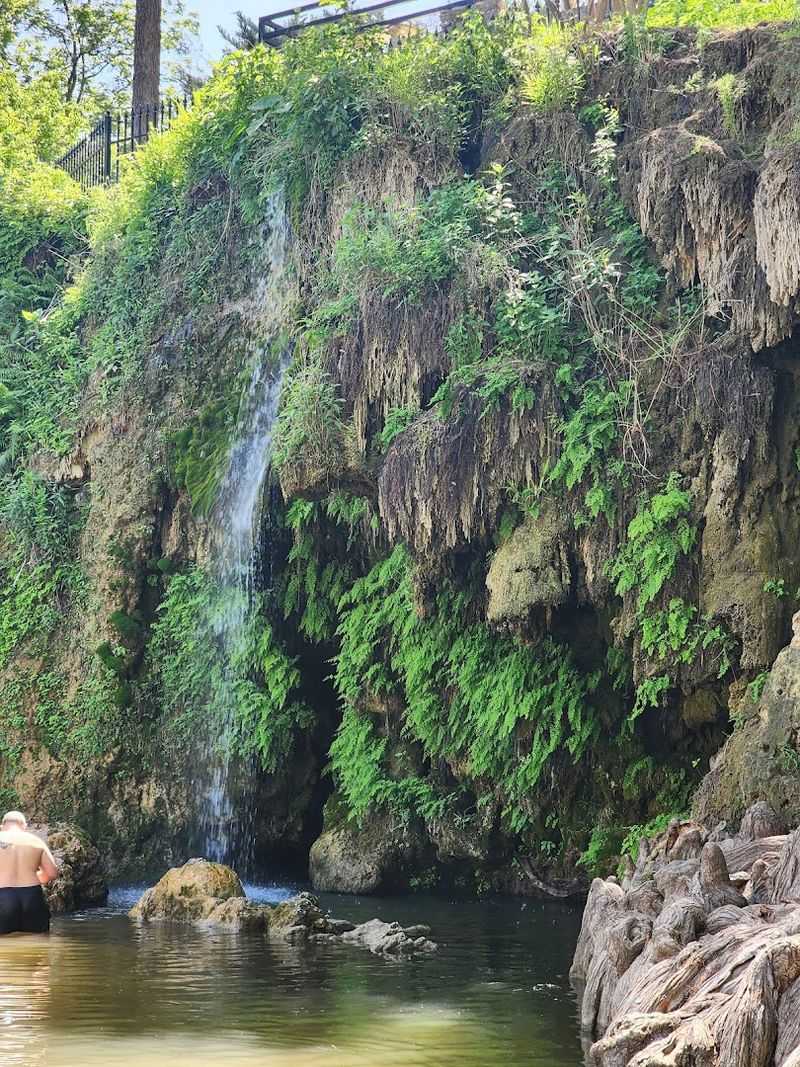
Krause Springs is basically a Hill Country paradise that’s been family-owned and lovingly maintained for decades. Multiple natural springs feed a series of pools and small waterfalls on this private property, creating the perfect setup for a full day of swimming, relaxing, and exploring. The main attraction is a gorgeous swimming hole with a small waterfall cascading into crystal-clear water that stays cool year-round.
What makes Krause Springs special is the combination of natural beauty and thoughtful amenities. There are wooden platforms and decks built around the pools, rope swings hanging from massive cypress trees, and plenty of shaded areas to set up camp for the day. The property also features camping spots if you want to stay overnight, from tent sites to RV hookups.
The springs maintain a constant temperature in the low 70s, which feels refreshing in summer and surprisingly pleasant even in cooler months. Water is incredibly clear, allowing you to see straight to the bottom. Families love this place because there are shallow areas for little kids and deeper pools for stronger swimmers.
There’s a day-use fee per person, and the property can get crowded on weekends during peak season. Weekdays or early arrivals give you the best chance of snagging a prime spot near the water. Bring food and drinks since there’s no on-site concession stand, though coolers and picnic supplies are welcome.
The surrounding landscape is quintessential Hill Country, with limestone cliffs, towering trees, and lush vegetation fed by the constant water source. Butterflies and dragonflies flit around the pools, and you might spot turtles sunning themselves on rocks. It’s the kind of place where you can easily spend six or seven hours without getting bored.
Located between Austin and Marble Falls, Krause Springs is close enough for a spontaneous day trip but feels like a hidden retreat once you’re there.
7. Pedernales Falls State Park (Johnson City Area)
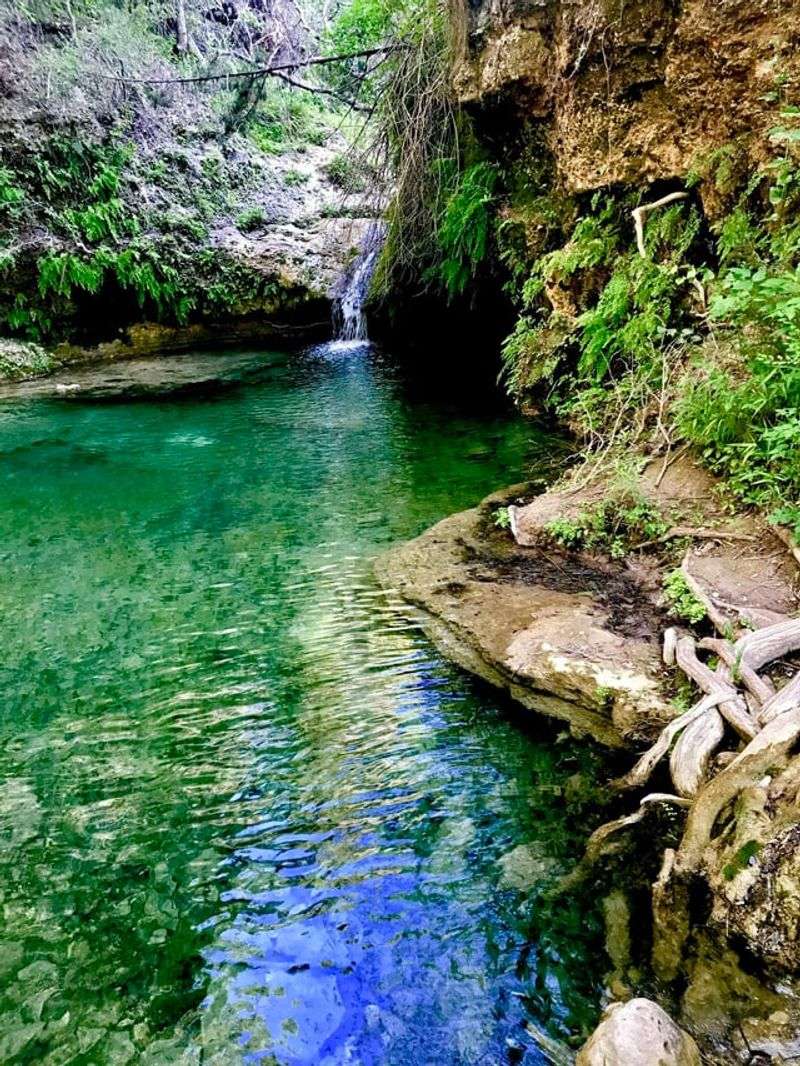
Rather than a single dramatic drop, the Pedernales River flows over stepped limestone slabs in a series of cascades and rapids that can span several hundred feet during high water. The result is a stunning display of water rushing over layered rock formations that look almost sculpted.
The state park offers excellent viewing areas and hiking trails that let you experience the falls from multiple angles. A short palk from the parking area leads to overlooks where you can take in the full scope of the cascades. For a closer look, follow trails down to the riverbed itself where you can walk on the exposed limestone during low water.
Swimming is prohibited near the falls due to dangerous currents and underwater hazards, but there are designated swimming areas elsewhere in the park. The river can rise suddenly and dramatically after rains upstream, so always check conditions and heed warning signs. Flash floods are a real concern here, and people have been swept away by ignoring safety warnings.
Beyond the falls, the park offers over 20 miles of hiking and mountain biking trails through Hill Country terrain. Wildlife viewing is excellent, with white-tailed deer, armadillos, and numerous bird species commonly spotted. Spring brings wildflowers that blanket the hillsides in color.
Camping facilities range from primitive sites to those with water and electric hookups. There are also group facilities and a day-use area with picnic tables and restrooms. The park sits about an hour west of Austin near Johnson City, making it an easy getaway.
Entrance fees are standard for Texas state parks, and the facilities are well-maintained. Fall and spring offer the most comfortable weather, though the falls are most impressive after heavy rains when the river is running high.
8. Gorman Falls (Colorado Bend State Park)
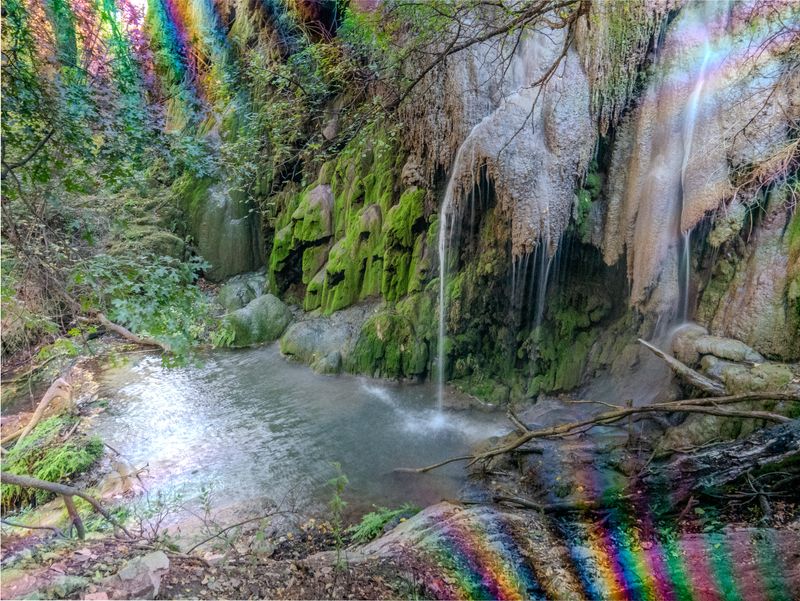
Gorman Falls is hands-down one of the most beautiful waterfalls in Texas, and seeing it requires some effort that keeps crowds manageable. This 60-foot travertine waterfall is draped in emerald moss, ferns, and vegetation that thrive in the constant mist. Water flows year-round from springs above, creating a living wall of green that contrasts dramatically with the surrounding limestone canyon.
Getting to Gorman Falls involves a challenging 3-mile hike each way through Colorado Bend State Park’s rugged terrain. The trail includes steep sections, river crossings, and rocky paths that demand good fitness and proper footwear. Park rangers lead guided hikes on weekends that provide interesting information about the geology and ecology, and following a guide ensures you don’t get lost.
The hike is worth every step. When you finally round the bend and see the falls, the sight is breathtaking. The travertine formations are created by minerals in the water depositing over time, building up the unique terraced structure.
The constant moisture supports plants that wouldn’t normally survive in this climate, creating a microhabitat that’s completely different from the surrounding dry landscape.
Swimming isn’t allowed at the falls to protect the delicate ecosystem, but you can cool off in the Colorado River elsewhere in the park. Bring plenty of water for the hike, wear sun protection, and start early to avoid the hottest part of the day. The trail can be muddy after rains, and river crossings may be impassable during high water.
Colorado Bend State Park is remote, located about two hours northwest of Austin near Lampasas. There’s primitive camping available, and the park also features caves you can tour with reservations. Cell service is limited to nonexistent, so download maps ahead of time and let someone know your plans.
The park feels wonderfully undeveloped compared to more popular destinations, offering a true backcountry experience.
9. Westcave Preserve Waterfall (Round Mountain)
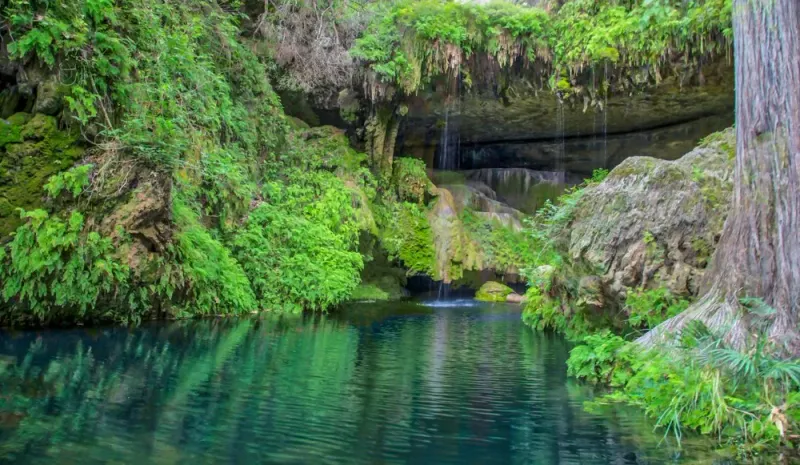
Tucked within a lush canyon, Westcave Preserve features a breathtaking waterfall hidden inside a striking collapsed grotto. The 40-foot waterfall spills into an emerald pool surrounded by maidenhair ferns, moss-covered walls, and a canopy of trees that create a cool, humid microclimate. It feels almost tropical, which is remarkable considering you’re in the Texas Hill Country.
Access to the waterfall is only available through guided tours that run on weekends. The preserve limits visitor numbers to protect the fragile environment, so tours fill up quickly during peak season. Reservations are strongly recommended, and there’s a small fee per person.
Tours last about 90 minutes and include a steep descent into the canyon on a quarter-mile trail.
The guided format might seem restrictive, but it actually enhances the experience. Knowledgeable guides share fascinating details about the geology, plants, and wildlife that make this place special. You’ll learn about the unique species that thrive here and the conservation efforts that keep the preserve pristine.
The small group sizes mean you can ask questions and really absorb the information.
Photography is allowed, and the lighting inside the grotto can be magical, especially during midday when sun filters through the opening above. The trail includes stairs and can be slippery, so wear shoes with good traction. The preserve also has upland trails you can explore on your own before or after the guided canyon tour.
Westcave sits about 45 minutes west of Austin near Hamilton Pool, and many people visit both in the same day. The preserve is nonprofit and relies on donations and tour fees for operation, so your visit directly supports conservation work. It’s a wonderful example of how limited access can preserve natural beauty while still allowing people to experience it.
The combination of education and stunning scenery makes this one of the most rewarding waterfall visits in Texas.
Share this story