A lighthouse stairwell feels different when the ocean wind starts pressing against the windows. So does an old prison cell, a Revolutionary War battlefield, or a narrow road with trees leaning in like they know something you do not.
New Jersey is full of places that are perfectly fascinating in daylight, then suddenly feel like they are auditioning for a ghost story once the sky goes purple.
That is part of the fun, of course. These spots are not just “creepy” because someone slapped a spooky label on them.
They have history, isolation, old architecture, strange local lore, and the kind of quiet that makes every twig snap sound personal. Some are proper museums with tours and exhibits.
Others are roads or landscapes where the setting does most of the work. Visit respectfully, mind the rules, and maybe bring the friend who pretends they are not scared.
1. Burlington County Prison Museum – Mount Holly
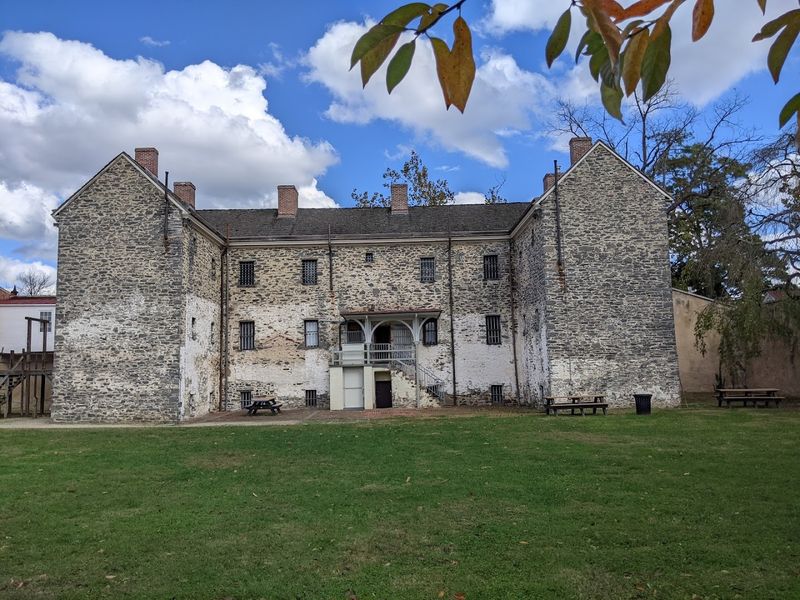
The heavy stone walls are the first clue that this place was built to keep people in, not welcome visitors with a cute little gift shop. Completed in 1811, the Burlington County Prison in Mount Holly is one of those historic buildings where the architecture is impressive until you remember what it was actually used for.
The vaulted ceilings, narrow cells, old ironwork, and thick masonry make the whole place feel severe, even before anyone starts talking about ghost stories. During the day, it is a solid history stop for anyone interested in early prison design, criminal justice, or old New Jersey architecture.
It was designed by Robert Mills, who later became known for major American landmarks, and it remained in use well into the 20th century. That alone gives it more than enough real history to make the building feel heavy.
After dark, though, the mood shifts. The cellblocks seem tighter.
The silence lands harder. Paranormal investigators and curious locals have long been drawn to it, and the museum sometimes leans into that reputation with seasonal ghost-themed programming.
Regular admission is usually inexpensive, and it sits right in historic Mount Holly, so it is easy to pair with a downtown walk. Just do the prison first.
Dessert tastes better when you are not still thinking about solitary confinement.
2. The Pine Barrens – South Jersey
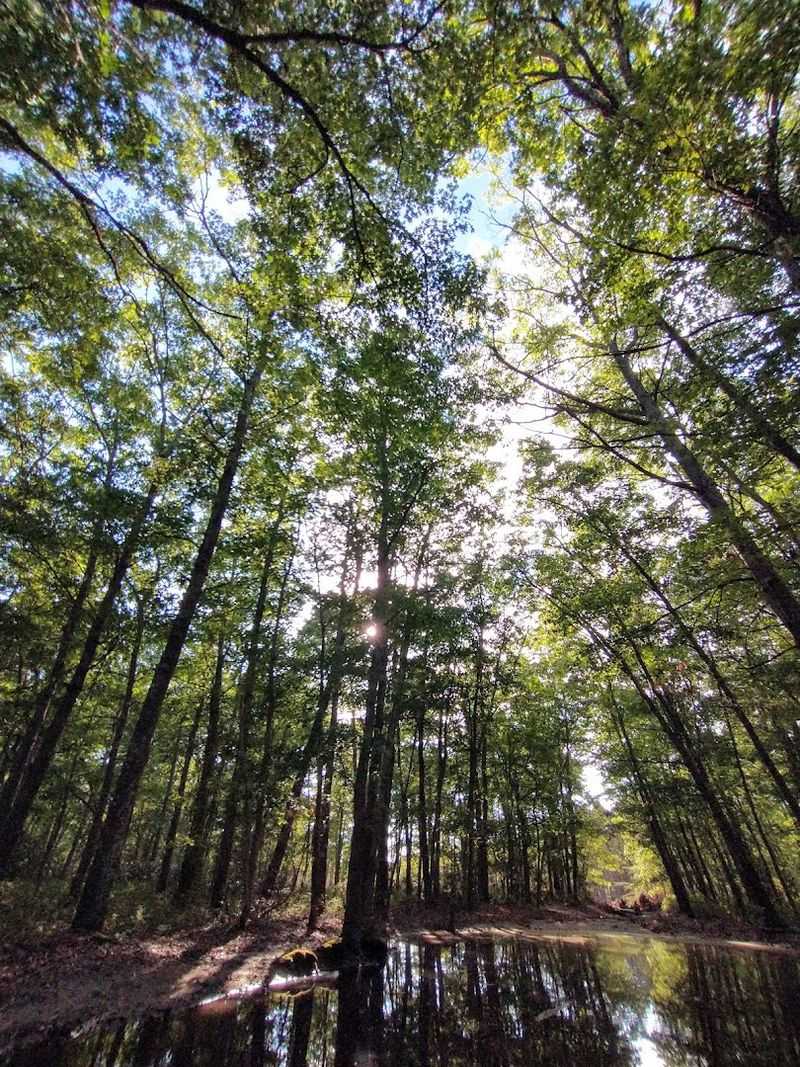
Even in broad daylight, the Pine Barrens can make you feel like you have wandered into a different state entirely. One minute you are in New Jersey traffic, and the next you are surrounded by pitch pines, sandy roads, cedar water, cranberry bogs, and long stretches where the woods seem to swallow sound.
The region covers a massive portion of South Jersey, and that scale is a big part of why it feels so eerie. There is always more forest beyond the forest.
This is the home turf of the Jersey Devil legend, but the Pine Barrens do not need a winged creature to feel unsettling. The real atmosphere comes from the isolation, the unusual ecology, and the old villages, ruins, and forgotten-looking roads that appear between the trees.
During the day, it is a beautiful place for hiking, paddling, photography, and learning how strange and fragile New Jersey’s landscape can be. At sunset, the same beauty gets a little suspicious.
The tea-colored streams darken, the pines turn into silhouettes, and every animal noise suddenly sounds like it deserves an explanation. Visitors should stick to marked trails, bring bug spray, check maps ahead of time, and respect private property, since the Pinelands include both public and private land.
Go for the nature, stay for the folklore, and leave before your imagination starts doing unpaid overtime.
3. Seabrook-Wilson House / The Spy House – Port Monmouth
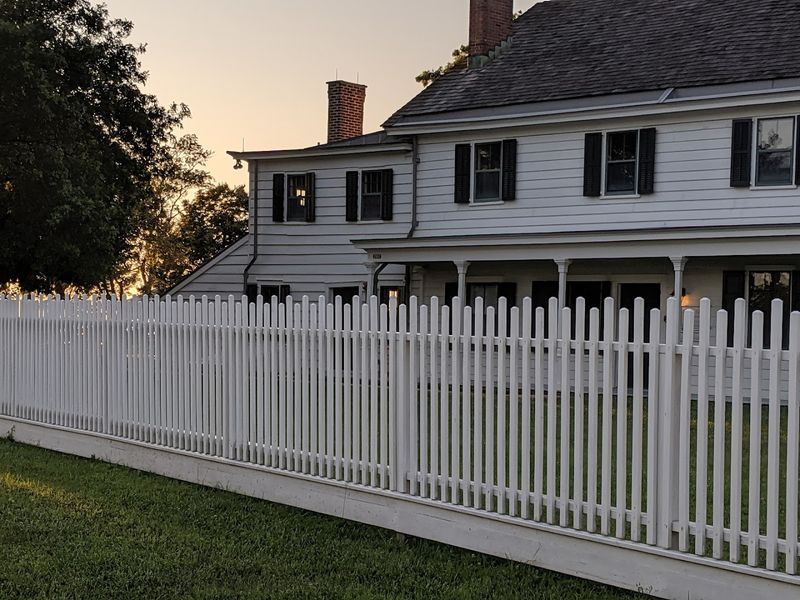
Salt air usually makes a place feel breezy and relaxed, but the Seabrook-Wilson House has always had a more complicated personality. Sitting in Bayshore Waterfront Park in Port Monmouth, this historic house looks out toward Sandy Hook Bay, where marsh, beach, and water give the whole area a beautifully lonely edge.
It is one of the oldest surviving houses in the Bayshore, with roots going back to a small cabin from around 1720 that was expanded over generations. The house is closely tied to the Seabrook and Wilson families, who were part of the maritime and civic life of old Port Monmouth.
Ship captains, business owners, and local figures all passed through its story. Later, the building became an inn and then fell into disrepair before preservation efforts brought it back into public use.
Today, it serves more as a history and activity center than a jump-scare attraction, which honestly makes it more interesting. Its “Spy House” nickname is the hook, but the waterfront setting does just as much work.
Visit during open hours to see the exhibits, then walk the surrounding park for bay views and a little windswept quiet. After dark, the house’s white exterior, old windows, and marshy surroundings can feel almost too still.
It is the kind of place where you start out admiring the history and end up walking a little faster back to the car.
4. Proprietary House – Perth Amboy
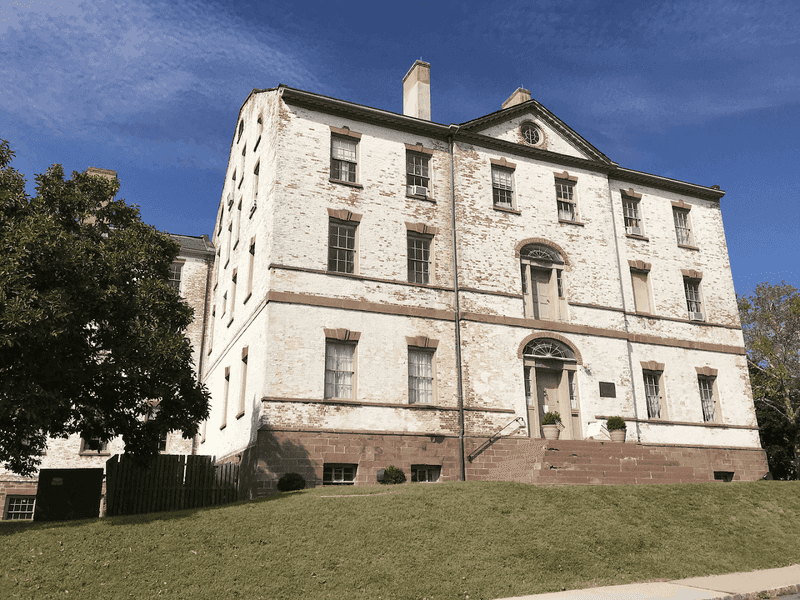
Perth Amboy has layers, and Proprietary House might be one of the best places to feel them all at once. Completed in 1764, this Georgian mansion served as the residence of New Jersey’s last royal governor, William Franklin, who also happened to be Benjamin Franklin’s son.
That family detail alone could power an entire historical drama. Add in the fact that it is considered the only remaining official royal governor’s mansion still standing from the original 13 colonies, and the place starts to feel less like a house and more like a survivor with secrets.
The building has lived several lives: governor’s residence, hotel, private mansion, retirement home, boarding house, and museum. That is a lot of human energy for one set of walls to absorb.
Inside, guided tours focus on the house’s colonial history, architecture, restoration, and the people who moved through it over more than two centuries. The creepy factor comes from the contrast.
Outside, you are in a busy old New Jersey city near the waterfront. Inside, the rooms pull you backward into a time of royal politics, war, fire, storms, neglect, and reinvention.
Ghost tours and storytelling events have added to its after-dark reputation, but even without them, the house has a watchful quality. Check the tour schedule before going, since hours can vary.
This is not a wander-in-anytime stop, and honestly, that makes it feel more exclusive and a little more mysterious.
5. Absecon Lighthouse – Atlantic City
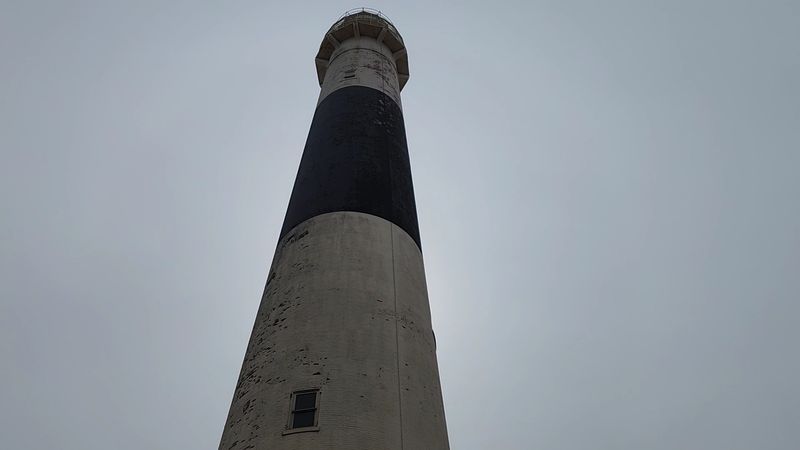
Atlantic City is all neon, boardwalk noise, casino lights, and late-night energy, which makes Absecon Lighthouse feel like the quiet older relative watching the whole scene from above. Standing 171 feet tall, it is New Jersey’s tallest lighthouse and one of the tallest masonry lighthouses in the country.
You can climb the 228 steps to the top, where the view stretches over the city, the ocean, and the surrounding neighborhoods. In daylight, the climb is the main event.
The stairs spiral upward, the walls close in, and each landing gives you just enough time to question your cardio before continuing. At the top, the original first-order Fresnel lens and the Atlantic City skyline make the effort worth it.
The keeper’s cottage and small museum add history without turning the visit into homework. After dark, the lighthouse becomes something else entirely.
Its height feels more dramatic, the stairwell feels more enclosed, and the city lights below make the tower seem stranded between two worlds: party town underneath, black ocean beyond. Evening climbs or special events can be especially memorable if available, but always check the current schedule before heading over.
Parking is usually manageable compared with the busiest boardwalk zones, and the location is close enough to other Atlantic City stops to make it an easy detour. Just remember, coming down those stairs is when your knees and imagination both start talking.
6. White Hill Mansion – Fieldsboro
Old houses make noises. That is the practical explanation.
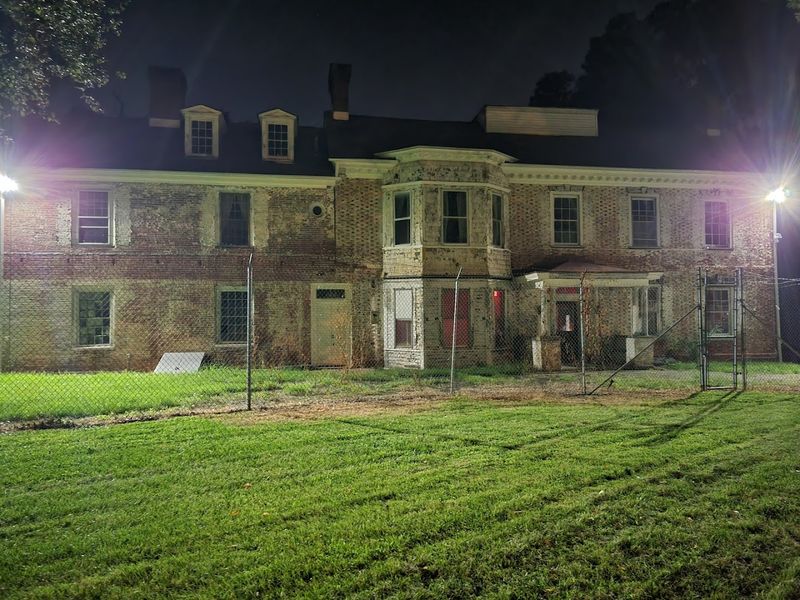
White Hill Mansion, however, is the sort of old house where the practical explanation may not calm you down much. Perched on a bluff in Fieldsboro overlooking the Delaware River, the mansion has deep roots in local history and is connected to the Field family, Revolutionary War-era stories, and generations of later owners.
It is not polished into blandness, either. Ongoing preservation gives parts of the building that raw, in-progress feeling that can make a historic site feel more alive.
This is a guided-tour kind of place, not a casual “let’s poke around” stop. The Friends of White Hill Mansion run history tours, ghost hunts, and special events to support restoration, and that mix of scholarship and spookiness is exactly what makes it fun.
You get the real timeline of the property, then you get the little chills that come from standing in rooms where the floors creak and the walls have seen several centuries of New Jersey life.
The mansion’s paranormal reputation is a major part of its modern identity, but the history is strong enough that you do not have to believe every ghost story to enjoy yourself.
Tours are typically by appointment or scheduled dates, and the site is still being restored, so check ahead and wear sensible shoes. This is not the place for your loudest friend to yell “boo” in the hallway.
The house is already doing plenty.
7. Princeton Battlefield State Park – Princeton
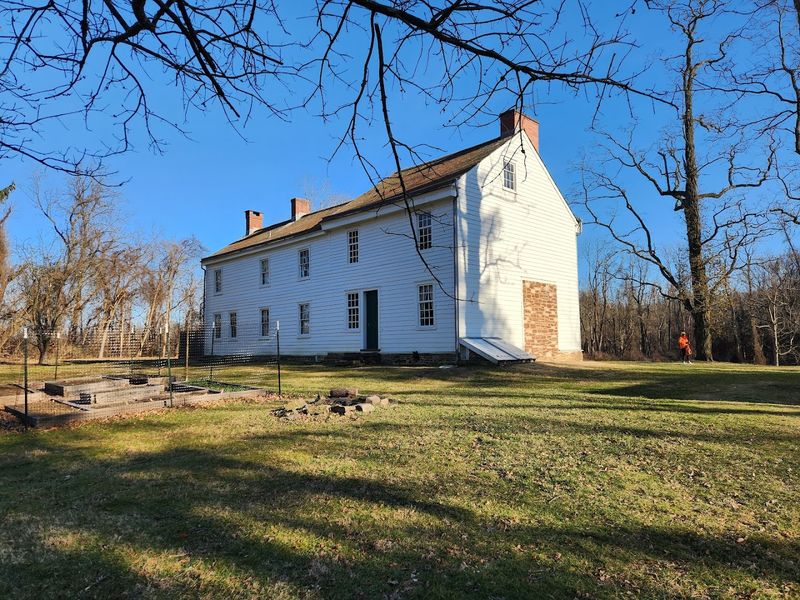
A quiet field can be more unsettling than a dark hallway when you know what happened there. Princeton Battlefield State Park preserves the ground where George Washington’s troops fought British regulars on January 3, 1777, during one of the key moments of the Revolutionary War.
Today, it looks peaceful: open grass, mature trees, walking paths, the Clarke House, and markers that help visitors understand the battle. But that calm is exactly what gives the place its weight.
The Thomas Clarke House, built in 1772, became a field hospital after the fighting. General Hugh Mercer was mortally wounded nearby and later died after being carried there.
That detail changes how you experience the house and grounds. Suddenly, the park is not just a pretty historical stop near Princeton.
It is a place where fear, strategy, injury, and survival all played out on what had been ordinary farmland. During the day, it is ideal for a reflective walk, especially if you like history without crowds.
The paths are manageable, parking is straightforward, and the surrounding area makes it easy to pair with lunch or coffee in Princeton. Around dusk, the battlefield takes on a hush that feels almost staged.
The open land gets shadowy, the trees seem farther apart, and the past feels closer than expected. It is not flashy-creepy.
It is serious-creepy, which tends to stay with you longer.
8. Clinton Road – West Milford
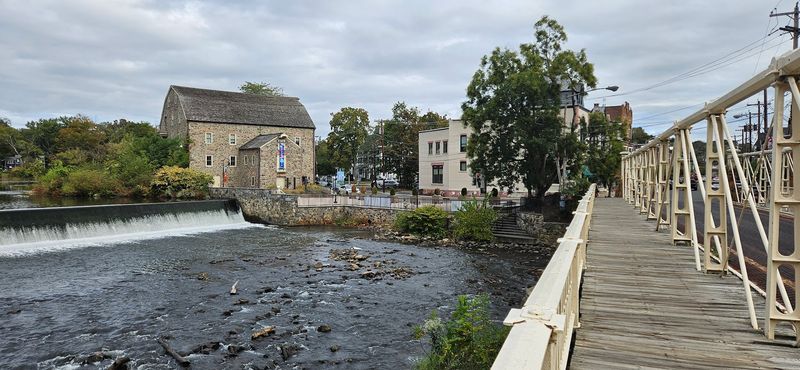
Some roads earn their reputation with hairpin turns or bad pavement. Clinton Road has something stronger: decades of New Jersey folklore, pitch-dark woods, and just enough isolation to make your headlights feel underpowered.
Running through West Milford, this road has become one of the state’s most infamous after-dark drives, with stories involving ghostly figures, strange lights, mysterious animals, and the kind of local warnings that people repeat with a little too much enthusiasm. Part of the creepiness is practical.
The area is wooded, the road can feel lonely, and there are long stretches where you do not get the usual comforting signs of suburban New Jersey. No bright storefronts.
No steady stream of traffic. Just trees, curves, water, and darkness pressing in close. That is enough to make even skeptics lower the music. If you go, treat it like a real road, not a haunted attraction.
Do not trespass, block driveways, harass residents, or stop in unsafe spots for photos. The best way to experience Clinton Road is to drive it calmly, preferably with someone else in the car, and let the setting do the work.
In daylight, it can be scenic in a rugged North Jersey way. After sunset, it becomes the kind of place where every reflection in the rearview mirror gets a second look.
You may not see anything strange, but you will probably understand why people keep talking about it.
9. Shades of Death Road – Warren County
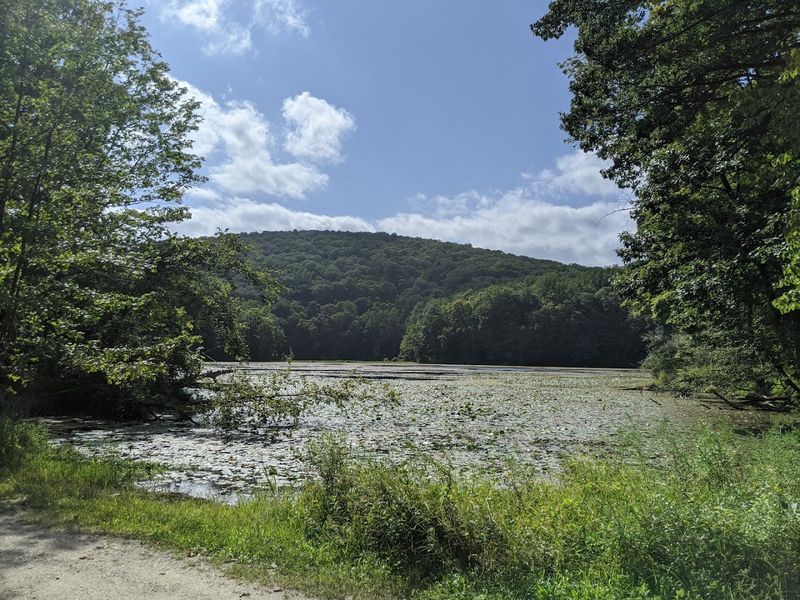
A road named Shades of Death does not need much branding help. Winding through rural Warren County near Jenny Jump State Forest, this two-lane stretch has one of the most unnerving names in New Jersey and enough local lore to make even a short drive feel loaded.
The road runs through wooded and low-lying areas, with sharp bends, quiet homes, and stretches where the landscape feels older and less disturbed than expected. The stories attached to it vary depending on who is telling them.
Some connect the name to old dangers in the region, others to eerie accidents, ghostly sightings, or the nearby presence of places with names like Ghost Lake and Jenny Jump. As with many old road legends, the facts and folklore have tangled together over time.
That is part of the appeal. You are not just visiting a spot; you are driving through a rumor that somehow made it onto a street sign.
By day, the area can be lovely in a moody, rural way, especially if you are already exploring Warren County or nearby state forest land. After dark, the name starts doing psychological damage.
Headlights catch branches, curves arrive quickly, and the quiet feels extremely aware of you. Drive carefully, respect the people who live there, and avoid treating the road like a dare.
The creepiest part may be how little has to happen for the place to get under your skin.
Share this story