Texas is massive, and getting from one corner to another can take all day. But scattered across this giant state are places so special, so unforgettable, that the hours behind the wheel become part of the adventure. From art-filled desert towns to rushing rivers hidden in the Hill Country, these destinations reward every mile you travel to reach them.
1. Marfa
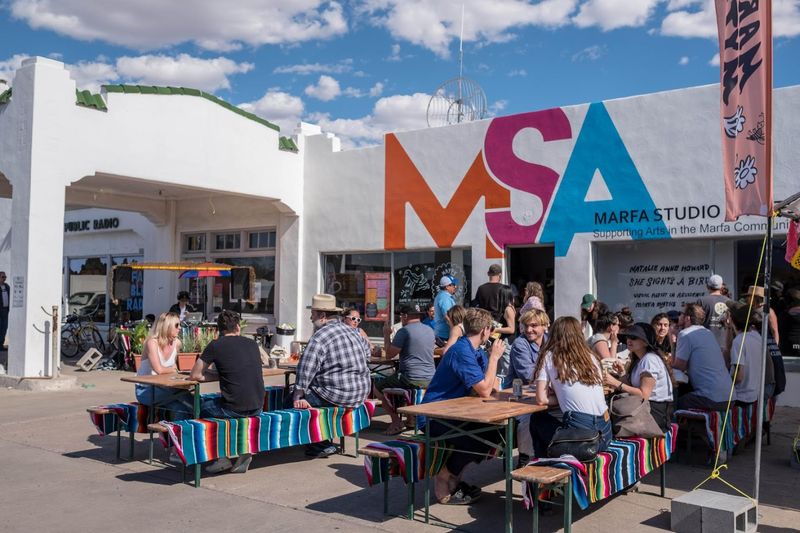
Out in the high desert of Far West Texas, Marfa sits like a mirage that turned real. What started as a tiny ranching outpost transformed into one of the most intriguing art destinations in America, and the journey there through endless open roads only adds to its mystique. The town pulses with creative energy despite having fewer than 2,000 residents.
Donald Judd, the minimalist artist, moved here in the 1970s and changed everything. His massive installations at the Chinati Foundation draw art lovers from around the world who make the pilgrimage across hundreds of miles of desert. Walking through converted military buildings filled with his aluminum boxes creates an almost meditative experience you can’t replicate anywhere else.
Beyond the famous art, Marfa’s quirky personality shines through every boutique hotel, coffee shop, and gallery. You’ll find excellent food in unexpected places, like upscale dining in renovated adobe buildings. The town somehow balances cowboy culture with contemporary art without feeling forced or fake.
At night, people drive out to the viewing platform hoping to spot the mysterious Marfa Lights, unexplained glowing orbs that dance on the horizon. Scientists debate their origin, but locals just accept them as part of the landscape. Whether you see them or not, standing under that massive West Texas sky makes you feel wonderfully small.
The drive to Marfa takes commitment—it’s hours from any major city. But that remoteness protects what makes it special. You won’t find chain restaurants or tourist traps, just an authentic desert community that somehow became an unlikely cultural phenomenon.
Pack snacks for the drive, fill your tank, and embrace the isolation. The landscape shifts from scrubby plains to dramatic mountains, preparing you for arrival in this strange, beautiful town that shouldn’t exist but absolutely does.
2. Palo Duro Canyon State Park
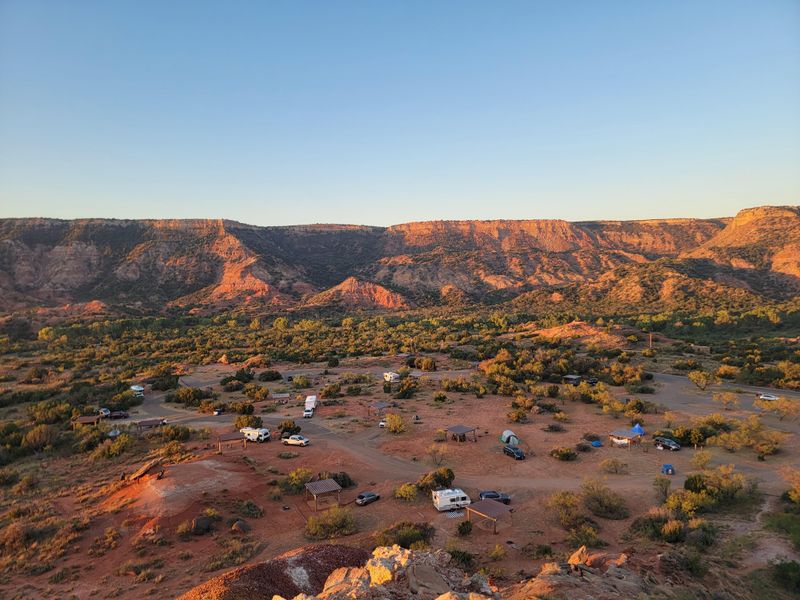
People call it the Grand Canyon of Texas, and while that comparison sells it short, Palo Duro Canyon still takes your breath away when you first see it. The flat Panhandle grasslands suddenly drop 800 feet into a gash of red, orange, and yellow rock layers that stretch for miles. It’s the second-largest canyon in the country, yet somehow remains relatively uncrowded compared to its famous cousin in Arizona.
The drive across the Panhandle to reach it feels monotonous until you arrive at the rim. Then everything changes. Winding roads descend into the canyon floor where colors intensify and rock formations take on names like Lighthouse Peak and Capitol Peak.
Summer heat can be brutal, but spring and fall offer perfect hiking weather through this ancient landscape carved by the Prairie Dog Town Fork of the Red River.
Over 30 miles of trails crisscross the canyon, ranging from easy nature walks to challenging climbs. The Lighthouse Trail remains the most popular, a six-mile round trip to a distinctive rock pillar that stands like a sentinel. Early morning hikes reward you with cooler temperatures and soft light that makes the red rocks glow.
Wildlife sightings include roadrunners, mule deer, and the official Texas State Bison herd that roams the canyon.
Camping here feels like stepping back in time. The canyon walls shelter you from Panhandle winds while stars fill the sky in numbers city dwellers never see. Summer evenings bring the outdoor musical drama TEXAS, performed in a natural amphitheater since 1966.
The show tells pioneer stories with singing, dancing, and a barbecue dinner option.
Getting to Palo Duro requires driving through Amarillo and then another half hour south. The journey through ranch country might seem like empty space, but it builds anticipation. When you finally peer over that rim and see layers of geological history spread before you, the drive becomes instantly worthwhile.
3. Gruene Hall
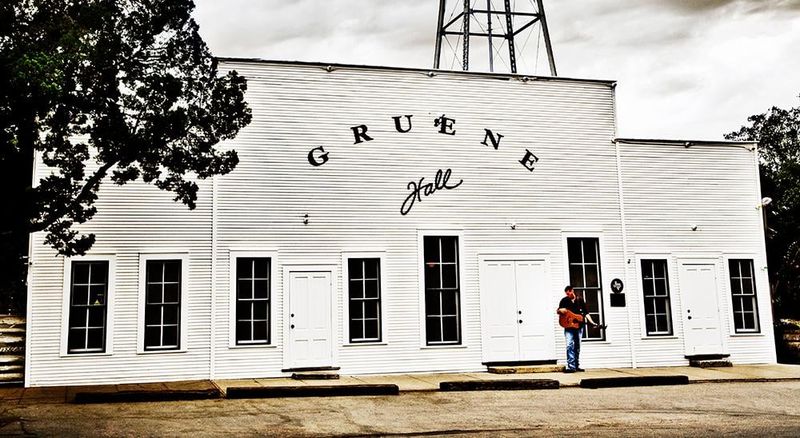
Walking into Gruene Hall feels like entering a time machine set to 1878. The worn wooden floors, tin ceiling, and ancient bar haven’t changed much since German settlers built this dance hall along the Guadalupe River. It claims the title of Texas’s oldest continuously operating dance hall, and every scuffed floorboard proves it.
Legends have played this stage. George Strait, Willie Nelson, Lyle Lovett, and countless others performed here before hitting it big or after becoming famous. The venue doesn’t rely on fancy sound systems or lighting—just pure acoustics in a room that’s heard millions of boot stomps.
On weekends, the place packs with dancers doing the Texas two-step while cold beer flows from the bar.
The building itself is a character. Old advertisements cover the walls, and chicken wire still stretches across the windows (originally installed to prevent fights from breaking out through the glass). During hot months, they open the side windows and massive doors, creating natural air conditioning.
In winter, pot-bellied stoves keep everyone warm between dances.
Gruene Hall sits in the tiny historic town of Gruene, now part of New Braunfels but maintaining its own identity. The surrounding area offers antique shops, a grist mill, and river access for tubing. But the dance hall remains the main attraction, drawing music lovers from Austin, San Antonio, and beyond.
Shows happen almost daily, featuring both up-and-coming Texas artists and established names.
The drive from major Texas cities takes under an hour, making it an easy day trip or weekend destination. You’ll wind through Hill Country scenery before arriving in this preserved slice of old Texas. Tickets are affordable, the atmosphere is unpretentious, and the experience connects you to generations of Texans who’ve danced, laughed, and made memories in this exact spot.
Wear your dancing boots and prepare to feel the history beneath your feet.
4. Caddo Lake
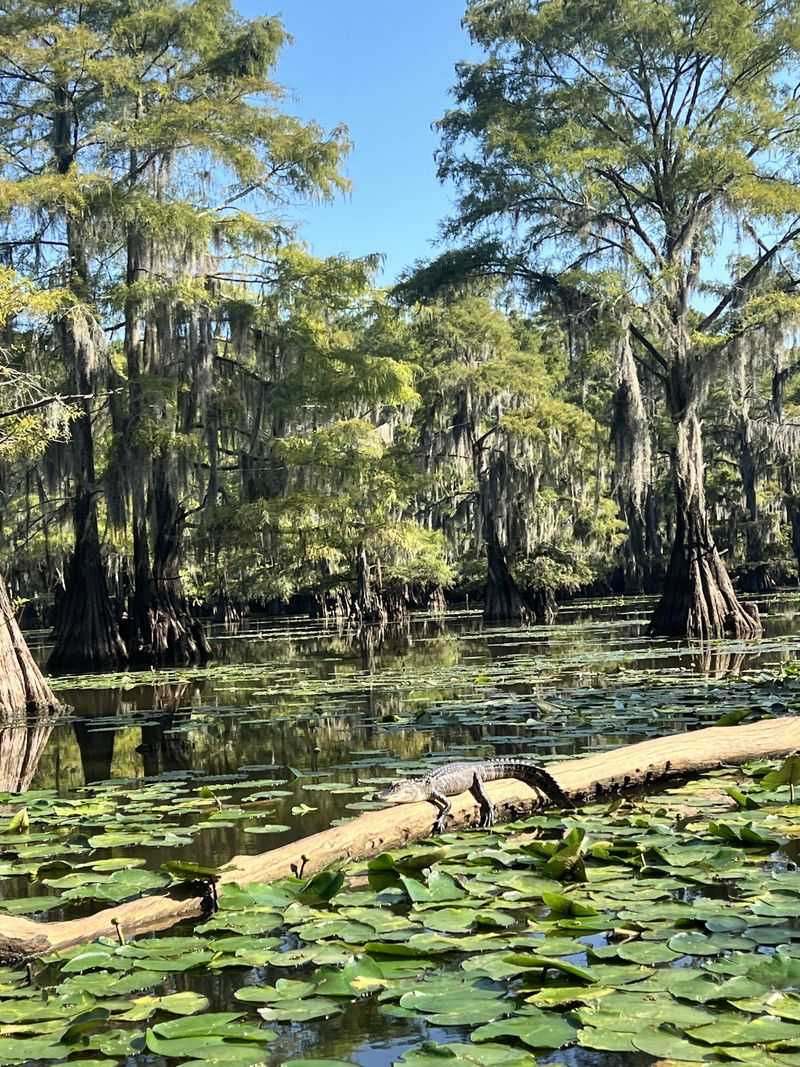
Caddo Lake looks like it belongs in Louisiana, not Texas. Massive bald cypress trees draped in Spanish moss rise from dark, mysterious waters creating a maze of channels and sloughs. It’s the only naturally occurring large lake in Texas, formed by a massive logjam on the Red River centuries ago.
Paddling through its waters feels like exploring a forgotten world.
The lake straddles the Texas-Louisiana border in the far northeast corner of the state. Getting there requires driving through East Texas pine forests and small towns that time forgot. But arrival rewards you with one of the most unique ecosystems in the entire state.
Over 189 species of trees and shrubs grow around the lake, while alligators, otters, and countless bird species make it their home.
Renting a kayak or canoe is essential for truly experiencing Caddo Lake. Motorboats work too, but slower speeds let you appreciate the intricate beauty. The cypress knees jutting from the water create natural sculptures, and sunlight filtering through the canopy creates an almost ethereal atmosphere.
Guides can lead you through the maze, or you can explore independently if you’re confident in your navigation skills.
Fishing here is legendary. Largemouth bass thrive in the vegetation-rich waters, and crappie fishing draws serious anglers year-round. The lake’s complex structure provides endless hiding spots for fish, making every cast an adventure.
Even if you don’t fish, watching sunrise or sunset paint the cypress trees in golden light makes the trip worthwhile.
Uncertain, Texas, serves as the main gateway town—and yes, that’s really its name. The tiny community offers cabin rentals, boat launches, and that distinct East Texas hospitality. Spring brings wildflowers and mild weather, while fall colors transform the cypress trees into rusty orange towers.
The drive from Dallas takes about two hours, from Houston closer to four. Every mile traveled disappears when you’re gliding silently through those ancient trees, feeling like an explorer discovering something secret and sacred.
5. Cibolo Creek Ranch
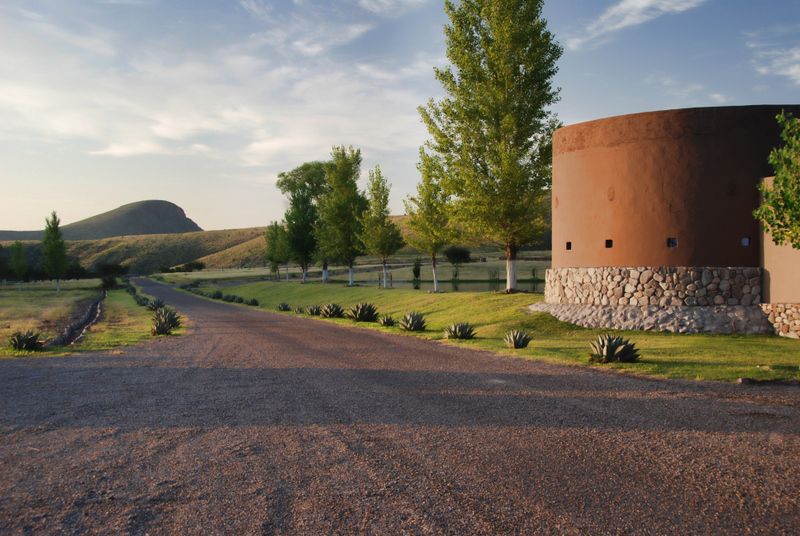
Cibolo Creek Ranch doesn’t just offer accommodations—it provides an escape into another century. This remote luxury property sits on 30,000 acres of Chihuahuan Desert near the Mexican border, occupying three historic forts built in the 1850s. Staying here means experiencing Old West grandeur mixed with modern comfort in one of the most isolated beautiful places in Texas.
The ranch’s history reads like a novel. Buffalo soldiers, ranchers, and traders all passed through these adobe walls. Now restored to stunning condition, the forts house elegant rooms with handcrafted furniture, fireplaces, and views that stretch to distant mountains.
There’s no cell service, no television in rooms—just you, the desert, and the kind of silence city people forgot exists.
Activities range from horseback riding across open range to soaking in outdoor hot tubs under star-filled skies. The ranch employs expert guides who lead hikes, teach about desert ecology, and share stories of the region’s complex history. Meals feature ranch-raised beef and fresh ingredients prepared by talented chefs.
Evening gatherings around massive fireplaces feel like scenes from a classic Western film.
Getting to Cibolo Creek Ranch requires serious commitment. It’s about an hour south of Marfa through increasingly remote desert. The road eventually turns to dirt, winding through landscape that hasn’t changed in centuries.
Guests fly into Midland and drive three hours, or arrange for the ranch’s airstrip if traveling by private plane. This remoteness is precisely the point—you can’t find this kind of solitude closer to civilization.
Supreme Court Justice Antonin Scalia died here in 2016, bringing brief media attention to this normally private retreat. But the ranch has hosted everyone from celebrities to regular folks seeking authentic Western experiences. Rates aren’t cheap, reflecting both the luxury and the operational challenges of maintaining such a remote property.
For those willing to make the journey and investment, Cibolo Creek Ranch delivers an unforgettable immersion into Texas frontier heritage wrapped in unexpected elegance.
6. Big Bend National Park
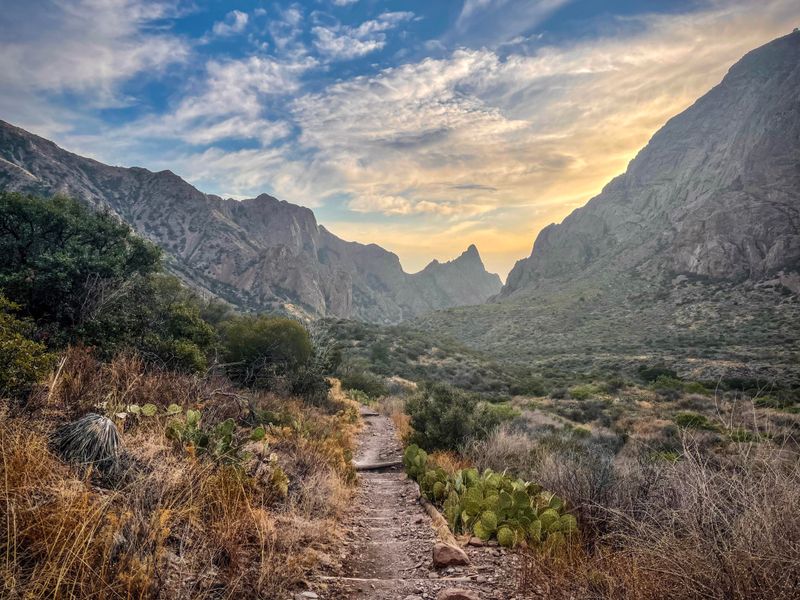
It’s one of the least visited national parks despite being one of the most spectacular, mainly because getting there requires driving through hundreds of miles of empty West Texas. That remoteness preserves its wild character and guarantees solitude even during peak seasons.
Three distinct ecosystems converge here: Chihuahuan Desert, riparian river corridors, and Chisos Mountain woodlands. You can hike through cactus-studded flats in the morning, then climb to pine-covered peaks by afternoon. The Santa Elena Canyon trail leads to towering rock walls that squeeze the Rio Grande into a narrow channel.
The Window trail in the Chisos Basin offers sunset views that photographers dream about for years afterward.
Wildlife sightings include roadrunners, javelinas, and over 450 bird species. Mountain lions roam the Chisos, though seeing one requires incredible luck. Black bears occasionally wander through from Mexico.
The park’s dark skies earned it International Dark Sky Park status—on clear nights, the Milky Way stretches overhead so vividly you can read by starlight.
Terlingua, a quirky ghost town turned artist community, sits just outside the park’s west entrance. It offers restaurants, lodging, and that weird desert energy that attracts creative souls and wanderers. Inside the park, the Chisos Mountains Lodge provides the only indoor accommodations, while campgrounds range from developed sites to primitive backcountry spots.
Spring brings wildflower explosions, fall offers perfect hiking weather, and winter attracts snowbirds escaping colder climates.
The drive to Big Bend from any Texas city takes most of a day. From San Antonio or Austin, plan on six hours minimum. The landscape gradually shifts from Hill Country to true desert as you head west.
Small towns become fewer, gas stations more precious. But when you finally arrive and stand at the rim of Santa Elena Canyon or watch sunset paint the Chisos peaks purple and gold, the journey becomes part of the reward. This is Texas at its most raw and magnificent.
7. Fredericksburg Wine Country
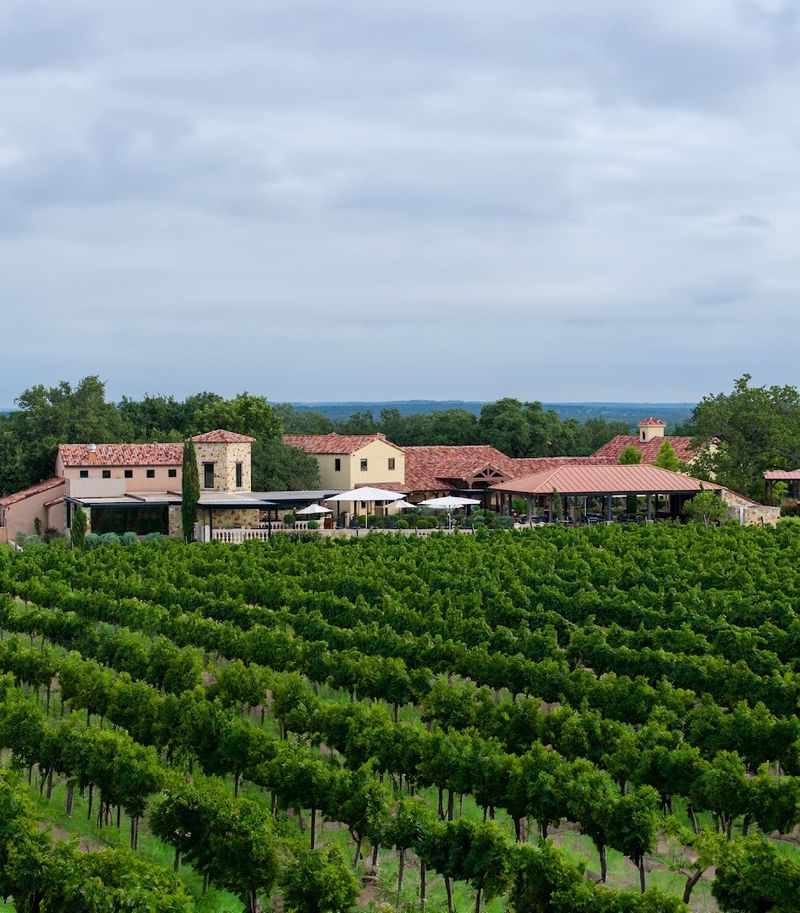
Fredericksburg and the surrounding Hill Country have become Texas wine central, with over 50 wineries dotting the landscape between this charming German town and nearby Stonewall. The region’s unique climate and soil create surprisingly good wines that have earned serious respect beyond Texas borders. Visiting means enjoying excellent vintages while soaking up small-town atmosphere and gorgeous rolling scenery.
The town itself deserves exploration before you start wine tasting. German heritage shows in the architecture, bakeries selling authentic strudel, and annual festivals celebrating Oktoberfest. Main Street stretches for blocks filled with antique shops, boutiques, and restaurants serving both traditional German fare and modern Texas cuisine.
The National Museum of the Pacific War honors local hero Admiral Nimitz with extensive exhibits that rival major military museums.
Wine touring here works differently than in Napa or other famous regions. Wineries range from small family operations to larger commercial ventures, most offering relaxed, unpretentious tasting experiences. Many sit on working ranches where you’ll taste wine surrounded by Hill Country views.
Tempranillo, Viognier, and various blends showcase what Texas terroir can produce when winemakers embrace the climate rather than fighting it.
Beyond wine, the area offers peach orchards (spring brings spectacular blooms), lavender farms, and numerous bed-and-breakfasts in converted historic buildings. Enchanted Rock State Natural Area sits nearby, offering hiking and rock climbing on a massive pink granite dome. Luckenbach, the tiny town made famous by Willie Nelson’s song, hosts live music in an old dance hall that epitomizes Texas authenticity.
From Austin, Fredericksburg is barely an hour away, making it an easy day trip or weekend escape. San Antonio sits similar distance to the south. The drive through Hill Country rewards you with scenic ranch land, wildflowers in spring, and winding roads that make the journey pleasant.
Whether you’re a serious wine enthusiast or just enjoy pretty scenery and small-town charm, Fredericksburg wine country delivers a distinctly Texas take on wine tourism that feels genuine rather than manufactured.
8. Monahans Sandhills State Park
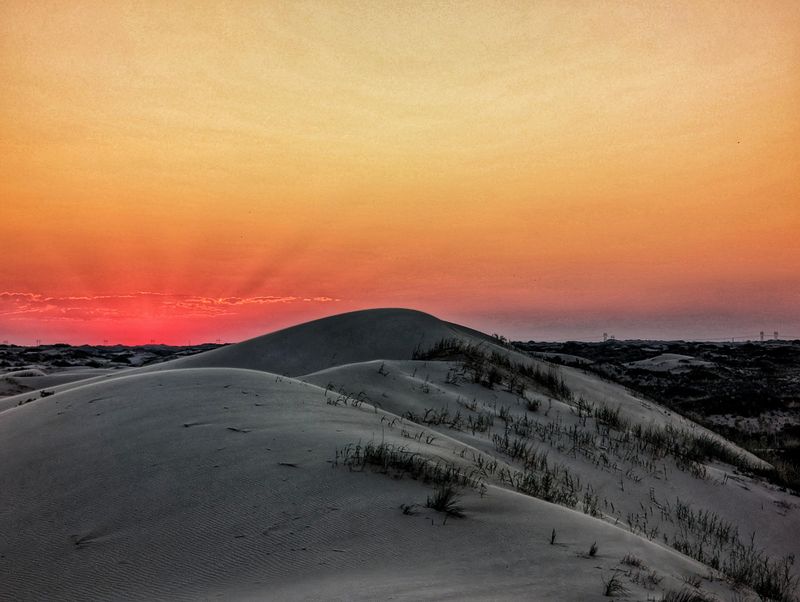
Massive white sand dunes rise up to 70 feet high, shifting and changing with the wind. It’s one of the most unexpected landscapes in Texas—pure sand stretching for miles in the middle of oil country. Kids and adults alike can’t resist the urge to run down the dunes or try sandboarding down their steep faces.
The park actually rents sand disks specifically designed for sliding down dunes. It’s harder than it looks, requiring balance and courage as you pick up speed. Wipeouts are frequent and hilarious, sending riders tumbling in clouds of soft sand.
The sand is surprisingly cool even on hot days, and it’s so fine it squeaks when you walk on it. Climbing back up after each run provides a workout that makes you appreciate the descent even more.
These aren’t ordinary sand dunes—they’re ancient, formed from sand deposited by rivers and streams thousands of years ago. Now they’re held partially in place by tough desert plants like Harvard shin oak and rosemary mint, though the dunes still move gradually with prevailing winds. The ecosystem supports species specially adapted to this harsh environment, including unique insects and lizards that disappear into the sand when threatened.
Camping here offers a surreal experience. Watching sunset paint the dunes in shades of peach and gold, then seeing stars emerge over the sculpted landscape, creates memories that stick. The park provides developed campsites with shade shelters—a necessity in this exposed environment.
Summer brings intense heat, making spring and fall the ideal visiting seasons. Winter can be surprisingly pleasant, with cooler temperatures perfect for hiking between dunes.
Monahans sits in far West Texas along Interstate 20, making it accessible for road trippers crossing the state. From Midland-Odessa, it’s about 40 minutes west. The drive through oil field country might seem industrial, but the park provides a natural oasis of beauty amid the pumjacks.
Bring plenty of water, sunscreen, and your sense of adventure. The sand gets everywhere, but that’s part of the fun of experiencing this bizarre, beautiful corner of Texas.
9. The Frio River
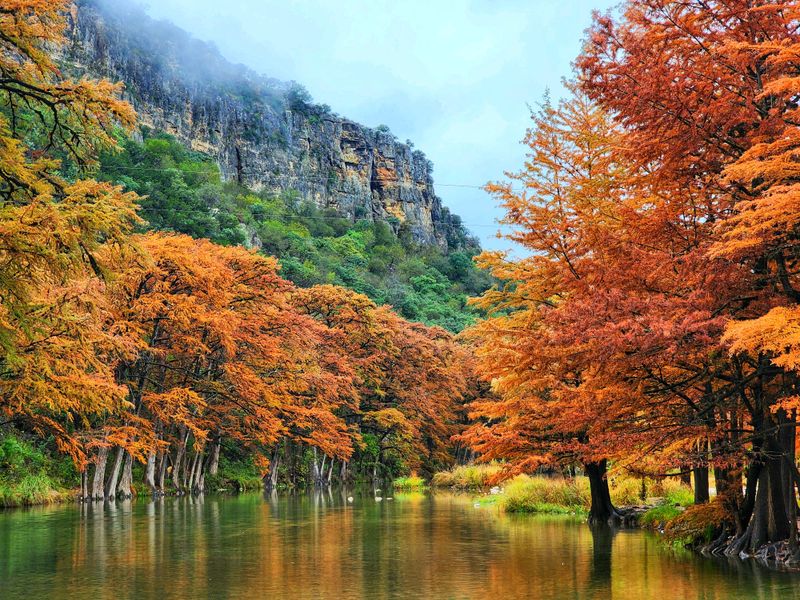
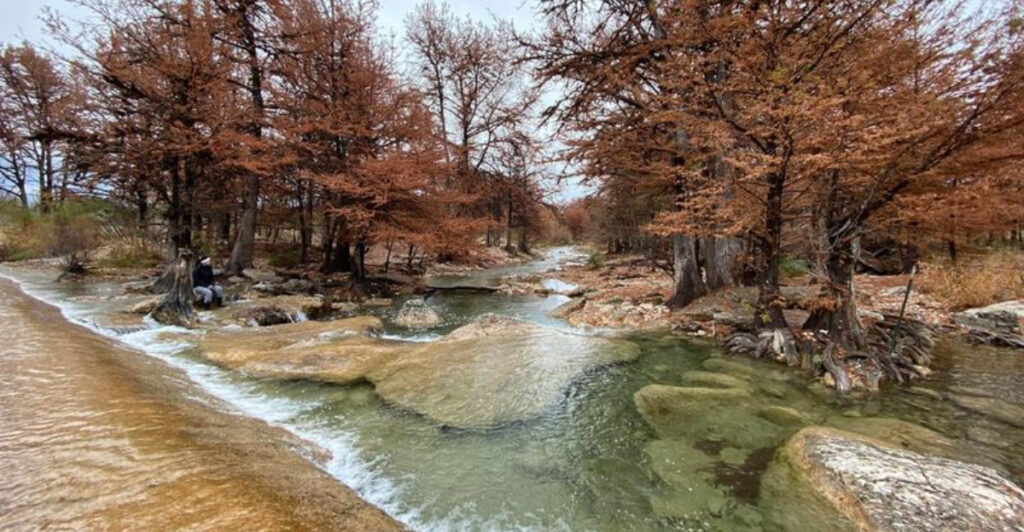
Cold, clear, and absolutely perfect for hot Texas summers—the Frio River earns its Spanish name, which means cold. Spring-fed waters maintain temperatures in the 60s and 70s even when air temperatures soar past 100 degrees. Flowing through the Hill Country near Concan and Leakey, the Frio has been a Texas summer tradition for generations, offering the kind of natural water fun that creates lifelong memories.
Tubing the Frio ranks among the most popular summer activities in Texas. You rent a tube, put in upstream, and float for hours through gentle rapids and calm pools. Cypress trees line the banks, providing occasional shade and scenic beauty.
The water is so clear you can watch fish darting beneath your tube. Sandbars and shallow areas offer spots to stop, wade, and cool off before continuing downstream.
Numerous river resorts and campgrounds along the Frio provide access and accommodations. Some offer rustic cabins, others have RV hookups or tent camping. Many families return to the same spot year after year, creating traditions that span decades.
The area maintains a laid-back, unpretentious vibe—this isn’t luxury tourism but authentic outdoor recreation where the river itself is the main attraction.
Beyond tubing, the Frio offers excellent swimming holes, rope swings, and fishing opportunities. Bass and catfish populate the deeper pools. Garner State Park, located along the river near Concan, provides developed facilities including a popular dance pavilion where families gather for nightly dances during summer.
Hiking trails wind through the surrounding hills, offering views of the river valley below.
Getting to the Frio from San Antonio takes about 90 minutes, from Austin closer to two hours. The drive through increasingly rural Hill Country builds anticipation as you leave cities behind. Summer weekends bring crowds, but the river’s length means you can usually find your own space.
Weekdays and spring or fall visits offer more solitude while still providing that refreshing cold water. Pack a cooler, sunscreen, and river shoes, then prepare to understand why generations of Texans consider the Frio their special summer escape.
Share this story