Spring is when Ohio feels especially rewarding to explore by car, because every winding road seems to reveal another mill, another covered bridge, and another pocket of scenery that quietly holds onto the past. If you have ever wanted a day trip that mixes moving water, weathered wood, small town charm, and that satisfying feeling of discovering somewhere that still looks rooted in another century, this list gives you a route worth slowing down for.
Across Ohio, historic mills and covered bridges turn ordinary drives into something more memorable, with stops that invite you to walk a little, linger a little longer, and imagine what travel here felt like generations ago. These twelve places prove that in spring, when trees leaf out and rivers run lively, the state offers one of its most atmospheric ways to spend a weekend on the road.
1. Lanterman’s Mill and Covered Bridge, Youngstown
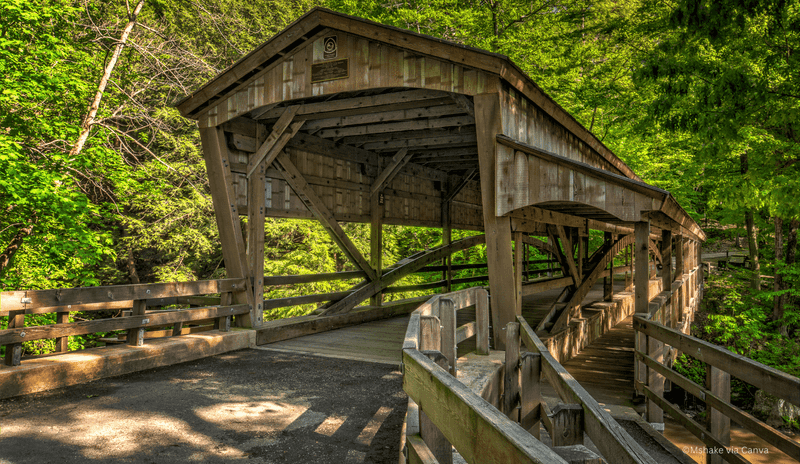
Tucked inside one of the most scenic corners of northeastern Ohio, this stop gives you the kind of spring drive reward that feels cinematic the moment you arrive. Water rushes past the old structure, the covered bridge adds instant storybook charm, and the whole setting in Mill Creek Park makes you want to slow your pace without being told.
If you love places where nature and history sit side by side, Lanterman’s Mill in Youngstown is the kind of destination that delivers both at once.
The rebuilt mill stands as a tribute to Ohio’s industrial past, and its stone-and-timber presence feels especially striking when framed by fresh leaves and brighter skies. Nearby, the covered bridge creates one of the prettiest photo compositions in the state, especially when the creek catches light beneath it.
I think what makes this stop so appealing is how complete the experience feels, because you are not just looking at one historic structure, you are stepping into an entire landscape that supports the mood.
Spring is a particularly smart time to visit because the surrounding park begins to glow with new growth, the water feels energetic, and the walking paths are comfortable for lingering. You can easily pair this stop with more time in Mill Creek Park, which means your drive becomes more than a quick roadside pause.
For anyone building an Ohio itinerary around heritage sites, this one gives you a strong mix of visual beauty, accessibility, and local identity.
What stays with you here is the atmosphere. Between the sound of moving water, the warmth of the wooden bridge, and the enduring character of the mill itself, the place feels grounded in an older Ohio that still knows how to welcome modern travelers.
It is one of those stops that makes the road there feel just as meaningful as the destination.
2. Stebelton Park at Rock Mill, Lancaster
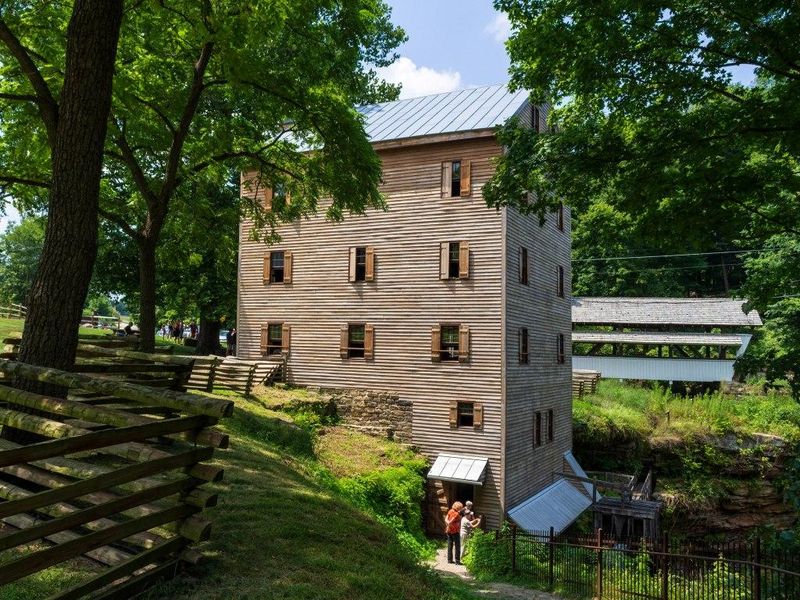
Set in a dramatic natural landscape just outside Lancaster, this is the sort of Ohio stop that instantly makes a spring drive feel richer and more memorable. The restored Rock Mill rises above a rugged gorge, and the nearby covered bridge adds a layer of classic rural character that feels beautifully placed rather than staged.
When you stand here in spring, with fresh green growth surrounding the stone and water, it feels like the season was made for this view.
What makes Stebelton Park at Rock Mill so appealing is the contrast between elegance and raw terrain. The historic mill has a refined silhouette, yet the setting around it feels rugged, shaped by time, water, and hard use.
That balance gives the site real depth, and it keeps the experience from feeling like a simple photo stop, because there is texture, movement, and a strong sense of place in every direction you look.
This is also a great example of why Ohio backroad travel can be so satisfying. You are not heading toward a massive attraction with long waits and crowded parking lots.
Instead, you get a quieter experience where the reward comes from seeing a historic structure settled naturally into the landscape, then taking a moment to absorb how the bridge, creek, and mill all work together to tell a longer regional story.
In spring, the site feels especially alive. The trees soften the edges of the gorge, the water below adds energy, and the whole stop seems to carry a calm, lightly adventurous mood that fits a road trip perfectly.
If you want an Ohio destination that combines scenery, engineering history, and just enough romance to make the drive itself feel historic, Rock Mill absolutely earns its place on your route.
3. Historic Clifton Mill, Clifton
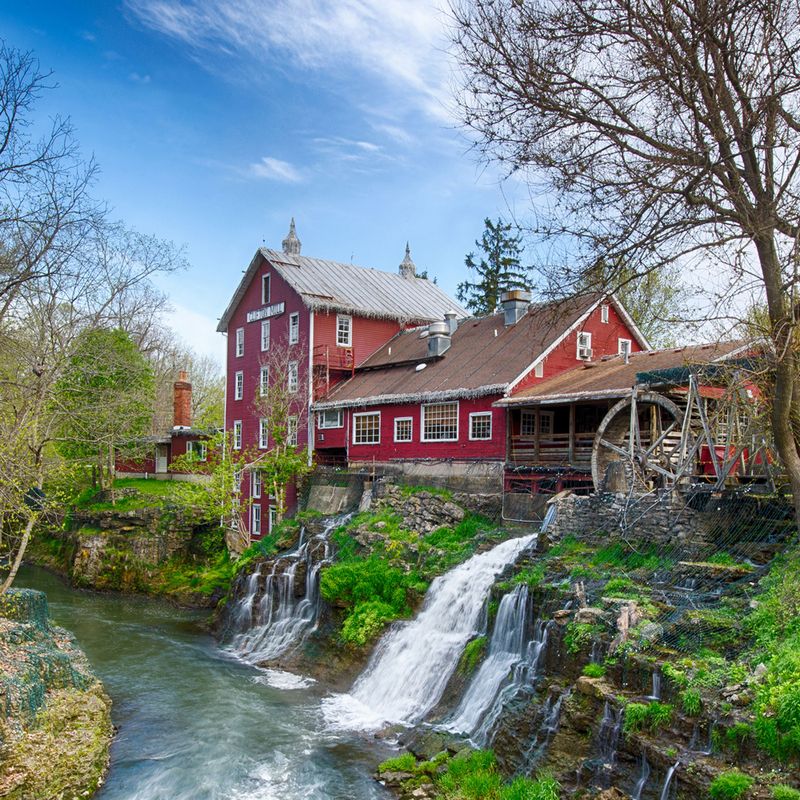
Just arriving here feels like stepping into one of Ohio’s most enduring postcard scenes, especially in spring when the water and surrounding greenery make every angle more vivid. The old red mill sits along the river with a confidence that comes from having been part of the landscape for generations.
If you are planning a drive that needs a stop with instant character, Clifton Mill gives you that classic historic atmosphere the moment it comes into view.
The appeal is not only the mill itself, though that is certainly the centerpiece. This part of Clifton carries a village-like charm that makes the visit feel broader than a single landmark, and that matters when you are trying to build a road trip with places that actually linger in memory.
I love how the scene combines working heritage, flowing water, and small-town warmth without feeling overly polished or artificial.
Spring is arguably the most rewarding season to take it in. The river feels fuller, the trees begin to brighten the surroundings, and the whole setting gains a softness that complements the rugged age of the mill.
That seasonal contrast is what makes this stop so satisfying, because you are seeing something durable and historic framed by a landscape that feels newly awake.
For travelers interested in Ohio’s milling history, Clifton Mill offers an easy way to connect architecture, local industry, and scenery in one visit. For everyone else, it simply works as a beautiful place to pause, walk, and let the day slow down.
On a longer drive through the state, this is the kind of stop that resets your mood in the best way, reminding you that some of Ohio’s most impressive destinations are not loud or flashy, but quietly rooted in water, wood, and time.
4. Historic Bear’s Mill, Greenville
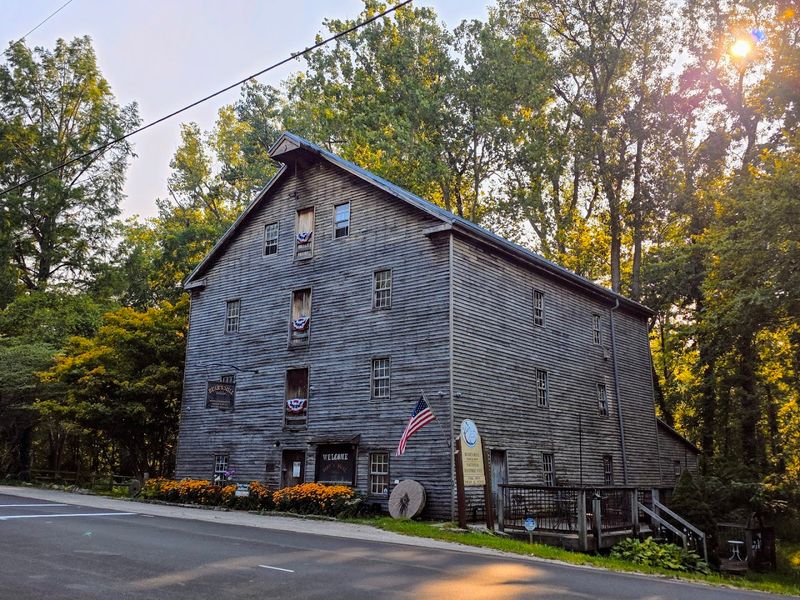
Out in western Ohio, this stop delivers the kind of quiet historic appeal that makes a spring drive feel thoughtful rather than rushed. The old mill stands with a sturdy, weathered beauty that immediately suggests stories of work, craftsmanship, and community.
When you pull in at Bear’s Mill near Greenville, you are not just checking off a landmark, you are entering a place that still feels connected to the rhythms that built rural Ohio.
One reason this site works so well on a road trip is its sense of authenticity. The structure does not need dramatic surroundings or elaborate presentation to impress you, because its age, form, and setting do the work naturally.
I find that appealing, especially if you prefer destinations that feel grounded and sincere, where the pleasure comes from noticing timber, stone, water, and small details that have lasted through generations.
Spring brings out the best in that experience. The countryside softens, the trees begin to frame the mill more gently, and the cool air makes wandering around feel easy and unhurried.
There is something especially satisfying about seeing a place tied to hard labor and practical history surrounded by the freshness of a new season, because it creates a reminder that Ohio’s older landscapes are still very much alive.
Bear’s Mill is ideal for travelers who want heritage without crowds and atmosphere without fuss. It feels like the kind of place you discover, then immediately want to tell someone about because it is so simple and so memorable at the same time.
On a spring drive, that combination is hard to beat. You get history, rural scenery, and a slower pace that helps the whole journey feel more connected to the land you are crossing.
5. Providence Metropark and Isaac Ludwig Mill, Grand Rapids
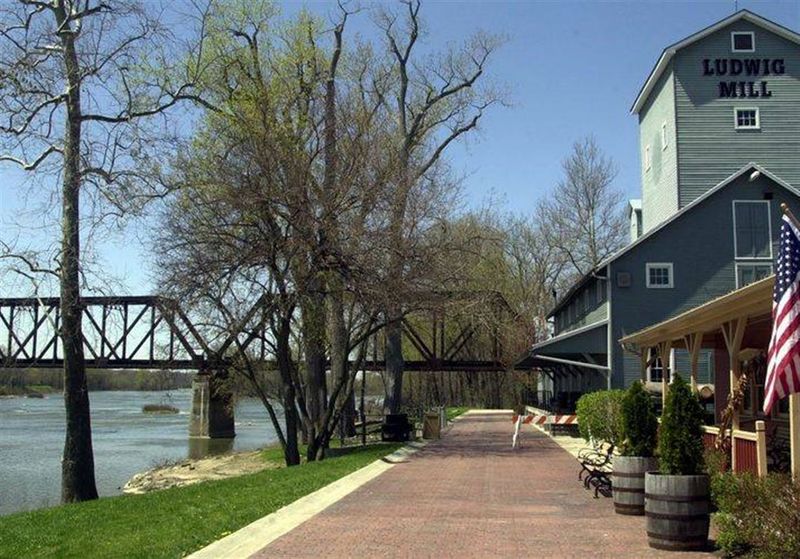
Along the Maumee River, this stop blends Ohio history with a spring landscape that feels easy to enjoy even if you only have part of a day. The Isaac Ludwig Mill anchors the setting with real historic presence, while Providence Metropark adds room to walk, explore, and appreciate the wider canal-era story around it.
If you want a destination where heritage does not feel isolated from the outdoors, this one has a wonderfully complete sense of place.
The best part is how naturally the experience unfolds. You can admire the mill, notice the river, and take in the surrounding park without feeling pushed through a formal attraction.
That relaxed pace makes the site especially good for spring drives, because it encourages you to let the road trip breathe a little and enjoy the quieter details that often get missed when you are trying to do too much.
This area also helps explain why Ohio’s transportation and industrial history matter. The mill is not just an attractive old building, it belongs to a larger story involving waterways, trade, and daily life shaped by the river corridor.
I think that broader context makes the visit more rewarding, because the scenery is beautiful on its own, but the history gives it extra depth and makes the stop feel more meaningful.
In spring, the park feels refreshed and inviting. New leaves, brighter light, and comfortable walking weather create exactly the conditions that make this kind of heritage stop shine.
Whether you are interested in mills, canal history, or simply finding a scenic place that breaks up a drive in the best possible way, Providence Metropark and Isaac Ludwig Mill make Ohio’s past feel accessible, calm, and very much worth pulling over for.
6. Black Covered Bridge, Oxford
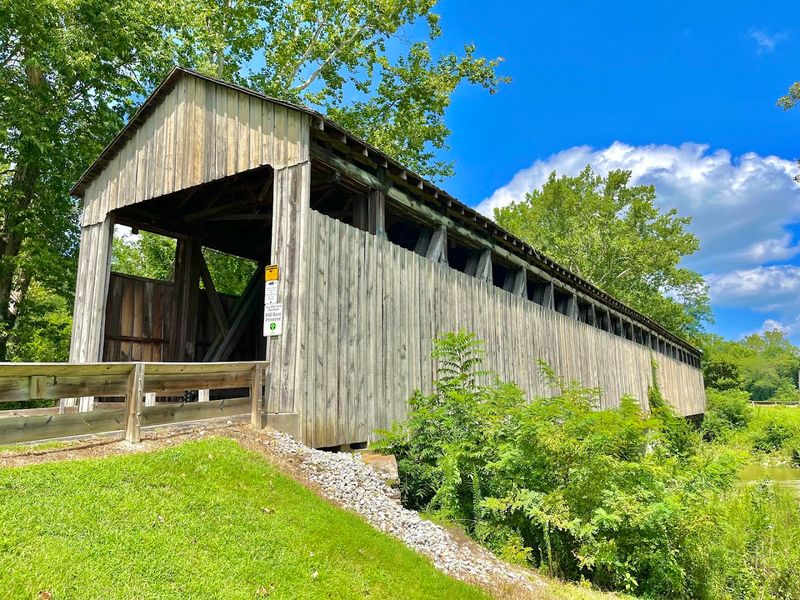
Sometimes the most memorable spring drive stops are the simplest ones, and this covered bridge near Oxford proves exactly that. Its dark timber profile, rural setting, and unmistakable historic character create a scene that feels quietly cinematic without needing a lot of extras.
If you are the kind of traveler who likes finding beauty in restraint, Black Covered Bridge offers one of those Ohio moments where less truly gives you more.
What makes this stop so effective is its atmosphere. There is a stillness around the structure that encourages you to notice textures, shadows, and the way the bridge sits in the landscape rather than dominating it.
I always think covered bridges work best when they feel connected to the road and countryside around them, and this one does that beautifully, giving you a genuine sense of continuity with older forms of travel.
Spring adds exactly the right contrast. The dark wood stands out against fresh leaves and softer light, which makes the bridge feel even more distinctive.
That seasonal brightness keeps the visit from feeling heavy or overly nostalgic, and instead gives it a balanced mood that is equal parts historic and refreshing.
This is not a stop that needs a long checklist to justify itself. You come here for the visual pleasure of seeing a preserved covered bridge in a setting that still supports the feeling of the past, and for the small reward of taking a detour that feels personal rather than obvious.
On a broader Ohio road trip, Black Covered Bridge works as a quiet pause between bigger destinations, and that is part of its charm. It reminds you that historic travel is not only about major landmarks, but also about simple structures that still hold the power to make an ordinary road feel meaningful.
7. Everett Covered Bridge Trailhead, Peninsula
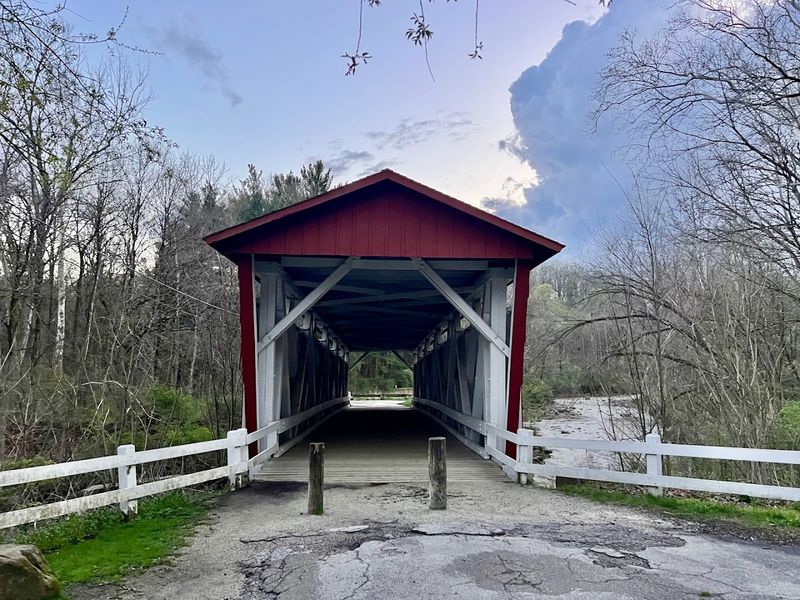
In the heart of one of Ohio’s most beloved scenic regions, this stop gives your spring drive a perfect mix of history, easy outdoor access, and postcard-worthy charm. The red Everett Covered Bridge looks almost too ideal when framed by fresh leaves and bright seasonal light, yet the setting still feels grounded and real.
Because it sits within the broader appeal of the Peninsula area and Cuyahoga Valley, the visit feels like part of a larger landscape rather than a standalone photo stop.
That is one reason the bridge works so well on a road trip. You can enjoy the historic structure itself, but you also get trail access and a peaceful natural backdrop that invite you to spend a little more time than planned.
I think that flexibility matters, especially in spring when the weather can make even a short walk feel like the best part of the day.
The bridge has a warm, classic appearance that fits the valley beautifully. Surrounded by water, trees, and open space, it creates the kind of scene that instantly slows your thinking down.
For travelers who want Ohio history presented in a setting that feels active and alive, this stop offers exactly that blend of preservation and natural beauty.
Spring may be the most rewarding season to see it because everything around the bridge seems to wake up at once. The trailhead becomes more inviting, the landscape gains color, and the drive through the area feels like part of the experience instead of just the route to get there.
Everett Covered Bridge is a strong reminder that some of Ohio’s best historic sites are the ones you can pair with fresh air, moving water, and a little unhurried wandering before getting back behind the wheel.
8. Harpersfield Covered Bridge, Geneva
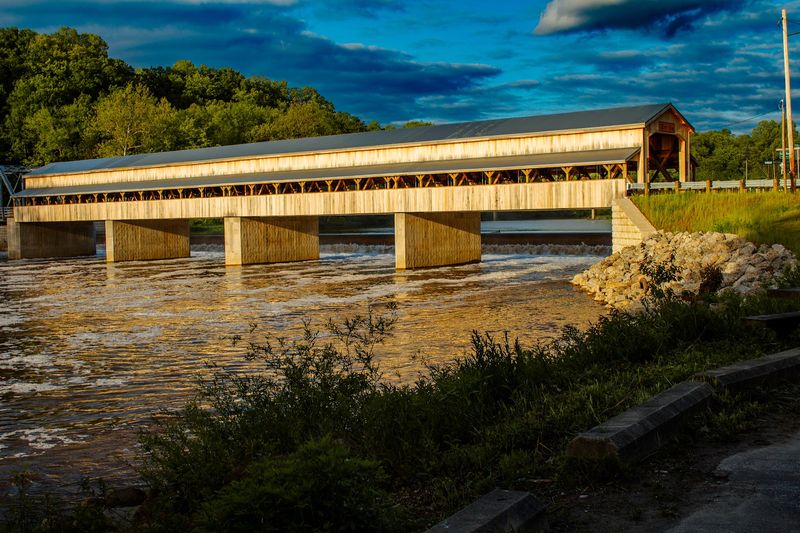
Near Geneva, this bridge brings together size, setting, and old-world atmosphere in a way that makes a spring detour feel completely justified. Stretching impressively across the water, Harpersfield Covered Bridge has the kind of presence that instantly turns a casual stop into a memorable one.
It is easy to appreciate as a piece of engineering history, but it also works beautifully as a scenic pause where the season does much of the storytelling for you.
One of the most appealing things here is the relationship between the bridge and the landscape around it. The structure feels substantial, yet it still sits gracefully within the river setting, especially once spring color returns to the trees.
I think that balance is what makes the bridge more than simply photogenic, because you are not just admiring a historic object, you are seeing how it still belongs to the place it was built to serve.
For drivers exploring northeastern Ohio, this stop adds a strong sense of heritage without asking for a complicated plan. You can arrive, take in the views, and spend time noticing the details of the covered construction while also enjoying the calm of the surrounding area.
That ease makes it ideal for a longer day of backroad travel where you want meaningful stops that do not feel overly programmed.
In spring, the experience grows even richer. The river reflects more light, the air feels better for lingering, and the bridge gains a softer frame from the season’s returning green.
Harpersfield Covered Bridge shows why these structures continue to capture people’s imagination. They are practical, beautiful, and deeply tied to local identity, and this one in particular has the scale and setting to make your Ohio drive feel rooted in something much older than the modern road beneath your tires.
9. Mechanicsville Road Covered Bridge, Geneva
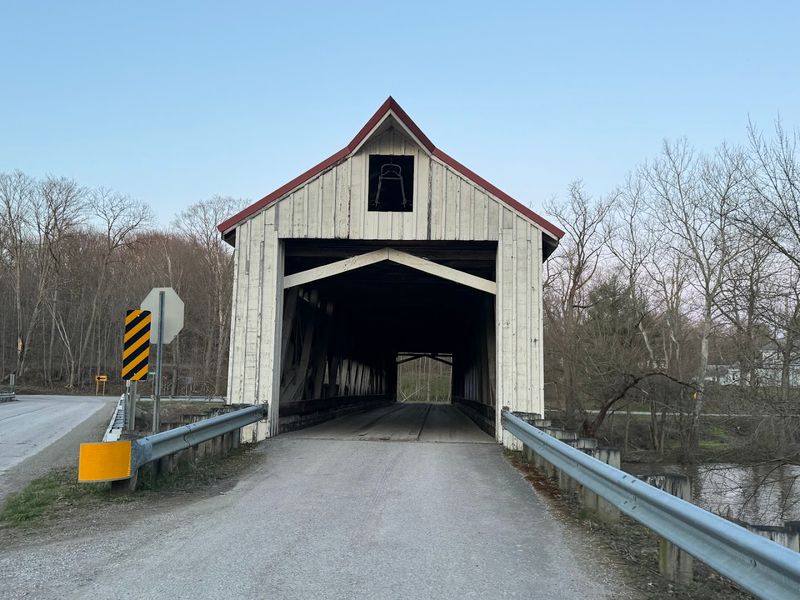
Not every historic drive stop needs dramatic scale to leave an impression, and this bridge near Geneva is a perfect example of that. Its appeal comes from intimacy, balance, and the simple pleasure of finding a preserved piece of Ohio’s transportation past still sitting where it feels right.
On a spring drive, Mechanicsville Road Covered Bridge offers the kind of quiet reward that makes you glad you chose the scenic route instead of the fastest one.
The structure has a classic look that feels especially fitting in a softer season. Fresh leaves, gentle light, and the surrounding rural calm help the bridge stand out without overwhelming it.
I think places like this are often the most satisfying to visit because they ask very little of you, yet they give back atmosphere, texture, and a stronger sense of the land you are moving through.
There is also something valuable about how approachable this stop feels. You do not need a full itinerary built around it to appreciate it, and that makes it easy to fold into a wider day of exploring Ohio’s northeastern roads.
For travelers interested in covered bridges, it adds another layer to the region’s story, showing how these crossings once shaped everyday movement in ways that now feel both practical and romantic.
Spring heightens that effect in the best possible way. The woods and roadside edges begin to fill out, the air invites you to linger, and the bridge looks even more timeless against the season’s color.
Mechanicsville Road Covered Bridge may be one of the quieter entries on this list, but that is exactly why it works. It gives your drive a pause that feels personal, unforced, and deeply connected to Ohio’s rural historic character.
10. Roberts Bridge, Eaton
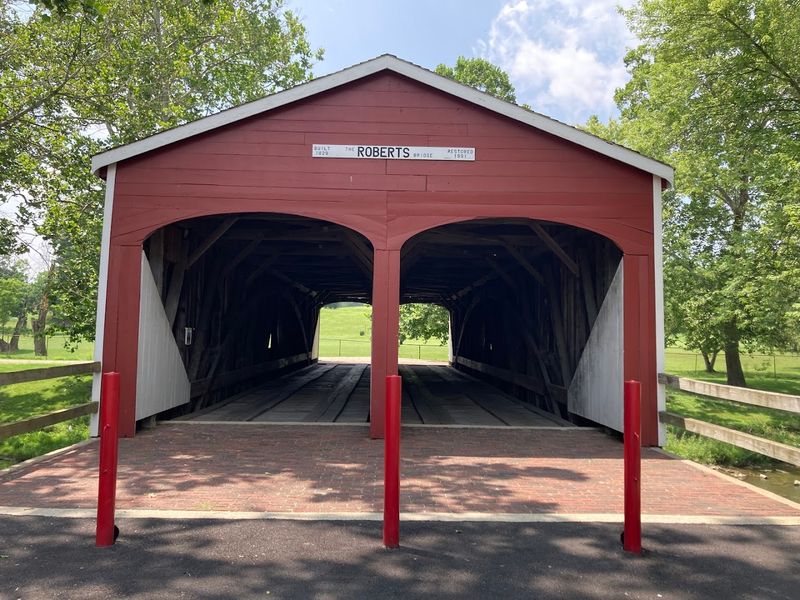
West of Dayton, this covered bridge gives spring travelers a stop that feels both visually iconic and pleasantly easy to enjoy. Its red exterior instantly catches your attention, and the setting around the water adds the kind of calm that makes a short visit feel worthwhile.
Roberts Bridge near Eaton has a polished, welcoming presence, but it still holds onto the older spirit that makes covered bridges so enduringly appealing.
Part of the charm here is how approachable the experience is. You do not need a long hike or an all-day plan to appreciate the bridge, which makes it ideal for anyone building a scenic drive with several heritage stops.
I like that it offers a strong historic image without feeling remote or difficult, because that balance makes it easier to fit into a relaxed Ohio road trip where you want beauty without logistical hassle.
The bridge also stands as a reminder of how much personality a single preserved structure can bring to a landscape. Against spring greenery and open skies, the red wood feels cheerful rather than heavy, and that gives the site a lighter mood than some historic locations.
Instead of solemn nostalgia, you get a sense of continuity and usefulness, as though the bridge is still happily participating in the scenery around it.
That is why Roberts Bridge works so well in spring. The season amplifies its color, brightens the water, and encourages the kind of unhurried stop where you can admire details and enjoy the setting without feeling rushed.
If you want one of those Ohio destinations that combines heritage, easy access, and strong visual payoff, this is an excellent choice. It brings a little storybook character to the road while still feeling firmly rooted in the everyday landscape of the state.
11. Helmick Covered Bridge, Warsaw
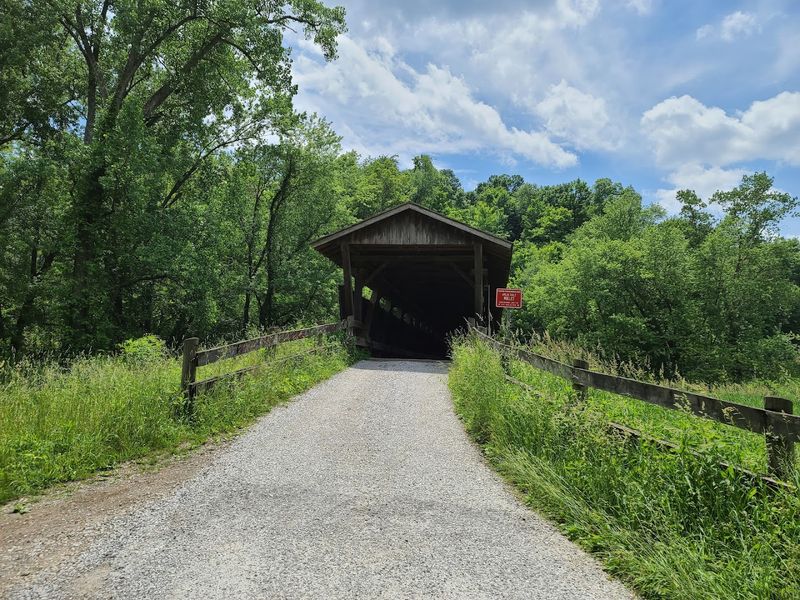
Along a rural stretch near Warsaw, this bridge offers the kind of historic pause that makes you feel rewarded for getting off the main road. Its red covered form has the familiar charm travelers hope for, but the surrounding countryside gives it an even stronger sense of place.
In spring, Helmick Covered Bridge becomes one of those Ohio scenes that feels almost tailor-made for a slower, more reflective day of driving.
The attraction here is not flashiness. It is the bridge’s ability to connect you to a landscape that still supports the feeling of older travel, where crossing a creek or river was an event shaped by craftsmanship and necessity.
I think that is why covered bridges remain so compelling. They are not just attractive remnants, they are functional pieces of history, and seeing one in a quiet setting like this helps that reality come through clearly.
Spring improves every part of the visit. The fields and trees brighten, the air feels lighter, and the structure takes on an even warmer tone against the returning green.
That seasonal contrast helps the bridge feel more vivid and welcoming, which is exactly what you want from a stop on a scenic Ohio drive. It becomes a place where a few minutes can easily stretch longer simply because the mood encourages you to stay.
For travelers putting together a route of mills, bridges, and heritage landscapes, Helmick Covered Bridge adds an essential note of rural authenticity. It does not need commercial distractions or elaborate framing to succeed.
The bridge, the road, and the countryside already tell the story. That simplicity is powerful, and it is what makes this stop memorable.
You leave with the feeling that you have seen something modest but real, preserved not for spectacle, but because it still matters.
12. Helmick Mill Bridge, Malta
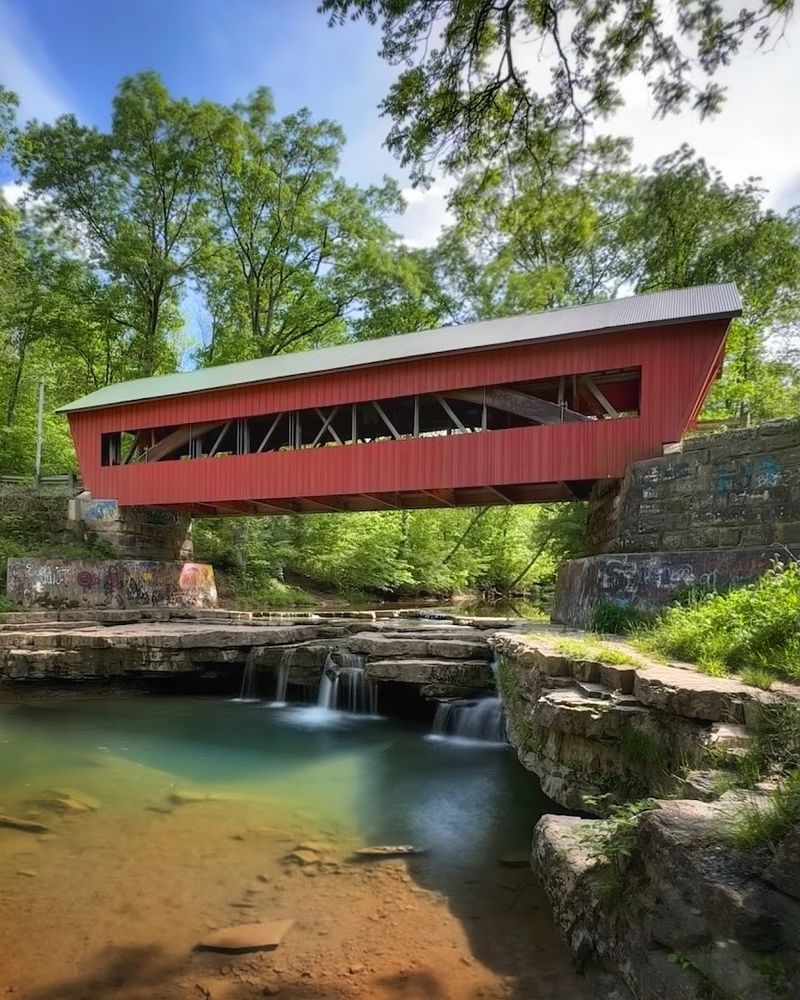
In southeastern Ohio, this stop closes out a historic spring drive with a mood that feels especially rooted in the landscape. The bridge carries a rustic character that suits the area perfectly, and its connection to the old mill history gives the site added depth beyond its visual appeal.
When you reach Helmick Mill Bridge near Malta, it feels like the kind of place that belongs to the road itself, rewarding anyone willing to wander a little farther.
What stands out most is the sense of continuity. Even if the milling era has long passed, the bridge still suggests how movement, labor, and daily life once centered on crossings like this.
I find that especially compelling in Ohio, where so many historic sites make the past feel practical rather than distant. Here, you can look at the woodwork and setting and immediately understand that this was built for real need, not simply for charm.
Spring gives the surrounding countryside a renewed softness that makes the bridge even more inviting. Budding trees, brighter water, and the gentler light of the season add life without taking attention away from the structure itself.
That balance is part of why this stop works so well on a driving itinerary. It feels scenic, but not overdone, historic, but still connected to the everyday landscape around it.
Helmick Mill Bridge is a strong reminder that Ohio’s appeal often lies in places that ask you to notice rather than consume. You come here to appreciate craftsmanship, setting, and the quiet way history remains visible in the state’s backroads.
As part of a spring drive, it leaves exactly the right final impression: calm, textured, and authentic. It is the kind of stop that sends you back onto the road feeling like you have seen a version of Ohio that still remembers where it came from.
Share this story