Getting older in Texas doesn’t mean you have to face hunger alone. Across the Lone Star State, senior centers are stepping up to make sure older adults have access to nutritious meals without breaking the bank. From the Panhandle to the Gulf Coast, these programs serve thousands of seniors every week, offering everything from hot lunches to grocery assistance, all while creating spaces where friendships bloom and communities thrive.
1. Senior Adult Food Program — High Plains Food Bank (Texas Panhandle)

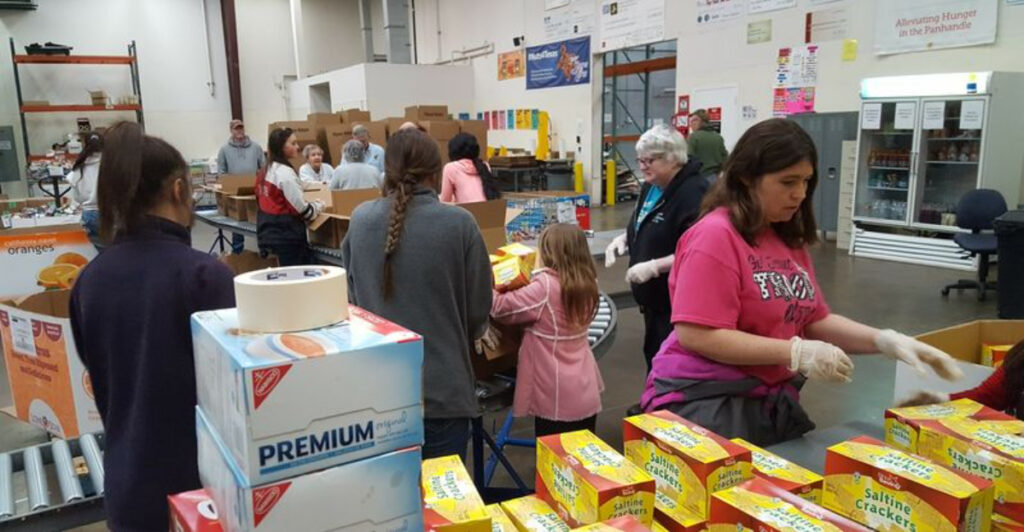
Out on the plains where the wind never stops and neighbors look out for each other, High Plains Food Bank runs a lifeline for older Texans who need a hand. Their Senior Adult Food Program reaches across 29 counties in the Panhandle, bringing boxes packed with shelf-stable groceries, fresh produce, and dairy products directly to seniors who qualify. No fancy paperwork marathon here—if you’re 60 or older, you’re in.
What makes this program stand out is how it meets people where they are. Distribution sites pop up in small towns and bigger cities alike, from Amarillo to tiny communities you’d miss if you blinked. Volunteers load up boxes that weigh around 30 pounds, filled with items chosen specifically for older adults’ nutritional needs.
Think whole grains, canned proteins, fresh fruits, and vegetables that actually taste good.
The program doesn’t just hand out food and wave goodbye. Many distribution sites double as social gatherings where seniors catch up with friends, share recipes, and swap stories. It’s community building disguised as grocery day.
Staff members also connect participants with other resources they might need, from Medicare counseling to utility assistance.
Funding comes through The Emergency Food Assistance Program and the Commodity Supplemental Food Program, which means the food bank can keep prices at zero for recipients. Seniors don’t pay a dime. The only requirement is meeting the age threshold and income guidelines, which are generous enough to help a broad swath of older Texans.
During harsh Panhandle winters or scorching summers, this program becomes even more critical. Seniors who might struggle to get to the grocery store can count on regular distributions. The High Plains Food Bank serves roughly 3,500 seniors monthly through this initiative, proving that even in wide-open spaces, nobody has to go hungry.
It’s Texas hospitality in action, one food box at a time.
2. Congregate/Senior Meal Program (Lancaster)
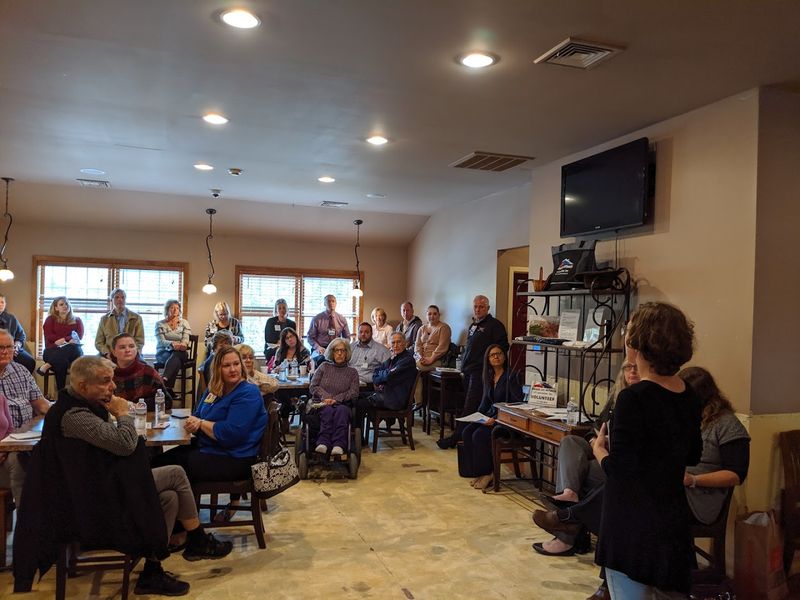
Lancaster knows how to throw a lunch party. Every weekday, the city’s Congregate Meal Program transforms the senior center into a bustling dining room where older residents gather for hot meals and even hotter conversation. This isn’t your sad cafeteria experience—it’s more like Sunday dinner with friends, except it happens Monday through Friday and costs next to nothing.
The menu rotates to keep things interesting, featuring everything from classic comfort foods to dishes with a little Tex-Mex flair. Each meal is designed by nutritionists to pack in the vitamins, minerals, and protein that older bodies need. You’ll find lean meats, whole grains, vegetables prepared in ways that don’t turn them to mush, and desserts that won’t spike your blood sugar into orbit.
Showing up for lunch does more than fill your stomach. The social aspect is half the magic. Regulars form tight-knit groups, celebrating birthdays, playing cards after meals, and checking in on each other throughout the week.
For seniors living alone, these daily gatherings combat isolation better than any prescription.
The program operates on a suggested donation model, meaning you contribute what you can afford. Nobody gets turned away for lack of funds. Most participants chip in a couple dollars, but if you’re stretched thin, you eat for free.
It’s dignity-preserving and practical.
Lancaster also offers home-delivered meals for seniors who can’t make it to the center due to mobility issues or health concerns. Volunteers bring hot lunches right to doorsteps, often staying for a quick chat to make sure everyone’s doing okay. It’s Meals on Wheels with a personal touch.
The program serves hundreds of Lancaster seniors weekly, funded through a mix of federal nutrition grants, city support, and donations. Staff members go beyond meal service, connecting participants with health screenings, exercise classes, and other resources available at the center. In Lancaster, lunch is just the beginning of what this program offers.
3. Senior Health & Wellness — BakerRipley (Houston)
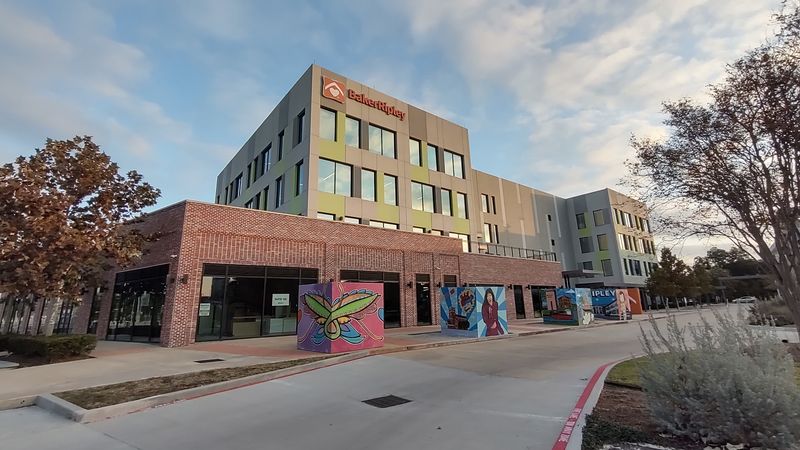
Houston’s sprawling neighborhoods can make it tough for seniors to access the services they need, but BakerRipley’s Senior Health & Wellness program cuts through that challenge like a hot knife through butter. Operating multiple centers across the city, this program weaves together nutrition, fitness, social activities, and health services into one comprehensive package that keeps older Houstonians thriving.
Meals form the cornerstone of what BakerRipley offers. Their congregate dining program serves lunch five days a week at various locations, with menus reflecting Houston’s incredible cultural diversity. You might find Vietnamese pho one day, soul food classics the next, and traditional Mexican dishes on Friday.
Every meal meets federal nutrition standards while honoring the flavors that make Houston’s food scene legendary.
Beyond the dining room, BakerRipley centers buzz with activity. Fitness classes ranging from chair yoga to Zumba Gold keep bodies moving. Health screenings catch problems early.
Educational workshops cover everything from managing diabetes to spotting scams targeting seniors. It’s a one-stop shop for aging well.
The program also runs robust home-delivered meal services for seniors who can’t travel to centers. Drivers drop off nutritious lunches and perform wellness checks, creating a safety net for isolated older adults. During Houston’s brutal summers or when health issues flare up, this service becomes absolutely vital.
Cost remains minimal. Suggested donations for meals hover around two dollars, but payment is never required. The organization’s philosophy is simple: nobody goes hungry because they’re broke.
BakerRipley pulls funding from grants, corporate partnerships, and individual donors to keep services accessible.
What really sets this program apart is its cultural competency. Staff members speak multiple languages, understand different dietary traditions, and create welcoming spaces for Houston’s diverse senior population. Whether you’re a longtime Texan or a recent immigrant, you’ll find your place at a BakerRipley center.
The organization serves thousands of older Houstonians annually, proving that comprehensive senior care doesn’t have to cost a fortune.
4. Angelina County Senior Center (Lufkin)
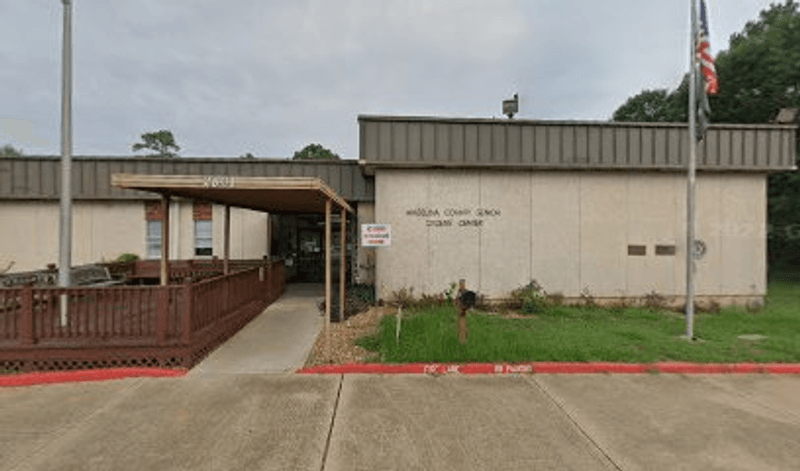
Deep in the Piney Woods, where East Texas culture runs strong and community ties matter more than fancy amenities, Angelina County Senior Center keeps older residents fed and connected. Located in Lufkin, this center has been a cornerstone of senior support for decades, adapting to changing needs while maintaining that small-town warmth that makes East Texas special.
The meal program here follows a traditional congregate model with a twist. Lunch gets served family-style at long tables where strangers quickly become friends. The kitchen staff knows everyone’s name, remembers who needs low-sodium options, and adjusts recipes based on feedback.
Menus lean toward Southern comfort—think pot roast, green beans cooked with bacon, cornbread that crumbles just right, and cobblers that taste like grandma made them.
Nutrition doesn’t take a backseat to flavor, though. Registered dietitians oversee meal planning to ensure seniors get balanced nutrition that supports healthy aging. Each plate includes lean protein, vegetables, whole grains, and fruit.
Special diets get accommodated without making anyone feel like they’re eating hospital food.
The center operates on voluntary contributions, with most meals costing participants whatever they can afford. Federal and state nutrition funding covers the bulk of expenses, allowing the center to focus on quality rather than profit. Seniors on fixed incomes eat alongside those who are more financially comfortable, with nobody knowing who paid what.
Beyond meals, the center hosts activities that keep minds sharp and bodies moving. Dominoes tournaments get competitive. Exercise classes fill up quickly.
Guest speakers cover topics from estate planning to gardening. It’s a hub of activity that combats the isolation many rural seniors face.
Home delivery extends the center’s reach to homebound seniors scattered across Angelina County’s rural areas. Volunteers navigate backroads to deliver hot meals and friendly faces to people who might otherwise go days without seeing another soul. In a county where neighbors still look after neighbors, this program embodies that spirit while providing professional-level nutrition support.
Hundreds of local seniors depend on it weekly.
5. 60+ Meal Program (Cedar Hill)
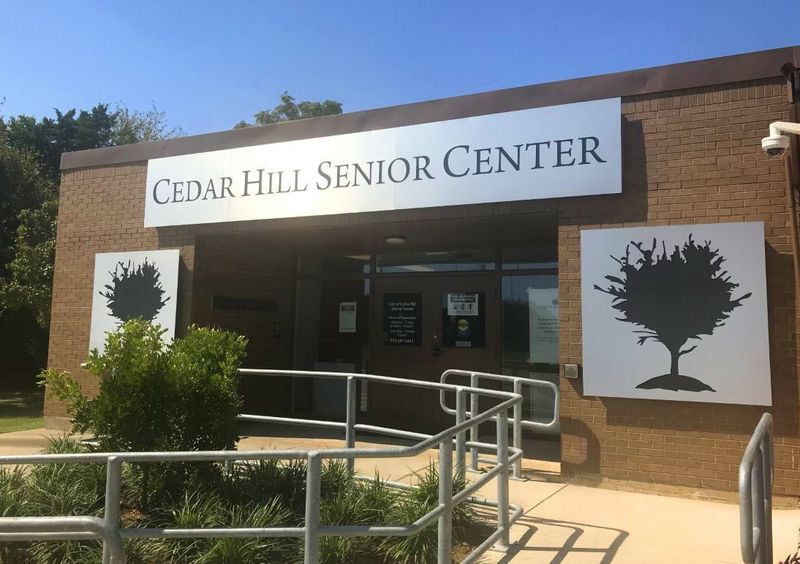
Cedar Hill’s approach to senior nutrition strips away the bureaucracy and gets straight to what matters: getting good food to people who need it. The city’s 60+ Meal Program operates with refreshing simplicity—if you’re 60 or older and you show up, you eat. No income verification, no complicated enrollment process, no judgment about why you’re there.
Meals get served at the Government Center during weekday lunches, turning a municipal building into a lively gathering spot. The dining area fills with laughter, conversation, and the clatter of silverware as seniors dig into meals that actually taste good. Cedar Hill’s program partners with food service providers who understand that institutional food doesn’t have to be bland or boring.
Menus rotate monthly, offering variety that keeps regulars coming back. You’ll find everything from grilled chicken with roasted vegetables to pasta dishes with garden salads. Desserts make regular appearances, because life’s too short to skip the sweet stuff.
Each meal is portioned to provide about a third of daily nutritional requirements, giving seniors a solid foundation for healthy eating.
The suggested donation sits at just a few dollars, but it’s truly optional. Staff members make it crystal clear that payment isn’t required. This policy removes the shame that sometimes keeps seniors from seeking help, allowing people to maintain dignity while getting the nutrition they need.
Cedar Hill also runs a home-delivered meal service for residents who can’t make it to the center. Volunteers bring lunches to doorsteps throughout the city, often becoming the only regular visitor some homebound seniors see. These daily check-ins provide peace of mind for families and create a safety net for vulnerable older adults.
What makes this program special is its integration with other senior services. After lunch, participants can stick around for fitness classes, health screenings, or recreational activities. The city’s senior coordinator works the room during meals, connecting people with resources they might not know exist.
It’s community building that happens organically over chicken and vegetables. Cedar Hill serves several hundred seniors through this program, proving that even smaller cities can make a major impact on senior hunger and isolation.
6. Cibolo Senior Program (Cibolo)
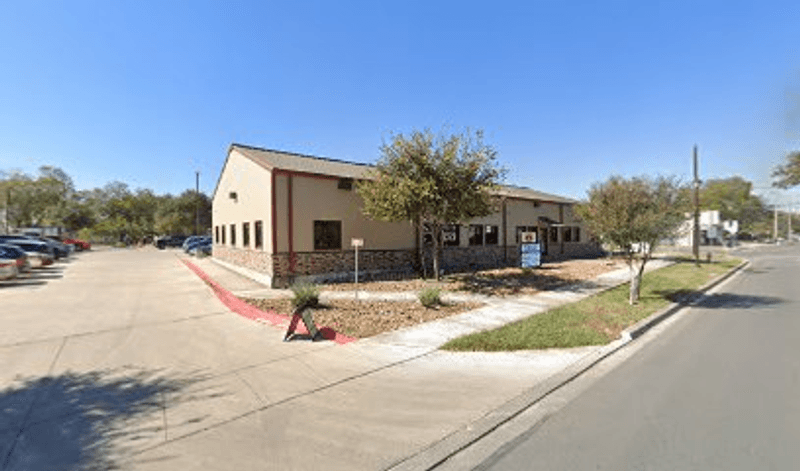
Cibolo might be one of Texas’s fastest-growing cities, but its Senior Program hasn’t forgotten the older residents who deserve attention amid all that expansion. Tucked into the city’s recreation facilities, this program serves seniors with a combination of nutrition services, wellness activities, and social opportunities that rival what you’d find in much larger cities.
The meal component operates on a congregate dining model, with lunches served several days a week in a bright, cheerful space that doesn’t feel institutional. Menus reflect input from participants, creating a dining experience that feels more like eating at a friend’s house than a government program. The kitchen accommodates dietary restrictions without making anyone feel like a burden—vegetarian options, diabetic-friendly meals, and low-sodium choices appear regularly.
Cibolo’s program emphasizes the social benefits of shared meals just as much as the nutritional value. Tables are arranged to encourage conversation, and staff members facilitate introductions between newcomers and regulars. Many participants arrive for the food but keep coming back for the friendships.
It’s not unusual to see groups coordinating carpools or planning to meet up outside program hours.
Pricing follows the voluntary donation model, with suggested contributions that barely cover a fraction of the actual meal cost. Federal nutrition funding and city support make up the difference, ensuring that financial barriers don’t keep seniors away. The program’s philosophy centers on access—every older Cibolo resident should be able to participate regardless of their bank balance.
Beyond meals, the program offers fitness classes tailored to older bodies, educational workshops on everything from nutrition to technology, and recreational activities that keep minds engaged. Guest speakers, day trips, and special events create variety throughout the year. It’s a comprehensive approach to senior wellness that recognizes food is just one piece of healthy aging.
For homebound seniors, Cibolo coordinates delivery services that bring meals and human connection to those who can’t leave home easily. Volunteers check in on recipients, providing an extra layer of safety monitoring that gives families peace of mind. In a city experiencing rapid change, this program ensures older residents aren’t left behind.
Cibolo’s investment in senior nutrition and wellness demonstrates that growth and care for vulnerable populations can happen simultaneously.
Share this story