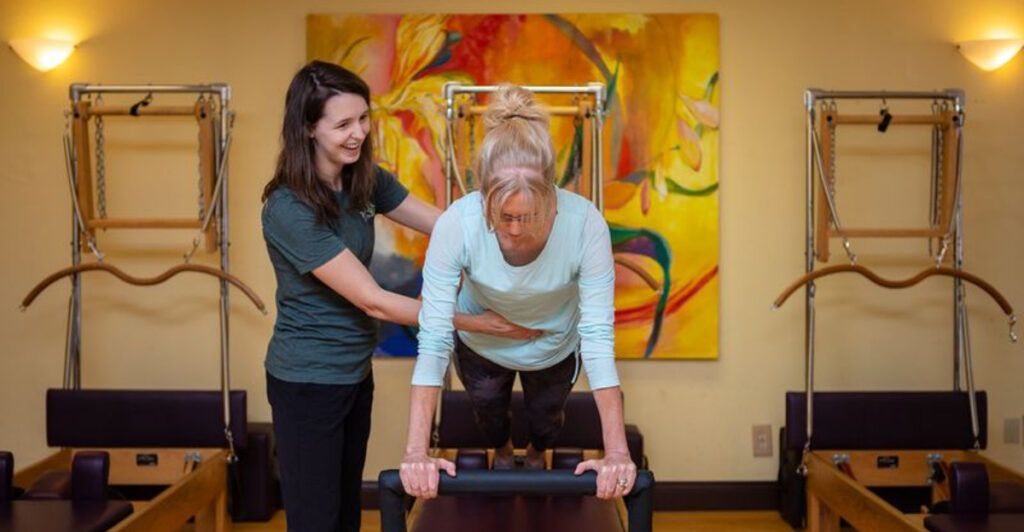
Finding a fitness routine that respects your body while challenging it can feel tricky as you get older. Pilates studios across Texas are stepping up with programs specifically designed for seniors, combining gentle movements with strength-building exercises that protect joints and improve balance. These welcoming spaces understand that staying active after 50, 60, or 70 looks different than it did in your 30s, and they’ve created classes that honor that reality.
Whether you’re brand new to exercise or looking to maintain your current fitness level, these five Texas studios have built reputations for making seniors feel comfortable, capable, and energized.
1. Pilates Center Austin (SeniorFit Program)
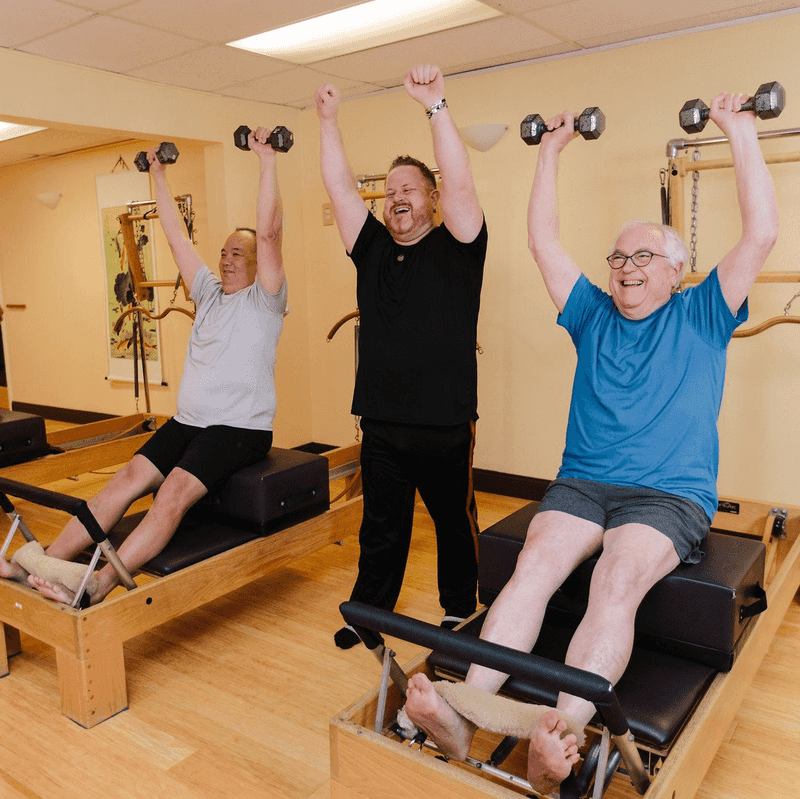
Austin’s Pilates Center has been around long enough to understand that one-size-fits-all fitness doesn’t work, especially for older adults. Their SeniorFit Program takes the traditional Pilates method and adapts it specifically for bodies that need more attention to balance, flexibility, and joint health. Instructors here aren’t just running through a routine—they’re watching how you move and adjusting exercises on the spot.
The program focuses heavily on fall prevention, which becomes increasingly important as we age. Through controlled movements on reformer machines and mat work, participants build core strength that translates directly to better stability in everyday life. Reaching for something on a high shelf or recovering your balance on uneven pavement becomes easier when your deep stabilizing muscles are engaged and strong.
Class sizes stay intentionally small, usually maxing out around six people. This means instructors can give real attention to your form and progress rather than just shouting general cues to a crowded room. Many participants report feeling less intimidated in these smaller groups, especially if they’re new to structured exercise or coming back after an injury.
The studio itself feels calm rather than chaotic, with natural light streaming through large windows and equipment that’s well-maintained and easy to use. There’s no pressure to keep up with younger, more flexible classmates because everyone in the room is working within similar age ranges and fitness levels. Modifications are the norm, not the exception.
What makes this program particularly valuable is the instructors’ understanding of common senior concerns like osteoporosis, arthritis, and post-surgical recovery. They’ve trained specifically in working with these conditions and know which movements to avoid and which ones actually help. You’re not just getting a workout—you’re getting movement therapy that considers your body’s current reality and helps you build from there.
2. Corpus Christi Athletic Club (Pilates Reformer Classes)
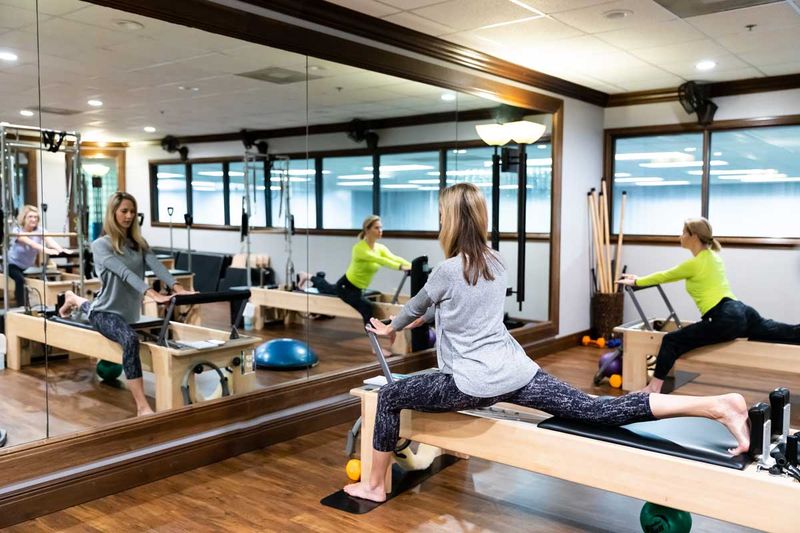
Down on the Gulf Coast, Corpus Christi Athletic Club has built something special for seniors who want the benefits of Pilates without feeling out of place in a traditional gym setting. Their reformer classes attract older members who appreciate the low-impact nature of the equipment combined with the social atmosphere of a full-service athletic club. The reformers here get regular use, but the club maintains them meticulously so everything glides smoothly.
Reformer Pilates offers unique advantages for aging bodies because the springs provide resistance you can actually control. Unlike free weights that rely entirely on gravity, reformers let you adjust tension to match your strength level on any given day. Feeling a bit tired or dealing with a flare-up of arthritis?
Lighten the springs. Having a good day and want more challenge? Increase the resistance.
The instructors at this club have developed a reputation for being patient without being patronizing—a balance that’s harder to strike than you might think. They demonstrate modifications clearly and encourage questions, creating an environment where admitting you don’t understand something feels perfectly acceptable. Nobody’s judging you for needing extra explanation or a different approach.
Being part of a larger athletic club means you have access to other amenities like a pool, sauna, and social areas where you can connect with other members before or after class. Many seniors find that the social component of regular class attendance matters just as much as the physical benefits. Seeing familiar faces each week and chatting with people who share similar life stages adds a community element that home workouts simply can’t replicate.
The club’s location near the bay means you can easily combine your Pilates session with a walk along the water or a healthy meal at one of the nearby restaurants. Making fitness part of a larger, enjoyable outing rather than an isolated chore helps people stick with it long-term.
3. Club Pilates (Multiple Texas Locations)
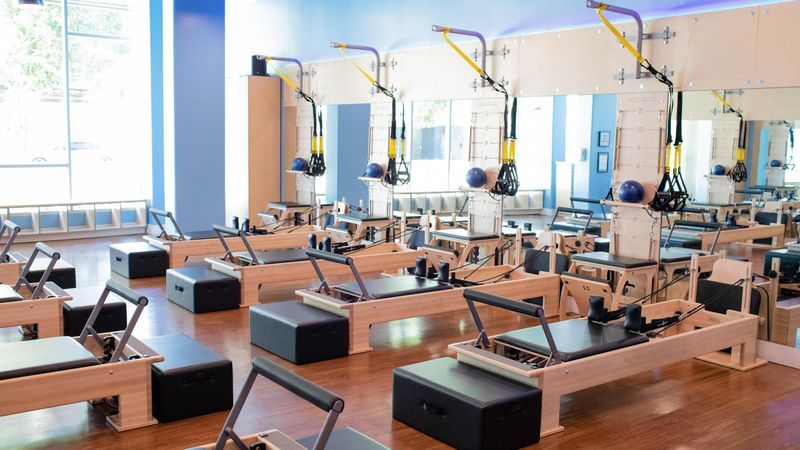
With locations scattered throughout Texas—from Dallas and Houston to San Antonio and beyond—Club Pilates has made specialized senior classes accessible to a huge portion of the state’s older population. The franchise model means consistency: walk into any Texas location and you’ll find similar equipment, class structures, and teaching philosophies. For seniors who travel between cities to visit family or who split time between different parts of the state, this consistency removes the anxiety of trying unfamiliar studios.
Their Center + Balance classes specifically target the needs of older adults, focusing on stability exercises that help prevent falls and maintain independence. The instructors teaching these classes receive additional training in working with age-related concerns, from reduced bone density to limited range of motion. They understand that pushing too hard too fast leads to injury and discouragement, so the progression happens gradually.
Each location offers intro packages that let you try several classes at a reduced rate before committing to a membership. This low-pressure approach works well for seniors who might feel hesitant about signing up for something new. You can test whether the studio’s vibe works for you, whether the schedule fits your routine, and whether you actually enjoy the workout style before making a financial commitment.
The equipment at Club Pilates goes beyond just reformers—you’ll also work with TRX straps, Bosu balls, and other props that add variety to your routine. This diversity keeps classes interesting and challenges your body in different ways, which helps maintain engagement over months and years rather than weeks. Boredom is a legitimate reason people quit exercise programs, and Club Pilates seems to understand that.
Many locations schedule their senior-focused classes during mid-morning or early afternoon hours, avoiding the pre-work and post-work rush when studios get crowded and parking becomes difficult. This timing consideration shows an understanding of how older adults prefer to structure their days, with time for a leisurely breakfast before class and avoiding driving during peak traffic.
4. Life Time (ARORA Pilates Program)
Life Time’s ARORA program represents one of the most comprehensive approaches to senior fitness available at a major gym chain, and their Texas locations have fully embraced it. ARORA stands for Active, Relevant, Outstanding, Responsible, Authentic—fancy acronym aside, it’s essentially a promise that classes will be designed for real older adults, not watered-down versions of what younger people do. The Pilates component of ARORA focuses specifically on functional movement patterns that translate to daily activities.
What sets Life Time’s approach apart is the integration of Pilates with other wellness services available at their large facilities. You might take a Pilates class one day, try the pool for water aerobics another day, and meet with a nutritionist the following week—all under one roof with staff who communicate about your goals and progress. This holistic approach recognizes that fitness is just one piece of healthy aging.
The ARORA Pilates instructors receive specialized certification in working with the 55-plus population, learning about common conditions like rotator cuff issues, knee replacements, and balance disorders. They’re trained to spot compensation patterns where you might be using the wrong muscles to complete a movement, which can lead to injury over time. Catching and correcting these patterns early makes a real difference in long-term outcomes.
Life Time facilities tend to be spacious and well-appointed, with plenty of natural light, clean locker rooms, and comfortable spaces to relax before or after class. While this comes with a higher membership price than budget gyms, many seniors find the investment worthwhile for the quality of instruction and the pleasant environment. Feeling good about where you work out increases the likelihood you’ll actually show up consistently.
The social calendar at Life Time locations often includes events specifically for ARORA members—coffee meetups, educational seminars, group outings—that help build community beyond just seeing each other in class. These connections can be especially valuable for retirees or empty-nesters looking to expand their social circles with people in similar life stages.
Share this story