Deep in the remote backcountry of Big Bend National Park sits a forgotten piece of Texas history that most visitors never see. The Mariscal Mine trail stretches just one mile, but it transports hikers through crumbling mercury refinery ruins, mysterious ventilation shafts, and abandoned equipment scattered across a lonely desert hillside. Getting there requires patience, a rugged vehicle, and hours of bumpy dirt roads, but those who make the journey discover why this short hike ranks among the most fascinating in all of Texas.
1. The Journey Is Half the Adventure
Getting to Mariscal Mine isn’t about hopping out of your car at a convenient trailhead. River Road East offers the smoothest approach, but even that demands high clearance and plenty of time. Expect two to three hours of slow driving from Panther Junction, navigating washboarded surfaces that rattle your teeth and test your suspension.
Black Gap Road presents the toughest challenge for serious off-roaders seeking adventure. The isolation out here feels complete and absolute. One visitor went an entire day without seeing another soul, which sounds romantic until you consider what a flat tire or mechanical problem would mean miles from help.
Bringing emergency communication makes sense in country this wild. Satellite messengers or newer iPhones with SOS features provide peace of mind when cell service vanishes completely. The rocks along these primitive roads are sharp enough to shred tires, especially on larger vehicles that barely squeeze through narrow, overgrown sections.
A Jeep-sized rig handles the terrain best, though full-size trucks can manage with careful driving. Summer heat amplifies every risk, turning minor inconveniences into genuine emergencies. Plan your visit for cooler months when the desert shows mercy.
Despite the rough access, nearly everyone who makes the trek calls it absolutely worth the effort and patience required.
2. History Written in Stone and Mercury
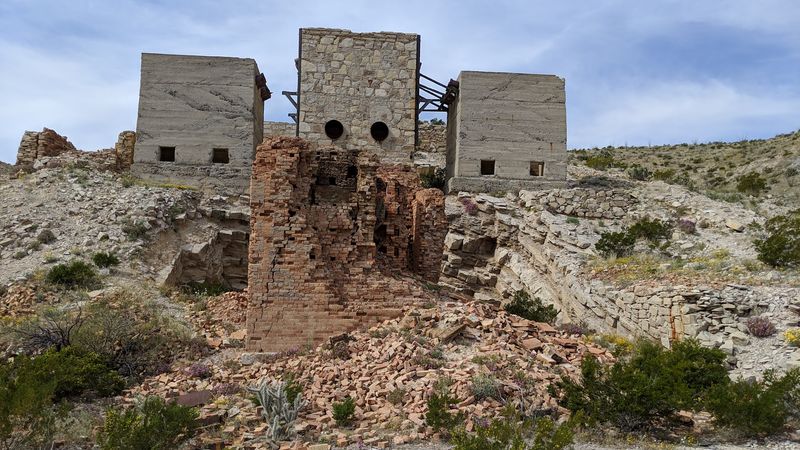
Cinnabar mining defined life at Mariscal in the early 20th century, when workers extracted mercury from red ore under brutal conditions. Unlike typical gold or silver operations, this mine processed quicksilver for industrial uses. The refinery structures still standing tell stories of dangerous work in unforgiving isolation.
Imagine living here before modern conveniences, hauling supplies by mule across trackless desert. The logistics alone seem impossible from our air-conditioned perspective. Workers endured scorching summers and frigid winters while handling toxic materials without proper safety equipment.
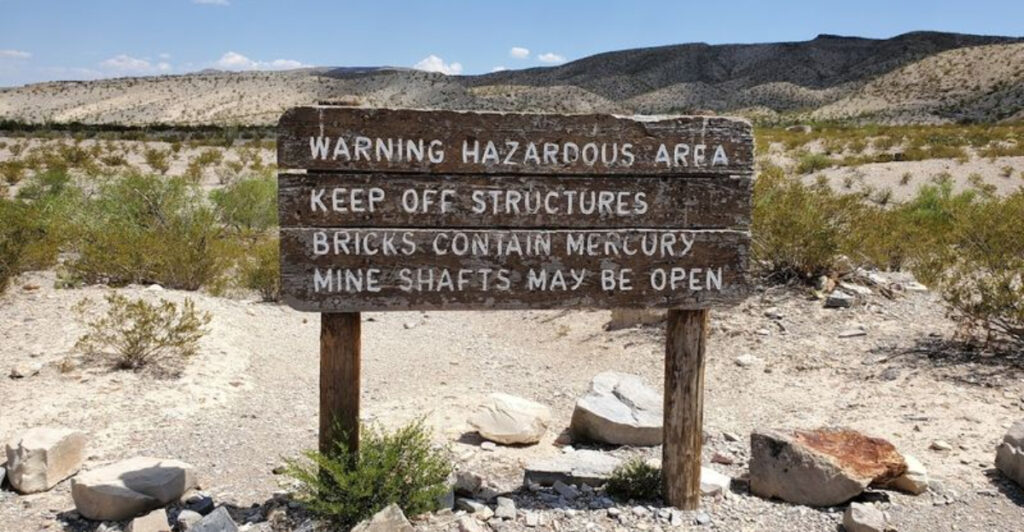
Mercury contamination remains a serious concern today. Warning signs remind visitors that touching any rocks, bricks, or structural materials risks exposure to dangerous levels of the element. Even seemingly innocent debris contains mercury residue from decades of refining operations.
Small children need constant supervision since they naturally want to touch everything interesting. Mobility-challenged visitors can appreciate the site from the base, though reaching the upper levels requires scrambling over loose rocks. The scale surprises first-time visitors who expect a modest operation from the road but discover massive infrastructure up close.
Old equipment scattered around the property includes a Model T reduced to engine and shell. Clay furnace parts that once melted mercury from ore sit frozen in time, offering tangible connections to industrial archaeology and forgotten Texas frontier enterprise.
3. Mine Shafts and Ventilation Tunnels
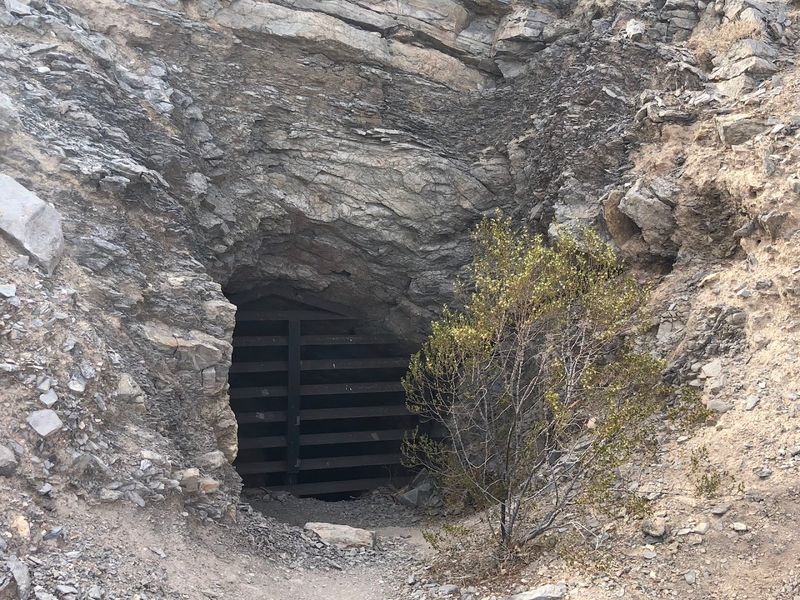
Multiple shaft openings puncture the hillside, some barely visible until you’re nearly on top of them. Metal gates seal the main entrances now, preventing curious explorers from venturing into unstable passages. Peering through the bars into darkness sends chills down your spine as you imagine miners descending daily into those depths.
Ventilation shafts dot the upper reaches of the trail, creating an eerie network that once circulated air through underground workings. These openings appear suddenly along the path, requiring careful foot placement to avoid accidents. Looking down into the shafts reveals nothing but blackness and the faint echo of dropping pebbles.
The engineering required to construct this system in such remote terrain impresses modern visitors. Workers carved these passages by hand with primitive tools and explosives. Accidents surely happened regularly given the hazardous conditions and isolation from medical care.
Walking among these openings brings the operation’s scale into focus. This wasn’t a small prospecting venture but a full industrial complex that employed dozens and produced significant mercury quantities. The shafts remain accessible enough to examine closely while gates prevent dangerous exploration.
Photographers find endless compositions around the sealed entrances, where rusted metal contrasts with weathered stone. The creepy atmosphere intensifies as shadows lengthen across the hillside, transforming innocent geological features into something more ominous and mysterious.
4. Scrambling Over Loose Desert Rock
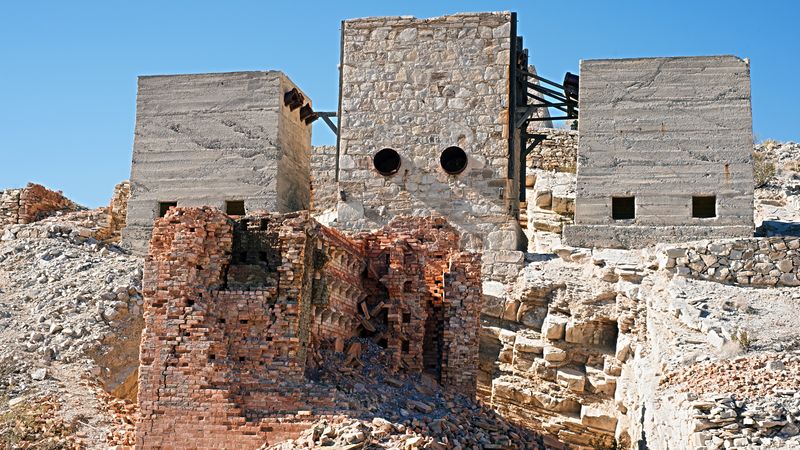
Calling this a traditional trail overstates the situation considerably. You’ll scramble up inclines covered with rocks that shift underfoot, testing balance and nerve. No handrails guide your ascent, no engineered switchbacks ease the grade.
Raw terrain demands attention and respect.
Fitness level matters more than you might expect for a one-mile hike. The elevation gain feels significant when combined with unstable footing and desert heat. Out-of-shape visitors often underestimate the physical challenge, arriving breathless at the upper structures.
Proper footwear makes the difference between enjoyment and misery. Hiking boots with ankle support and aggressive tread provide necessary traction on loose surfaces. Tennis shoes or sandals invite twisted ankles and painful slips.
Mobility issues create legitimate barriers here since no accessible path exists to the most interesting features. Wheelchairs and walkers simply cannot navigate this terrain safely. Even those with minor knee or hip problems should consider whether the scrambling matches their current abilities.
Children need close supervision as the trail offers numerous opportunities for falls. Steep dropoffs appear without warning near windows and openings in upper structures. Treating this like a managed tourist attraction could lead to serious injuries since Big Bend maintains the site in its natural, unimproved condition.
Take your time ascending and watch where you place each foot. Rushing invites accidents in country where help sits hours away by rough roads.
5. Crumbling Buildings Tell Silent Stories
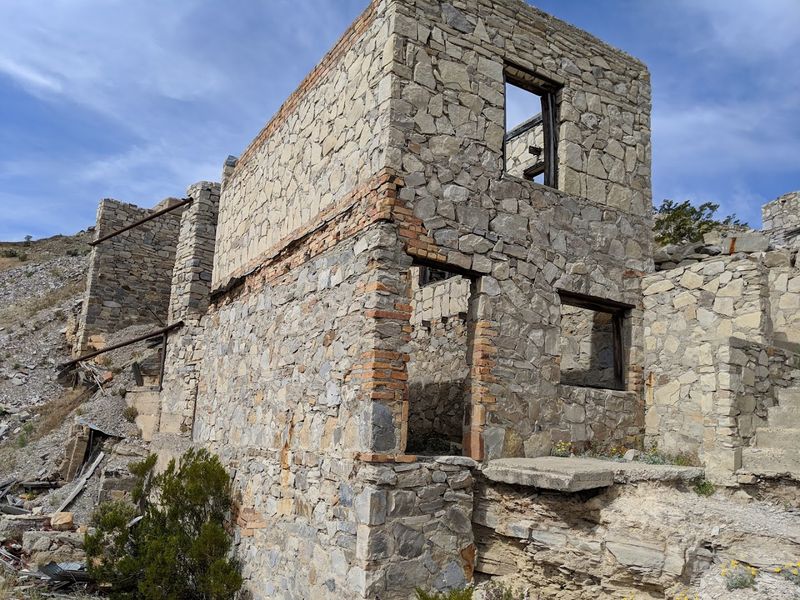
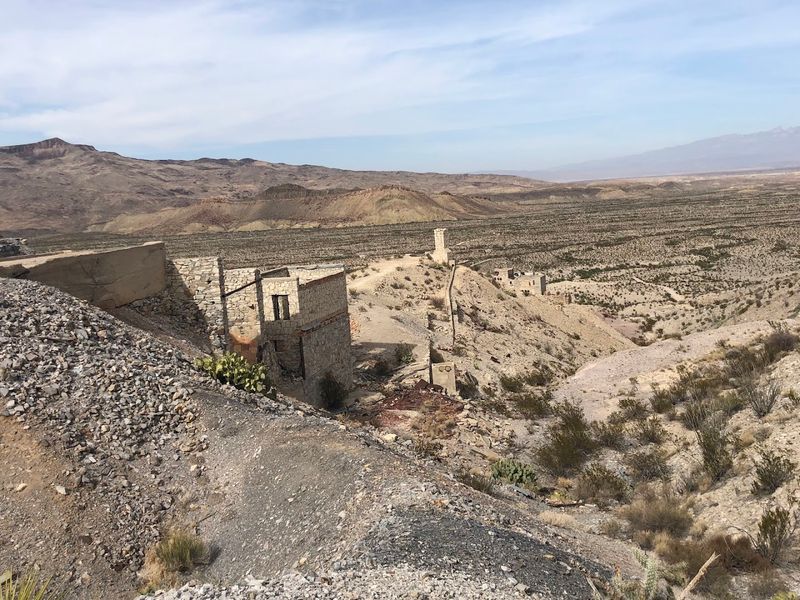
Stone and brick structures cling to the hillside in various states of collapse. Walls stand three stories tall in places, their empty window frames offering stunning desert vistas. Walking through these roofless rooms feels like exploring a ghost town frozen mid-abandonment.
The buildings served different functions during active operations including housing, processing, and storage. Trying to identify each structure’s original purpose adds detective work to your exploration. Architectural details hint at construction techniques used when materials arrived by wagon.
Photography opportunities abound as light streams through windows and doorways. Afternoon shadows create dramatic contrasts against weathered masonry. The juxtaposition of human construction against endless desert landscape produces images both beautiful and melancholy.
Climbing through upper levels requires caution since floors disappeared long ago. Open windows lead directly to significant drops with nothing preventing a fatal fall. Parents must watch children constantly as the temptation to explore every opening proves irresistible to young adventurers.
Graffiti remains mercifully minimal, suggesting visitors respect the historical significance. Vandalism would be easy given the remote location and lack of regular patrols. The preservation speaks well of those who make the difficult journey and choose to leave things undisturbed.
Sitting quietly in these ruins lets imagination reconstruct the bustling activity that once filled these spaces. Voices, machinery noise, and daily routines played out where now only wind and silence remain.
6. Sunset Views Worth the Wait
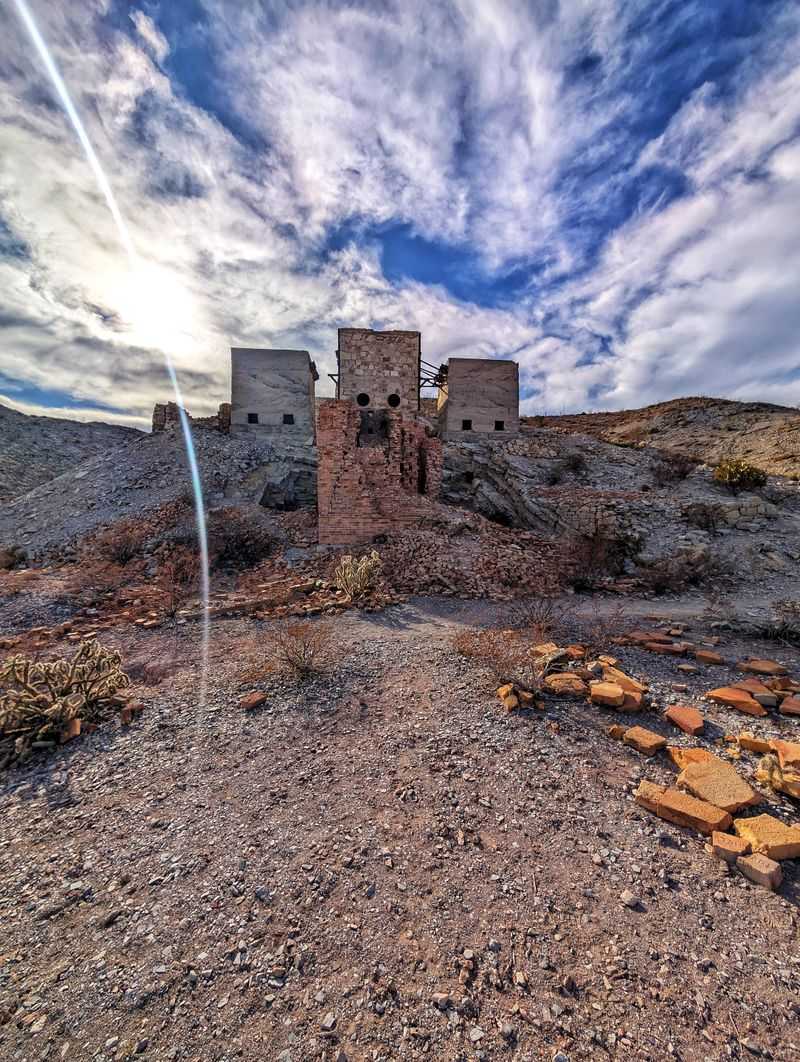
Timing your visit for late afternoon rewards patience with spectacular light shows. The elevated position provides panoramic views across Big Bend’s most remote sections. Mountains layer into the distance, creating depth and drama as the sun drops toward the horizon.
Colors intensify as daylight fades, painting rocks and ruins in warm amber and crimson. The desert seems to glow from within during these magical minutes. Photographers scramble for compositions that capture both ruins and landscape in single frames.
Temperature drops noticeably as the sun disappears, providing relief from daytime heat. The shift from oppressive warmth to comfortable coolness happens quickly in dry desert air. Bringing layers ensures comfort during the transition.
Solitude enhances the experience since crowds never materialize at Mariscal. You might have the entire site to yourself during golden hour. The silence becomes profound as darkness approaches and the last light fades from distant peaks.
However, hiking back to your vehicle after dark presents real challenges. The loose rocky trail becomes treacherous without adequate light, and getting lost is easier than you’d think. Headlamps or flashlights are essential if you linger past sunset.
Wildlife becomes more active during twilight hours, adding another dimension to your visit. Javelinas, deer, and smaller creatures emerge to forage as temperatures moderate. The desert transforms from static landscape to living ecosystem before your eyes.
7. Abandoned Equipment and Artifacts
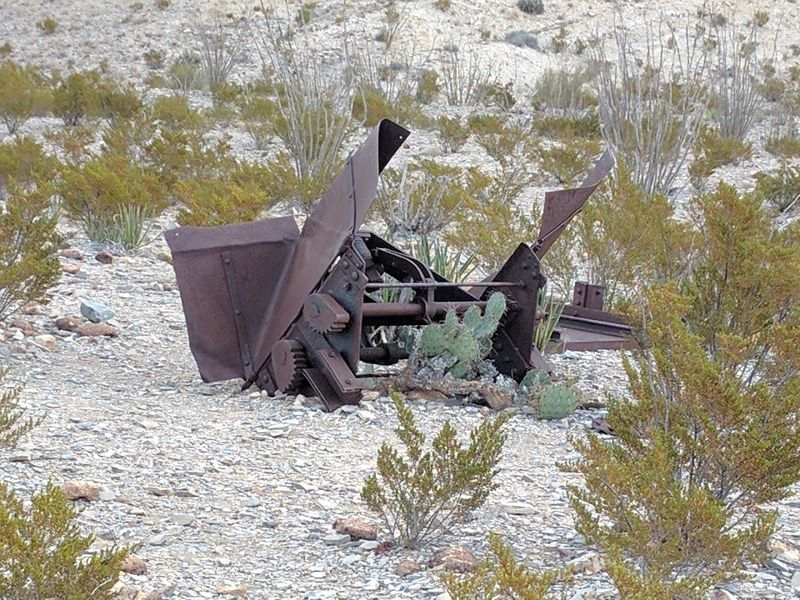
Scattered across the property, rusted equipment tells the story of industrial operations frozen in time. That Model T stripped down to frame and engine block captures imaginations most powerfully. How did it get here originally, and why was it abandoned when leaving seemed impossible?
Other machinery lies half-buried in sand and gravel, slowly being reclaimed by the desert. Identifying specific pieces challenges even mechanically-inclined visitors since decades of weathering obscure original forms. Metal that once gleamed now flakes away in rusty layers.
These artifacts provide tangible connections to daily life at the mine. Workers depended on this equipment for survival and production in an environment that tolerated no failures. Each piece represents investment, hope, and eventually abandonment when operations ceased.
Resisting the urge to touch or move artifacts requires discipline. Mercury contamination aside, disturbing historical materials damages their archaeological value. Future researchers need these items in place to understand the site’s operation and timeline.
The National Park Service wisely leaves everything undisturbed rather than removing artifacts to storage. Seeing objects in their original context provides authenticity no museum display can match. The scattered equipment helps visitors understand the mine’s scale and complexity.
Children find these rusted relics endlessly fascinating, sparking questions about how things worked and what life was like here. The teaching opportunities are exceptional for parents willing to research and discuss early 20th-century industrial history and frontier hardship.
8. Reading the Landscape for History
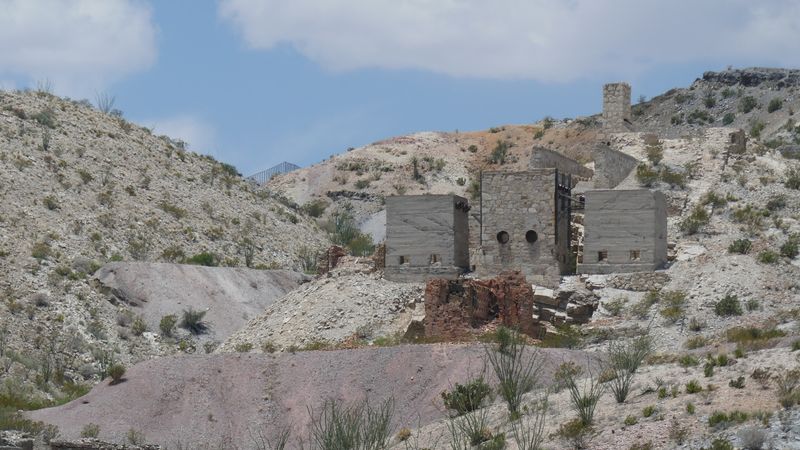
Beyond the obvious structures, the landscape itself reveals the mine’s impact. Terraces carved into the hillside show where workers excavated ore systematically. Tailings piles contain crushed rock processed through the refinery, their unnatural angles contrasting with surrounding geology.
Vegetation grows differently where soil was disturbed or contaminated. Sparse patches alternate with denser growth, creating patterns visible from a distance. Reading these subtle clues helps reconstruct how the operation expanded and evolved over time.
The mine sits on an isolated mountain that once made geological sense for cinnabar deposits. Understanding why prospectors chose this specific location requires basic knowledge of mineral formation. The red-tinged rocks that attracted miners still appear throughout the site.
Water access must have been challenging since no obvious sources exist nearby. Workers likely hauled water significant distances or caught rainwater in cisterns. The logistics of sustaining a workforce here boggle modern minds accustomed to infrastructure and convenience.
Standing atop the ruins provides perspective on how completely isolated this outpost was. No towns, roads, or settlements appear in any direction. The nearest help sat days away by mule or wagon.
Medical emergencies, supply shortages, and simple loneliness must have taken psychological tolls.
The landscape’s beauty makes the harsh realities easier to overlook. Stunning vistas distract from the fact that this was a dangerous, difficult place to work and live for extended periods.
9. Planning Your Visit Wisely
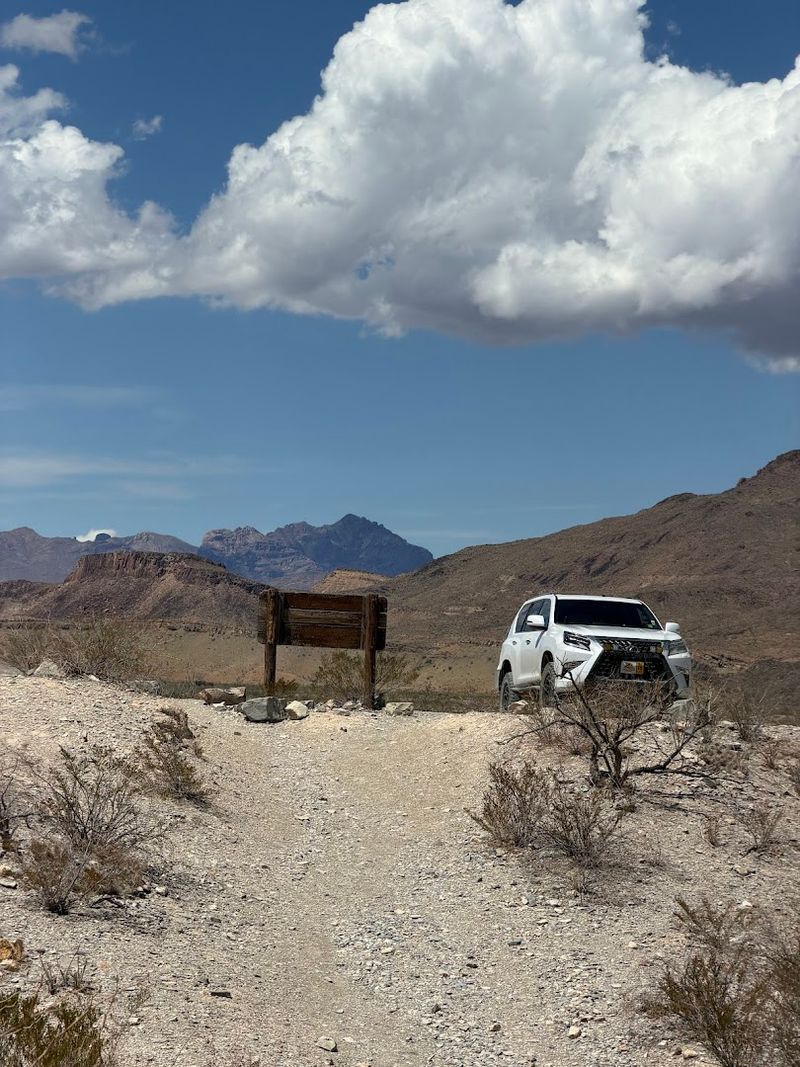
Information at the site itself remains relatively sparse, so researching beforehand enhances your experience significantly. The National Park Service website provides historical background and safety warnings. Purchasing books about Big Bend mining history before your trip pays dividends when you’re standing among the ruins.
Vehicle preparation matters more than casual visitors realize. Check tire condition carefully since sharp rocks shred rubber efficiently. Carrying a full-size spare, tire repair kit, and basic tools could save your trip if problems develop miles from help.
Water and sun protection are non-negotiable in Big Bend’s climate. Dehydration happens faster than you expect when scrambling over rocks under intense sun. Bringing twice as much water as you think necessary makes good sense.
Letting someone know your plans provides a safety net in case you don’t return on schedule. The Park Service encourages backcountry travelers to file trip plans. Cell service doesn’t exist in this area, making self-reliance essential.
Visiting during cooler months improves comfort and safety dramatically. Spring and fall offer ideal temperatures for exploration without summer’s brutal heat. Winter can be surprisingly cold, especially at elevation and after sunset.
Allow a full day for the round trip from popular park areas. Rushing through the drive or exploration diminishes the experience. This unusual hike deserves your full attention and unhurried appreciation for the remarkable history preserved in these remote ruins.
Share this story