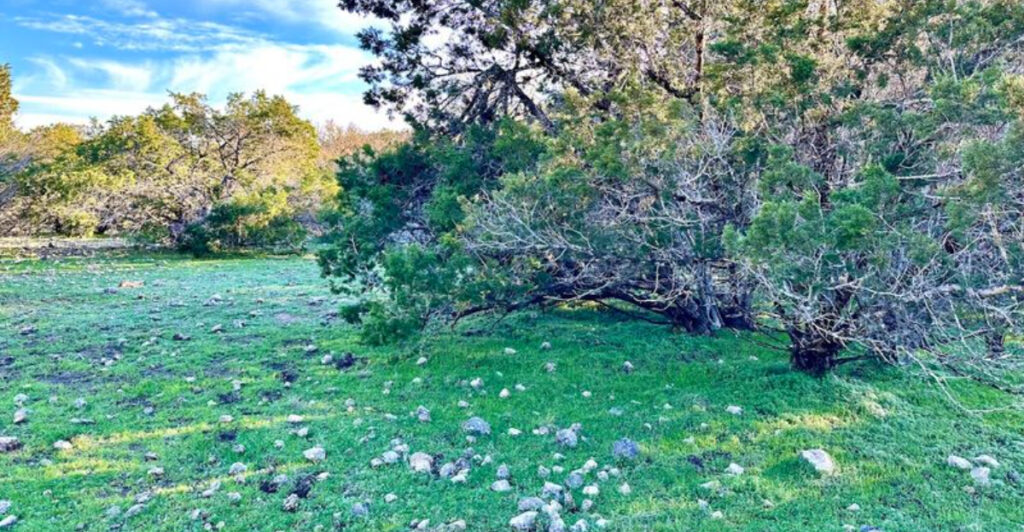
Near Spring Branch, Honey Creek State Natural Area invites hikers to explore one of Texas’s most unspoiled natural landscapes. This protected 2-mile trail winds through a lush forested canyon where limestone cliffs tower overhead and crystal-clear water flows through one of Texas’s last remaining unspoiled creeks. Access is limited to guided tours on Saturday mornings, making every visit feel like you’re discovering a secret corner of wilderness that few people get to experience.
1. Saturday Morning Guided Tours Only
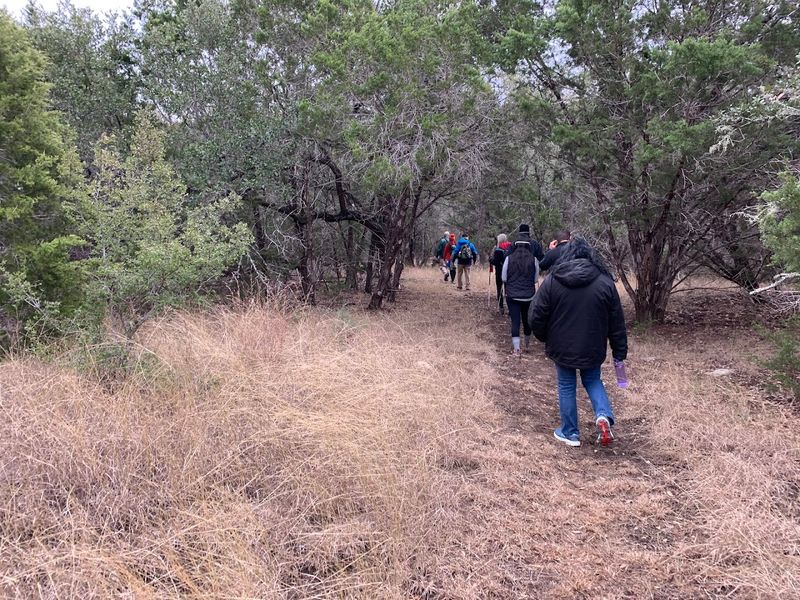
Forget spontaneous weekend adventures. Honey Creek operates on a strict reservation-only system with guided tours happening exclusively on Saturday mornings at 9 AM. You can’t just show up and wander off into the woods whenever you feel like it.
The Texas Parks and Wildlife Department keeps this area locked down tight to protect its delicate ecosystem. Tours fill up fast, so booking ahead through the Guadalupe River State Park website is essential if you want to secure your spot. Most reviewers mention that advance planning pays off big time.
Each tour lasts between two and a half to three hours, led by Master Naturalist volunteers who know every plant, rock formation, and critter call in the canyon. These aren’t just casual strolls. Guides stop frequently to explain geological features, point out native flora, and share the fascinating human history of the area.
The educational focus means you’ll spend considerable time listening and learning rather than power-hiking. Some visitors love the in-depth experience, while others wish for more independent exploration time. Either way, this guided format is the only legal way to access the trail.
Park entry requires a separate $7 day-use fee for Guadalupe River State Park, which serves as the gateway to Honey Creek. Donations for the tour itself are suggested but not mandatory. Show up early because the line to enter the park can stretch during peak season.
2. Pristine Creek Worth the Wait
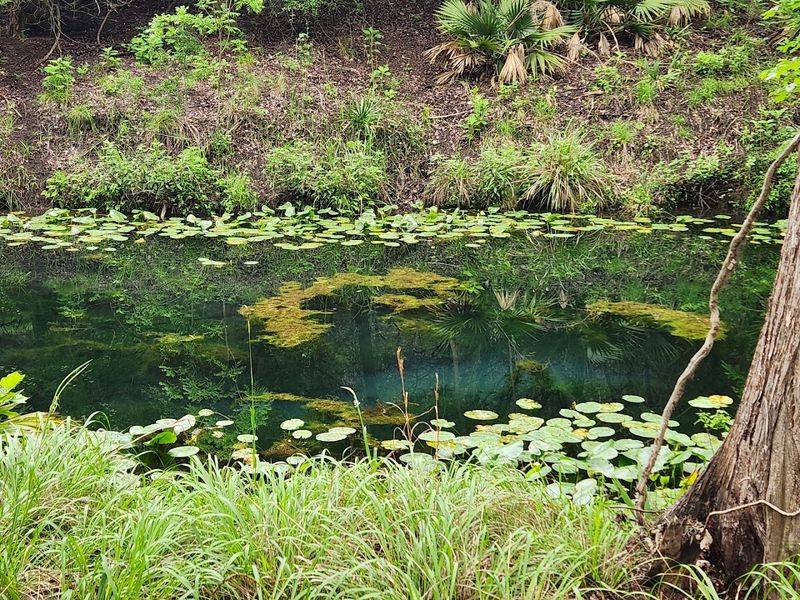
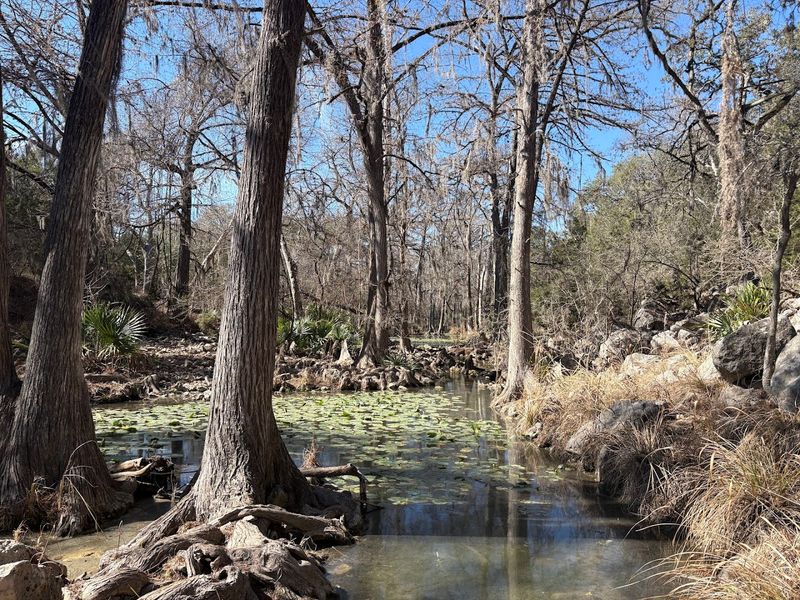
After walking for over two hours through the canyon, you finally reach the main attraction. Honey Creek itself is stunningly clear, flowing over smooth limestone bedrock with pools that reflect the surrounding canopy. This is one of the last truly pristine creeks in all of Texas.
The water stays remarkably clean year-round thanks to the restricted access policy. No trampling feet, no litter, no crowds disturbing the delicate aquatic ecosystem that thrives here. You can actually see straight to the bottom in most spots.
The catch? You only get about ten to twenty minutes of actual creek time during the tour. Guides will walk you along roughly 150 yards of the 1.5-mile waterway, giving you a brief window to take photos, listen to the water, and soak in the beauty before heading back.
Some hikers find this frustrating after the long walk to get there. One reviewer gave a scathing one-star rating specifically because the creek portion felt rushed compared to all the stops discussing trees and geology along the way. Others appreciate that the limited exposure helps preserve what makes this place special.
The creek supports unique species adapted to the Edwards Plateau environment. Springs feed the waterway from the underground aquifer system, keeping it flowing even during dry spells when other Hill Country streams run bone dry. That reliability makes it critical habitat for everything from salamanders to songbirds.
3. Rocky Terrain and Hiking Boots Required
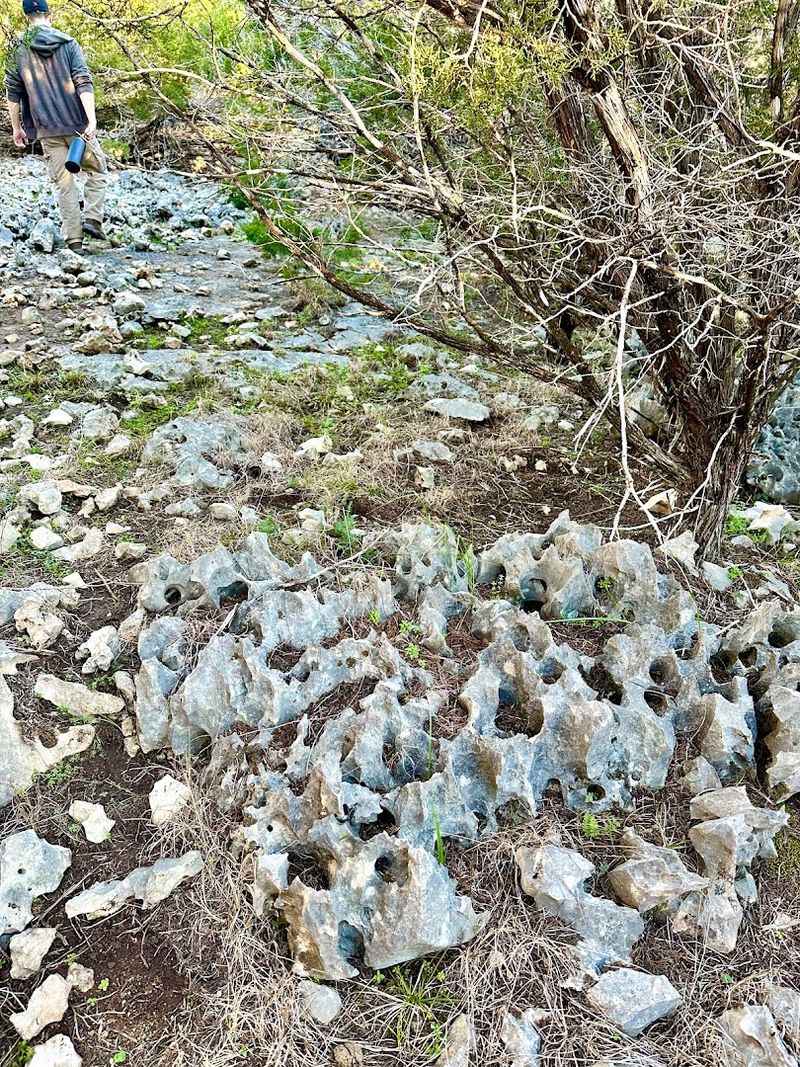
Leave your running shoes at home. Multiple reviewers specifically mention that hiking boots are absolutely necessary for this trail, and they’re not exaggerating. The path is loaded with loose rocks, uneven limestone slabs, and sections where you’re basically scrambling over natural obstacles.
The terrain ranges from relatively flat floodplain areas to steeper canyon slopes. Nothing here qualifies as technical climbing, but you’ll definitely feel it in your legs, especially on the uphill return trek. The trail rates as low to medium difficulty overall.
Ankle support matters more than you might think. One wrong step on a wobbly rock could easily turn your nature walk into a trip to urgent care. The guides set a deliberately slow pace partly because of these hazards, stopping frequently to let everyone navigate tricky sections safely.
Bring trekking poles if you have dodgy knees or balance concerns. The uneven surfaces can be challenging for anyone with mobility issues, though the guides are patient and accommodating. Just know going in that this isn’t a paved greenway suitable for casual sneakers.
Weather impacts trail conditions significantly. Recent rain can make limestone surfaces slippery, while dry periods leave loose gravel that shifts underfoot. The rocky nature of the path is exactly what you’d expect from Hill Country karst topography, where ancient limestone dominates the landscape.
Sturdy footwear transforms the experience from potentially miserable to genuinely enjoyable.
4. Historic Rust House Starting Point
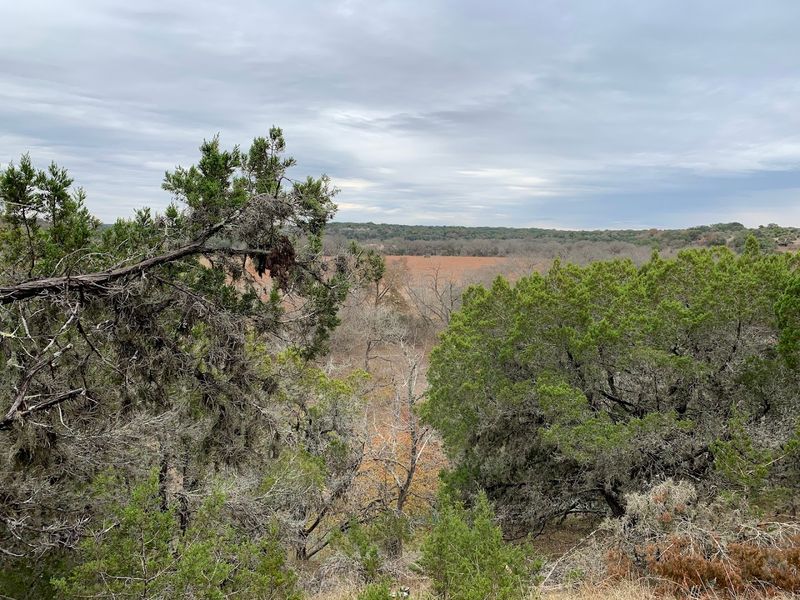
Every tour kicks off at the Rust House, a historic homestead that sets the stage for understanding human history in this canyon. The building still features original wallpaper from decades past, offering a tangible connection to the families who once called this rugged landscape home. Standing inside feels like stepping back in time.
Guides use the house as an introduction point, answering questions about the property’s backstory before heading out on the trail. The structure itself tells stories about early Texas settlers who carved out lives in the Hill Country, dealing with harsh conditions and limited resources. You can almost feel their presence in the weathered walls.
The Rust family wasn’t alone out here. This area saw various waves of settlement, from indigenous peoples who used the creek for thousands of years to European immigrants who arrived in the 1800s. Each group left marks on the land that trained eyes can still spot today.
Taking time at the Rust House helps frame everything you’ll see on the hike. The guides connect natural features to human use patterns, explaining how people interacted with the canyon ecosystem over centuries. It’s not just about pretty scenery; it’s about understanding place and history together.
Several reviewers specifically mention how cool it felt to start the tour in such an atmospheric space. The house adds depth to the experience that you wouldn’t get from simply hitting the trail cold.
5. Master Naturalist Volunteers Lead the Way
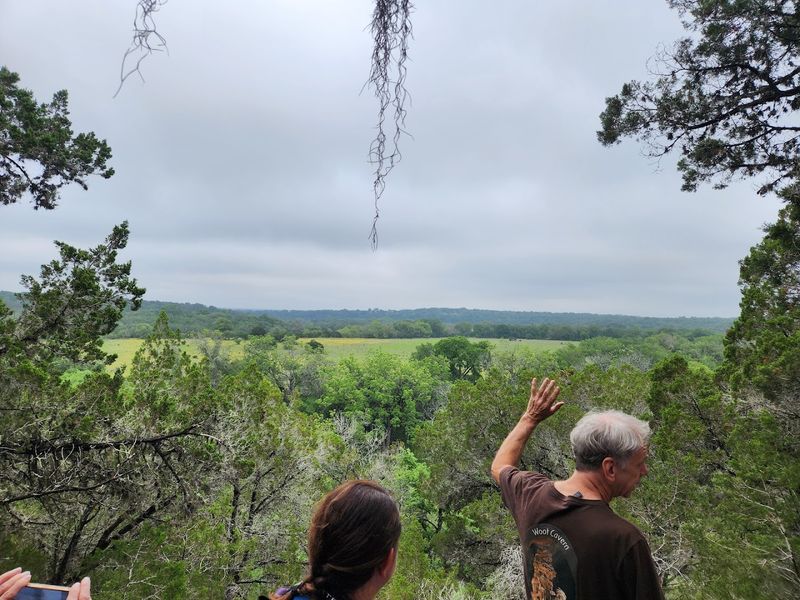
Jim, Wendy, Laird, Rick, Paul—reviewers name their guides with genuine affection and gratitude. These Master Naturalist volunteers bring serious expertise to every tour, transforming what could be a simple walk into an immersive educational experience. Their knowledge runs deep across geology, botany, wildlife biology, and local history.
The volunteer-led model means you’re learning from people who do this because they genuinely love it, not because it’s their job. That passion shows in how they share information, answer questions, and point out details most hikers would walk right past without noticing. They’re not reading from scripts.
Expect frequent stops where guides discuss everything from aquifer systems to bird migration patterns to the formation of geodes. Some people thrive on this level of detail, soaking up facts about soil composition and native plant adaptations. Others get impatient, wishing for more movement and less lecture time.
The guides maintain a friendly, approachable vibe throughout. They welcome questions and encourage group members to share their own observations and knowledge. This creates a communal learning atmosphere where everyone contributes to the experience.
Fellow hikers often add interesting tidbits based on their backgrounds.
One critical reviewer felt the educational stops happened too frequently, sometimes every ten steps, stretching what could be a quick hike into a three-hour marathon. But overwhelmingly, visitors praise the guides’ skill at making complex ecological concepts accessible and engaging. Their enthusiasm is genuinely contagious, even if the pace feels leisurely.
6. Wildlife Encounters in Protected Habitat
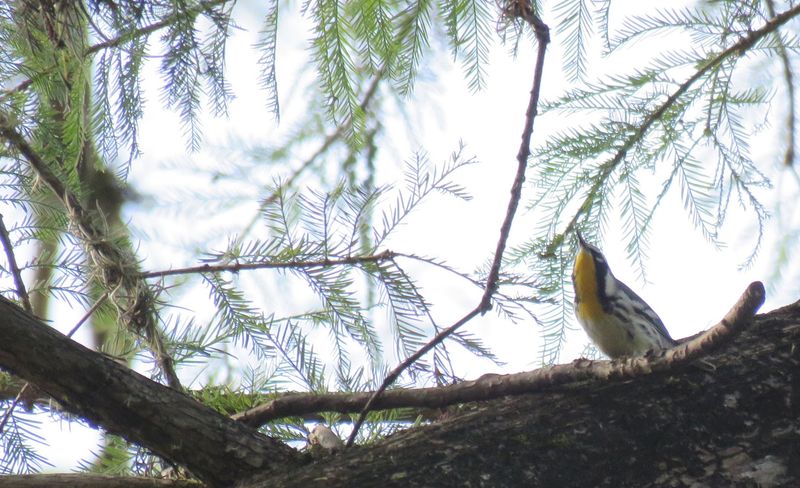
Protected status means wildlife thrives here in ways you won’t see in more heavily trafficked areas. Deer browse peacefully through the understory, barely spooked by the occasional tour groups that pass through. Several reviewers mention spotting white-tailed deer during their visits, along with hearing coyotes calling in the distance.
The restricted access creates a sanctuary effect. Animals don’t face constant human pressure, so they behave more naturally and appear more frequently. Birds nest without disturbance, small mammals move freely through the leaf litter, and the whole ecosystem functions closer to its wild baseline.
Guides point out signs of wildlife even when the animals themselves stay hidden. Fresh tracks in mud, scat on the trail, scratches on tree bark—these clues reveal what’s been moving through recently. Learning to read these signs adds another layer of engagement with the landscape.
The diverse habitat supports an impressive species list. Limestone caves provide bat roosts, the creek corridor attracts amphibians and reptiles, and the mixed forest canopy hosts countless bird species. Spring and fall migrations bring waves of warblers and other songbirds passing through.
Even in summer heat, something’s always active if you know where to look.
One reviewer specifically warned about rattlesnakes in grassy areas, which is solid advice for any Hill Country hike. Venomous snakes are part of the natural community here, playing important roles in controlling rodent populations. Wearing boots and watching where you step keeps encounters rare and manageable.
7. Karst Topography and Geological Wonders
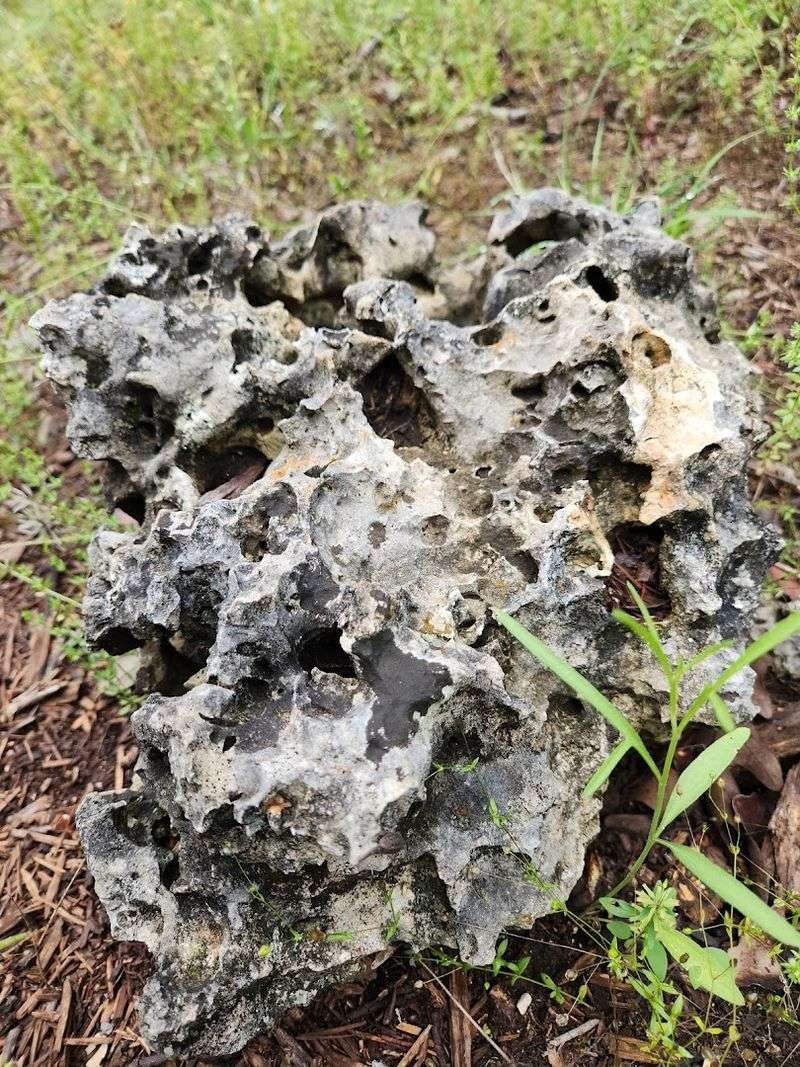
Honey Creek sits squarely in classic Edwards Plateau karst country, where soluble limestone has created a landscape of caves, sinkholes, springs, and underground drainage systems. The geology here is absolutely wild once you understand what you’re looking at. Guides spend considerable time explaining these processes.
Water carved this canyon over millions of years, dissolving limestone along fracture lines and creating the dramatic relief you see today. Towering canyon walls expose layer upon layer of ancient seafloor deposits, complete with fossils from creatures that lived here when this was all underwater. You can literally touch remnants of prehistoric oceans.
The karst features aren’t just interesting—they’re functionally critical. Springs emerging from the limestone feed Honey Creek, drawing water from the vast Edwards Aquifer that supplies millions of Texans. Understanding this connection between surface features and underground water systems helps explain why protecting places like this matters beyond simple aesthetics.
Caves dot the area, though most aren’t accessible during tours for safety and conservation reasons. These openings hint at extensive networks beneath your feet where water flows through the porous rock. The whole landscape is essentially a giant natural plumbing system.
Geodes occasionally turn up in the rocky terrain, adding an element of treasure hunting to the educational experience. Guides explain how these hollow rocks form through mineral deposition in cavities, creating the crystal-lined interiors that make them so collectible. The geological diversity keeps even non-science types engaged throughout the tour.
8. Combine with Guadalupe River State Park
Smart hikers make a full day of it. Since you’re already paying the $7 entrance fee for Guadalupe River State Park to access Honey Creek, stick around after your morning tour and explore everything else the park offers. The river itself provides swimming, tubing, and fishing opportunities that perfectly complement the canyon hike.
The state park features its own trail system separate from Honey Creek, offering options for additional hiking if you’re not worn out from the guided tour. These trails are open for independent exploration without reservations or guides, giving you the freedom to set your own pace and focus.
Pack a lunch and claim a picnic spot along the river. After spending the morning learning about delicate ecosystems and protected habitats, splashing in the Guadalupe feels like a well-earned reward. The park stays open until 10 PM, so you’ve got plenty of time to enjoy the water.
Several reviewers specifically recommend this combined approach, mentioning how it maximizes the value of your park fee and creates a more complete Hill Country experience. The contrast between the educational intensity of Honey Creek and the recreational freedom of the state park creates nice balance.
Bring snacks and plenty of water for the full day. Facilities at Guadalupe River State Park include restrooms, changing areas, and designated swimming zones. The park gets busy on summer weekends, so arriving early for your Honey Creek tour means you’ll also snag better parking and river access before crowds descend.
Share this story