Rows of expertly cut steaks, handcrafted sausages, house-smoked meats, and specialty cuts make Paulina Market a destination long before you reach the checkout counter. Family-owned since 1949, this Chicago institution has earned a loyal following by combining old-fashioned butcher-shop craftsmanship with an impressive selection of gourmet groceries, prepared foods, sandwiches, and pantry staples.
Regulars stop in for everyday essentials, while food lovers happily travel across Illinois for the quality and service that have defined the market for generations. It’s the kind of neighborhood business that reminds you why independent meat markets still have devoted fans in 2026.
The Counter That Steals the Whole Room
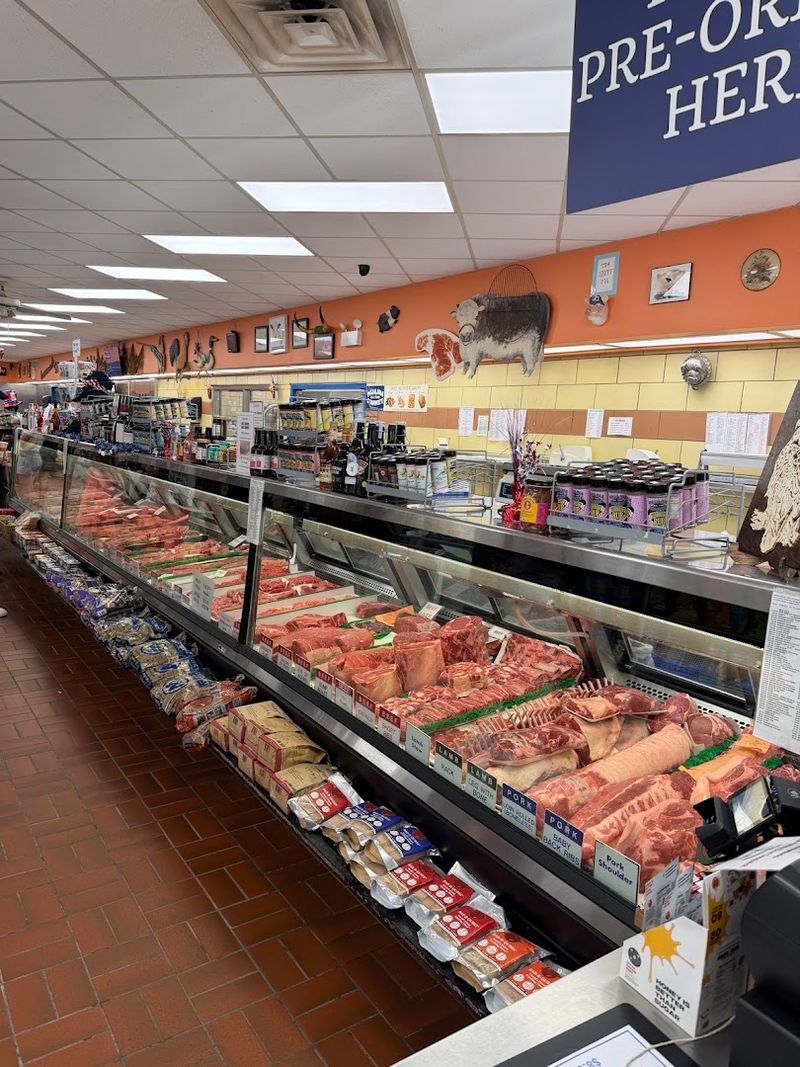
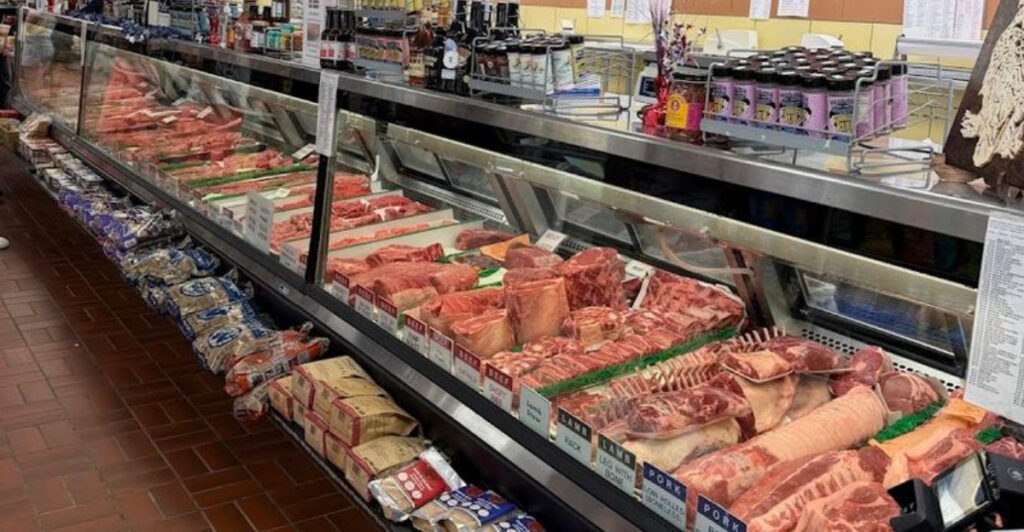
Paulina Market announces itself with the meat case, not with flashy decor or oversized branding. The visual pull comes from rows of carefully arranged cuts, linked sausages, thick steaks, and prepared items lined up with the kind of order that tells you this place runs on skill.
Before a single purchase happens, the counter does the heavy lifting, showing exactly why this address matters to cooks across Chicago.
The room is compact enough to feel active, yet organized enough that the bustle has structure. You notice people scanning the case closely, comparing options, asking questions, and waiting for numbers to be called with the focus of shoppers who came for something specific.
That rhythm gives the market momentum, and it turns a basic stop for dinner ingredients into a scene with movement, purpose, and appetite built into it.
Then the details start clicking into place. There are classic butcher-shop signals everywhere: butcher paper, smoked items, house specialties, and a sense that the counter is the main event rather than a side department tucked behind grocery shelves.
Even if you walked in planning to grab one practical cut and leave, the display invites a second look because it presents abundance without looking chaotic.
That balance is harder to pull off than it seems. A meat case can either feel intimidating or dull, but here it reads like a menu, a workshop, and a neighborhood institution all at once.
You can tell the appeal is not based on novelty alone. It is based on the confidence of seeing products that look handled by people who know what they are doing.
In 2026, when plenty of food shopping feels automated or forgettable, Paulina Market still offers a visual jolt. The counter gives you the clearest reason to come: direct access to craftsmanship, variety, and a style of shopping that rewards attention. That is the kind of first impression that can justify crossing town before lunch.
Sausages, Smoke, and the House Specialties to Know
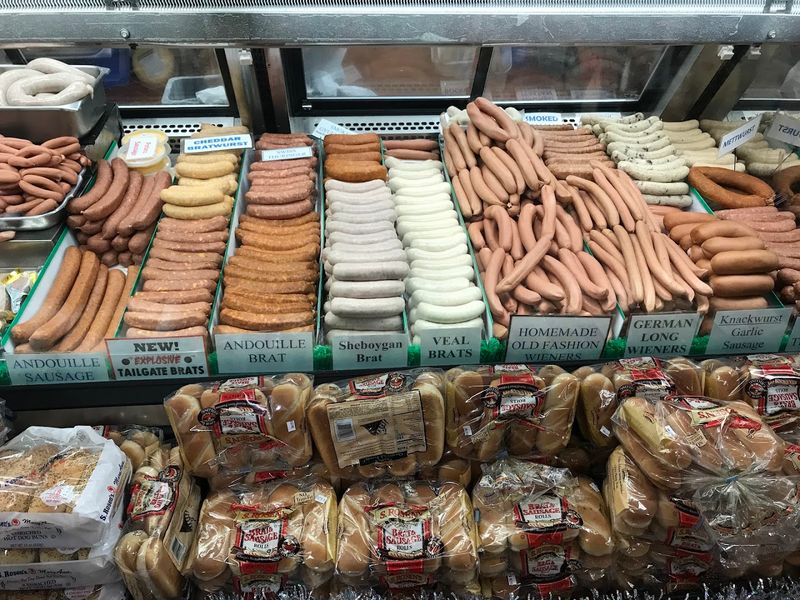
If the counter is the headline, the house-made selection is the reason many shoppers start plotting a return before they reach the register.
Paulina Market is especially known for sausages and smoked meats, and that focus gives the shop a clear identity in a city where plenty of places sell beef but fewer lean this hard into craft and variety.
You are not just looking at raw cuts. You are looking at a deeper bench of in-house style specialties. That difference matters because sausage changes the pace of shopping.
Instead of choosing between standard dinner options, you start thinking in combinations: grill plans, skillet suppers, game-day trays, weekend cookouts, and quick meals that still taste considered.
Links, brats, house-made sausages, smoked meats, specialty cuts, and other butcher-shop favorites create more pathways than a typical supermarket run, which is part of why the case has such pull.
The market also benefits from contrast. Prime steaks and substantial roasts bring one kind of drama, while coils of sausage and smoked poultry bring another.
Together they suggest a shop that understands everyday meals and special-occasion cooking without separating those two moods into different parts of the experience. A shopper can come in for a serious holiday centerpiece or a weeknight fix and still feel equally well served.
You can see that versatility in the supporting selection too. Prepared foods, deli options, and frozen items widen the possibilities, making the store useful even when time is short or a plan changes midway through the week.
Instead of narrowing your options, the specialty focus opens them up. That is where Paulina Market earns extra attention. Plenty of butcher shops can impress with a few expensive cuts in a gleaming case.
This one stands out by offering depth, especially in the house specialties, where technique, tradition, and dinner potential all meet behind the glass.
Why This Illinois Butcher Still Draws Neighborhood Regulars
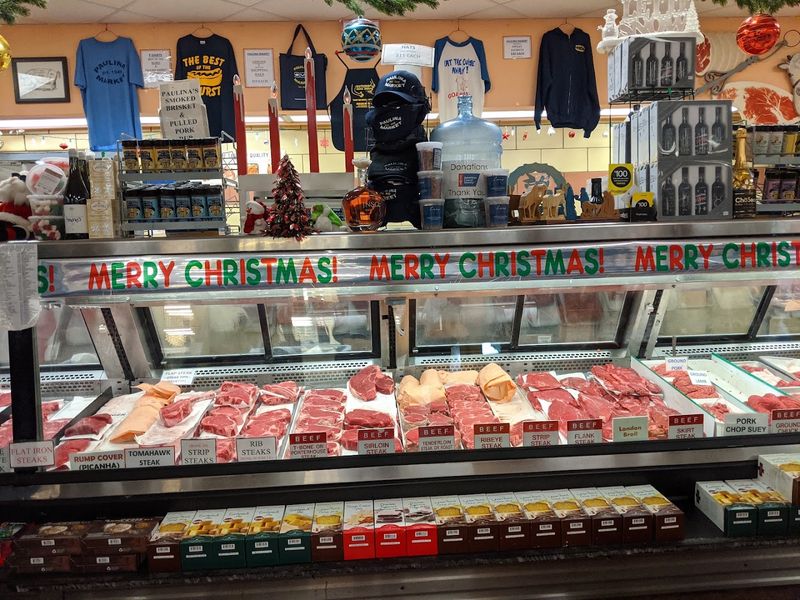
Paulina Market works as a destination, but it also works because it still behaves like a neighborhood shop. That distinction matters.
Plenty of beloved food businesses get talked about as landmarks and eventually start feeling detached from daily life. Here, the energy is more grounded.
You can sense regular patterns of use: dinner shopping, holiday pickups, sandwich stops, last-minute grilling plans, and practical grocery add-ons folded into the same visit.
The location on Lincoln Avenue helps place it inside an active Chicago routine rather than outside it. This is not a remote warehouse of specialty meat that requires a strategy map and a cooler in the trunk just to justify the effort.
It sits in a real neighborhood flow, where errands, lunch, and supper planning can overlap naturally. That gives the market a local credibility that big praise alone cannot create.
There is also history in the background. Paulina Market has been around for decades, and that long presence changes the tone of a place even before you learn any specifics.
Long-running shops often either coast on reputation or sharpen their identity with time. This one reads as the second kind.
The old-school butcher DNA remains visible, but the store also appears aware of how modern shoppers move, browse, and mix specialty splurges with everyday needs.
You notice that flexibility in the product mix. Alongside meat, there are condiments, pantry items, frozen foods, and a smaller grocery selection that keep the visit from feeling too narrow.
That supporting cast makes the market more functional and more appealing, especially when one stop can solve several parts of a meal.
In Illinois, plenty of classic food spots survive on nostalgia alone. Paulina Market stands out because nostalgia is not the whole story.
The draw comes from continued usefulness, sustained quality, and a neighborhood role that still makes sense right now, not just in memory.
The Extras That Turn a Meat Run Into a Full Haul
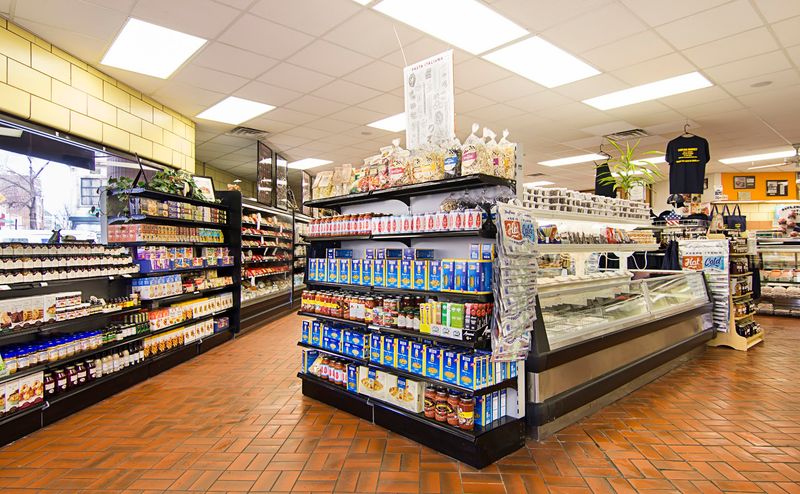
A strong butcher counter can get you through the door. The extras are what make you leave with a heavier bag than planned.
At Paulina Market, the supporting shelves do real work, adding range to a stop that could otherwise stay narrowly focused on proteins alone. You are not just choosing meat and heading out. You are building a meal, a weekend spread, or a backup plan for later in the week.
That broader usefulness shows up in the mix of condiments, pantry goods, deli items, frozen prepared foods, and specialty treats. Some of the appeal lies in convenience, of course, but convenience is not the full story.
The better part is curation. The add-ons feel selected to complement the main attraction rather than distract from it, so the shop keeps its identity while giving you more reasons to browse.
This matters even more when the meat counter sparks ambition. A prime strip or a roast can make dinner feel exciting, but side items are what help the plan land without an extra stop.
Mustards, sauces, kraut, snacks, and grocery basics round things out efficiently. If you came in with a rough idea, the shelves help turn that idea into an actual meal with fewer loose ends.
There is also a practical charm to the store staying a little eclectic. Small produce, candy, frozen specialties, and niche grocery finds create moments of surprise that keep the visit lively.
Instead of reading like a standardized specialty market, Paulina carries the texture of a place that has grown around the habits of real shoppers over time.
That is one reason the market feels more substantial than its footprint might suggest. The butchery remains the center of gravity, but the satellite categories widen the experience in smart ways.
You arrive for the counter, then realize the rest of the store is quietly designed to help dinner, lunch, and holiday cooking come together in one pass.
Timing Your Visit Without Getting Caught in the Rush
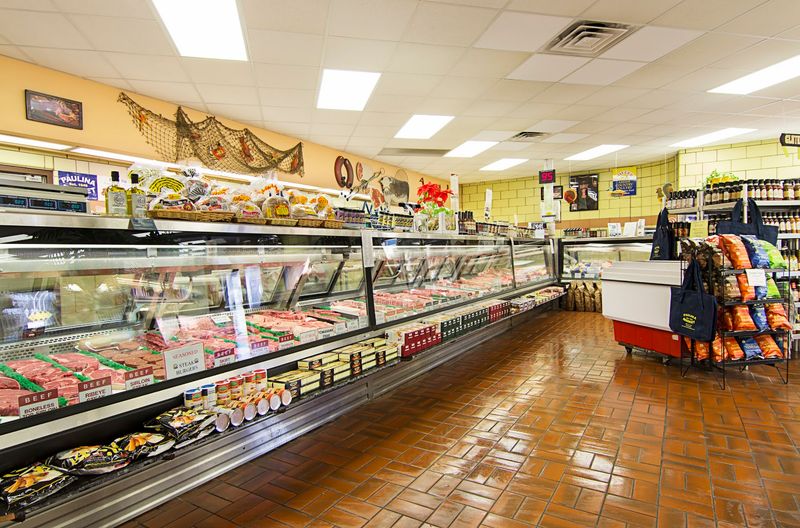
Paulina Market is the kind of place where timing can shape the whole experience. The shop keeps weekday hours from 9 AM to 6 PM, opens the same time on Saturday, and closes at 5 PM that day, while Sunday is closed.
Those basics matter more than usual because this is not a casual drift-through store when demand builds. It can get busy, especially on Saturdays and around holidays, and the flow becomes part of the visit.
The market appears to handle that traffic with a system, not with chaos. Shoppers often grab a numbered ticket for the meat counter, then watch the room while cases, shelves, and add-on items compete for attention.
That setup has an old-school practicality to it. Rather than crowding the glass and guessing who is next, the process lets the store keep moving even when demand spikes.
If your goal is a calmer browse, weekday afternoons can be the smarter play. You get more breathing room to study the selection, compare cuts, and notice the supporting items without feeling pressed by a weekend crush.
That extra space changes how the place reads. Instead of a high-speed holiday engine, it becomes easier to experience as a carefully stocked neighborhood market with a lot of depth.
On the other hand, there is value in seeing the shop at full tilt. A packed Saturday says something about trust, local habit, and the role the market plays when people are cooking seriously.
The tradeoff is simple: peak energy versus easier pacing. Knowing which version suits your trip can make the stop much more satisfying.
For anyone driving in, that bit of planning is worth it. Paulina Market rewards attention, and attention is easier when you are not rushed.
Choose your time well, and the counter, shelves, and overall rhythm of the store become much easier to appreciate on their own terms.
More Than Dinner: The Sandwich and Deli Advantage
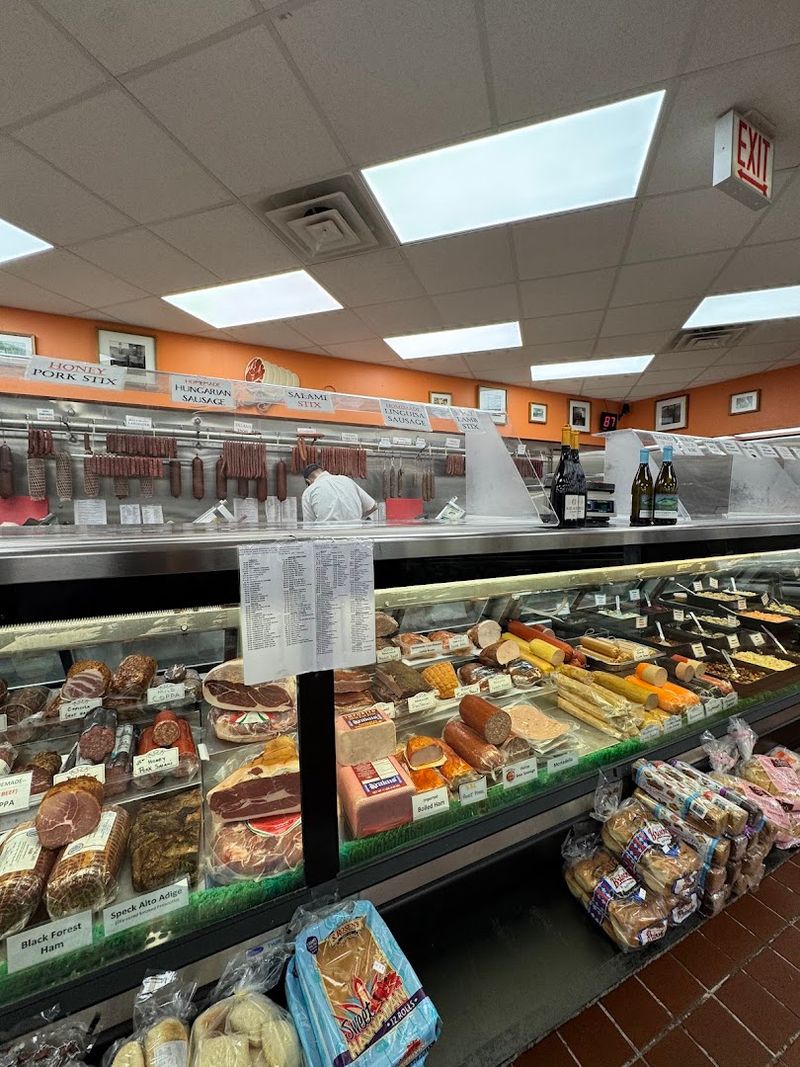
One of the smartest things about Paulina Market is that it does not limit itself to raw ingredients for later. The shop also gives you an immediate payoff, especially through its deli and sandwich side, which changes the visit from pure shopping into an edible detour.
That matters because a butcher counter often asks for planning and patience. A strong sandwich offers instant reward while you are still thinking about what to cook tonight.
This piece of the experience broadens the market’s personality. Instead of functioning only as a place for holiday roasts, weekend grilling, or carefully selected steaks, Paulina also fits into lunch.
That makes it easier to understand why the market has such durable pull. A place that can handle both aspirational cooking and a satisfying same-day bite becomes easier to revisit often.
The deli angle also reinforces the quality story in a concrete way. When a shop known for meats can turn those strengths into sandwiches worth seeking out, the skill becomes easier to taste in a less formal setting.
You are no longer imagining how a cut might perform at home. You are getting a finished example of why the ingredients matter.
There is a practical convenience here too. Sometimes you come in with a shopping list and leave hungry. Sometimes you only need lunch but wind up studying the case for dinner.
Paulina seems especially well suited to that kind of crossover traffic, where one purpose leads naturally into another. Few food shops handle that transition gracefully. This one appears built for it.
That versatility gives the market a sharper edge in 2026. Specialty stores that only serve one kind of visit can feel occasional.
Paulina feels more woven into daily life because it supports multiple appetites at once. The deli and sandwich component may not be the headline over the meat counter, but it gives the whole place more range and more reason to stay in your regular rotation.
How to Shop the Case Like You Know the Place
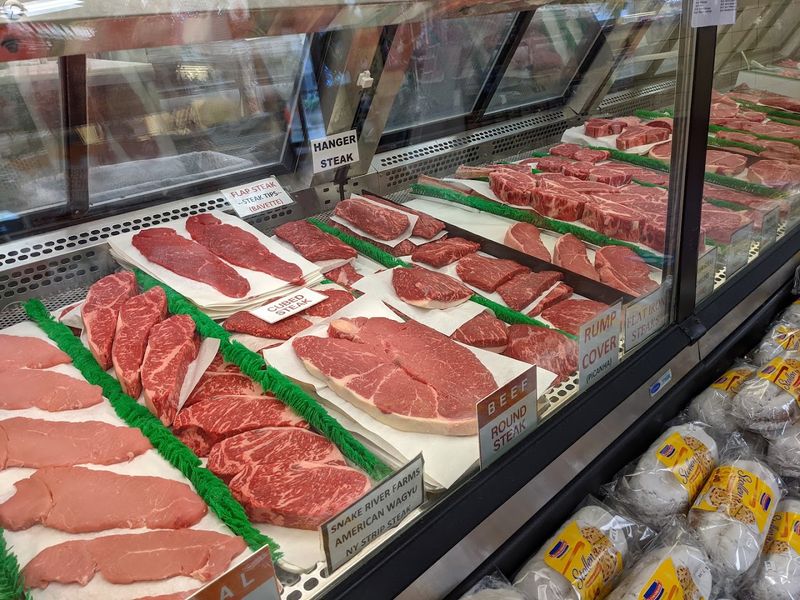
The best way to approach Paulina Market is with a little intention and enough flexibility to change your mind once the counter starts talking back. This is not a store that rewards autopilot shopping.
The selection invites comparison, and the broader inventory can easily pull a simple plan into a better one. If you arrive knowing your general cooking goal but stay open on the specifics, the visit tends to work in your favor.
Start with the meat case, because that is where the market declares its strengths most clearly. Look slowly.
Compare cuts, notice the house-made sausages, and pay attention to prepared items that could save time without lowering ambition. The point is not to treat the counter like a museum.
The point is to let the visual range sharpen your choices before the rest of the store starts competing for attention.
After that, build outward. Add condiments, deli goods, or frozen backups that support the main purchase instead of cluttering the basket.
This keeps the trip feeling edited rather than impulsive. At a shop with so many temptations, a little structure helps.
You can still leave with a haul, but it will look like a coherent plan instead of a random assortment of appealing things.
Timing matters here too, especially if you want room to think. A weekday visit gives you a better chance to browse with less pressure, while a Saturday stop delivers higher energy and fuller neighborhood theater.
Neither approach is wrong. They simply produce different versions of the same market. By the time you walk out, the appeal becomes clear. Paulina Market is not memorable because it tries to overwhelm you.
It succeeds because it gives skilled shoppers and curious first-timers the same opportunity: a chance to buy with more confidence, more specificity, and better odds of a very good meal once you get home.
Why the Drive Still Makes Sense in 2026
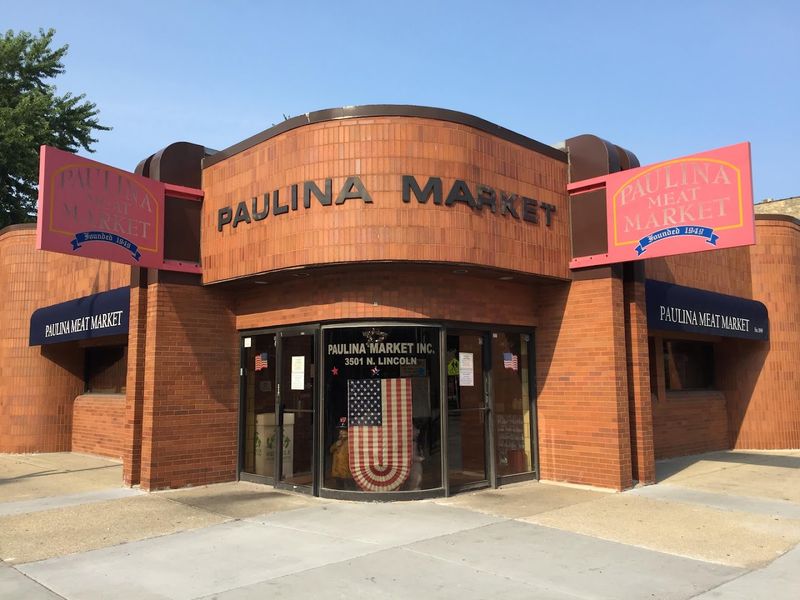
In 2026, the phrase worth the drive gets thrown around so casually that it often loses meaning. Paulina Market restores some precision to it.
The case for making the trip is not based on hype, novelty stunts, or one photogenic product that dominates social feeds for a month. It is based on a complete experience centered on a butcher counter that still feels substantive in a retail landscape full of shortcuts.
You see that value in the range first. The market offers quality steaks, sausages, smoked meats, poultry, prepared foods, deli options, and grocery extras without turning into a generic catchall.
Everything points back to the main identity of the shop. That coherence is important. A place becomes destination-worthy when its categories support one another instead of fighting for attention, and Paulina appears to understand that balance well.
The second reason is practical confidence. This is a market built for actual cooking, not just browsing. Dinner, grilling, holidays, sandwiches, and pantry support can all be handled under one roof. For shoppers outside the immediate neighborhood, that kind of usefulness matters.
A destination needs enough depth to justify travel time, parking questions, and the extra effort of planning around store hours.
There is also the human scale of it. Paulina Market does not read like an anonymous gourmet machine. It reads like a long-running Chicago institution where routine and craft still meet across a counter. That keeps the experience grounded.
Even when the selection is impressive, the shop remains connected to ordinary meal planning, neighborhood rhythms, and the tactile pleasure of buying from a real butcher.
So yes, the drive can make sense. Not because the market is trying to dazzle you at every turn, but because it delivers something rarer and more durable: focus, variety, and a meat counter with enough authority to turn a single stop into the most satisfying errand of the week.
Share this story