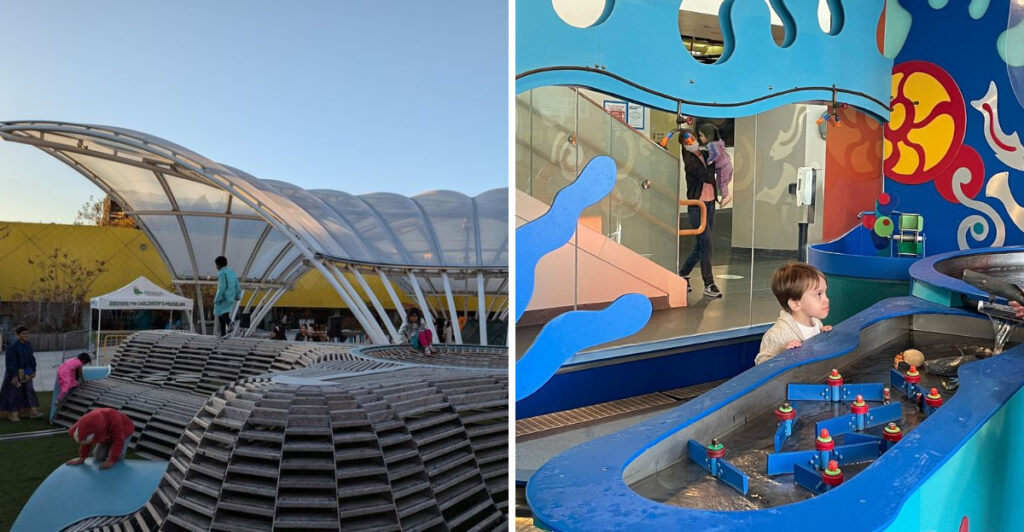
Summer break can feel long when kids need fresh ways to learn, move, and play. Brooklyn Children’s Museum in Crown Heights gives families a fun place to spend the day together.
It is known as the world’s first children’s museum, and it has hands-on exhibits, cultural displays, animal experiences, art activities, and active play spaces. For curious kids, it can turn an ordinary summer afternoon into a memory they talk about all year.
1. A World-First Museum With Big Brooklyn Energy

Long before children’s museums became popular around the country, Brooklyn had already opened a place made just for young learners.
Brooklyn Children’s Museum dates back to 1899, which makes it widely known as the world’s first museum for kids.
That history gives the building a special feeling, but the experience is not quiet or old-fashioned.
Families come here for movement, noise, questions, pretend play, and the kind of learning that happens when children can touch, build, sort, splash, and explore.
The museum sits at 145 Brooklyn Ave in Crown Heights, a neighborhood filled with culture, food, families, and everyday city life.
Inside, visitors find more than 30,000 objects and a mix of exhibits about nature, science, art, community, and world cultures.
For summer break, this matters because kids often need more than screen time and playground visits.
A museum day gives them structure while still feeling playful, especially when the weather is too hot, rainy, or unpredictable for long outdoor plans.
Parents should check the official website before going because hours and special programs can change.
Calling ahead at +1 718-735-4400 is also smart if you are planning around nap time, accessibility needs, group visits, or ticket questions.
Bring comfortable shoes, a little patience, and a flexible plan.
The best part is often watching your child choose the adventure for themselves.
2. Tiny Explorers Get Their Own Toddler-Friendly Space
A 21-month-old can have a full museum day here, and that tells parents a lot.
Brooklyn Children’s Museum is especially loved by families with toddlers because several areas are made for small bodies, short attention spans, and big feelings.
Younger children often learn by touching everything, repeating actions, and moving from one activity to another quickly.
The toddler-friendly zones give them room to crawl, walk, climb, pretend, and investigate without needing to act like older kids.
Caregivers will appreciate spaces where they can stay close while still letting little ones make choices.
A toddler might spend ten minutes with blocks, then suddenly run toward a pretend kitchen, a texture station, or a cozy corner that catches their eye.
Summer visits with toddlers work best when adults keep the schedule simple.
Choose two or three must-do areas, take snack breaks, and do not worry if your child falls in love with one spot and refuses to move.
The museum can get busy, especially during weekends, school breaks, and special events.
If your child is sensitive to crowds, try arriving early, buying tickets in advance when available, and bringing comfort items like headphones, a small toy, or a familiar snack.
This is not a look-but-do-not-touch kind of place.
For toddlers, that freedom can feel magical, and for parents, it can make summer break feel much easier.
3. Water Play Makes Hot Days Feel Cooler
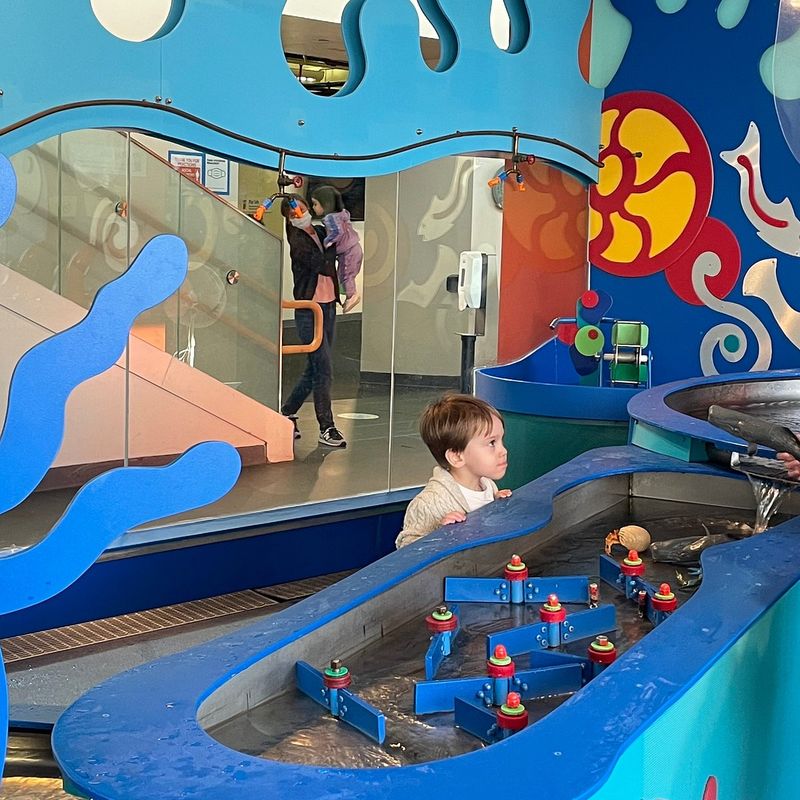
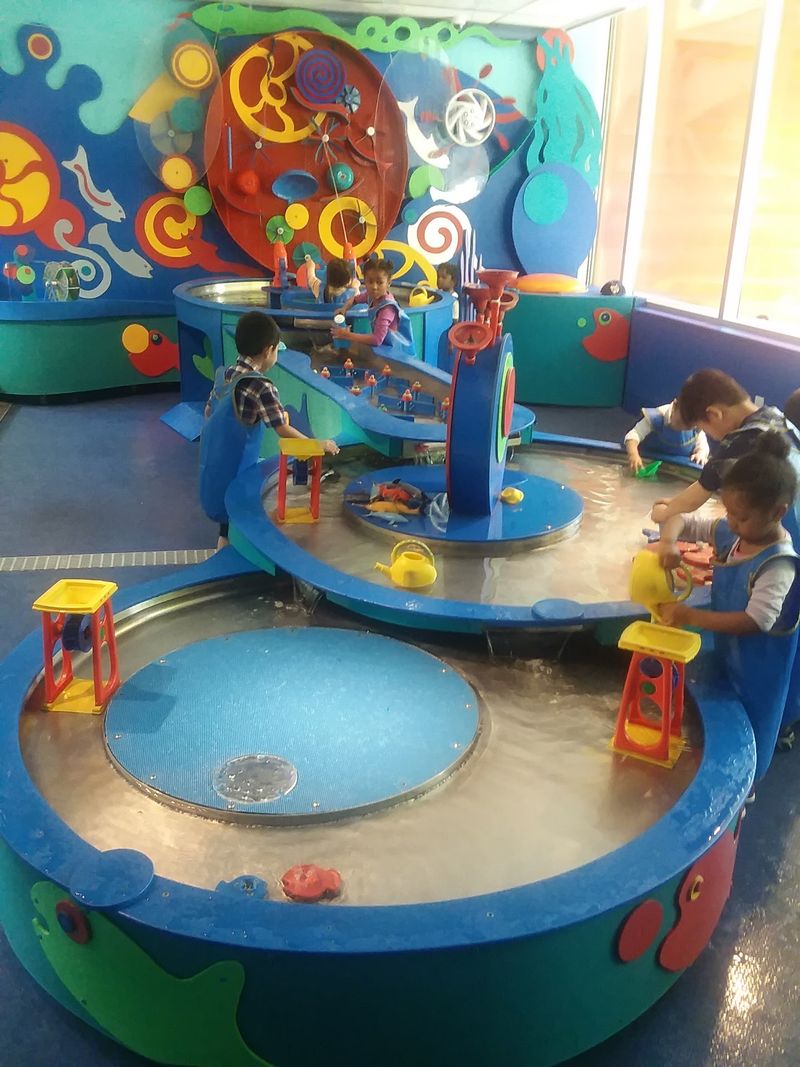
Nothing grabs a child’s attention quite like water that can be poured, pushed, splashed, and watched.
The water play area at Brooklyn Children’s Museum is one of the spots families often remember after their visit.
For kids, water play feels like pure fun.
At the same time, they are learning simple science ideas, such as cause and effect, flow, balance, motion, and what happens when objects float or sink.
Parents may notice that even children who rush through other exhibits slow down here.
A child can test a wheel, follow a stream, fill a container, or repeat the same motion again and again because repetition helps young brains understand the world.
Planning ahead makes this section more enjoyable.
Pack an extra shirt or socks for younger kids, especially if they lean in close, get excited, or treat the water table like a mini summer splash zone.
Some visitors have mentioned that not every feature is always working, so it helps to keep expectations flexible.
Even when one part is closed or busy, the museum has many other hands-on areas that can keep the day moving.
Water play is also a good reset during a long visit.
If your child is getting restless, this area can bring focus back in a calm, busy-hands kind of way.
Summer in New York can be sticky and tiring, but this exhibit adds a refreshing burst of discovery without leaving the museum.
4. Sand, Movement, And Messy Fun Feel Like A Mini Beach Day
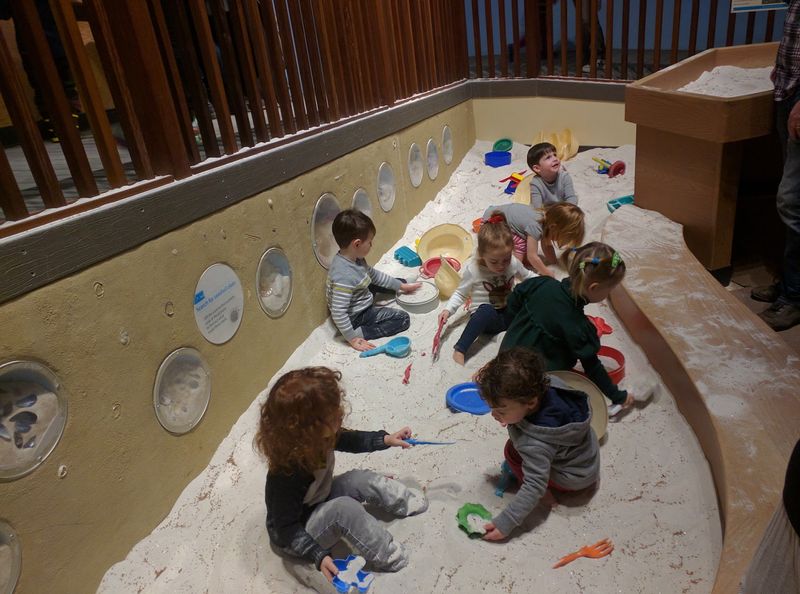
Some kids walk into a sand area and instantly become builders, diggers, chefs, treasure hunters, or tiny construction workers.
At Brooklyn Children’s Museum, the sand play experience gives children a chance to use their hands in a way that feels free and creative.
Sand is simple, but it supports many skills.
Scooping, pouring, patting, and shaping help children build hand strength, coordination, patience, and problem-solving without making the activity feel like homework.
During summer break, this kind of play is helpful because it lets kids burn energy while staying focused.
They can work alone, copy another child’s idea, or team up to build something that only lasts a few minutes.
Adults should expect a bit of mess.
Closed-toe shoes or easy-to-clean sandals can be useful, and a small change of clothes may save the trip home if your child plays with full commitment.
The sand area can also teach social skills.
Children practice waiting for tools, sharing space, asking for help, and handling small disappointments when a tower falls or another child has the scoop they wanted.
If your child gets overwhelmed by noisy exhibits, sand play can sometimes become a grounding activity.
The steady feel of digging and pouring may help them settle their body and attention.
It feels a little like bringing the beach indoors.
No long subway ride to the shore is required, just curiosity, time, and a willingness to brush off sandy hands before moving on.
5. Pretend Play Turns Kids Into Shopkeepers, Pizza Makers, And City Helpers
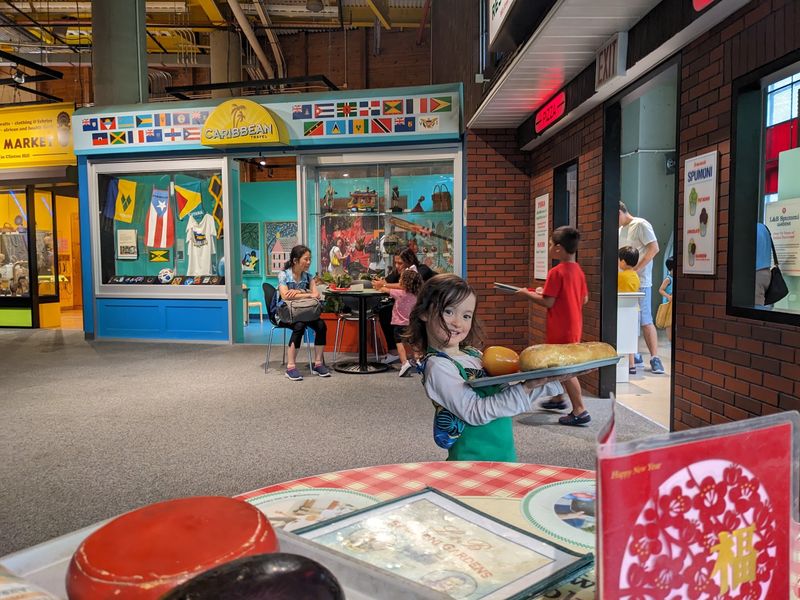
A child holding a pretend tomato can suddenly become a grocery clerk, a chef, a shopper, or the person in charge of dinner.
The pretend play areas at Brooklyn Children’s Museum are popular because they make everyday grown-up tasks feel exciting.
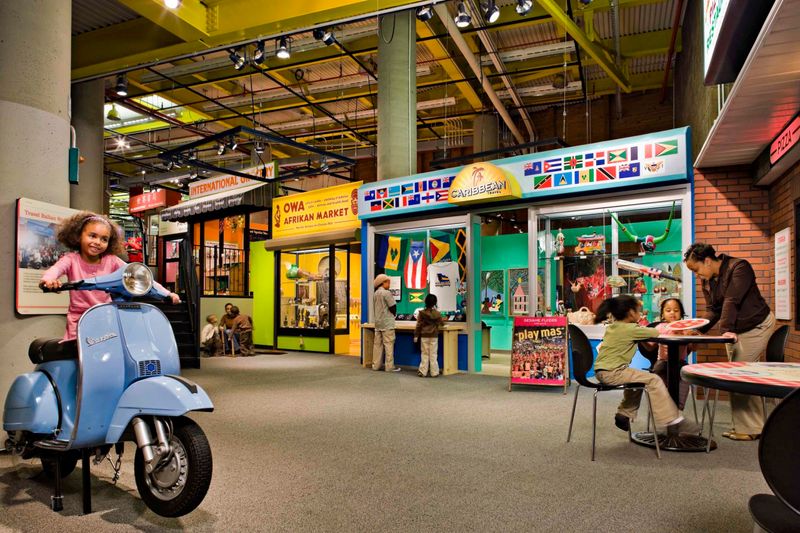
Families often talk about the mini grocery store, pizza shop, pretend subway station, local businesses, and community-style play spaces.
These exhibits let kids act out the city life they see around them in Brooklyn.
Pretend play may look silly, but it is powerful learning.
Children practice language, counting, taking turns, planning, and understanding jobs in their community while creating stories with other kids.
Parents can join without taking over.
Try asking simple questions like what are you making, how much does it cost, or where is the train going today, then let your child lead the scene.
Older siblings can have fun here too, especially when they become the director of a make-believe restaurant, store, or transit adventure.
Younger kids may simply enjoy carrying objects from place to place, which is also part of learning.
Because these areas are well-loved, pieces may move around or go missing during busy times.
Treat that as part of the challenge, since children are often great at inventing new uses for whatever they find.
For a summer day, pretend play gives kids a cheerful taste of independence.
They get to try on grown-up roles while staying safely inside a museum built for them.
6. Animals And Nature Bring Quiet Wonder To The Day
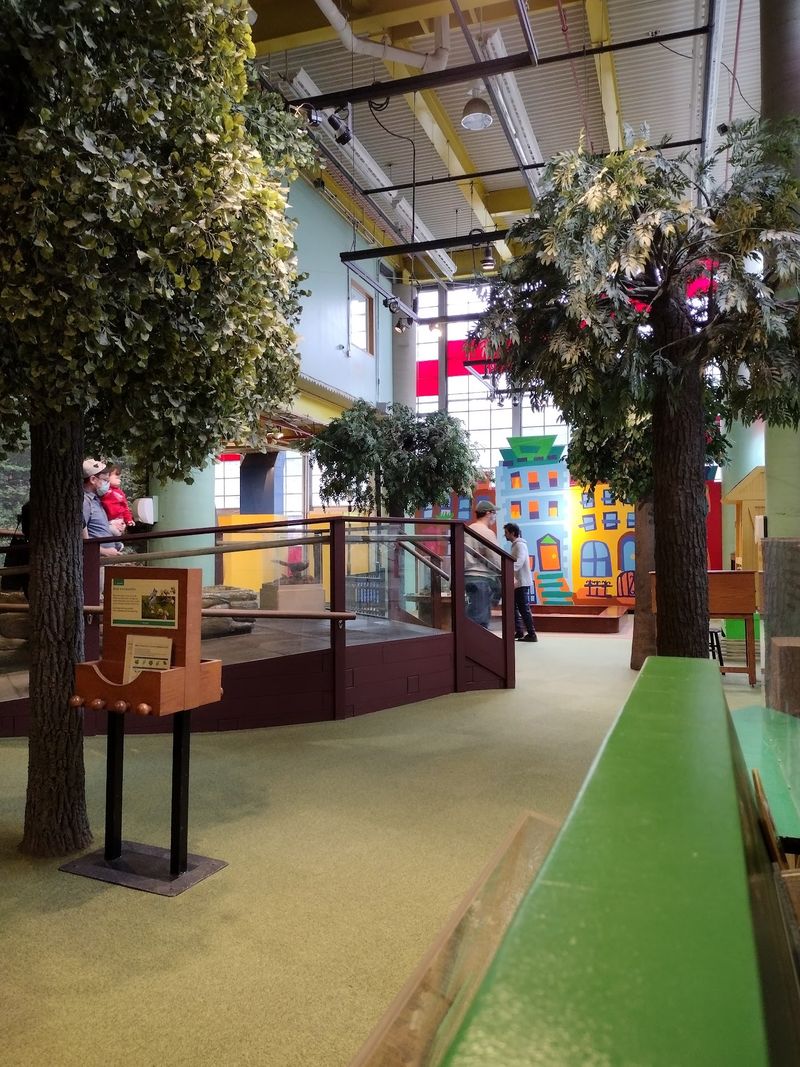
Not every exciting museum moment has to be loud.
Sometimes the best memory is a child standing still, eyes wide, watching a turtle glide through water or seeing a large snake up close.
Brooklyn Children’s Museum includes nature and animal experiences that give kids a break from faster play areas.
These exhibits can help children notice details, ask careful questions, and think about living things beyond their own neighborhood.
Animal viewing is especially useful for kids who love facts.
They may want to know what turtles eat, how snakes move, why animals need certain habitats, or how people care for creatures in a museum setting.
Adults can make the visit richer by slowing down.
Instead of rushing to the next room, encourage children to describe colors, shapes, movements, and behaviors they can see with their own eyes.
This is also a good chance to talk about respect.
Kids can learn that animals are not toys, and that calm voices, safe distance, and gentle observation are part of being a thoughtful visitor.
For children who get tired after lots of climbing, shopping, splashing, or building, the nature area may offer a welcome change of pace.
It balances the trip with wonder instead of more running.
Summer is a great time to connect indoor learning with outdoor life.
After the museum, families can keep the curiosity going by looking for birds, insects, plants, and neighborhood wildlife on the walk home.
7. Art Programs Add Color To A Summer Break Routine
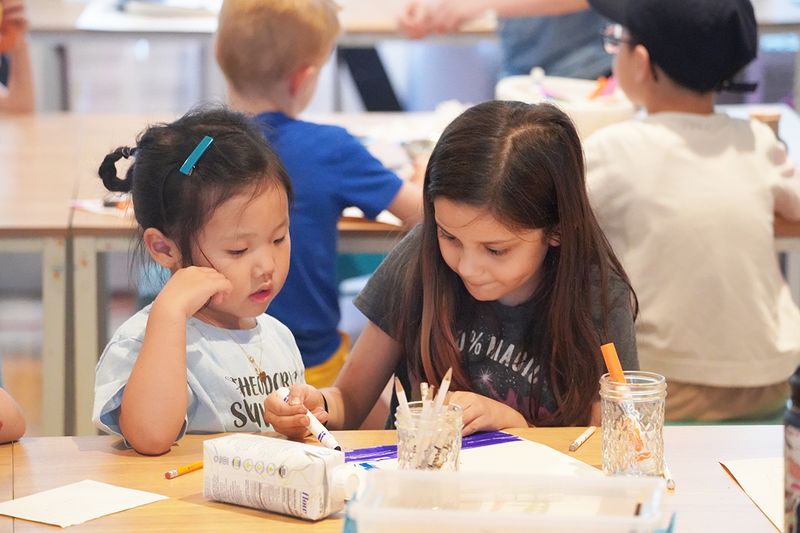
A blank page can become a superhero, a pattern, a memory, or a wild mix of colors that only a child can explain.
Brooklyn Children’s Museum offers art experiences that help kids create instead of only watching from the side.
Families often enjoy programs connected to ColorLab, where children can make artwork inspired by artists, including Black artists whose work helps connect creativity with culture and identity.
That kind of activity can make museum learning feel personal.
Art is useful during summer because it gives children a calm way to express busy thoughts.
After running, splashing, and climbing, sitting with colors and materials can help the day feel balanced.
Parents do not need to be artistic to support the experience.
Simple comments like tell me about your picture or I notice you used lots of blue can make kids feel proud without judging whether the artwork looks real.
Because art studios and special workshops may not be open every day, check the museum schedule before promising a specific activity.
If a favorite room is closed, ask staff what creative programs are available during your visit.
Bringing a folder or taking a photo can help preserve the masterpiece, especially if it is still wet, delicate, or too large for a backpack.
Kids love knowing their work matters.
Summer memories do not always need souvenirs from a gift shop.
Sometimes the best keepsake is a piece of paper covered in color, fingerprints, and a story only your child can tell.
8. Cultural Exhibits Help Brooklyn Feel Connected To The World
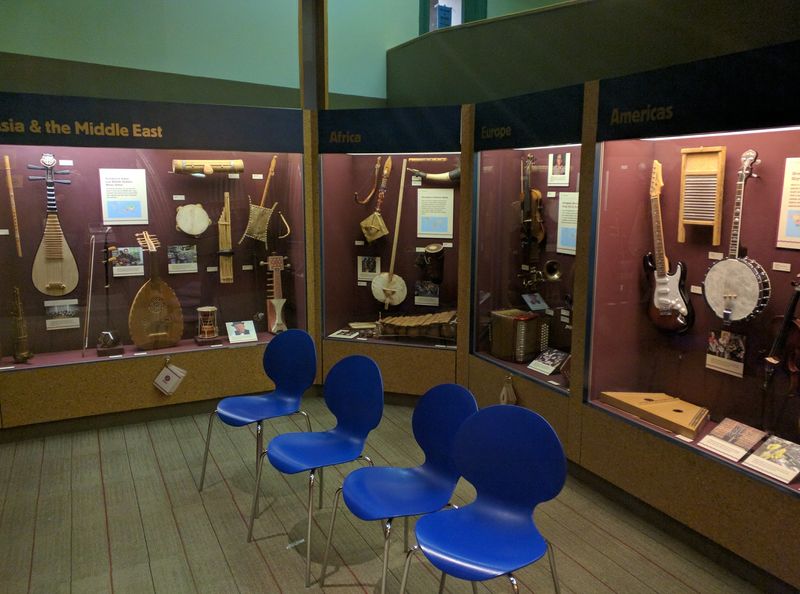
Brooklyn is one of those places where the world feels close by.
Brooklyn Children’s Museum builds on that feeling with exhibits and programs that celebrate many cultures, communities, and family stories.
Visitors have mentioned displays connected to places such as Trinidad and Tobago, along with experiences that highlight Chinese, Caribbean, African, and other cultural traditions.
For children, these exhibits can make geography feel less like a school worksheet and more like real people, music, food, art, and travel.
This kind of learning matters during summer break because kids are away from classrooms but still full of questions.
A museum visit can open conversations about where families come from, what languages people speak, and how different traditions can all belong in one city.
Parents can help by connecting exhibits to daily life.
Ask if your child has heard a certain kind of music, tasted a similar food, seen clothing like the display, or met someone whose family has roots in another country.
The goal is not to know every answer.
It is enough to be curious, respectful, and open to learning together.
For Brooklyn families, cultural exhibits can feel like a mirror.
For visitors from outside the borough, they offer a friendly window into the many communities that help shape New York.
A summer adventure does not have to mean leaving the city.
At this museum, children can travel through stories, maps, objects, and play while standing in the heart of Crown Heights.
9. Rooftop Play Gives Kids Room To Breathe

After time indoors, even the happiest child may need sky above their head.
The rooftop area at Brooklyn Children’s Museum is a favorite for families who want a little fresh air during a busy museum day.
Visitors have described the rooftop as a nice place for children to run around, enjoy a small picnic, or reset before returning to more exhibits.
Some families also mention outdoor entertainment and special activities when the weather is kind.
Summer trips work better when children have chances to change pace.
A rooftop break can turn cranky energy into movement, give adults a moment to sit, and make lunch feel less rushed.
Before counting on outdoor time, check whether the rooftop or patio areas are open.
Weather, staffing, maintenance, private events, or seasonal schedules may affect access, and it is better to know before building the whole visit around it.
If the space is open, pack simple foods that are easy to manage.
Sandwiches, fruit, water bottles, and small snacks are often more useful than foods that spill, melt, or need lots of cleanup.
Sun protection matters too.
Hats, sunscreen, and water breaks can keep the outdoor part of the day fun instead of tiring.
For city kids, rooftop space can feel like a hidden playground in the middle of Brooklyn.
It adds breathing room to the adventure and gives families a chance to pause before the next round of exploring.
10. Smart Planning Helps Families Get The Best Visit
A great museum day often starts before you leave home.
Brooklyn Children’s Museum has plenty to enjoy, but a little planning can make the difference between a smooth summer outing and a stressful one.
First, check the official website for current hours, ticket details, programs, and closures.
Online listings can change, and some exhibits, art spaces, outdoor areas, or special events may not be available during every visit.
Many families recommend bringing food, snacks, and drinks.
The cafe may have limited choices, and packing your own lunch is especially helpful for picky eaters, vegetarian visitors, children with allergies, or anyone who gets hungry at very specific times.
Comfortable shoes are a must because kids may move through many rooms, climb, pretend, splash, build, and circle back to favorite areas.
A small backpack with wipes, extra clothes, hand sanitizer, and a water bottle can save the day.
If your child has sensory needs, consider quieter arrival times, noise-reducing headphones, and breaks in calmer corners.
Some children love busy spaces, while others need short pauses to enjoy them.
It is also wise to set expectations.
Tell kids they may not see every exhibit, and that some areas might be crowded or closed.
With a 4.4-star rating from thousands of reviews, Brooklyn Children’s Museum is clearly meaningful to many families.
The smartest approach is simple: arrive prepared, stay flexible, follow your child’s curiosity, and let summer break become a hands-on Brooklyn adventure.
Share this story