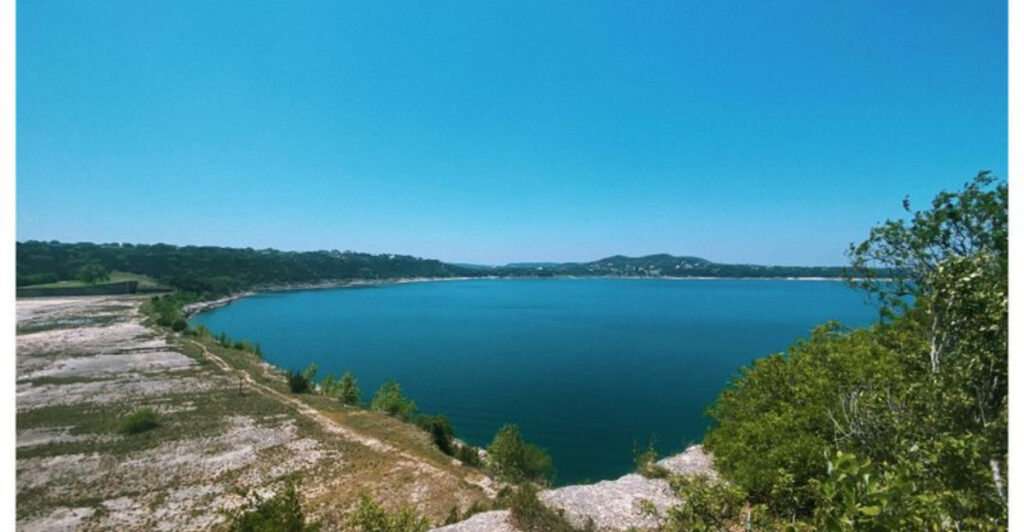
Canyon Lake sits in the heart of the Texas Hill Country like a hidden gem, its crystal-clear waters reflecting the limestone cliffs and oak-covered hills that surround it. Created in 1964 when the Army Corps of Engineers dammed the Guadalupe River, this 8,230-acre reservoir has become one of the most beloved recreational spots in Comal County. But as more visitors discover its turquoise waters and natural beauty, residents are rallying together to protect what makes this place so special from the pressures of development and overuse.
1. Water Clarity That Rivals Caribbean Destinations
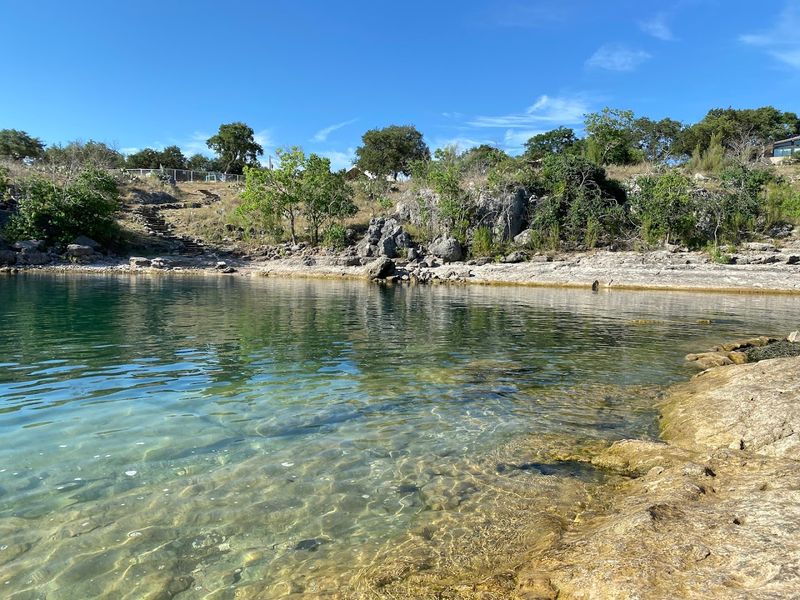
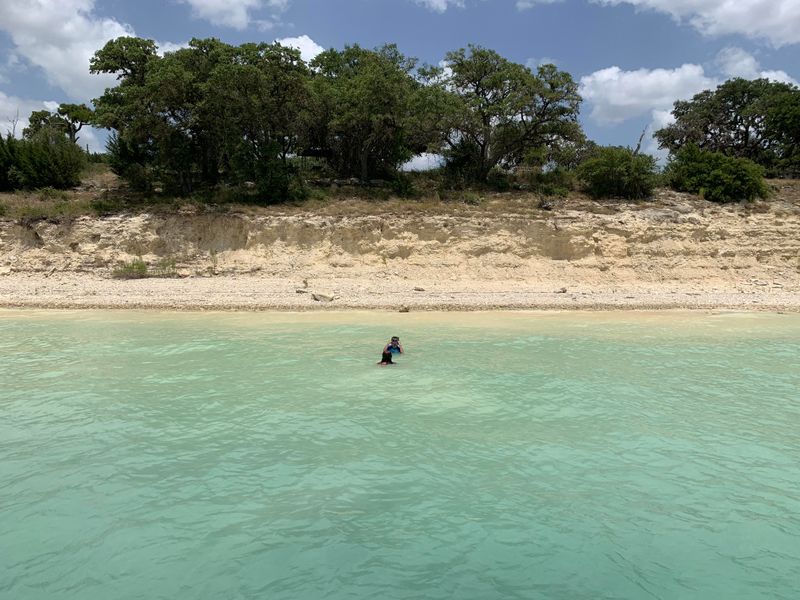
Stand on the shore at Canyon Lake and you might think someone photoshopped the water. The visibility here regularly reaches 15 to 20 feet deep, letting you watch fish dart between submerged rocks from your boat or paddleboard. This exceptional clarity comes from the lake’s limestone foundation, which naturally filters the water and gives it that distinctive blue-green hue.
Unlike many Texas reservoirs that turn murky brown after heavy rains, Canyon Lake maintains its transparency thanks to strict watershed protection rules. The surrounding hills are largely undeveloped, meaning less runoff carrying sediment and pollutants into the water. Local conservation groups have fought hard to keep it that way, blocking several large-scale developments that would have increased erosion.
The water quality attracts scuba divers from across the state who explore submerged trees, rock formations, and even an old cemetery that was flooded when the dam was built. You can literally see your anchor sitting on the bottom in 20 feet of water, something almost unheard of in Texas lakes.
But this clarity is fragile. Increased boat traffic, shoreline development, and invasive species like zebra mussels all threaten the delicate balance. That’s why residents have pushed for stricter boat inspection programs and supported organizations working to monitor water quality monthly, testing for everything from bacteria levels to nutrient pollution that could trigger algae blooms and cloud those famous clear waters.
2. Eight Distinct Parks With Unique Personalities
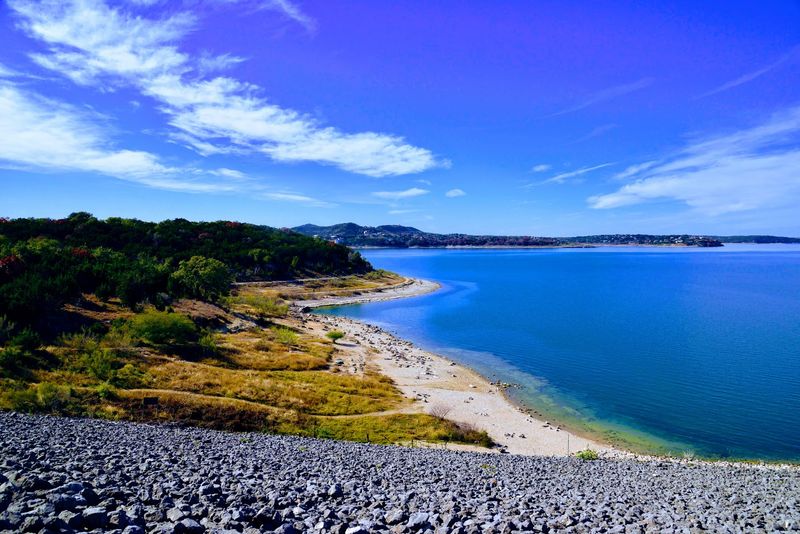
Canyon Lake isn’t just one destination—it’s eight completely different experiences wrapped around one body of water. Each Army Corps of Engineers park has developed its own character over the decades. Canyon Park attracts families with its swimming beach and gentle slopes perfect for kids.
Cranes Mill pulls in the fishing crowd with its excellent bass habitat and quiet coves.
Potters Creek became the party spot, though recent enforcement has toned things down considerably. North Park offers the most dramatic scenery with towering cliffs and deeper water right off the shore. Jacobs Creek provides easy boat ramp access for serious anglers heading out before dawn.
The variety means you can visit Canyon Lake a dozen times and have completely different experiences depending on which park you choose. Some parks have full RV hookups and modern facilities, while others offer primitive camping that feels miles from civilization even though you’re just 30 minutes from San Antonio.
Local preservation efforts have focused on maintaining this diversity rather than homogenizing the parks. When the Corps proposed consolidating facilities to cut costs, residents pushed back hard. They argued that the unique character of each park was worth protecting, and that not every spot needed to be developed to the same standard.
This resistance to cookie-cutter development has paid off. Visitors still find hidden swimming holes at some parks and full-service marinas at others, giving everyone from hardcore campers to RV families their own perfect slice of Canyon Lake paradise.
3. The Gorge That Appeared Overnight
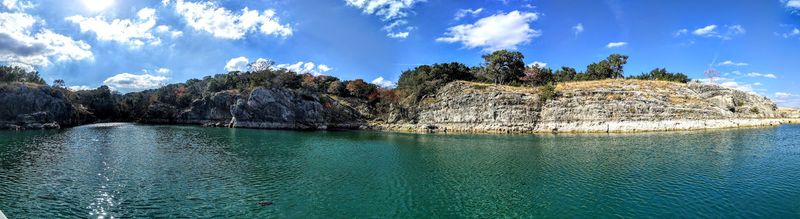
In 2002, catastrophic flooding forced officials to open the Canyon Lake spillway for the first time since the dam was built. Water roared through at 67,000 cubic feet per second for six straight weeks, carving a mile-long gorge through solid limestone. Scientists called it a once-in-a-lifetime geological event—watching a canyon form in days instead of millions of years.
The Canyon Lake Gorge exposed rock layers spanning hundreds of millions of years, including dinosaur footprints and fossils that had been hidden underground. Geologists from around the world descended on Comal County to study this accidental laboratory. The gorge became an outdoor classroom showing how ancient canyons like the Grand Canyon might have formed through catastrophic flooding rather than slow erosion.
But here’s where the preservation story gets interesting. The land was private property, and the owners could have easily commercialized it with gift shops and admission fees. Instead, they partnered with the Gorge Preservation Society to protect the site and limit access to guided tours only.
You can’t just wander into the gorge on your own. You must book a tour led by trained naturalists who explain the geology while ensuring visitors don’t damage the delicate formations or disturb the ecosystem developing in this brand-new landscape. It’s preservation in action—sharing something remarkable while protecting it from being loved to death.
The tours fill up months in advance, proving that people value experiences more when they’re protected rather than exploited. This model has inspired similar approaches to other fragile natural areas around Canyon Lake.
4. Fighting The Development Pressure
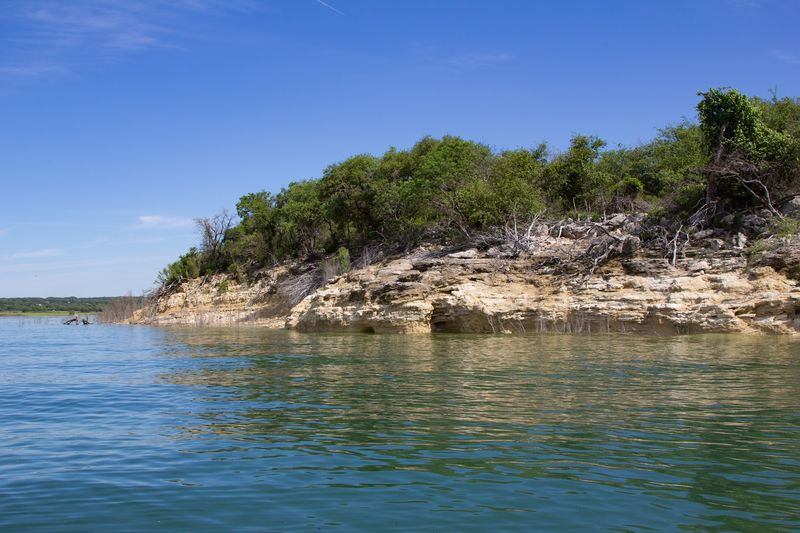
Canyon Lake’s population exploded from practically zero in 1964 to over 31,000 today, and every new resident brings development pressure. The conflict between growth and preservation defines nearly every city council meeting and county commission hearing. Developers see the crystal-clear water and envision luxury condos, while longtime residents remember when you could find solitude on a Saturday afternoon.
The fight isn’t against all development—it’s about smart growth that doesn’t destroy what attracted people here in the first place. Local groups have successfully pushed for larger lot sizes in new subdivisions to reduce runoff and preserve the wooded character of the shoreline. They’ve advocated for clustering development in already-impacted areas rather than spreading it along every inch of undeveloped shore.
One major victory came when residents blocked a proposed mega-marina that would have accommodated 500 boats. Supporters argued it would boost the economy, but opponents demonstrated that the increased traffic, fuel spills, and shoreline hardening would degrade water quality. After packed public hearings and expert testimony about environmental impacts, the project was denied.
The battles continue though. Every month brings new proposals for waterfront restaurants, expanded boat storage facilities, or residential developments. Preservation advocates have learned to show up consistently, armed with data about carrying capacity and water quality impacts.
They’ve discovered that emotional appeals about keeping Canyon Lake beautiful aren’t enough—you need scientific evidence and legal expertise.
This constant vigilance has created what some call
5. Invasive Species Threatening The Ecosystem
Zebra mussels arrived at Canyon Lake around 2017, likely hitchhiking on a boat from an infested lake up north. These tiny striped mollusks might look harmless, but they’re ecosystem wreckers. A single female produces up to a million eggs per year, and they’ll coat every hard surface underwater—rocks, docks, boat hulls, even native mussels until they suffocate them.
The infestation sparked an all-hands response from local conservationists. Mandatory boat inspections became standard at every public ramp. Officials installed cleaning stations where boaters must wash their vessels before launching.
Signs everywhere remind people to clean, drain, and dry their boats and equipment.
Beyond zebra mussels, hydrilla and giant salvinia threaten to choke out native plants that provide habitat for fish and filter the water. These aggressive aquatic weeds can form dense mats on the surface, blocking sunlight and depleting oxygen. Local volunteers spend weekends pulling invasive plants from their favorite coves, knowing that one overlooked fragment can restart an infestation.
The Texas Parks and Wildlife Department runs a grass carp program, stocking the lake with these plant-eating fish to control vegetation naturally. It’s a delicate balance—enough carp to eat the invasive plants but not so many they wipe out beneficial native species too.
Residents have embraced their role as the first line of defense. Boaters report new patches of suspicious plants. Divers document mussel colonies.
This citizen science network has become crucial for early detection and rapid response, potentially saving Canyon Lake from the fate of other Texas reservoirs where invasive species have fundamentally altered the ecosystem.
6. The Guadalupe River Connection
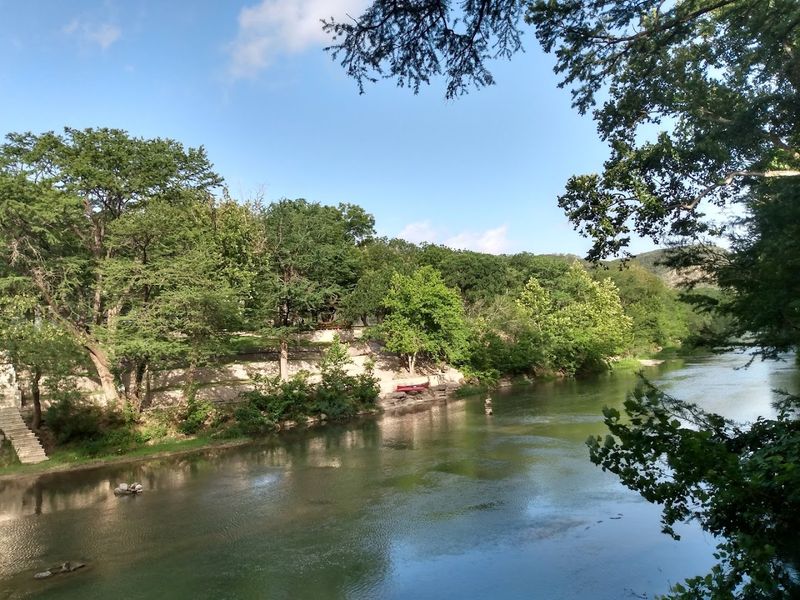
Canyon Lake exists because the Guadalupe River was dammed, but that river remains its lifeblood. The river brings fresh water flowing down from the Hill Country springs, replenishing the lake and maintaining that exceptional clarity. Protecting the lake means protecting the entire watershed upstream, something locals figured out decades ago.
Conservation easements now protect critical stretches of the Guadalupe above the lake, preventing development right on the riverbanks that would increase erosion and pollution. These easements weren’t gifts—they were fought for and funded by people who understood that you can’t save the lake without saving the river that feeds it.
The river also provides the lake’s safety valve. During heavy rains, water releases through the dam keep the lake from overtopping while maintaining downstream flows that ranchers and cities depend on. Managing these releases requires balancing the needs of lakefront property owners, downstream water rights holders, and the ecosystem itself.
Below the dam, the Guadalupe continues its journey to the Gulf, supporting a renowned trout fishery and popular tubing runs. What happens at Canyon Lake affects everyone downstream, creating a web of stakeholders invested in keeping the water clean and the flows consistent.
Recent droughts have highlighted how interconnected everything is. When lake levels drop, boat ramps become unusable and fish habitat shrinks. When upstream users pump too much water out, less reaches the lake.
These tensions have pushed communities along the entire Guadalupe watershed to work together on water conservation plans, recognizing that they’ll all sink or swim together depending on how wisely they manage this shared resource.
7. Balancing Recreation With Conservation
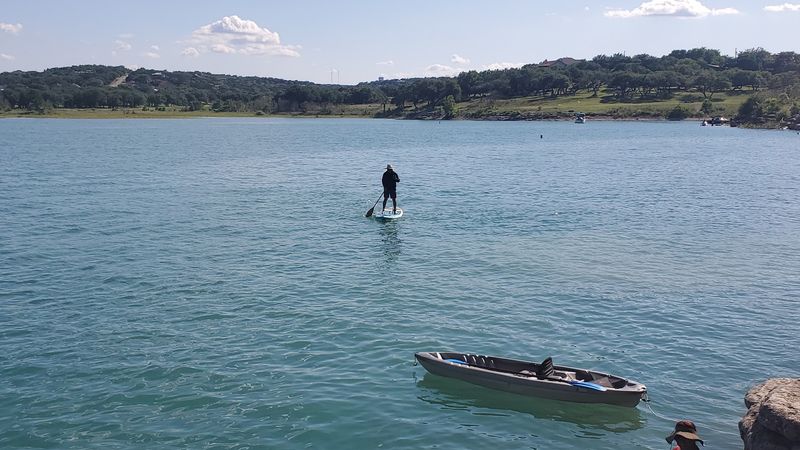
Canyon Lake is the kind of Texas getaway that makes you slow down the moment the water comes into view. Tucked in the Hill Country between San Antonio and Austin, this scenic lake has become a favorite escape for families, boaters, anglers, and anyone craving a peaceful day outdoors. With blue water surrounded by limestone hills, oak trees, and winding roads, it feels far removed from city noise even though it is easy to reach for a weekend trip.
The lake is especially popular for boating and swimming, with several parks and recreation areas offering access to the shoreline. Visitors can spend the day floating, kayaking, paddleboarding, or simply sitting near the water with a picnic and a good view. On sunny days, the lake sparkles against the rugged Hill Country landscape, making it one of those places where even a simple drive feels worth the trip.
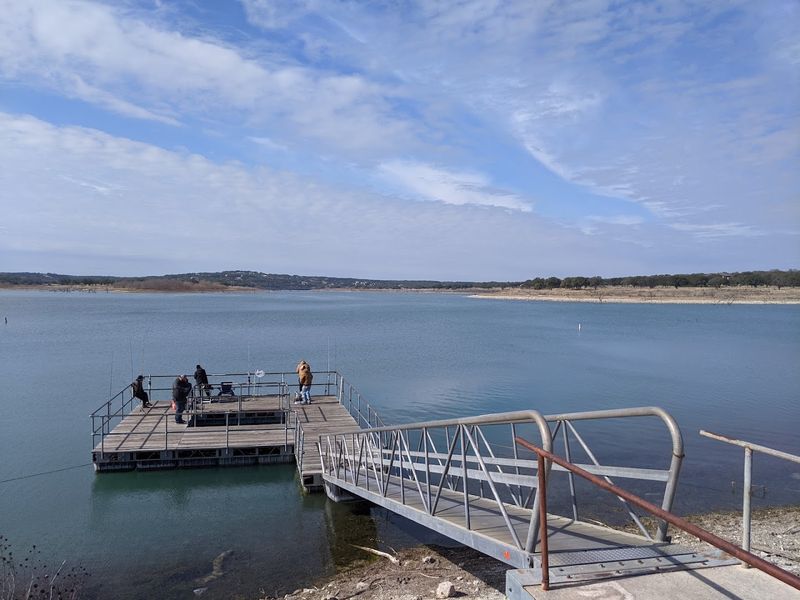
Fishing is another major draw. Canyon Lake is known for bass, catfish, and other freshwater catches, giving anglers plenty of reasons to bring their gear. Families who prefer dry land can explore nearby trails, scenic overlooks, and parks where kids can run around while adults enjoy the quiet.
The area also sits close to the Guadalupe River, which adds even more outdoor adventure for visitors who want tubing, river views, or a second stop on the same trip.
What makes Canyon Lake special is its balance of relaxation and recreation. It can be a full day of boating and swimming, a quiet afternoon watching the sunset, or a weekend spent exploring small Hill Country towns nearby. Whether you come for the water, the views, or the slower pace, Canyon Lake delivers the kind of Texas escape that feels refreshing from the very first stop.
8. Community Organizations Leading The Charge
The Canyon Lake Preservation Society didn’t exist 15 years ago. Neither did the Guadalupe River Chapter of Trout Unlimited or half a dozen other grassroots groups now working to protect this watershed. These organizations emerged because residents realized nobody else would fight for their lake—they had to do it themselves.
These groups operate on shoestring budgets, powered by retired engineers who analyze development proposals, former teachers who lead educational programs, and business owners who donate meeting space. They’ve become surprisingly sophisticated, hiring lawyers when needed and commissioning independent environmental studies to counter developer claims.
The Preservation Society runs a water quality monitoring program that’s produced 10 years of data showing exactly how the lake’s health has changed over time. When developers claim their project won’t impact water quality, the Society can point to actual measurements proving otherwise. This data-driven approach has won arguments that emotional appeals about beauty never could.
Other groups focus on hands-on work. The volunteer dive team removes trash from the lake bottom. The native plant society propagates local species for shoreline restoration projects.
The fishing club teaches kids to fish while explaining why catch-and-release matters for maintaining healthy populations.
What makes these groups effective is their diversity. They include political conservatives and liberals, longtime locals and recent arrivals, wealthy retirees and working-class families. They don’t always agree on every issue, but they’ve found common ground in wanting Canyon Lake to remain special.
This broad coalition makes it harder for opponents to dismiss them as fringe environmentalists or NIMBYs—they represent the mainstream community values of Comal County.
Share this story