Waxahachie sits just south of Dallas and holds one of Texas’s most impressive collections of historic architecture. With more than 80 gorgeous buildings dating back to the late 1800s and early 1900s, this charming town feels like stepping into a time machine. The stunning Victorian-era structures, ornate courthouses, and beautifully preserved homes make Waxahachie a living museum where history comes alive on every street corner.
1. Ellis County Courthouse: The Crown Jewel of Waxahachie
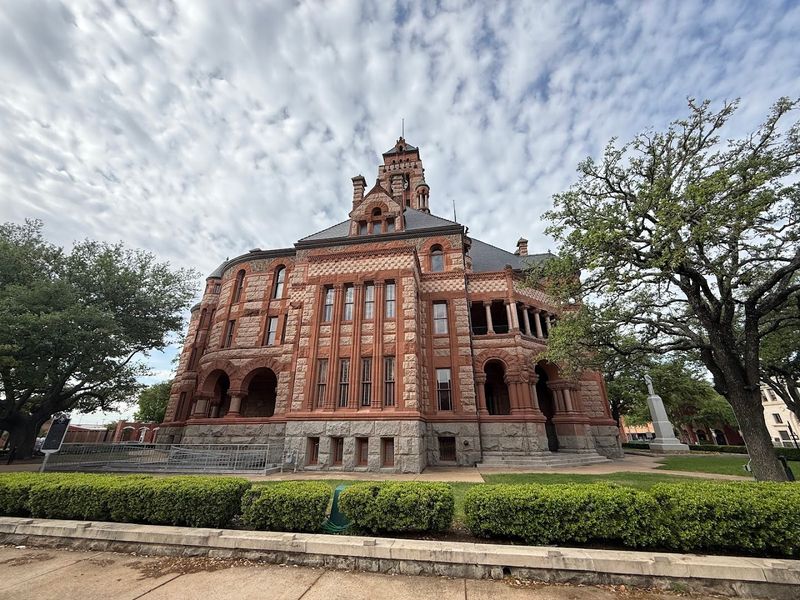
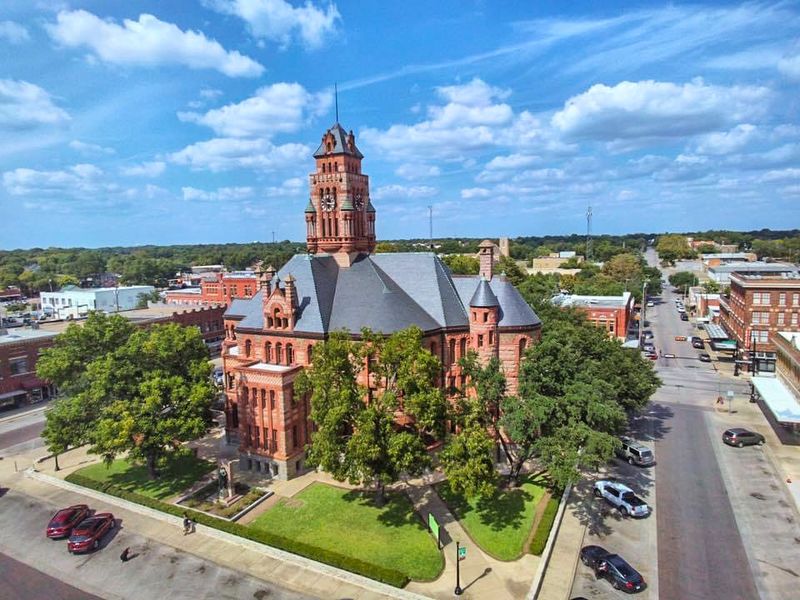
Standing tall in the heart of downtown, the Ellis County Courthouse commands attention with its breathtaking Romanesque Revival design. Built in 1895 from pink granite and red sandstone, this architectural masterpiece reaches skyward with its distinctive clock tower visible from blocks away. The building cost $150,000 to construct, which was an enormous sum back then.
What makes this courthouse truly special are the intricate stone carvings covering its exterior. Legend says a stone carver fell in love with a local woman who rejected him, so he carved her face with an increasingly angry expression on different parts of the building. Whether true or not, visitors love hunting for these mysterious faces among the gargoyles and decorative elements.
The interior proves just as impressive as the outside. Original woodwork, stained glass windows, and grand staircases transport visitors back to the Victorian era. The building still functions as the county courthouse today, meaning you can actually walk inside during business hours and admire the craftsmanship up close.
Photographers flock here year-round because the building looks stunning in any season. The courthouse lawn hosts community events, farmers markets, and holiday celebrations. When lit up at night, the tower glows against the dark sky, creating a magical scene that captures Waxahachie’s historic charm perfectly.
2. Chautauqua Auditorium: Where Entertainment History Lives On
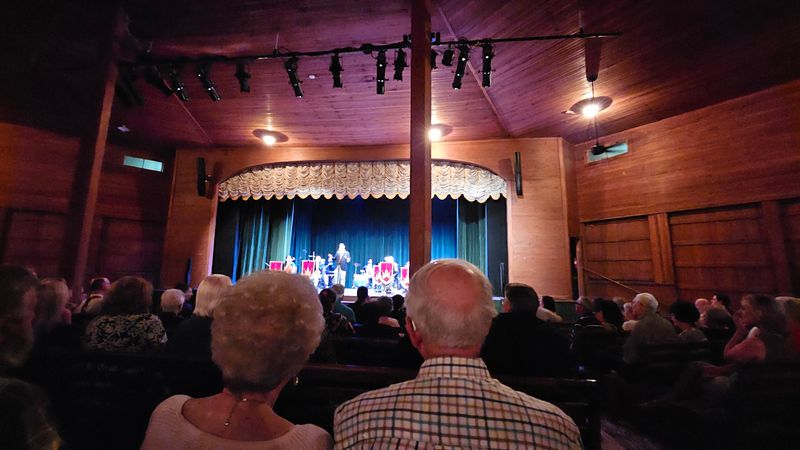
Before television and streaming services existed, families gathered at Chautauqua halls for entertainment and education. Waxahachie’s Chautauqua Auditorium, built in 1902, represents one of the few remaining structures from this fascinating cultural movement. The octagonal wooden building with its unique design once hosted speakers, musicians, and theatrical performances that drew crowds from surrounding counties.
The Chautauqua movement swept across America during the late 1800s and early 1900s, bringing culture and learning to small towns. These traveling shows offered everything from Shakespeare plays to scientific lectures. Waxahachie’s permanent auditorium meant the town became a regular stop on the circuit, giving residents access to world-class entertainment without traveling to big cities.
Today, the building stands as a reminder of simpler times when entire communities gathered under one roof for shared experiences. The wooden structure features beautiful craftsmanship with its exposed beams and original hardwood floors. Though no longer hosting nightly performances, the auditorium occasionally opens for special events and historical tours.
Walking through the space, you can almost hear the applause and laughter from audiences long ago. The acoustics remain excellent thanks to the octagonal design, which naturally projects sound throughout the interior. Preservation efforts keep this rare piece of American entertainment history standing strong for future generations to appreciate and study.
3. Gingerbread Trail: A Walking Tour Through Victorian Splendor
Imagine strolling down streets where nearly every house looks like something from a fairy tale. That’s exactly what the Gingerbread Trail offers visitors to Waxahachie. This self-guided walking tour winds through neighborhoods packed with Victorian-era homes featuring elaborate decorative trim that resembles frosting on a gingerbread house.
The trail showcases dozens of architectural styles popular during the late 1800s. Queen Anne, Gothic Revival, and Folk Victorian homes stand side by side, each displaying unique character through colorful paint schemes, intricate woodwork, and distinctive features like turrets, bay windows, and wrap-around porches. Many homeowners maintain their properties with period-appropriate colors and landscaping, creating an authentic historical atmosphere.
During the annual Gingerbread Trail Tour of Homes each June, several private residences open their doors to the public. Visitors get rare glimpses inside these carefully restored beauties, seeing original fireplaces, antique light fixtures, and period furniture. The event has run for over forty years, becoming a beloved tradition that raises funds for historic preservation efforts.
Even without the official tour, walking these streets year-round provides free entertainment and inspiration. Architecture enthusiasts bring cameras to capture the ornate details, while families enjoy identifying different architectural elements. Local real estate agents report that living in one of these historic homes means becoming a caretaker of Waxahachie’s heritage, a responsibility many residents embrace with pride and dedication.
4. Rogers Hotel: Luxury From Another Era
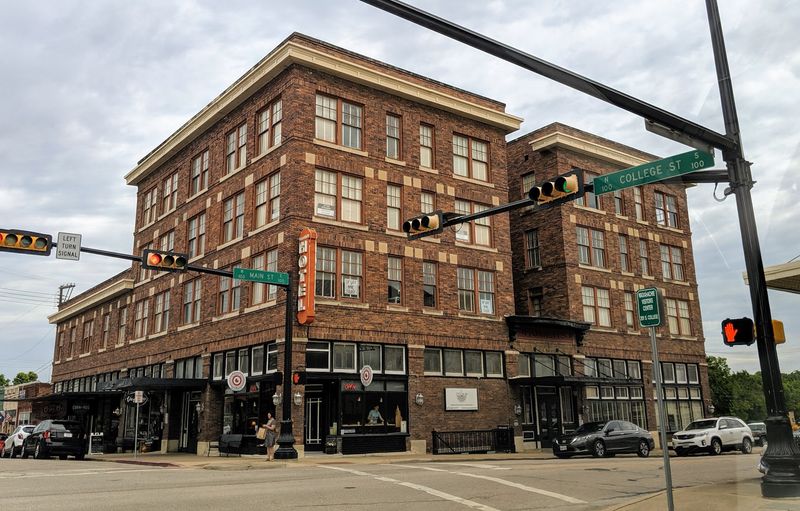
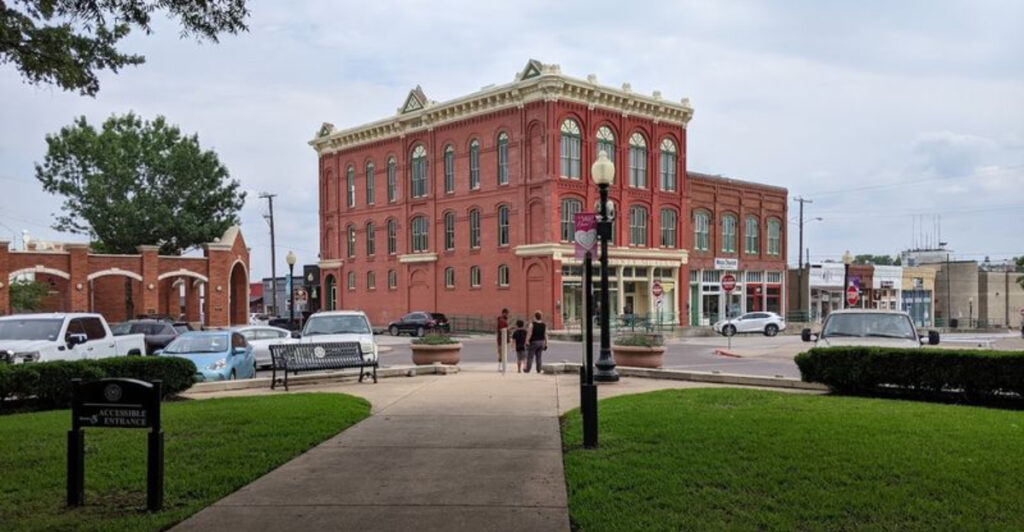
Back when trains brought travelers through Texas, the Rogers Hotel represented the height of luxury and sophistication. Constructed in 1912, this four-story brick building welcomed guests with modern amenities that seemed almost magical for the time, including electric lights, running water in every room, and a telephone system connecting guests to the front desk.
The hotel’s builder, Sam Rogers, spared no expense creating a first-class establishment worthy of Waxahachie’s growing reputation. The ground floor featured a grand lobby with marble floors, ornate plasterwork on the ceilings, and elegant furnishings imported from the East Coast. A popular restaurant served meals to hotel guests and townspeople alike, becoming a social hub where business deals were made and romances blossomed.
Famous guests reportedly included politicians, entertainers, and wealthy businessmen passing through North Texas. The hotel thrived during the railroad era but eventually closed as automobile travel replaced trains and newer motels appeared along highways. For decades, the building sat vacant, slowly deteriorating despite its prime downtown location.
Recent restoration efforts have breathed new life into this sleeping giant. Developers recognized the building’s potential and historical significance, working to preserve original features while updating infrastructure. The Rogers Hotel now houses apartments and commercial spaces, allowing people to live and work within walls that once hosted some of Texas’s most distinguished visitors from a bygone era.
5. St. Paul’s Episcopal Church: Gothic Beauty in Red Brick
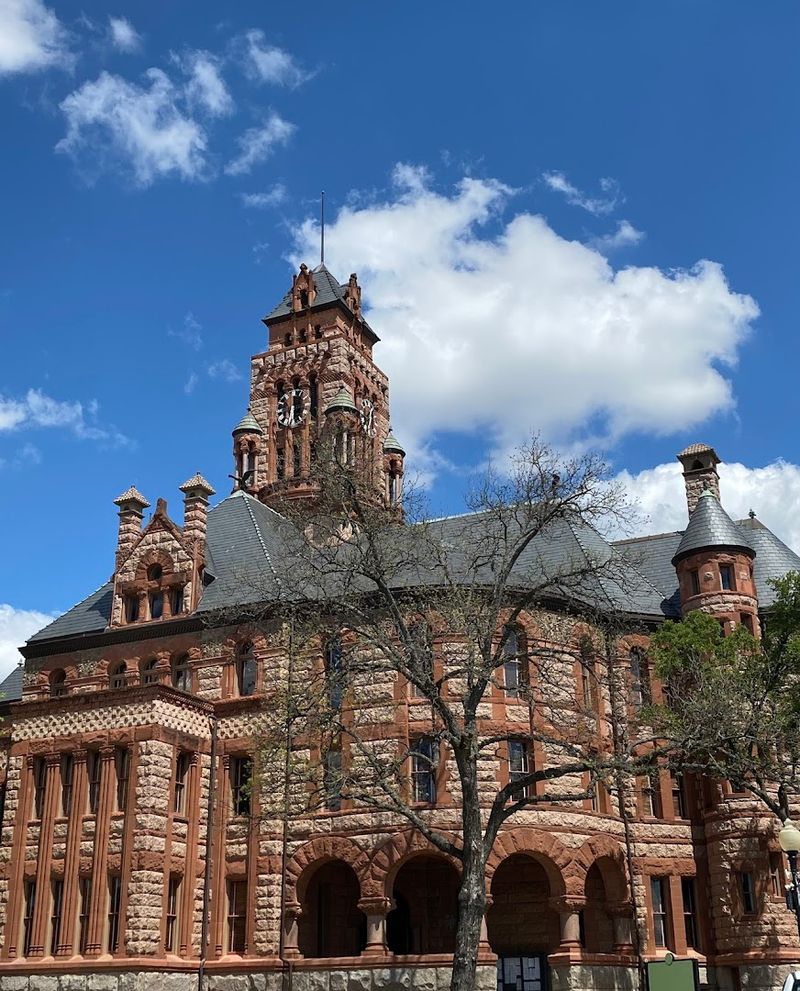
Few buildings capture the eye quite like St. Paul’s Episcopal Church with its striking red brick exterior and soaring Gothic Revival architecture. Completed in 1902, the church rises from its corner lot like a medieval European cathedral transplanted to the Texas plains. The pointed arches, steep roof lines, and decorative stonework create a sense of reaching toward heaven.
Inside, magnificent stained glass windows filter sunlight into brilliant colors that dance across wooden pews and stone floors. Many windows date back to the church’s construction, featuring religious scenes and memorial dedications to early congregation members. The craftsmanship in these windows rivals examples found in much larger city churches, testament to Waxahachie’s wealth and cultural ambitions during its cotton boom years.
The bell tower houses an original bronze bell that still rings out across downtown, calling worshippers to services just as it has for over a century. Climbing the tower stairs reveals the bell’s massive size and the intricate mechanical system that operates it. From the tower windows, visitors gain spectacular views of Waxahachie’s historic district spread out below.
The church remains an active congregation today, maintaining traditions while welcoming modern visitors. Architecture tours often include stops here because the building showcases Gothic Revival design principles so perfectly. The combination of religious purpose and artistic achievement makes St. Paul’s a spiritual and cultural landmark that enriches Waxahachie’s architectural heritage significantly.
6. Nicholas P. Sims Library: Knowledge Housed in Grandeur
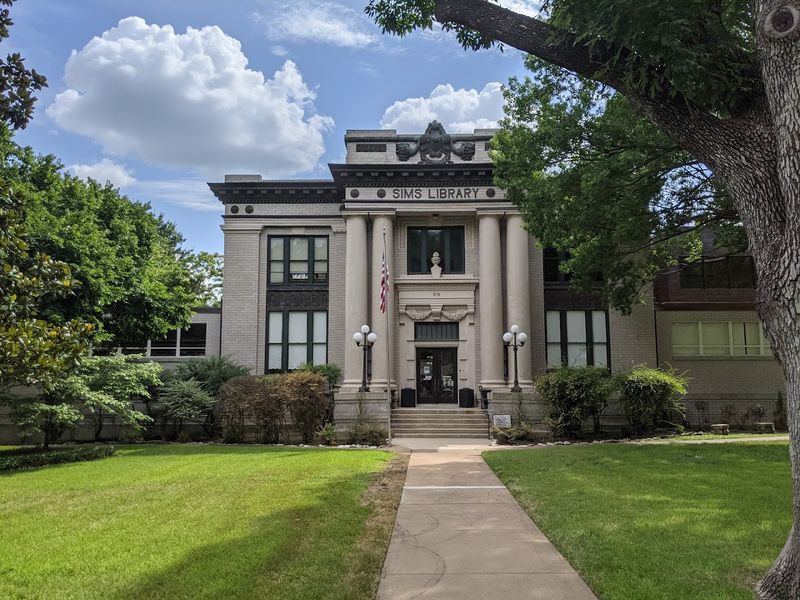
Andrew Carnegie’s philanthropy left its mark across America through hundreds of public libraries, and Waxahachie received one of these precious gifts in 1903. The Nicholas P. Sims Library building stands as a beautiful example of Neoclassical architecture, with its grand columns, symmetrical design, and carved stone details announcing that knowledge and learning deserve magnificent settings.
Carnegie libraries followed specific design principles meant to inspire visitors and celebrate education. The Waxahachie building features a prominent entrance flanked by columns, large windows allowing natural light to illuminate reading areas, and separate rooms for different collections. The original floor plan divided fiction from non-fiction, provided a children’s area, and included a librarian’s office positioned to oversee all activities.
For generations of Waxahachie residents, this building served as their gateway to the wider world. Before internet access and digital media, the library connected small-town Texans to ideas, stories, and information from across the globe. Children discovered their first favorite books here, students researched school projects, and adults pursued continuing education through the free resources available.
Though the main library collection has since moved to a larger modern facility, the historic Carnegie building continues serving the community. The structure now houses the Ellis County Museum, where exhibits showcase local history and artifacts. This adaptive reuse preserves the building while giving it new purpose, ensuring future generations can appreciate both the architecture and the community heritage it represents beautifully.
7. SANTE Fe Depot: Gateway to Growth and Prosperity
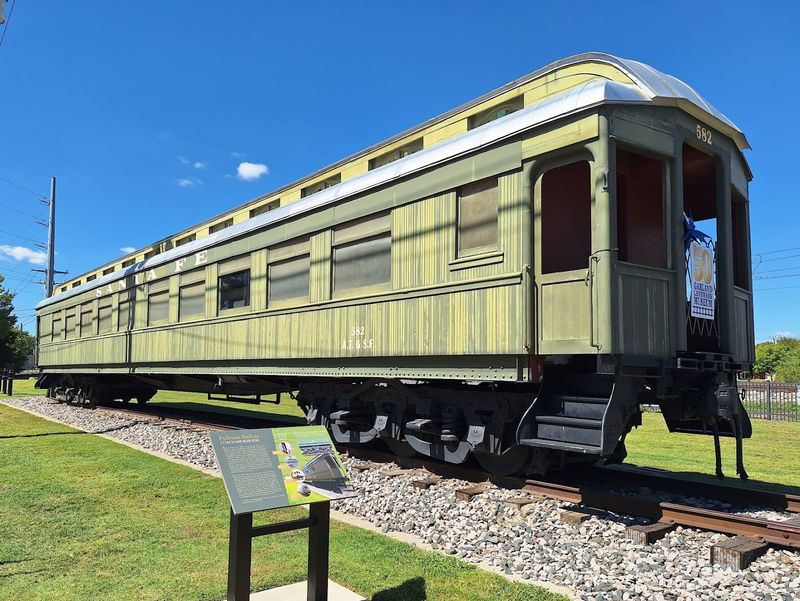
Trains transformed Waxahachie from a small farming community into a thriving commercial center, and the Santa Fe Depot served as the gateway for that transformation. Built in the early 1900s, this sturdy brick structure welcomed passengers arriving from Dallas, Houston, and points beyond. The distinctive architecture, typical of Santa Fe Railway stations across the Southwest, combined practical functionality with enough decorative elements to make travelers feel they’d arrived somewhere special.
During its heyday, the depot buzzed with constant activity. Farmers shipped cotton bales to market, merchants received goods from suppliers, and families greeted relatives arriving for visits. The ticket window stayed busy selling passages to destinations near and far.
A waiting room provided shelter from Texas heat and winter cold, while the platform outside allowed passengers to board trains heading in either direction.
The depot also played crucial roles during both World Wars, as young men departed for military service and returned home as veterans. The building witnessed countless emotional goodbyes and joyful reunions, becoming woven into the personal histories of numerous Waxahachie families. These human stories add layers of meaning beyond the structure’s architectural significance.
Railroad passenger service eventually ended as automobiles and highways dominated transportation, leaving the depot without its original purpose. Rather than demolishing this important landmark, the community recognized its historical value and worked to preserve it. Today, the restored building serves as a museum and event space, keeping railroad heritage alive while adapting to modern needs creatively and respectfully.
8. Munster Mansion: Hollywood History Meets Texas Heritage
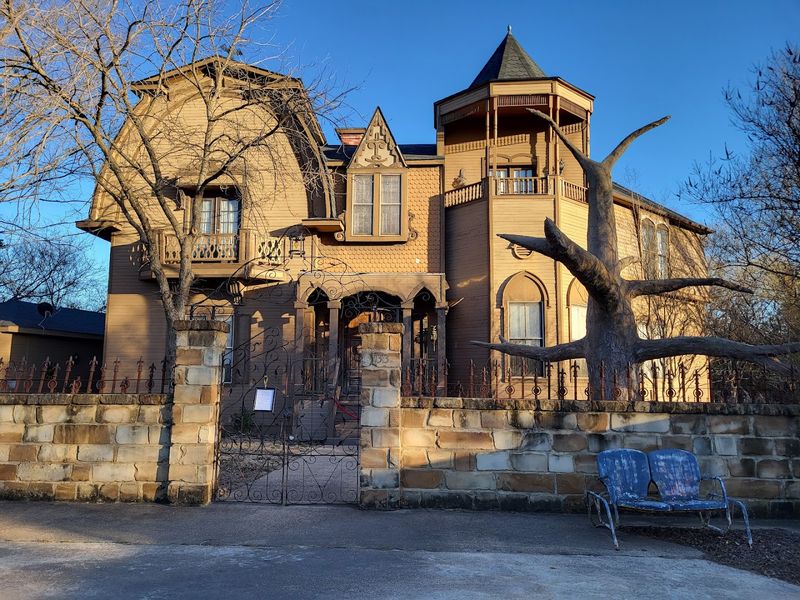
Most historic homes in Waxahachie tell stories of local families and Texas history, but one Victorian beauty claims an unexpected connection to Hollywood. This elegant mansion served as the exterior for the Munster family home in the 1990s movie adaptation of the classic television series. Suddenly, Waxahachie’s architectural treasures gained national attention as movie fans recognized the town’s potential as a filming location.
The house itself dates back to the late 1800s, featuring classic Victorian elements like a wrap-around porch, decorative trim, and multiple gables. Location scouts searching for the perfect setting to represent the fictional Munster residence found exactly what they needed in Waxahachie’s well-preserved neighborhoods. The town’s authentic period architecture eliminated the need for expensive set construction, while offering genuine historical atmosphere that computer graphics couldn’t replicate.
Filming brought excitement to Waxahachie as residents watched movie crews transform their familiar streets into a Hollywood set. Local extras appeared in scenes, businesses provided services to the production, and everyone enjoyed the economic boost that major film productions bring. The experience demonstrated how historic preservation creates unexpected opportunities beyond simply maintaining old buildings.
Since then, Waxahachie has hosted numerous other film and television productions, earning a reputation as Texas’s go-to location for period pieces. The Munster Mansion remains a popular stop for movie buffs and architecture enthusiasts alike. This unique blend of entertainment history and Victorian architecture perfectly represents how Waxahachie’s historic buildings continue creating new stories while preserving old ones.
Share this story