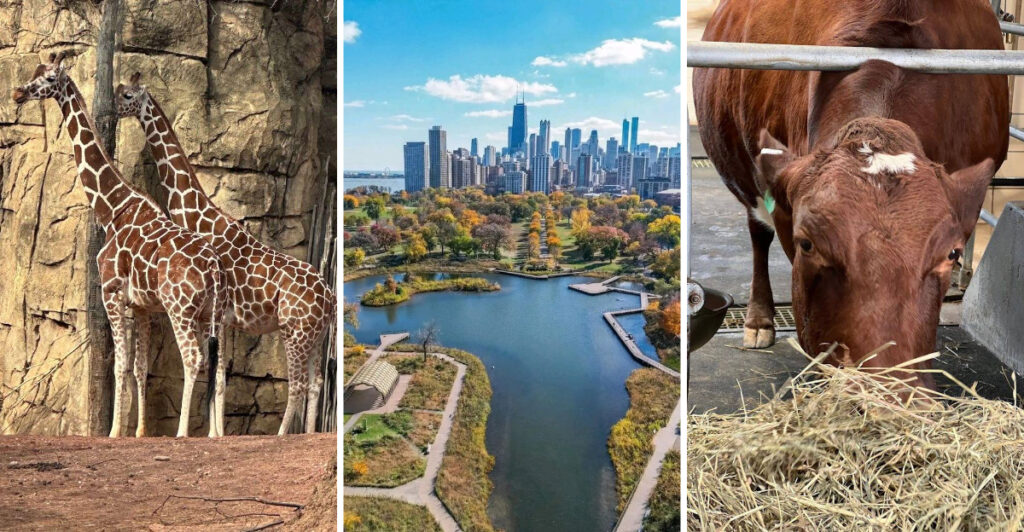
One of Chicago’s best family attractions doesn’t cost anything to visit. Lincoln Park Zoo combines free admission with an impressive collection of animals, beautiful gardens, and one of the city’s most beloved kid-friendly experiences: the Farm-in-the-Zoo, where children can meet and learn about domestic animals up close.
Beyond the barnyard, the zoo is home to everything from lions and gorillas to penguins and red pandas, all set against the backdrop of Lincoln Park and the downtown skyline. Whether you’re visiting with young children or simply looking for a memorable day in the city, this historic Illinois zoo offers remarkable value from start to finish.
A City Zoo With a Front-Row Park Setting
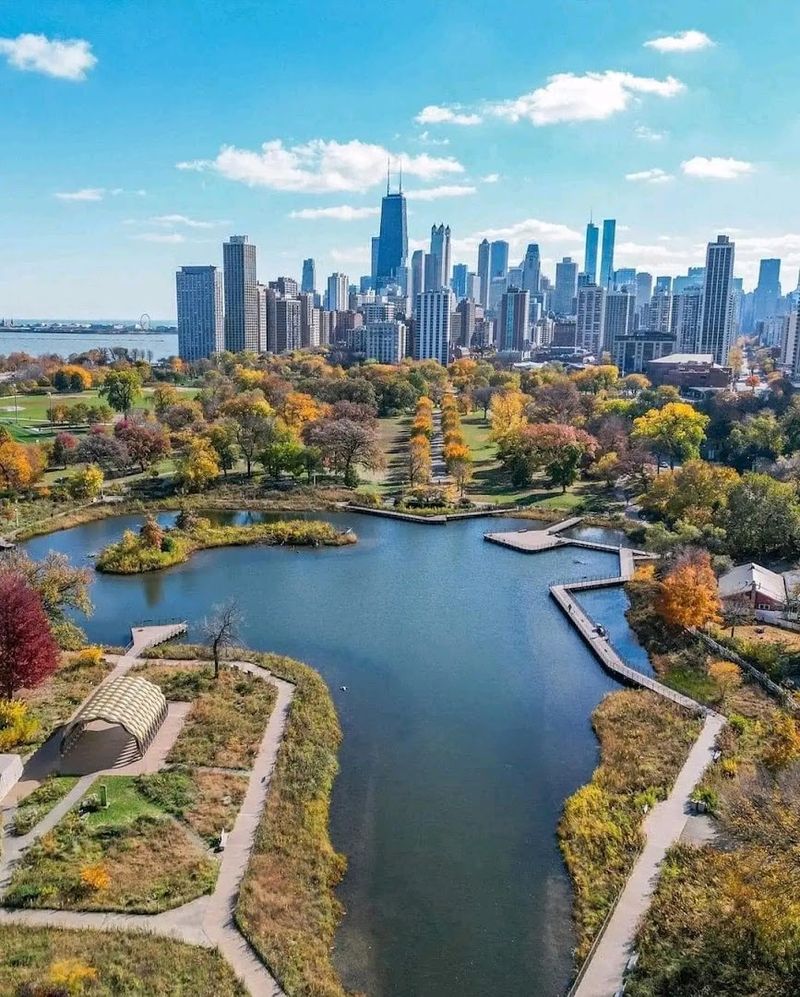
Lincoln Park Zoo makes an immediate impression before any animal comes into view. The setting is one of its biggest advantages: a zoo woven into Lincoln Park, where leafy paths, manicured beds, and open lawns soften the edges of the city.
Instead of a remote campus surrounded by parking lots, this one sits right in a neighborhood landscape that already feels active, green, and distinctly Chicago.
That location changes the rhythm of a visit. You can arrive with the skyline nearby, pass gardens and public park space, and step into exhibits without the day feeling overplanned or isolated.
Even for travelers with a packed schedule, the zoo slides naturally into an afternoon because the setting invites wandering rather than demanding a full expedition.
The grounds help, too. Paths are paved and easy to follow, sightlines open up often, and the landscaping keeps the walk visually busy between exhibits.
Mature trees cast shade, planted borders break up the route, and there is enough breathing room that the zoo rarely reads as a concrete maze.
That softer design matters for families with younger kids. A child can stay engaged even between animal stops because there is always movement, color, and something to point at.
Adults get a smoother experience as well, since the place functions like a park walk with wildlife rather than a checklist march from one enclosure to the next.
By the time you settle into the layout, the free admission almost starts to feel secondary. The stronger surprise is how polished the place looks and how naturally it fits its surroundings.
Lincoln Park Zoo does not need a dramatic grand entrance to win you over – the setting does that work almost immediately.
The Farm-in-the-Zoo That Changes the Whole Day
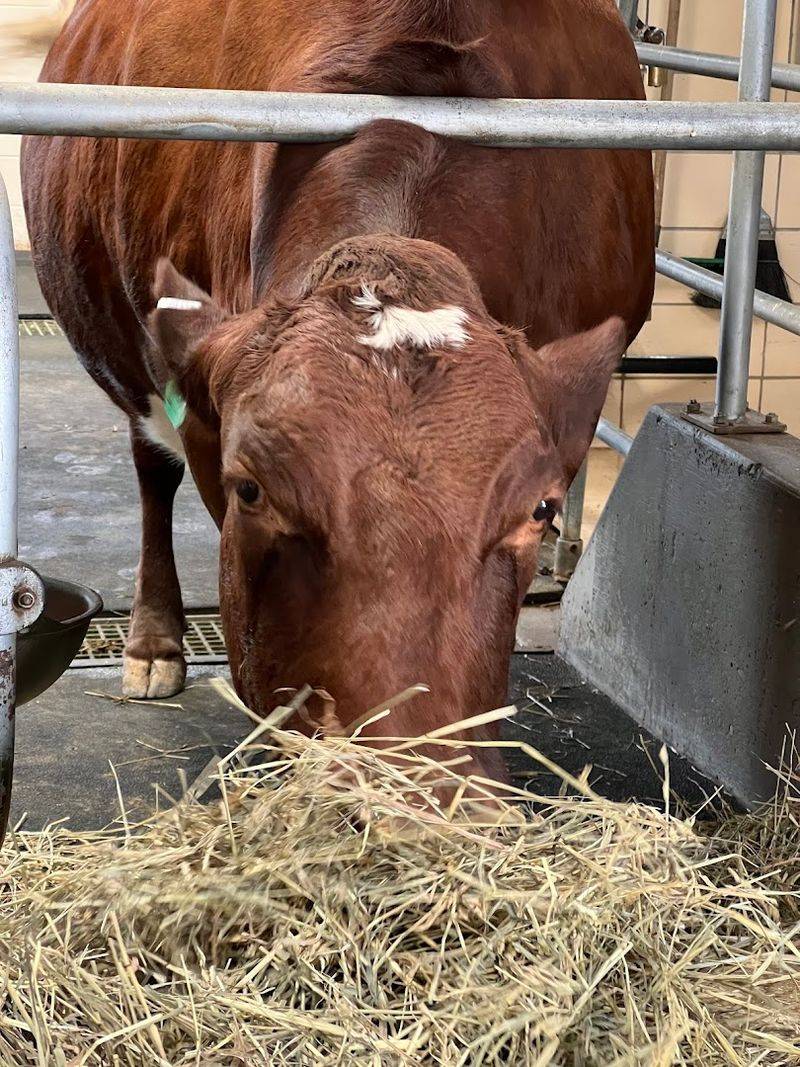
The section that gives Lincoln Park Zoo its most distinctive family appeal is the Farm-in-the-Zoo. In a zoo filled with charismatic wildlife, this area shifts the experience from looking to interacting, which is exactly why it matters so much for younger visitors.
Instead of standing at railings and scanning habitats from a distance, kids can focus on familiar barnyard animals at a scale that feels approachable.
That difference is bigger than it sounds. Seeing familiar farm animals up close can create a clearer connection for children who may still be figuring out the difference between seeing an animal and understanding it.
The farm setting grounds the visit in touchable reality, turning the zoo from a visual outing into something more personal and hands-on.
The design also helps keep the energy calm rather than chaotic. Farm areas usually work best when they are easy to read, and this one adds structure to the day by giving families a zone where pacing can slow down.
Adults are not rushing children past exhibits they barely process because the interest level here tends to hold on its own.
There is also a nice contrast built into the lineup. One part of the zoo introduces global species and larger habitats, while the farm side brings the experience closer to everyday animal life.
That combination widens the appeal, especially for families balancing small children, older siblings, and adults who want a fuller outing than a basic petting area alone could offer.
If the headline promise is animals up close, this is where it lands most clearly. The Farm-in-the-Zoo gives Lincoln Park Zoo a memorable identity beyond being free. It adds warmth, accessibility, and a child-centered anchor that changes how the whole place is experienced.
Big Animals, Indoor Houses, and Smart Variety

Lincoln Park Zoo stays engaging because it balances crowd-pleasing animals with enough variety to keep the route from flattening out. Big names like lions, gorillas, and bears draw people across the map, but the experience does not depend on a single blockbuster exhibit.
Penguins, reptiles, birds, and smaller mammals give the zoo a layered pace that works well for both first-time visitors and repeat local outings.
That range matters in a compact zoo. A smaller footprint can either feel efficient or limited, and Lincoln Park Zoo lands on the stronger side by changing scale and texture often.
One stretch may focus on a major mammal habitat, while the next moves indoors to reptiles or birds, giving the day a different visual tempo.
Indoor buildings are especially useful in a city where weather and seasonal timing shape plans. They create breaks from heat, wind, or colder months and add a more intimate viewing style after longer outdoor walks.
For children, those transitions can reset attention before energy dips. The exhibit design also benefits from surrounding plantings and careful sightlines. Even when you are moving quickly, habitats do not feel dropped onto bare pavement.
Greenery, rockwork, and layered viewing areas make the route more absorbing, while interpretive signs and staff presence can turn a quick stop into a short learning moment without slowing the whole group down.
This variety keeps Lincoln Park Zoo from functioning like a one-note family stop. The farm may be the emotional hook for kids, but the broader collection gives the visit staying power.
You can spend a casual hour here, or stretch it much longer, because the mix of indoor and outdoor encounters keeps changing the tone as you move.
Why Lincoln Park Zoo Works So Well for Families

Some attractions claim to be family friendly when they really mean they tolerate strollers. Lincoln Park Zoo works on a more practical level.
The walkways are manageable, the layout is readable, and there is enough flexibility built into the experience that families can adjust on the fly instead of committing to a rigid route.
That ease starts with scale. The zoo is substantial enough to fill a morning or afternoon, yet not so sprawling that younger kids burn out before the most anticipated exhibits.
You can cover a lot without feeling trapped in endless backtracking, which matters when naps, snack breaks, or sudden changes in attention start steering the schedule.
The well-maintained grounds and helpful staff also shape the mood more than people sometimes expect. A well-kept zoo removes small stress points before they grow, and a place that feels orderly gives adults more room to focus on the outing itself.
Families notice this quickly, especially when moving between indoor houses, restrooms, and outdoor habitats. The free admission sharpens that family advantage. Without a major ticket cost at the gate, the pressure to squeeze every minute of value from the day drops significantly.
That makes Lincoln Park Zoo easier to enjoy in a looser way, whether you stay for several hours, pair it with nearby park time, or leave once the kids have clearly hit their limit.
There is a psychological difference between an expensive destination and one that welcomes repeat visits. This zoo belongs in the second category.
It is easy to imagine using it not only as a special outing, but as a dependable Chicago option for a random sunny weekday, an after-lunch walk, or a low-stakes family adventure that still delivers real substance.
An Illinois Classic With Real Neighborhood Energy

Lincoln Park Zoo has a civic quality that many larger attractions cannot fake. It does not sit apart from the city as a destination built only for occasional tourism.
Instead, it operates as part of everyday Chicago life, shaped by the neighborhood around it, the surrounding park, and the mix of locals, families, and travelers moving through the same space.
That local integration changes the tone. You are not entering a sealed entertainment complex with one prescribed mood from start to finish.
The zoo connects to a broader urban landscape where a family might pair animal exhibits with a stroll, a conservatory visit nearby, or time along the water and green space depending on the day.
For Illinois travelers, that makes the place especially appealing. It delivers an only-in-Chicago combination: serious zoo attractions, postcard urban scenery, and the kind of public-space energy that gives a visit context beyond the enclosures.
You are seeing animals, yes, but also experiencing how one of the city’s most loved public institutions fits into its daily rhythm.
That neighborhood quality also keeps the zoo from feeling overly programmed. There is room for spontaneity here.
A quick stop can turn into a longer wander, and a carefully planned outing can loosen into something more relaxed once the park setting starts doing part of the work.
Some zoos stand out because they are enormous, rare, or heavily themed. Lincoln Park Zoo stands out because it is embedded.
Its value is tied not only to the animal collection and the Farm-in-the-Zoo, but to the fact that this experience exists in one of the most visually appealing, walkable parts of Chicago. That rootedness gives the zoo a character no admission fee could improve.
Best Timing, Routes, and What to Know Before You Go
Lincoln Park Zoo rewards smart timing more than aggressive planning. Morning visits are often the easiest way to enjoy the grounds with lighter pathways and a better chance of catching animals during more active parts of the day.
On weekdays, that advantage can be even stronger, especially for families hoping to move at a comfortable pace.
It also helps to think of the zoo in layers rather than as a strict sequence. Start with the animals or exhibits most important to your group, then use the rest of the grounds as flexible territory for exploring.
That approach prevents the classic family mistake of spending too much early energy on whatever happens to be closest, only to run out of steam before the major highlights.
Indoor spaces deserve their own timing consideration. Some indoor buildings may operate on slightly different schedules, so it’s worth building a little flexibility into your visit if those exhibits are priorities.
Instead of treating that as a disruption, use the early outdoor time to enjoy open-air exhibits, landscaping, and quieter paths before circling back.
Comfort matters here because the zoo encourages more walking than a quick glance at the map might suggest. Wear good shoes, expect to cover ground, and leave room for pauses rather than trying to rush through every section.
Families with young kids should treat the farm area as an anchor point rather than a final stop, since it can easily become the part that holds attention the longest.
The strongest plan is simple: arrive early, keep your route loose, and let the day expand naturally if the energy is there. Lincoln Park Zoo is at its best when the visit feels unforced – more like a well-shaped city outing than a tightly scheduled attraction run.
The Sharpest Reason This Free Zoo Stands Out
Plenty of free attractions are enjoyable mainly because they cost nothing. Lincoln Park Zoo stands out because the no-admission model is only the opening argument.
The stronger case is how many experiences it fits into one setting: a polished urban zoo, a real family outing, a scenic park walk, and a farm area where children can connect with animals in a more immediate way.
That combination is unusually balanced. Some places excel at spectacle but wear families down. Others are charming for small children but too limited for anyone else.
Lincoln Park Zoo manages to hold those audiences together by offering recognizable major animals, gentler farm encounters, indoor variety, and enough visual appeal in the grounds themselves to keep the entire visit from flattening into exhibit fatigue.
The Chicago context pushes it even further. Skyline glimpses, nearby green space, and the neighborhood setting give the zoo a broader sense of place, so the outing never feels detached from the city around it.
You are not disappearing into a theme bubble. You are moving through a public institution that belongs to its landscape and benefits from that connection at every turn.
For parents, that means less pressure. For travelers, it means stronger value. For locals, it means the zoo can function as a repeatable favorite rather than a once-and-done attraction.
The Farm-in-the-Zoo is the feature that makes the headline sing, but the full reason this place lands so well is structural: it offers closeness, range, and ease in one of Chicago’s most attractive settings.
If you are deciding whether Lincoln Park Zoo deserves a spot on the itinerary, the answer is straightforward. It does – not as a backup plan, but as one of the city’s smartest, most complete free outings.
Share this story