A steel bridge rumbles overhead while a great blue heron stands perfectly still in the shallows below. That contrast is the first clue that Palmyra Cove Nature Park is no ordinary patch of green.
Tucked beside the Tacony-Palmyra Bridge in Burlington County, this free preserve turns more than 250 acres of former dredge-spoil land into forests, wetlands, ponds, meadows, and a surprisingly peaceful stretch of Delaware River shoreline.
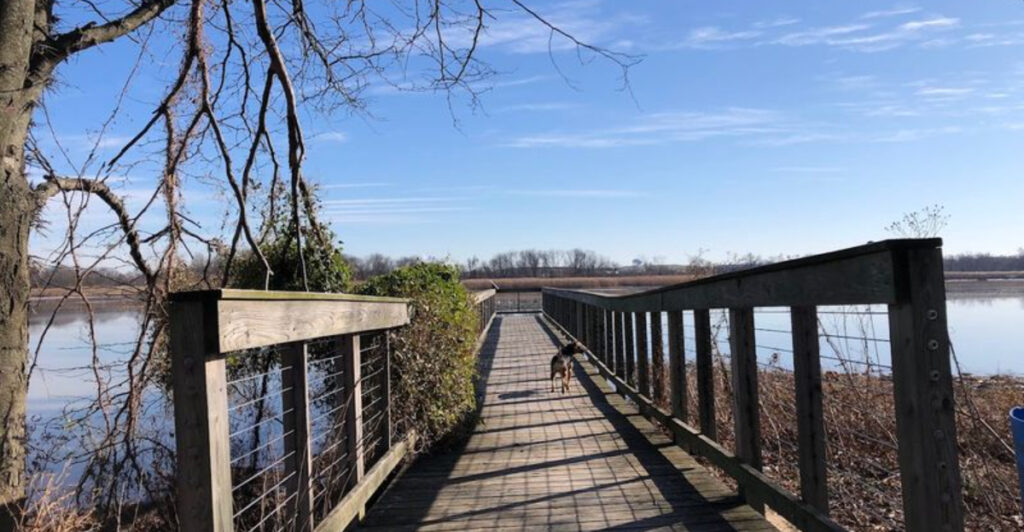
Its mostly level trails invite easy wandering, while boardwalks and observation areas bring visitors close to turtles, waterfowl, wildflowers, and migrating birds.
There is even a beaver pond hidden beyond the main paths and a peregrine falcon nesting box high on the bridge. Despite sitting just across the river from Philadelphia, the park can feel wonderfully removed from traffic and deadlines.
It is a place where industrial history, serious conservation work, and waterfront beauty come together without an admission booth in sight.
Palmyra Cove Nature Park Hides Beneath a Busy River Bridge
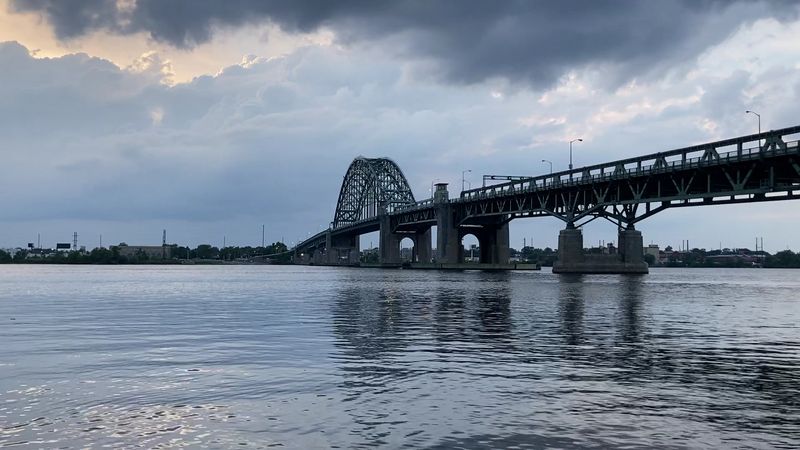
Most drivers crossing the Tacony-Palmyra Bridge have no idea that a full-scale nature preserve is spread beneath and beside them. The entrance sits near the New Jersey base of the bridge along Route 73 in Palmyra, where an access road leads away from the toll plaza and toward the Environmental Discovery Center.
The route can feel slightly improbable on a first visit. Steel beams tower overhead, traffic moves steadily between Burlington County and Northeast Philadelphia, and then the pavement delivers you into a landscape filled with trees, ponds, marsh grasses, and birdsong.
That unlikely setting is a major part of the park’s appeal. The Tacony-Palmyra Bridge, which opened in 1929, remains a working link across the Delaware River, yet the land around its New Jersey approach has been reclaimed for wildlife and recreation.
What was once a neglected area shaped by dredged material and dumping has become a varied natural habitat managed by the Burlington County Bridge Commission. The transformation gives the park a character that a carefully manicured suburban green space could never reproduce.
Reminders of the surrounding infrastructure never disappear completely. Portions of the bridge appear between branches, and the low hum of traffic occasionally follows walkers along the paths.
Rather than spoiling the experience, those details sharpen the contrast. One minute, you are looking at riveted steel and concrete; the next, you are watching a turtle slide from a log or a bald eagle pass over the river.
Admission and parking are free, making the preserve an easy choice for an unplanned morning outdoors. The grounds are generally open from dawn to dusk, although posted rules and seasonal conditions should always be checked before a visit.
Dogs, bicycles, ATVs, and horses are not permitted, helping keep the trails quieter and reducing disturbance to the animals that depend on this unusual sliver of habitat.
Miles of Easy Trails Wind Through More Than 250 Acres
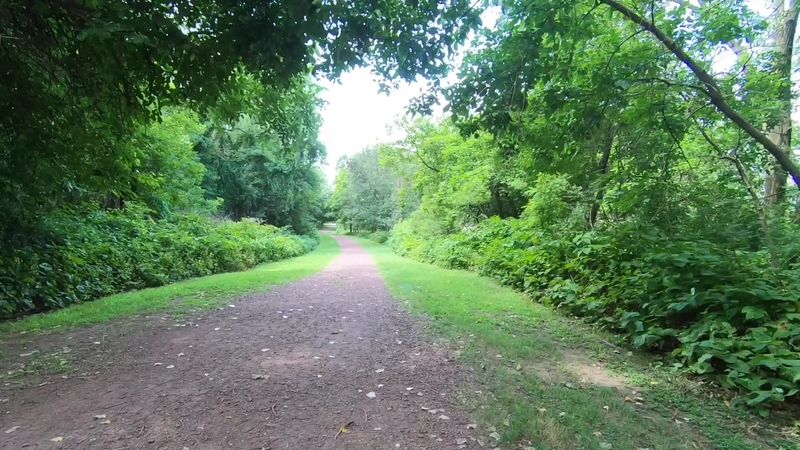
There is no single required route through Palmyra Cove, and that freedom makes the trail system especially inviting. Visitors can take a short loop near the discovery center, wander toward the Delaware River, or combine multiple named paths into a longer outing.
The terrain is largely flat, so the challenge comes from deciding which turn to take rather than grinding up steep hills. It is hiking without the heroic soundtrack, and sometimes that is exactly what a free afternoon needs.
Wide trails pass through young forest, open fields, wetland edges, and stands of eastern cottonwood. The Cove Trail is one of the main routes into the preserve, while connecting paths make it possible to explore different habitats without repeatedly retracing the same ground.
Maps are typically available at the visitor center, and carrying one is worthwhile because the web of intersections is more extensive than newcomers may expect from a park hidden beside a bridge. One particularly interesting destination is Beaver Pond, a former sand-mining area that nature has steadily reclaimed.
It can be reached from the Cove Trail by connecting with the Eastern Cottonwood Trail. Patient visitors may notice gnawed branches, lodgelike structures, or movement near the water, although the resident beavers do not keep public appearances on a convenient timetable.
Even without a sighting, the pond illustrates how dramatically altered ground can become useful habitat again. The level routes work well for families and beginners, but sturdy walking shoes are still a smart choice.
Low areas can become muddy after rain, exposed sections may feel hot during the middle of summer, and insects are part of the package near wetlands. Bringing water and bug spray prevents small annoyances from cutting the walk short.
Because every trail reveals a different slice of the property, distance can accumulate almost unnoticed. A planned 30-minute stroll has a funny way of becoming a two-hour ramble once a side path, river glimpse, or flash of movement in the trees pulls you farther into the park.
Wetland Boardwalks Lead Into a Wildlife-Filled World
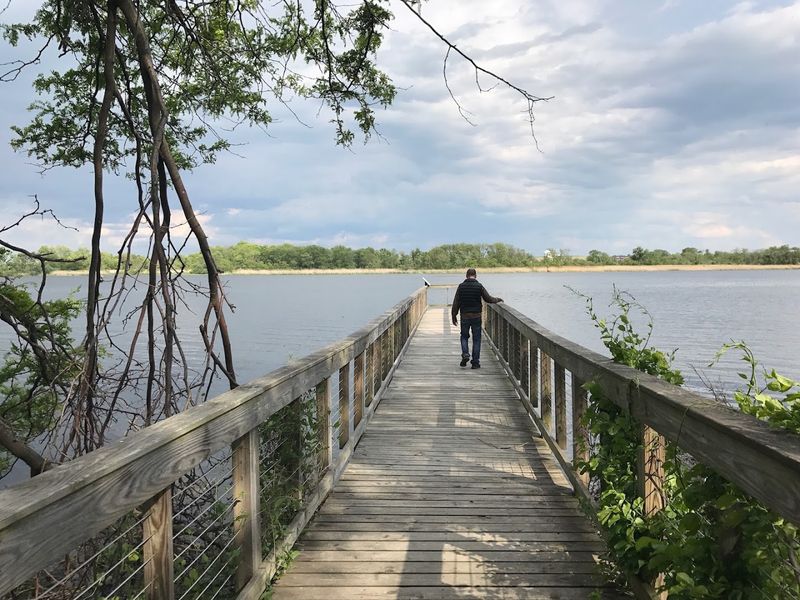
A boardwalk changes the way you experience a marsh. Instead of standing at the edge and peering in, you move directly above the wet ground, close enough to notice tiny ripples, frog calls, dragonflies, and turtles angled toward the sun.
At Palmyra Cove, elevated passages and wetland-side paths offer that intimate view without requiring visitors to sacrifice a sneaker to the mud. The preserve’s habitat variety explains why so much life gathers within a relatively compact area.
Ponds, river shoreline, brushy fields, young woods, and wetlands sit close together, creating feeding and shelter opportunities for many different species. Great blue herons work the shallows with remarkable patience.
Painted turtles and snapping turtles inhabit the ponds, while frogs, fish, and insects keep the lower levels of the food web busy. White-tailed deer may appear near the forest edge, and signs of beaver activity reward anyone willing to slow down and inspect the waterline.
Spring and summer bring a smaller show at eye level. Wildflowers brighten meadow edges, butterflies move between blooms, and dragonflies patrol wet areas with the intensity of tiny helicopters.
Children do not need an elaborate activity sheet to stay interested here. A sunning turtle, shed snakeskin, unusual feather, or line of animal tracks can take over the conversation almost immediately.
The wetland sections also tell the park’s larger conservation story. This was not untouched wilderness preserved exactly as nature created it.
Palmyra Cove developed on land affected by dredging and disposal, then recovered through restoration and natural succession. The result is not pristine in the romantic sense, but it may be more encouraging.
It shows what can happen when damaged ground is given protection, time, and thoughtful management. Conditions change with the weather, which keeps repeat visits interesting.
After rain, the wetlands may sound louder and look greener. During dry spells, exposed mud can attract feeding shorebirds. In winter, bare vegetation opens sightlines that leafy summer growth completely conceals.
Delaware River Views Steal the Show
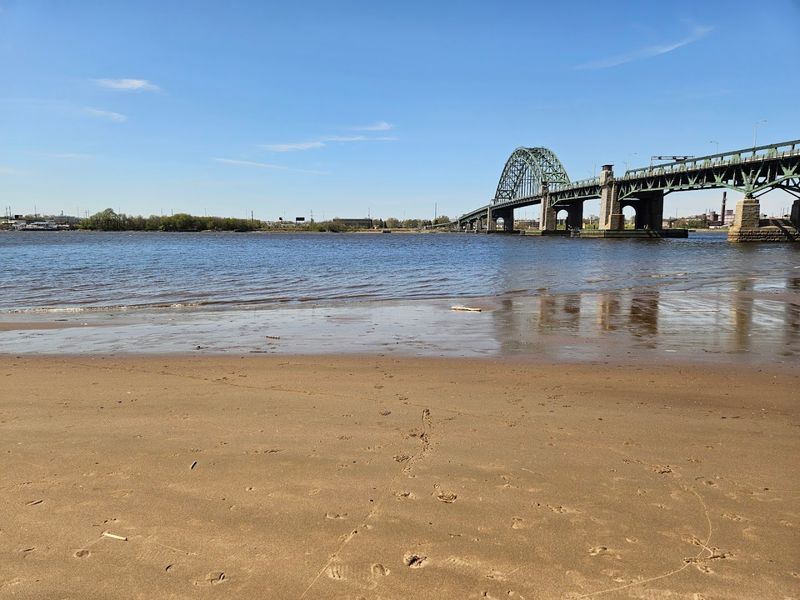
Follow the trails toward the western edge of the preserve and the landscape suddenly opens. Trees give way to sand, driftwood, broad water, and a close-up view of the Tacony-Palmyra Bridge stretching toward Philadelphia.
The Delaware is wide here, carrying working boats, tides, birds, and reflected light through a scene that feels both industrial and wild. This is not a polished waterfront promenade with decorative railings and café tables.
The shoreline has a rougher personality. Natural debris collects along the sand, roots grip the bank, and the water level shifts with the tidal river.
That lack of polish is precisely what makes the view memorable. Visitors can watch the river behave like a living system instead of scenery arranged behind a railing.
The bridge becomes an unexpectedly photogenic centerpiece from below. Its steel structure frames open sky and moving water, while the Philadelphia side rises in the distance.
When the drawbridge operates for river traffic, the working mechanics add another layer to the scene. Engineers may appreciate the structure; photographers will notice its lines and shadows; everyone else can simply enjoy how something so large manages to look at home above the shoreline.
Late afternoon brings the most dramatic light. The sun drops toward the Pennsylvania side, warming the bridge and flickering across the river.
On calm evenings, the water carries bands of gold and orange. On windier days, the same light breaks into thousands of moving fragments.
Benches and informal stopping places encourage visitors to linger without needing to fill the moment with an activity. Fishing is another longstanding use of the riverfront, though anglers should consult current New Jersey licensing requirements, seasonal regulations, and posted park rules before casting.
For non-anglers, the shoreline works equally well as a quiet lunch stop or the turnaround point on a longer walk. Even with traffic passing overhead, the sound of water against the bank has a way of taking control of the scene.
Migrating Birds Make This Park a Year-Round Hot Spot
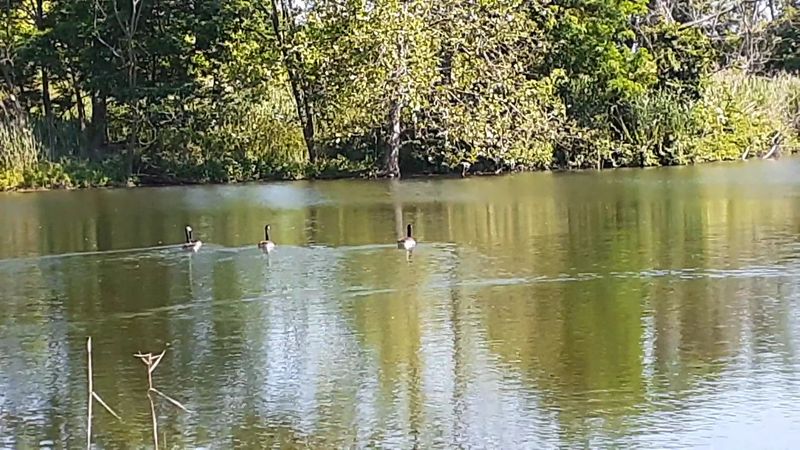
Birders know Palmyra Cove for a reason that casual walkers may not immediately recognize. The preserve sits along the Delaware River and within the broader Atlantic Flyway, giving migrating birds a valuable place to rest and feed amid the dense development of South Jersey and greater Philadelphia.
For a warbler that has traveled hundreds of miles, those 250-plus acres are not merely pretty. They are a strategically located service station.
Spring migration unfolds in stages. Waterfowl begin moving through in March, while waves of songbirds build into April and May.
Yellow warblers, American redstarts, common yellowthroats, and Baltimore orioles add color to the trees and brush. Ruby-throated hummingbirds may hover near flowering plants, and great crested flycatchers announce themselves with loud calls from above.
Fall delivers another surge, with Palmyra Cove earning a reputation as a productive stop for warblers and shorebirds. The Tacony-Palmyra Bridge contributes its own avian drama.
Peregrine falcons have nested on the structure, using its height much as they would a natural cliff. A nesting box provides a secure site above the river, and the falcons can sometimes be spotted slicing through the air near the steelwork.
Their presence offers one of the park’s best examples of wildlife adapting to a built environment. Winter is far from empty.
Buffleheads, mergansers, goldeneyes, cormorants, and other waterbirds can appear on the Delaware. Red-shouldered hawks patrol wooded edges, dark-eyed juncos forage closer to the ground, and bald eagles are possible overhead.
Northern saw-whet owls have also wintered in dense cover here, though spotting one requires patience, sharp eyes, and respect for resting birds. Binoculars make the experience easier, but expertise is optional.
A first-time visitor can simply watch for movement and listen for calls. Early mornings tend to be productive, especially during migration, when the trails are quieter and birds are actively feeding.
Even identifying only three species instead of 30 changes the walk. The woods stop looking like a wall of green and start revealing who lives inside it.
The Environmental Discovery Center Brings Nature to Life
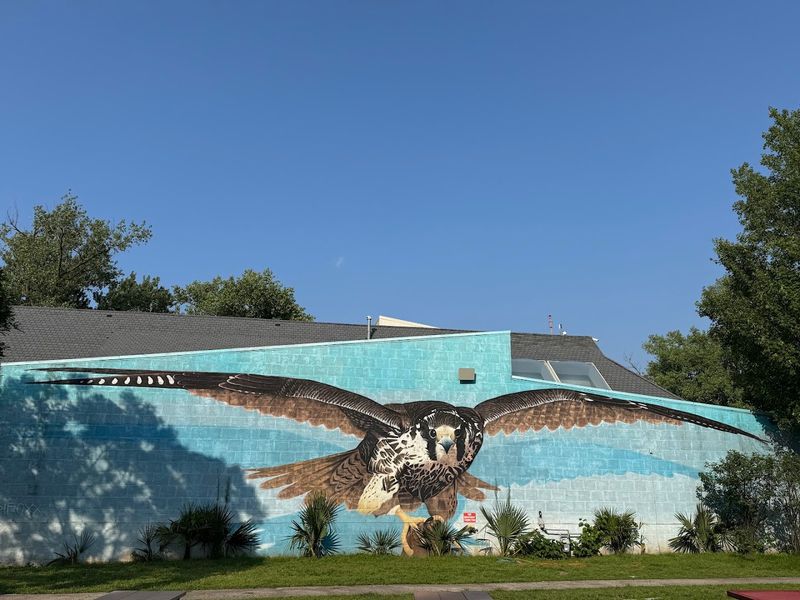
Before heading down the trails, it is worth stepping inside the Environmental Discovery Center. The building serves as the park’s educational hub, translating the wetlands, forests, river, and wildlife outside into exhibits that visitors can understand without carrying a biology textbook.
Displays explore the Delaware River watershed, local habitats, conservation, and the animals found throughout the preserve. The center is especially useful for families because it gives children specific things to look for once they step outdoors.
A bird seen in an exhibit may appear moments later near the feeder or along the trail. Information about wetlands makes the boardwalk more than a wooden path, while lessons than a wooden path, about migration help explain why a tiny songbird stopping in Palmyra is part of a much larger annual journey.
That connection between indoor learning and immediate outdoor discovery is the building’s real strength. Naturalist-led walks, educational sessions, school programs, and seasonal events add another dimension.
Program schedules vary, so visitors interested in a guided experience should confirm upcoming offerings in advance. The center has traditionally operated during daytime hours, with weekday and weekend schedules that may differ, while the park itself remains open from dawn to dusk.
Restrooms and trail information are also available near the building when it is open. One of the most memorable features is the connection to the peregrine falcons nesting on the nearby bridge.
Monitoring equipment has allowed visitors to follow activity around the nesting box, turning distant birds of prey into recognizable park residents. Seeing a falcon on a screen and then walking outside to search the bridge makes the entire preserve feel more closely connected.
Palmyra Cove succeeds because the education never overwhelms the place itself. The center supplies context, but the river, wetlands, birds, and restored landscape remain the main event.
By the time visitors return from the trails with muddy soles and a few new species names, the unlikely nature preserve beneath the bridge makes perfect sense.