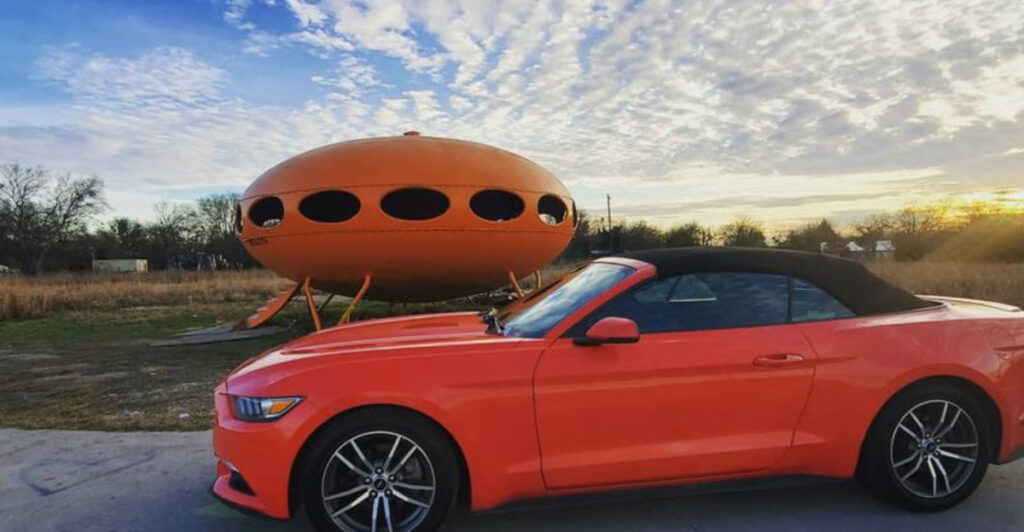
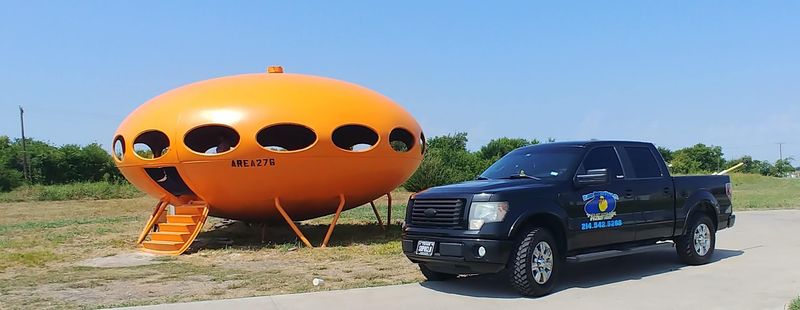
Sitting alongside a rural Texas highway near Royse City, a UFO-shaped structure catches the eye of every driver who passes by. The Futuro House looks like something straight out of a 1960s sci-fi movie, and that’s because it practically is. Originally designed as a portable ski chalet in Finland, this rare piece of architectural history has become one of the most photographed roadside attractions in the Dallas area, drawing curious visitors from all over who want to see this quirky relic from the Space Age era.
1. A Rare Piece of Space Age History
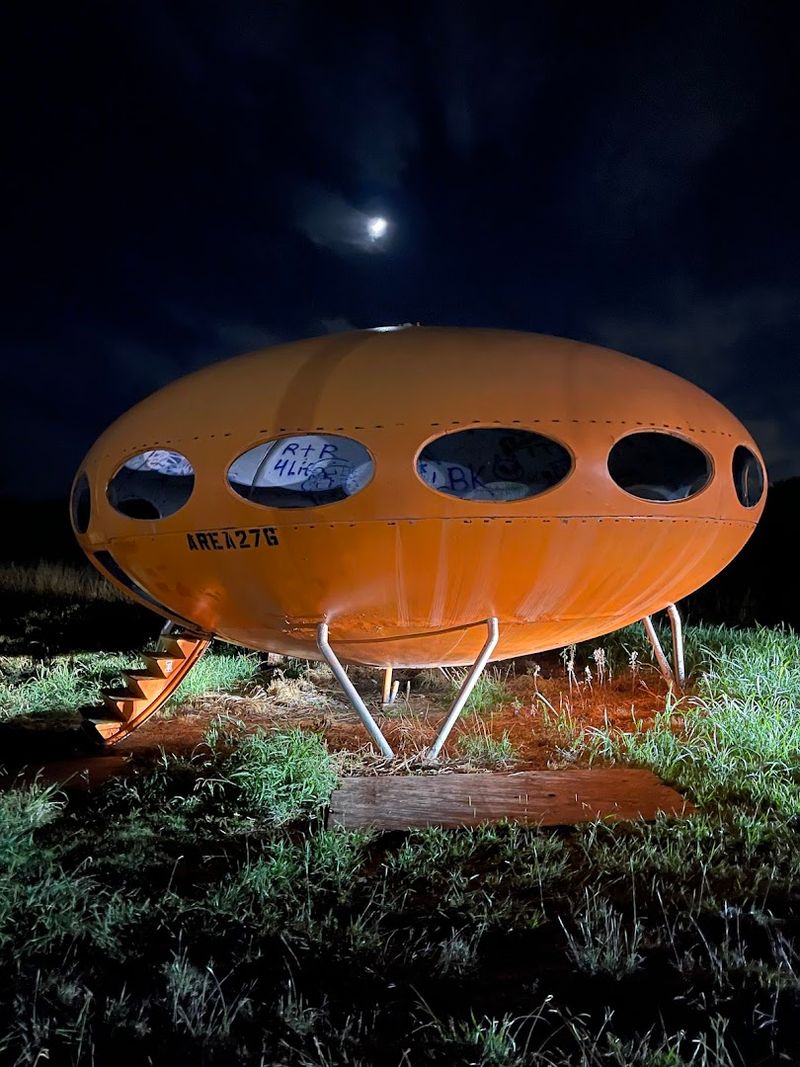
Back in 1968, Finnish architect Matti Suuronen created something the world had never seen before. He designed the Futuro House as a portable ski chalet that could be assembled anywhere, made entirely of fiberglass-reinforced plastic. The flying saucer shape wasn’t just for show, it was engineered to withstand harsh winter conditions and could be heated efficiently with just a single electric heater.
Only around 100 of these structures were ever manufactured between 1968 and 1978. Today, fewer than 60 are known to exist worldwide, making the Royse City Futuro an incredibly rare find. The oil crisis of the 1970s made plastic production expensive, which ultimately killed off production of these futuristic dwellings.
The Texas Futuro has been sitting on this spot for decades, becoming a beloved local landmark. While it’s seen better days, its presence along TX-276 reminds us of an era when people genuinely believed we’d all be living in space-age pods by now. The structure originally came equipped with built-in furniture, a kitchenette, and even a bathroom, all molded from the same space-age materials.
Walking around it feels like stepping into a time capsule from when the future looked a whole lot different than it turned out to be.
2. Easy Access Right Off the Highway
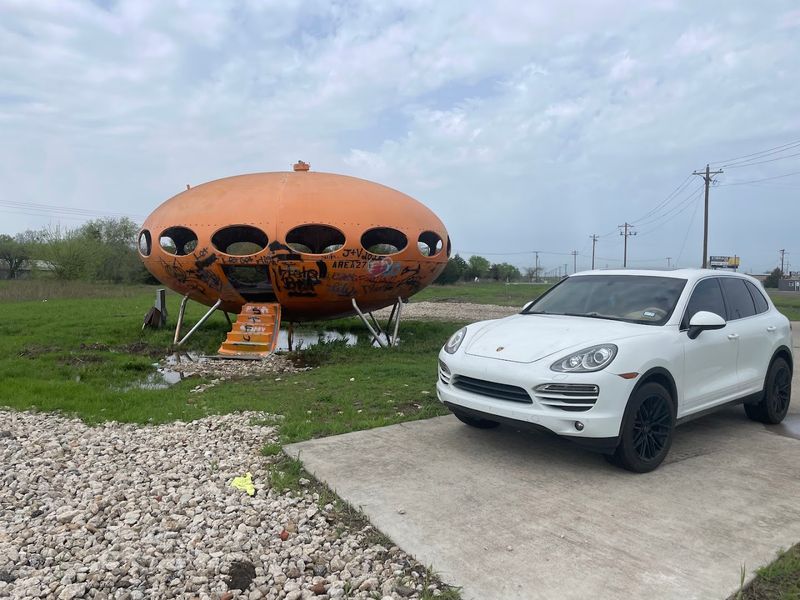
You won’t need any special directions or GPS coordinates to find this place. The Futuro House sits right on the shoulder of TX-276, completely visible from the road. There’s a gravel pull-off directly in front where you can safely park your car without blocking traffic.
Technically listed as open 24 hours, you can stop by any time of day or night. Early morning and late afternoon offer the best lighting for photos, with the sun casting dramatic shadows across the pod’s curved surface. Weekend afternoons tend to draw small crowds of fellow curiosity seekers, but you’ll rarely have to wait long for your turn to explore.
The unpaved parking area can get muddy after rain, so watch your step. Some visitors have noted that tall grass and weeds sometimes grow around the structure during summer months, which means bugs and spiders might be hanging around too. Long pants and closed-toe shoes make more sense than flip-flops if you plan to get close.
From downtown Dallas, the drive takes about 45 minutes heading east. It makes a perfect addition to a weekend road trip, especially if you’re combining it with other quirky Texas roadside attractions in the area.
3. Inside the Spaceship
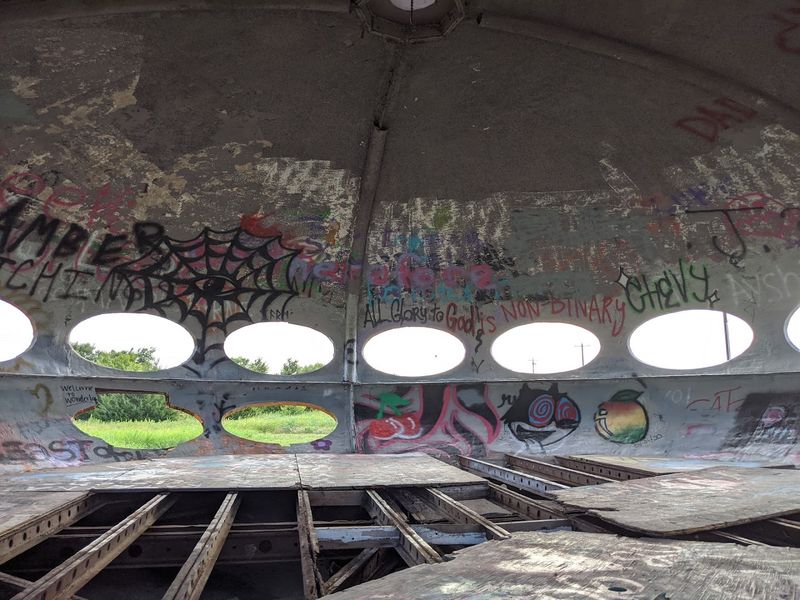
Stepping through the entrance feels like boarding an abandoned spacecraft. Round porthole windows circle the interior, flooding the space with natural light. You can still make out where the original fixtures were mounted, including plumbing connections where a toilet once sat and remnants of the built-in seating that wrapped around the walls.
Fair warning: the floor has seen much better days. Loose plywood patches cover holes in the original flooring, and some boards feel sketchy underfoot. Multiple visitors have mentioned watching your step as an absolute must, unless you want to test how sturdy those patches really are.
The circular interior measures about 13 feet across, which feels surprisingly roomy once you’re inside. Original Futuro Houses came with molded plastic furniture, colorful upholstery, and a complete kitchen setup. This one has been stripped of those amenities over the years, leaving mostly bare walls covered in layers of graffiti and street art.
Some of the spray paint actually shows real talent, particularly an alien figure that looks professionally done. While the vandalism detracts from the historical value, it’s also become part of this particular Futuro’s story. The stairs leading up to the entrance are usually accessible, though they’ve occasionally been blocked off when property owners attempt to limit access.
4. Perfect Photo Opportunity
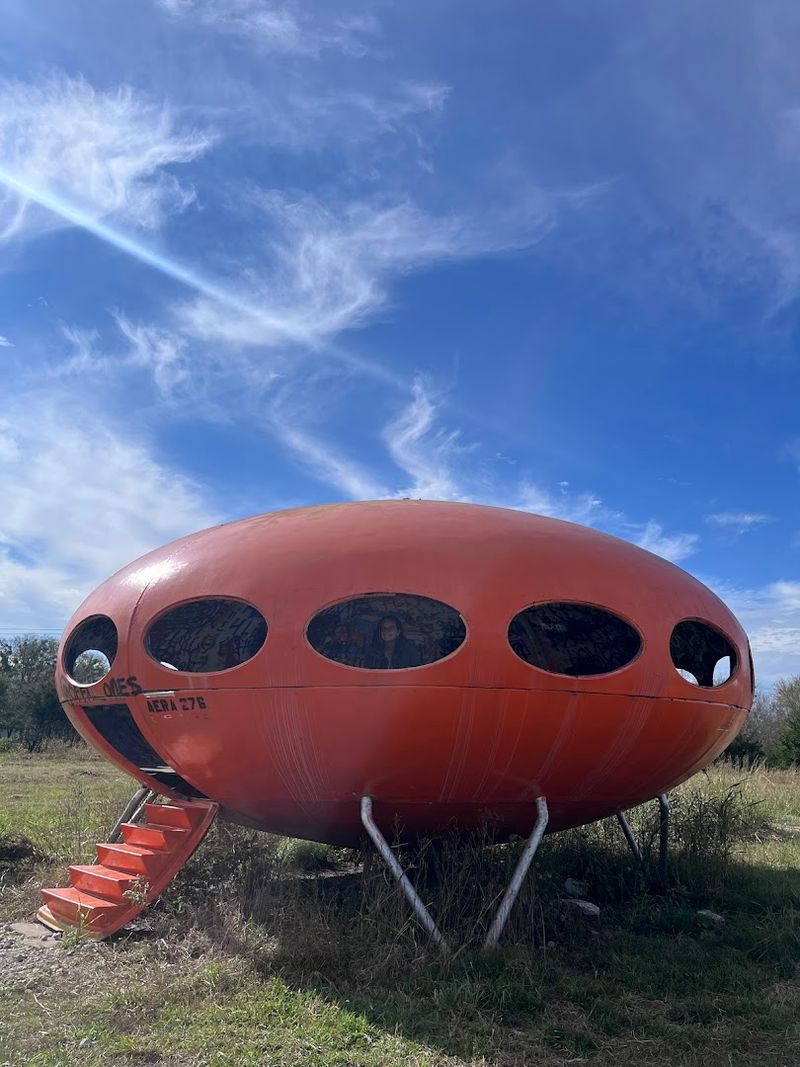
Instagram photographers and vintage enthusiasts have turned this spot into a must-visit location. The contrast between the white fiberglass pod and the Texas sky creates stunning compositions, especially during golden hour when warm light bathes the structure. Cloud formations add extra drama to shots taken from ground level looking up.
The graffiti-covered exterior offers an entirely different aesthetic than pristine, restored Futuro Houses elsewhere. Some photographers embrace the weathered, abandoned vibe, capturing the intersection of retro-futurism and urban decay. Others focus on angles that minimize the spray paint, highlighting the clean lines of Suuronen’s original design instead.
Families often stop for quick snapshots with the kids posing in front of what looks like a landed UFO. The novelty factor makes it especially fun for children who’ve never seen anything quite like it. Pet owners bring their dogs for quirky photo ops too, since the location allows plenty of space to safely include your four-legged friends.
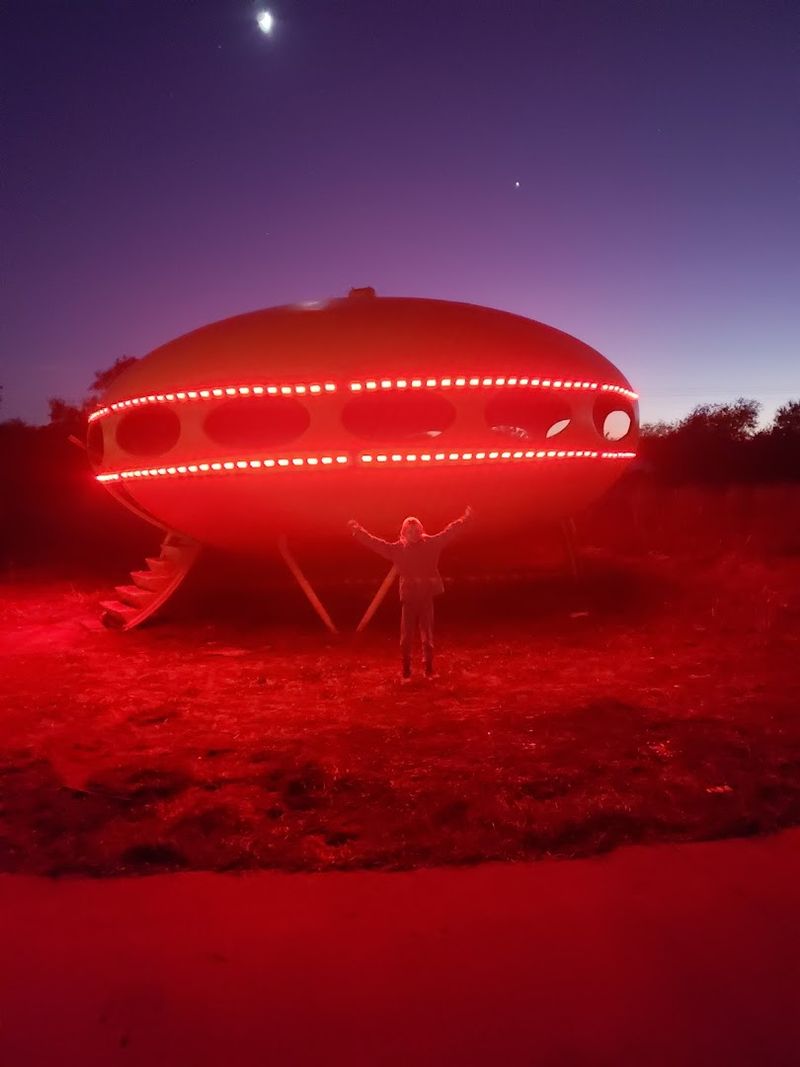
Wedding photographers and engagement shoot planners have discovered this location as well. The unique backdrop guarantees photos that stand out from typical Texas landscape shots. Just remember to visit during daylight hours for the best natural lighting, though some adventurous photographers have experimented with nighttime shots using external lighting equipment to create an otherworldly glow.
5. The Graffiti Situation
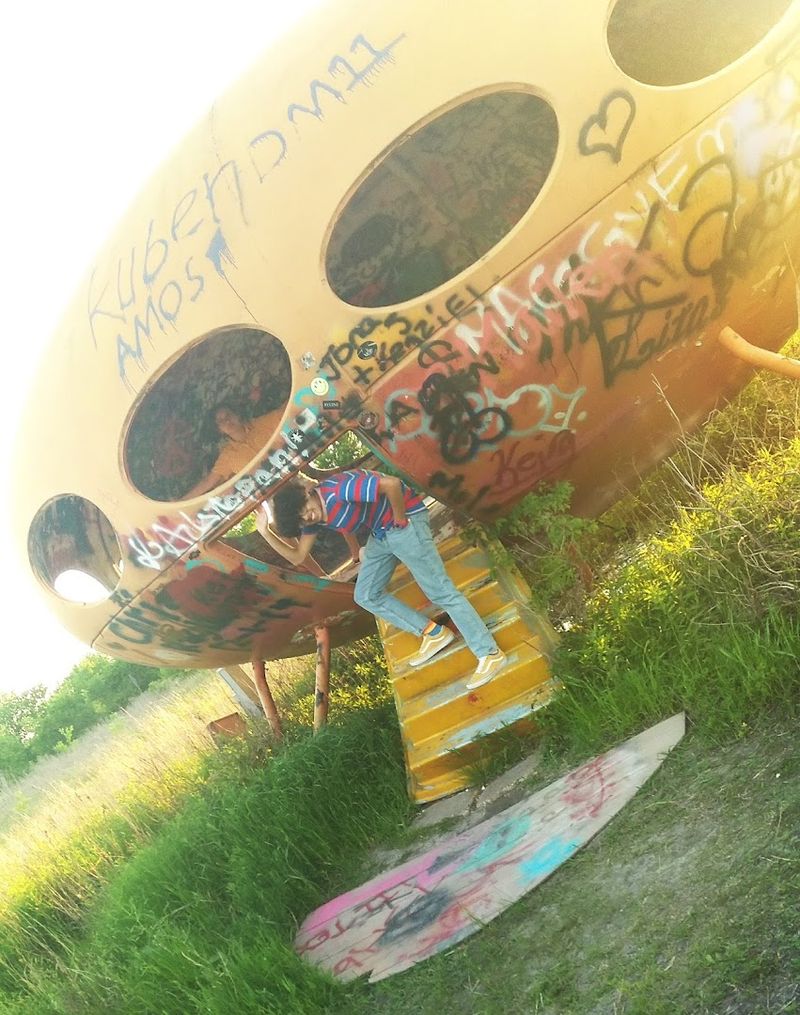
Opinions split sharply when it comes to the spray paint covering nearly every surface. Purists wish people had respected the historical value and left the structure alone. Others argue the graffiti has become part of the Futuro’s evolving story, documenting decades of visitors who couldn’t resist leaving their mark.
The artwork quality varies wildly. Talented street artists have contributed genuinely impressive pieces, including that often-mentioned alien face that looks professionally executed. Other sections feature basic tags and scrawled messages that add nothing but visual clutter to the space.
Someone once installed LED light strips around the structure, which must have looked incredible at night. Unfortunately, the power connections got ripped out before most people could see it lit up. Debris has accumulated behind the building over the years, including remnants of attempted improvements and general trash left by less considerate visitors.
The property has gone through periods where owners tried to clean it up and restore some dignity to the structure. Fresh paint jobs have happened more than once, only to get tagged again within weeks or months. Signs warning against trespassing and mentioning video surveillance have appeared and disappeared over the years as ownership and attitudes toward public access have shifted.
Whether you see it as vandalism or folk art probably depends on your perspective.
6. The Trespassing Question
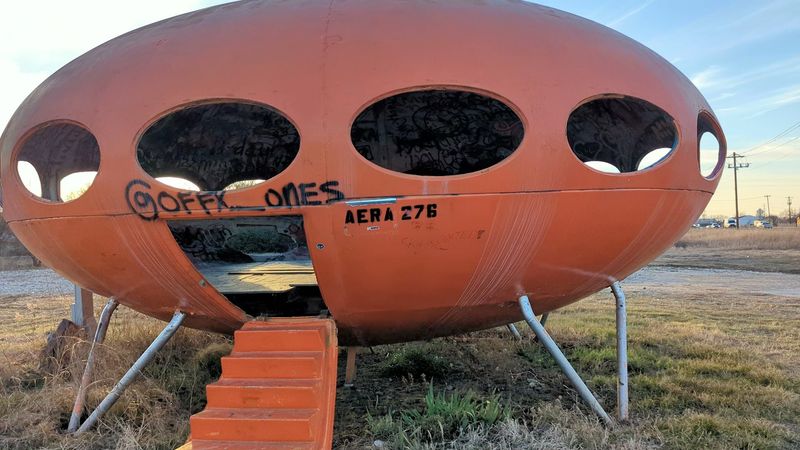
Here’s where things get complicated. The Futuro House sits on private property, and technically you need permission from the owner to approach it. Multiple visitors have reported seeing “No Trespassing” signs posted around the area, along with warnings about video surveillance from cameras mounted on nearby posts.
Despite these warnings, countless people have visited, explored, and photographed the structure without apparent consequence. The reality seems to shift depending on current ownership attitudes and how much attention the property is getting at any given time. Some years the stairs are open and accessible, other times plywood blocks the entrance.
Respectful visitors who don’t cause damage or leave trash seem to face fewer issues than those who treat the site carelessly. Taking photos from the roadside shoulder definitely falls within legal bounds, even if walking right up to the structure might technically cross property lines. Each visitor needs to make their own judgment call about risk versus reward.
The safest approach? Admire it from the parking area, snap your photos, and be grateful this piece of architectural history remains visible at all. If you do venture closer, treat the property with respect, watch for posted signs, and understand you’re doing so at your own risk.
Don’t leave trash, don’t cause additional damage, and maybe skip climbing inside if the floor looks particularly sketchy that day.
7. Worldwide Futuro Family
The Royse City Futuro belongs to an exclusive global club. Finland houses the most pristine example, still furnished with original 1960s fixtures, fabrics, and appliances. That one looks exactly as Suuronen intended, giving visitors a true sense of the Space Age optimism that inspired the design.
Other surviving Futuro Houses have found homes in museums, private collections, and oddball locations worldwide. New Zealand has several, including one that served as a bank branch for years. Taiwan’s Futuro became part of an abandoned resort complex that looked post-apocalyptic before eventually being demolished.
Australia, South Africa, and various European countries each claim their own examples.
Each surviving pod tells a different story based on how it’s been used and maintained. Some became permanent residences, others served as vacation homes or commercial spaces. A few sit abandoned like the Texas version, slowly deteriorating but still capturing imaginations.
The community of Futuro enthusiasts tracks known locations through dedicated websites that document the history and current status of each surviving unit.
What makes the Texas Futuro special is its accessibility and visibility. Unlike examples hidden on private estates or locked inside museums, this one remains available for public viewing, even if official access policies remain murky. It represents both the promise of the Space Age and the reality of how those dreams aged over fifty years.
8. What Could Have Been
Imagine if someone restored the Royse City Futuro to its original glory. The interior would feature orange and red molded plastic seating built directly into the curved walls. A compact kitchen with period-appropriate appliances would occupy one section, while a tiny bathroom with space-saving fixtures would tuck into another.
Shag carpeting, bold geometric patterns, and that unmistakable 1960s color palette would transform the space.
One enthusiastic reviewer dreamed of turning it into an Airbnb, and honestly, that idea has serious potential. Spending a night in a genuine Futuro House would be an unforgettable experience, combining retro novelty with Texas roadside charm. The structure’s small size would actually work perfectly for a couple seeking a unique weekend getaway.
Restoration wouldn’t be simple or cheap. The floor needs complete replacement, the exterior requires proper cleaning and possibly new fiberglass work, and all those original fixtures would need to be sourced or custom fabricated. Finding someone with both the resources and the passion to undertake such a project seems unlikely, especially given the property’s unclear ownership situation and trespassing complications.
For now, the Futuro remains frozen in its current state, neither fully abandoned nor properly preserved. It serves as a memorial to an era when plastic seemed like the material of the future and architects believed portable, pod-shaped homes would revolutionize how we live. Sometimes the dream is more interesting than the reality anyway.
Share this story