Some summer plans need a map, a schedule, and a packed cooler of patience. This one mostly needs a tube and a willingness to let the water make the decisions. Central Oregon has a river that does the heavy lifting, carrying floaters through town stretches and wild canyon country alike.
Keep reading to learn where it flows, what to pack, and why so many Oregonians keep coming back to the same familiar water year after year.
A River That Runs North on Purpose
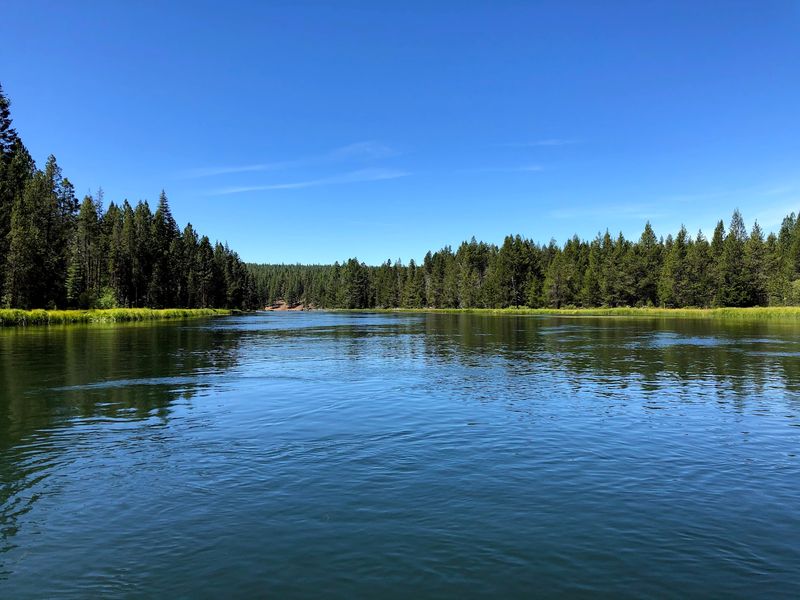
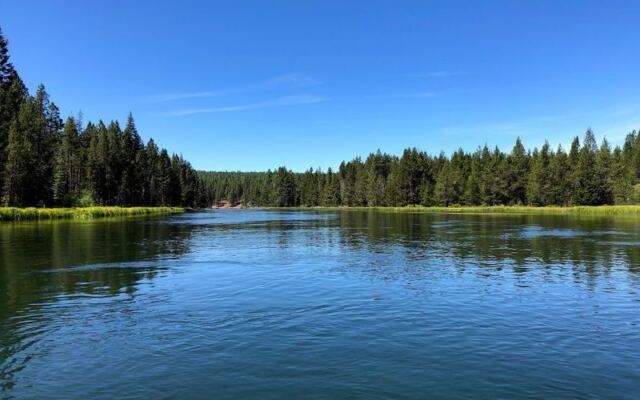
Most rivers pick a direction and stick with it. The Deschutes River in Oregon, USA, flows south from its source and then swings around in a big turn to head north toward the Columbia River.
That bend gives the river a lot of ground to cover. It passes through Deschutes County and on through Central Oregon before meeting the Columbia.
Along the way, it changes personality more than once. Some stretches are calm enough for an easy tube ride, while others are known for rafting and Class III rapids.
The river earns a 4.8-star average from more than 300 people who have shared their experiences. That is a strong showing for something that has no gift shop or ticket booth.
For Oregonians, the Deschutes is less of a single attraction and more of a long, familiar friend. People camp beside it, fish in it, hike along it, and float down it, often in the same trip.
The best part might be how little it asks of anyone. Find an access point, check the conditions, and the current handles the rest.
Desert Colors and Canyon Walls
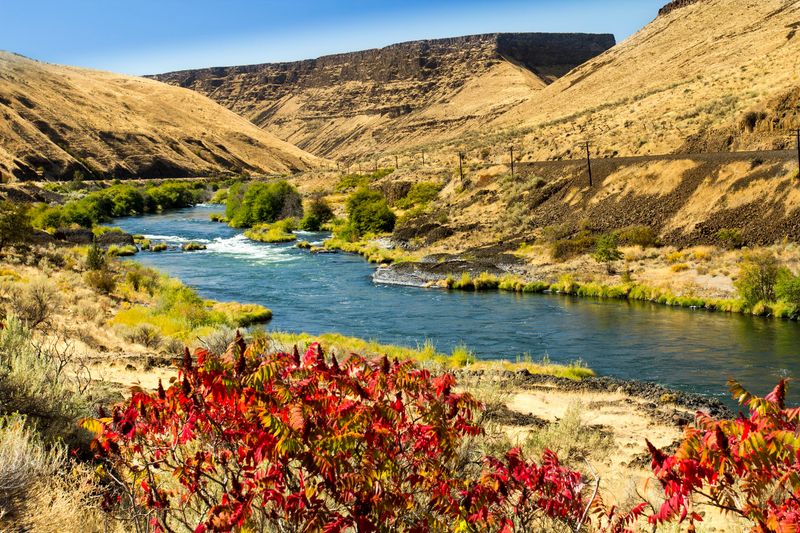
Oregon postcards usually lean on green forests and misty coastlines. The Deschutes offers something different, with a rushing river cutting through a deep desert canyon.
Rock formations stack up along the banks in bold shapes. Desert colors paint the canyon walls in tones that change as the day moves along.
Many people call it iconic Oregon scenery, and it is easy to see why. The landscape feels big without feeling crowded.
Photographers find plenty to work with here. Wide canyon views, river bends, and dramatic stone make for frames that rarely need much editing.
The canyon also shapes the trip itself. Steep walls mean many stretches feel tucked away from roads and towns, which adds to the sense of escape.
Even a short visit gives a strong sense of place. One look down the canyon explains why so many people plan their summers around this water.
The Lazy Float Through Bend
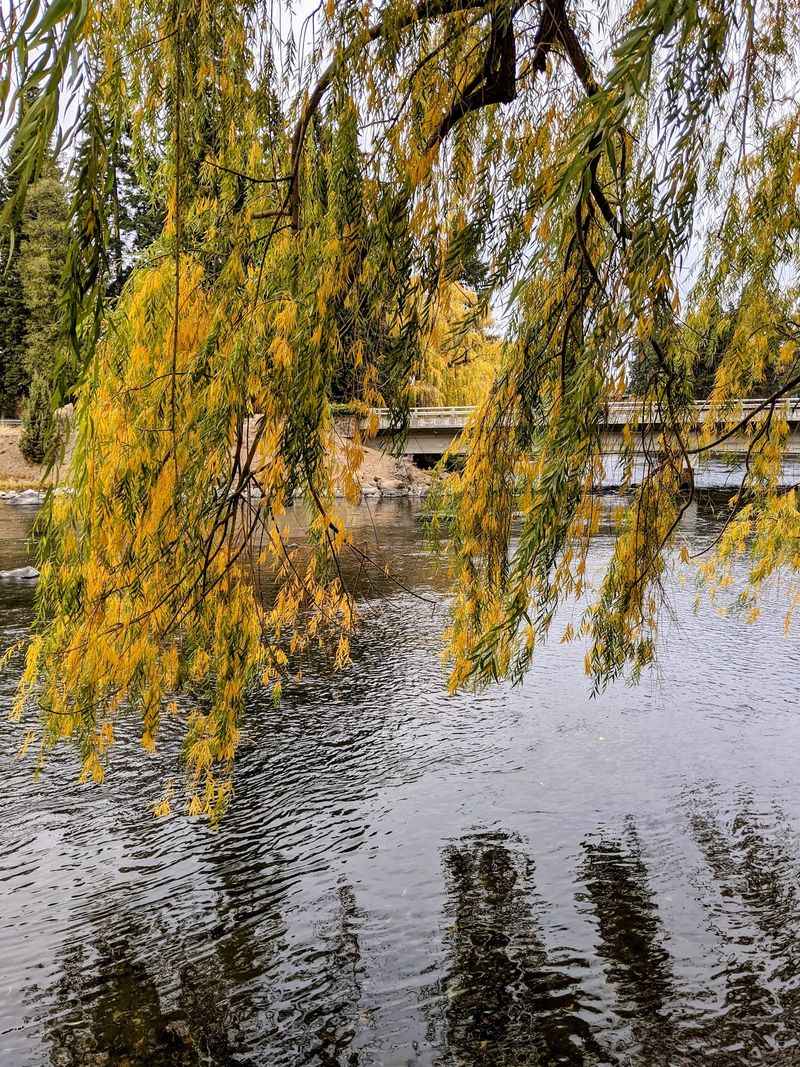
Here is the float that gives this article its name. In Bend, a popular stretch runs from Riverbend Park down to Drake Park, and the current carries tubes along without much effort from anyone aboard.
Families often turn it into a group outing. Some folks swim between boats and tubes for part of the ride.
A fair warning belongs right here. The water runs cold, so a quick dip can be more bracing than expected even on a hot afternoon.
This stretch suits first-timers and kids who want a taste of river life without rapids. It is the kind of trip where the biggest decision is whether to paddle or simply lean back.
Since the route runs through town, it also feels approachable. There is no long drive into the wilderness and no gear list a mile long.
Bring sun protection and plan for the chill. After that, the river takes over the job of getting everyone downstream.
Rapids, Rafts and Maupin Day Trips
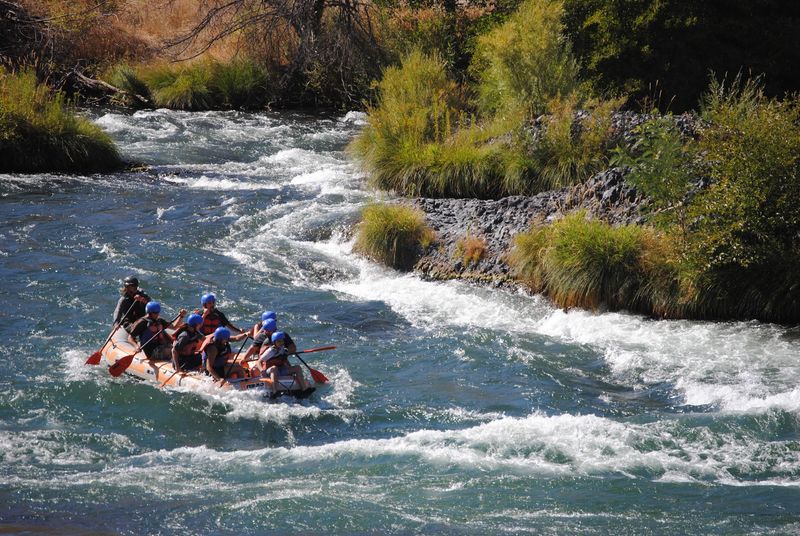
Not everyone wants the slow lane. Farther north, the river trades its easygoing mood for whitewater that draws rafters from across the state.
The tiny town of Maupin, between Madras and The Dalles, is a common base for short rafting day trips. Guided outfits help newcomers get on the water safely.
Sitting at the front of the raft is a favorite spot for anyone who enjoys getting splashed. Expect to come back soaked and grinning.
The lower river below Sherars Falls makes a great two to three day float trip. The last 10 miles or so include a few Class III rapids that add some excitement to the finish.
School outdoor clubs have brought students here for decades. Many people remember their first Deschutes rafting trip long after the gear dries out.
Kayaking and even surfing also pop up along various stretches. The river clearly has room for every kind of paddler.
Campsites Along the Water
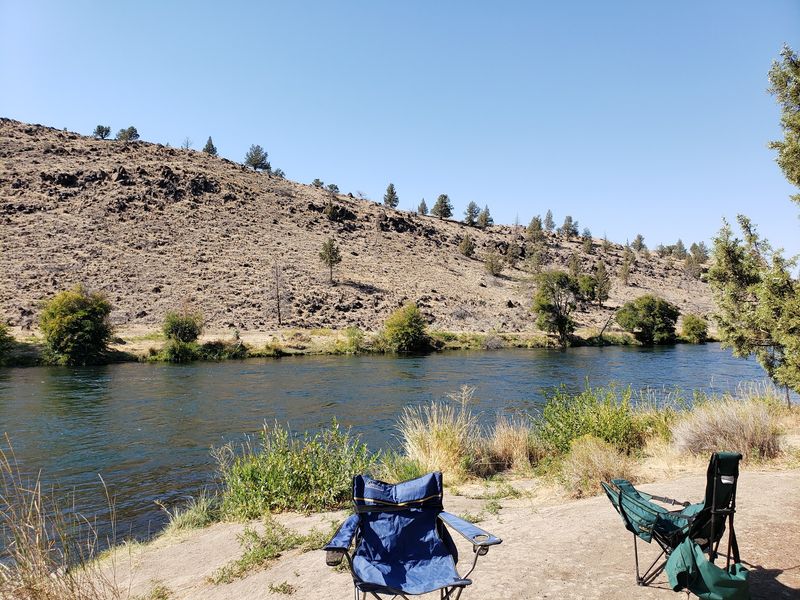
Camping comes up more than any other activity when people talk about this river. That makes sense, since the banks are lined with places to pitch a tent.
On the lower river, many campsites include vault or composting toilets. That small detail makes multi-day trips far more family friendly.
Some groups spend five days rafting and camping their way downstream with no cell signal at all. Many say it ends up being the best trip they have ever taken.
Mecca Flat Campground is one spot people discover on their way through Central Oregon. It can get crowded, so planning ahead helps.
Night brings its own reward. Clear skies over the canyon put on a star show that makes chilly evenings worth it.
One quirky note for light sleepers: trains run along parts of the canyon. An early morning or late night rumble is part of the package, so earplugs are a smart addition.
Trout, Steelhead and Quiet Casting
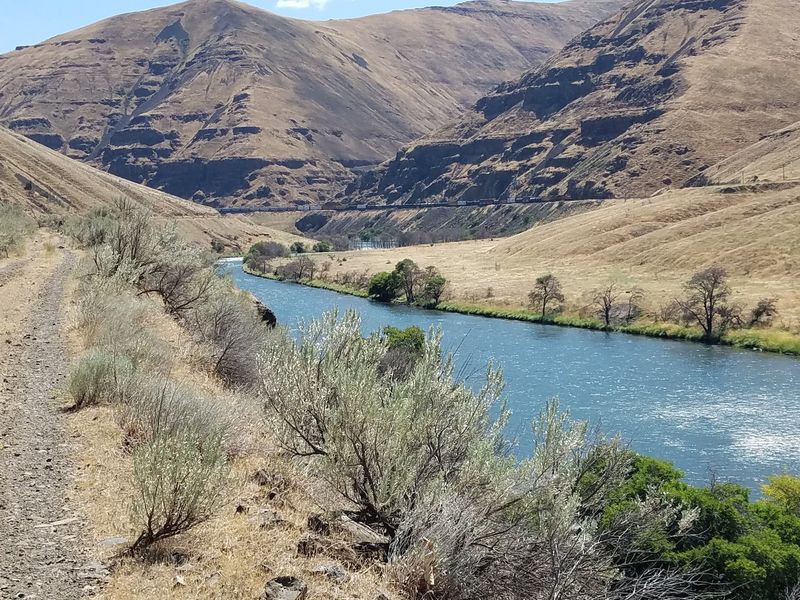
Anglers tend to speak about the Deschutes in lowered voices. Some even joke about keeping its brown trout population a secret.
Steelhead are another big draw, and the river has a strong reputation among people who fish all over Oregon.
Timing matters, though. Fishing can be slower in early June, when the fish have plenty of bugs to eat and less interest in a hook.
Many stretches feel out of the way and relatively peaceful. That calm makes the river a favorite for anyone who wants to fish and boat with big scenery around them.
Hunting and photography also round out the list of things people come here to do. It is a river that rewards patience in more ways than one.
Check current Oregon fishing rules before casting. Regulations can vary by section, and a few minutes of homework keeps the day stress free.
Trails, Snakes and Smart Packing
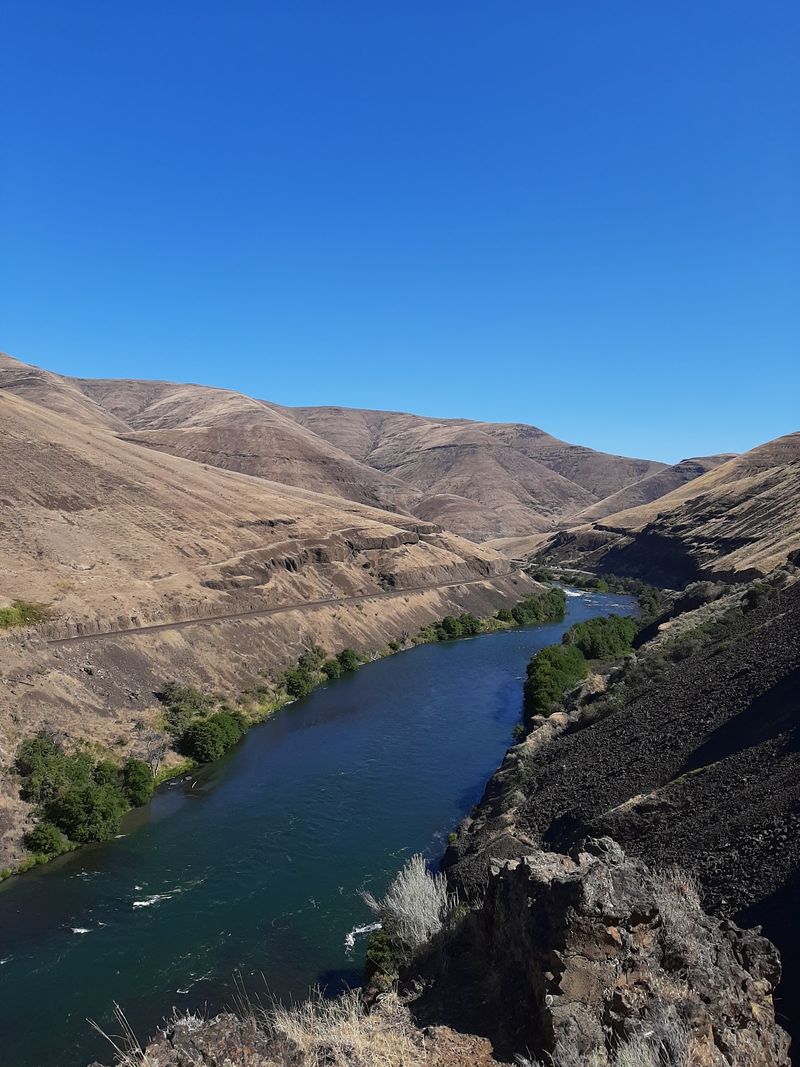
Hiking is one of the most talked about activities on the river. Parks and trails run up and down its banks, giving walkers plenty of options.
The terrain asks for a little respect. Rattlesnakes live here, and a few people have heard one before they saw it.
Poison ivy and poison oak also grow along parts of the river, especially on the east side. Long pants and careful footing go a long way.
Weather swings can be big. Summer days run hot and sunny, winter gets cold, and wind can kick up without much notice.
Dog owners should keep pups leashed, since rangers do enforce that rule. Bring extra water for four-legged hikers on warm days.
- Sun protection and plenty of water
- Sturdy shoes for sandy or rocky ground
- A leash for dogs
- Layers for cold nights
A bit of preparation keeps the focus on the views instead of the scratches.
Worth the Return Trip
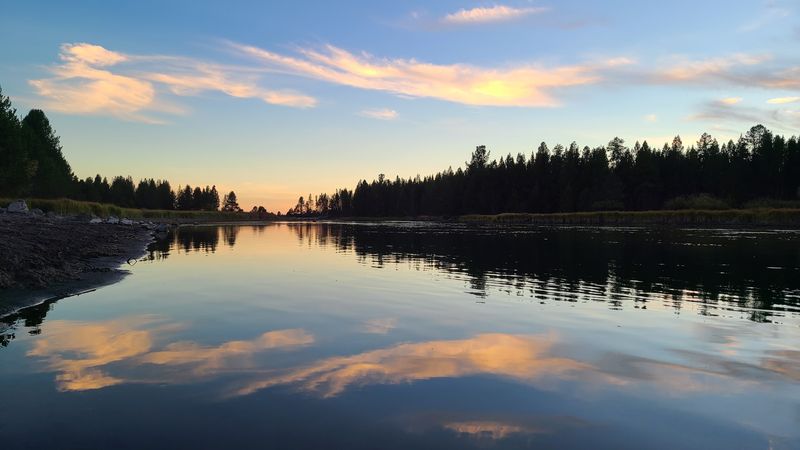
Some places get visited once and checked off a list. The Deschutes keeps pulling people back, season after season.
Part of that comes from its range. A lazy tube ride in Bend, a rafting day out of Maupin, and a multi-day canyon float all share the same water.
It also costs very little to enjoy many parts of it. Bring your own tube, find a trail, and the river offers a full day without a pricey ticket.
For Oregonians who want familiar outdoor places to stay accessible, this river is worth caring about. Packing out trash and following ranger rules helps keep it clean and quiet for the next group.
Some call it the best overall location in Oregon. That is a big claim, yet the steady stream of returning families makes a strong case.
Grab a tube, check the flow, and let the current set the pace. The Deschutes will handle the rest, just as it always has.
Share this story