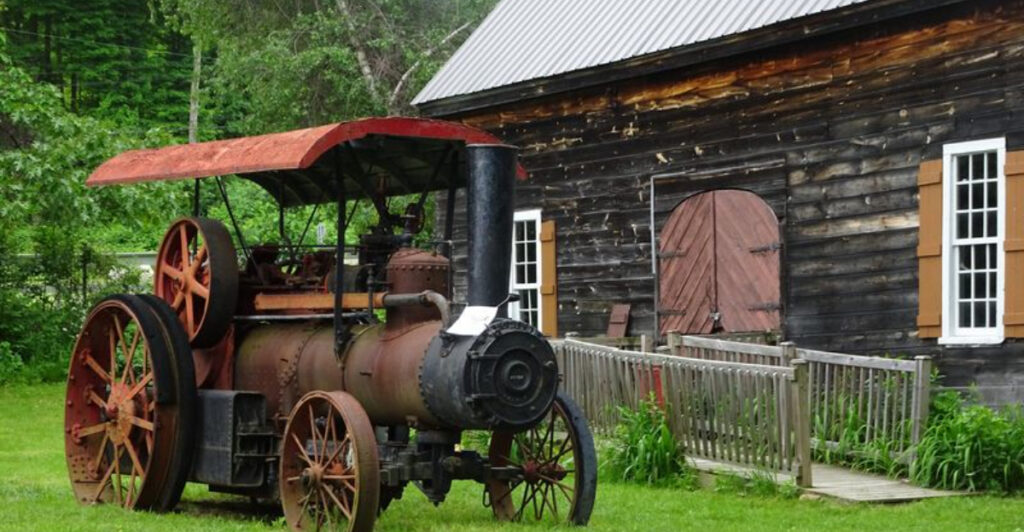
A short drive into Monroe can lead you straight into another century. Museum Village of Old Smith’s Clove brings the Hudson Valley’s past to life through historic buildings, old tools, costumed interpreters, and special events.
Families can explore how ordinary people once learned, worked, shopped, and cared for their neighbors. Here is what makes this quiet outdoor museum such a memorable New York destination.
1. Stroll Through a Village From Another Century
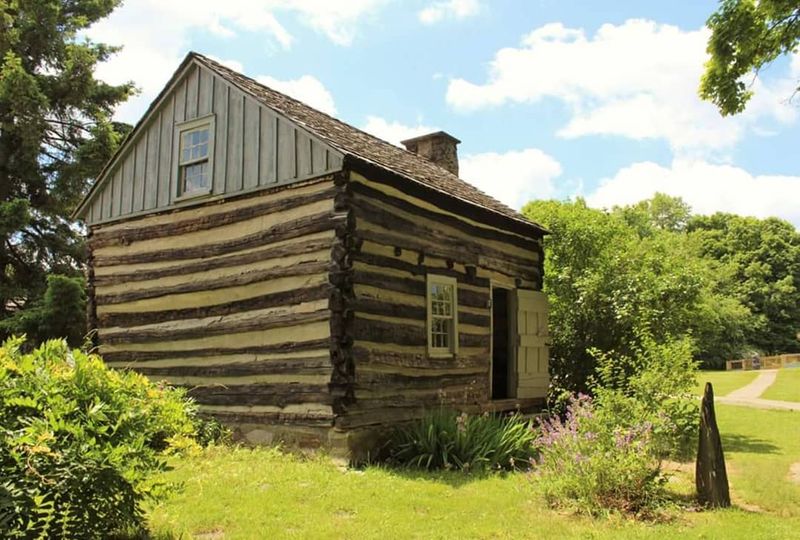
Your first steps beyond the entrance may feel like the beginning of a time-travel story.
Historic and replica buildings stand around peaceful outdoor paths, creating the look of a small Hudson Valley community from long ago.
Instead of keeping every display inside one large building, Museum Village spreads its collection across the grounds.
Visitors walk from place to place much as earlier residents might have moved between their homes, school, shops, and workplaces.
Several structures are original, while others help complete the village setting and explain daily life during the 19th century.
Slow down as you explore because small details often tell the best stories.
Wooden signs, simple furniture, hand tools, old stoves, and narrow rooms show how different life was before electric lights and modern machines.
Children can compare each space with places they know today, turning an ordinary walk into an easy history lesson.
Comfortable shoes are a smart choice since the experience involves moving outdoors and entering separate buildings.
Weather can also shape the visit, so bring sun protection, a light jacket, or an umbrella when needed.
Some structures may have steps or limited access, and guests with mobility concerns should contact the museum before arriving to ask which exhibits are currently reachable.
Give yourself time to wander rather than rushing from one building to another.
The quiet lanes, grassy areas, and old-fashioned surroundings are a major part of the experience, making the museum feel less like a classroom and more like a community paused in time.
2. Hear the Ring of the Blacksmith’s Hammer
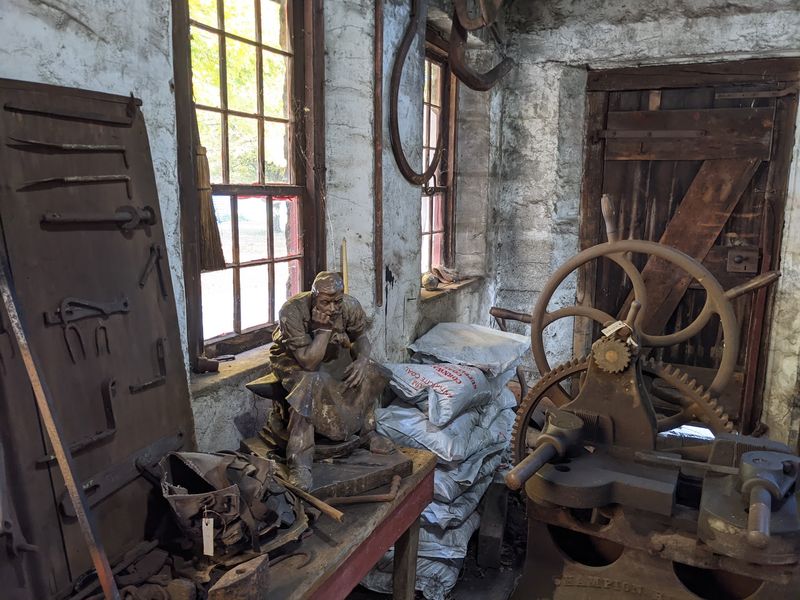
A sharp clang from the forge can quickly become one of the day’s most exciting sounds.
When blacksmithing demonstrations are offered, visitors watch a skilled interpreter heat metal and shape it with tools that once helped keep entire communities running.
Blacksmiths did much more than make horseshoes.
They repaired farm equipment, formed hinges, created household pieces, and produced useful objects that could not be ordered from a store.
Seeing the process makes it easier to understand the strength, patience, and careful timing required for every finished item.
Stand where the interpreter directs, since hot metal, sparks, and working equipment demand a safe viewing distance.
Children often have plenty of questions, and demonstrations provide a good chance to ask why iron changes when heated or how apprentices learned the trade.
Listen closely for explanations about the forge, bellows, hammer, tongs, and anvil.
Live activities can depend on staffing, season, weather, and the museum’s event schedule.
Some visitors have reported arriving when demonstrations or buildings were unavailable, so check the official calendar or call ahead if blacksmithing is your main reason for coming.
A planned program day may offer a fuller living-history experience than a quiet general admission period.
Even without an active demonstration, the workshop can reveal how demanding the job was.
Notice the heavy tools and practical layout, then imagine completing physical work beside a blazing fire throughout the year.
That picture helps transform blacksmithing from an old vocabulary word into a real craft performed by real people.
3. Peek Inside the Old Apothecary
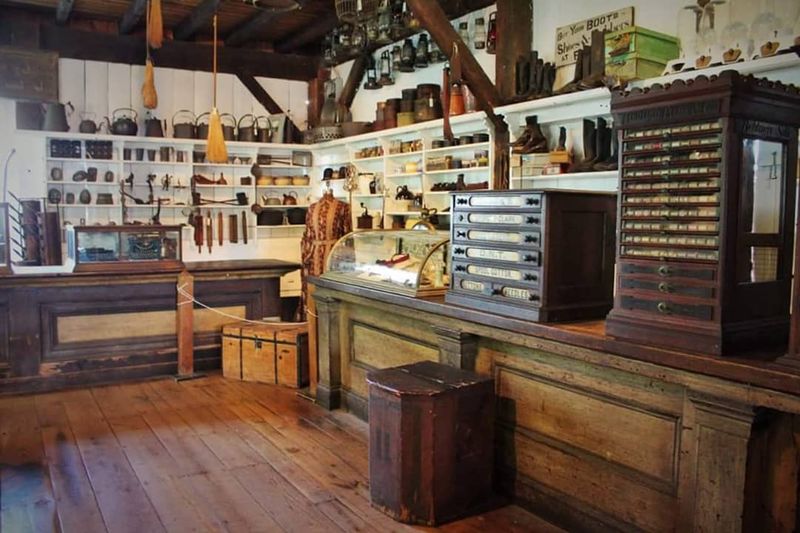
Rows of bottles and tiny drawers make the apothecary look mysterious at first glance.
Yet this old-fashioned shop served a serious purpose, offering a place where people could seek remedies and advice before modern pharmacies appeared on nearly every main street.
Look carefully at the containers, scales, tools, and storage cabinets around the room.
Apothecaries measured ingredients, prepared mixtures, and kept materials used for many treatments.
Medicine was less advanced than it is today, and some former remedies were ineffective or unsafe, making the exhibit a useful reminder of how health knowledge has changed.
Young visitors can turn the room into a quiet observation game.
Ask them to find the smallest bottle, spot measuring equipment, or identify objects that resemble items in a present-day drugstore.
Remind children not to touch displays unless a staff member clearly says an activity is hands-on.
The exhibit also opens conversations about community life.
A local apothecary might know customers personally and prepare items one at a time rather than handing over factory-sealed packages.
That slower system required careful record-keeping, steady hands, and trust between the shopkeeper and the people seeking help.
Reading every available label will add meaning to the visit, but an interpreter can often provide details that are easy to miss.
Ask how ingredients were stored, what tools were commonly used, and how medical practices developed during the 19th century.
By the time you leave, an ordinary cabinet of bottles may feel like a window into science, business, and everyday worries from generations past.
4. Meet Monroe’s Remarkable Mastodon
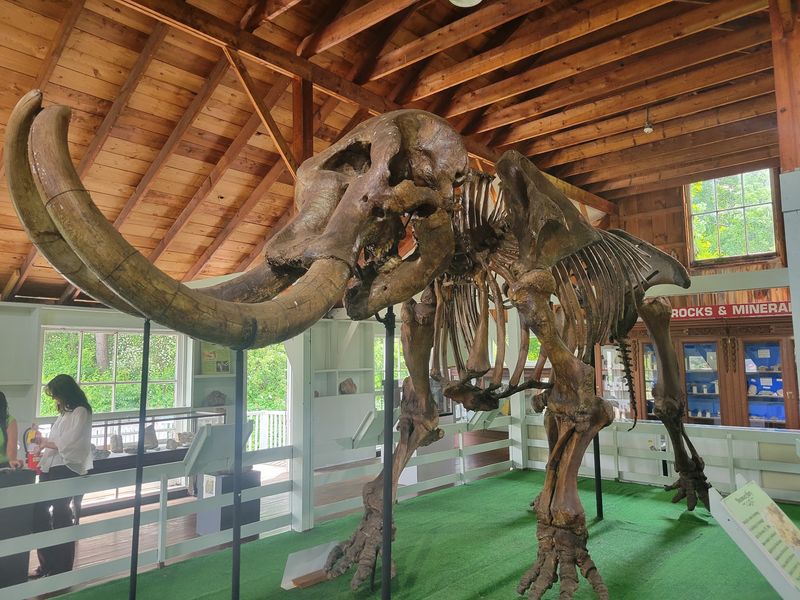
One enormous resident stands apart from the village’s human history.
The museum’s mastodon skeleton, with its towering frame and curved tusks, surprises visitors who expect to see only schoolrooms, shops, and tools from the 1800s.
Mastodons lived in North America thousands of years before the community represented by Museum Village.
Although they may resemble mammoths and modern elephants, mastodons were a different group of animals.
Their teeth were especially suited to eating leaves, twigs, and other plant material found in wooded environments.
Take a moment to view the skeleton from more than one angle.
Compare its height with nearby adults, examine the shape of the jaw, and notice how much space the bones occupy.
Children can sketch the outline or count visible ribs, turning the stop into a simple activity that encourages close attention.
The display broadens the museum’s story by showing that local history reaches much farther back than written records.
Long before roads, farms, stores, and schoolhouses shaped this region, giant animals moved across a colder landscape.
That connection can help young learners understand that natural history and community history often share the same ground.
Photography rules may vary around exhibits, so look for posted guidance before using a flash.
If an interpreter is available, ask where the specimen was discovered, how such bones are preserved, and what scientists can learn from teeth.
For many families, the mastodon becomes the visit’s biggest surprise and a memorable starting point for later conversations about fossils, extinction, and ancient New York.
5. Take a Seat in the One-Room Schoolhouse
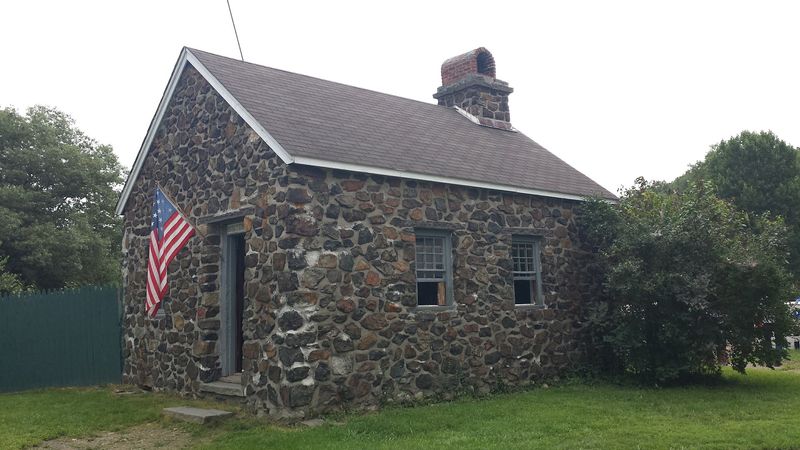
Imagine sharing one classroom with children several years older and younger than you.
The village schoolhouse helps visitors picture that experience through wooden desks, simple teaching materials, and a room far smaller than most schools use today.
Education in a one-room school required organization from both teacher and pupils.
Different age groups might work on separate lessons while sharing the same space, and supplies were limited compared with modern classrooms.
Chalkboards, slates, books, maps, and spoken recitation played important roles during the school day.
Families can make the stop more meaningful by comparing past and present.
Look for heating equipment, seating arrangements, lighting, and places where materials were stored.
Ask children what they would miss most without computers, bright electric lights, indoor hallways, a cafeteria, or a gym.
Rules and expectations could also be stricter, although school experiences varied by place and period.
An interpreter may explain attendance, subjects, discipline, chores, or the training expected of a teacher.
Listen for stories about winter travel and farm responsibilities, which sometimes affected whether rural children could attend every day.
Field trips are a popular part of Museum Village’s educational work, so school groups may be present during your visit.
Quieter guests should consider attending during a less crowded period, while families may enjoy the energy of a scheduled program.
Before leaving the building, sit only where permitted and study the room from a pupil’s viewpoint.
That humble classroom shows how learning remained valuable even when students had fewer books, fewer comforts, and no glowing screens to hold their attention.
6. Discover How Everyday Work Got Done
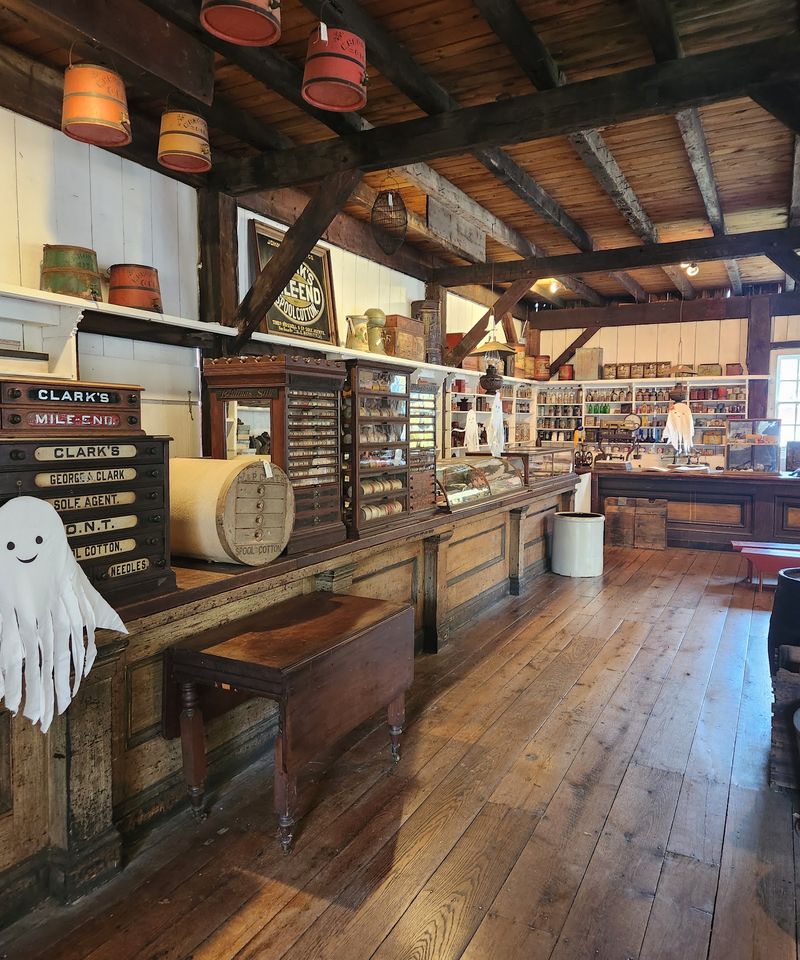
No switches, motors, or smartphone apps waited to finish a household chore in the 19th century.
Across the village, practical tools reveal how much human effort stood behind cooking, cleaning, farming, sewing, building, and repairing ordinary belongings.
Many objects may look unfamiliar until you learn the job each one performed.
Hand-powered equipment could save time, but it still required muscle, practice, and regular care.
A broken tool was not always replaced immediately, so owners often repaired, reused, or adapted what they already had.
Try choosing one familiar task and tracing how earlier families completed it.
Preparing a meal, for example, involved managing a fire, carrying supplies, preserving ingredients, and washing equipment without modern appliances.
Clothing also demanded repeated work, from producing or buying fabric to sewing, mending, cleaning, and storing each piece.
Hands-on stations and demonstrations can make these ideas especially clear when they are available.
Follow staff instructions and let younger visitors take turns rather than rushing through an activity.
Asking which jobs were done daily, weekly, or seasonally helps place individual objects within the rhythm of village life.
Some work was divided according to age, skill, custom, and family needs, though experiences differed widely.
Children often contributed to household or farm duties in ways that may surprise students today.
As you move between exhibits, count how many tools have modern powered replacements.
The comparison builds respect for past labor while also showing how industry and technology gradually changed American routines.
Museum Village makes that large historical shift understandable by connecting it to small jobs that everyone still recognizes.
7. Learn From Interpreters and Volunteers
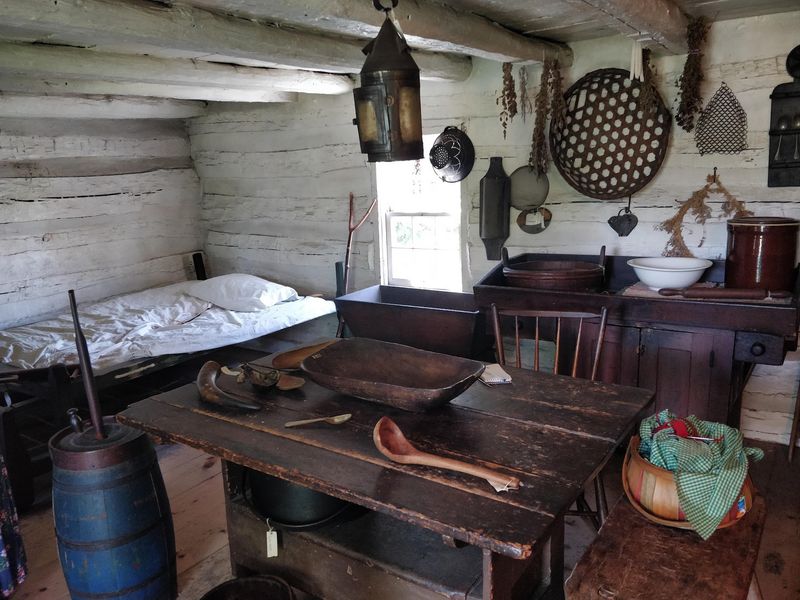
A friendly conversation can turn a silent room into a story filled with real people.
Museum Village’s interpreters, guides, staff members, and volunteers help visitors understand objects that might otherwise seem like a puzzling collection of old wood, iron, fabric, and glass.
Many guests praise the warmth and knowledge of the people they meet here.
Guides may explain how a shop operated, demonstrate a skill, describe a family routine, or answer a child’s unexpected question with patience.
Costumed interpretation can add another layer by helping the surroundings feel active rather than frozen.
Do not be shy about starting a conversation when someone is available.
Useful questions include what a tool did, who used it, how long a task took, and whether a building is original or recreated.
If children are nervous, let them select one object and ask the guide about it.
Staffing and programming can change from one date to another, so every visit may not include the same number of interpreters or demonstrations.
Check the event calendar and ask about guided tours before making the trip, especially if live presentations matter to your group.
Arriving earlier in the day may also provide more time to locate scheduled activities.
Good interpretation does not simply list dates.
It connects broad events with meals, jobs, education, health, and family choices that visitors can understand.
A thoughtful guide might even inspire a student to investigate local history after returning home.
Thanking volunteers and listening without interrupting supports the welcoming atmosphere, while giving everyone nearby a chance to hear the full explanation.
8. Plan Around Festivals and Special Programs
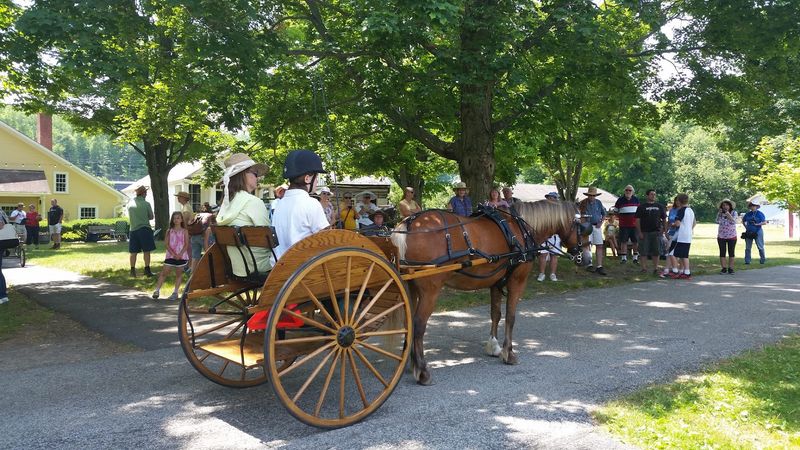
On certain dates, the sleepy village wakes up with extra color, music, demonstrations, or themed fun.
Museum Village hosts changing programs that can range from historical presentations to family celebrations, cultural events, performances, festivals, and community gatherings.
Past visitors have mentioned experiences such as women’s history programming, Fairy Pirate Day, honey-focused festivities, car shows, and stage events.
The schedule changes, so treat those examples as a reason to check current listings rather than a promise that every program returns each year.
A special event can provide more activity, but it may also attract larger crowds.
Read the event description closely before buying admission or driving to Monroe.
Confirm the date, start time, ticket rules, parking information, food options, and whether regular village buildings will remain open.
During outside events, some exhibits may operate differently or be unavailable, which can disappoint anyone expecting a standard museum day.
Families should consider the interests and patience level of each child.
A lively themed celebration may be ideal for younger visitors, while history fans might prefer a guided tour or demonstration-centered weekend.
Packing water, weather-ready clothing, and a flexible plan can make crowded days easier.
Calling ahead is wise when one activity is especially important to you.
The museum has seasonal hours, and closures or schedule adjustments may be posted online, so review the official website shortly before leaving home.
With careful planning, an event day can combine local history with a festive outing.
It may even offer a reason to return later for a calmer look at the buildings and permanent exhibits.
9. Make the Visit Comfortable for Everyone
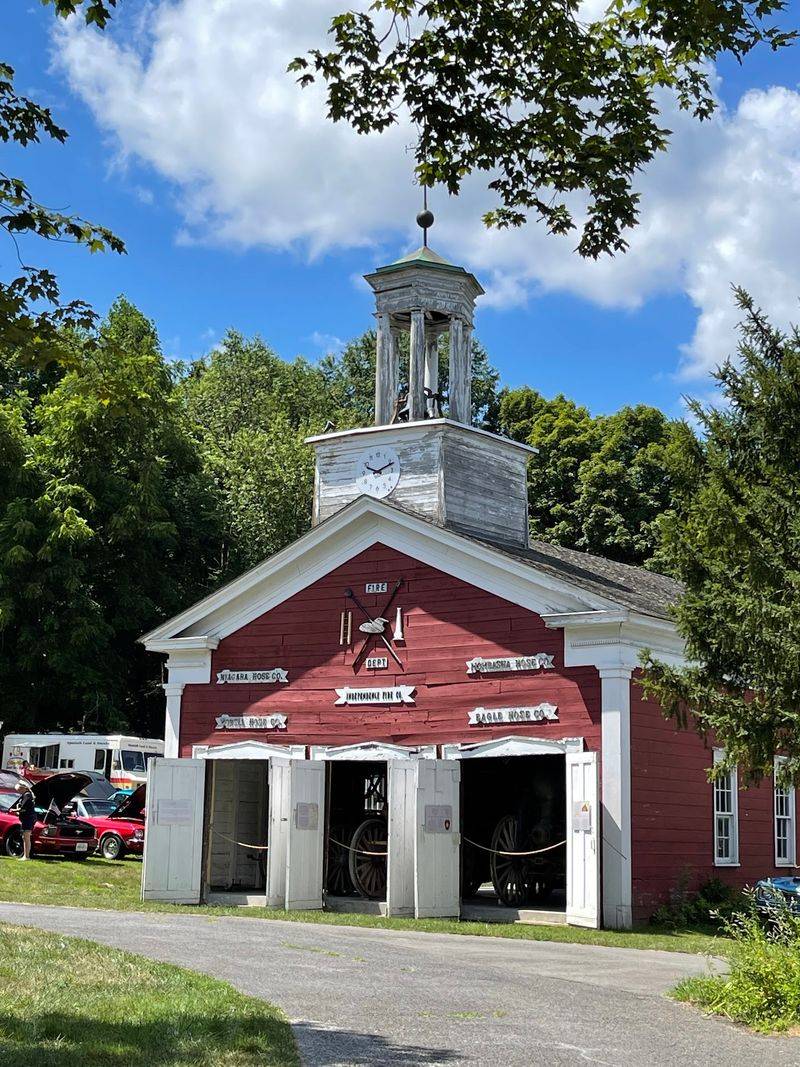
A little preparation can prevent an exciting history trip from becoming a frustrating afternoon.
Because Museum Village is an outdoor site with older buildings, guests should expect changing ground surfaces, walking between exhibits, doorways, and steps that may present challenges.
The main village paths may be manageable for some mobility devices, but individual structures can have limited access.
One visitor using a scooter reported being able to enter only a small number of buildings during a particular event, while also raising concerns about restroom features.
Conditions and available accommodations may change, so contact the museum directly for current, detailed accessibility information.
Ask which buildings have step-free entrances, whether a wheelchair or scooter can fit through doorways, and where accessible restrooms and resting places are located.
Guests may also want to request information about parking distance, path materials, seating, service animals, and assistance from staff.
Clear answers can help determine whether special equipment or another companion is needed.
Food service may differ by season or event.
Confirm whether the snack bar is operating, or bring a picnic if outside food is permitted.
A covered area or picnic tables can be useful, but availability should never be assumed on a busy program day.
Everyone benefits from sturdy shoes, drinking water, and clothing suited to the forecast.
Families with small children may want a stroller that handles outdoor surfaces, plus breaks between buildings.
Most importantly, share your needs when calling rather than asking only whether the museum is accessible.
Specific questions produce more useful guidance and allow staff to explain the best route for your group.
10. Build a Smarter Monroe Day Trip
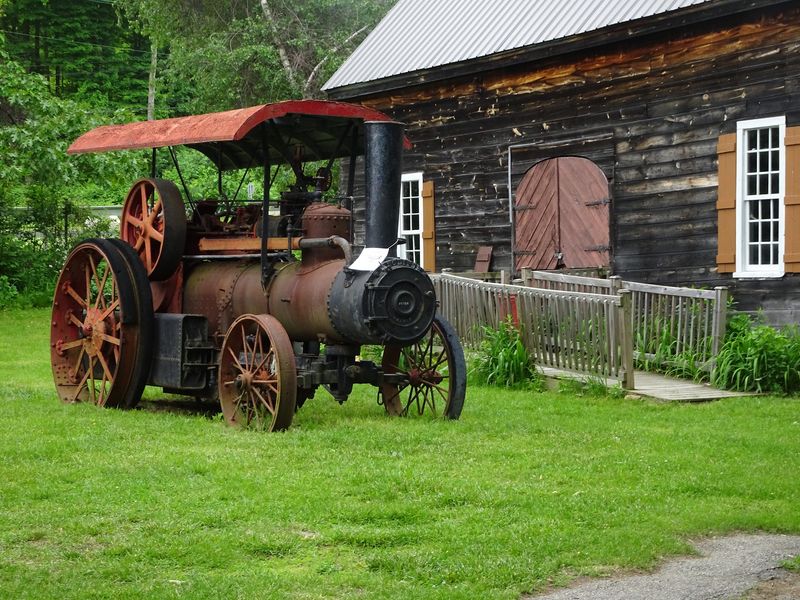
The best time-travel adventure begins with a modern check of the calendar.
Museum Village of Old Smith’s Clove is located at 1010 NY-17M in Monroe, New York, but its public hours, building access, tours, and activities can vary by season and event.
Visit the official website shortly before your trip and review any notices displayed on the homepage.
Calling 845-782-8248 adds another layer of confidence, especially if you are traveling far, arranging a field trip, or hoping to see a particular demonstration.
Ask whether general admission buildings will be open during any scheduled festival or private activity.
Plan at least a few unhurried hours if you want to examine exhibits and speak with interpreters.
Arriving near opening time can leave room for unexpected conversations, children’s questions, and a relaxed picnic break.
Check admission prices, payment options, photography rules, and gift shop hours before setting a family budget.
Pack according to the forecast because much of the experience involves moving between buildings.
Water, comfortable footwear, sun protection, and a charged phone are practical additions, though the phone may stay tucked away once the old village captures your attention.
Keep children close and follow signs around tools, animals, barriers, or active demonstrations.
Before leaving, let each person choose one favorite place or object to revisit.
That final stop might be the mastodon, schoolhouse, apothecary, blacksmith shop, or another quiet corner.
Thoughtful planning cannot control every schedule change, but it greatly improves the chance of finding the lively, educational, and deeply nostalgic experience that has brought generations of visitors back to Monroe.
Share this story