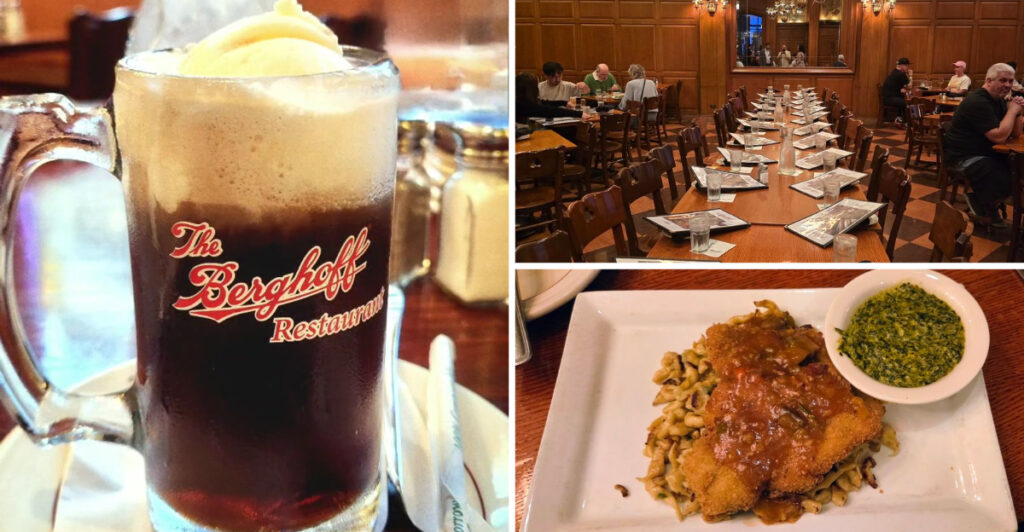
More than a century of Chicago history sits behind the doors of The Berghoff on Adams Street. Opened in 1898, this downtown institution has endured changing tastes and a transforming city while remaining closely associated with German-American cooking.
Plates of schnitzel and spaetzle share the menu with hearty classics and beer, all served in surroundings that preserve an unmistakable old-school character. Eating here feels different from visiting a restaurant designed to look historic because The Berghoff has actually lived through the decades it celebrates. Few Chicago meals connect food and local history quite as naturally as this enduring downtown landmark.
A Loop Dining Room That Looks Built for Stories
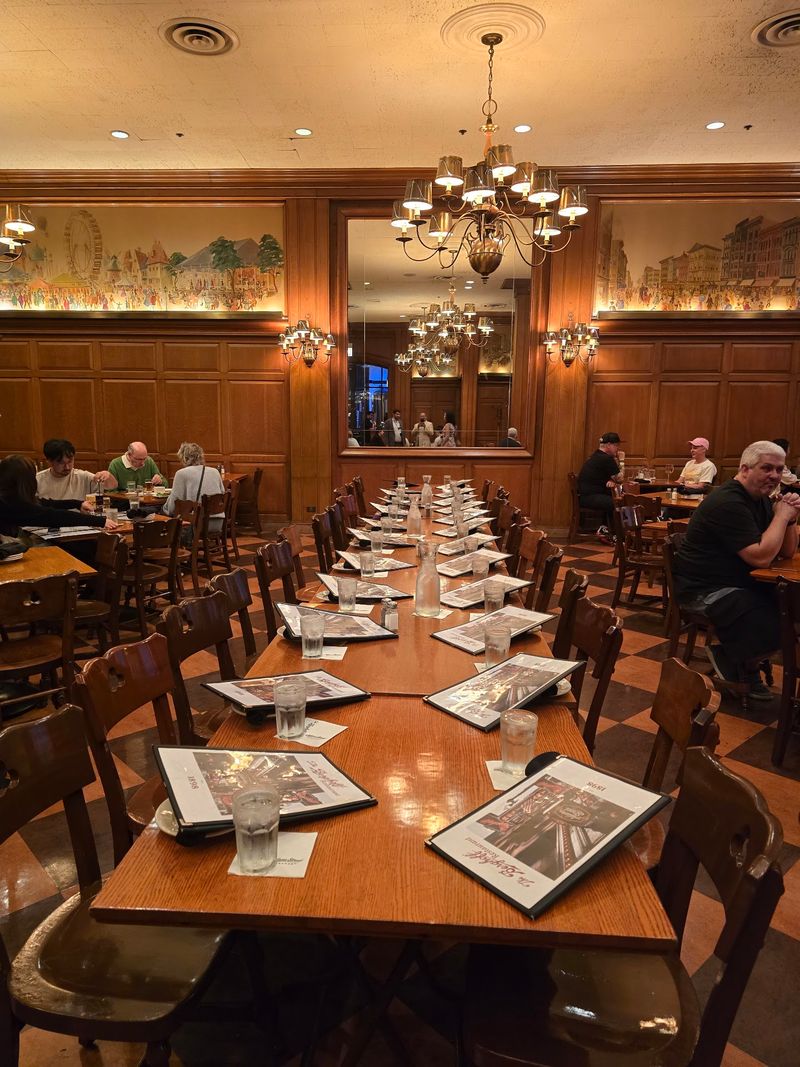
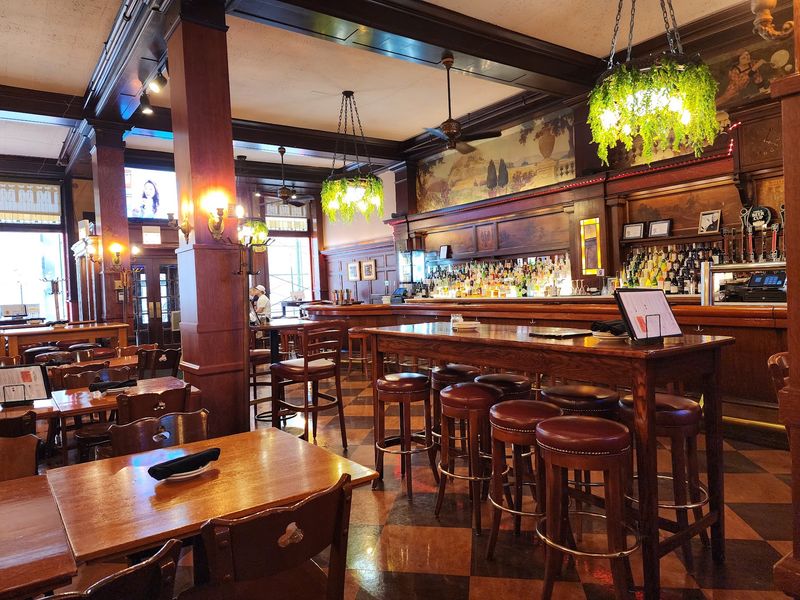
Some restaurants serve dinner. Others stage a whole scene before the first plate arrives. The Berghoff belongs to the second group, using dark wood, glowing lights, and richly detailed rooms to create a setting that instantly separates it from fast lunch spots around the Loop.
Step inside and the room shifts the pace of downtown. Outside, Adams Street moves with office workers, theatergoers, and tourists heading somewhere fast.
Inside, the look is older, steadier, and more layered, with decorative touches that give the restaurant a sense of age without making it seem frozen in time.
The visual appeal matters because The Berghoff is not trying to look brand new. Its charm comes from keeping a classic restaurant identity alive in a city where many dining rooms lean sleek, spare, or trendy.
Warm ceiling details, framed artwork, and separate dining areas help the place read as substantial instead of temporary.
That old Chicago character also makes the menu land differently. A plate of schnitzel or potato pancakes makes more sense in a room with weight and history behind it.
Even a simple drink, like house root beer or a beer flight, seems tied to the surroundings rather than dropped into a generic backdrop.
Large groups fit in naturally here, which is another strength. The space appears built to handle business lunches, pre-theater dinners, and family gatherings without losing its structure.
Instead of feeling cramped or chaotic, the room has enough scale to absorb a crowd. For anyone visiting downtown, that visual identity becomes part of the reason to go. The Berghoff offers more than a seat and a menu.
It gives Chicago diners a room with texture, color, and a strong point of view, the kind of place where the setting adds its own flavor before the food even reaches the table.
Golden Schnitzel Still Leads the Menu
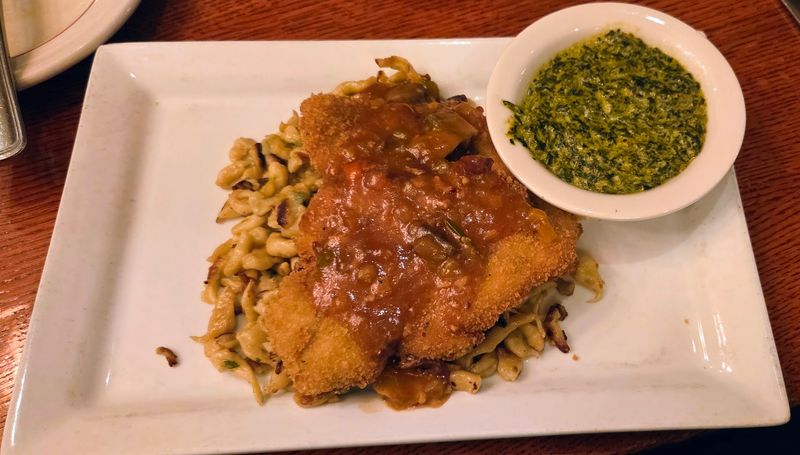
One dish carries the title better than any slogan could, and it arrives flat, golden, and crisp on the plate. The Berghoff’s schnitzel is the menu item most closely linked to the restaurant’s long German identity, and it remains the clearest place to start for a first visit.
At its best, schnitzel is all about contrast. The coating should crackle lightly, the meat should stay thin and tender, and the lemon on the side should brighten each bite instead of rescuing it.
That balance is why the dish has lasted so long in German cooking and why it still fits a busy Chicago lunch or a full evening meal.
The Berghoff offers a version that stays close to that classic idea. Breaded cutlet, careful browning, and straightforward presentation keep attention on texture rather than fancy decoration.
A plate like that works especially well in a historic restaurant because it honors tradition without needing a long explanation. There is also a practical reason to order it. Schnitzel introduces the broader style of the kitchen in one dish.
It shows the restaurant’s preference for hearty, familiar food, and it pairs naturally with sides like spaetzle or potato pancakes, which turn a main course into a full German-style meal.
Readers planning a visit should think about appetite and timing. At lunch, schnitzel gives a direct taste of the house while still feeling manageable.
At dinner, it becomes the center of a slower meal, especially with a beer or root beer on the table and dessert saved for later. Not every historic restaurant has a signature dish that still makes sense today. The Berghoff does.
Ordering schnitzel here is not about checking a box. It is the simplest way to understand why a restaurant that opened in 1898 still draws people who want something classic, crisp, and confidently old-school in the middle of Chicago.
Spaetzle, Potato Pancakes, and the Comfort Food Layer
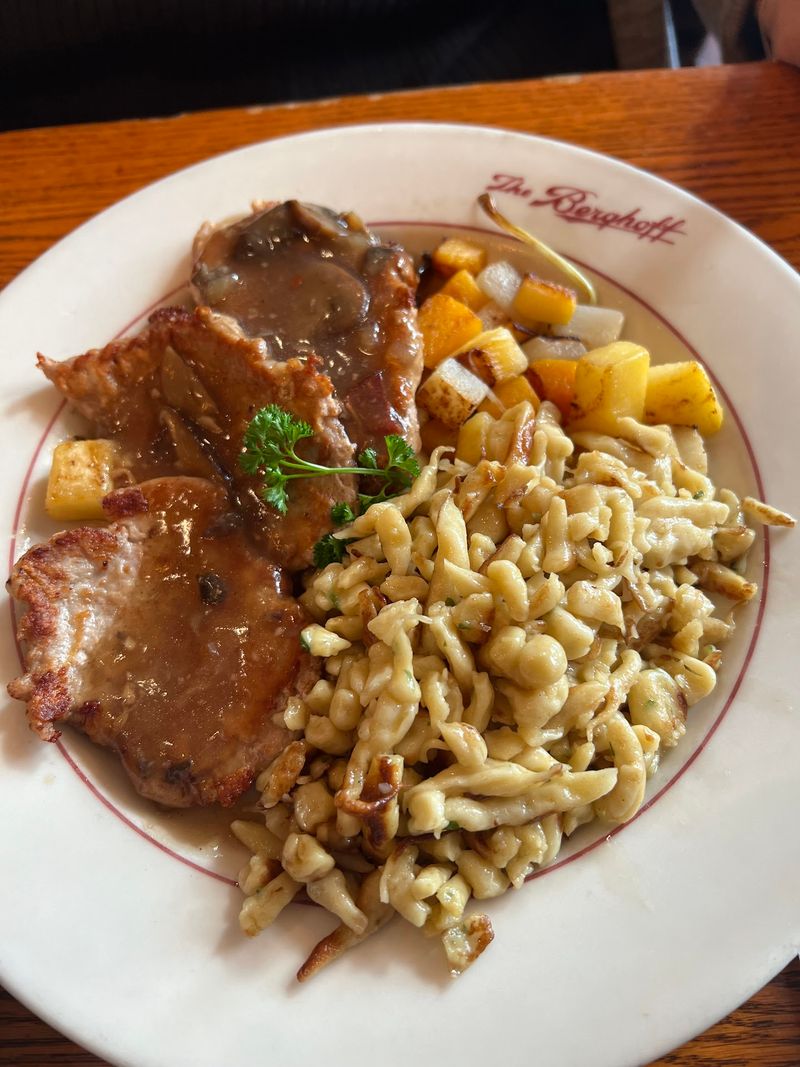
No historic German meal is complete with only the main plate, and The Berghoff proves that point with the supporting cast. Spaetzle and potato pancakes add the cozy, filling side of the experience, turning dinner into the kind of meal built for lingering conversation instead of quick bites.
Spaetzle may look simple at first glance, but it plays an important role. These soft little noodles bring a gentle chew and a buttery base that can soak up sauce, gravy, or the bright squeeze of lemon from a nearby schnitzel plate.
In some servings, the spaetzle takes on extra color from finishing in a hot pan, giving the edges a bit more depth.
Potato pancakes move in a different direction. Crisp on the outside and soft inside, they bring a stronger contrast in texture and often pair well with applesauce.
That sweet and savory mix helps explain why pancakes like these keep showing up on old German menus. They are familiar, useful, and easy to like. The smartest approach is to think of these sides as more than extras. They help shape the whole table.
Someone ordering schnitzel gets a softer partner in spaetzle. Someone wanting a snack or starter can lean toward potato pancakes and build from there.
Even a group meal becomes easier to share when these classic pieces are in play.
Families and first-time diners benefit from that flexibility. Not everybody comes in knowing German cuisine, but noodles and potatoes offer a comfortable entry point.
They also give younger diners or cautious eaters something recognizable next to less familiar items like sauerbraten or sausages.
That is where The Berghoff shows its staying power. A restaurant can hold onto tradition without making it hard to enjoy.
Spaetzle and potato pancakes do exactly that, grounding the meal in comfort, keeping the menu approachable, and giving the richer entrées the support they need to shine.
Beer, Root Beer, and a Bar Program with Personality
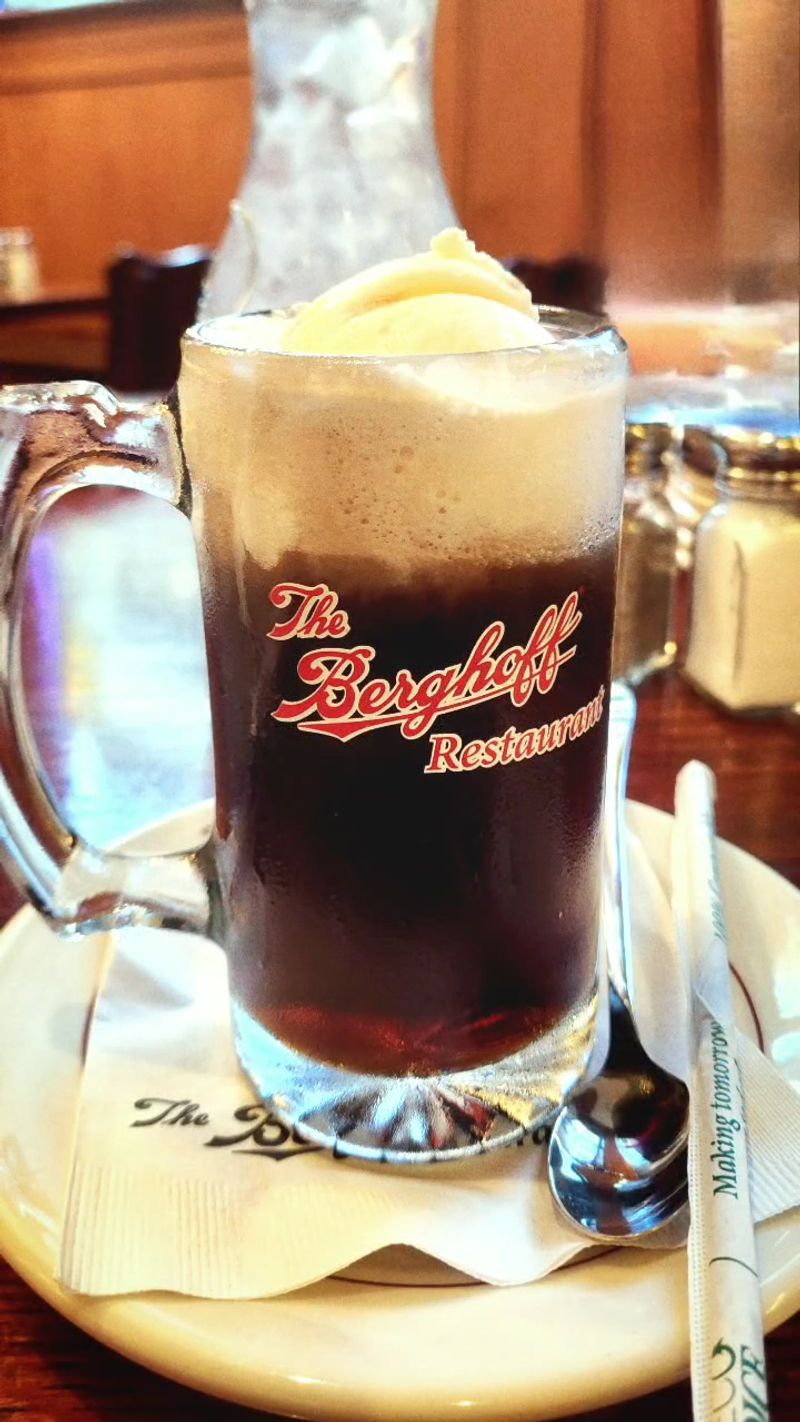
Not every restaurant can make its drinks feel tied to the building itself, but The Berghoff comes close. Beer is part of the identity here, and the house-made soft drinks, especially root beer, give non-beer drinkers a reason to pay attention too.
The connection works because the menu is built around foods that like a good pour beside them. Schnitzel, sausages, pretzels, and sauerbraten all benefit from a drink with a little malt, a little fizz, or a touch of sweetness.
A traditional German restaurant would feel incomplete without that pairing logic, and The Berghoff understands it well.
House beer brings in the classic side of the experience. A lager in particular fits the room and the food, staying clean and steady rather than flashy.
That matters in a place centered on long-running dishes. The beverage should support the plate, not wrestle with it for attention.
Then there is the root beer, which gives the restaurant a slightly playful twist. Historic dining rooms can sometimes seem built only for adults chasing nostalgia.
A strong nonalcoholic option changes that. It opens the experience to kids, to people skipping alcohol, and to anyone who simply wants a flavorful drink that still feels special.
The bar setup also broadens when to visit. Theatergoers can stop in before a show. Loop workers can turn lunch into something more festive with a quick beer. Weekend diners can settle into a slower meal without needing a major occasion.
In each case, the drinks help set the pace. For first-timers, the easiest strategy is pairing one classic food and one signature drink. Pretzel and root beer. Schnitzel and lager. Sausage and beer flight.
Those combinations make the menu easier to read and give the visit a stronger sense of purpose. At The Berghoff, the glass on the table is not an afterthought. It is part of the old German restaurant tradition still running through the room.
Since 1898, a Piece of Chicago History Still Serves Lunch
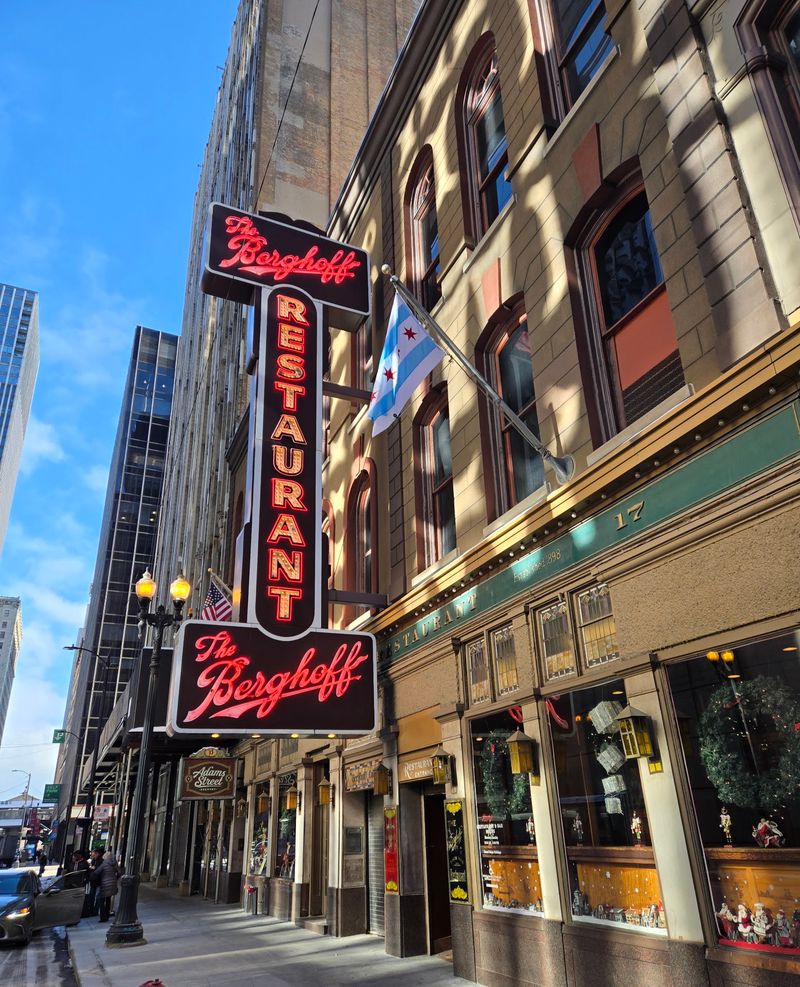
Opening a restaurant is hard. Keeping one active across generations in the center of a major city is something else entirely.
The Berghoff’s 1898 beginning gives it a rare place in Chicago dining history, and that date matters because the restaurant still works as a living business, not just a museum piece.
Location plays a big role in that story. Sitting in the Loop means The Berghoff has long been part of downtown routines, not tucked away as a destination only for special trips.
Office workers, convention visitors, theater crowds, and tourists all pass through this part of Chicago, which helps explain how a restaurant can stay woven into city life for so long.
History also changes how the room is read. Decorative details do not seem random when a place has real age behind them.
Traditional German dishes carry more weight in a restaurant that has spent more than a century building its identity around them. Even the pace of service, the large dining spaces, and the bar setup make more sense when viewed through that long urban timeline.
There is a useful lesson here for travelers. If the goal is to understand a city through food, chain restaurants reveal very little.
A place like The Berghoff does more. It shows how immigrant food traditions can become part of a city’s mainstream, especially in a commercial district where workers and visitors meet every day.
That is one reason the restaurant fits Chicago so well. The city values institutions, but it also expects them to keep functioning in the present.
The Berghoff continues to serve lunch and dinner all week, keeping its doors open on a modern schedule while preserving a much older identity.
Plenty of restaurants can claim history as decoration. The stronger version is history that still shapes the meal, the room, and the neighborhood around it.
On Adams Street, that long story is not hidden in a plaque. It is sitting right there on the menu, on the walls, and in the steady rhythm of service.
How to Time a Visit in Illinois for the Best Experience
Timing changes the whole experience at The Berghoff, sometimes more than the order itself. A midday stop can feel energetic and efficient, while an early evening meal often gives the room a calmer rhythm and more space to take in the details.
Lunch makes sense for anyone already exploring the Loop. Museums, shopping, office towers, and theaters place plenty of foot traffic nearby, so the restaurant fits naturally into a day downtown.
That convenience is part of its appeal. The Berghoff is not a remote destination requiring complicated planning. It sits where many Chicago days already pass.
Early dinner has its own advantages. The dining room can feel less rushed, and traditional dishes such as schnitzel, sausages, or sauerbraten land especially well when there is time to settle in.
A table with drinks, a shared appetizer, and dessert works better when nobody is racing back to a meeting. Practical planning matters here because the restaurant closes at 8 PM each day, according to the provided hours. That means late-night habits do not apply.
Theatergoers, convention visitors, and travelers staying downtown should think ahead and build the meal into the earlier part of the evening.
Groups may also appreciate that this is a restaurant with enough structure for larger parties. The room appears prepared for business lunches, family meals, and pre-show dinners, but earlier planning remains smart during busy downtown periods.
If the area is packed for events or holidays, leaving extra time is the safer move. For first-time diners in Illinois, the best approach is simple. Arrive hungry, aim for lunch or early dinner, and order in a way that fits the pace of the day.
If time is short, choose one classic entrée and a signature drink. If the schedule is open, add a starter and save room for strudel.
The Berghoff rewards a little planning, and that small effort can make the visit smoother and much more satisfying.
Why The Berghoff Still Stands Out on Chicago’s Food Map
Chicago is packed with flashy food options, quick trends, and famous specialties that grab most of the attention. The Berghoff succeeds by doing nearly the opposite.
It sticks to a clear identity, serves classic German dishes in a historic setting, and lets that consistency become the headline.
That approach gives the restaurant a different role on the city’s food map. It is not trying to compete with deep dish pizza for symbolism or chase novelty for social media appeal.
Instead, it offers a more grounded kind of experience, one based on continuity, downtown access, and a menu that knows exactly what kind of meal it wants to be. Several details strengthen that position. The room carries real visual character.
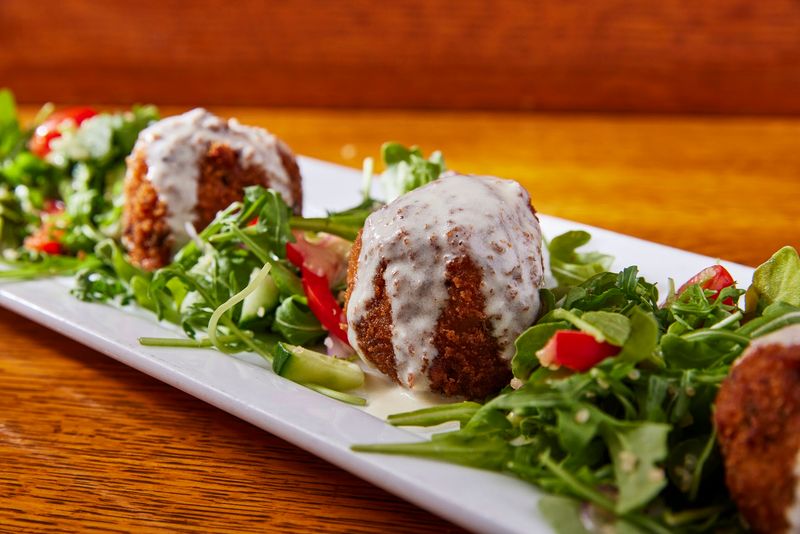
Signature plates like schnitzel and spaetzle tie directly to the title and the restaurant’s long-running theme. Beer and house root beer add another layer of identity.
Dessert, especially apple strudel, extends the meal rather than feeling tacked on at the end. There is also value in how approachable the place remains. Travelers do not need a special occasion to go.
Office workers can stop by for lunch. Families can find familiar textures in noodles, potatoes, breaded cutlets, and pretzels.
Theater visitors can build dinner into an evening downtown. The restaurant works in many kinds of schedules, which is part of why it remains relevant.
Most of all, The Berghoff helps widen the picture of what eating in Chicago can mean. A city known for bold, iconic foods also has room for a long-running German restaurant that keeps serving the dishes it was built on.
That makes the place useful not only as a meal stop, but as a reminder that local food history is bigger than one or two famous categories.
For anyone drawn to restaurants with a strong sense of place, The Berghoff earns attention. It brings together age, location, recognizable dishes, and a confident old-school style. In a city that never stops adding new options, that kind of steady presence is its own attraction.
Share this story