The sound of grain being ground inside Mansfield Roller Mill makes Indiana history feel surprisingly alive. Set in the tiny community of Mansfield, this historic mill preserves machinery and milling traditions from an era when local mills played an essential role in everyday life.
Visitors can explore the building, learn how grain became flour, and experience a working piece of the state’s agricultural past rather than simply viewing artifacts behind glass. The quaint setting adds to the old-fashioned appeal and makes the stop feel wonderfully removed from modern routines. For history lovers, Mansfield offers a fascinating glimpse into Indiana’s hardworking past.
Where the Creek, Bridge, and Mill Create the Whole Scene
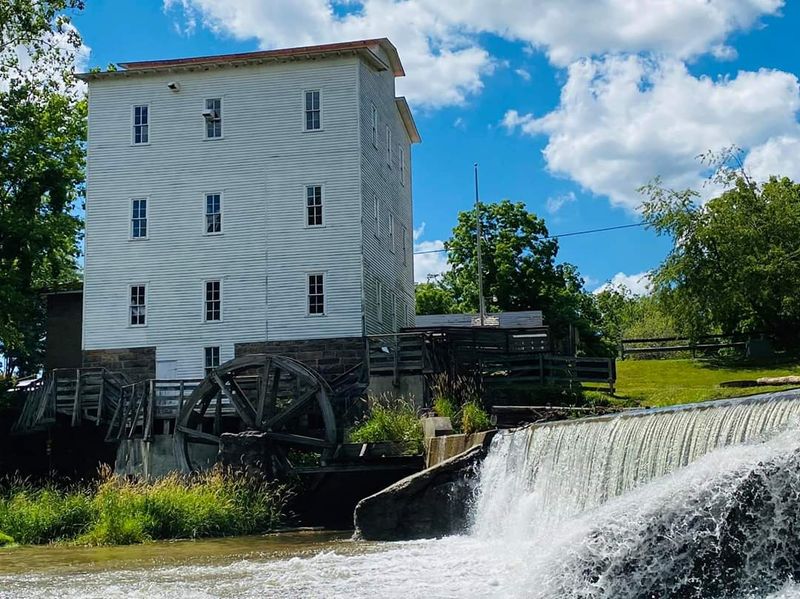
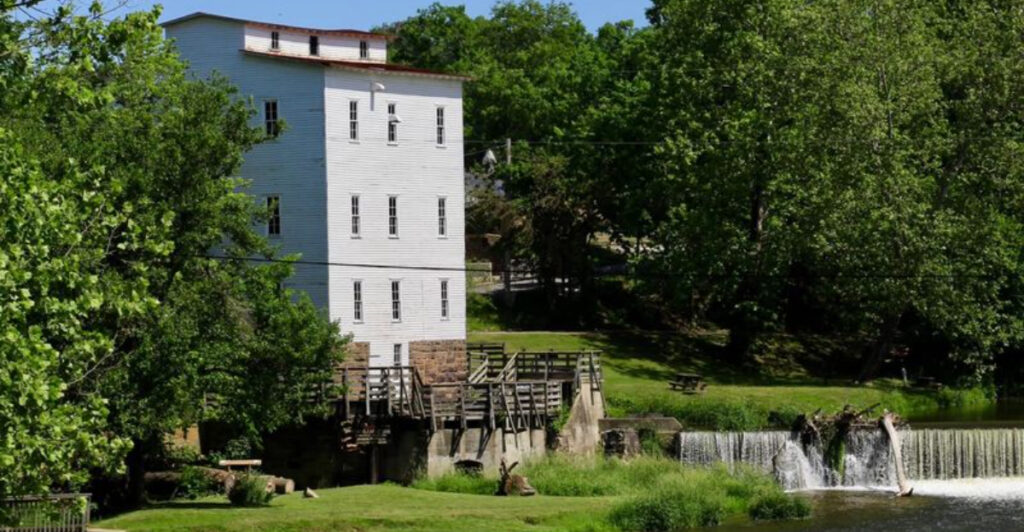
Some places need a long explanation. Mansfield does not. The setting tells the story quickly, with a historic mill near the water, a covered bridge close by, and the kind of quiet road that makes a driver slow down on purpose.
That first look matters because the mill is not sitting in a busy downtown block or hidden inside a modern shopping area. It stands in a landscape that helps the whole experience make sense.
Water, road, bridge, and worksite fit together in a way that shows why a mill belonged here in the first place. The natural backdrop gives the buildings real weight.
Instead of looking like a museum piece dropped into the wrong place, the mill appears connected to the creek and the land around it.
That connection helps visitors understand that flour milling was once practical daily work, not a staged attraction built only for photos.
Mansfield also benefits from scale. Nothing feels oversized or crowded, so details become easier to notice, from weathered wood and stone to the shape of the mill itself.
A smaller setting often slows people down, and that slower pace is useful here because the charm is in the arrangement of the place, not in flashy signs or big entertainment.
Morning light and fall color likely make the strongest visual impression, but even an ordinary day can be rewarding. The site has enough texture to hold attention without needing special effects.
For families, photographers, and history fans, that means the trip starts working before anyone even steps inside. In Mansfield, the old mill is the anchor, but the surrounding scene is what turns a simple building into a memorable destination.
Inside the Working Mill, Grain Becomes the Main Event
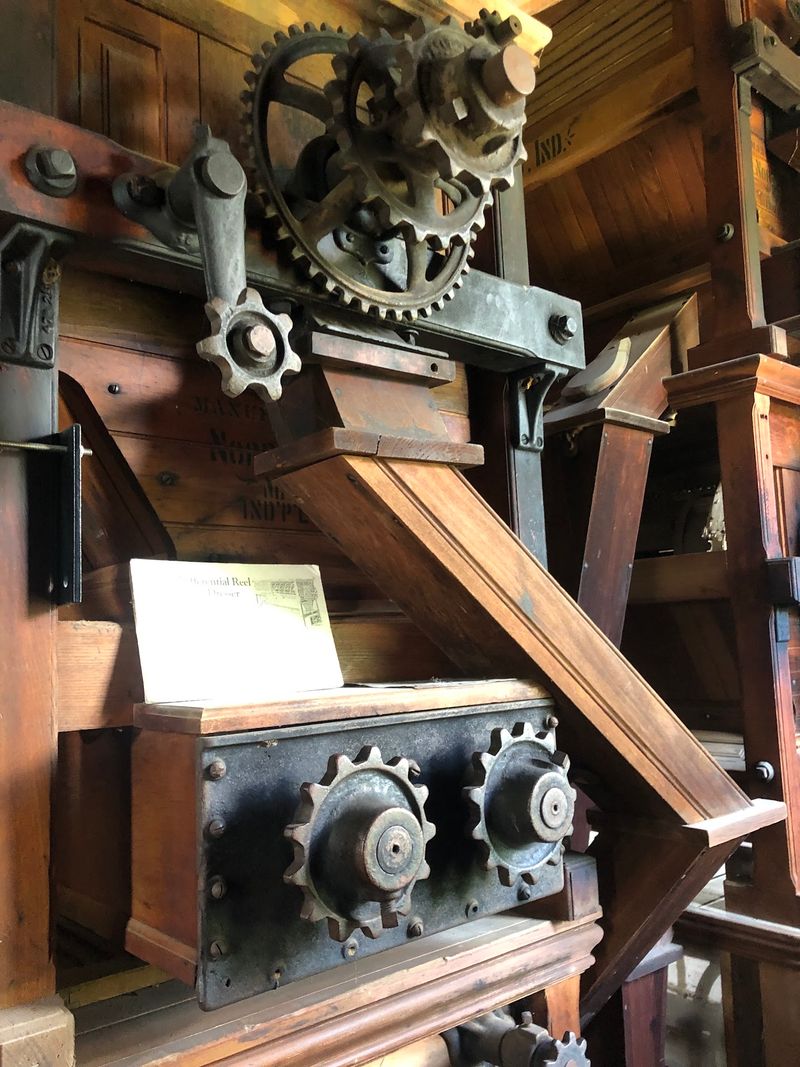
Plenty of old mills survive as shells, but the big draw in Mansfield is action. Grain still gets processed here, which changes the visit from simple sightseeing into a chance to watch an old food-making system stay useful in the present.
That working quality adds a layer of respect to the building. Machinery makes more sense when it is tied to a real outcome, and flour is an easy result for anyone to understand.
Instead of staring at parts with no purpose, visitors can connect moving grain, mechanical equipment, and finished product in one clear chain.
The educational value is strong because milling is both simple and fascinating. Grain comes in rough and whole, then passes through equipment designed to break, separate, and refine it.
Seeing that process, or even learning about it on site, helps explain how communities once turned local crops into daily bread, biscuits, and other basics.
Children usually understand the appeal quickly. Flour begins as something hard and ordinary, then becomes something soft, useful, and familiar.
Adults often notice another side of it, which is the engineering. Belts, rollers, gears, and structure all worked together in a period when every step depended on physical systems rather than a button on a screen.
There is also a sensory angle that makes the mill memorable. Wood, dust, grain, and machinery create a setting that feels grounded in real labor.
Nothing about that is abstract. Mansfield offers a rare chance to connect local agriculture, food production, and industrial history in one place.
When the mill is running, the lesson becomes even clearer: this is not only a preserved building. It is a place where an old skill still earns its keep through the steady, understandable work of grinding grain.
Fresh Flour on the Shelf Gives the Story a Useful Ending
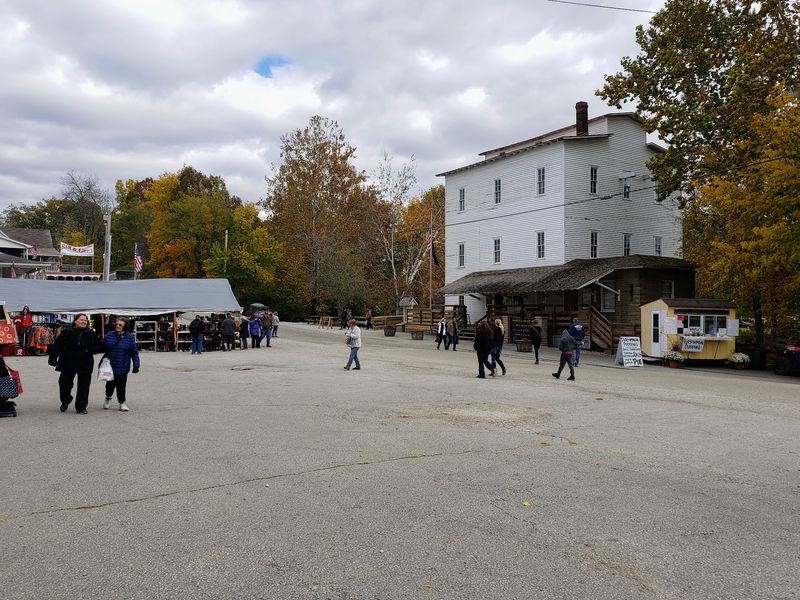
A strong travel stop usually offers more than a look around. In Mansfield, the story ends with something practical, because the mill’s products can be bought and taken home.
That simple detail gives the whole place extra meaning. Freshly ground flour is not a souvenir that sits on a shelf and gathers dust. It asks to be used.
For home cooks, that changes the mood of a visit right away. The trip becomes connected to a future breakfast, a batch of cookies, a loaf of bread, or a pan of biscuits made back in an ordinary kitchen.
Buying flour from the mill also helps people understand the value of local production. Instead of food appearing from a giant anonymous supply chain, it comes from a visible process in a specific place.
That direct link between site and product can make even a small purchase feel more thoughtful. There is an old-fashioned appeal in seeing useful staples sold in a historic setting. Flour and meal are humble goods, but they carry a lot of meaning here.
They represent farming, labor, mechanics, cooking, and trade all at once. A bag from the store is a reminder that history was built on daily needs, not only on grand events.
For travelers, this is also one of the easiest ways to extend the visit after leaving Mansfield. Bake with the flour, share it with relatives, or give it as a gift to someone who loves regional food.
The purchase becomes part of the memory without feeling forced or gimmicky. Many historic sites teach visitors something and send them on their way.
Mansfield does one better. It lets people carry home a small part of the place in a form that can be opened, measured, mixed, and turned into supper.
A General Store With More Character Than a Gift Counter
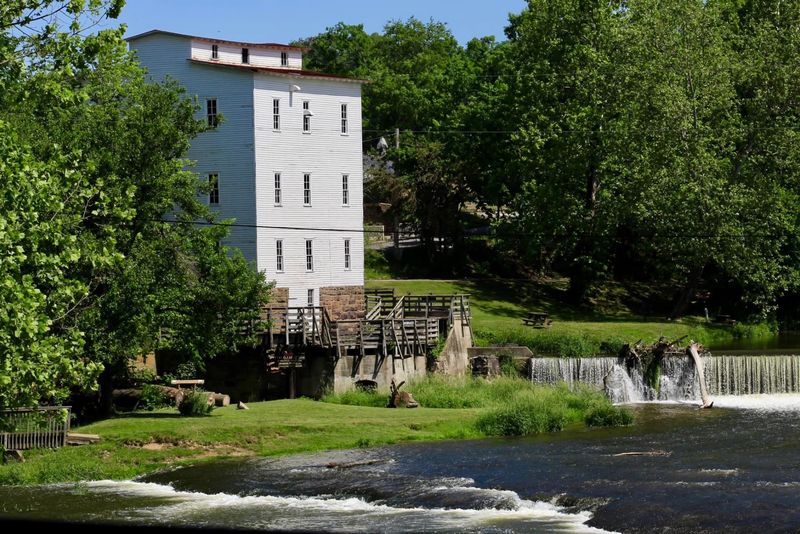
Not every shop at a historic site deserves special attention, but the general store in Mansfield is part of the headline for a reason. It adds personality, convenience, and a sense of continuity that a standard museum gift area would not provide.
The phrase general store suggests a different rhythm from modern retail. It brings to mind useful goods, plain displays, and the kind of browsing that happens without hurry.
That matches the mill setting well. Visitors are not being rushed toward novelty items. The space supports the larger idea that Mansfield still values practical things.
Its charm comes from scale and purpose. A quaint store works best when it stays rooted in the place around it, and here the connection is clear.
The building and its goods belong to the same story. Milling leads naturally to selling, and selling leads naturally to taking part in local life rather than simply observing it.
For families, the store can be the easiest entry point. Kids may not instantly grasp mechanical history, but they understand the pleasure of shelves, packages, and small discoveries.
Adults often notice the mood first, especially the contrast with chain stores and highway stops where every detail looks planned by a distant office.
The general store also helps Mansfield avoid becoming static. A site that only explains the past can sometimes feel sealed off.
A store that serves present-day shoppers keeps the place active and social. It gives people a reason to linger, ask questions, and connect the mill’s history to regular household use.
In that way, the store is not a side attraction. It is part of the working idea of Mansfield itself. The old mill turns grain into flour, and the store completes the circle by placing that product back into everyday hands, right where local trade has long mattered.
Why This Old Indiana Mill Still Matters Beyond Nostalgia
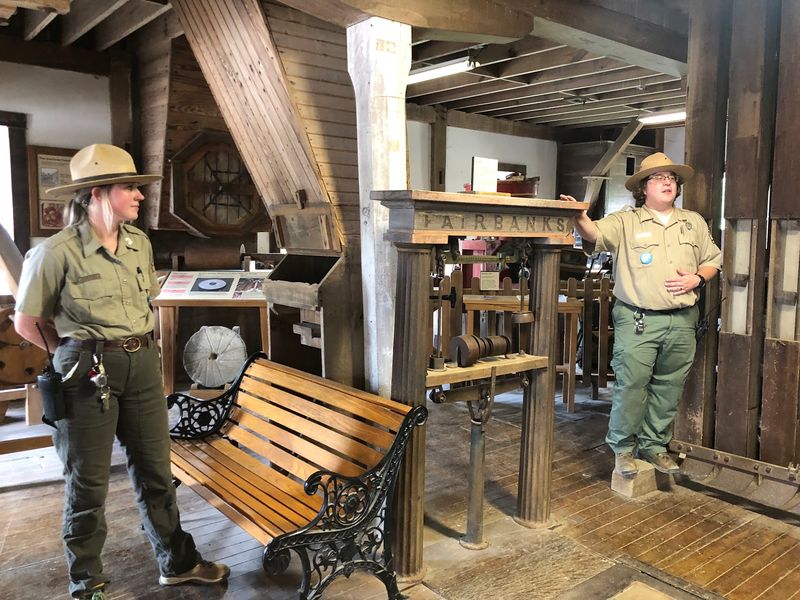
History can turn flat when it is reduced to dates and labels. Mansfield avoids that problem because the mill connects to something basic and ongoing: food. A place tied to flour carries a clear purpose, which gives the past more weight than a display case ever could.
That is why the mill matters beyond its age. It shows how communities once depended on nearby systems to handle daily needs. Grain had to be grown, moved, processed, sold, and used. A working mill sat in the middle of that chain.
Understanding that role helps visitors picture how a small Indiana community functioned long before modern supermarkets and industrial food plants took over.
The site also says something about preservation. Keeping an old structure standing is one achievement. Keeping its story understandable through function is another. Mansfield offers a stronger lesson because the mill is linked to real output, not only memory.
That makes the experience easier for younger visitors too, since it answers a simple question: what was this building for?
Local identity plays a role here as well. Small communities often get overlooked, yet places like Mansfield hold the details that explain a region best.
Milling, farming, waterways, and roadside trade shaped much of Indiana life. The mill puts those threads close enough to see without forcing the story into a textbook style.
There is also a refreshing honesty in the subject itself. Flour is ordinary, and that is exactly the point. Daily necessities built towns, paid bills, and filled kitchens. Mansfield preserves that practical side of history in a way that feels accessible rather than grand.
For anyone interested in Indiana heritage, the old mill stands out because it keeps work, place, and product tied together. That combination gives the site lasting relevance, even in an age when most people never see where staple foods begin.
Best Way to Enjoy Mansfield Without Rushing the Experience
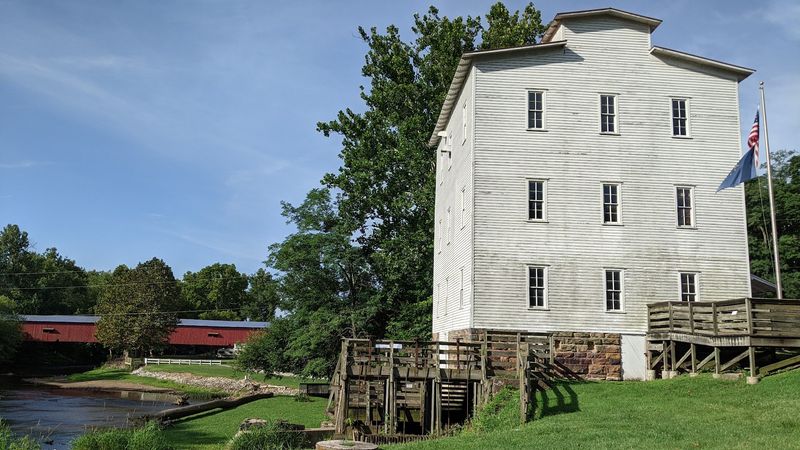
The smartest way to visit Mansfield is to treat it as a slow stop, not a fast checkbox. The site rewards people who give themselves time to look around, notice the setting, and connect the mill, store, bridge, and creek as parts of one small historic landscape.
Start outdoors before heading inside. The exterior view helps everything click into place, especially if the water, trees, and mill buildings are all visible at once.
That outside pause makes the later details indoors easier to understand because the place already has a clear frame in the mind.
Once at the mill, pay attention to how the building is arranged and how the machinery relates to the finished flour sold nearby. Even if a traveler does not know much about milling, the general idea is easy to follow when looking for inputs, movement, and results.
Kids can turn it into a simple game by tracing where grain goes and what comes out at the end. The general store deserves unhurried browsing too. A quick purchase is fine, but reading labels and comparing items makes the visit more satisfying.
Shoppers who like baking may want to plan ahead so the flour can be used soon after getting home, which turns the outing into part of a weekend meal.
Photography works best here when it stays patient. Instead of searching only for one dramatic angle, look for textures like weathered boards, stone surfaces, shelf displays, and water nearby.
Those details explain Mansfield better than a single wide shot. Comfortable shoes, a little extra time, and low expectations for speed all help.
The point is not to race from attraction to attraction. Mansfield is at its best when the pace drops, the senses wake up, and one historic working mill gets the attention it has earned.
The Sharp Reason Mansfield Stands Out on an Indiana Backroad
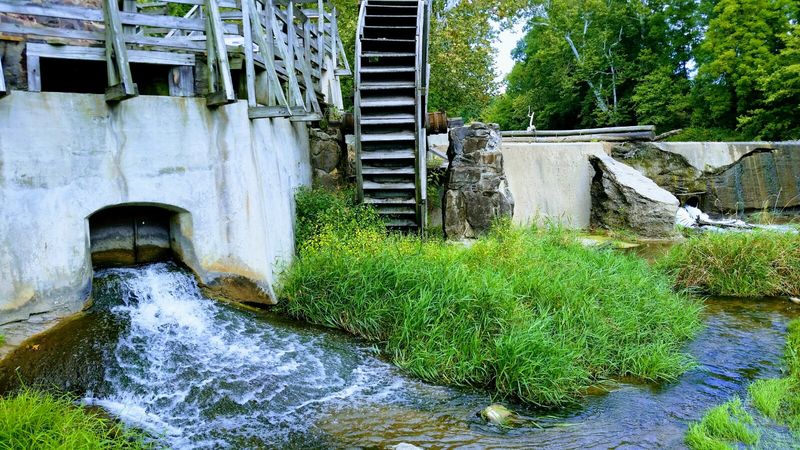
Many roadside history stops offer scenery, and many old buildings offer stories. Mansfield stands apart because it combines a strong setting with a working purpose.
The mill is not memorable only because it is old. It is memorable because it still connects place, process, and product in one compact experience.
That combination is harder to find than it sounds. A visitor can see the building, understand what happens there, and then buy the result in the general store.
Nothing in that sequence is abstract. It turns local history into a chain that is easy to follow, even for someone who usually skips museums or historic markers.
Mansfield also benefits from its scale. The experience stays focused instead of sprawling in ten directions at once.
There is no need for giant crowds, oversized entertainment, or flashy distractions. The appeal comes from clarity. An old flour mill still grinds grain. A quaint store still sells it. The title tells the truth, and the place backs it up.
That honesty gives Mansfield a special edge on an Indiana day trip. Travelers get visual appeal, a touch of engineering, a lesson in food history, and a practical purchase all in one stop.
Families can keep it simple, photographers can chase texture and light, and home bakers can leave with something more meaningful than a trinket.
Small towns often shine brightest when they preserve one thing especially well. Mansfield has done that with its mill.
The result is a destination that is easy to understand and easy to recommend without overexplaining it. For anyone drawn to places where history still does useful work, Mansfield offers a clear answer.
The flour mill remains the star, the general store completes the story, and the whole setting proves that an everyday staple can still anchor an unforgettable Indiana stop.
Share this story